13 Unexpected Places Where Iconic Brands Got Their Start
The world’s most recognizable brands often have surprising origin stories that bear little resemblance to their current global presence. Behind many household names lie humble beginnings, chance encounters, and unexpected locations that shaped their eventual success.
Here is a list of 13 unexpected places where some of the world’s most iconic brands first made their mark, transforming from local curiosities into international powerhouses.
A Garage in Palo Alto

Apple’s journey to becoming one of the world’s most valuable companies began in the garage of Steve Jobs’ childhood home in Los Altos, California. In 1976, Jobs and Steve Wozniak assembled the first Apple computers by hand in this modest space, selling them to local computer enthusiasts.
What started as a two-person operation in a suburban garage would eventually revolutionize personal computing, music, and mobile communications worldwide.
A Seattle Coffee Shop

Before becoming the global coffee giant with over Starbucks stores, Starbucks started as a single shop at Pike Place Market in Seattle in . Initially, the store didn’t even serve brewed coffee—it only sold roasted whole coffee beans.
The transformation began when Howard Schultz joined the company and, inspired by Italian coffee culture, convinced the founders to serve espresso drinks in their stores.
A College Dorm Room

Facebook, now Meta, traces its origins to Mark Zuckerberg’s Harvard dorm room in . Created initially as ‘Thefacebook,’ a social network exclusively for Harvard students, the platform quickly expanded to other universities before opening to anyone over years old.
From a project coded in a cramped student residence, it grew into a platform connecting billions of people across the globe.
A Japanese Clothing Store

Nintendo, the video game powerhouse, began in as a small business selling handmade playing cards in Kyoto, Japan. Founded by Fusajiro Yamauchi, the company operated for nearly years before exploring other ventures, including taxi services and instant rice.
It wasn’t until the s that Nintendo shifted focus to electronic games, eventually creating iconic franchises like Mario and Zelda.
A Farmhouse Kitchen

Hewlett-Packard (HP) was born in a rented garage in Palo Alto, California, but its first product was developed in a farmhouse kitchen. Bill Hewlett and Dave Packard created their audio oscillator, used for testing sound equipment, using the farmhouse’s oven to bake the paint onto the product’s panels.
Their first significant customer was Walt Disney Studios, which purchased eight oscillators for the production of ‘Fantasia.’
A Swedish Village
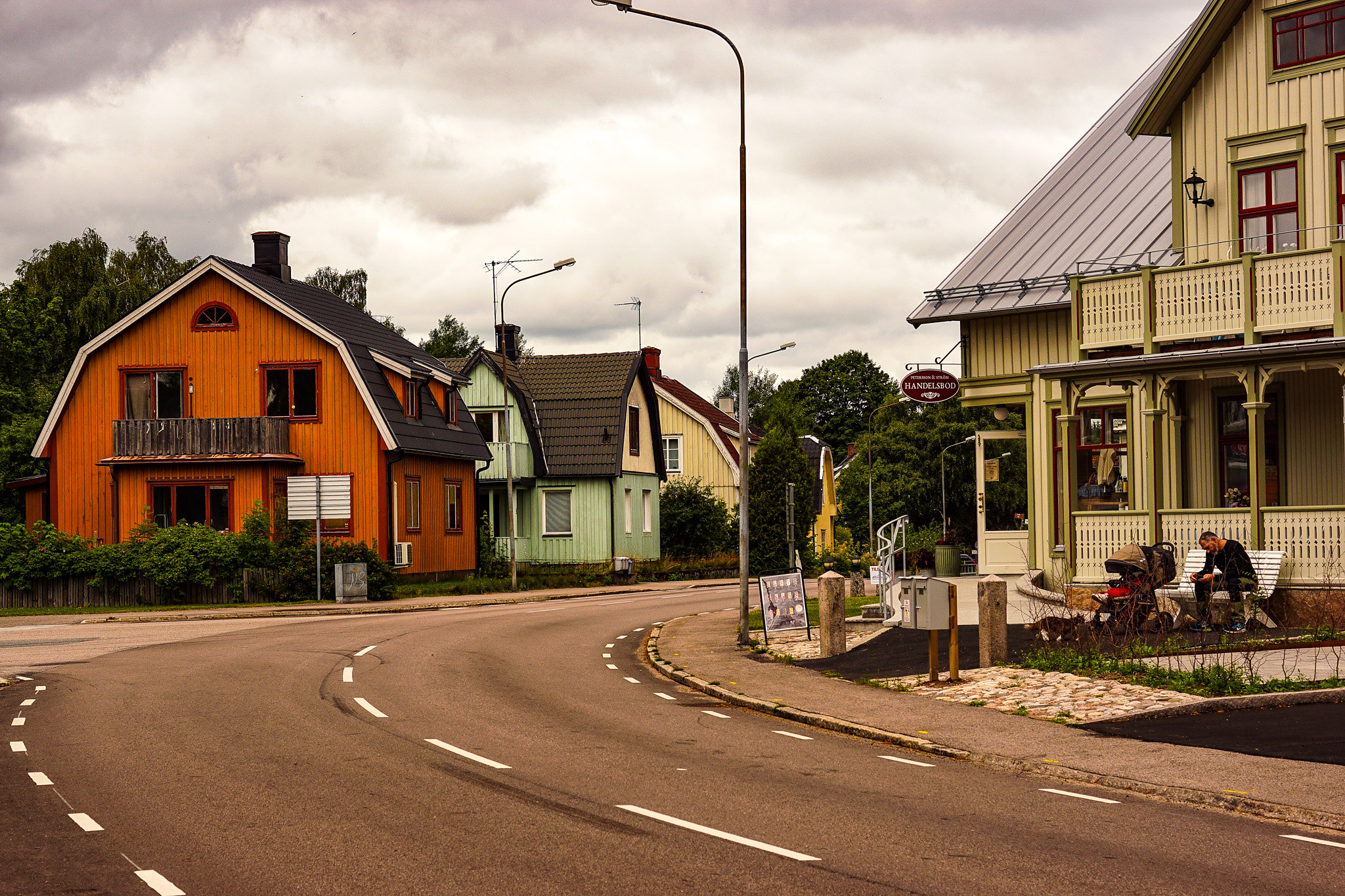
IKEA’s global empire of flat-pack furniture originated in the small Swedish village of Älmhult in . Founder Ingvar Kamprad started by selling pens, wallets, and picture frames from his bicycle at age .
The name IKEA combines his initials with those of his family farm (Elmtaryd) and parish (Agunnaryd). The first showroom opened in this remote location in , establishing the blueprint for the company’s unique retail concept.
A Cincinnati Soap Factory

Procter & Gamble began in when William Procter, a candlemaker, and James Gamble, a soapmaker, joined forces in Cincinnati, Ohio. Their small soap and candle factory gained prominence during the Civil War by supplying the Union Army with soap and candles.
This humble manufacturing operation evolved into one of the world’s largest consumer goods companies with hundreds of brands under its umbrella.
A Roadside Hot Dog Stand
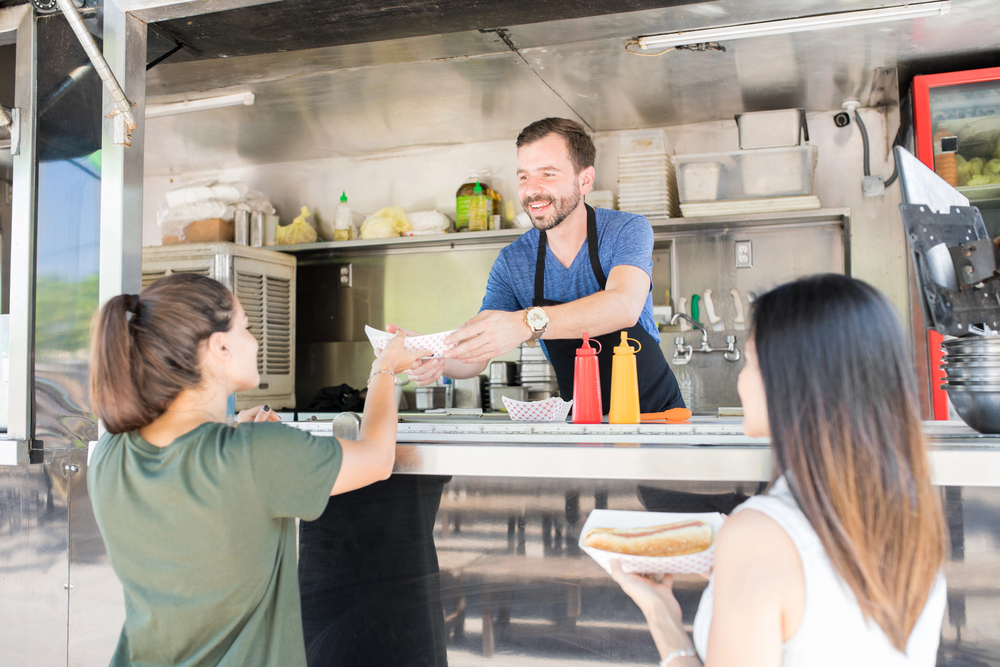
Marriott International, the global hospitality giant, started as a nine-seat hot dog stand called the Hot Shoppe in Washington, D.C. Founded by J. Willard and Alice Marriott in , the stand sold root beer and hot dogs for five cents each.
The Marriotts didn’t enter the hotel business until , thirty years after selling their first hot dog.
A Kentucky Gas Station

Kentucky Fried Chicken began at a service station in Corbin, Kentucky, where Harland Sanders served travelers who stopped for gas. Sanders cooked his chicken in the back room of his living quarters at the gas station because he didn’t have a restaurant.
His cooking became so popular that the governor of Kentucky named him a Kentucky Colonel in for his contributions to the state’s cuisine.
A Kansas City Pharmacy

Hallmark Cards started when Joyce Hall began selling postcards out of two shoeboxes at a Kansas City, Missouri pharmacy in . Hall, only at the time, saw potential in the greeting card business when paper postcards began to be enclosed in envelopes.
From this modest counter display, Hallmark grew into the largest greeting card company in the United States.
A Korean Grocery Store

Samsung began as a small trading company in , founded by Lee Byung-Chull in Daegu, Korea. The company initially exported dried Korean fish, vegetables, and fruit to China.
Samsung didn’t enter the electronics industry until the late s, starting with black-and-white televisions. The grocery export business grew into a conglomerate spanning electronics, shipbuilding, construction, and more.
A Soda Fountain in Atlanta
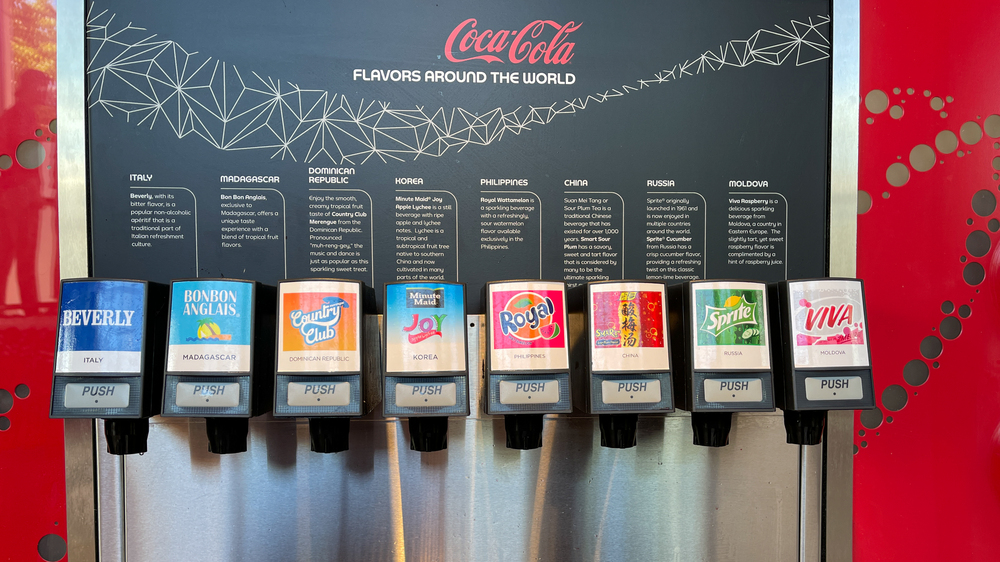
Coca-Cola was first served at Jacobs’ Pharmacy in Atlanta, Georgia, in . Pharmacist John Pemberton created the syrup as a medicinal product and sold about nine glasses per day at five cents each.
His bookkeeper, Frank Robinson, named the mixture and wrote it in the distinctive script that still serves as the product’s logo today. From this single soda fountain, Coca-Cola expanded to become available in more than countries.
A German Kitchen

Adidas, the sportswear giant, was born in the washroom of the Dassler family home in Herzogenaurach, Germany. Founded by Adolf “Adi” Dassler in the s, the company began with Adi making sports shoes by hand after returning from World War I.
He would test his designs on local athletes and make improvements based on their feedback. His brother Rudolf later split off to form rival company Puma, creating one of the most famous sibling rivalries in business history.
From Humble Beginnings to Global Recognition

These iconic brands demonstrate how extraordinary success often springs from ordinary beginnings. The contrast between their modest origins and current global footprints serves as a powerful reminder that transformative ideas can emerge from anywhere—be it a garage, kitchen, or small-town shop.
While these companies have evolved dramatically since their founding, many still honor their heritage as a fundamental part of their brand identity, connecting their present innovations to the entrepreneurial spirit that first brought them into existence.
More from Go2Tutors!

- The Romanov Crown Jewels and Their Tragic Fate
- 13 Historical Mysteries That Science Still Can’t Solve
- Famous Hoaxes That Fooled the World for Years
- 15 Child Stars with Tragic Adult Lives
- 16 Famous Jewelry Pieces in History
Like Go2Tutors’s content? Follow us on MSN.



