Movie Sets Destroyed by Natural Disasters
Film productions spend millions creating elaborate sets that transport audiences to different worlds and time periods. These carefully constructed environments take months to build and represent countless hours of artistic vision and physical labor.
Yet nature doesn’t care about budgets, schedules, or artistic vision. When hurricanes, floods, fires, and storms arrive, even the most expensive movie sets can crumble in minutes, forcing productions to scramble, rebuild, or completely change their plans.
The history of cinema includes dozens of productions that faced devastating natural disasters. Some recovered and finished their films, while others never quite bounced back from the chaos.
The Perfect Storm damage to The Crucible
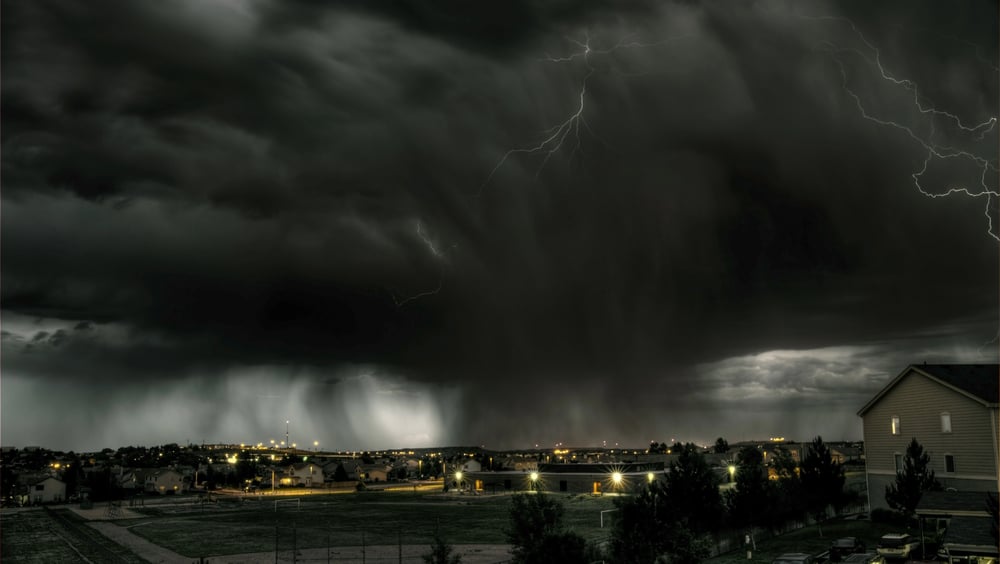
A massive storm hit Hog Island off the coast of Massachusetts in 1996 while crews were building sets for The Crucible, a film about the Salem witch trials. The production had constructed an entire 17th-century village complete with houses, a church, and detailed period structures.
Hurricane-force winds and flooding destroyed months of work in a single night. The crew had to rebuild significant portions of the Salem village set, pushing the production schedule back by weeks.
Director Nicholas Hytner and the team eventually completed the film, but the storm added unexpected costs and stress to an already challenging historical drama.
Titanic set flooding in Mexico
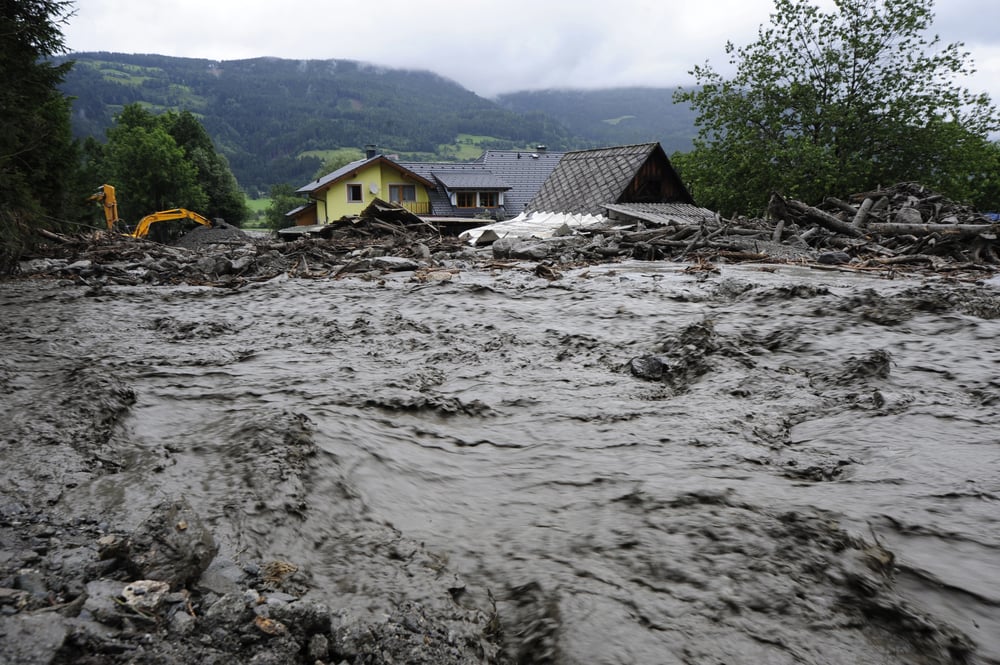
James Cameron built massive Titanic sets at a specially constructed tank facility in Baja California, Mexico. During production in 1996, a severe storm caused flooding that damaged portions of the elaborate ship recreation and surrounding facilities.
The production already faced numerous challenges including budget overruns and technical difficulties with the water tanks. The storm setback added to delays that made Titanic one of the most troubled productions in Hollywood history.
Despite all the disasters, both natural and man-made, the film became one of the highest-grossing movies ever made and won 11 Academy Awards.
Apocalypse Now typhoon in the Philippines
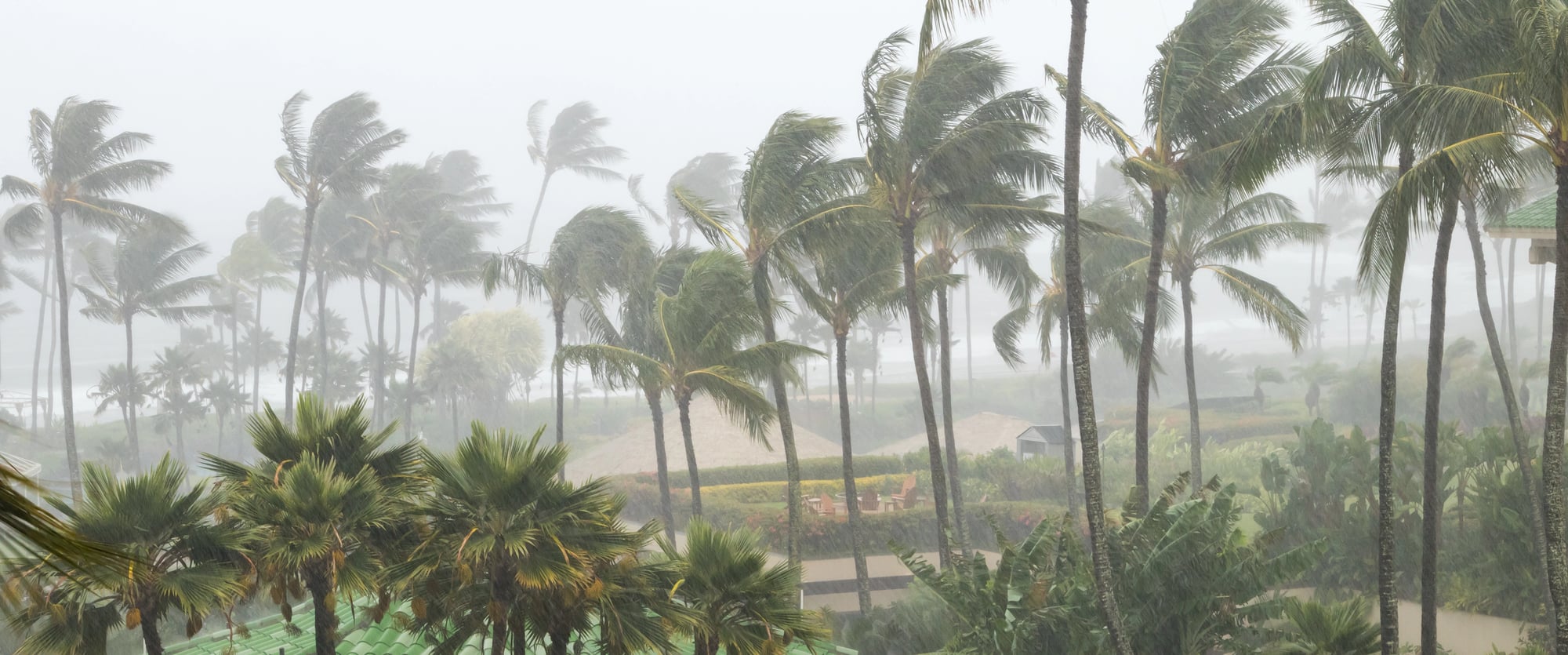
Francis Ford Coppola’s Vietnam War epic faced a real typhoon while filming in the Philippines in 1976. Typhoon Olga destroyed elaborate sets that included a Vietnamese village and a Cambodian temple complex built specifically for the production.
The storm damaged helicopters, equipment, and months of construction work. Production shut down for eight weeks while crews rebuilt destroyed sets and waited for weather conditions to improve.
The typhoon was just one of many disasters that plagued Apocalypse Now, turning what should have been a 14-week shoot into a 238-day nightmare that nearly bankrupted Coppola.
The Hurricane devastation on The Beach
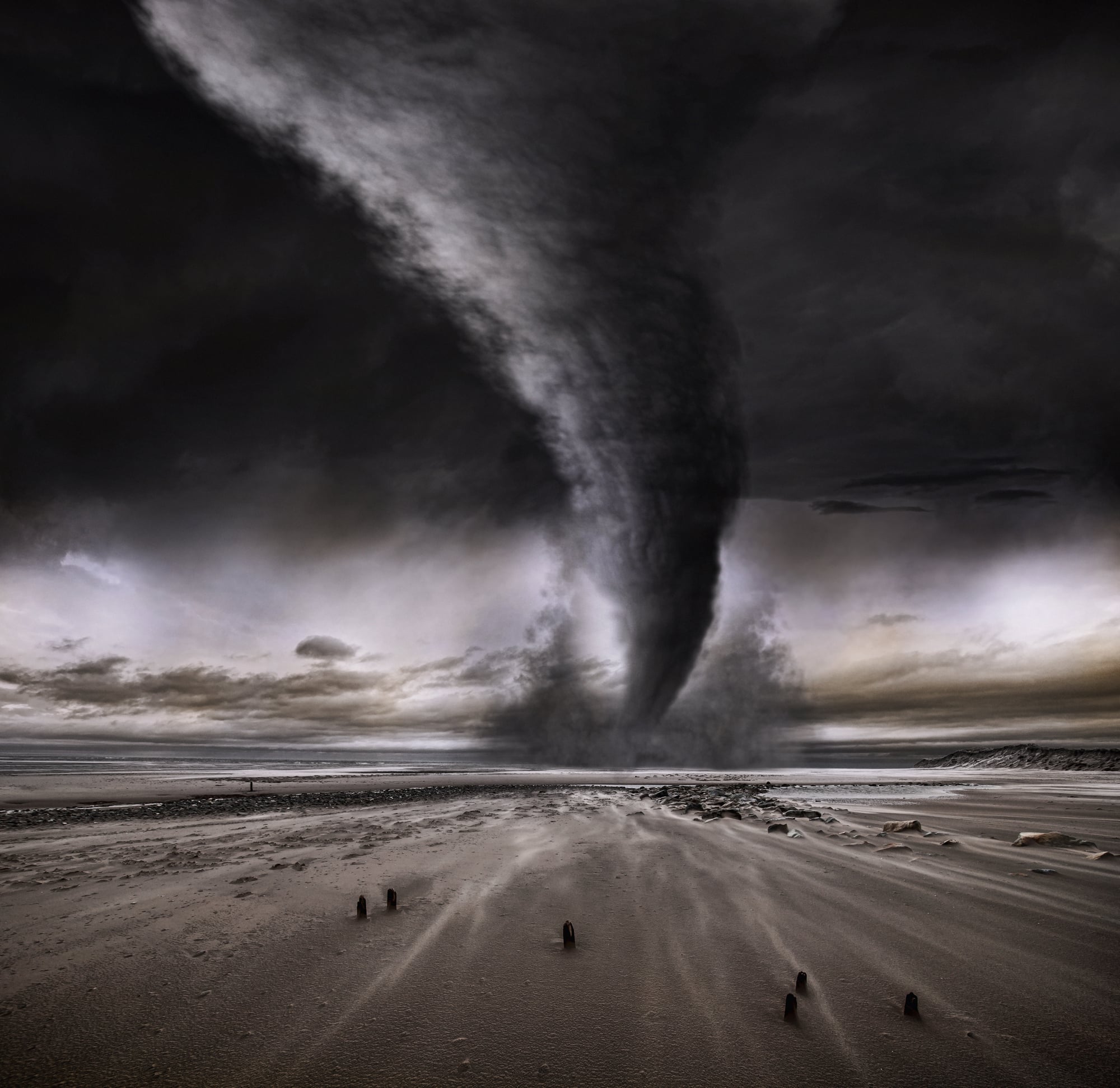
Danny Boyle’s film The Beach starring Leonardo DiCaprio filmed at Maya Bay in Thailand, a location chosen for its pristine beauty. While the production itself faced controversy for environmental damage, a separate natural disaster struck during filming.
Monsoon rains and storm damage forced the crew to halt production and rebuild portions of the beach camp sets. The production’s presence and the subsequent tourism boom the film created actually led to long-term environmental problems at Maya Bay, which authorities eventually closed for several years to allow the ecosystem to recover from both the film and tourist damage.
Fire destroys Little House on the Prairie town
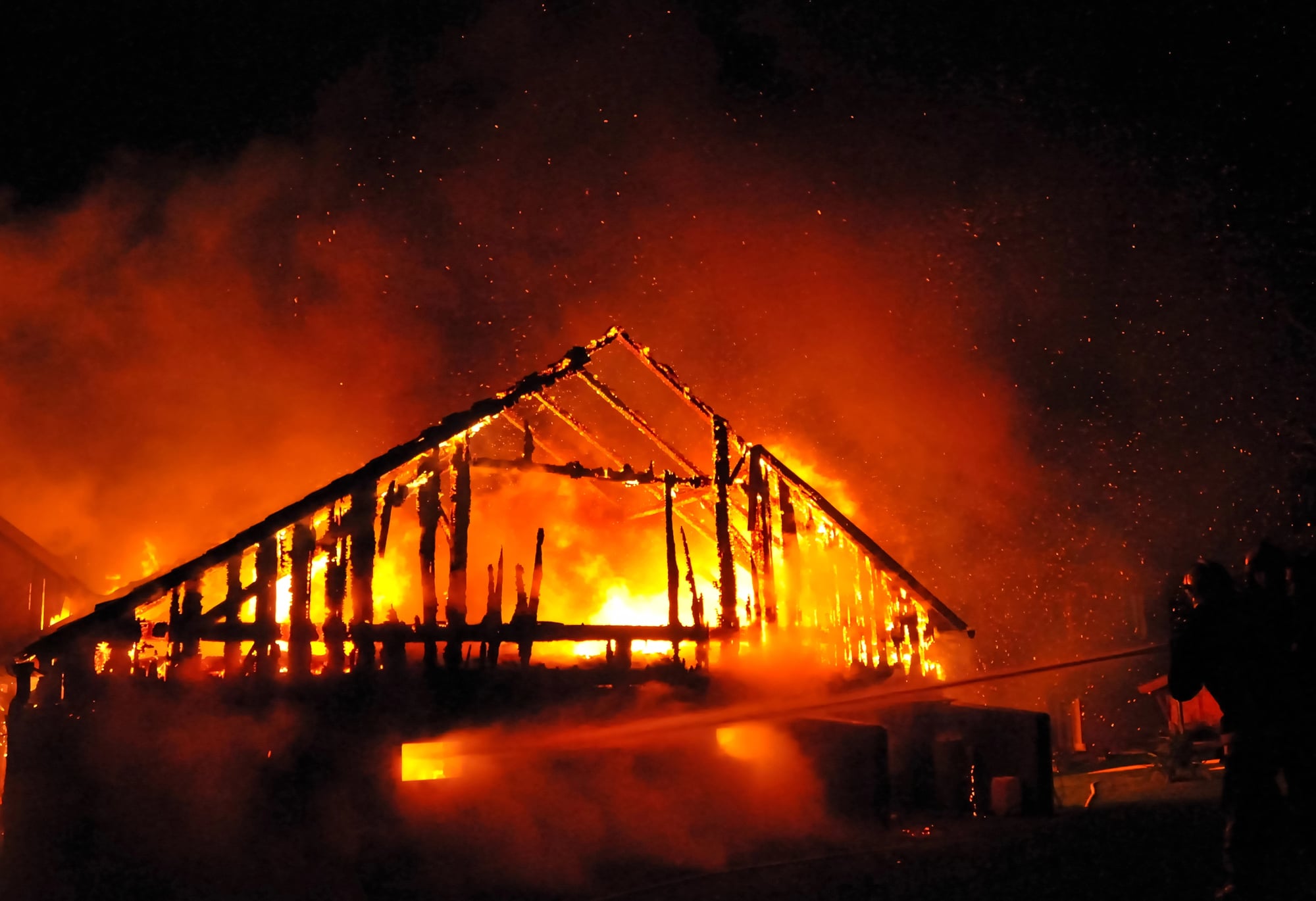
The iconic Western town set used for Little House on the Prairie stood for decades at Big Sky Ranch in Simi Valley, California. The Woolsey Fire swept through the area in November 2018, completely destroying the beloved structures that had appeared in countless episodes and TV movies.
The fire consumed not just the Little House buildings but also sets from other Western productions that had used the location. The loss hit particularly hard for fans of the show and preservationists who valued the historical TV landmarks.
The ranch area had survived previous fires, but the intensity and speed of the Woolsey Fire left nothing standing.
Hurricane Katrina impacts on Ray
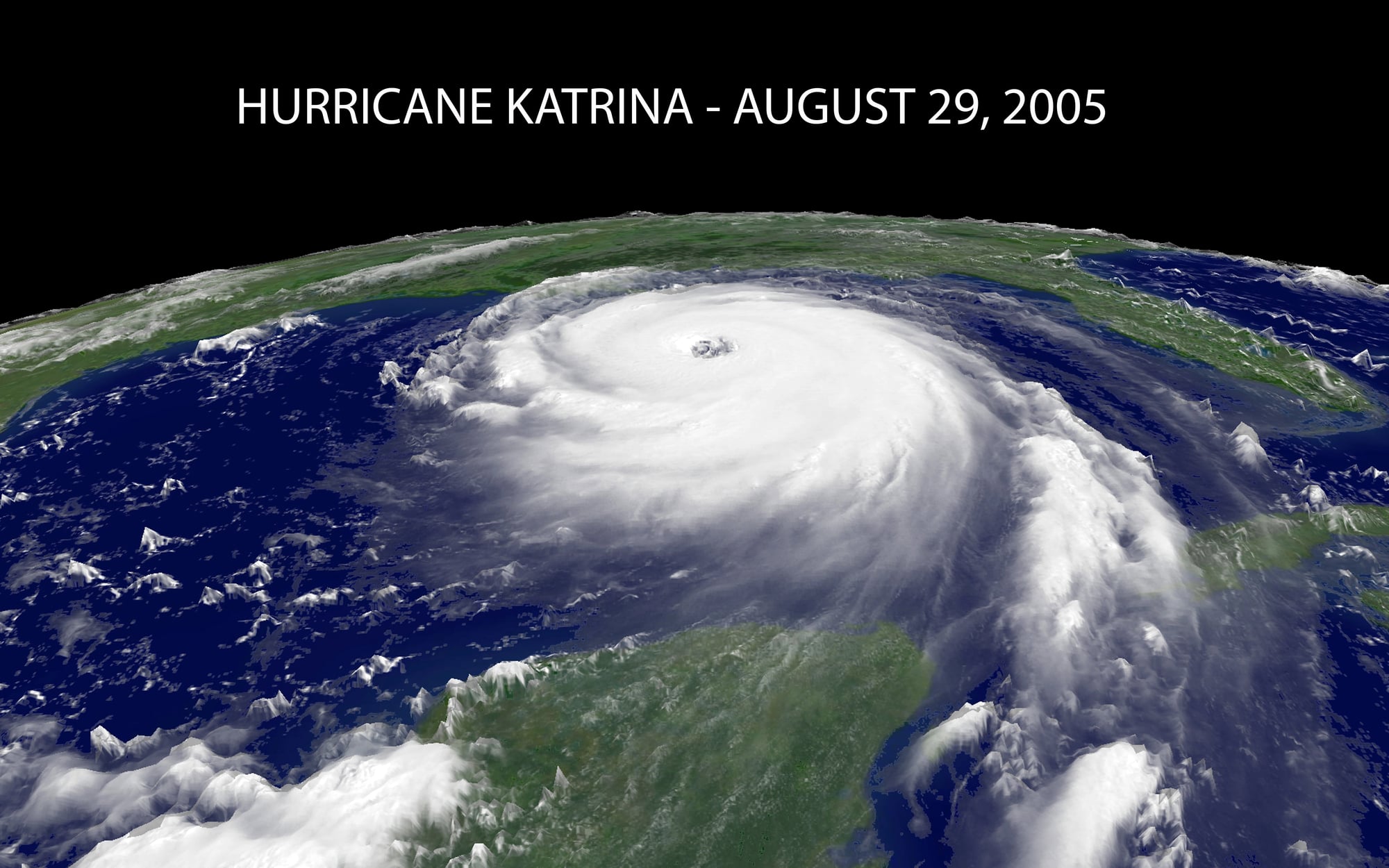
The biographical film Ray about musician Ray Charles was shooting in New Orleans when Hurricane Katrina struck in August 2005. While the main production had wrapped, second unit filming and some additional scenes were still scheduled.
The devastation made it impossible to return for planned shots, forcing the production team to find alternative locations or abandon certain scenes entirely. New Orleans locations that appeared in the film took on added poignancy after the hurricane destroyed or severely damaged many of the actual buildings.
The film had already premiered before Katrina hit, but the disaster affected home video releases and promotional efforts.
Earthquake damages The Right Stuff sets
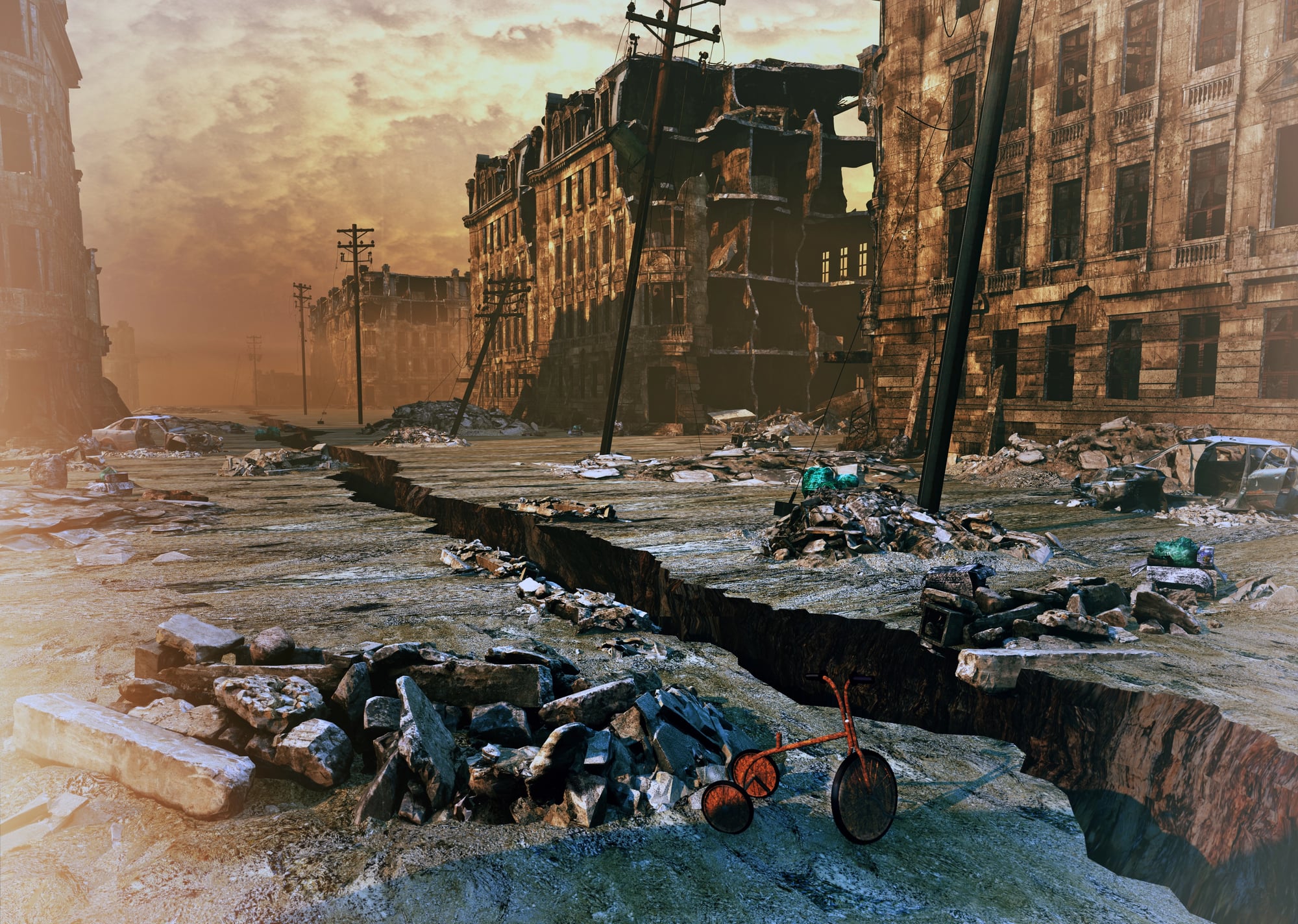
The 1983 film The Right Stuff about the Mercury Seven astronauts used various California locations including areas near fault lines. A moderate earthquake struck during production, damaging some of the period-specific sets built to recreate 1950s and 1960s America.
While not as devastating as some other disasters on this list, the earthquake caused delays and required repairs to structures and equipment. The production managed to stay relatively on schedule despite the setback.
The film went on to win four Academy Awards, though it underperformed at the box office despite critical acclaim.
Flooding destroys Waterworld set pieces
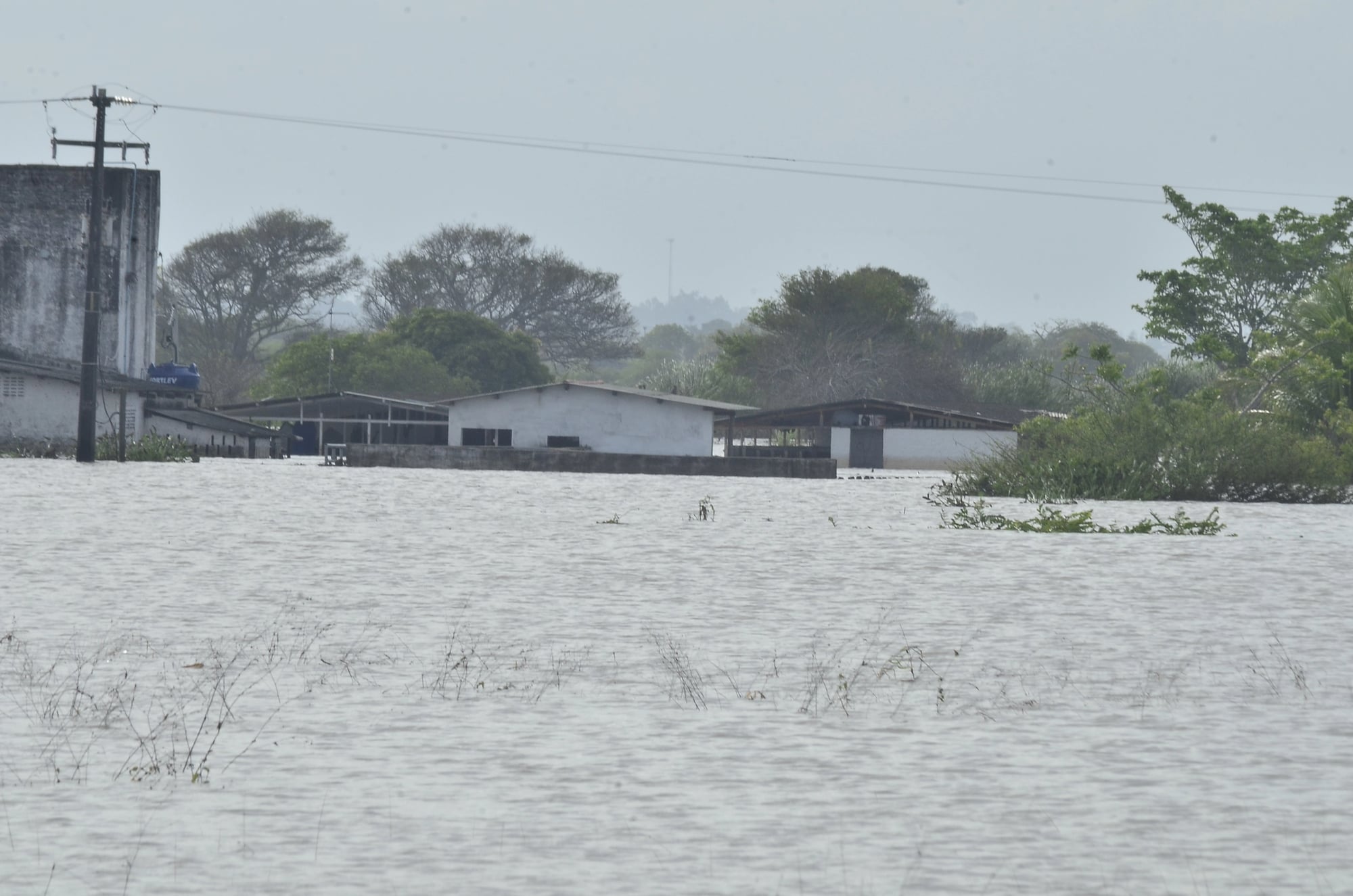
Waterworld already earned a reputation as one of the most expensive and troubled productions in history. The ocean-based sets off the coast of Hawaii faced constant challenges from weather and waves.
A severe storm during production destroyed portions of the elaborate floating atoll set that took months to construct. The film’s ambitious water-based filming meant that any significant weather event threatened the entire production.
Costs ballooned past $175 million, making it the most expensive film ever made at the time. Despite the troubled production and initial poor reception, Waterworld eventually broke even through international box office and home video sales.
The Day After Tomorrow ironic freeze
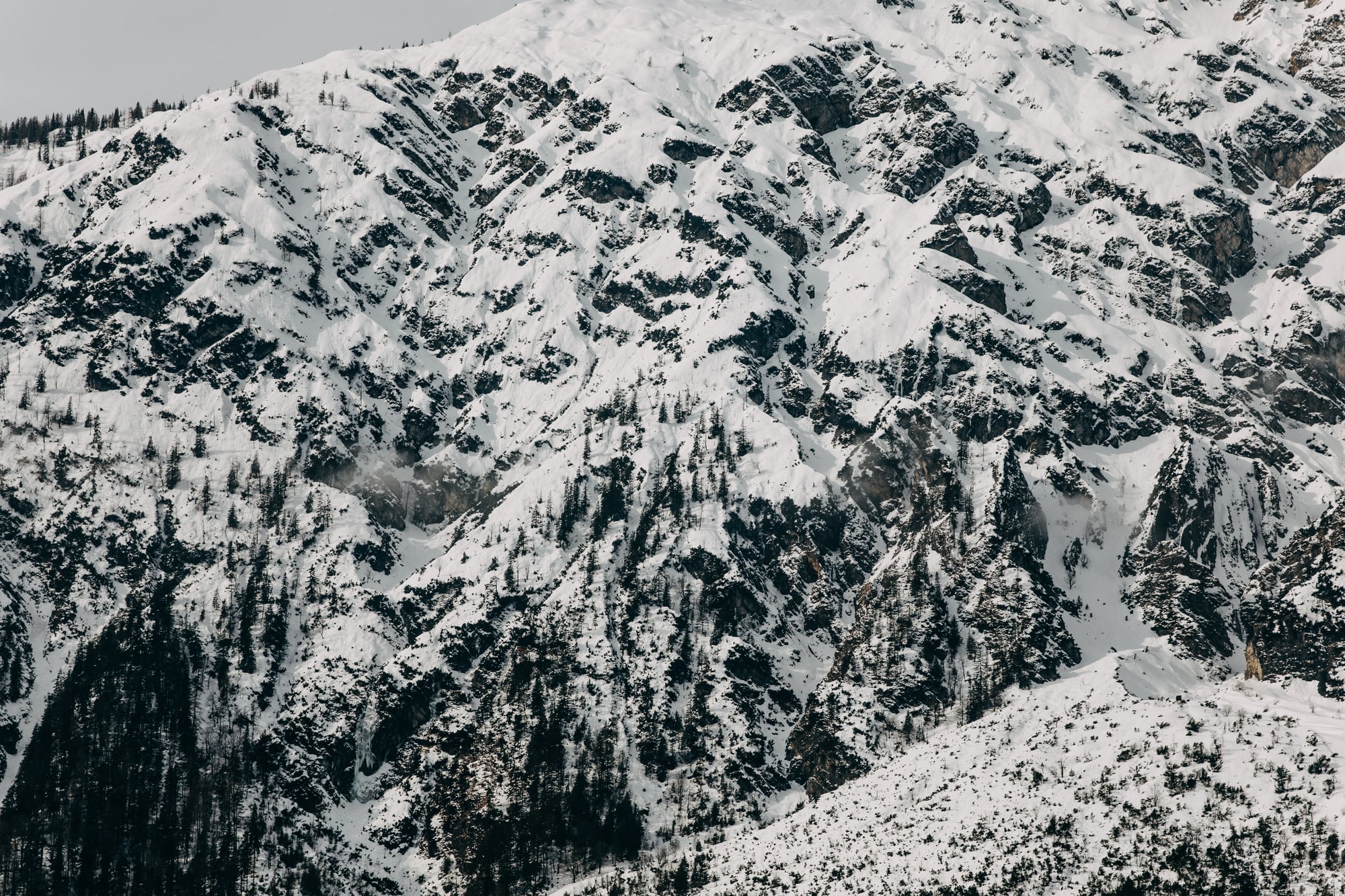
The disaster film about climate change causing a new ice age faced its own weather problems during production. Filming in Montreal during winter already presented challenges, but an unexpected deep freeze created dangerous conditions that halted production multiple times.
Equipment froze, outdoor sets became hazardous, and actors struggled with the genuinely frigid temperatures that went beyond what the production had anticipated. The irony of a climate disaster movie being shut down by extreme weather wasn’t lost on the cast and crew.
Director Roland Emmerich eventually completed the film, which became a box office success despite mixed critical reviews.
Hurricane damage to Pirates of the Caribbean sets
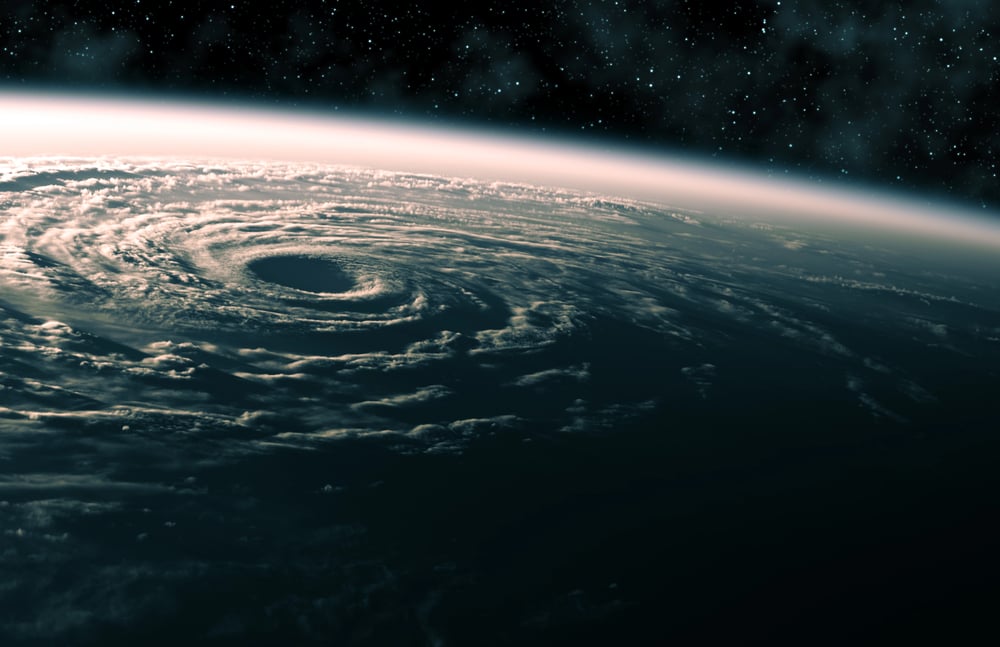
Multiple Pirates of the Caribbean films faced weather challenges, but Hurricane Dean in 2007 particularly impacted At World’s End. The production had built elaborate ship sets and Caribbean port structures at various locations.
Dean’s path threatened filming locations in the Caribbean, forcing evacuations and production shutdowns. Some sets sustained damage that required repairs before filming could resume.
The franchise’s reliance on practical ship sets and ocean filming made it vulnerable to tropical weather systems. Despite these challenges, the Pirates films remained massive commercial successes for Disney.
Australian wildfires threaten Mad Max
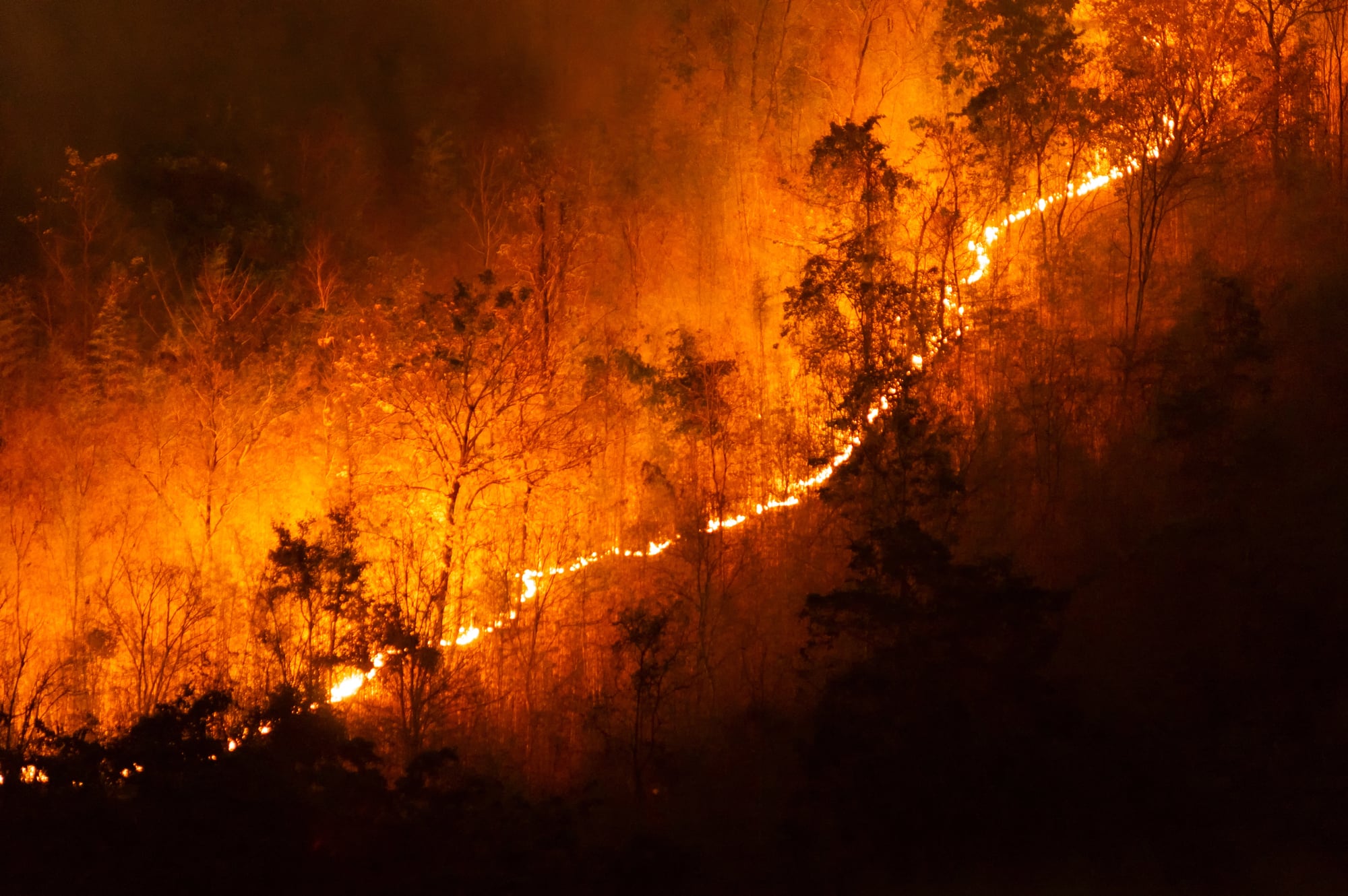
The 2015 film Mad Max: Fury Road filmed in the Namibian desert specifically to avoid the unpredictable Australian weather that had complicated previous Mad Max productions. However, earlier attempts to film in Australia faced threats from wildfires that swept through potential filming locations.
The 2003 bushfires in particular destroyed areas that director George Miller had scouted for the long-delayed sequel. These environmental disasters contributed to the decision to move production to Africa, where the film finally shot after decades of development.
The resulting movie won six Academy Awards and revitalized the franchise.
Mudslide buries Hateful Eight filming location
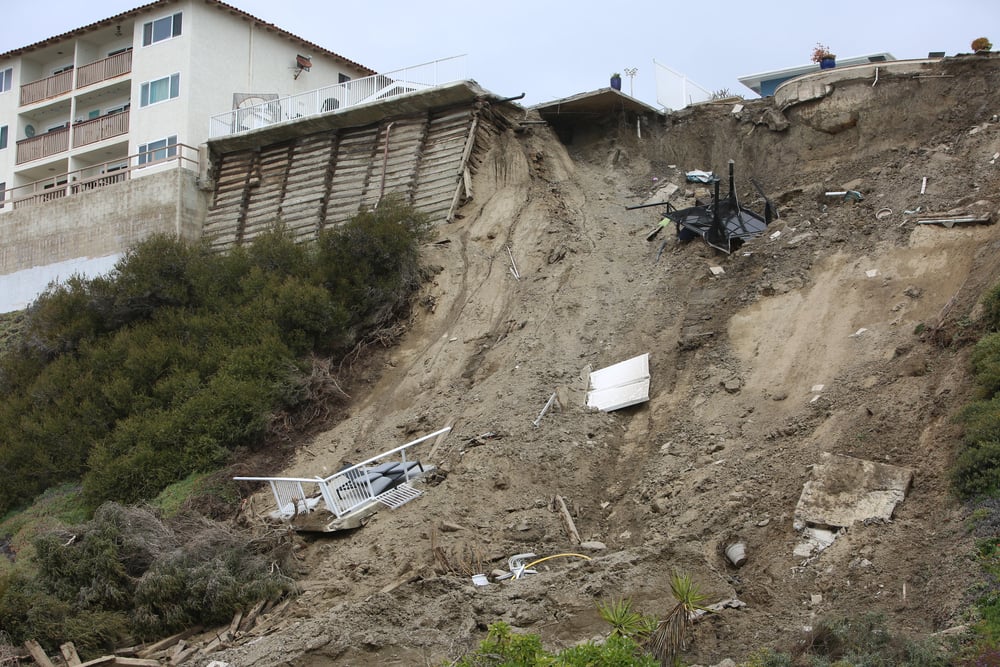
High up in Colorado’s peaks, Quentin Tarantino had a full-sized 1860s mountain cabin built for The Hateful Eight. Rain poured hard one week when filming paused.
Then came the slide – mud roared down, twisting beams, knocking walls loose. That shack held nearly every scene; losing it would’ve derailed everything.
Workers returned early, hammering through nights, using split timbers and warped planks as part of the look now battered by storms. Even after nature broke in, the shoot finished on schedule.
What remained standing still carried Tarantino’s exactness – the kind only obsession builds.
Tsunami warning evacuates Godzilla production
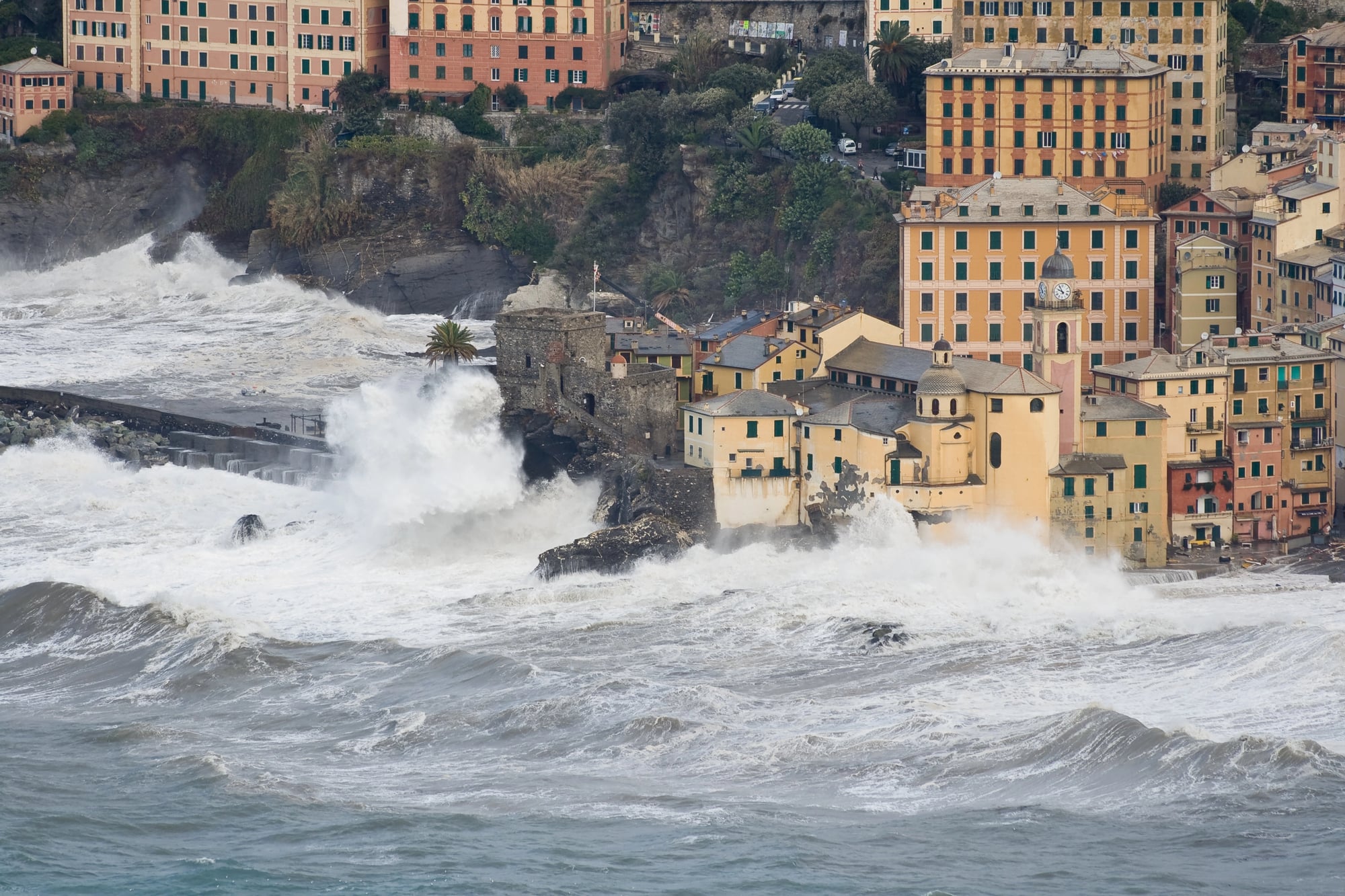
Filming for the 2014 Godzilla remake happened across Hawaii and parts of the Pacific – places at risk when tsunamis strike. When alarms sounded, people working on set had to leave fast, pulling actors, technicians, and gear off shorelines without delay.
Waves never hit hard that day, yet delays piled up once sites emptied. Scenes about chaos gained new meaning while crews faced true ocean danger just outside the script.
Since then, shoots near these coastlines plan exits before cameras roll, treating alerts like part of daily prep.
Volcano disrupts Cloud Atlas filming
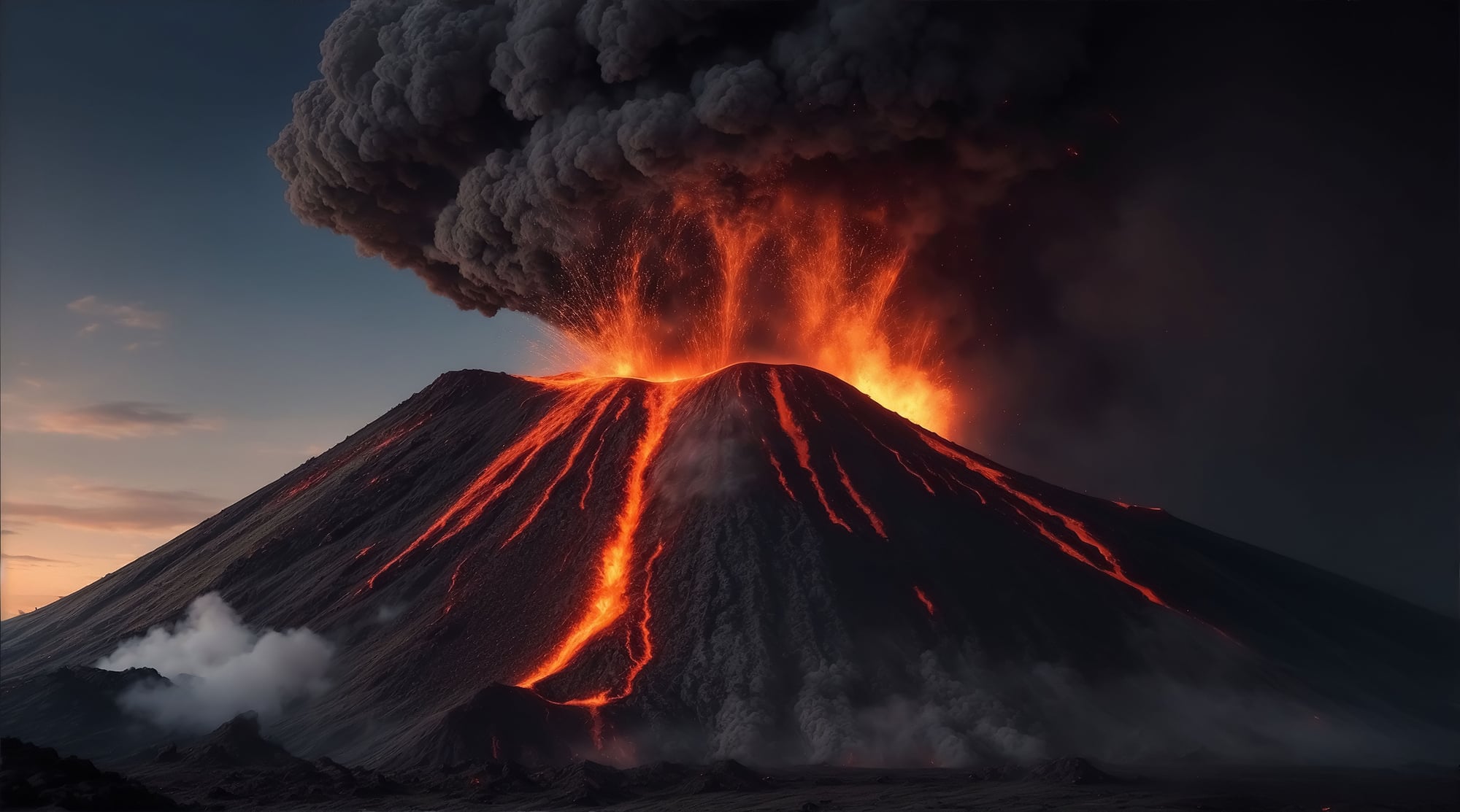
Smoke rising from a volcano in the Philippines stirred trouble for Cloud Atlas crews. Filming there grew tough when ash filled the skies.
Schedules shifted because safety came first. Some shots had to happen elsewhere, far from the rumbling peak.
This movie already stretched across countries, timelines, time zones. Nature’s unpredictability only tightened the pressure.
Crews adapted, working around delays and hazy air. Three directors led the effort – Lana and Lilly Wachowski joined by Tom Tykwer.
They pushed through, frame by frame. When it finished, reactions split.
Audiences stayed away in large numbers.
Wildfire smoke impacts Maze Runner
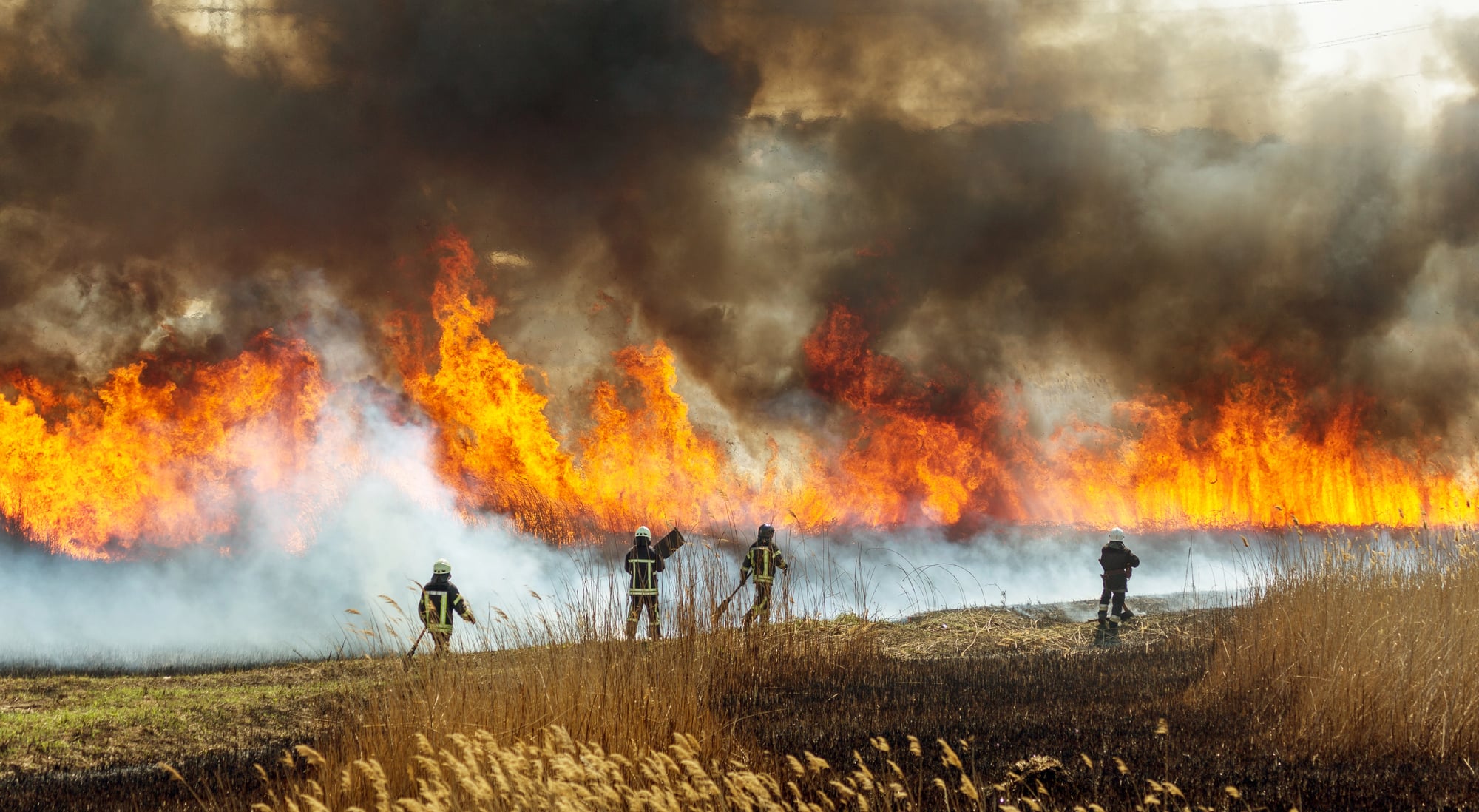
Filming The Maze Runner: The Scorch Trials in New Mexico meant dealing with wildfires nearby. Thick smoke rolled in during 2014, making it hard to breathe outside.
Visibility dropped so low that shooting stopped again and again. Crews waited for breaks in the haze just to capture scenes.
Oddly enough, the gloomy skies gave the movie a raw, broken-world look. Still, health came first – no scene was worth risking anyone’s lungs.
Schedules shifted daily based on how winds moved the fumes. Air quality updates became part of routine checks each morning.
Teen stars weren’t acting when they coughed; real danger hung in the air. Their fictional struggle mirrored actual conditions on set.
When nature directs
Film sets run on tight plans, yet weather laughs at schedules. Storms crash through without checking permissions.
Crews keep going even when rivers rise or skies burn. A few movies grew stronger after chaos struck.
Others limped home just before money ran out. Facing down disaster shows how fragile big-budget filmmaking really is, no matter the tools or cash poured into it.
When storms hit, they leave marks not seen on screen – hidden layers baked into each film’s history by chaos endured behind the scenes.
More from Go2Tutors!

- The Romanov Crown Jewels and Their Tragic Fate
- 13 Historical Mysteries That Science Still Can’t Solve
- Famous Hoaxes That Fooled the World for Years
- 15 Child Stars with Tragic Adult Lives
- 16 Famous Jewelry Pieces in History
Like Go2Tutors’s content? Follow us on MSN.