20 Times a Competitor Beat a Giant Company With a Wild Idea
Stories of David vs Goliath in the world of business never cease to astound us. The outcomes can be remarkable when small businesses with creative ideas take on industry titans. Sometimes all it takes to achieve these successes is one crazy idea carried out wonderfully; other times, enormous resources are not necessary.
Here are 20 incredible instances of how smaller rivals used audacious, non-traditional strategies to outmaneuver well-established business heavyweights.
Netflix’s DVD-by-Mail Service

When Blockbuster dominated the physical video rental market, Netflix was a little business that shipped DVDs to consumers. Netflix provided a subscription model that permitted unlimited rentals without penalties in place of late fees.
Although it sounded unconventional at the time, this strategy appealed to consumers who were fed up with Blockbuster’s harsh pricing policy.
Southwest Airlines’ No-Frills Model
Southwest launched a new concept: low rates, no assigned seating, and no frills, at a time when big airlines were concentrating on luxury amenities and complicated pricing. While larger competitors struggled with costs, Southwest was able to prosper due to its simple business strategy and efficient operations.
Despite the established airlines dismissing this method as unsustainable, it proved remarkably effective.
Dollar Shave Club’s Direct Subscription

Before Dollar Shave Club entered the market with the straightforward concept of sending high-quality razors straight to customers for as little as $1 a month, Gillette held a commanding 70% of the razor industry. Their iconic launch film, which only cost $4,500 to make, brought in millions of dollars.
This demonstrated that innovative marketing could take on even the most established industry titan.
Toyota’s Lean Manufacturing

American automakers dominated the global market until Toyota introduced its revolutionary lean manufacturing system. The Japanese company’s focus on eliminating waste, continuous improvement, and just-in-time production allowed them to produce higher-quality vehicles at lower costs.
This eventually led them to surpass GM as the world’s largest automaker.
Airbnb’s Home Sharing Platform
The hotel industry never saw Airbnb coming. The concept of regular people renting out their spare rooms or entire homes seemed too unreliable to threaten established hotel chains.
Yet this peer-to-peer approach created an entirely new market segment that now competes directly with traditional accommodations. It is now valued higher than many major hotel chains combined.
Tesla’s Direct-to-Consumer Sales

Traditional automakers relied on dealership networks for decades until Tesla introduced a direct-to-consumer sales model. By selling vehicles online and through company-owned showrooms, Tesla eliminated the middleman.
This provided a superior customer experience that established manufacturers are now scrambling to emulate.
Spotify’s Streaming Revolution

Spotify placed a wager on a different business model—streaming access as opposed to ownership—when iTunes controlled the digital music market. When customers were used to creating their own music libraries, this strategy seemed contradictory.
But Spotify’s extensive repertoire and recommendation systems revolutionized music consumption. It ultimately compelled Apple to adopt a similar strategy.
Amazon’s Online Bookstore
Before Amazon became a global giant, it was just an online bookstore competing against established chains like Barnes & Noble. Jeff Bezos recognized the internet’s potential for offering virtually unlimited inventory without physical store constraints.
This foundational idea—selling books online when physical retail dominated—was the first step in Amazon’s expansion into everything else.
Warby Parker’s Home Try-On Program

Luxottica controlled much of the eyewear industry until Warby Parker introduced their home try-on program. Sending customers five frames to test before purchasing was unheard of in the industry.
This approach, combined with direct-to-consumer pricing, helped them capture market share from a monopolistic competitor.
WhatsApp’s Ad-Free Messaging

When mobile carriers were charging for every text message, WhatsApp offered a radical alternative: free messaging over data networks with no advertisements. This simple approach attracted millions of users who were tired of paying per message.
It eventually led to Facebook acquiring the company for $19 billion.
Impossible Foods’ Plant-Based Meat

Traditional meat producers dismissed plant-based alternatives until Impossible Foods created products that genuinely mimicked the taste and texture of meat. Their innovative approach to food science allowed them to capture significant market share from conventional meat companies.
They appealed to both vegetarians and meat-eaters concerned about environmental impact.
Salesforce’s Cloud-Based CRM
While Oracle and SAP sold expensive on-premise software, Salesforce pioneered the “software as a service” model for customer relationship management. Their cloud-based approach eliminated the need for costly installations and maintenance.
This made enterprise-grade software accessible to companies of all sizes.
Stripe’s Developer-Friendly Payments

Processing online payments was notoriously complicated until Stripe introduced a system that developers could implement with just a few lines of code. This approach was dramatically simpler than existing payment processors.
It allowed Stripe to gain significant market share despite competing against financial giants like PayPal and traditional banks.
Zoom’s Video Conferencing Focus

When Microsoft, Cisco, and Google offered video conferencing as part of larger communication suites, Zoom focused exclusively on making video meetings simple and reliable. This single-minded focus on solving one problem extremely well allowed them to outperform much larger competitors.
It proved especially critical when remote work became essential.
Chobani’s Greek Yogurt Success

Dannon and Yoplait dominated the yogurt market until Chobani introduced Greek yogurt to American consumers. Founder Hamdi Ulukaya bought an abandoned yogurt plant and perfected a recipe that was thicker and higher in protein than conventional options.
This focus on quality and authenticity helped Chobani capture a significant portion of the market within a few years.
Vanguard’s Index Fund Revolution

Active fund management was the standard approach to investing until Vanguard’s John Bogle introduced low-cost index funds. The concept—simply tracking market performance instead of trying to beat it—was initially mocked by Wall Street.
But it has since transformed the investment landscape by providing superior returns for average investors.
Under Armour’s Moisture-Wicking Apparel

Nike and Adidas dominated athletic wear until Under Armour introduced advanced moisture-wicking fabrics. Founder Kevin Plank, a former football player, created shirts that kept athletes dry during intense activity.
This focus on performance technology allowed a newcomer to establish itself alongside industry giants.
Trader Joe’s Limited Selection Approach
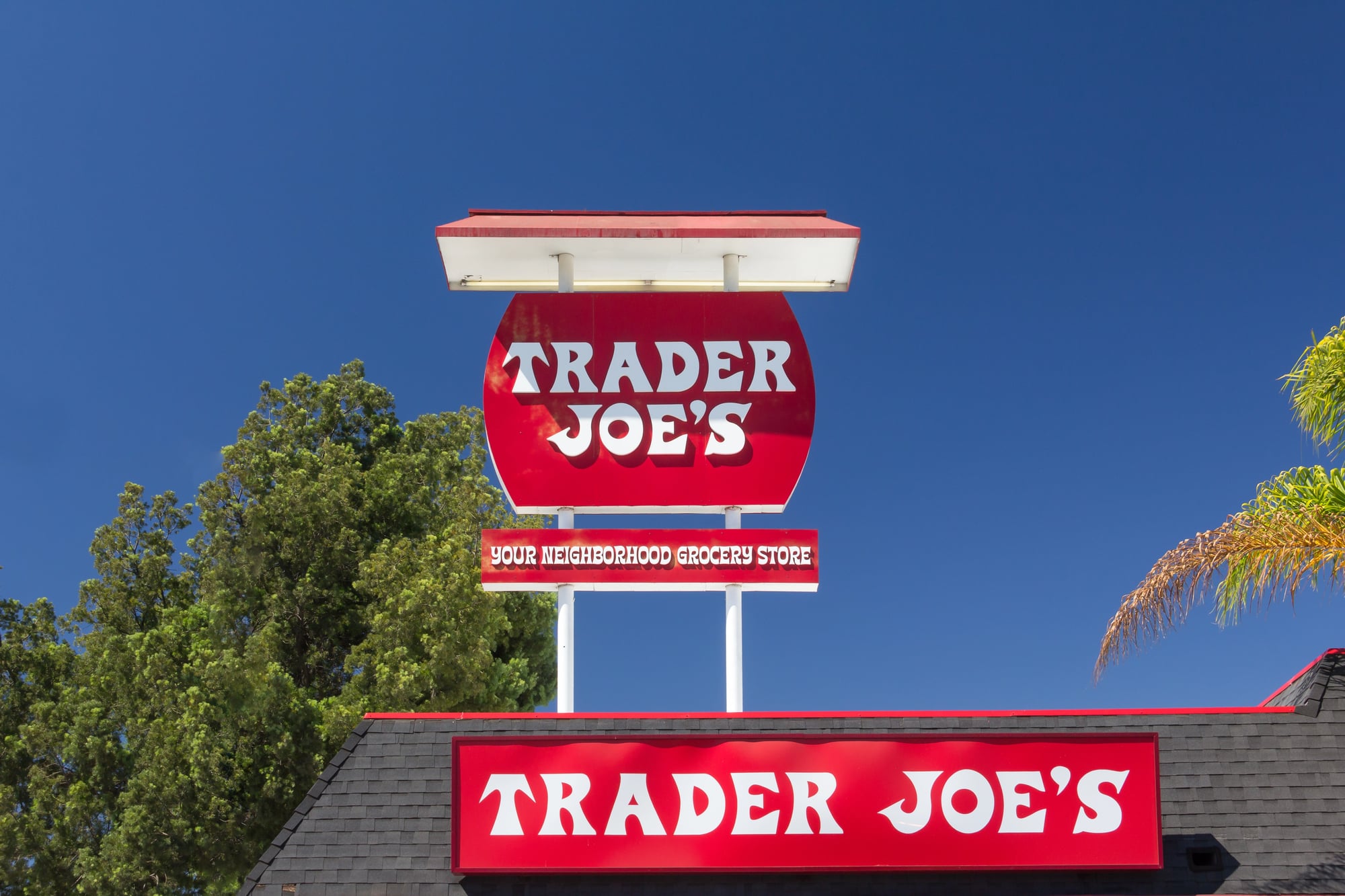
While conventional supermarkets expanded their selections to include tens of thousands of items, Trader Joe’s took the opposite approach. By offering a carefully curated selection of unique, private-label products, they created a distinctive shopping experience.
This inspired fierce customer loyalty despite having far fewer products than competitors.
Red Bull’s Energy Drink Category Creation

Soft drink giants like Coca-Cola and Pepsi overlooked the potential for energy drinks until Red Bull created an entirely new beverage category. The Austrian company’s slim can, distinctive taste, and innovative marketing through extreme sports sponsorships allowed them to build a global brand.
They succeeded before established beverage companies could respond effectively.
Keurig’s Single-Serve Coffee Pods

Traditional coffee makers focused on brewing full pots until Keurig introduced single-serve K-cups. This approach seemed wasteful compared to conventional brewing methods.
But the convenience resonated with consumers who wanted fresh coffee without the hassle. The concept transformed home coffee consumption and forced industry leaders to develop competing systems.
Innovation Continues to Disrupt

These remarkable success stories share a common thread: identifying weaknesses in established business models and offering solutions that better serve customer needs. While resources and scale provide advantages, they also create vulnerabilities that nimble competitors can exploit.
The business landscape continues to evolve as today’s disruptors become tomorrow’s incumbents, setting the stage for the next wave of innovative challengers.
More from Go2Tutors!

- The Romanov Crown Jewels and Their Tragic Fate
- 13 Historical Mysteries That Science Still Can’t Solve
- Famous Hoaxes That Fooled the World for Years
- 15 Child Stars with Tragic Adult Lives
- 16 Famous Jewelry Pieces in History
Like Go2Tutors’s content? Follow us on MSN.



