16 Music Videos That Changed the Industry Forever
When MTV launched in 1981 with the prophetic “Video Killed the Radio Star,” few could have predicted how profoundly music videos would transform the entertainment landscape. These short films became cultural touchstones, launching careers, pushing boundaries, and occasionally sparking controversy.
More than mere promotional tools, the most innovative videos redefined what was possible in the medium, elevating the art form and reshaping how audiences connect with music. Here is a list of 16 music videos that revolutionized the industry. Each left an indelible mark on popular culture and set new standards for creative expression.
Thriller – Michael Jackson (1983)
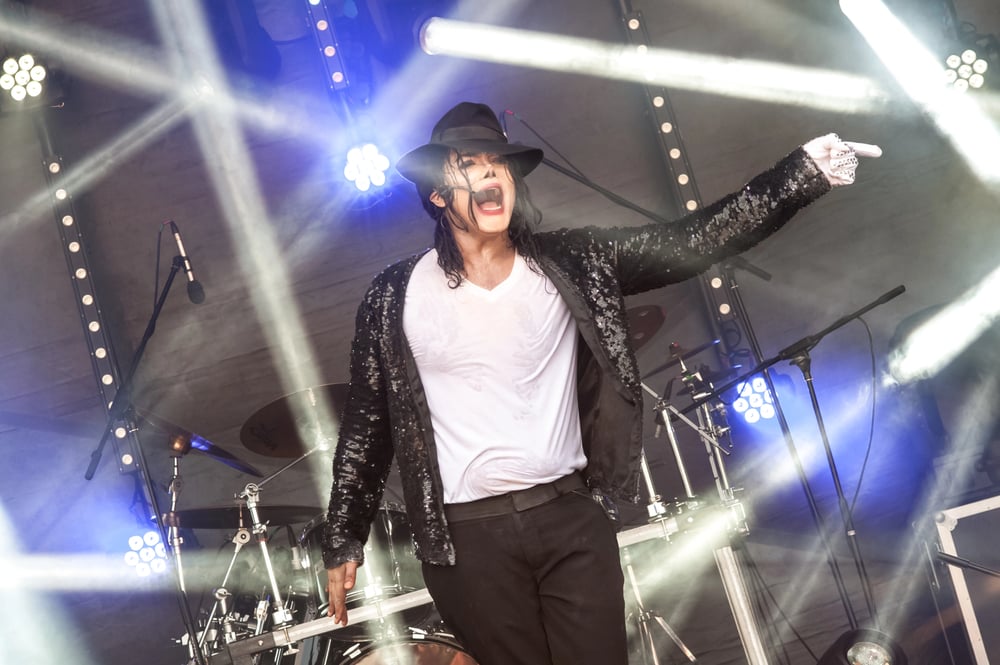
Michael Jackson’s 14-minute horror epic directed by John Landis didn’t just break barriers—it obliterated them. With a proper storyline, Hollywood-level production values, and choreography that would be imitated for decades, ‘Thriller’ transformed music videos from simple promotional clips into legitimate short films.
The production cost of $500,000 was unprecedented at the time, but the investment paid off as it helped the album become the best-selling record in history. Its impact continues to resonate today, with the zombie dance remaining instantly recognizable nearly four decades later.
Take On Me – a-ha (1985)
The Norwegian pop band achieved international fame through an innovative blend of rotoscope animation and live-action footage. Director Steve Barron created a comic book world where lead singer Morten Harket pulls a young woman into his illustrated reality.
The painstaking animation process required artists to hand-trace over 3,000 frames, creating a distinctive pencil-sketch aesthetic that many have attempted to replicate but never quite matched. The video’s revolutionary visual technique helped propel an otherwise unknown Scandinavian band to global stardom.
Like Go2Tutors’s content? Follow us on MSN.
Sledgehammer – Peter Gabriel (1986)
Before digital effects became commonplace, Peter Gabriel subjected himself to hours of stop-motion photography to create this groundbreaking visual feast. Directed by Stephen R. Johnson with animation by Aardman Animations (later of Wallace and Gromit fame), the video featured dancing chickens, bumper cars made of fruit, and Gabriel’s face moving through various metamorphoses.
The meticulous process required Gabriel to lie under a glass sheet for 16 hours, moving incrementally for each frame. The result became MTV’s most played video of all time and set a new standard for creative innovation.
Like a Prayer – Madonna (1989)
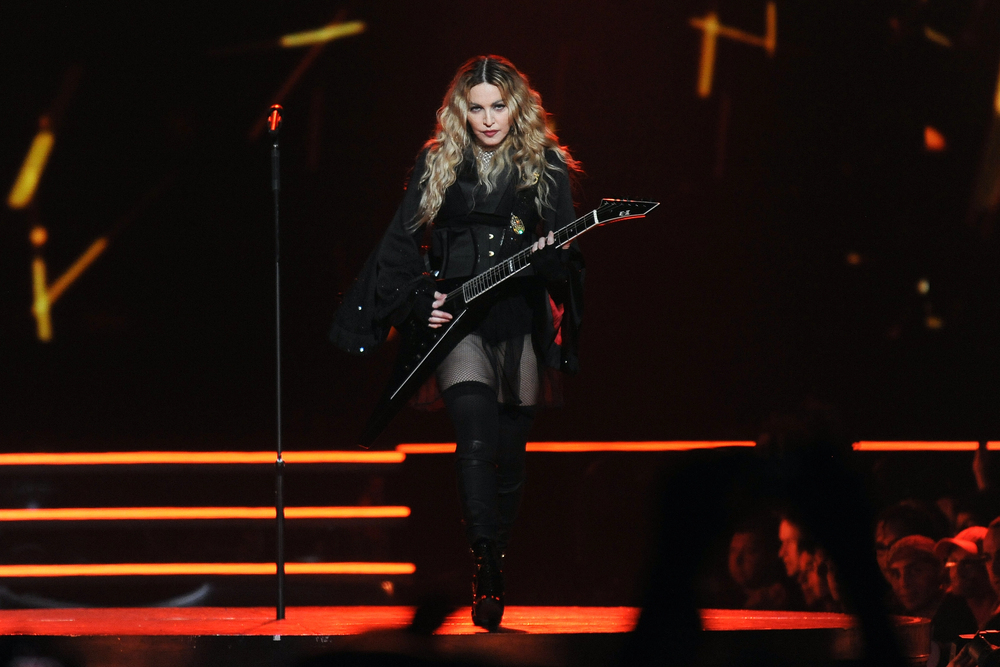
Madonna’s controversial masterpiece combined religious imagery with provocative themes, igniting a firestorm of controversy and costing her a Pepsi endorsement worth $5 million. The video depicted Madonna kissing a Black saint, dancing in front of burning crosses, and experiencing stigmata-like wounds—all while exploring themes of racism and religious hypocrisy.
Director Mary Lambert created a visual narrative that forced audiences to confront uncomfortable social issues, demonstrating how music videos could function as powerful vehicles for commentary on contemporary society.
Smells Like Teen Spirit – Nirvana (1991)
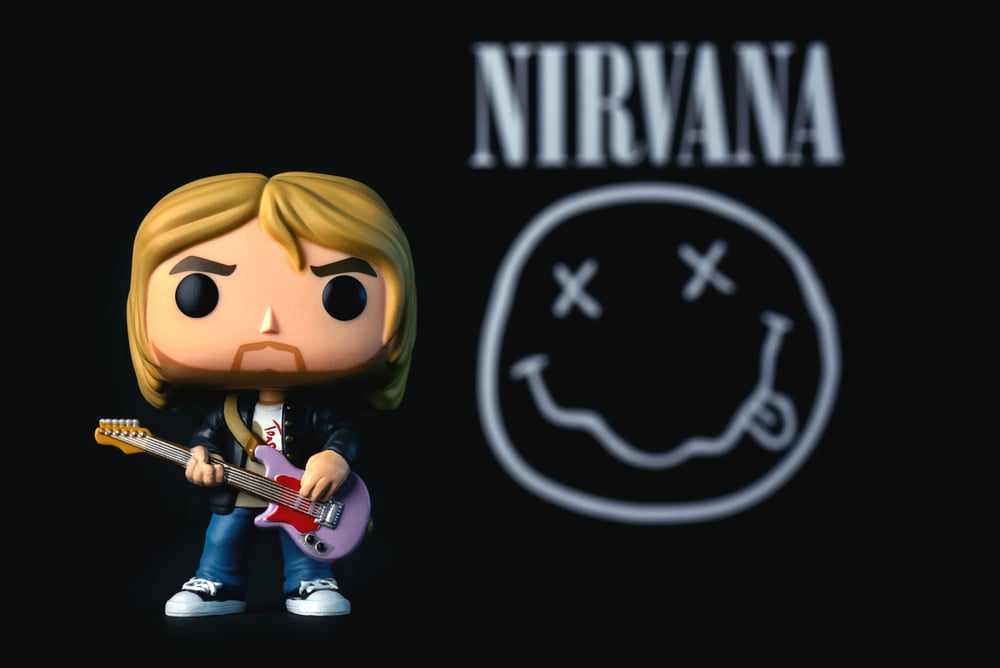
Shot in a high school gymnasium set filled with apathetic cheerleaders and an audience of genuine fans, this gritty video captured the essence of Generation X’s disillusionment. Director Samuel Bayer deliberately created a chaotic, slightly blurry aesthetic that matched the music’s raw energy.
The video’s authentic representation of youth alienation provided a stark contrast to the polished productions that dominated MTV at the time. Its instant success helped catapult Nirvana from indie darlings to mainstream superstars and announced grunge as a commercial and cultural force.
Like Go2Tutors’s content? Follow us on MSN.
Virtual Insanity – Jamiroquai (1996)
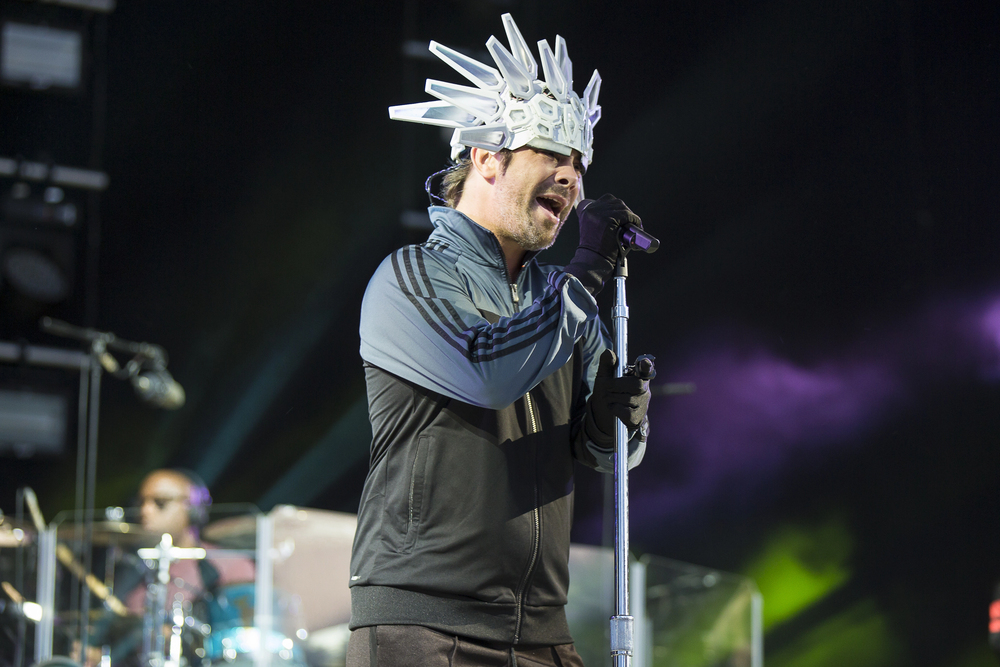
Director Jonathan Glazer created an optical illusion that seemed to defy the laws of physics, featuring frontman Jay Kay dancing on a floor that appeared to move independently. The effect was achieved not with digital trickery but through practical means—the walls moved while the floor remained stationary, creating a disorienting visual that perfectly complemented the song’s futuristic themes.
The video won four awards at the 1997 MTV Video Music Awards and demonstrated how ingenious practical effects could still dazzle audiences in the emerging digital age.
Scream – Michael Jackson & Janet Jackson (1995)
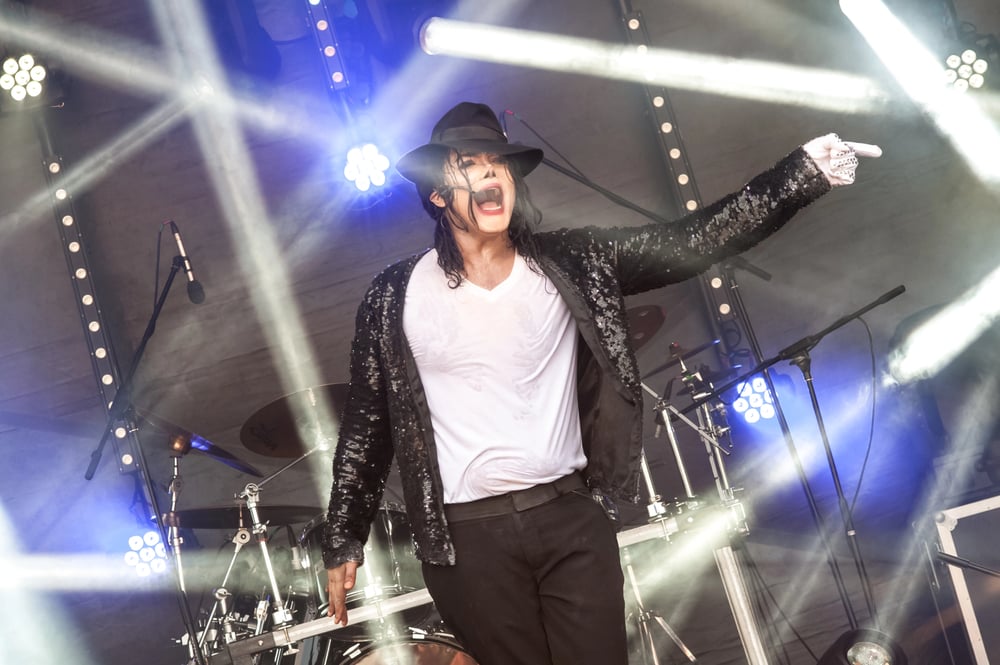
With a $7 million budget, this black-and-white space odyssey held the record for the most expensive music video for over a decade. The futuristic production featured the Jackson siblings aboard a spacecraft, surrounded by avant-garde art and Japanese animation influences.
Director Mark Romanek created a visual response to media scrutiny, with the Jacksons literally escaping Earth to find peace. The seamless integration of over 50 complex scenes and cutting-edge special effects raised the bar for production values in music videos, setting a standard few could afford to match.
Around the World – Daft Punk (1997)
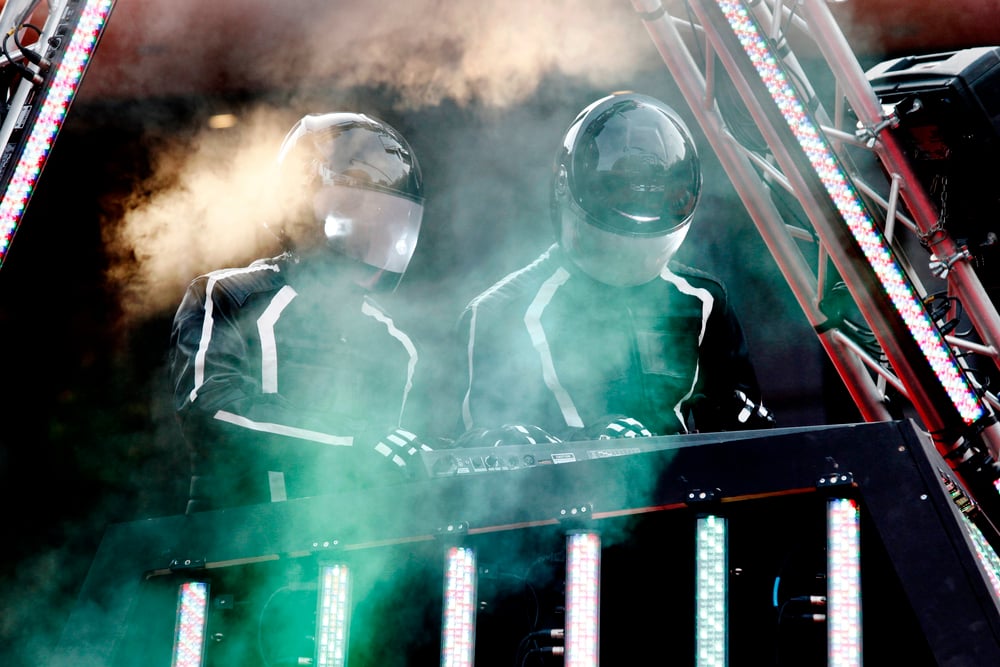
Michel Gondry’s visionary direction created a living clockwork mechanism where different groups of dancers represented various musical elements in the track. Skeletons embodied the bass line, athletes represented the drumbeat, synchronized swimmers moved with the keyboard sequence, and robots danced to their own vocoder voices.
This visual deconstruction of the song’s components created a new language for representing music visually. Gondry’s innovative approach influenced countless directors to think about music visualization in more conceptual, abstract terms.
Like Go2Tutors’s content? Follow us on MSN.
Weapon of Choice – Fatboy Slim (2000)
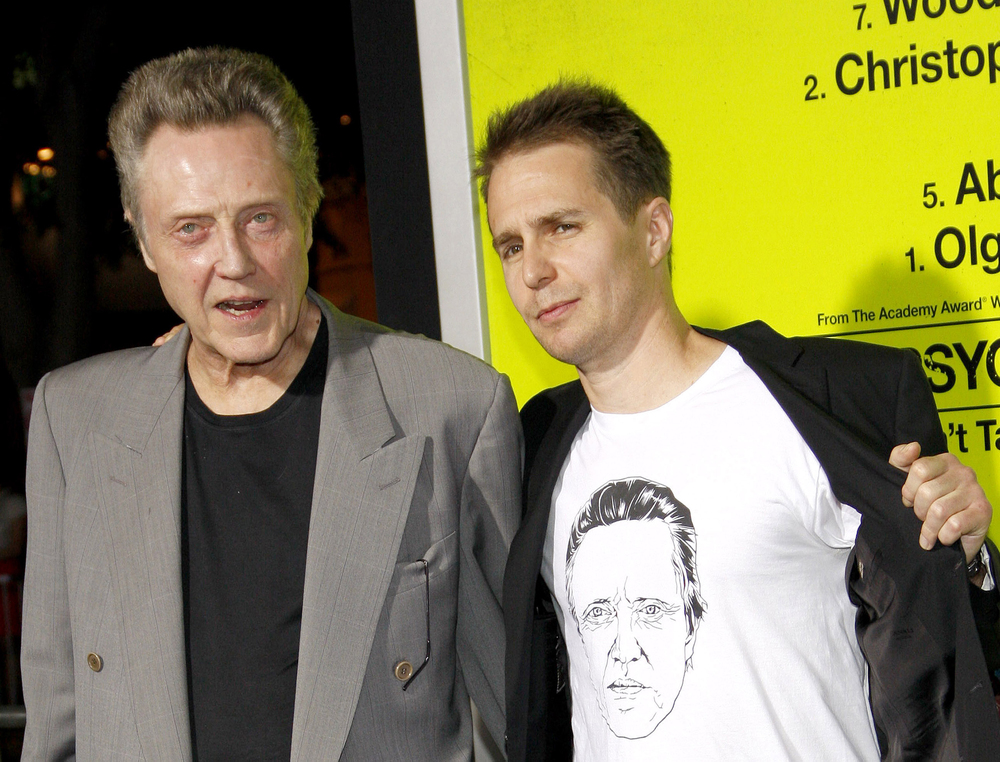
Christopher Walken dancing through an empty hotel lobby might seem like an odd concept, but director Spike Jonze turned it into one of the most memorable videos ever made. Showcasing the then 57-year-old actor’s background as a trained dancer, the video subverted expectations with its understated setting and focus on Walken’s hypnotic movements.
The simplicity of its concept—one man, one location, no cuts—demonstrated that star power and creative vision could outshine bigger budgets. The video swept the MTV Video Music Awards and became a cultural touchstone referenced in countless parodies.
Single Ladies – Beyoncé (2008)
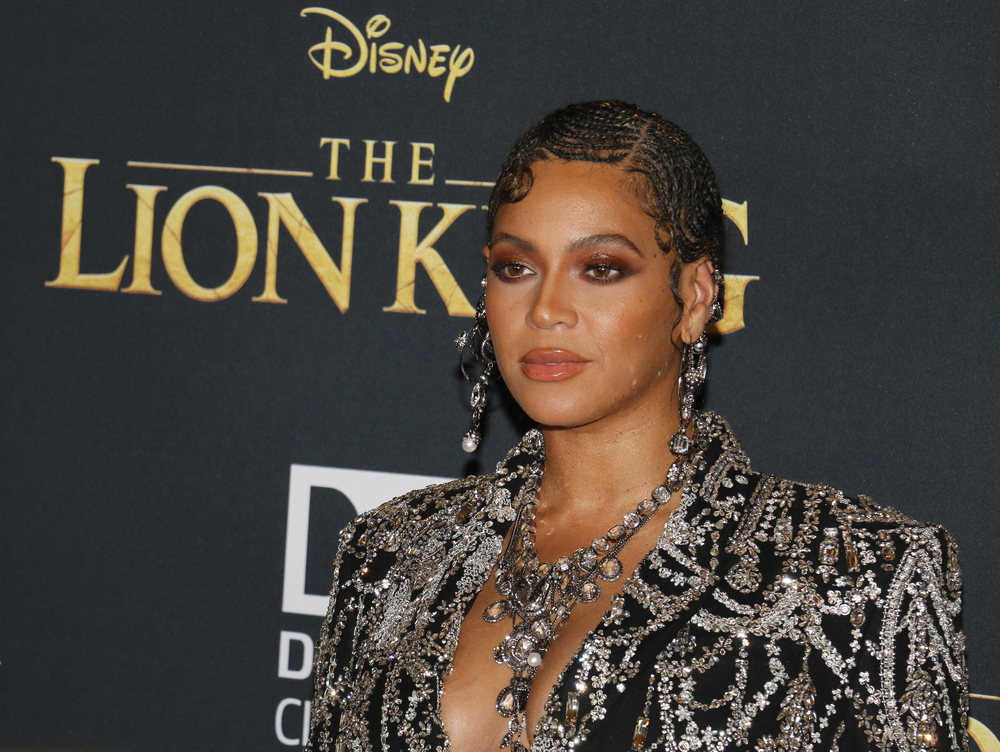
Shot in black and white with just three dancers, one continuous take, and minimal production design, this video’s power came from its brilliant simplicity. Director Jake Nava drew inspiration from Bob Fosse’s choreography and 1960s variety shows to create something that felt both retro and revolutionary.
The instantly iconic hand-flipping dance move spawned countless imitations, from wedding receptions to viral videos. Even then, President Obama referenced choreography during his first term. The video proved that in an era of increasing production complexity, sometimes the most effective approach is stripping everything back to basics.
Bad Romance – Lady Gaga (2009)
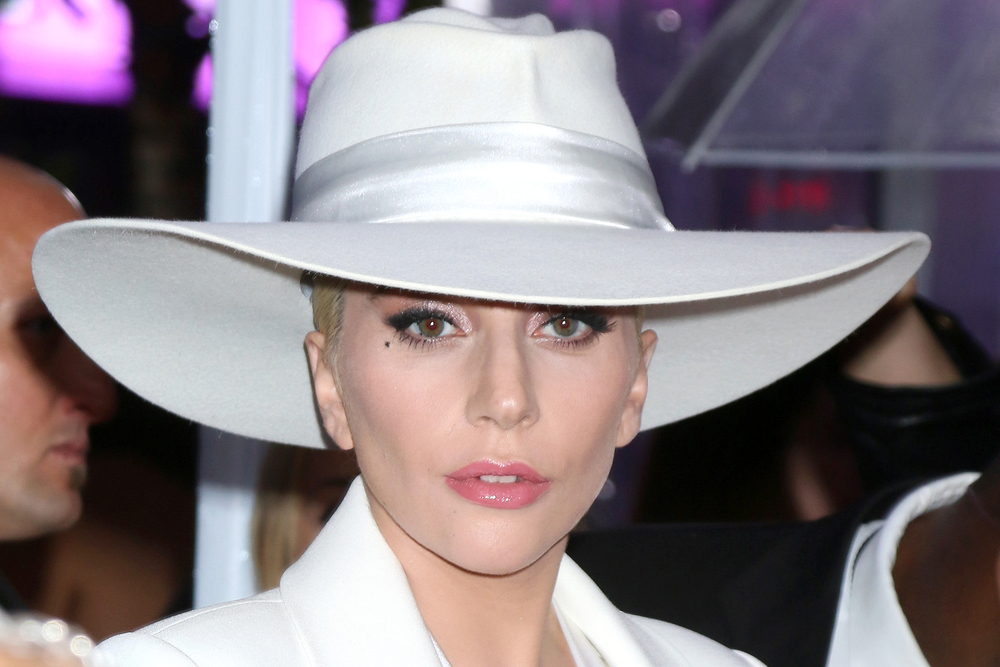
Lady Gaga’s surrealist fashion fantasia directed by Francis Lawrence represented the culmination of her artistic vision, combining high-fashion imagery with horror elements. The video featured Gaga in outfits by Alexander McQueen, including his infamous 10-inch armadillo shoes, while the narrative explored themes of sex trafficking and the dark side of the fashion industry.
With its precise choreography and distinct visual aesthetic, ‘Bad Romance’ cemented Gaga’s reputation as a visual artist rather than just a musician. The video has accumulated over a billion views on YouTube, marking the transition from MTV to online platforms as the primary music video destination.
Like Go2Tutors’s content? Follow us on MSN.
Formation – Beyoncé (2016)
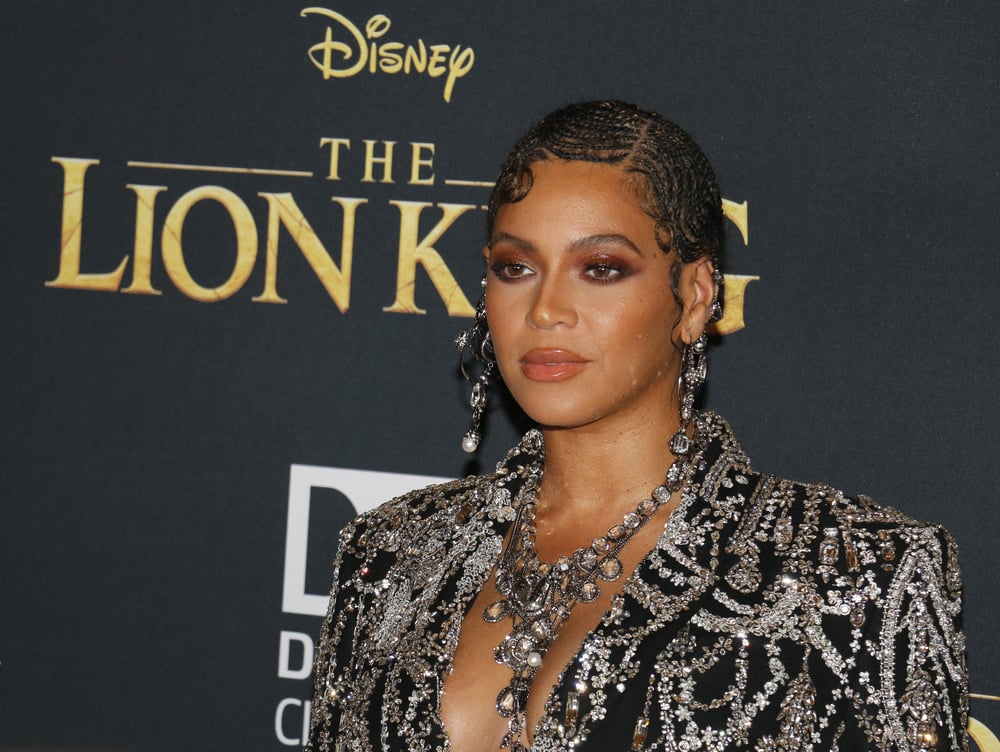
Released as a surprise the day before her Super Bowl performance, this culturally charged video directed by Melina Matsoukas presented a powerful visual essay on Black Southern identity, police brutality, and Hurricane Katrina’s aftermath. The imagery was both celebratory and confrontational, with Beyoncé sinking a New Orleans police car and including footage of a young boy dancing in front of a line of riot police.
The video demonstrated how music visuals could serve as political statements while still functioning as mainstream entertainment. Its impact extended beyond music, inspiring conversations about race and representation across American society.
This Is America – Childish Gambino (2018)
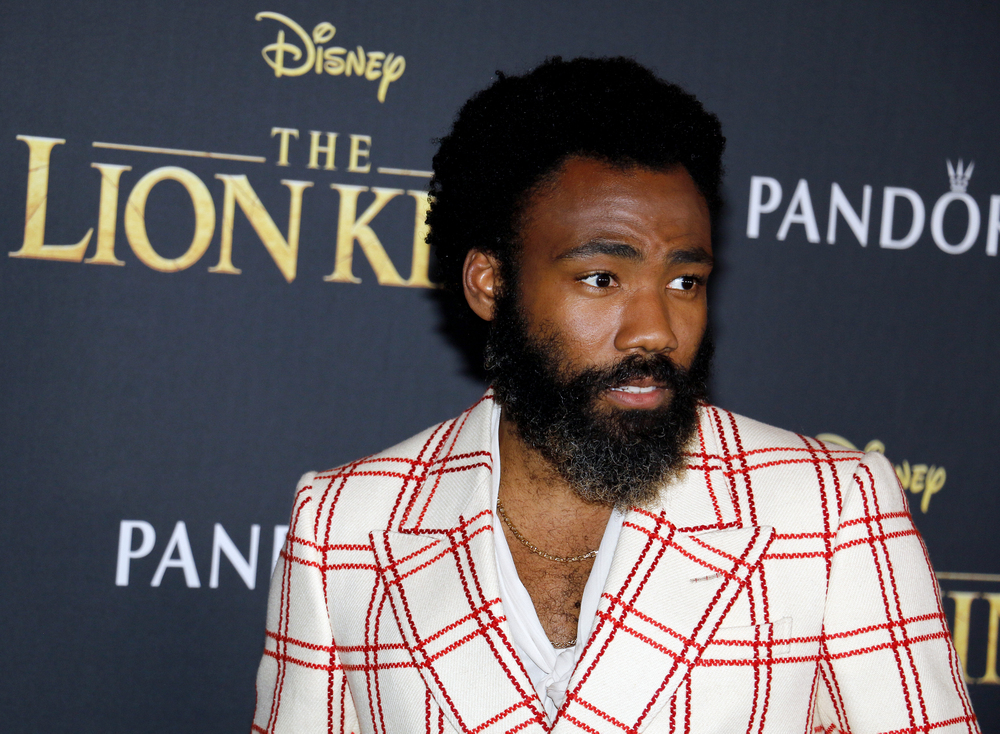
Donald Glover’s searing commentary on gun violence and racial injustice in America became a cultural phenomenon, accumulating over 100 million views in just nine days. Director Hiro Murai created a video filled with jarring juxtapositions—jubilant dancing in the foreground while chaos unfolds in the background.
Densely packed with symbolism and historical references, the video sparked extensive analysis and debate. Its seamless match between violent visual moments and musical transitions demonstrated a perfect marriage of audio and visual art forms.
The video’s influence extended far beyond music, becoming a reference point in discussions about America’s relationship with violence and race.
APESHIT – The Carters (2018)
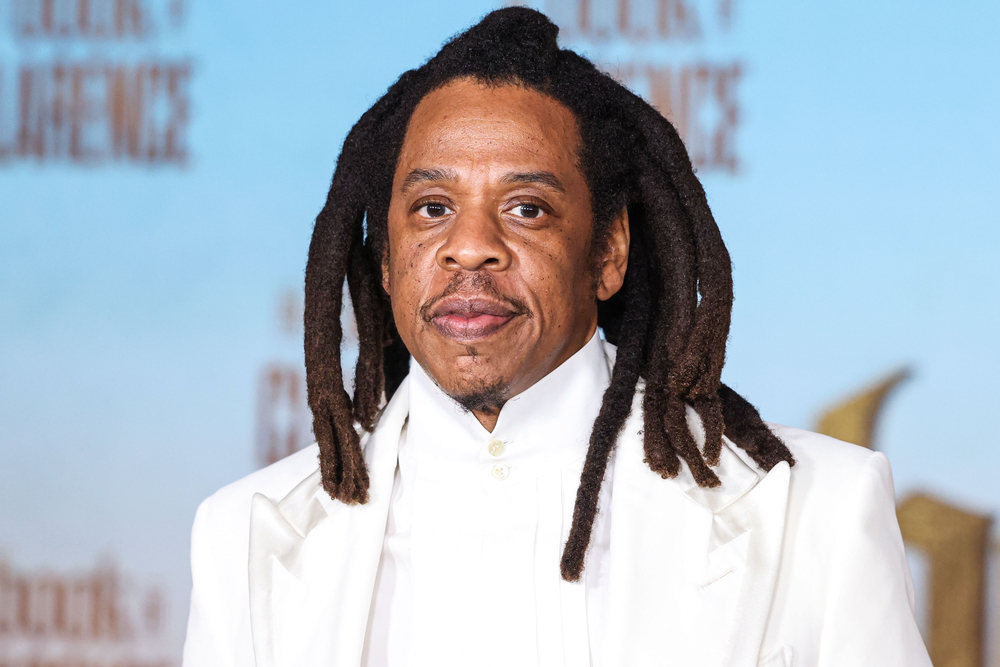
Beyoncé and Jay-Z rented out the Louvre—the world’s most famous museum—to create a powerful statement about Black excellence in spaces historically dominated by white European art and culture. Directors Ricky Saiz and Beyoncé herself positioned the performers and dancers in front of iconic works like the Mona Lisa and the Winged Victory of Samothrace, creating striking visual contrasts.
The video prompted the museum to create a special tour based on the artwork featured, drawing new, diverse audiences to these classical spaces. It demonstrated how music videos could function as sophisticated visual essays on representation and institutional power.
Like Go2Tutors’s content? Follow us on MSN.
All the Stars – Kendrick Lamar & SZA (2018)
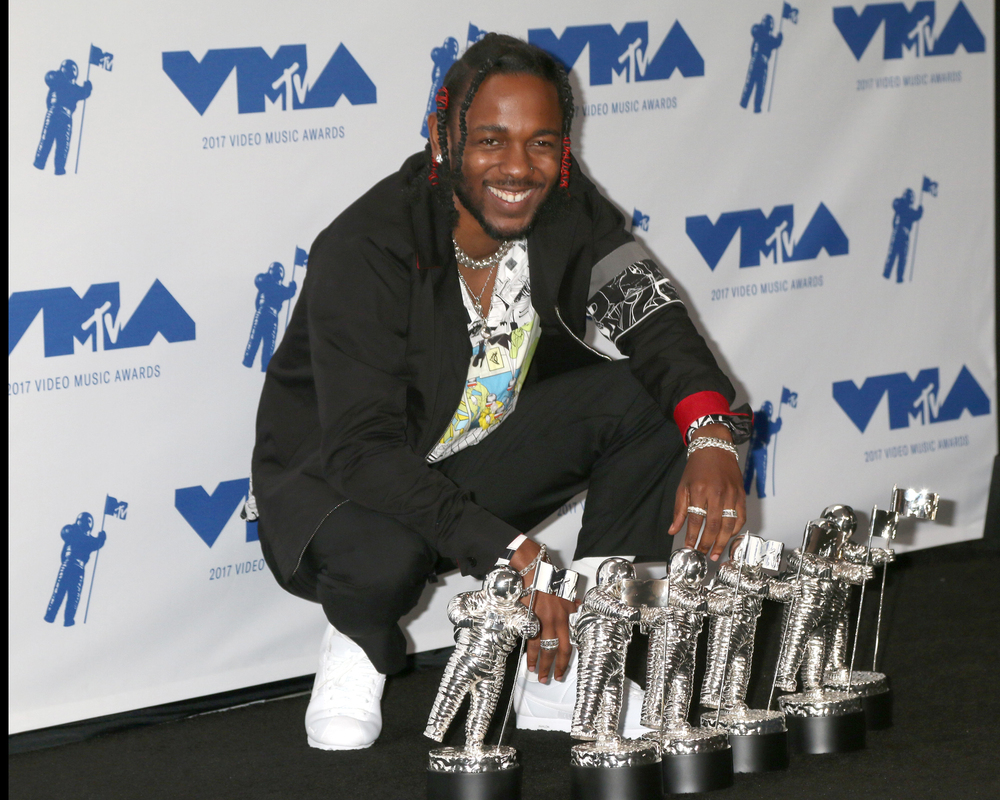
Released alongside the cultural phenomenon ‘Black Panther,’ this video directed by Dave Meyers and the Little Homies reimagined African aesthetics through an Afrofuturist lens. The stunning visuals incorporated symbolic imagery from across the African continent while avoiding stereotypical representations.
Golden galaxies, panthers made of stars, and vibrant color palettes created a celebration of pan-African identity that matched the film’s revolutionary approach to Black representation in superhero narratives. The video demonstrated how music visuals could expand upon and enhance the themes of major cinematic releases while standing as artistic achievements in their own right.
Humble – Kendrick Lamar (2017)
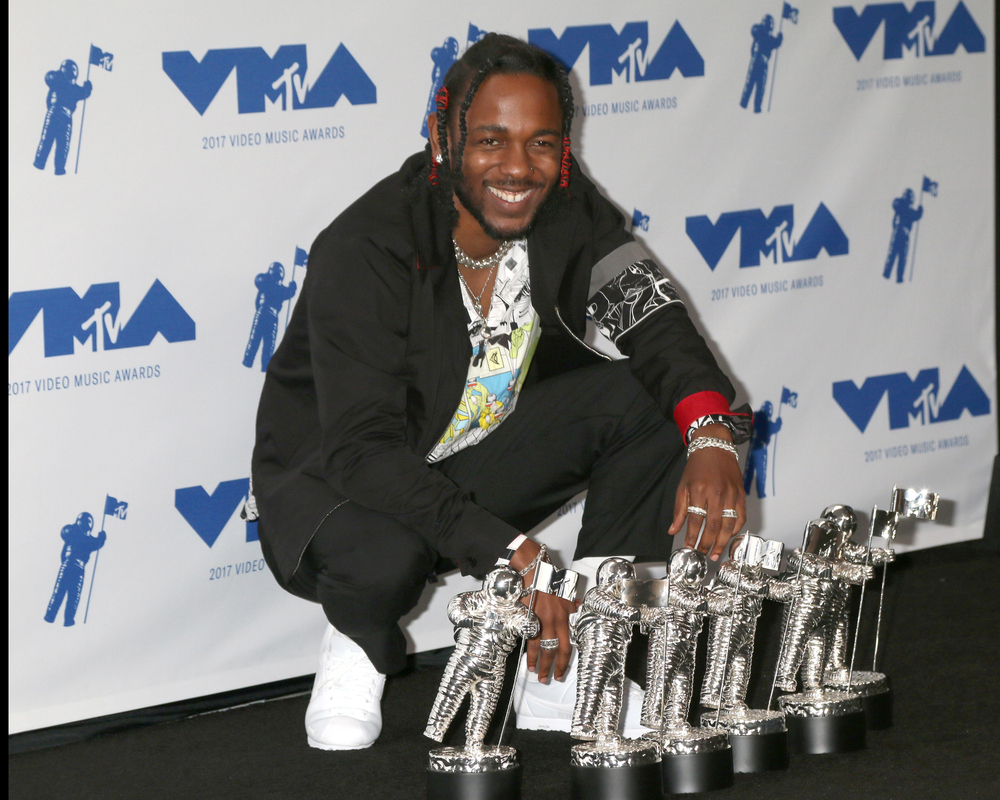
Director Dave Meyers and Lamar created a series of striking visual tableaux that ranged from Lamar dressed as the pope to a recreation of Leonardo da Vinci’s ‘The Last Supper.’ The video utilized unique camera techniques, including a fisheye lens effect that warped perspective in memorable ways.
Each scene was meticulously composed with religious imagery and visual metaphors that complemented the song’s themes of humility and authenticity. The video’s bold creativity and technical innovation earned it Video of the Year at the MTV Video Music Awards and demonstrated how hip-hop visuals had evolved into one of music’s most dynamic and innovative visual forms.
Legacy in Motion
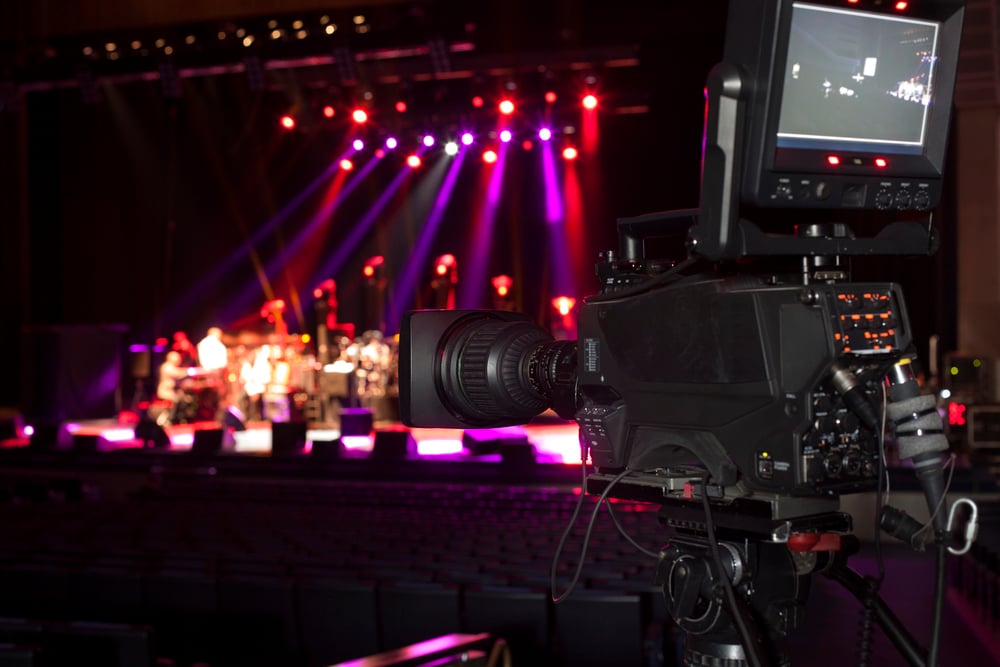
Music videos have evolved from simple promotional tools into complex artistic statements capable of launching careers, driving cultural conversations, and redefining visual storytelling. The 16 videos highlighted here represent moments when the medium took significant leaps forward, establishing new possibilities for creative expression.
As technology continues to advance and distribution platforms evolve, music videos remain powerful vehicles for artistic vision—brief but impactful visual experiences that can capture the imagination of millions and reshape our cultural landscape.
Like Go2Tutors’s content? Follow us on MSN.
More from Go2Tutors!

- 18 Unexpectedly Valuable Collectibles You Might Have Lying Around
- 20 Little-Known Historical Battles That Had Huge Consequences
- 20 Historical Artifacts That Scientists Can’t Explain
- 15 Inventions That Were Immediately Banned After Being Created
- 20 Actors Who Were Almost Cast in Iconic Roles
Like Go2Tutors’s content? Follow us on MSN.