Strange Laws Governing Outer Space
Nobody owns the moon. You can’t buy a star. If your satellite crashes into someone else’s spacecraft, you might owe them money.
Space seems infinite and lawless, but humans have spent decades writing rules about what you can and can’t do up there. Some of these laws make perfect sense.
Others feel absurd when you really think about them.
The Treaty That Started Everything

In 1967, the United States and Soviet Union were racing to dominate space. Both countries wanted to plant flags, claim territory, and establish military bases on the moon.
Instead, they did something unexpected. They agreed to share.
The Outer Space Treaty became the foundation for all space law. More than 110 countries have signed it.
The core principle is simple: no nation can claim sovereignty over celestial bodies. The moon belongs to everyone, which means it belongs to no one.
This creates immediate problems. If nobody owns the moon, who decides what happens there? The treaty says space should be used for peaceful purposes and for the benefit of all mankind.
Those words sound noble but don’t actually tell you much about what’s allowed.
You Can’t Own the Moon, But You Can Own What You Take
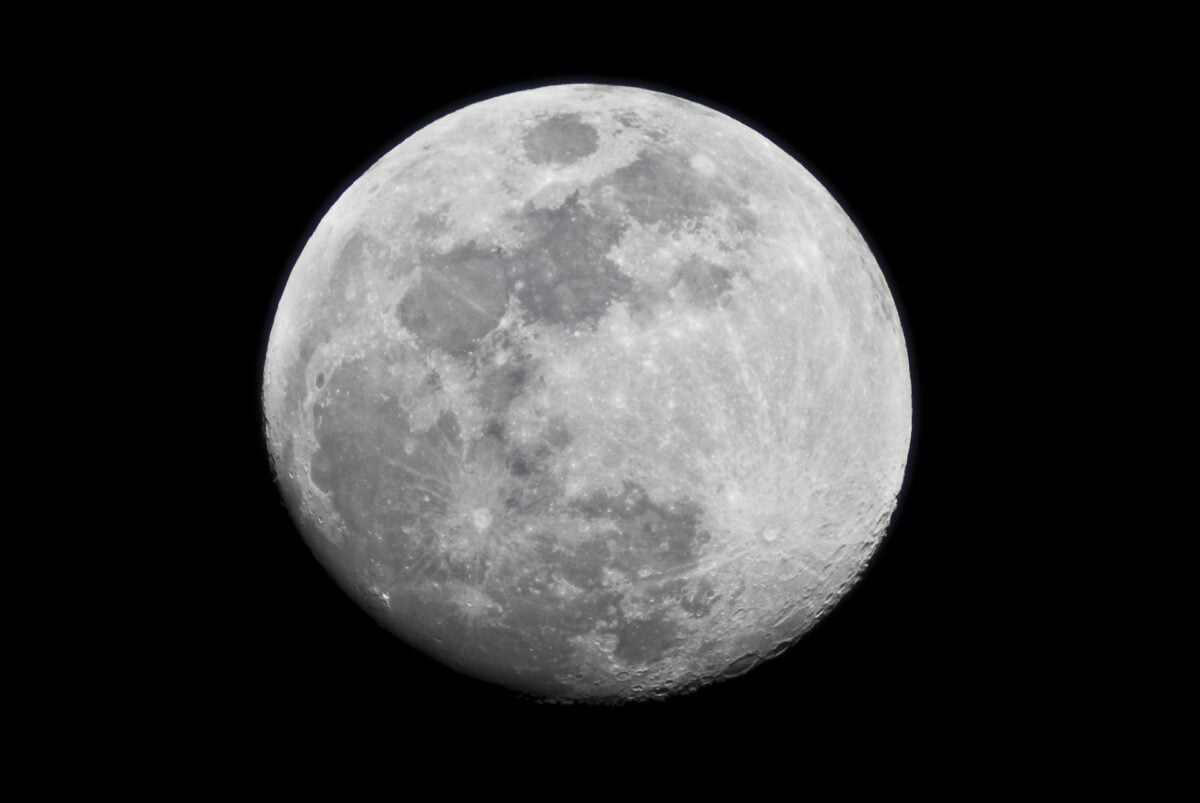
Here’s where things get weird. You can’t claim ownership of the moon itself, but you can own the rocks you bring back from it.
Think about that. The moon belongs to humanity as a whole, but the moment you scoop up some lunar dirt and bring it home, it becomes your property.
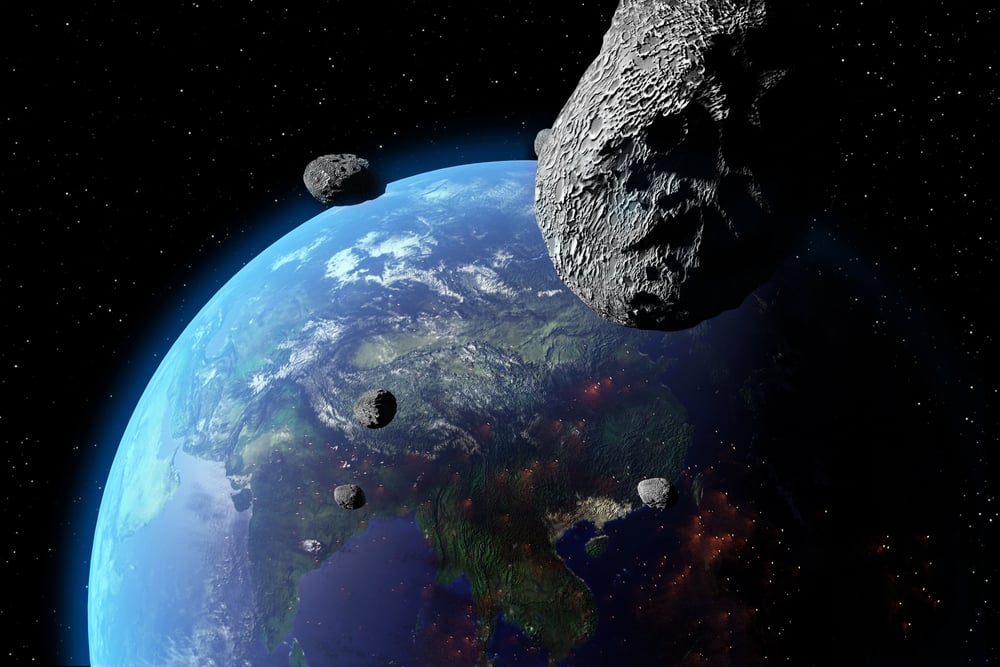
This distinction matters now that private companies want to mine asteroids. The resources you extract can be yours, even though the asteroid itself can’t be.
Several countries have passed laws explicitly allowing companies to own what they mine in space. The United States did this in 2015. Luxembourg followed soon after.
Critics say this creates a loophole big enough to fly a spaceship through. If you can own everything you take from a celestial body, do you really not own it? The debate continues.
Space Belongs to Everyone, Except When It Doesn’t
The Outer Space Treaty declares that space should benefit all countries, rich or poor. That’s the theory.
The reality is that only a handful of nations have the technology and money to do anything in space. This creates what lawyers call the “common heritage” problem.
Space belongs to humanity, but humanity can’t access it equally. India launches satellites. Luxembourg passes mining laws.
Most countries just watch from Earth. Some developing nations have argued that space resources should be shared or that profits from space mining should go into a fund for everyone.
Others say that’s unrealistic. Why would companies spend billions developing space technology if they can’t keep what they find?
The treaty’s idealistic language runs headlong into capitalism and technological inequality. Nobody has figured out how to resolve this.
Liability for Space Junk

More than 34,000 pieces of debris larger than 10 centimeters orbit Earth right now. These include dead satellites, rocket parts, and fragments from collisions.
They travel at speeds up to 17,500 miles per hour. Even a tiny piece can destroy a working satellite.
The 1972 Liability Convention says that if your space object damages someone else’s, you pay for it. Sounds reasonable.
But how do you prove which country a piece of debris came from? How do you calculate damages?
What if multiple pieces from different countries caused the problem? India destroyed one of its own satellites in 2019 as a weapons test.
The explosion created hundreds of new debris pieces. NASA called it a “terrible thing” because some of those fragments threatened the International Space Station.
But India faced no legal consequences. The treaty doesn’t prohibit creating debris, just damaging other countries’ property.
The Militarization Loophole

The Outer Space Treaty bans weapons of mass destruction in space. You can’t put nuclear weapons in orbit or on the moon.
This seems like a clear rule until you read the fine print. Only weapons of mass destruction are banned.
Conventional weapons are fine. You can put guns, missiles, and military surveillance equipment in space as long as they’re not nuclear, chemical, or biological.
China and Russia have both tested anti-satellite weapons. The United States has military satellites.
All of this is legal. The treaty also says the moon and other celestial bodies should be used exclusively for peaceful purposes.
But “peaceful” doesn’t mean “non-military.” It means “non-aggressive.”
Military activities are allowed as long as you’re not attacking anyone. That’s a distinction with a huge difference.
Space Tourism and Informed Consent

Commercial space tourism is here. Companies are selling tickets to orbit. But what happens if something goes wrong? Normal aviation law doesn’t cover space.
The rules are still being written. In the United States, space tourists must sign detailed informed consent forms.
These documents basically say that space travel is dangerous and if you die, that’s your problem. The government requires companies to warn passengers but doesn’t regulate safety standards the way it does for airlines.
This “buyer beware” approach treats space tourism more like extreme sports than transportation. You can go skydiving and die, and the skydiving company probably isn’t liable if they warned you properly.
Space tourism works the same way right now.
Who Rescues Astronauts?

The Rescue Agreement of 1968 says that if astronauts land in your territory due to an emergency, you have to help them and return them safely to their home country.
This applies even if you’re at war with that country. The rule made sense during the Cold War.
American and Soviet astronauts needed protection no matter where they landed. But it creates strange obligations.
If a Chinese spacecraft crashes in the United States tomorrow, Americans are legally required to rescue the crew and send them home safely. The agreement also applies to spacecraft, not just people.
If a spacecraft or its parts land in your country, you’re supposed to return them. This has led to diplomatic incidents.
When satellites fall, fragments can land anywhere. Countries have to negotiate the return of expensive space hardware.
Asteroid Mining Rights

Several asteroids contain more platinum than has ever been mined on Earth. The total value of mineral resources in the asteroid belt might exceed $100 quintillion.
That number is so large it’s almost meaningless. Companies want to mine these asteroids.
But the rules are murky. Can you claim an asteroid by landing on it?
By orbiting it? By being the first to announce your intention to mine it?
The Outer Space Treaty says no, you can’t claim it. But the 2015 U.S. Space Act says American companies can keep what they extract.
Other countries have passed similar laws. This creates competing legal frameworks with no clear way to resolve disputes. Imagine two companies from different countries that both want to mine the same asteroid.
Who gets priority? What if one company’s mining operation interferes with another’s?
There’s no space traffic controller to sort this out.
The Lunar Embassy Scam
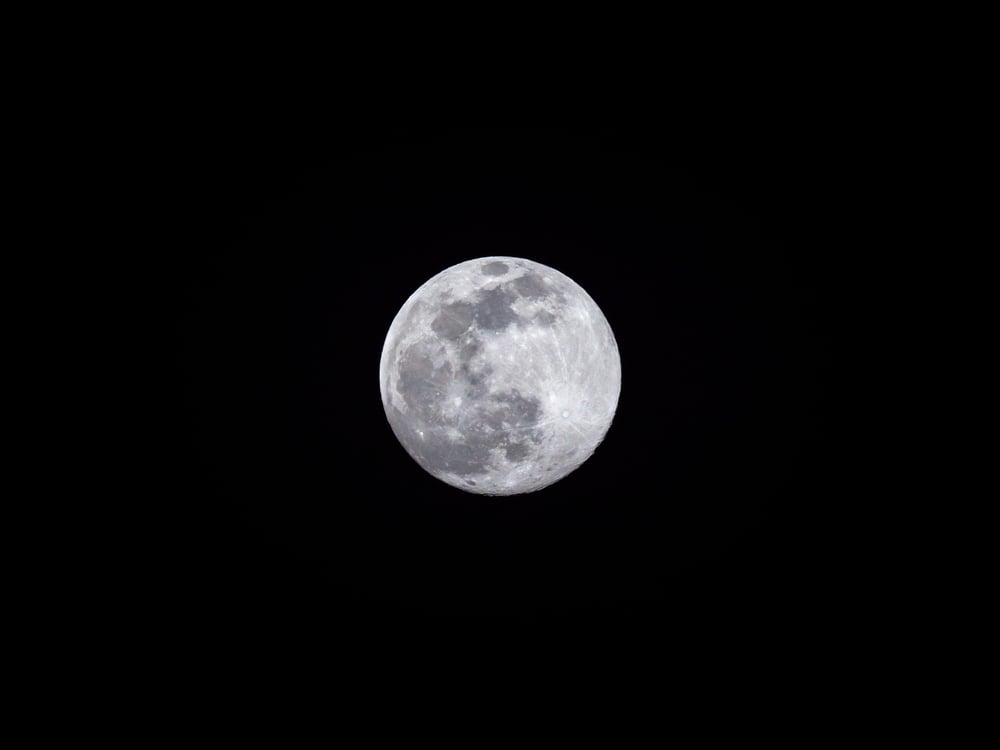
A man named Dennis Hope has claimed to have sold lunar real estate to millions of people since 1980. He argues that the Outer Space Treaty only prevents countries from owning the moon, not individuals.
Therefore, he claimed ownership and started selling plots. This is complete nonsense legally. The treaty prevents any sovereign claims, which include individuals.
Hope’s deeds are worthless. But people keep buying them as novelty gifts or because they genuinely believe they own a piece of the moon.
The scam reveals a gap in space law. The treaty clearly prohibits nations from claiming territory but doesn’t explicitly mention individuals or corporations.
Later legal interpretations have closed this loophole, but Hope keeps selling his fake deeds anyway.
Radio Frequencies and Orbital Slots

Space isn’t just about solid objects. Radio frequencies matter too.
Satellites need specific frequencies to communicate. Those frequencies are limited and regulated by international agreement.
Countries and companies apply for frequency allocations through the International Telecommunication Union. But this creates problems.
What if two countries want the same frequency for satellites serving the same region? Who decides?
Orbital slots face similar issues. Geostationary orbit—where satellites stay fixed over one point on Earth—has limited space.
Only so many satellites can occupy these valuable positions. Countries reserve slots even if they don’t have satellites ready to launch, which other nations say is unfair.
Space Crime and Jurisdiction

If someone commits a crime on the International Space Station, which country’s laws apply? The answer is complicated.
Each country has jurisdiction over its own modules. An American who commits a crime in the U.S. module faces American law.
But what if an American commits a crime in the Russian module? What if a Russian and an American get into a fight in a shared area?
The ISS partners have agreements covering this, but they’re not public. And they only cover the space station.
What happens when private space stations exist? What if someone commits a crime on a Moon base? The law hasn’t caught up to these scenarios yet.
Space Burials and Contamination

Several companies now offer space burials. They’ll put your ashes on a rocket and launch them into orbit or send them to the moon.
This raises questions nobody expected to deal with. The Outer Space Treaty requires countries to avoid harmful contamination of space and celestial bodies.
Ashes don’t harm anything, but where does the law draw the line? What if someone wants to dump toxic waste in space?
What about biological contamination? Scientists worry about “forward contamination”—bringing Earth microbes to other worlds—and “backward contamination”—bringing alien microbes to Earth.
NASA sterilizes Mars rovers because accidentally introducing Earth bacteria to Mars could ruin scientific experiments or harm potential Martian life. The law says you have to avoid harmful contamination but doesn’t define what counts as harmful.
As space activities increase, these questions matter more.
When Fiction Shapes Real Law

Science fiction has influenced space law more than most people realize. The concept of the “Prime Directive” from Star Trek—don’t interfere with alien civilizations—has been seriously discussed in legal and scientific circles.
The Outer Space Treaty’s language about avoiding harmful contamination partly comes from concerns raised in science fiction. Arthur C. Clarke’s novel about geostationary satellites helped establish the idea that orbital slots are valuable and should be allocated fairly.
Space lawyers often reference fictional scenarios when trying to anticipate future problems. This makes sense when you think about it.
Until recently, only science fiction writers spent much time imagining what humans would actually do in space. Their stories identified problems before they became real.
The Rules Nobody Wrote Yet

Space law has massive gaps. What happens when someone establishes a permanent settlement on Mars? Do existing treaties apply?
Can Martian colonists declare independence? Who decides?
What about space advertising? Could a company project an ad onto the moon visible from Earth? Most people would hate this, but no law prevents it.
What if someone wants to modify an asteroid’s orbit? Move it closer to Earth for easier mining? That seems dangerous, but there’s no rule against it.
As technology advances, these gaps become problems. The treaties from the 1960s and 1970s were written for a different era.
They assumed nation-states would control space activities. Private companies barely existed in the space industry back then.
Now they’re the driving force. Countries keep talking about updating space law, but reaching an international agreement takes years.
Technology moves faster than diplomacy. By the time new rules are written, they’re often already outdated.
The Agreements We Haven’t Made

Back when space felt like a battlefield waiting to happen, two powerful nations stepped back from conflict. Out of that tension came early rules shaped entirely by fear of missiles above Earth.
These deals focused on calm cooperation instead of combat. Keeping orbits weapon free was the goal.
Peaceful missions and mutual gain became central simply because bombs in space scared everyone. Now space has changed.
Rules for the future must cover digging up resources, visitors traveling there, people living off Earth, and business operations. There will have to be straightforward guidelines on permissions – what anyone is allowed to do – as well as ways to settle arguments when they happen.
Above everything else, those rules cannot just exist – they must actually work in practice. Right now, nations watch over their own actions – also keeping an eye on one another.
Nobody patrols orbit. No global tribunal exists that can halt the misuse of space rules. Resolutions come from the UN, yet they carry little weight.
Perhaps it fits somehow. With so much room out there, nations and private groups might just find their own corners to work in. Yet confusion could spark tension when orbits fill up.
What we’ve written about space law reflects less the stars, more who we are. Hopes for teamwork sit alongside dread of clashes – both aimed at the void.
More from Go2Tutors!

- 16 Historical Figures Who Were Nothing Like You Think
- 12 Things Sold in the 80s That Are Now Illegal
- 15 VHS Tapes That Could Be Worth Thousands
- 17 Historical “What Ifs” That Would Have Changed Everything
- 18 TV Shows That Vanished Without a Finale
Like Go2Tutors’s content? Follow us on MSN.