17 Products That Misled Everyone With Their Marketing
Marketing can sometimes cross the line from creative promotion to outright deception. Companies have been known to exaggerate claims, use misleading packaging, or create false impressions about their products.
These tactics might boost sales temporarily but often damage consumer trust in the long run.
Here is a list of 17 products that gained notoriety for their misleading marketing practices.
Vitamin Water
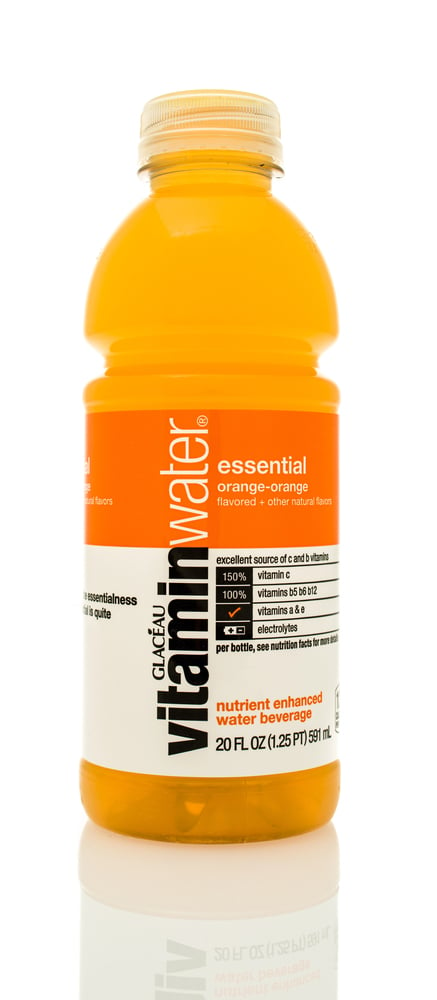
This beverage positioned itself as a healthy alternative to sodas with its vitamin-enhanced formula. Yet it contained nearly as much sugar as a can of Coca-Cola while the marketing implied it was nutritionally beneficial.
Coca-Cola eventually faced a lawsuit over claims that the drink could replace multivitamins and promote health despite its high sugar content.
Airborne Supplements
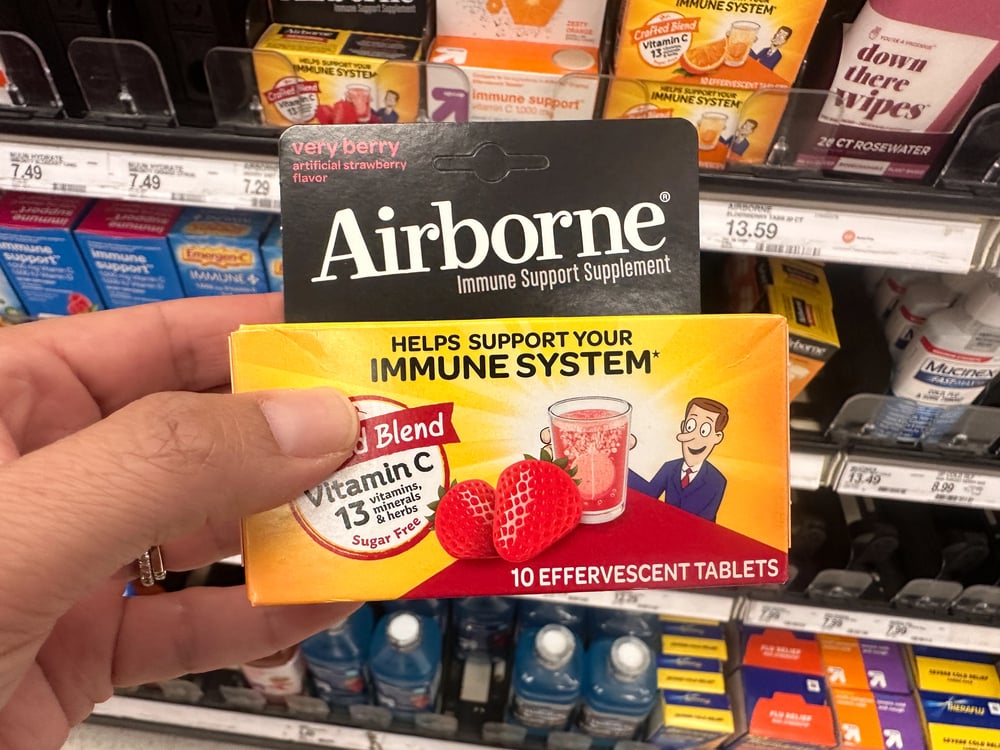
The original marketing for Airborne claimed it could prevent colds and boost your immune system. The company promoted it as created by a schoolteacher who wanted to stop catching illnesses from students.
They settled a $23 million class-action lawsuit when they couldn’t provide scientific evidence for their claims and had to rebrand as a mere supplement rather than a cold prevention remedy.
Activia Yogurt
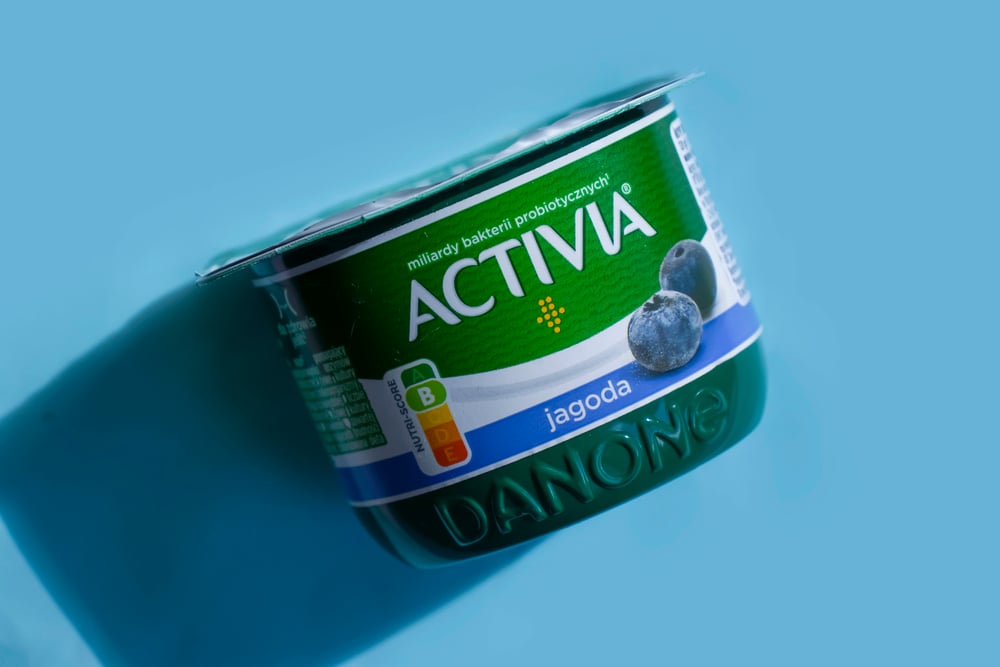
Dannon advertised Activia yogurt as clinically proven to regulate digestion and boost the immune system. Their commercials featured animated diagrams of how the product worked inside your body alongside celebrity endorsements.
The company paid $45 million in a settlement after failing to substantiate these health claims and had to modify their marketing approach significantly.
Skechers Shape-Ups
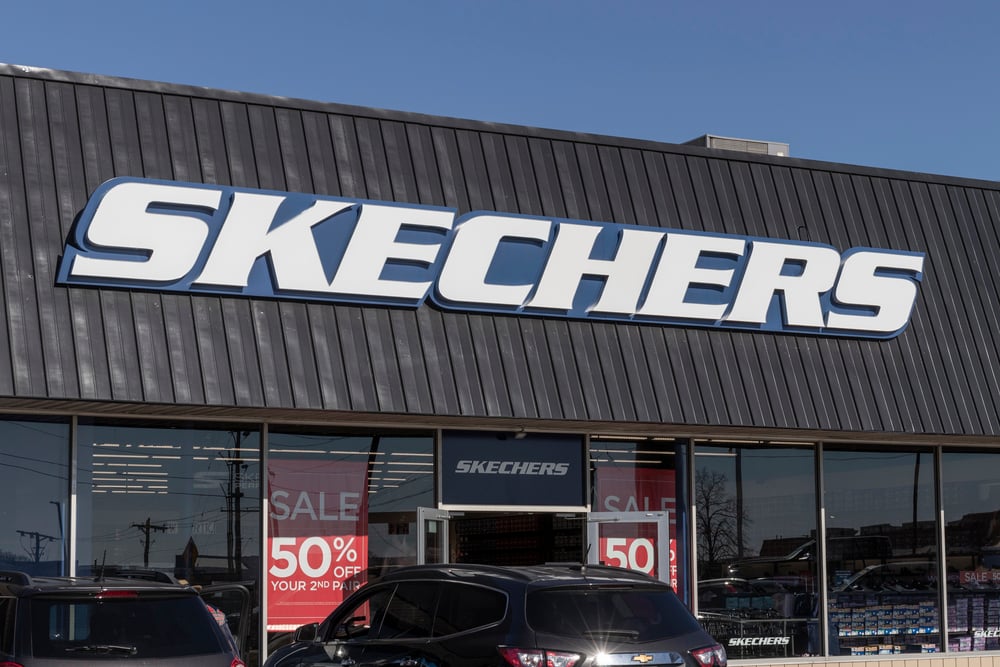
These shoes were marketed as fitness tools that would tone muscles and burn calories just by walking around. Ads featured impressive before-and-after body transformations simply from wearing these shoes during regular activities.
Skechers paid $40 million to settle FTC charges that their marketing claims were unsubstantiated and misleading to consumers.
Rice Krispies Cereal

Kellogg’s claimed that Rice Krispies boosted immunity in children during the height of the H1N1 flu scare. The prominent immunity claims on their packaging suggested the cereal could keep kids healthier during flu season.
The FTC ordered Kellogg’s to discontinue these unproven health claims about their sugary breakfast cereal
Head & Shoulders Clinical Strength
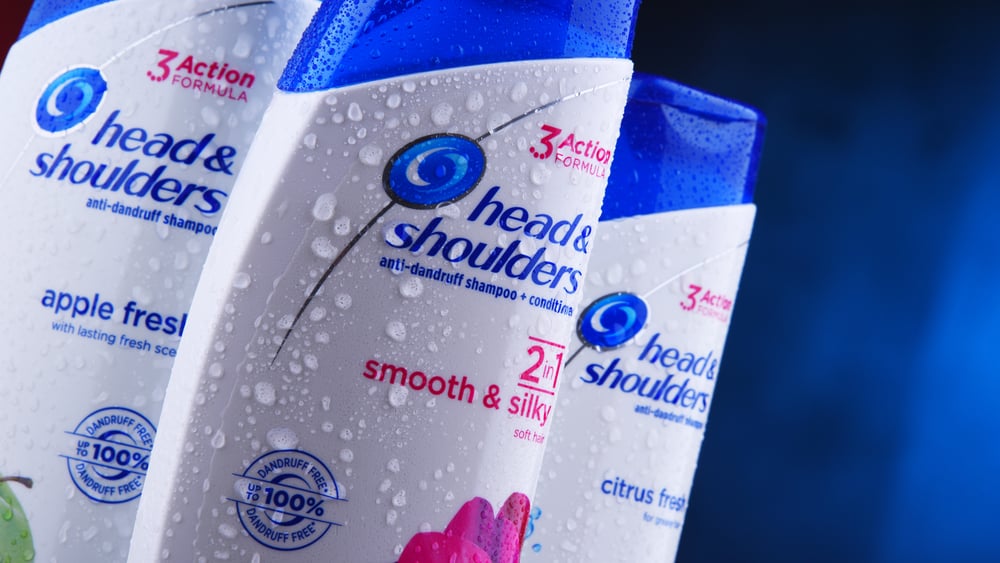
The “clinical strength” version of this shampoo charged a premium price for supposedly stronger dandruff-fighting power. The packaging and marketing suggested it was medically superior to the regular formula and worth the higher cost.
Independent testing showed the formulations were nearly identical with minimal differences in active ingredients despite the significant price difference.
Listerine Mouthwash
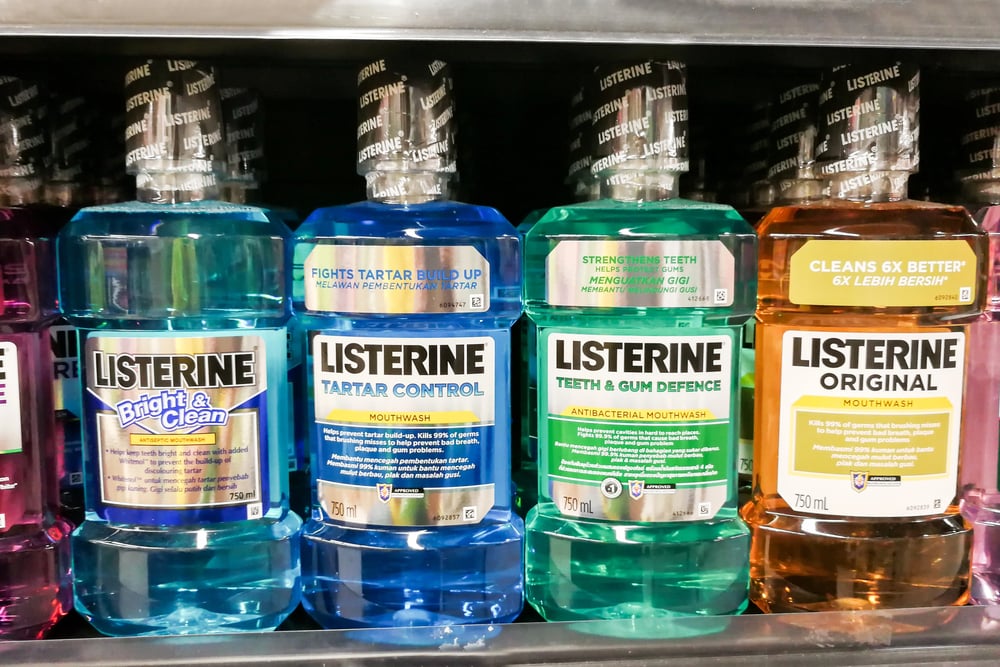
For years Listerine claimed it could prevent colds and sore throats through its antiseptic properties. Advertisements suggested gargling with Listerine would protect you from airborne illnesses and infections.
The FTC stepped in and forced the company to run corrective advertising after determining these claims had no scientific basis.
Frosted Mini-Wheats
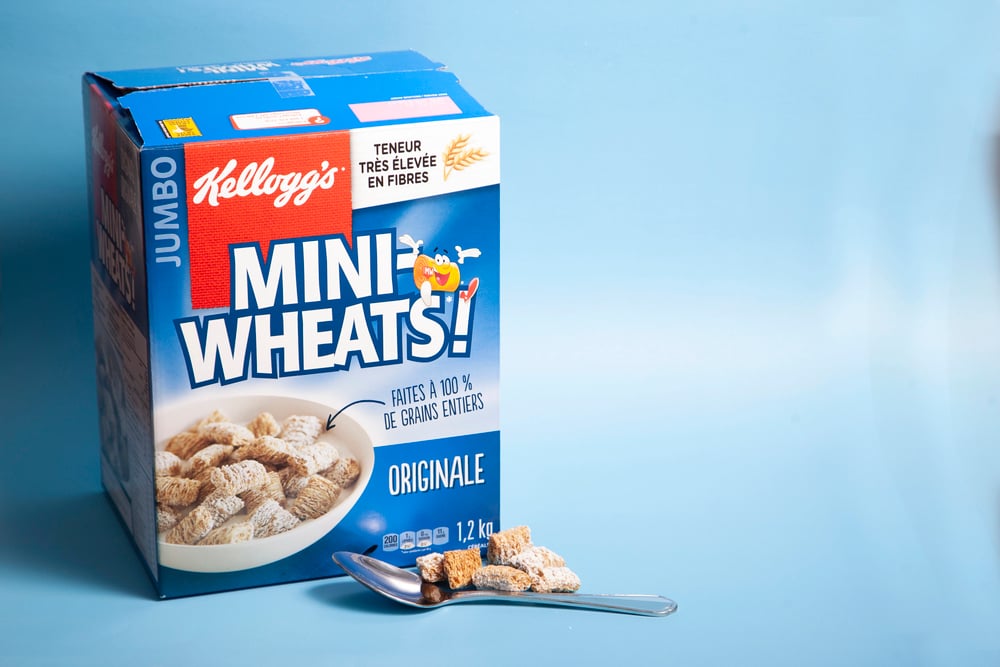
Kellogg’s advertised that children who ate Frosted Mini-Wheats for breakfast improved their attentiveness by nearly 20% compared to children who ate no breakfast. The commercials featured cute animations of wheat pieces improving concentration and school performance.
The company settled with the FTC over these exaggerated cognitive claims that weren’t supported by their own research.
Volkswagen “Clean Diesel” Cars
Volkswagen promoted their diesel vehicles as environmentally friendly with low emissions while maintaining high performance. Their marketing pushed the idea that consumers could have both green credentials and driving enjoyment without compromise.
The company was caught using defeat devices to cheat emissions tests while their cars actually produced up to 40 times the allowed pollution during normal driving.
Snapple “All Natural”
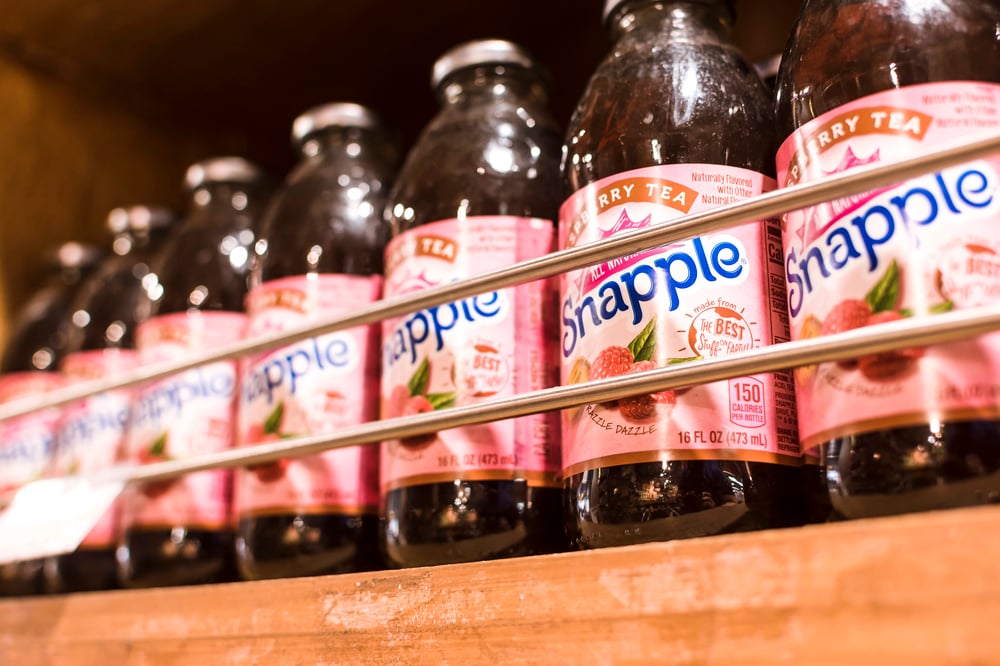
Snapple beverages prominently featured “all natural” on their labels and in advertising campaigns emphasizing natural ingredients. The marketing implied health benefits and superiority over artificial drinks in the competitive beverage market.
Lawsuits emerged when consumers discovered the drinks contained high fructose corn syrup and other processed ingredients that most wouldn’t consider natural.
Nutella Breakfast Spread
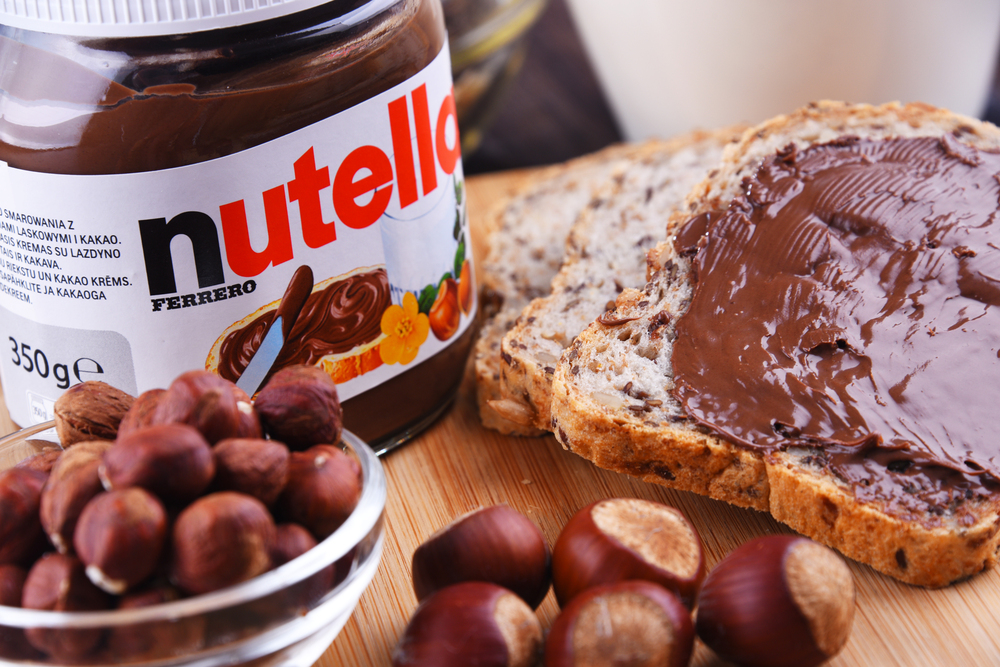
Nutella was marketed as part of a nutritious breakfast for children with advertisements showing healthy families enjoying morning toast with the spread. The commercials emphasized its hazelnut content while downplaying that sugar and palm oil were the primary ingredients.
The manufacturer paid $3 million to settle claims that they misrepresented the product as a healthy breakfast option.
Vitaminwater Zero
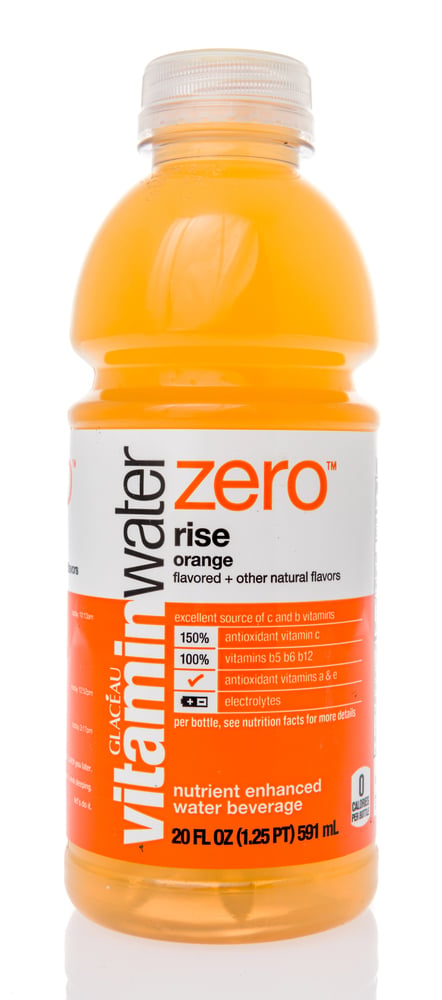
After lawsuits over the original Vitaminwater, Coca-Cola launched this zero-sugar version with packaging that highlighted vitamins while minimizing artificial sweeteners. The marketing implied it was essentially vitamin-enhanced water when it actually contained artificial sweeteners and additives.
Many consumers felt misled when they discovered it wasn’t simply water with vitamins but a heavily processed beverage.
Pringles “Made with Real Potatoes”
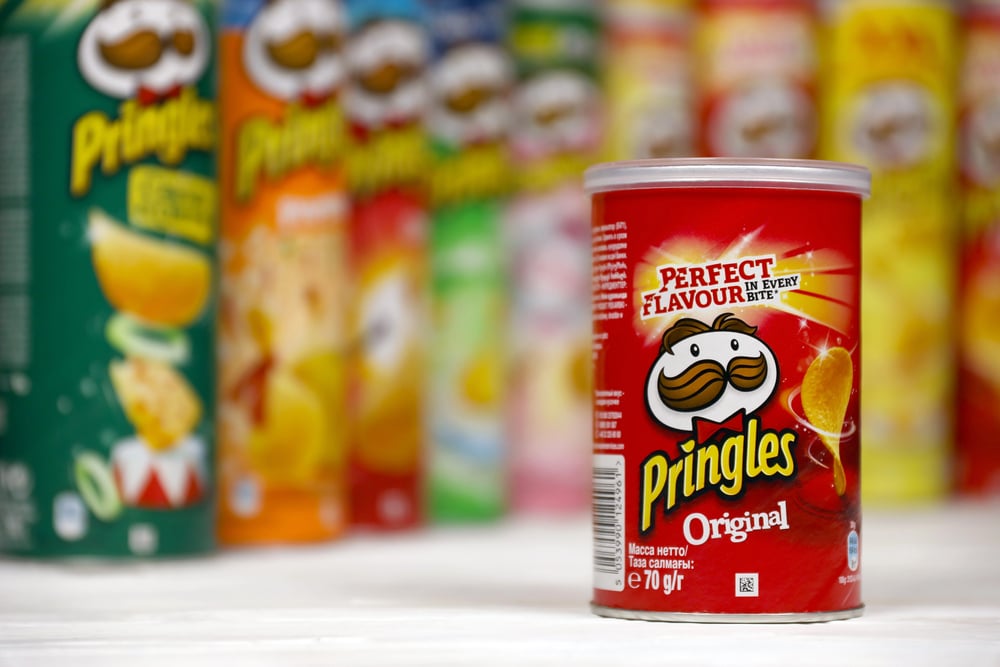
Pringles’ packaging and marketing emphasized that they were potato chips made from real potatoes like traditional chips. The can designs and imagery suggested a natural potato product similar to conventional potato chips.
In reality Pringles contain only about 42% potato content with the rest being a mixture of rice, wheat, corn flour and other ingredients formed into their distinctive shape.
Red Bull Energy Drink
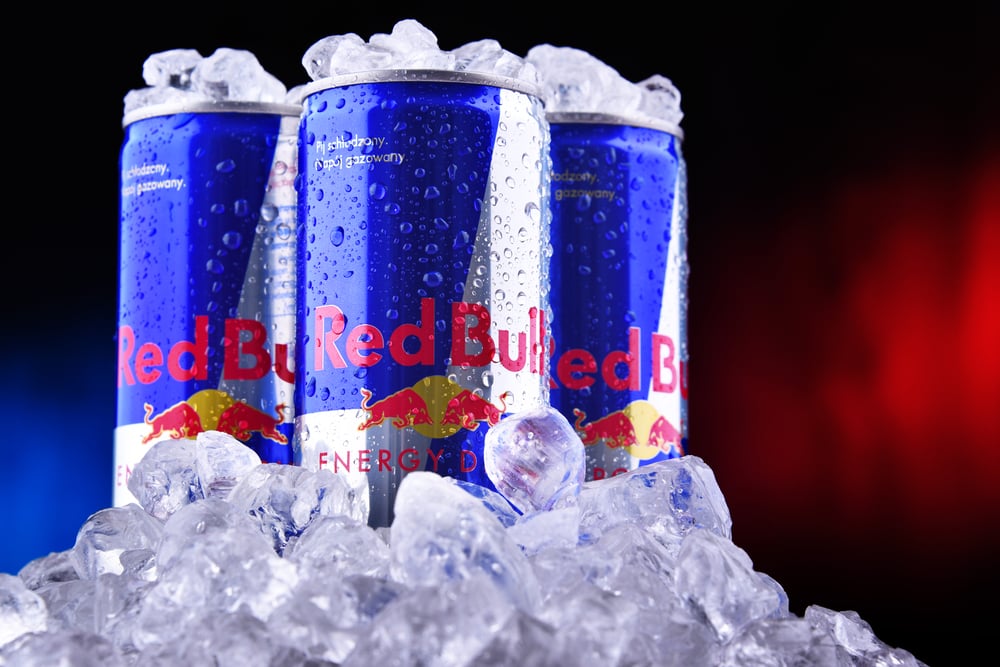
Red Bull’s slogan “gives you wings” and marketing suggested enhanced physical and mental performance beyond what caffeine normally provides. Their advertisements featured athletes performing extraordinary feats supposedly fueled by the energy drink.
The company paid $13 million to settle a class action lawsuit over false advertising claims about the drink’s superior benefits.
Vibram FiveFingers Shoes
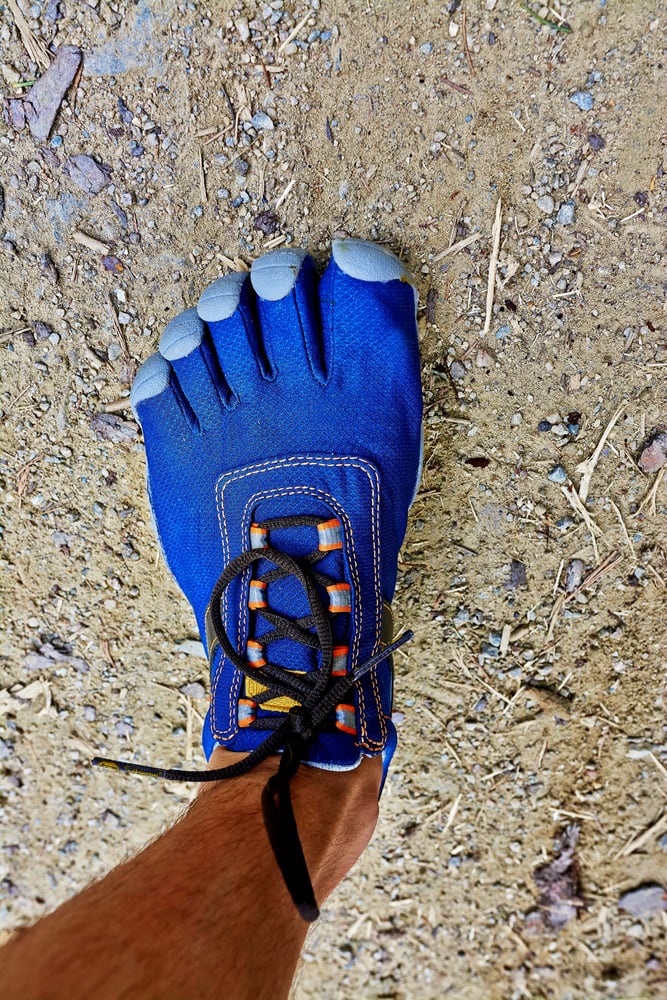
These distinctive toe shoes were marketed as providing health benefits including strengthened foot muscles and reduced injuries compared to regular running shoes. Advertisements claimed they would improve posture, reduce back pain and restore natural running form by mimicking barefoot movement.
Vibram settled a $3.75 million lawsuit when they couldn’t produce scientific evidence supporting these specific health claims.
Olay Regenerist Anti-Aging Products
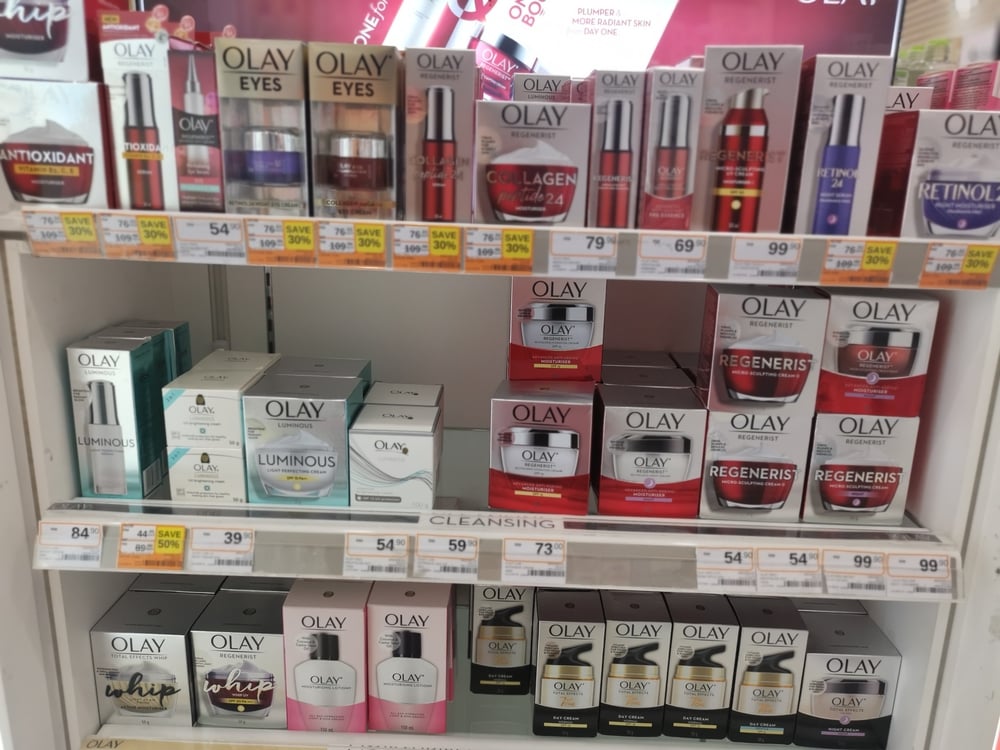
Olay marketed their Regenerist line as providing “results similar to professional treatments” with before-and-after photos showing dramatic improvements. The advertisements suggested near-miraculous results from regular use that could rival expensive dermatological procedures.
The company received warnings about their misleading claims when investigations found the photos were extensively retouched and the results exaggerated.
Windex Original Glass Cleaner
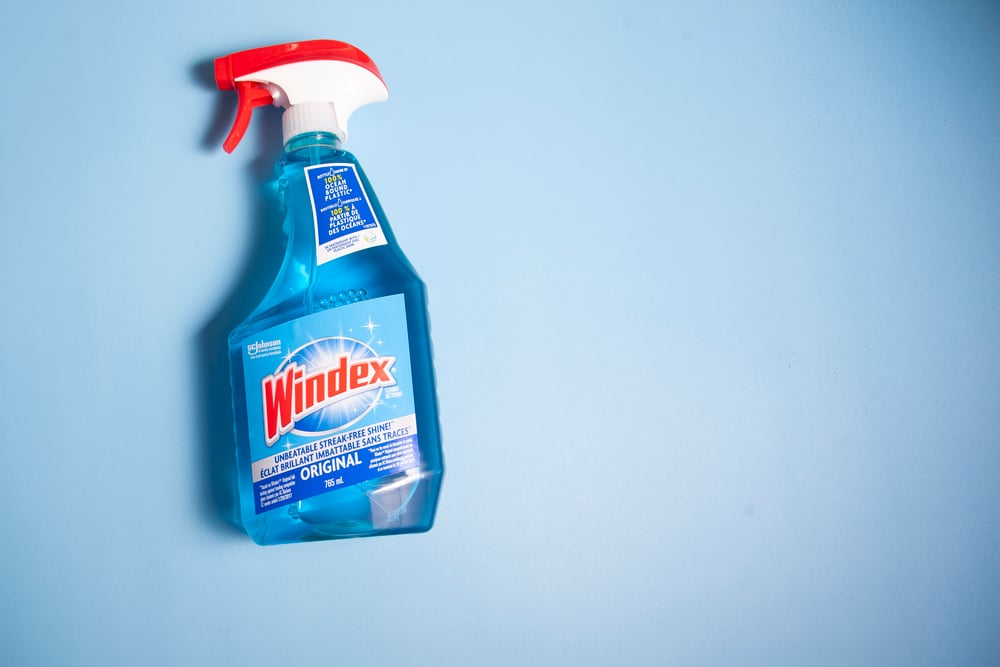
SC Johnson advertised Windex as leaving “no streaks” and providing perfect clarity with “just one wipe” in their commercials. The advertisements showed windows becoming instantly and perfectly clean with minimal effort using their product.
Consumer testing showed these claims were exaggerated as the product typically requires multiple wipes and often leaves visible streaks under normal usage conditions.
The Reality of Advertising
Marketing exaggeration has become so common that consumers have grown increasingly skeptical of product claims. These 17 examples demonstrate why that skepticism is often warranted.
The line between creative marketing and deception remains contentious as companies continue pushing boundaries while regulators work to protect consumer interests. Perhaps the most valuable lesson is that critical thinking about advertising claims remains our best defense against misleading marketing tactics.
More from Go2Tutors!

- The Romanov Crown Jewels and Their Tragic Fate
- 13 Historical Mysteries That Science Still Can’t Solve
- Famous Hoaxes That Fooled the World for Years
- 15 Child Stars with Tragic Adult Lives
- 16 Famous Jewelry Pieces in History
Like Go2Tutors’s content? Follow us on MSN.


