16 Misunderstood Facts About Bats – International Bat Appreciation Day Special
Throughout history, bats have been unfairly portrayed. In horror movies, old folklore, and those tacky Halloween decorations you see everywhere in October, they are frequently portrayed as evil beings. Even though there are more than 1,400 species of these amazing flying mammals and they are vital to ecosystems all over the world, their ecological significance is overshadowed by obstinate beliefs.
Let’s dispel some myths with these 16 frequently misinterpreted facts about bats, which demonstrate why we should be appreciative of these remarkable creatures rather than afraid of them.
Bats Aren’t Blind
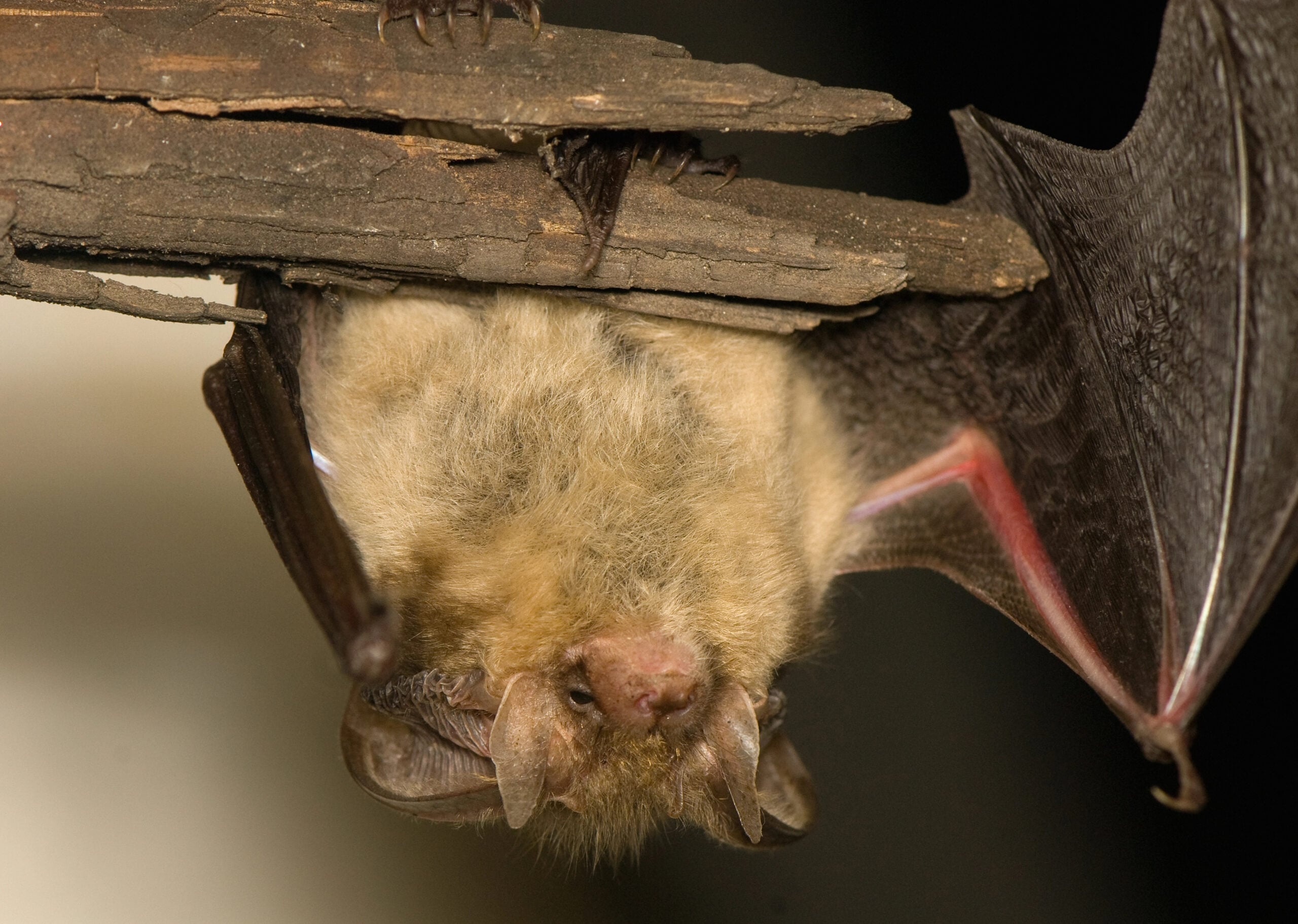
The phrase “blind as a bat” may be easy to recall; yet, it is entirely untrue. All bats are capable of seeing, although their visual abilities differ from species to species.
Even though most bats use echolocation primarily to locate food and navigate, they possess highly developed eyes suited to their nocturnal lifestyles. Fruit bats, also known as flying foxes, really do possess very good eyesight, with certain species capable of seeing three times better than humans in low light conditions and even possessing the capacity to see ultraviolet light, which we cannot see.
Most Bats Don’t Drink Blood
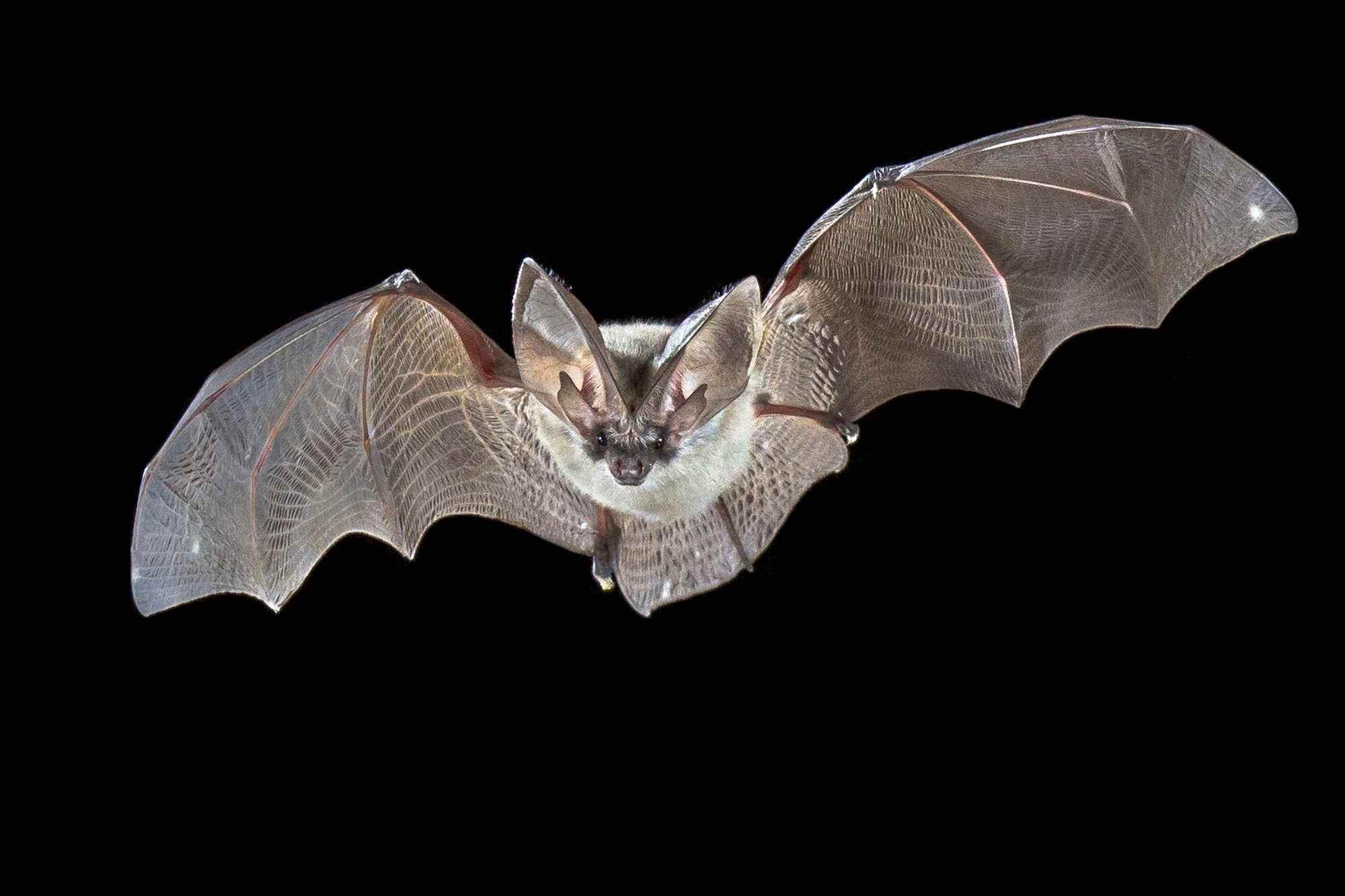
Vampire bats get all the publicity — yet they represent just three species out of more than 1,400 worldwide, meaning 99.8% of bats prefer completely different menus. These specialized blood-feeders live exclusively in Latin America and typically target livestock or wild animals, rarely bothering humans.
The overwhelming majority of bat species actually feast on insects, fruits, nectar, or pollen — making significant contributions to pest control and plant pollination rather than starring in horror movies.
Bats Won’t Get Tangled in Your Hair
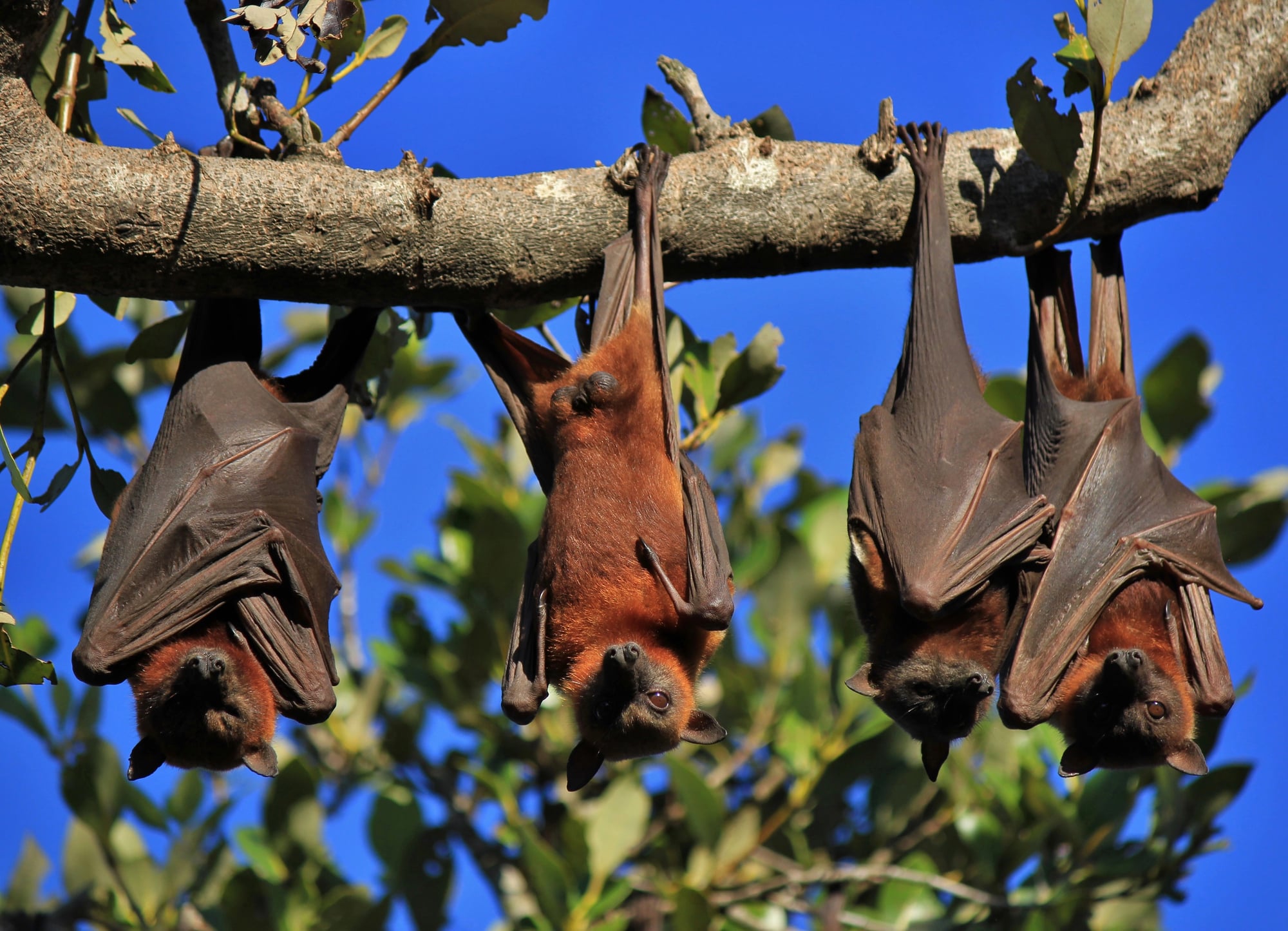
That persistent playground myth about bats deliberately flying into people’s hair true? Pure fiction — though it’s prevented many folks from appreciating these animals up close. This misconception probably stems from their flying patterns while hunting insects that might be buzzing near people’s heads.
Their sophisticated echolocation system allows them to navigate with extraordinary precision around obstacles much smaller than human hair — easily avoiding unintentional collisions while pursuing the insects they’re actually after.
They’re Clean Animals
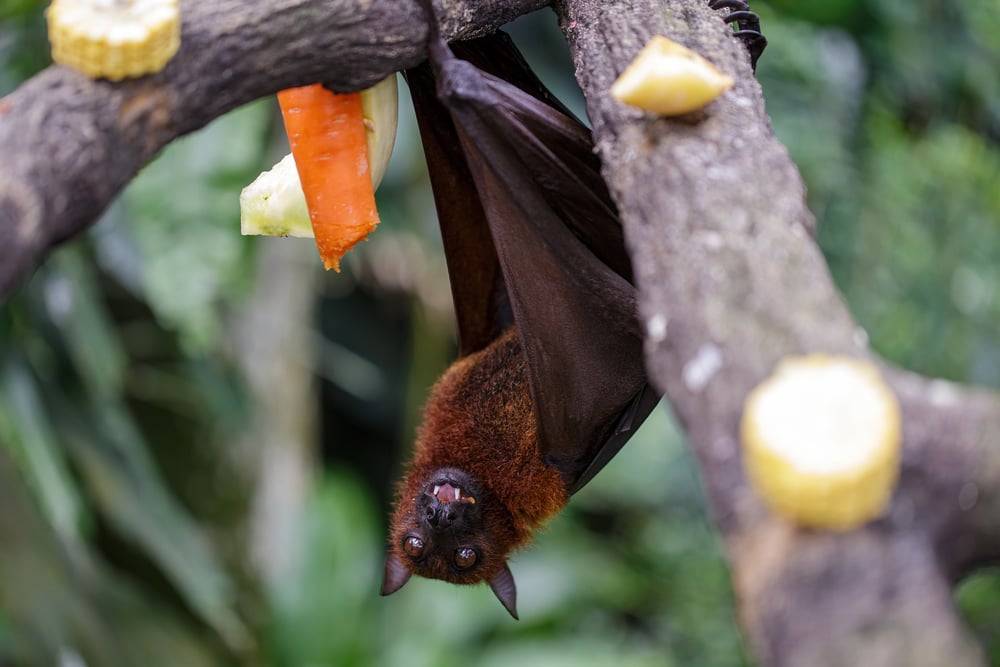
Contrary to their reputation as dirty creatures, bats are surprisingly fastidious — spending significant time grooming themselves much like cats do. They meticulously clean their fur and wing membranes daily, maintaining excellent hygiene despite their cave-dwelling reputation.
Mother bats even clean their pups regularly — showing a commitment to cleanliness that might surprise most people. Their roosting areas might accumulate droppings (called guano), but the animals themselves stay remarkably clean.
Bats Are Incredibly Diverse
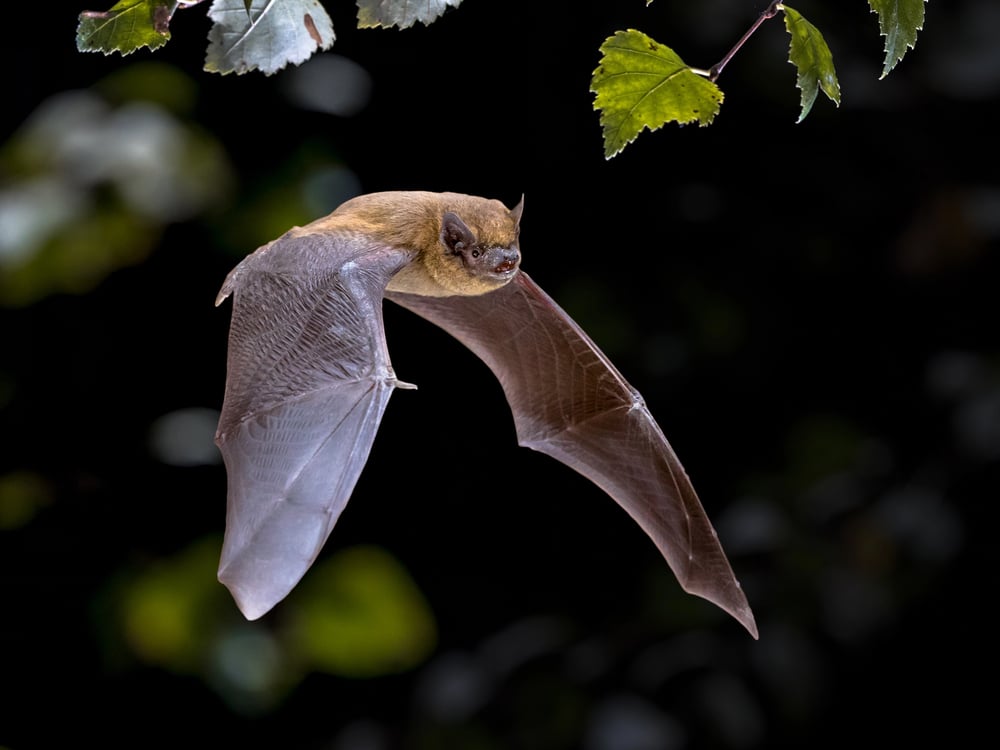
These remarkable mammals represent one of Earth’s most diverse mammalian orders — second only to rodents in sheer species count. Their size range is mind-boggling — from the tiny bumblebee bat weighing less than a penny to giant flying foxes with six-foot wingspans.
This extraordinary diversity extends to their diets, habitats, social structures, and physical adaptations — making any sweeping statement about “bats” about as accurate as generalizing about all birds or all fish as if they were single entities.
Most Bat Species Don’t Carry Rabies

Can bats contract rabies? Sure — like any mammal. Does the disease run rampant through bat populations? Not even close.
Studies consistently show that less than 1% of wild bats carry the rabies virus — with sick individuals typically dying quickly rather than becoming aggressive vectors. Simple precautions like never handling bats with bare hands and seeking medical attention for any wildlife bite virtually eliminate the already minimal risk — making fear of rabies from bats largely overblown compared to actual danger.
Bats Are Essential Pollinators
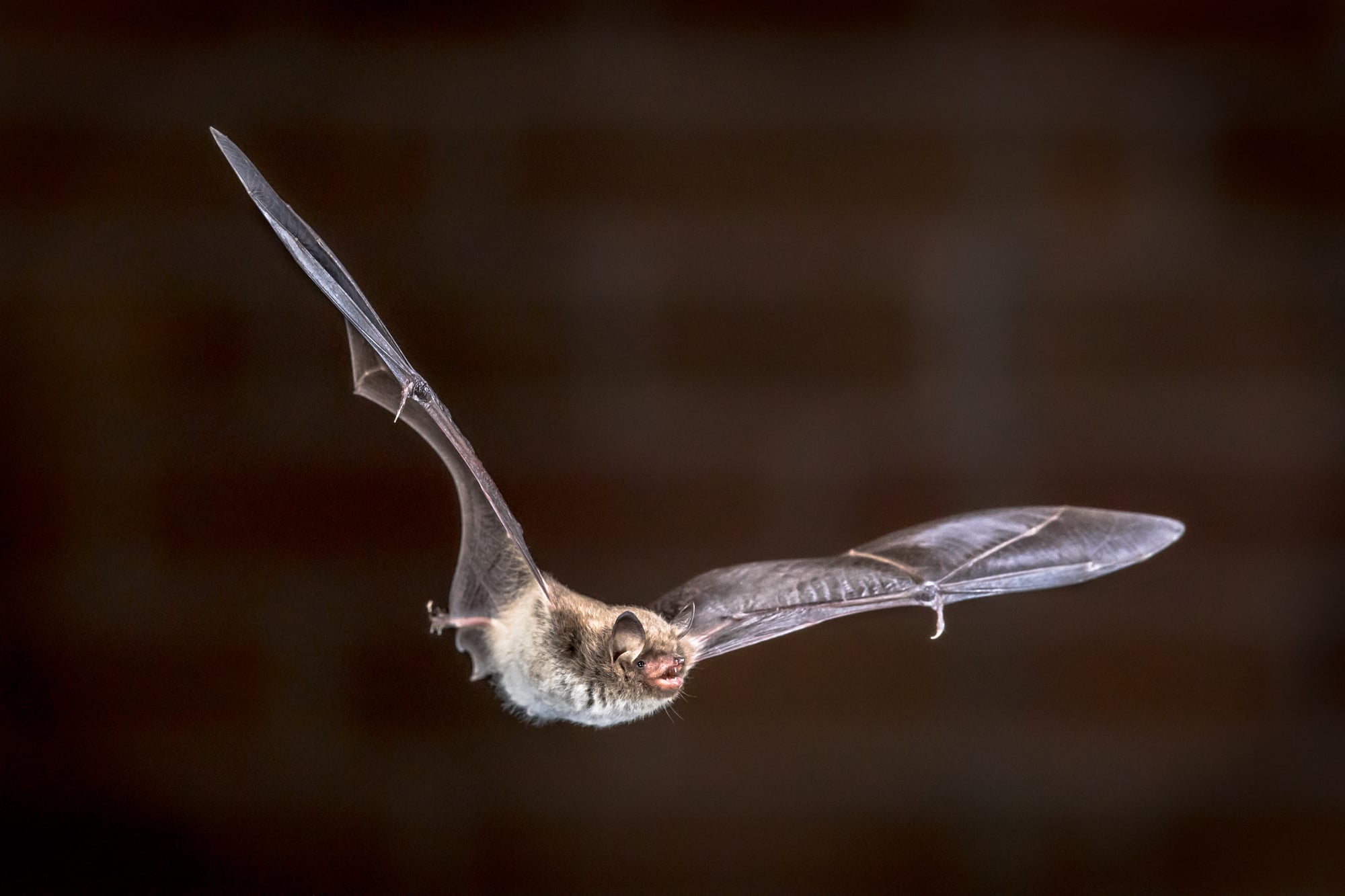
Many commercial crops depend partially or entirely on bat pollination — including bananas, mangoes, dates, figs, peaches, and agave (used for tequila production). In tropical and desert environments, bat pollination becomes particularly crucial — with some plant species evolving flowers that open only at night specifically to attract these nocturnal pollinators.
Without bats, many agricultural industries would face serious economic losses — demonstrating these animals’ irreplaceable ecological and commercial value.
They’re Sophisticated Communicators
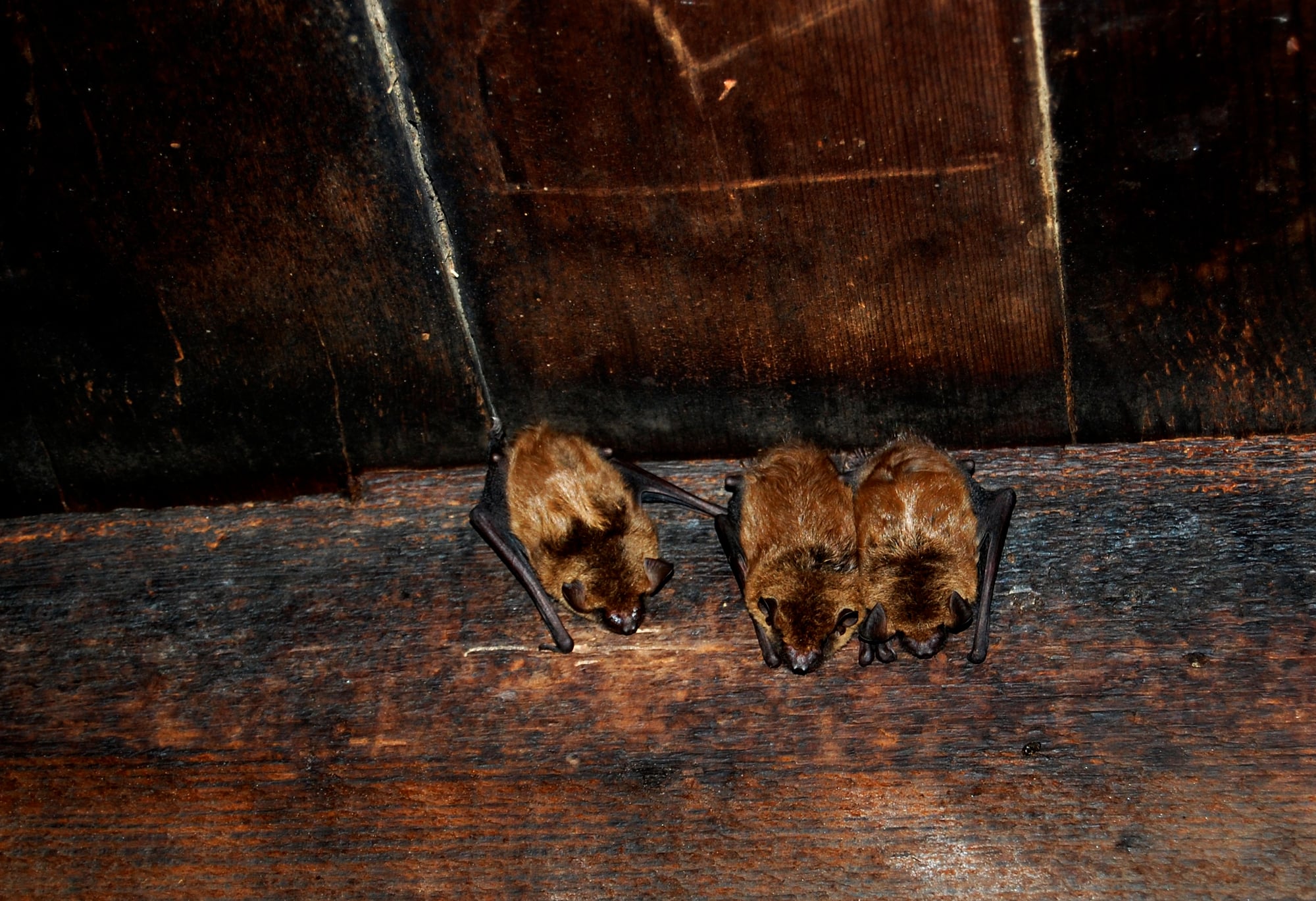
Bat social lives involve complex communications that go far beyond simple squeaking. Researchers have documented mother bats recognizing their pups among millions of others through distinctive calls — plus specific regional “dialects” among bat colonies and sophisticated social hierarchies maintained through vocalization.
Some species even sing complex songs during mating seasons — with males performing unique courtship vocalizations that reveal social lives as intricate as many better-studied mammals.
Bats Aren’t Flying Mice
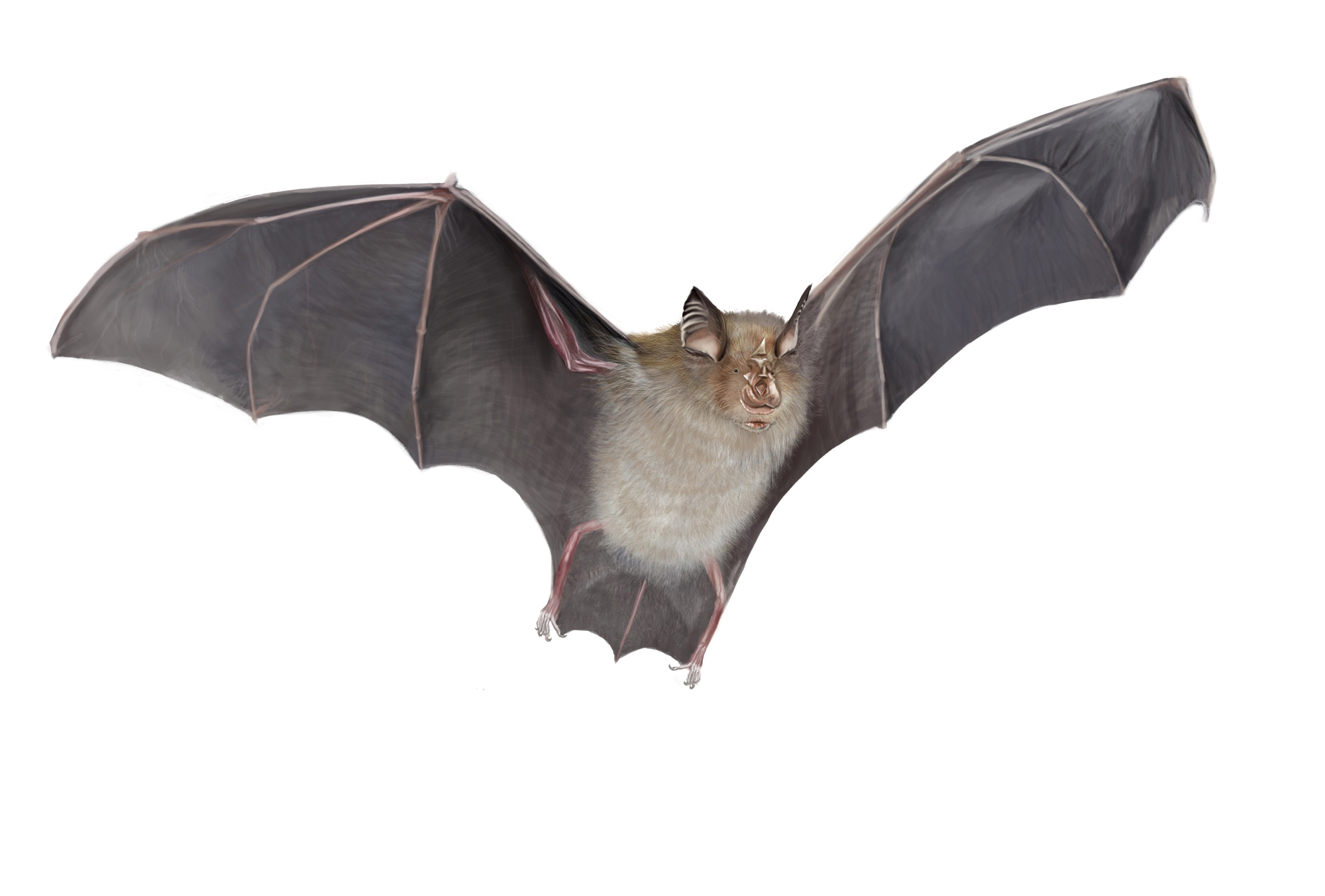
Despite looking vaguely rodent-like to casual observers, bats belong to the order Chiroptera — and are actually more closely related to humans than to mice or rats. Their evolutionary path split from other mammals around 50 million years ago — developing specialized adaptations for true powered flight that no other mammals possess.
This independent evolution makes comparing bats to flying mice about as scientifically accurate as calling dolphins “swimming dogs,” regardless of superficial resemblances.
They Don’t Chew Through Buildings

Unlike rodents with continuously growing incisor teeth that require constant gnawing — bats have no biological need to chew through materials. They enter structures through existing openings rather than creating new entrances by damaging wood or siding.
When bats inhabit human structures, they squeeze through gaps as small as 3/8 of an inch wide — utilizing existing access points rather than destructively creating new ones, making them much less problematic than many other unwanted wildlife visitors.
Bats Have Remarkable Longevity
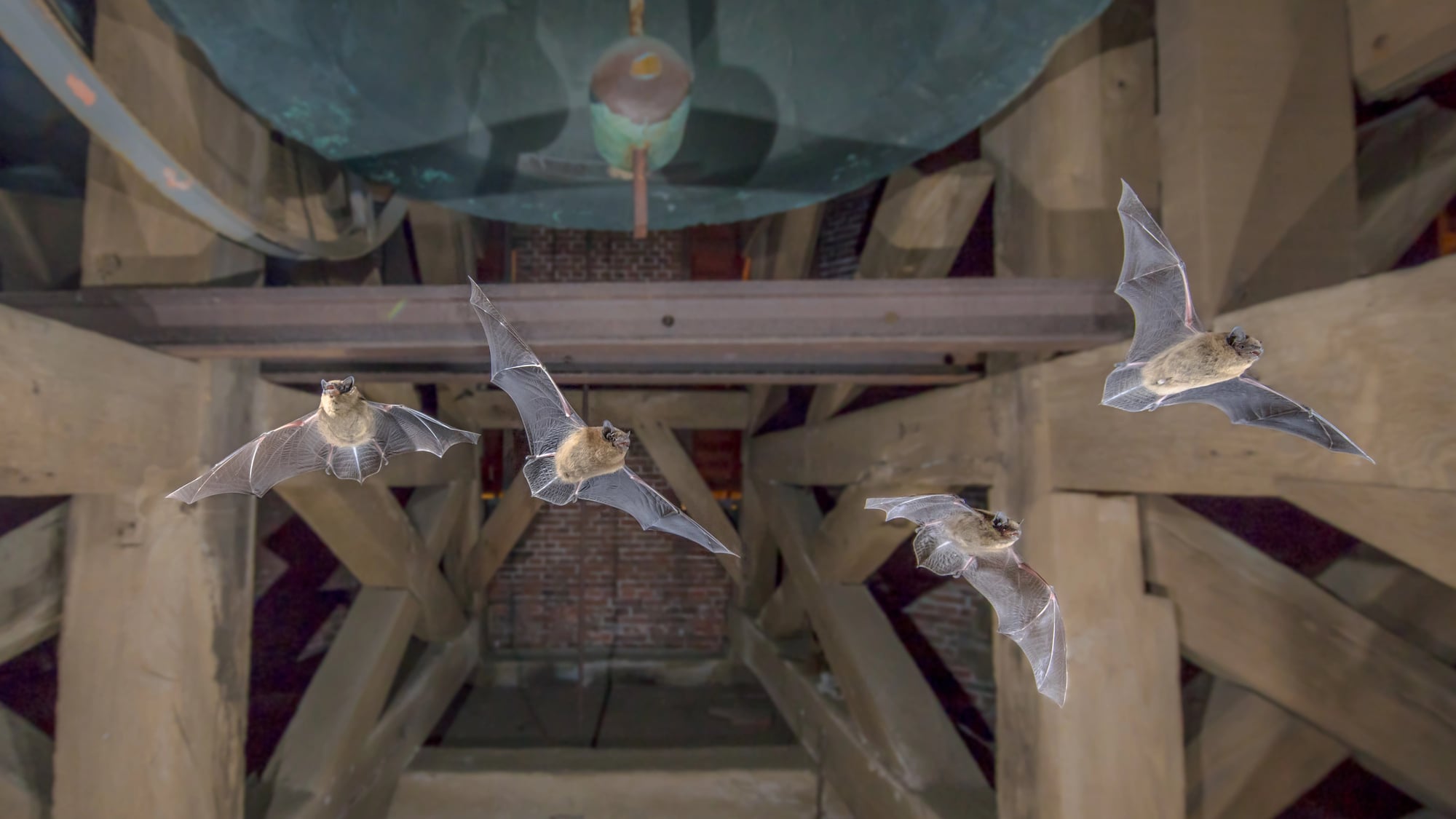
These small mammals completely defy conventional life expectancy, with most species living 20-30 years in the wild—10 years longer than comparably sized mammals. Brandt’s bat, which weighs just 4-8 grams, has been found to live more than 40 years, the longest-living mammal of its weight.
Such remarkable longevity has generated enormous interest among aging researchers as to how bats evade normal aging mechanisms despite having incredibly high metabolic rates when in flight.
Most North American Bats Hibernate
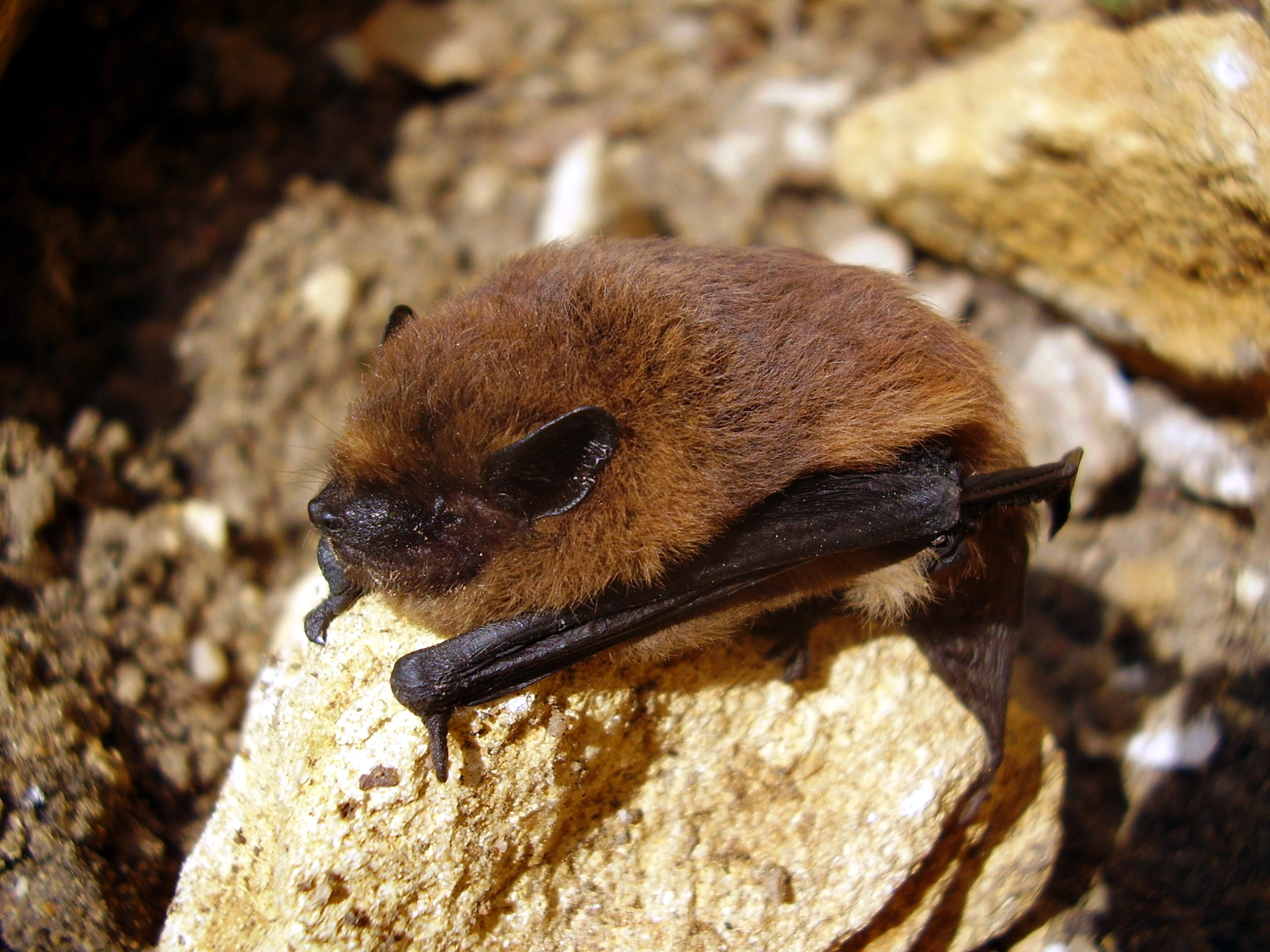
The majority of bat species in North America hibernate throughout the winter instead of traveling south, despite common misconceptions about migration. They use far less energy during hibernation because their body temperatures drop to almost freezing and their heart rates drop from 400–1000 beats per minute to barely 10.
They can go months without eating because to this amazing metabolic slowing. But because they must burn vital fat stores for winter survival when they get up too early, it leaves them more susceptible to disruption.
They’re Agricultural Allies

A single bat can devour up to 1,200 mosquito-sized insects hourly, making these nocturnal hunters crucial for agricultural pest management. Research estimates that bats save U.S. agriculture billions annually by controlling insects that would otherwise damage crops.
Their appetite for agricultural pests provides natural pest control services that benefit farmers worldwide, reducing the need for chemical pesticides while protecting food supplies from insect damage.
Bats Aren’t “Flying Disease Factories”
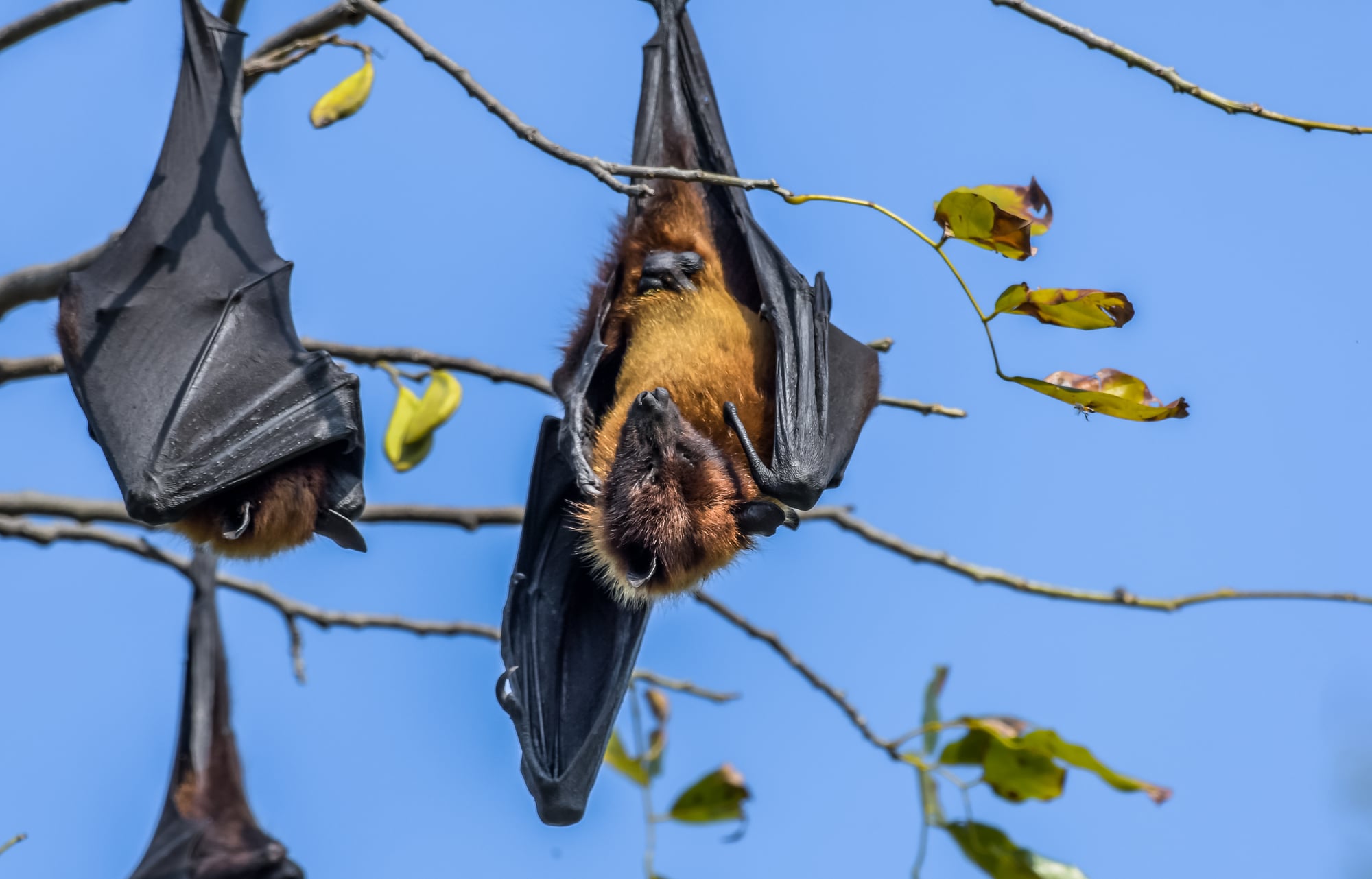
Recent sensationalist headlines have unfairly characterized bats as disease reservoirs, yet their actual relationship with viruses is complex and nuanced. Their remarkably robust immune systems allow them to coexist with viruses without becoming sick, a trait that has attracted medical researchers studying disease resistance.
The overwhelming majority of bat species pose no disease threat to humans, particularly when people observe proper wildlife distancing rather than unnecessarily handling or disturbing roosting colonies.
They Have Sophisticated Flight Control
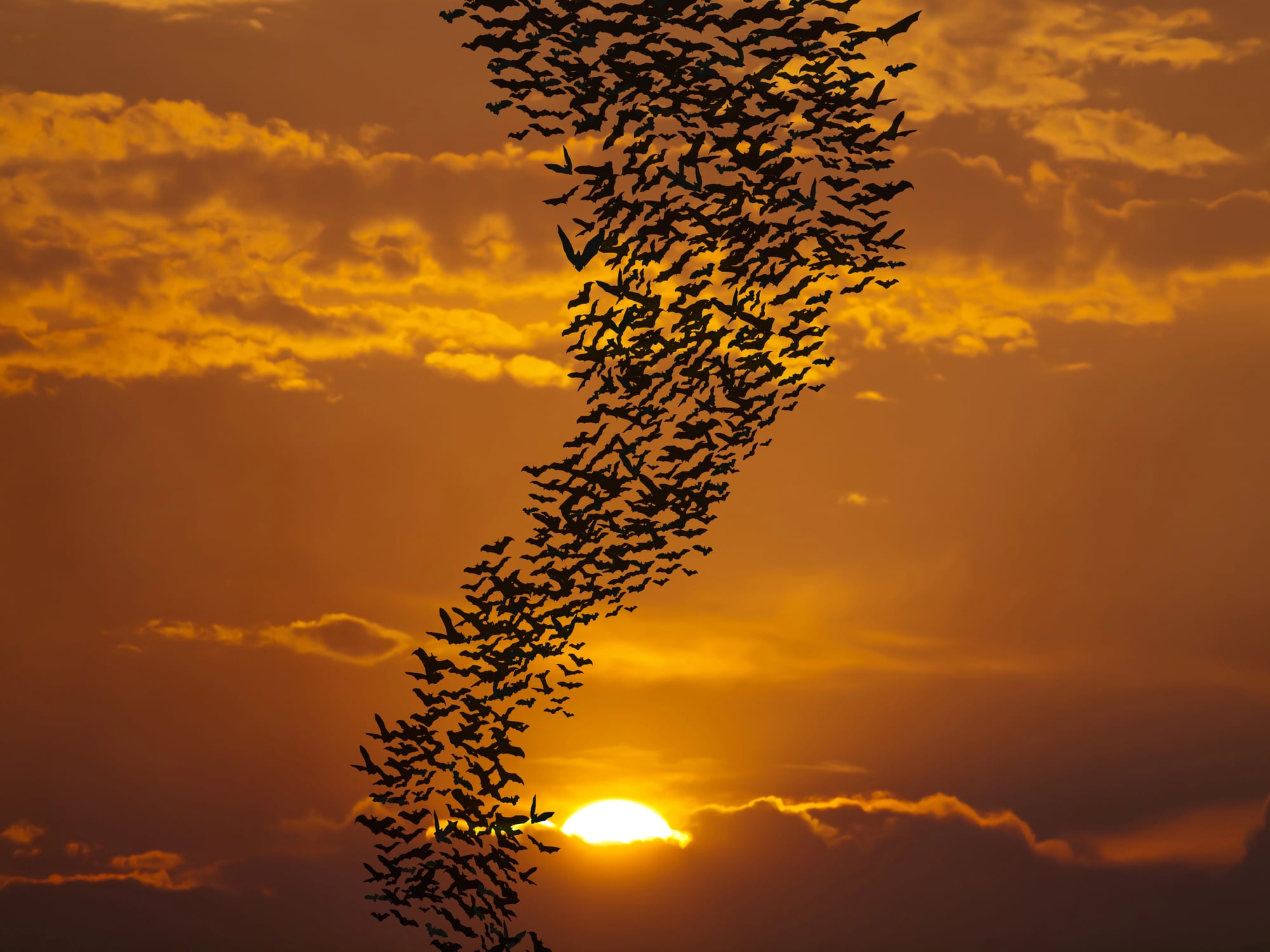
Bat flight capabilities surpass birds’ maneuverability, with some species capable of mid-air rolls, 180-degree turns in confined spaces, and precisely hovering while feeding. Their wing structure features dozens of joints controlled by independent muscles, creating flight mechanics more sophisticated than any other flying animal.
This extraordinary maneuverability enables hunting strategies impossible for birds, allowing bats to capture elusive insects with remarkable precision while navigating through complex environments like forest understories.
Bats Recognize Faces
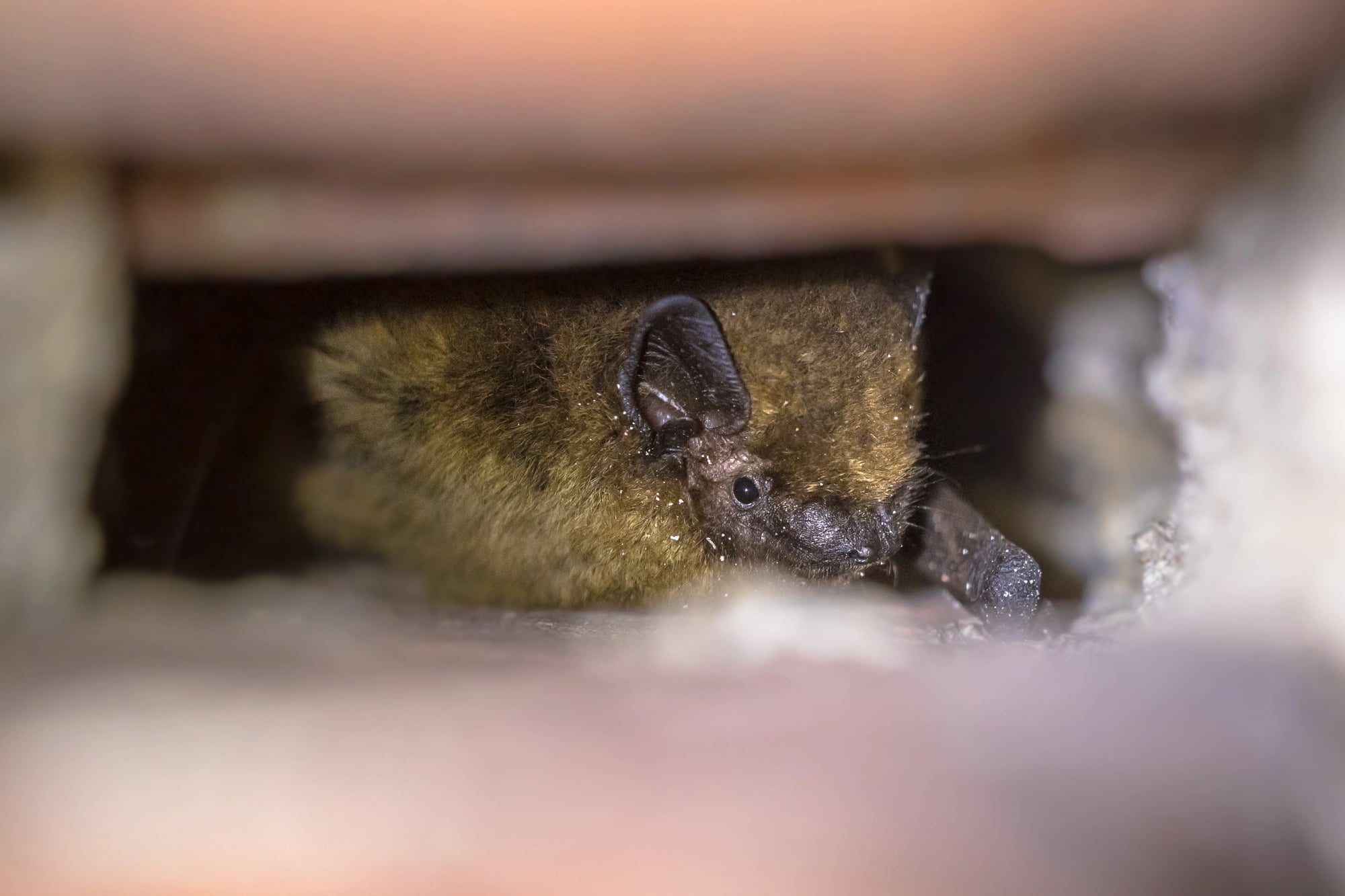
Research has shown that some bat species recognize and remember human faces, demonstrating cognitive abilities far beyond what most people associate with these animals. Certain fruit bats can remember which humans have treated them well or poorly, adjusting their behavior accordingly over extended periods.
This facial recognition capability reveals sophisticated social intelligence previously underestimated in these remarkable mammals, challenging assumptions about their cognitive limitations.
Night Guardians Among Us
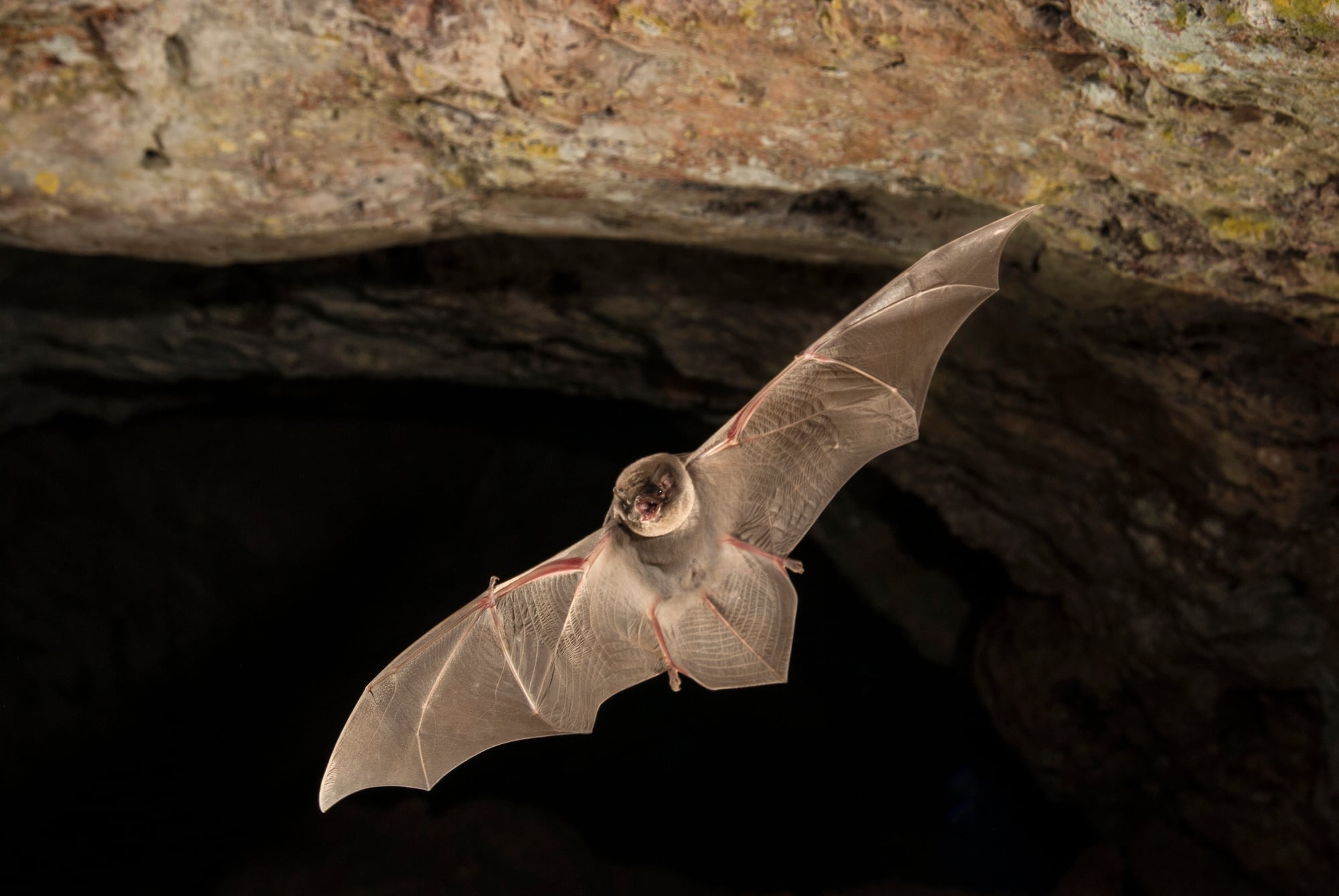
These frequently-misunderstood mammals provide ecosystem services worth billions of dollars annually, facilitating pest control, pollination, and seed dispersal, in exchange for mostly asking for little in return: a peaceful life. International Bat Appreciation Day brings to light the fact that the conservation of these incredible animals not only benefits bat populations but human societies worldwide as well.
By replacing entrenched misconceptions with proper knowledge, we can better understand how these nighttime companions maintain ecological balance as they live their incredible aerial lives, mostly unseen in the darkness above us.
More from Go2Tutors!

- The Romanov Crown Jewels and Their Tragic Fate
- 13 Historical Mysteries That Science Still Can’t Solve
- Famous Hoaxes That Fooled the World for Years
- 15 Child Stars with Tragic Adult Lives
- 16 Famous Jewelry Pieces in History
Like Go2Tutors’s content? Follow us on MSN.