17 Places Cut Off from the World for Centuries
Some corners of the planet have stayed remarkably untouched — not because nobody noticed them, but because geography, politics, or sheer stubbornness kept the rest of the world out. These aren’t just remote places.
They’re places where time moved differently, where outside contact was forbidden, discouraged, or simply impossible. Some have since opened up.
Others remain closed. All of them carry the weight of centuries spent alone.
1. North Sentinel Island, India

The Sentinelese have lived on this small island in the Bay of Bengal for an estimated 60,000 years. They have consistently and sometimes violently rejected contact with the outside world.
The Indian government has largely respected that boundary — making it illegal to approach within five nautical miles of the island. Nobody knows their language. Nobody knows how many of them there are.
The island sits there, dense with forest, and the people inside it want nothing to do with you.
2. Tibet
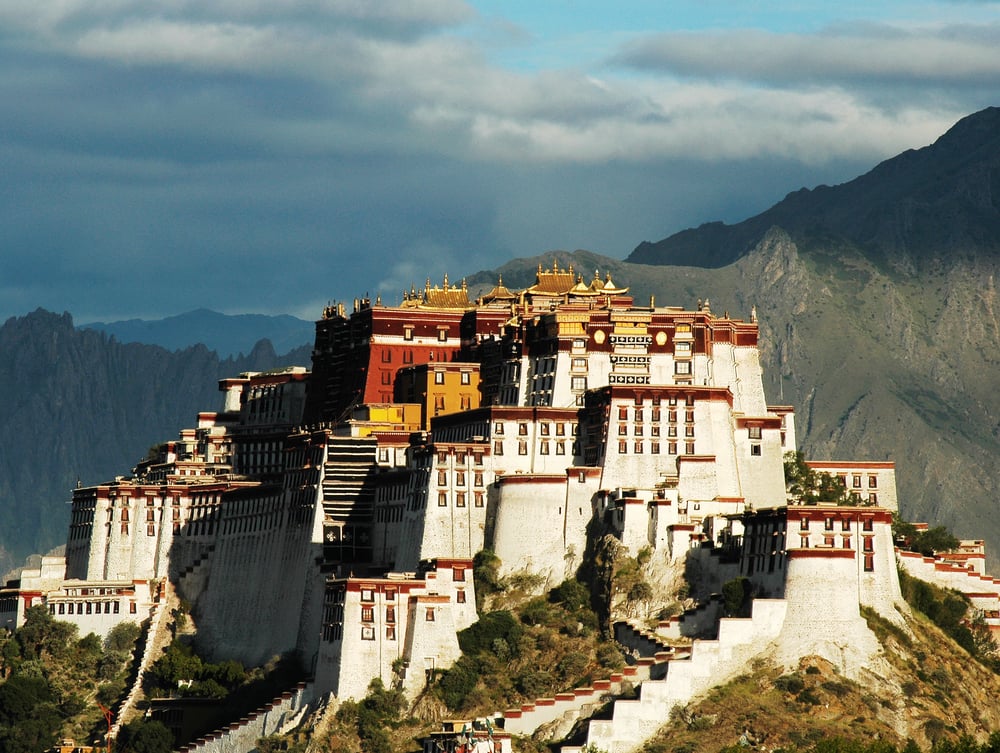
For much of its history, Tibet operated as a closed kingdom. Foreign travelers who managed to reach Lhasa — usually disguised, usually on foot across brutal mountain terrain — described a city that felt genuinely otherworldly. The Dalai Lama ruled from the Potala Palace, monasteries dotted every hillside, and the outside world was mostly kept at arm’s length by both altitude and policy.
That changed when China annexed Tibet in 1950, but even today, visitors need special permits to enter, and access remains tightly controlled.
3. Japan (The Sakoku Period)

For over 200 years — from roughly 1635 to 1853 — Japan sealed itself off from almost all foreign contact. The shogunate called it sakoku, meaning “closed country.”
Japanese citizens couldn’t leave. Foreign ships couldn’t dock.
The only exceptions were a handful of Chinese and Dutch traders, confined to a small artificial island in Nagasaki harbor. When Commodore Perry’s American fleet arrived in 1853 with its steam-powered warships, Japan had to reckon with a world that had changed completely during its long silence.
4. Bhutan
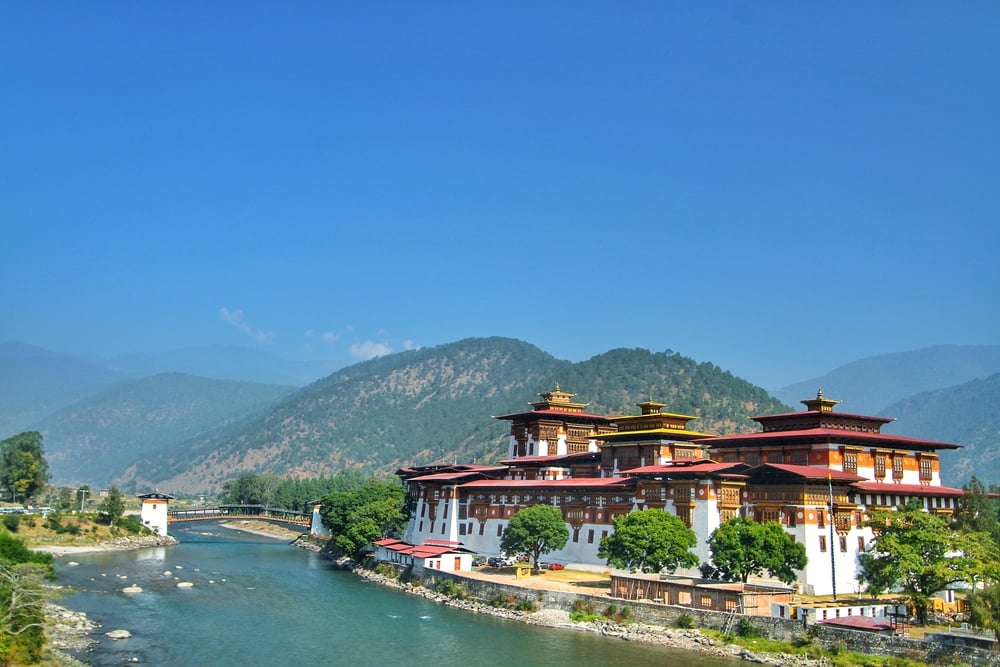
Bhutan didn’t open to tourists until 1974. Before that, the tiny Himalayan kingdom had deliberately kept outsiders out for centuries, protecting its Buddhist culture from outside influence. Even now, the government controls tourism carefully — visitors pay a daily fee and must travel with a licensed guide.
Bhutan isn’t cut off anymore, but it manages openness on its own terms, which is more than most countries can say.
5. North Korea
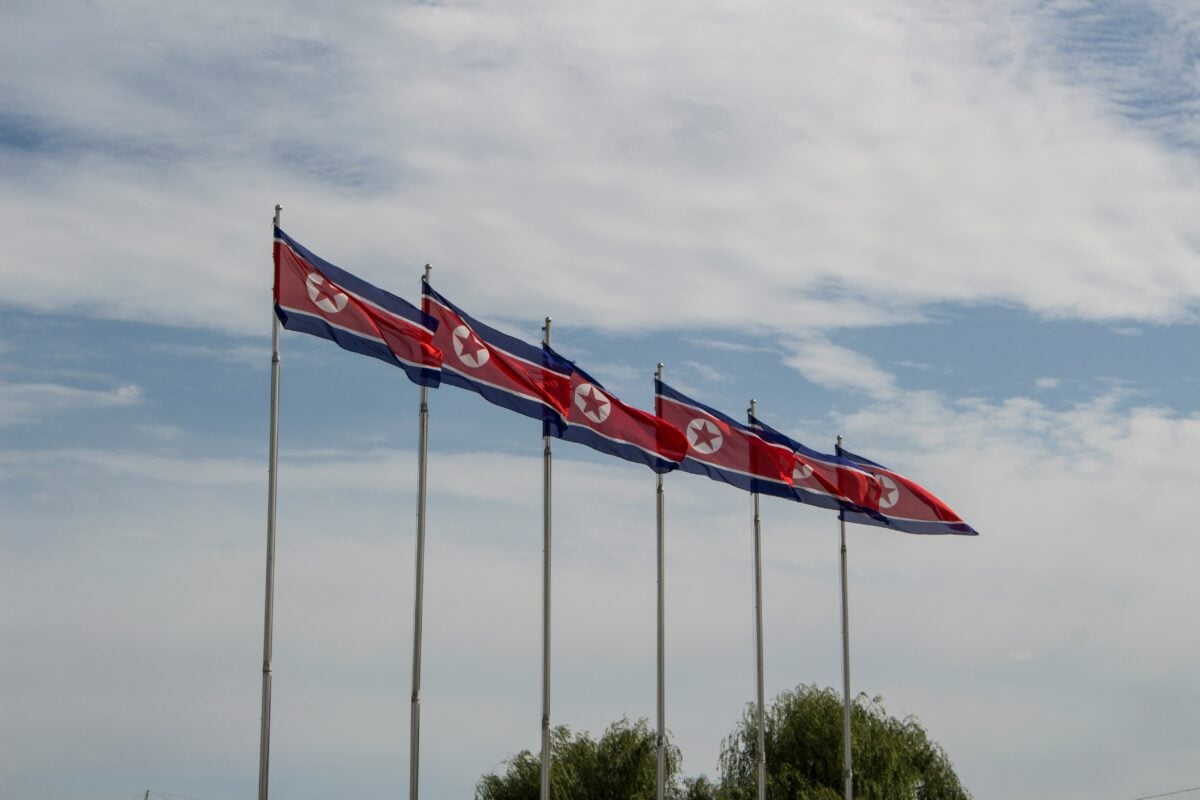
No country on Earth is more deliberately closed. North Korea’s isolation began after the Korean War and has only deepened over decades. Outside information is strictly limited. Foreign travel is tightly restricted and heavily managed.
Most of what the outside world knows about daily life inside the country comes from defectors. For the people living there, the outside world is a distant and heavily filtered concept.
6. The Kingdom of Mustang, Nepal
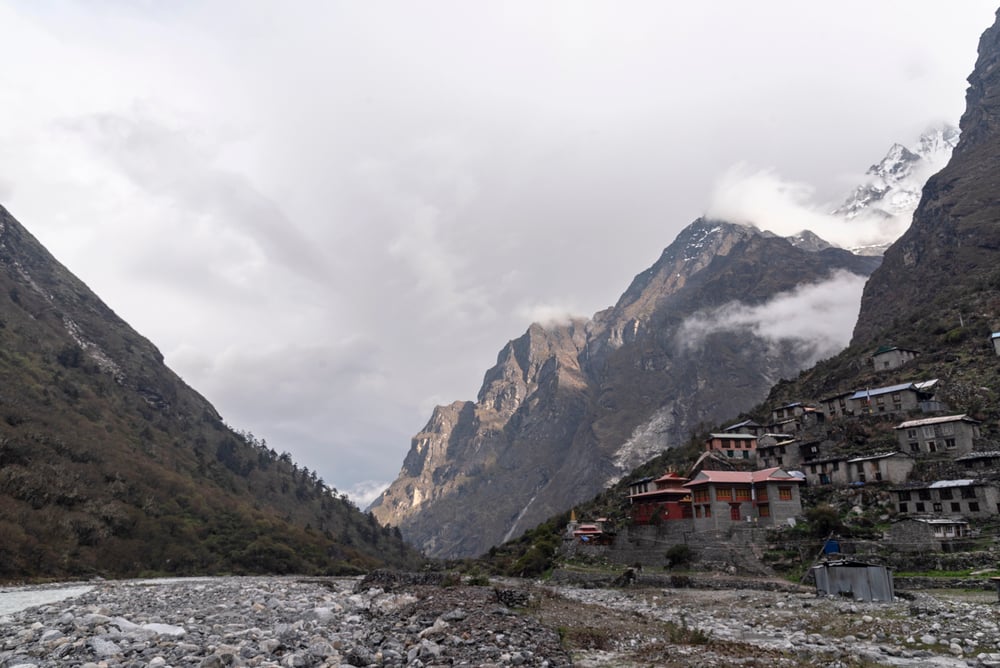
Mustang sits in the rain shadow of the Himalayas, a high desert kingdom that remained technically independent and almost entirely isolated until the 1990s. Its capital, Lo Manthang, is a walled city that looks unchanged from the medieval period.
The kingdom had its own king until 2008, and even after Nepal absorbed it, access was restricted and required special permits. The landscape is stark — canyon walls in shades of red and ochre, ancient cave monasteries carved into cliffs. It’s a place that developed entirely on its own.
7. Tristan da Cunha
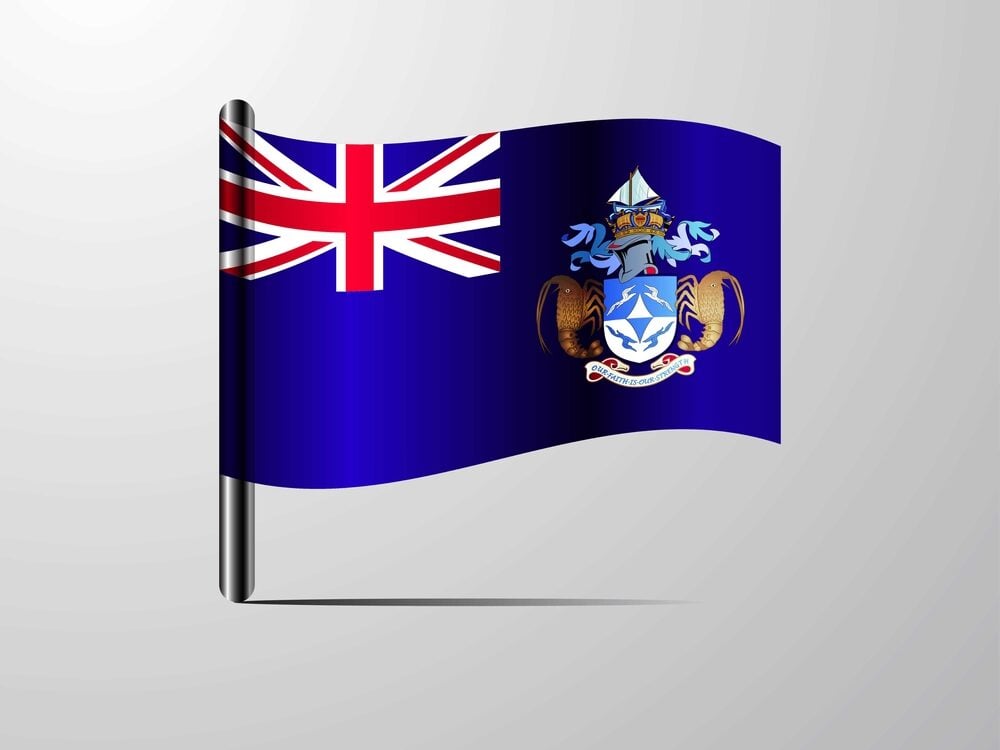
Tristan da Cunha holds the title of most remote inhabited island on Earth. It sits in the South Atlantic, roughly 2,400 kilometers from the nearest landmass.
There’s no airport. The only way in or out is by boat, and that journey takes about six days from South Africa.
The island has a population of around 250 people, many sharing a handful of family surnames that trace back to the original settlers. When a volcanic eruption forced an evacuation in 1961, the islanders were taken to England — and most of them couldn’t wait to go back.
8. Easter Island (Rapa Nui)

Easter Island sits so far into the Pacific that it’s hard to believe anyone settled it intentionally. The Polynesian people who arrived around 1200 CE built one of the most isolated civilizations on Earth.
The famous moai — those enormous stone figures staring inland — were the product of a society that had no contact with the outside world for centuries. European contact didn’t come until 1722, and when it did, it brought disaster: disease, slave raids, and ecological collapse had already weakened the population.
9. Albania Under Enver Hoxha

From 1944 to 1991, Albania was one of the most isolated states in modern history. Dictator Enver Hoxha broke with the Soviet Union, broke with China, declared Albania the world’s first atheist state, and built hundreds of thousands of concrete bunkers across the country — over 170,000 of them — in preparation for an invasion that never came. Albanians couldn’t travel abroad, own a car, or practice religion.
The country essentially disappeared from the world for nearly half a century.
10. The Faroe Islands
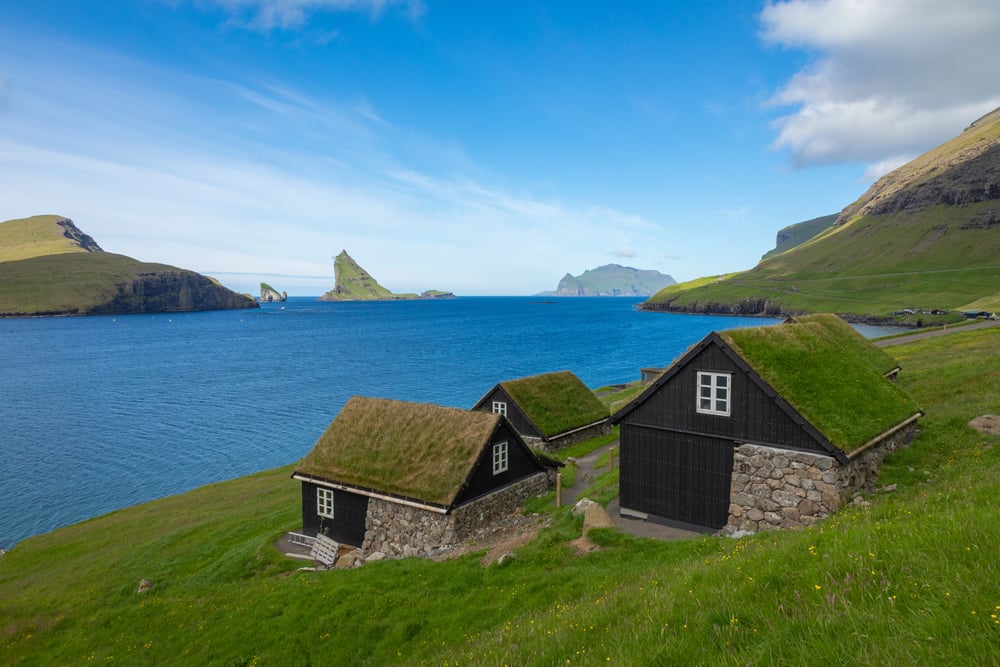
The Faroe Islands sit in the North Atlantic between Norway and Iceland, and for much of their history, the outside world paid them little attention. They were settled by Norse Vikings in the 9th century and spent centuries under Danish rule, largely left to manage their own affairs.
The isolation shaped everything — the language, the architecture, the food. Fermented lamb and dried fish developed as preservation methods when you simply couldn’t get anything from the mainland. The islands have always had a self-contained quality, even as they’ve modernized.
11. Pitcairn Island
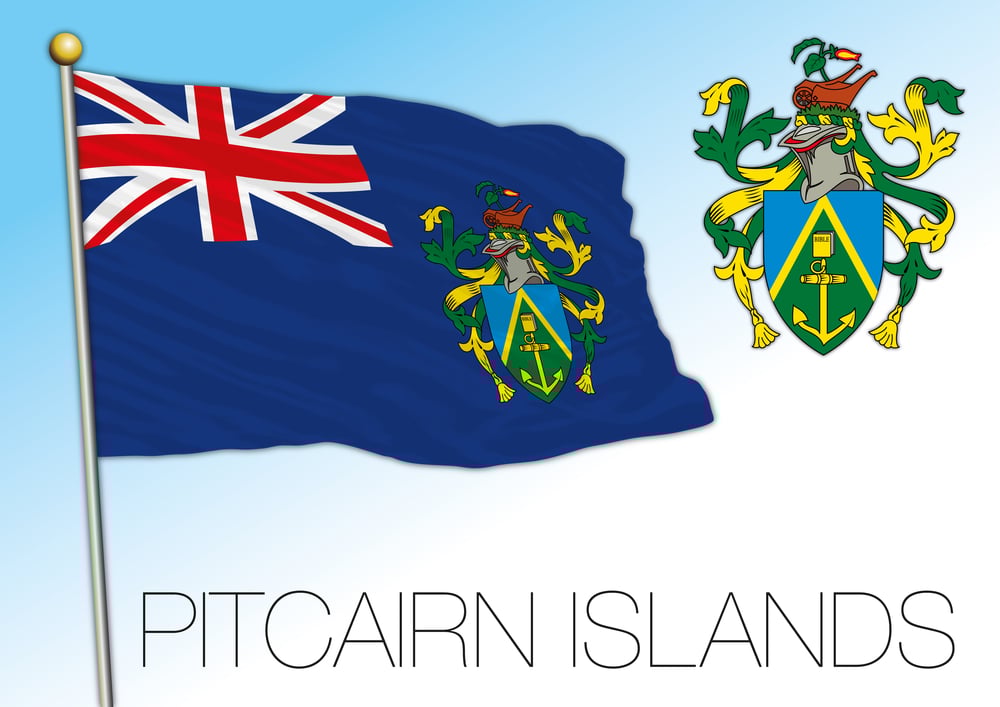
Pitcairn has one of the strangest origin stories of any settlement. In 1790, nine mutineers from HMS Bounty — along with Tahitian men and women they brought with them — landed on the island and burned the ship so they couldn’t be followed. They stayed hidden from the outside world for 18 years.
By the time an American ship found them in 1808, only one of the original mutineers was still alive. The island’s population today is tiny — fewer than 50 people — and all of them descend from those original mutineers and Tahitians.
12. Madagascar
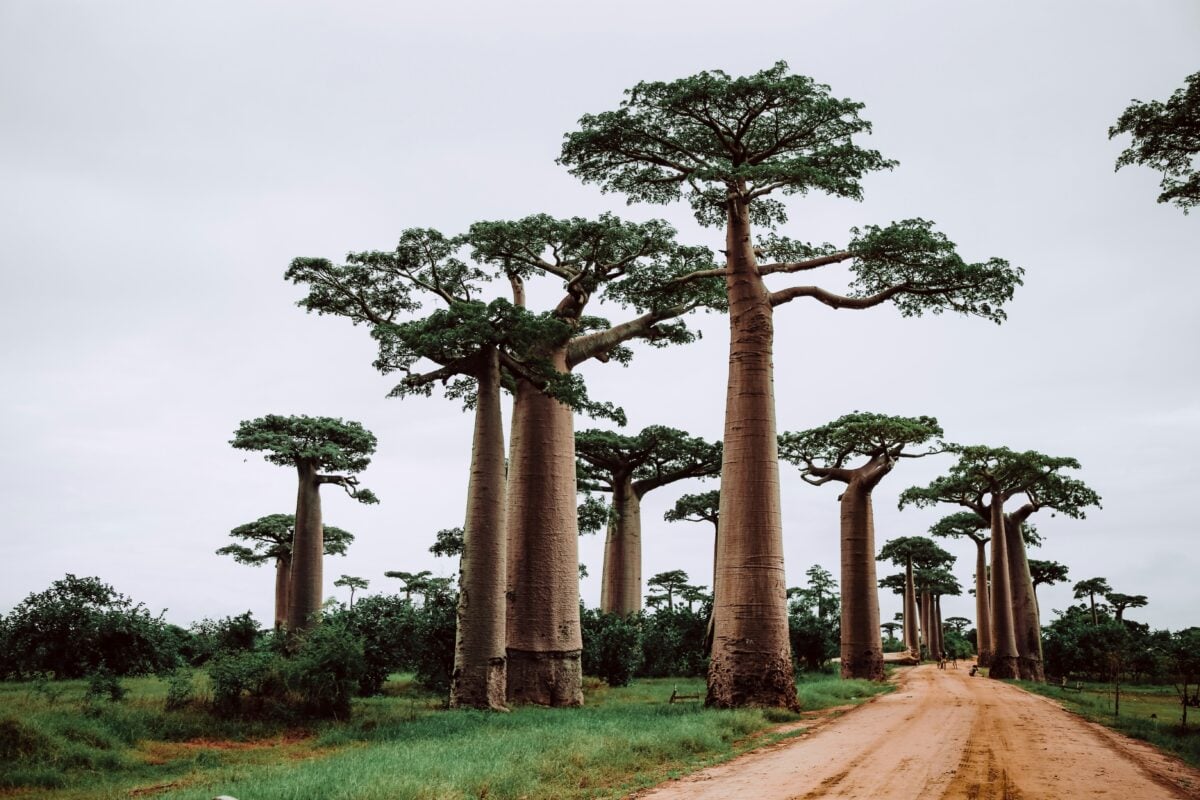
Madagascar broke away from the African mainland about 88 million years ago, and life there evolved in almost complete isolation. By the time humans arrived — around 350 CE, which is recent in geological terms — the island had developed an ecosystem found nowhere else on Earth.
Lemurs filled the niches occupied by monkeys elsewhere. Over 90 percent of wildlife is endemic.
The island wasn’t truly isolated in the political sense, but its evolutionary isolation produced something just as striking: a world that had worked out its own completely different set of answers.
13. The Vatican

The Vatican became the world’s smallest independent state in 1929, but its physical and political isolation from Rome goes back much further. For decades after Italian unification in 1870, the Pope refused to leave the Vatican grounds — a self-imposed imprisonment that became known as the “Roman Question.”
The popes literally did not step outside the walls of Vatican City for 59 years. When the Lateran Treaty finally resolved the dispute, Pope Pius XI hadn’t seen the streets of Rome in nearly a decade.
14. North Yungas Road, Bolivia
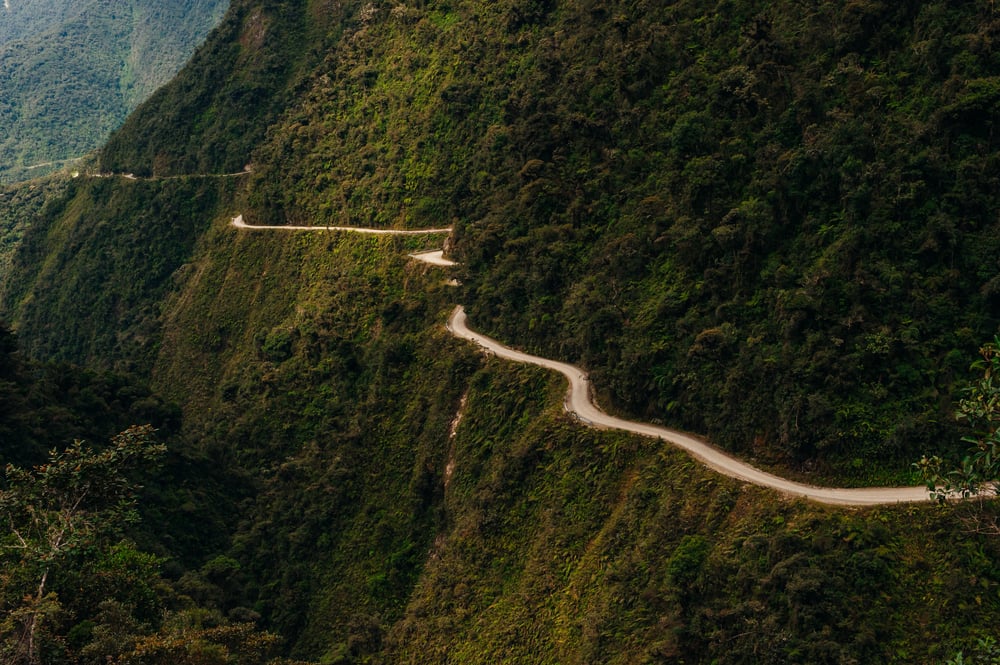
The communities along Bolivia’s North Yungas Road — sometimes called the “Death Road” — spent decades cut off from the rest of the country not by choice, but by geography. The road clings to the side of Andean cliffs, dropping thousands of meters into cloud forest below.
For much of the 20th century, it was the only route connecting the Amazon basin communities to La Paz. Trucks tumbled off regularly.
Villages along the route developed in isolation because reaching them was genuinely life-threatening. A new safer road was built in 2006, but the old one still sees traffic.
15. The Andaman Islands
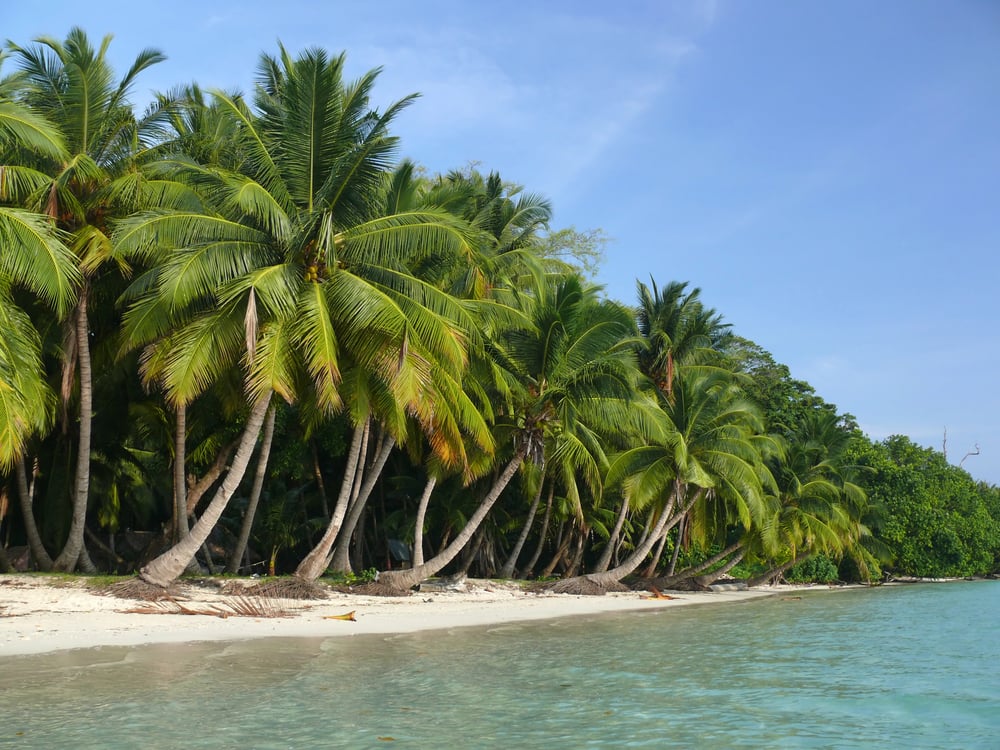
Some native communities live in the Andaman Islands, like the Sentinelese mentioned earlier, along with the Jarawa, who stayed cut off by choice until near the end of the 1900s. Arrows once flew toward aircraft passing overhead, aimed by Jarawa defenders watching their land.
Peaceful meetings started in 1998, begun entirely by them – no pressure came from outside forces. Since then, new problems have arrived, such as sickness spreading more easily, plus unsettling tourist trips called “human safaris,” where visitors drive through forest paths just to stare at Jarawa individuals.
16. The Kuril Islands
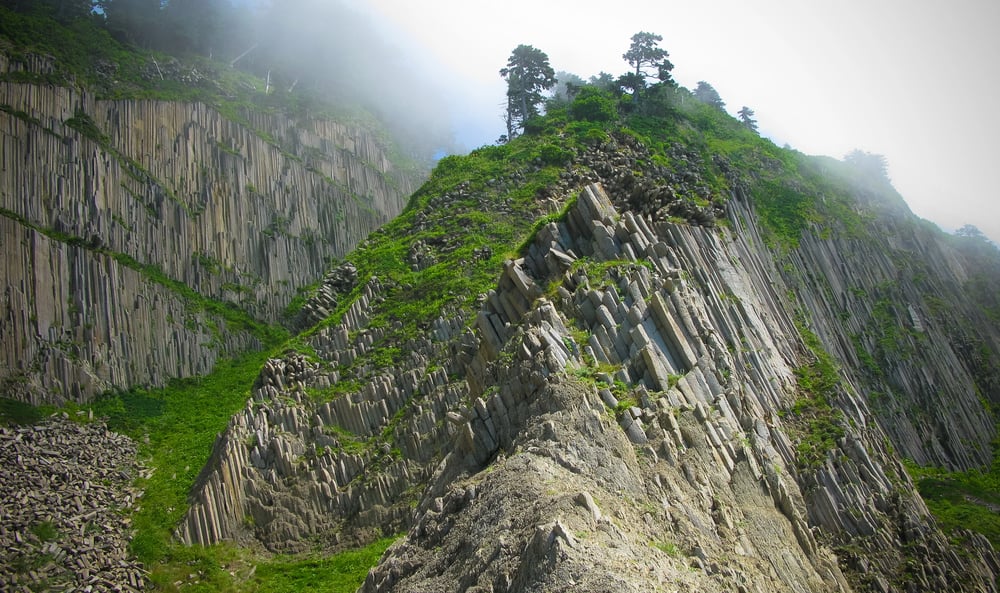
A string of rocky outposts dangle between Japan and Russia, caught in silence since 1945. These are the Kuril Islands, held tight by Moscow but wanted back by Tokyo.
Decades pass without agreement. Outsiders rarely step foot there. Soldiers patrol more often than tourists arrive.
Locals grow fewer each year. Once, the Ainu lived across these lands.
Now their presence lingers only in traces. Talks stall again and again.
No treaty ever settles it. This standoff drifts on, odd and unresolved, like a border drawn through fog.
Few watch closely. Yet it remains.
17. Socotra Island, Yemen
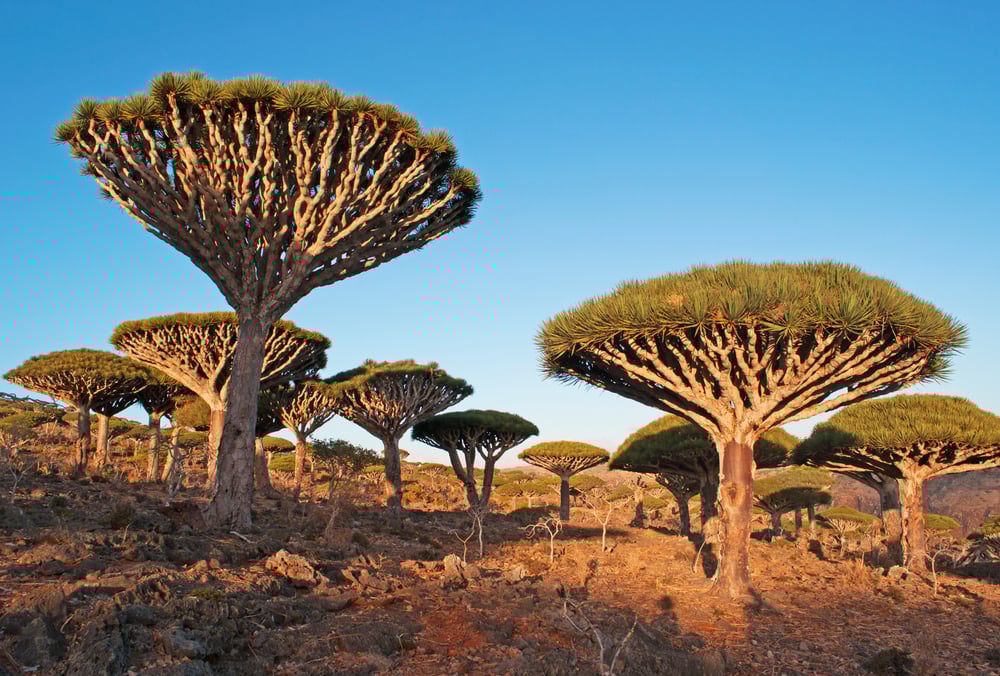
Off the coast, Socotra floats in the Arabian Sea – belonging to Yemen by name, yet nearer to African shores. Cut off from mainland influences, it grew a terrain resembling something imagined rather than real.
Among rocky slopes rise dragon blood trees, their crowns wide and shade-giving, shaped unlike any forest elsewhere. Swollen at the base, the bottle tree holds liquid within its thick stem, surviving long droughts without aid.
One out of every three plants on the island grows only there. Spoken through generations, Socotri never took shape on paper.
Most of known history kept the land apart from neighboring regions. Lately things shifted – Yemen’s unrest stirred problems into a world long undisturbed.
The World Always Finds People
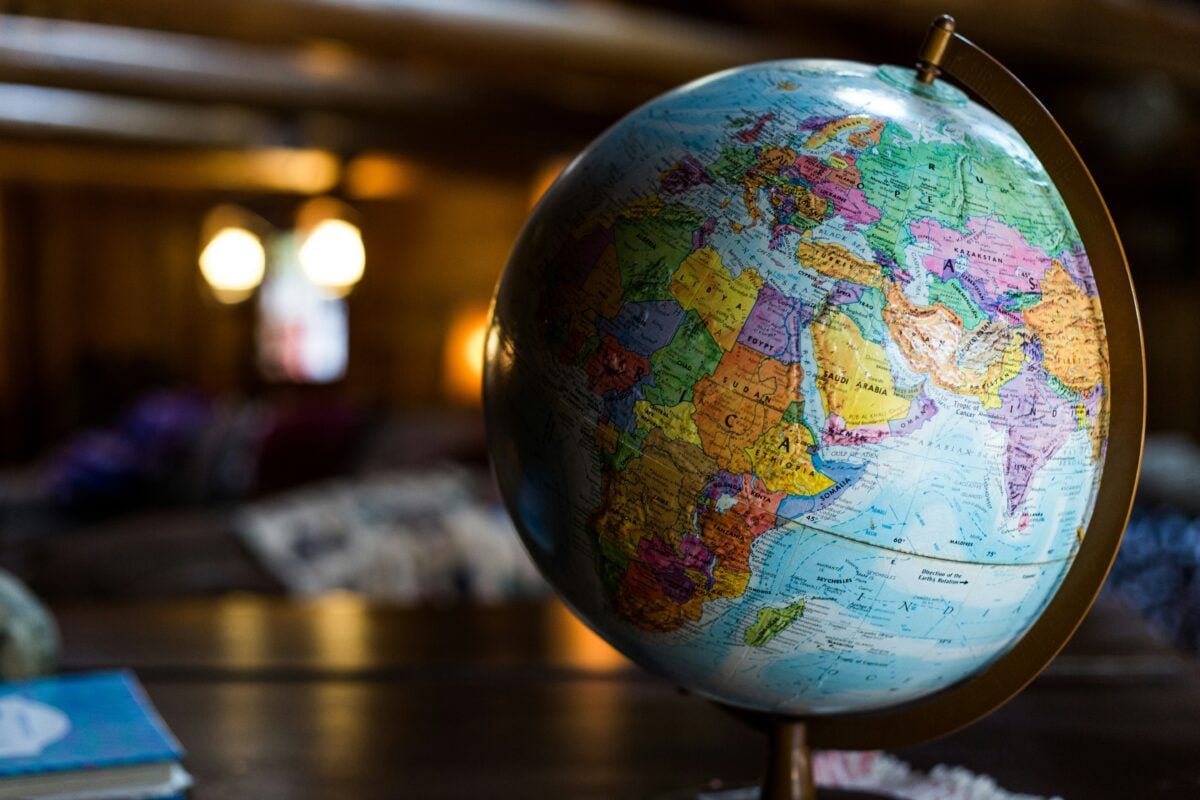
Out here, each spot once thought itself beyond reach – still, every one met outsiders in time. Gentle meetings happened now and then.
Harsh break-ins tore lives apart just as often. Take North Sentinel Island – its story drags on, reminding us that stepping back can be wiser than stepping in.
Choosing solitude, when real, carries weight worth honoring. It stands out – how these regions grew without help from elsewhere.
Cut off, they shaped tongues, living webs, forms of rule, whole lives built around isolation’s demands. Richness came slowly, unevenly, not just through links between people – but because certain spots spent ages solving problems by themselves.
More from Go2Tutors!

- The Romanov Crown Jewels and Their Tragic Fate
- 13 Historical Mysteries That Science Still Can’t Solve
- Famous Hoaxes That Fooled the World for Years
- 15 Child Stars with Tragic Adult Lives
- 16 Famous Jewelry Pieces in History
Like Go2Tutors’s content? Follow us on MSN.