19 Times a Tiny Nation Punched Way Above Its Weight in War
Throughout history, the battlefield hasn’t always favored the big players. Some of the most remarkable military achievements come from nations that most people couldn’t find on a map.
These smaller countries often develop innovative tactics, leverage geographical advantages, or simply fight with extraordinary determination when facing overwhelming odds. Here is a list of 19 times when diminutive nations demonstrated that size isn’t everything in warfare.
Finland vs the Soviet Union
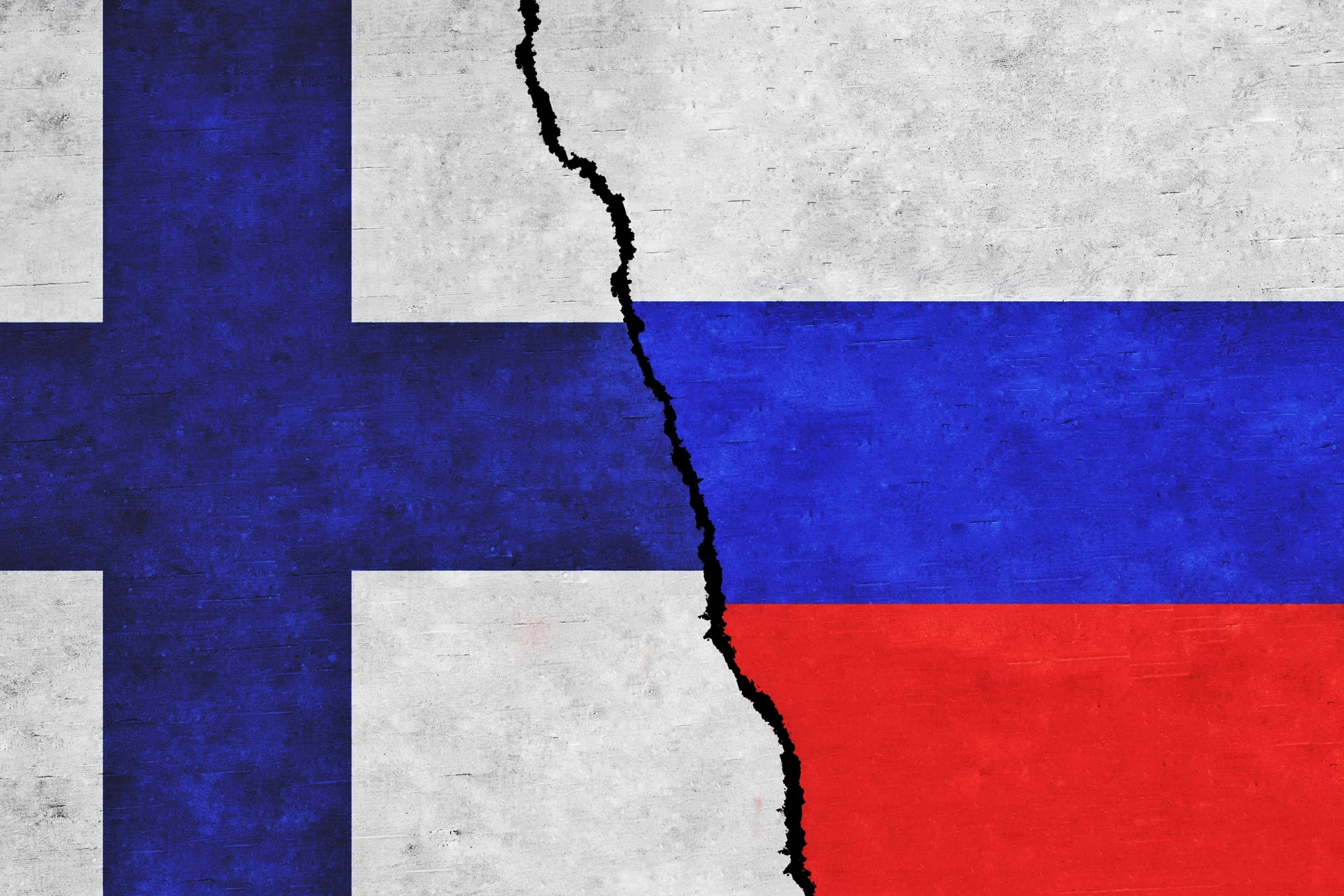
In 1939, the Soviet Union invaded Finland with the expectation of swiftly defeating its small neighbor. Rather, they came across the resolute Finns who devastatingly exploited their severe winter environment.
Wearing white camouflage, Finnish skiers launched hit-and-run attacks, garnering the nickname ‘White Death’ from frightened Soviet soldiers. In the end, Finland suffered 25,000 dead, while the Soviets gained some territory, but at an incredible cost of almost 125,000.
Ancient Sparta vs the Persian Empire
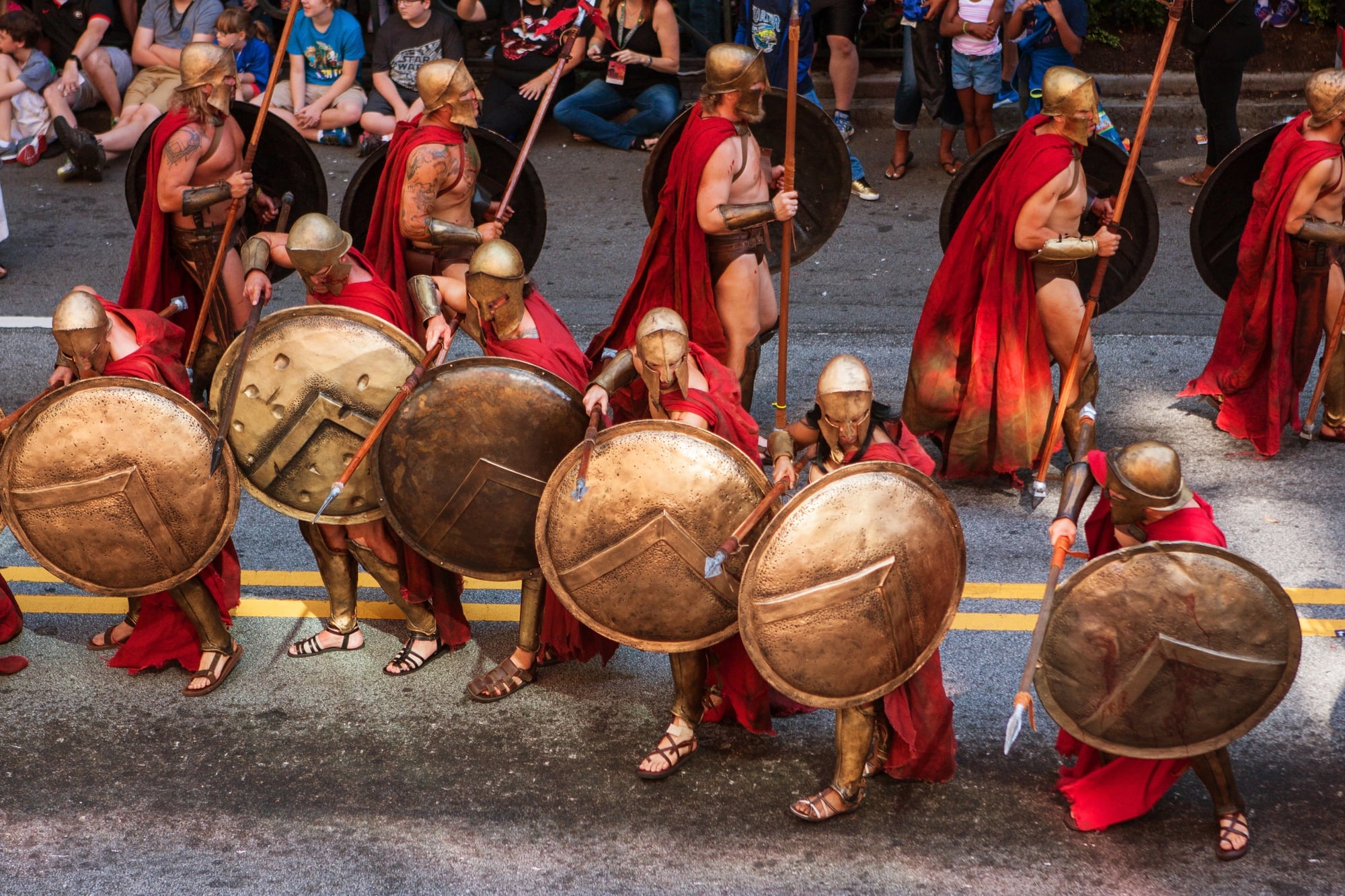
King Leonidas and his 300 Spartans (plus a few allies) held off the great Persian army under Xerxes during the Battle of Thermopylae in 480 BCE. The small coastal route let the greatly outnumbered Greeks fight for three days by offsetting the Persians’ numerical superiority.
This delaying tactic allowed the rest of Greece vital time to strengthen defenses, hence causing the Persian loss in the next engagements.
Like Go2Tutors’s content? Follow us on MSN.
Israel in the Six-Day War
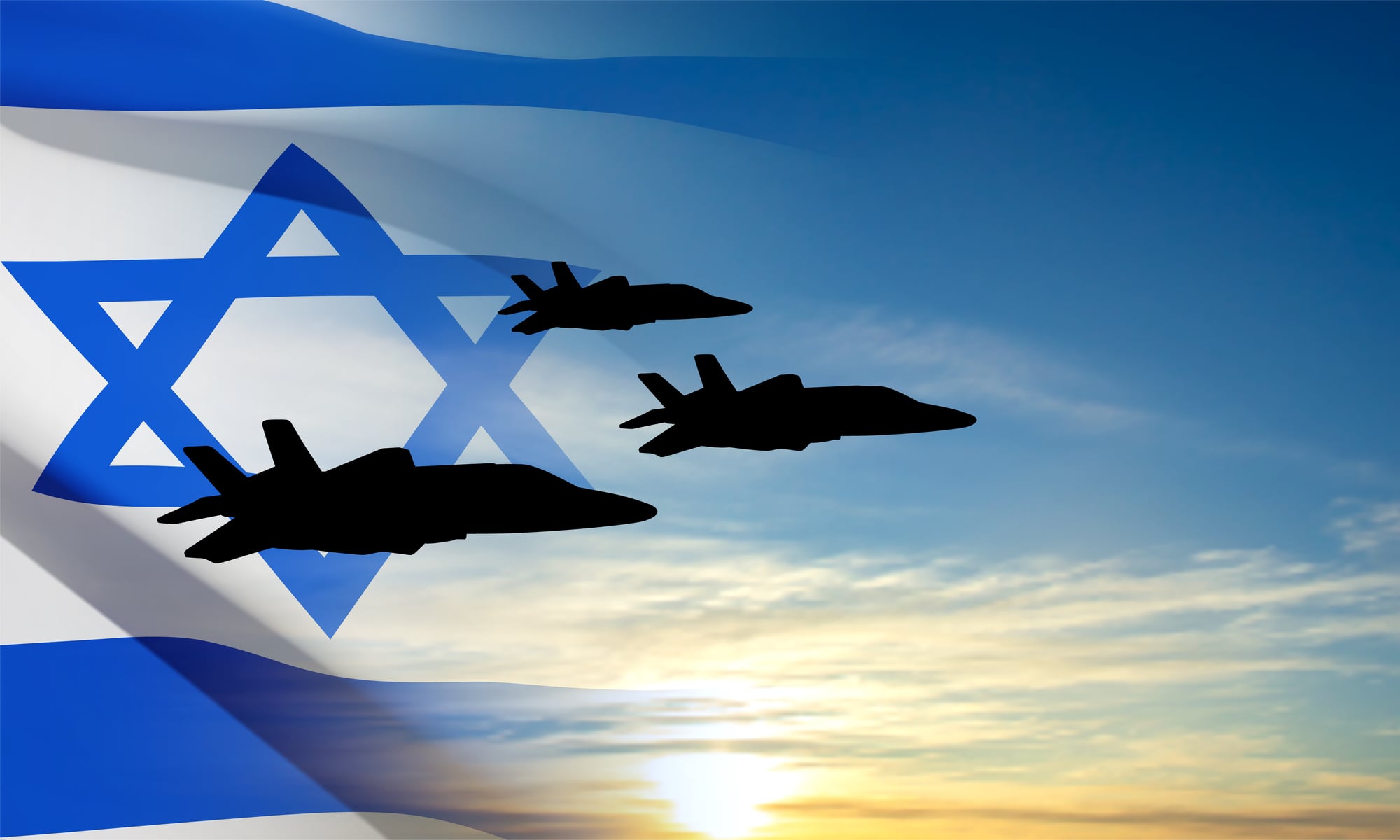
In 1967, Israel found itself surrounded by hostile neighbors with vastly superior numbers. In a preemptive strike, the Israeli Air Force destroyed most of Egypt’s air power while their planes were still on the ground.
Within six days, Israel had defeated Egypt, Jordan, and Syria, capturing the Sinai Peninsula, the Gaza Strip, the West Bank, East Jerusalem, and the Golan Heights. Their lightning warfare tactics became a textbook example of military efficiency.
Vietnam vs the United States

The Vietnamese resistance against the American military might represent one of history’s most famous David versus Goliath scenarios. Vietnamese fighters utilized extensive tunnel networks, booby traps, and intimate knowledge of the terrain to counter American technological superiority.
Despite dropping more bombs than in all of World War II, the U.S. could not secure victory against these determined fighters who employed guerrilla tactics perfectly suited to their dense jungles.
Cuba in Angola
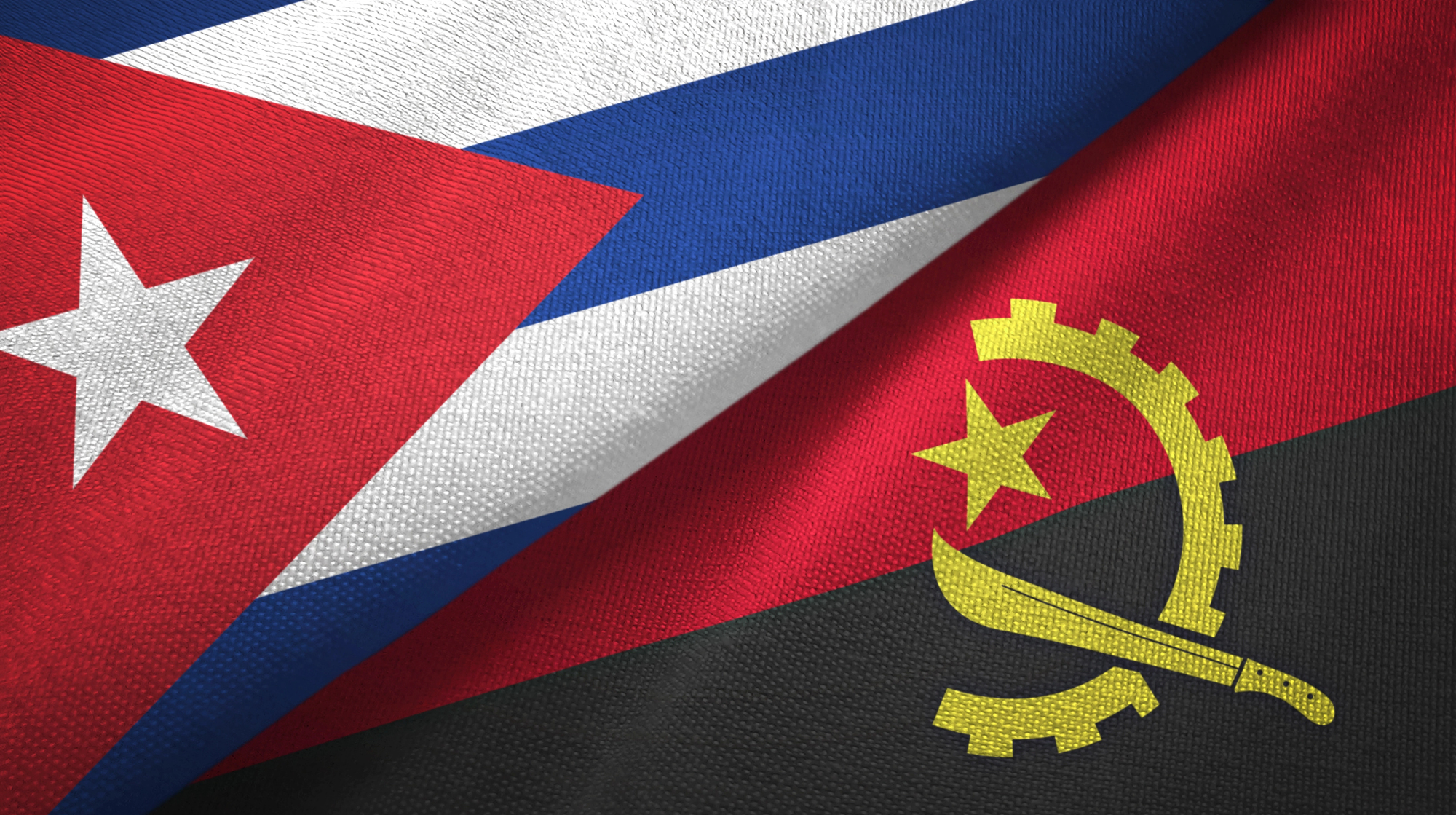
In the 1970s and 1980s, Cuba sent thousands of troops to Angola, taking on South African forces backed by the United States. Despite being a small Caribbean island nation with limited resources, Cuban forces proved decisive in several key battles.
Their victory at Cuito Cuanavale in 1988 helped secure Angolan independence and contributed to the end of apartheid in South Africa, demonstrating global impact far beyond Cuba’s size.
Like Go2Tutors’s content? Follow us on MSN.
Switzerland’s Defensive Posture
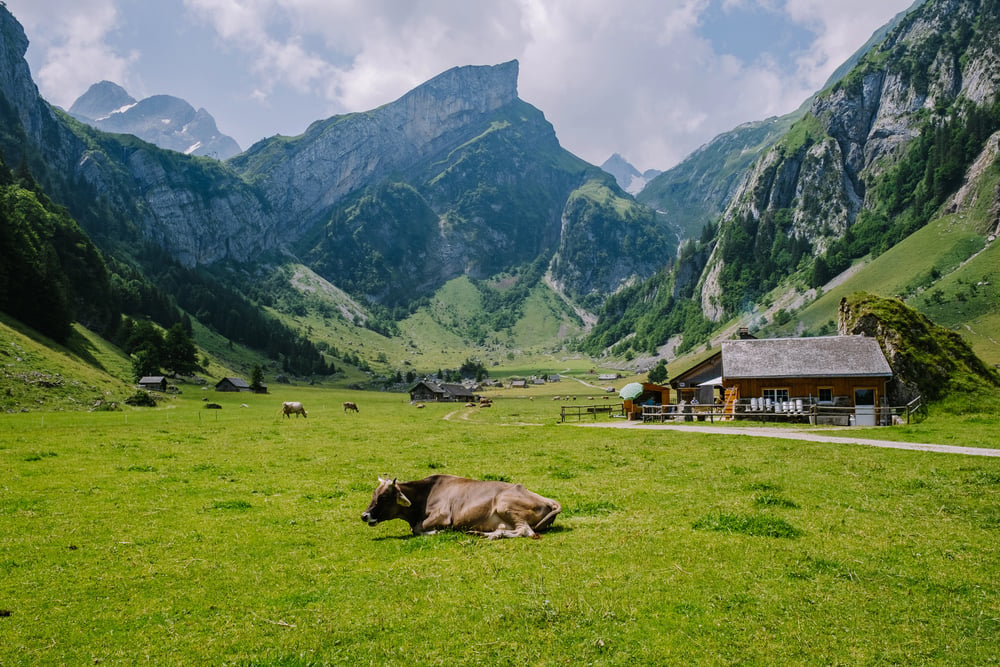
Though Switzerland hasn’t fought a war since 1815, its defensive preparations have deterred numerous potential invaders. The Swiss turned their mountainous country into a fortress, with hidden bunkers, bridges rigged for demolition, and mandatory military service creating a citizen army.
When Hitler considered an invasion during World War II, he reportedly abandoned the idea after learning about the extensive defenses. He famously remarked that Swiss resistance would come at too high a cost.
Scotland’s Wars of Independence

In the late 13th century, Scotland faced the mighty English army under Edward I. At the Battle of Stirling Bridge in 1297, William Wallace’s smaller Scottish force used the narrow bridge crossing to neutralize England’s numerical advantage, crushing them as they crossed in small groups.
Later, at Bannockburn in 1314, Robert the Bruce’s forces defeated a much larger English army, securing Scottish independence for the next few centuries.
Montenegro vs Ottoman Empire
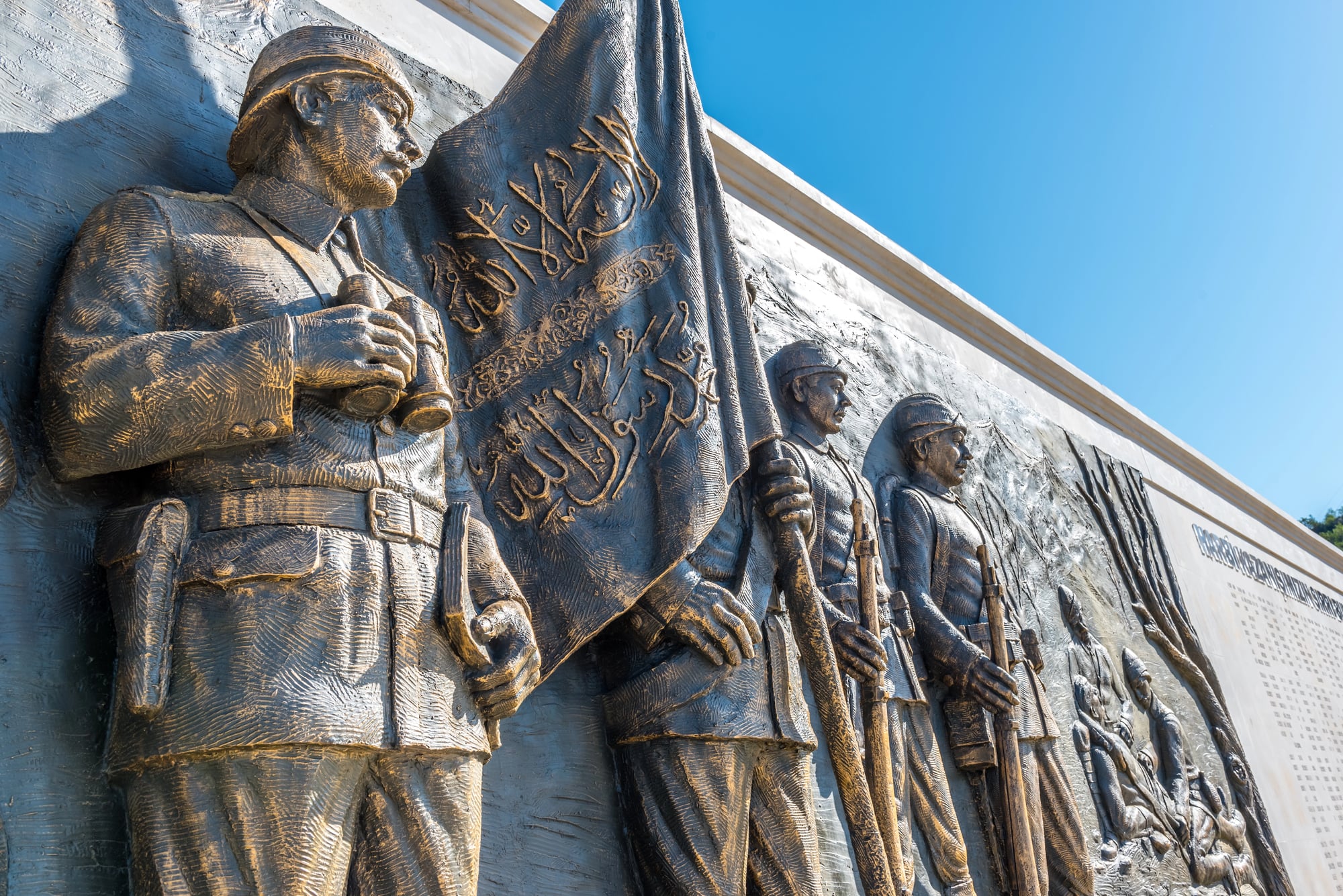
For centuries, tiny Montenegro held out against the massive Ottoman Empire from mountain strongholds. The Montenegrin fighters used their rugged terrain to conduct guerrilla warfare against much larger Turkish forces.
Their successful resistance became legendary, with the small nation effectively maintaining independence while surrounding territories fell to Ottoman control. Their fighting spirit was so renowned that the country’s name in their language literally translates to ‘Black Mountain.’
Like Go2Tutors’s content? Follow us on MSN.
New Zealand in World War I

Despite coming from sparsely populated countries, the Australian and New Zealand Army Corps (ANZAC) gained legendary status for their fighting prowess. New Zealand, with just over one million population, sent more than 100,000 soldiers abroad during WWI.
Their troops distinguished themselves at Gallipoli and on the Western Front, suffering one of the highest casualties of any nation in the conflict while earning a reputation for exceptional bravery and resilience.
Ancient Athens vs Persian Empire
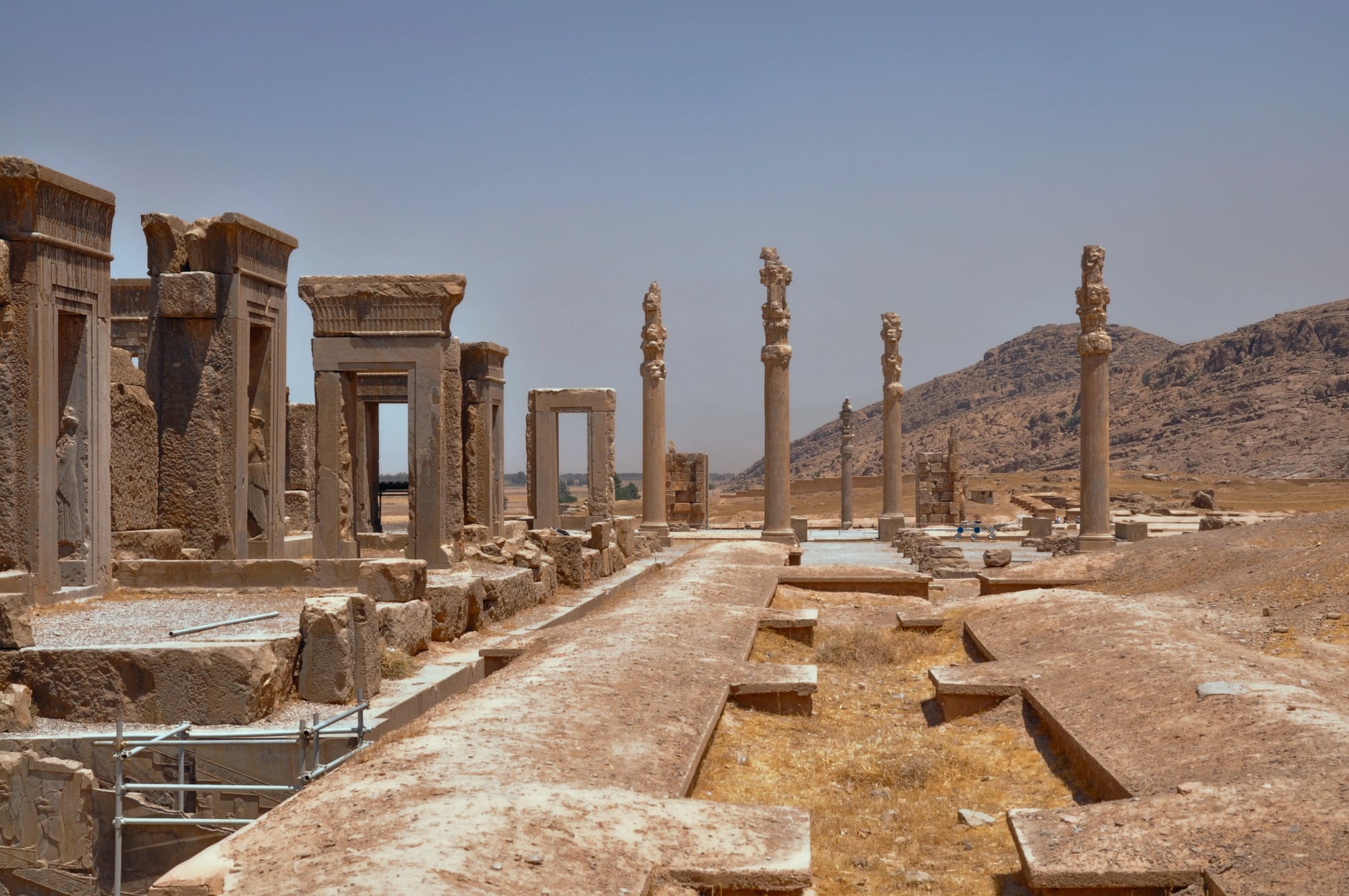
When the Persian Empire launched its first invasion of Greece in 490 BCE, Athens stood nearly alone against the world’s superpower. At the Battle of Marathon, Athenian hoplites charged directly at the Persian force, using innovative tactics that exploited weaknesses in Persian armor and formation.
Against overwhelming odds, Athens secured a decisive victory that protected Greek independence and laid the groundwork for the Golden Age of Athens that followed.
Ethiopia vs Italy

When Mussolini’s Italy invaded Ethiopia in 1935, they expected an easy victory against what they considered an undeveloped nation. Despite Italy’s modern weapons, including aircraft and poison gas, Ethiopian fighters put up fierce resistance.
Though they eventually lost, their defense was so determined that it took the Italians seven months to secure control. Just six years later, Ethiopian forces, with British support, reclaimed their country and restored Emperor Haile Selassie to his throne.
Like Go2Tutors’s content? Follow us on MSN.
Serbia in World War I
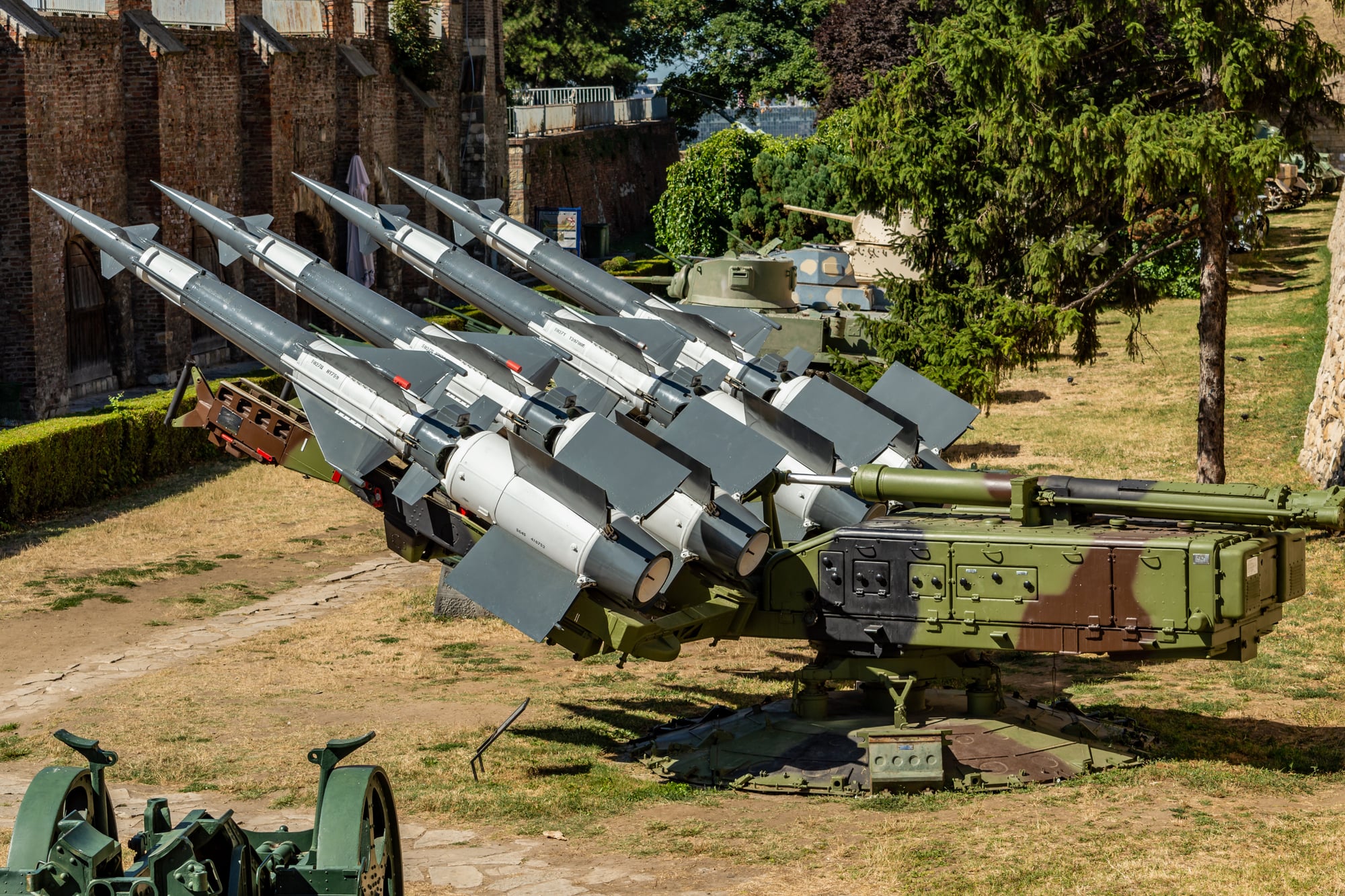
After the assassination of Archduke Franz Ferdinand, Austria-Hungary declared war on Serbia, expecting to crush the small Balkan nation quickly. Instead, Serbia’s battle-hardened army repelled the first Austrian invasion in 1914 at the Battle of Cer, scoring the first Allied victory of the war.
Though eventually overrun by combined German, Austrian, and Bulgarian forces, Serbia’s resistance tied up significant Central Powers resources and contributed to their ultimate defeat.
Singapore’s Defense Strategy

Despite being a tiny island nation of just 283 square miles, Singapore has developed one of the most formidable defense forces in Southeast Asia. Their innovative “poison shrimp” strategy accepts that they can’t win a prolonged war against larger neighbors, but ensures any aggressor would suffer painful consequences.
Their advanced air force, universal male conscription, and strategic partnerships have transformed this micro-state into a military power that potential adversaries treat with serious respect.
Iceland in the Cod Wars

Between the 1950s and 1970s, tiny Iceland faced off against the United Kingdom in a series of confrontations over fishing rights. Despite facing the mighty Royal Navy, Iceland’s small coast guard vessels repeatedly cut the nets of British trawlers and rammed British warships.
Remarkably, Iceland prevailed in each dispute, successfully extending its exclusive fishing zone from 4 to 200 miles, demonstrating that sometimes determination can overcome enormous power disparities.
Like Go2Tutors’s content? Follow us on MSN.
Belgium in World War I

When Germany invaded neutral Belgium in 1914, they expected minimal resistance from the small nation on their path to France. Instead, Belgian forces put up fierce resistance at fortresses like Liège, delaying the German advance by nearly two weeks.
This unexpected defense disrupted the carefully timed Schlieffen Plan and gave French and British forces crucial time to organize. The “brave little Belgium” became a rallying cry for Allied propaganda throughout the war.
Lithuania’s Basketball Dominance

After regaining independence in 1990, Lithuania—a nation of just 3 million people—has consistently punched above its weight in international basketball. Their bronze medal victory over Russia at the 1992 Olympics, just two years after breaking free from Soviet control, became a powerful symbol of national identity.
Despite limited resources, Lithuania has continued to produce world-class players and compete successfully against nations many times their size, demonstrating cultural resistance through sport.
The Dutch Against the Spanish Empire

In the 16th century, the provinces that would become the Netherlands rebelled against the mighty Spanish Empire, then the world’s superpower. The Dutch used their watery landscape to advantage, intentionally flooding areas to halt Spanish advances in what they called the ‘Dutch Water Line.’
Their sea power and economic innovations helped fund a resistance that lasted eighty years, ultimately securing independence and laying the foundation for their Golden Age of global trade and cultural achievement.
Like Go2Tutors’s content? Follow us on MSN.
Gurkhas from Nepal
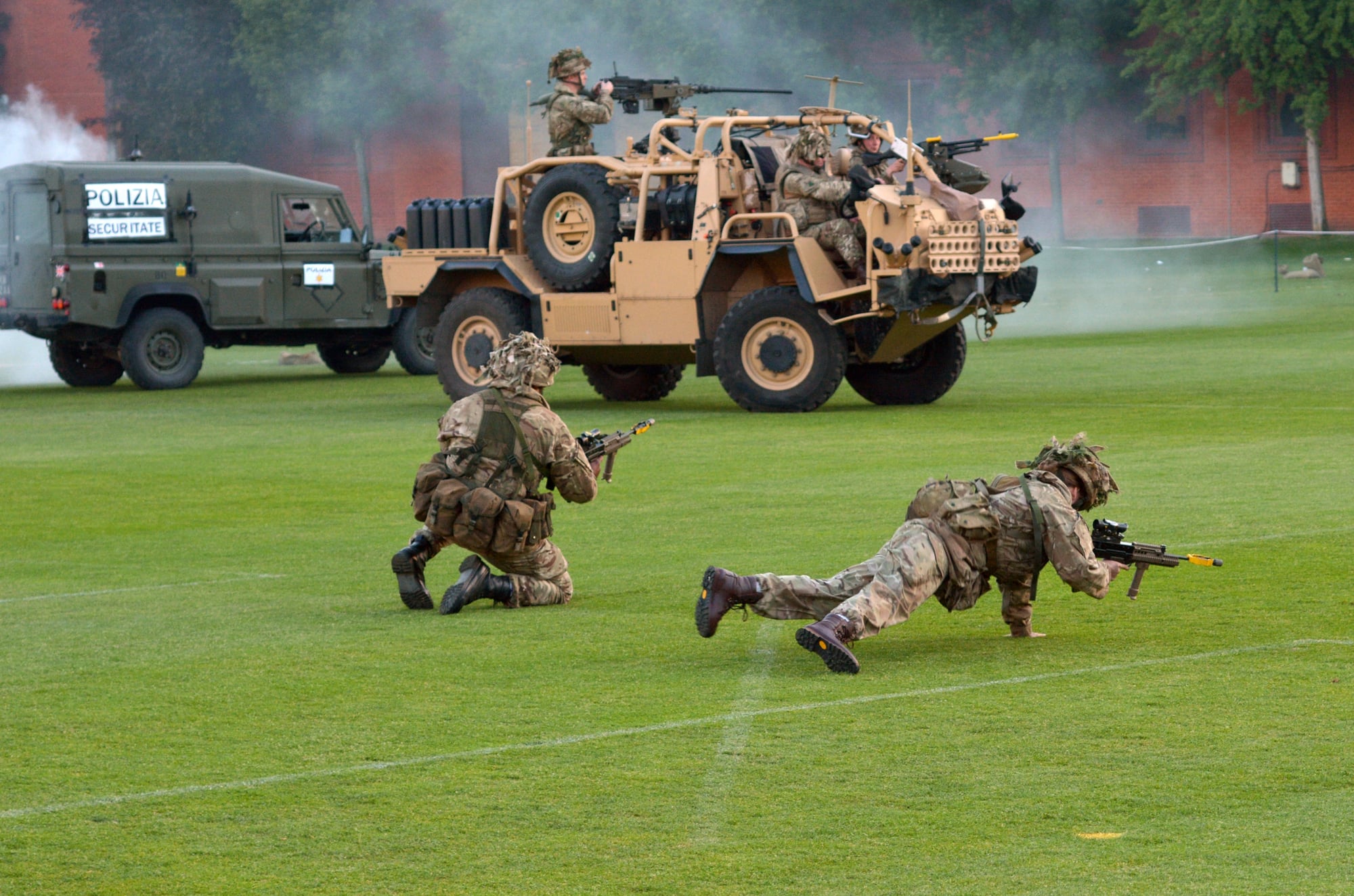
Though Nepal itself remained independent, its Gurkha soldiers have built a fearsome reputation fighting for the British Empire and later the United Kingdom. Recruited from a small mountain nation, these fighters have been so effective that the British still maintain Gurkha regiments today.
Their battle cry of ‘Ayo Gurkhali!’ (‘The Gurkhas are coming!’) has struck fear into opponents from World War I to modern conflicts, demonstrating how a small nation’s warriors can achieve legendary status.
Panama versus the United States
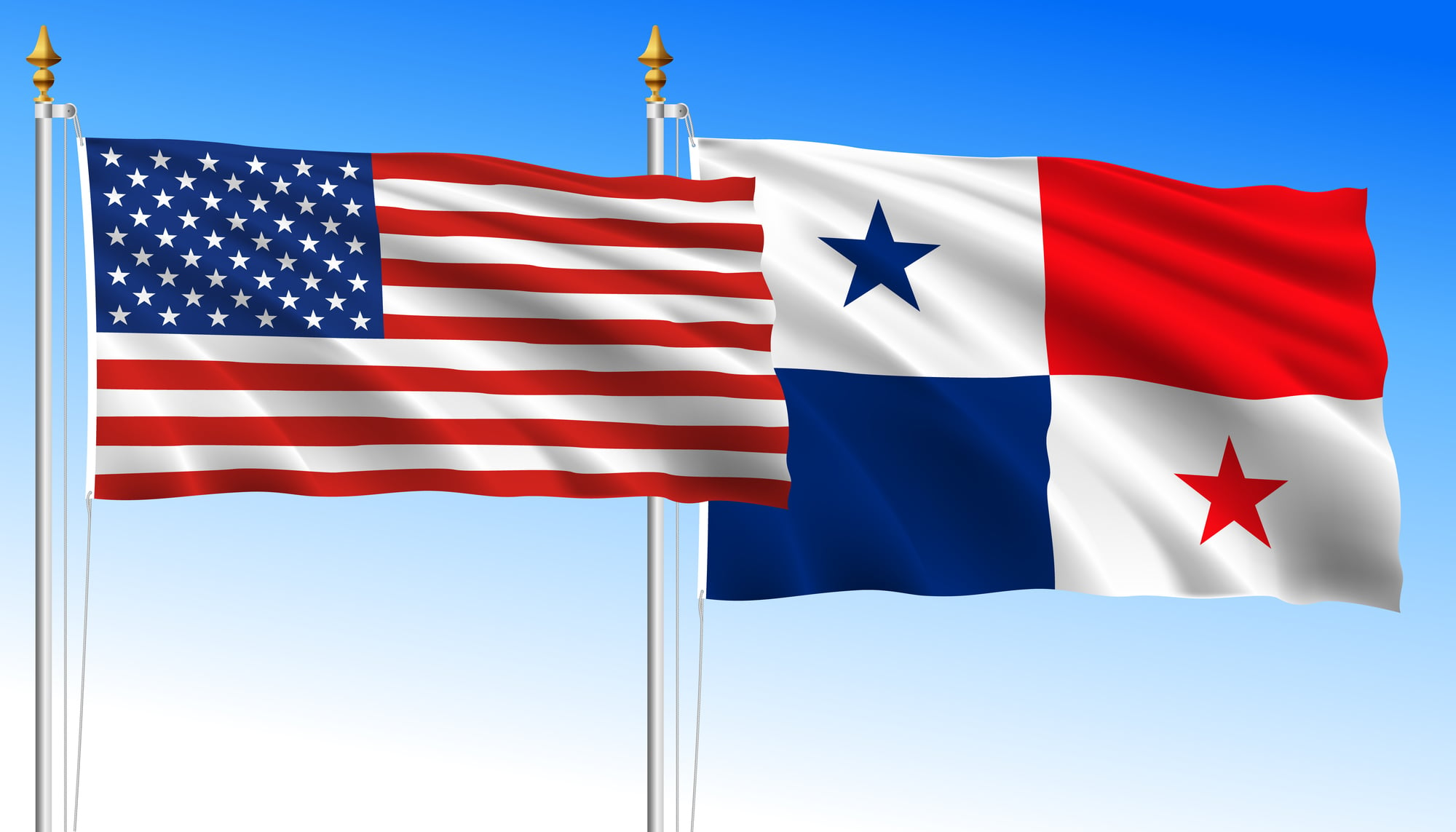
In 1989, tiny Panama faced the United States in Operation Just Cause. Though quickly defeated militarily, Panama achieved a significant victory in the long run. The invasion highlighted questions about U.S. intervention policy and accelerated the handover of the Panama Canal.
By 1999, Panama had fully controlled this crucial waterway, transforming from a client state to a sovereign nation controlling one of the world’s most strategic maritime passages—an economic triumph after military defeat.
The Legacy of Small Nation Warfare
Throughout history, these smaller nations have demonstrated that innovative tactics, geographical advantages, and sheer determination can overcome overwhelming odds. These examples show that military power isn’t measured by population size or economic might alone.
The lessons from these conflicts continue to influence military thinking today, reminding strategists that motivated defenders fighting on their home territory often possess advantages that even superpowers must respect.
More from Go2Tutors!

- 18 Unexpectedly Valuable Collectibles You Might Have Lying Around
- 20 Little-Known Historical Battles That Had Huge Consequences
- 20 Historical Artifacts That Scientists Can’t Explain
- 15 Inventions That Were Immediately Banned After Being Created
- 20 Actors Who Were Almost Cast in Iconic Roles
Like Go2Tutors’s content? Follow us on MSN.