18 Times One Person’s Calm Reaction Prevented a Global Disaster
History often pivots on the decisions made by single individuals in moments of extreme pressure. While panic might seem like the natural response to potential catastrophe, some remarkable people have managed to keep their composure when facing scenarios that could have led to global disaster.
Their level-headed thinking may have saved millions of lives and altered the course of history in ways we can barely comprehend. Here is a list of 18 instances where one person’s calm demeanor and clear thinking helped avert what could have been catastrophic events for humanity.
Stanislav Petrov
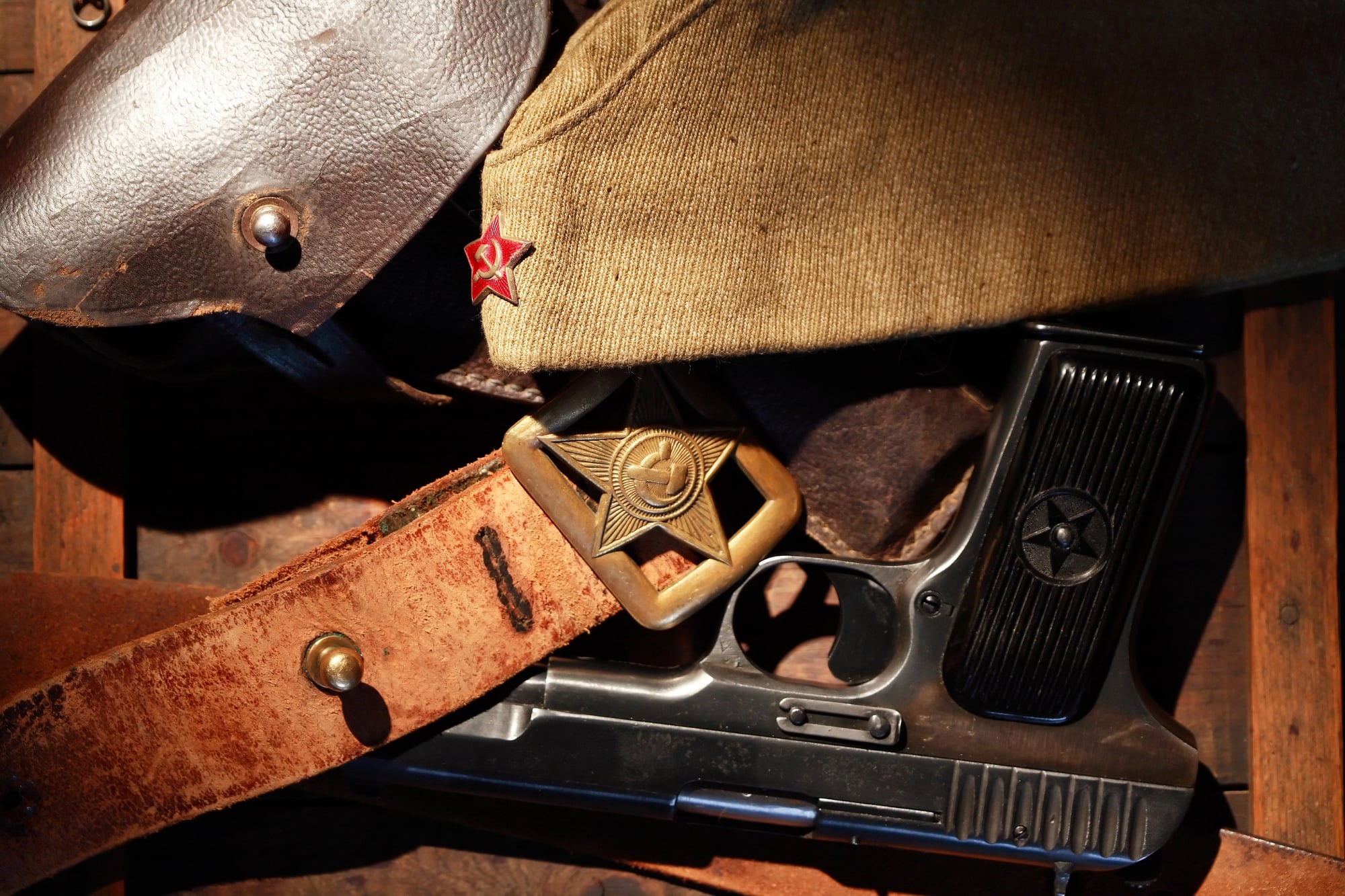
In September 1983, Soviet military officer Stanislav Petrov was on duty at a nuclear early warning facility when alarms indicated the United States had launched five nuclear missiles toward the USSR. Instead of following protocol to report the attack up the chain of command—which would have likely triggered a retaliatory strike—Petrov calmly assessed the situation and decided it was a false alarm.
His instinct proved correct; the system had misinterpreted sunlight reflecting off clouds as incoming missiles.
Vasili Arkhipov
During the tensest moments of the Cuban Missile Crisis in 1962, Soviet submarine B-59 was cornered by American warships dropping depth charges. Cut off from communication with Moscow and believing war might have already begun, the submarine captain wanted to launch a nuclear torpedo.
Naval officer Vasili Arkhipov calmly disagreed, knowing this would trigger nuclear war. As second-in-command, his vote broke the tie among officers, preventing what would have been the first nuclear strike of World War III.
Charles Sweeney
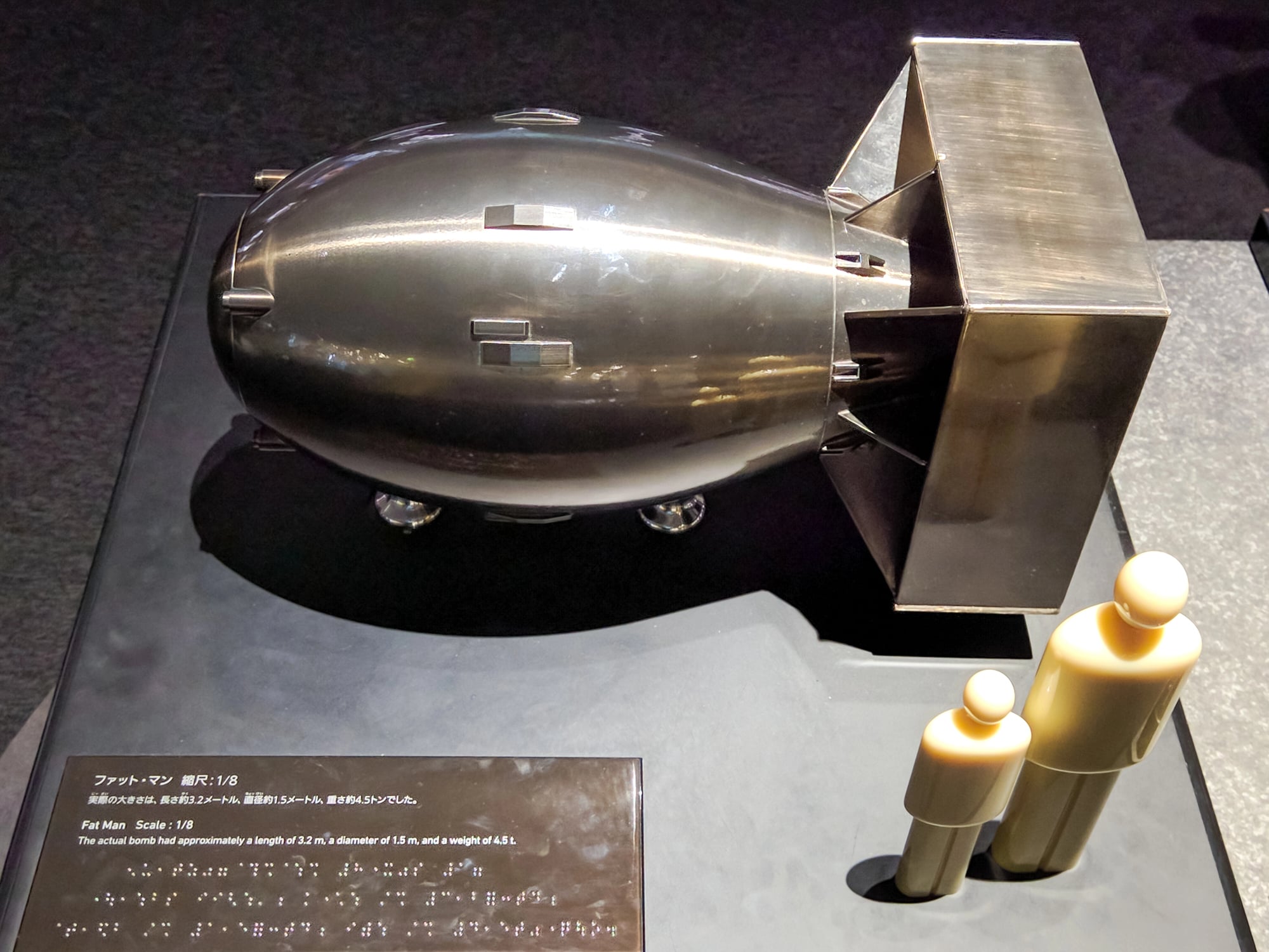
While piloting the B-29 bomber carrying the “Fat Man” atomic bomb to Nagasaki in 1945, Major Charles Sweeney faced multiple fuel system failures and dangerous weather conditions. Rather than abort the mission or drop the bomb imprecisely, Sweeney maintained remarkable composure.
He methodically worked through emergency procedures while making critical decisions about the target, preventing potential additional atomic missions that military planners had prepared for subsequent Japanese cities.
James Blunt
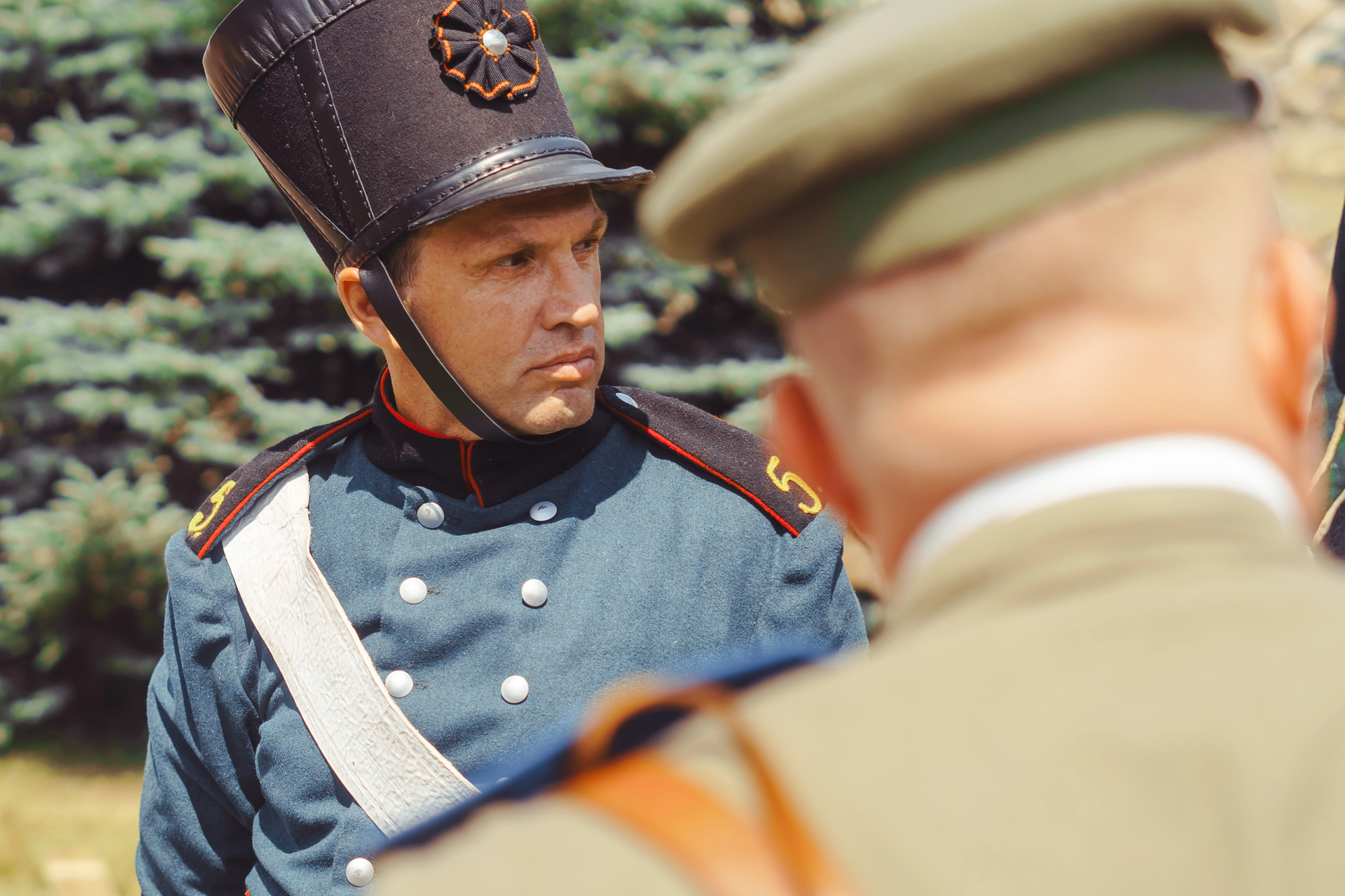
In 1999, British singer James Blunt—then a cavalry officer—was ordered to seize an airfield in Kosovo from Russian forces. Recognizing this could trigger a major NATO-Russia conflict, Blunt calmly refused the order, saying he wouldn’t start World War III.
His commander, General Mike Jackson, backed his decision, telling superiors: ‘I’m not going to have my soldiers responsible for starting World War III.’ Their restraint prevented what could have escalated into a catastrophic international confrontation.
Oleg Gordievsky
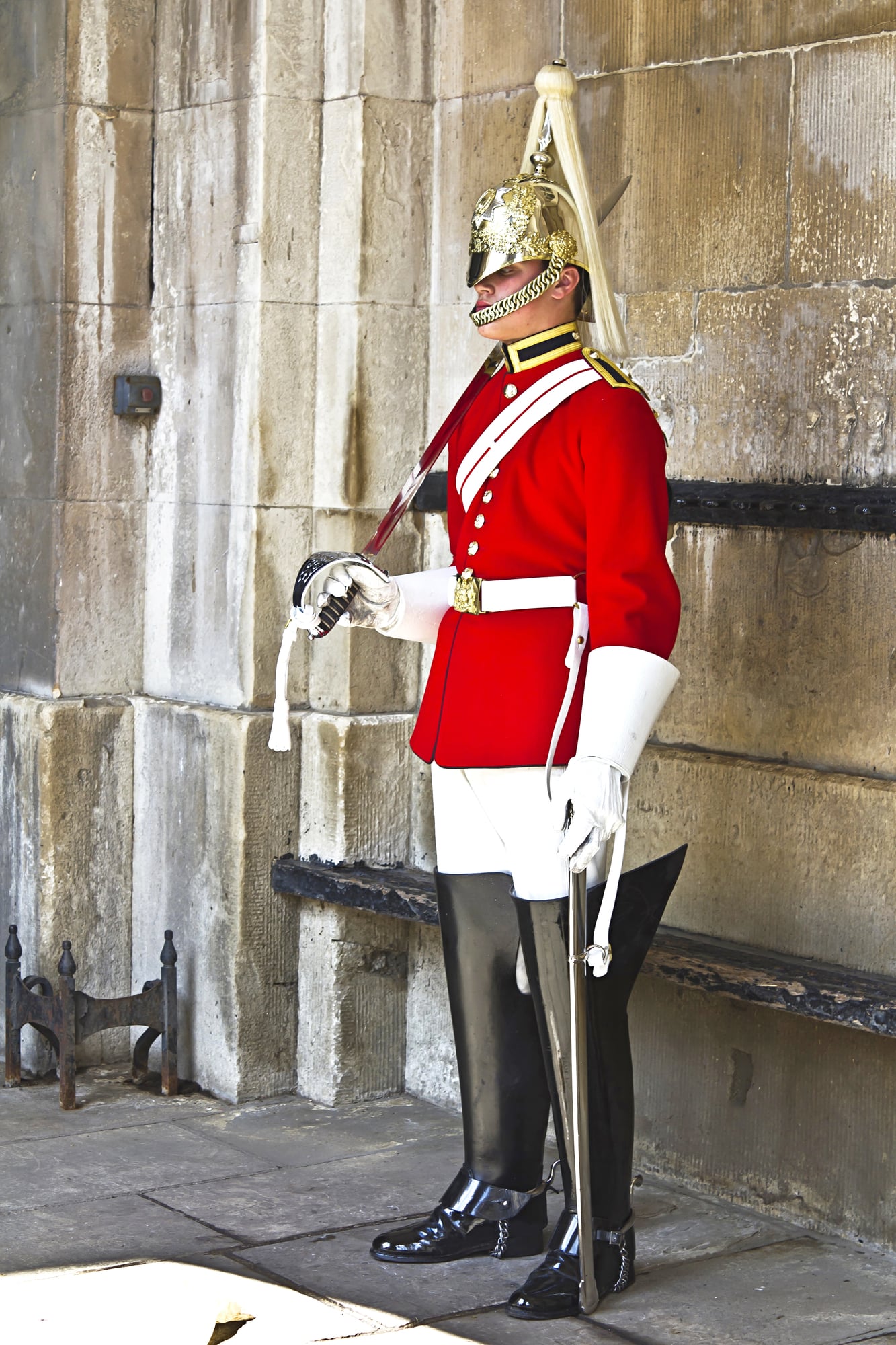
As the KGB’s London station chief in the early 1980s, Oleg Gordievsky was actually working as a double agent for British intelligence. When Soviet leadership misinterpreted NATO’s Able Archer exercise as preparation for a nuclear first strike, paranoia nearly triggered a preemptive Soviet attack.
Gordievsky calmly fed accurate information to both sides, helping defuse tensions. His collected demeanor while operating under enormous pressure helped prevent a nuclear exchange based on misunderstanding.
Hugh Thompson Jr.
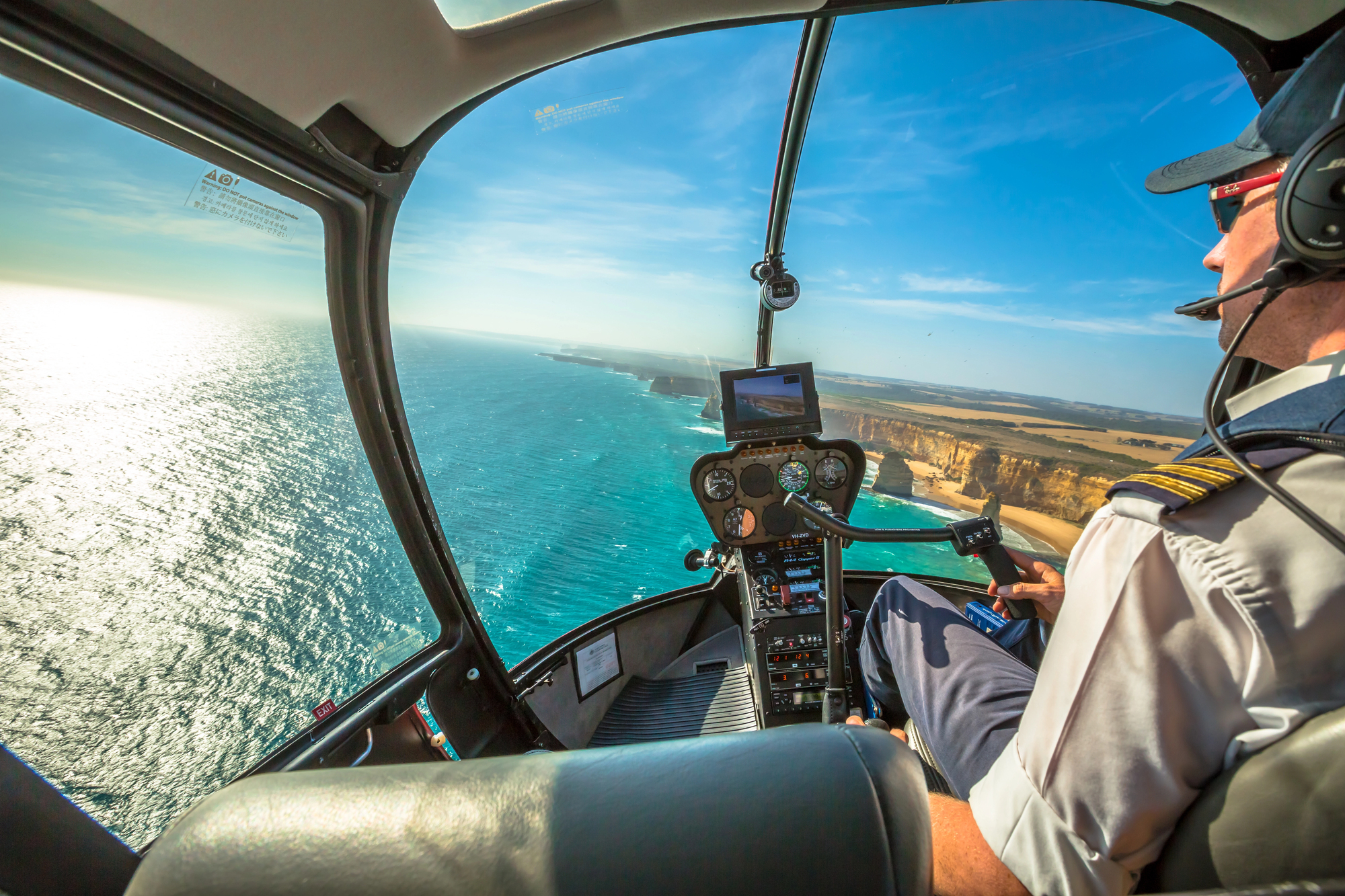
During the Vietnam War’s My Lai Massacre in 1968, helicopter pilot Hugh Thompson Jr. witnessed American troops killing unarmed Vietnamese civilians. Thompson landed his helicopter between the troops and villagers, calmly ordering his crew to fire on American soldiers if they continued the massacre.
His courageous intervention saved dozens of lives and prevented what could have spiraled into even greater atrocities, potentially extending the conflict and damaging international relations beyond repair.
Able Seaman Ryan Whitley

In 2003, a fire broke out in the torpedo compartment of the British nuclear submarine HMS Tireless while under the Arctic ice cap. With toxic smoke filling the vessel and the risk of torpedo detonation, Able Seaman Ryan Whitley remained at his post, manually operating crucial ventilation systems.
His calm actions prevented the loss of the submarine and its nuclear reactor, averting what could have been an environmental disaster under the Arctic ice and a major international incident.
Grigori Danilevich
During the NATO exercise Operation RYAN in 1983, Soviet military strategist General Grigori Danilevich recognized that aggressive responses to Western military exercises could trigger an actual conflict. Against pressure from hardliners, he calmly convinced Soviet leadership that NATO was not preparing for a first strike.
Danilevich’s measured analysis prevented a dangerous military mobilization that could have been misinterpreted by the West as preparation for attack, potentially triggering a nuclear response.
Benjamin Ferencz
As chief prosecutor in the Einsatzgruppen trials after World War II, 27-year-old Benjamin Ferencz faced some of history’s worst mass murderers. Rather than seeking vengeance, Ferencz calmly established precedents for crimes against humanity that would form the foundation of international law.
His composed approach to justice rather than retribution helped prevent cycles of violence and established systems for addressing future atrocities, creating frameworks that continue to prevent global conflicts today.
Zbigniew Brzezinski
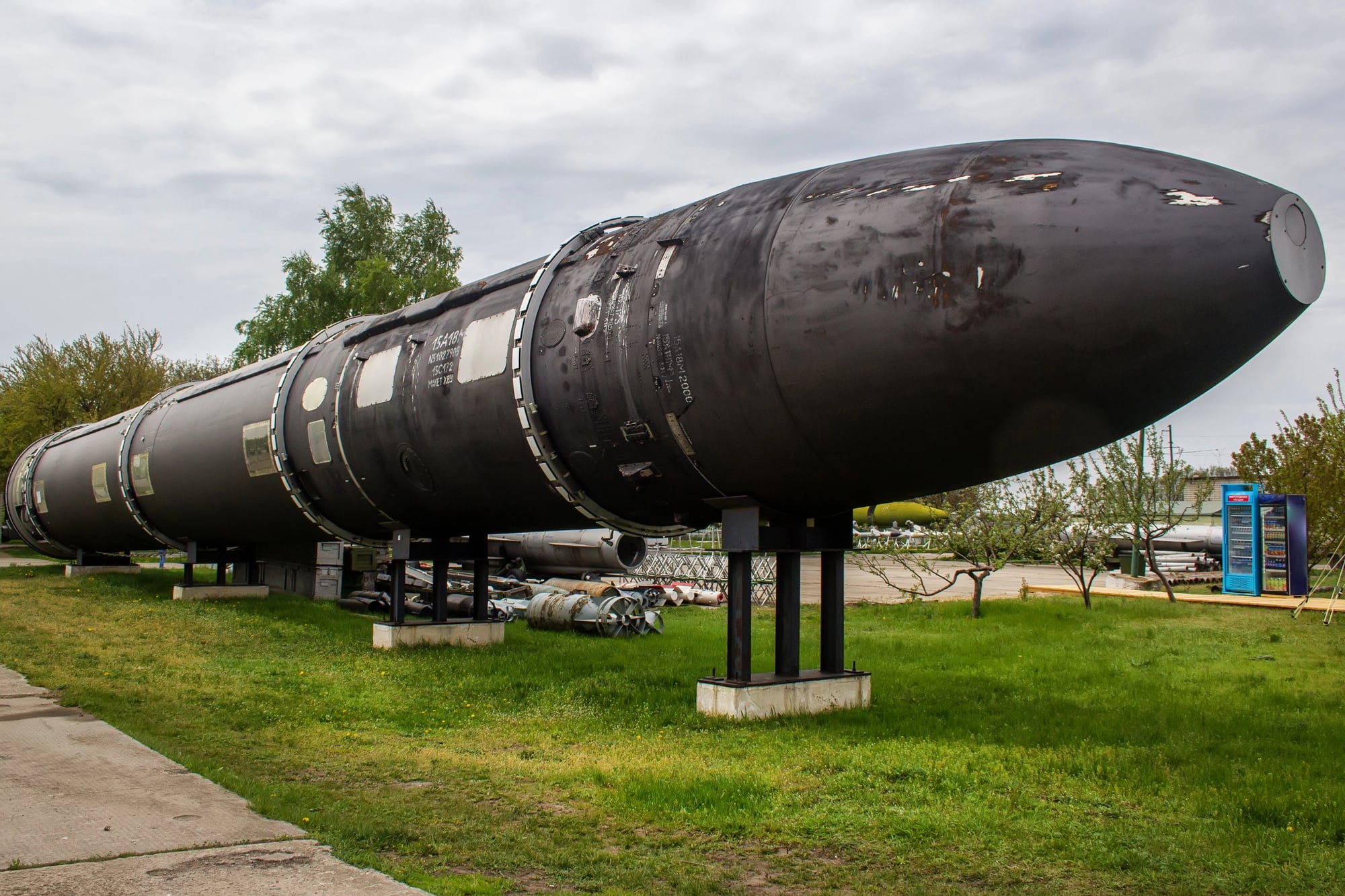
In 1979, National Security Advisor Zbigniew Brzezinski was awakened at 3 a.m. with news that the Soviet Union had launched 250 nuclear missiles toward the United States. As he prepared to call President Carter to authorize immediate retaliation, Brzezinski calmly waited for confirmation.
Minutes later, word came that the alert was false—a training tape had accidentally been run on the warning system. His pause before escalating prevented what would have been a catastrophic nuclear exchange based on computer error.
Nikita Khrushchev
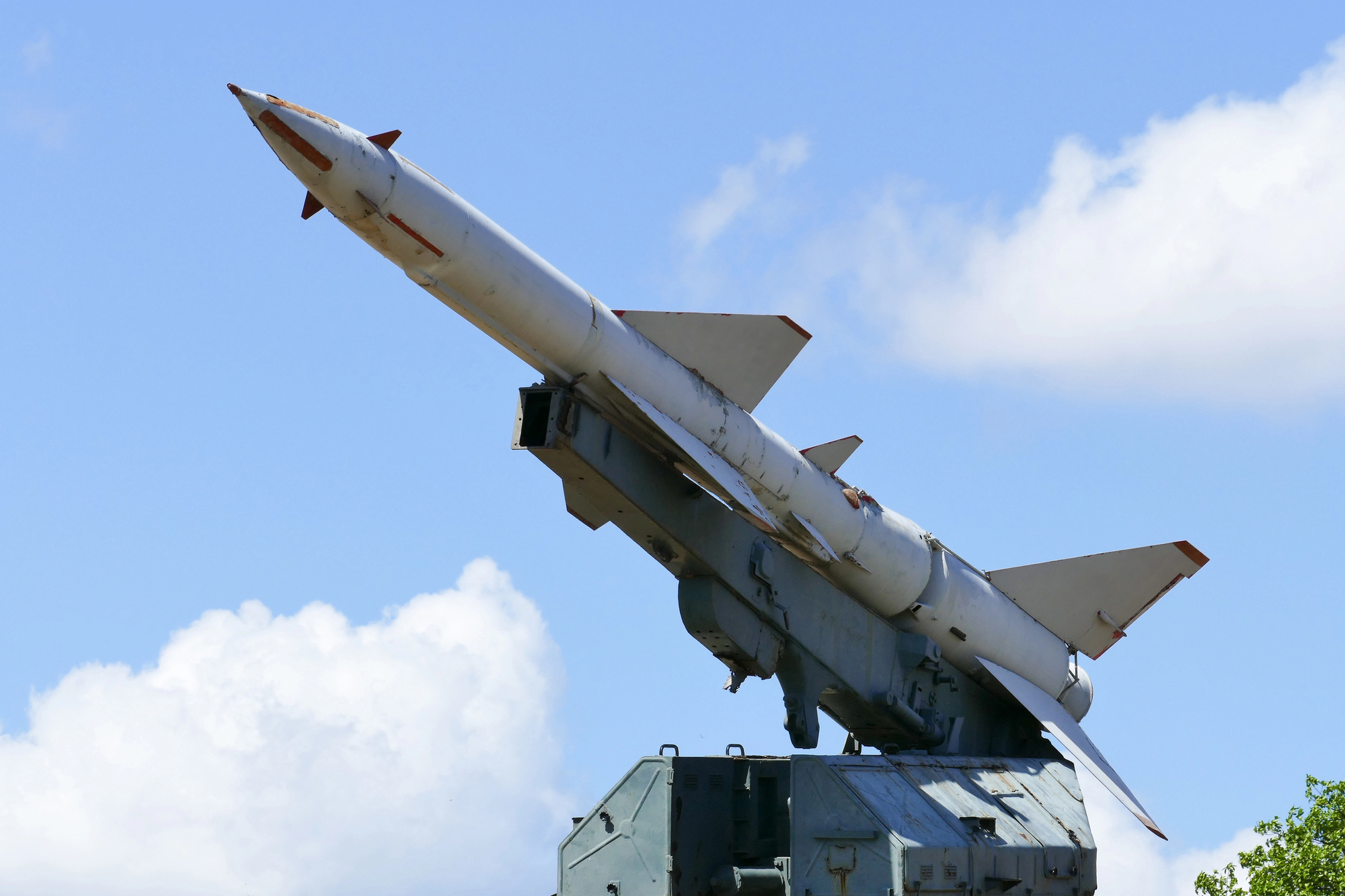
During the height of the Cuban Missile Crisis, Soviet Premier Nikita Khrushchev received increasingly threatening messages from the Kennedy administration alongside more conciliatory private communications. Rather than react to the public posturing, Khrushchev calmly chose to respond to the private diplomatic channel.
His measured decision to focus on the path to de-escalation rather than matching public rhetoric created the opening needed to resolve the closest the world has come to nuclear war.
Abdul Sattar Edhi
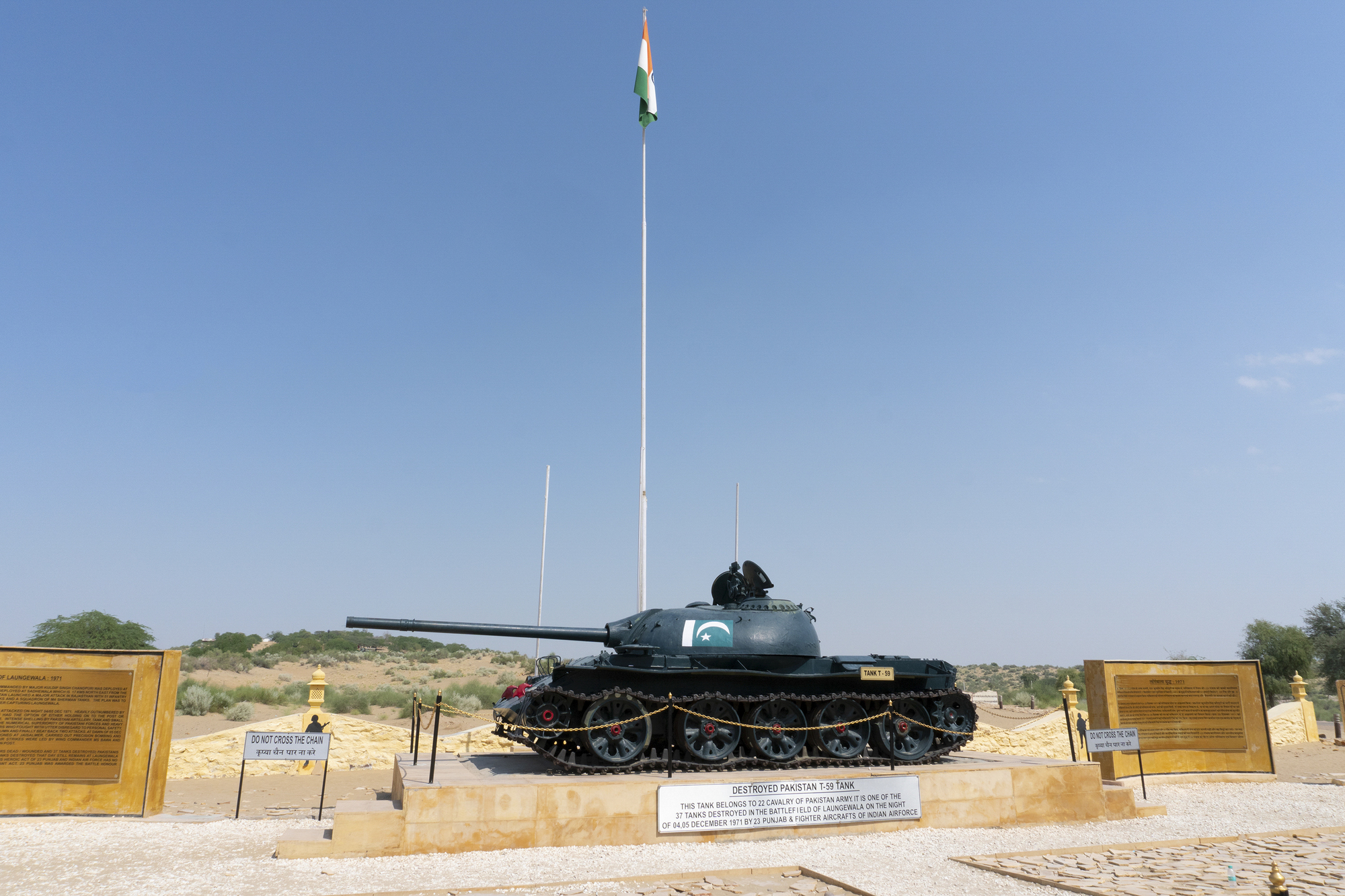
During violent sectarian clashes in Pakistan throughout the 1980s and 90s, humanitarian Abdul Sattar Edhi drove his ambulances into active combat zones to retrieve bodies regardless of religious affiliation. His calm insistence on treating all humans equally, even amid violent religious tensions, prevented cycles of retribution.
Edhi’s composed humanitarian approach in the face of extremism prevented ethnic cleansing scenarios that could have destabilized Pakistan—a nuclear-armed nation—with global repercussions.
Norman Borlaug

As famine threatened hundreds of millions across developing nations in the 1960s, agriculturalist Norman Borlaug remained focused while developing high-yield, disease-resistant wheat varieties. Despite bureaucratic obstacles and skepticism, Borlaug calmly persisted with his Green Revolution innovations.
His collected dedication to practical solutions rather than panic or politics prevented mass starvation that would have triggered unprecedented refugee crises, regional conflicts, and global instability.
Yuri Gagarin
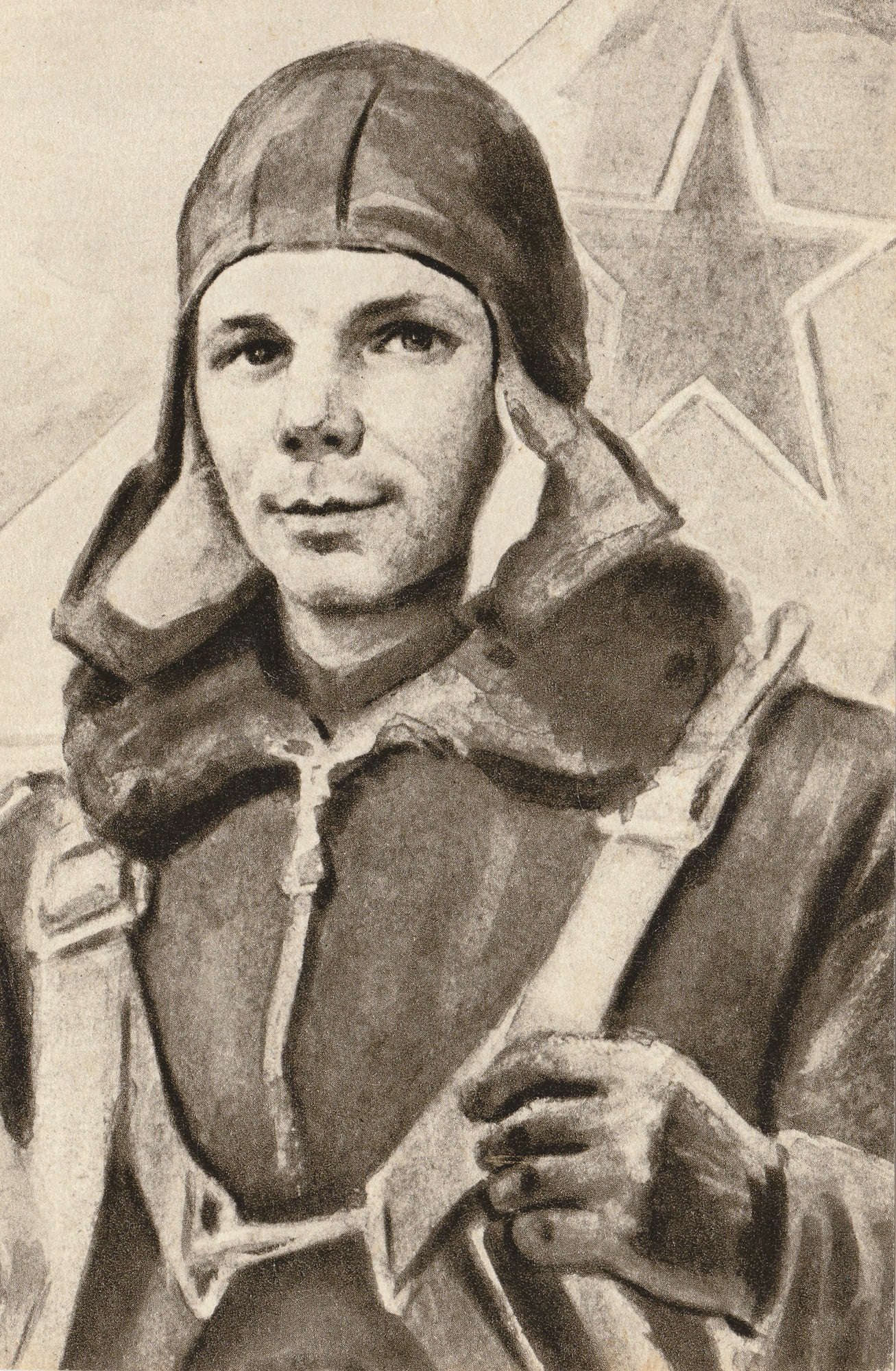
During humanity’s first space flight in 1961, cosmonaut Yuri Gagarin faced a potentially fatal situation when his spacecraft’s descent module failed to separate cleanly from its service module. While tumbling at high speed, Gagarin remained remarkably calm, documenting his observations for future missions.
His composure during this near-disaster provided crucial data that prevented similar failures in subsequent flights, protecting the delicate Cold War peace that space cooperation helped maintain.
Like Go2Tutors’s content? Follow us on MSN.
Setsuko Nakamura
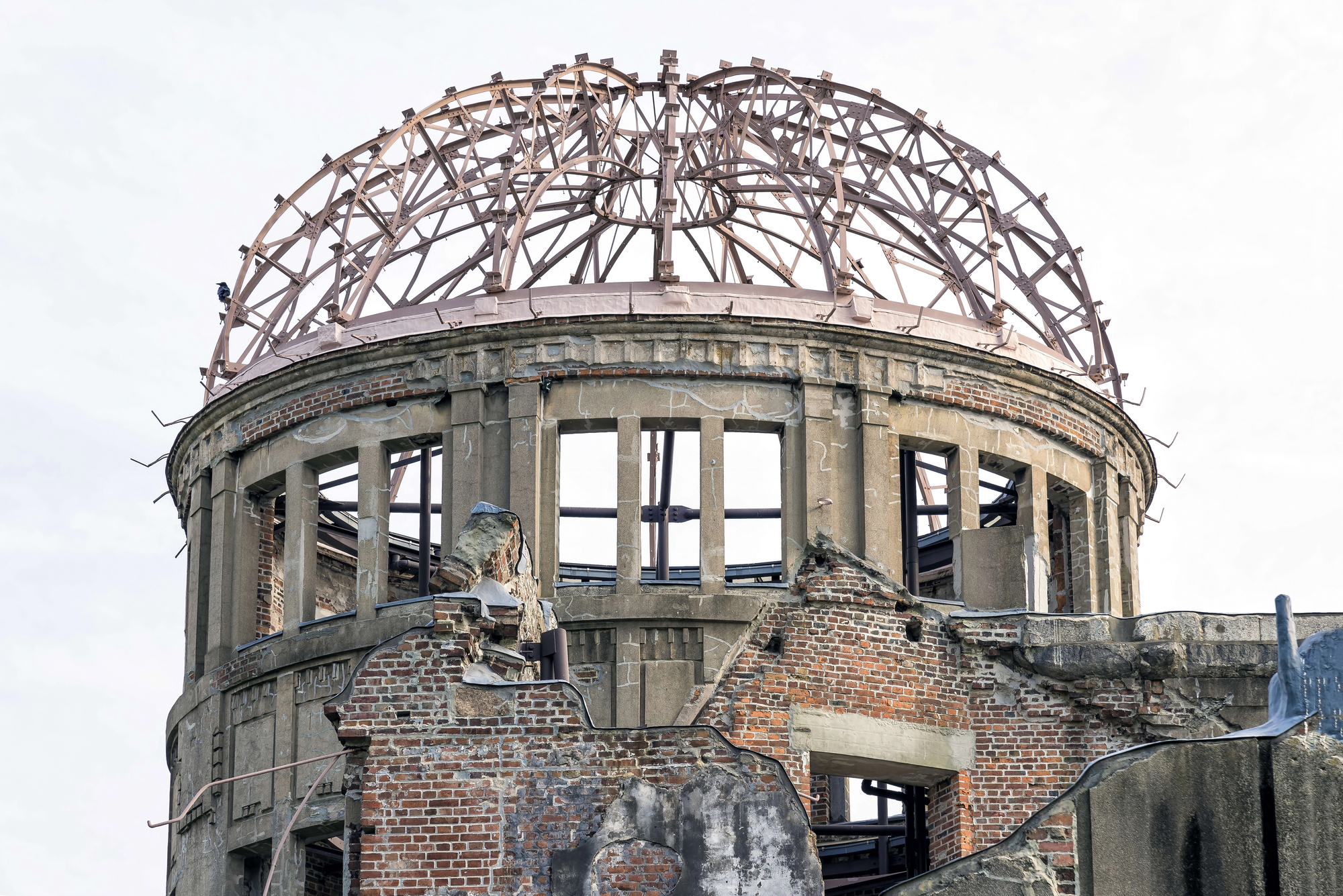
Following the atomic bombing of Hiroshima in 1945, survivor Setsuko Nakamura (later Thurlow) witnessed unimaginable devastation. Rather than surrendering to hatred or calls for vengeance, she calmly dedicated her life to nuclear disarmament.
Her measured, firsthand testimonies to world leaders about nuclear weapons’ humanitarian impact have been instrumental in prevention frameworks. Her composed advocacy helped establish nonproliferation norms that have prevented nuclear exchanges for over seven decades.
Viktor Belenko

When Soviet pilot Viktor Belenko defected to Japan in 1976 flying the USSR’s most advanced fighter jet, the MiG-25, he faced immediate debriefing by Western intelligence. Rather than exaggerating Soviet capabilities to increase his value, Belenko calmly provided accurate technical details about actual Soviet military strengths and weaknesses.
His honest assessment prevented dangerous overestimations of Soviet air power that could have triggered an unnecessary and destabilizing Western military buildup.
Bruce Blair
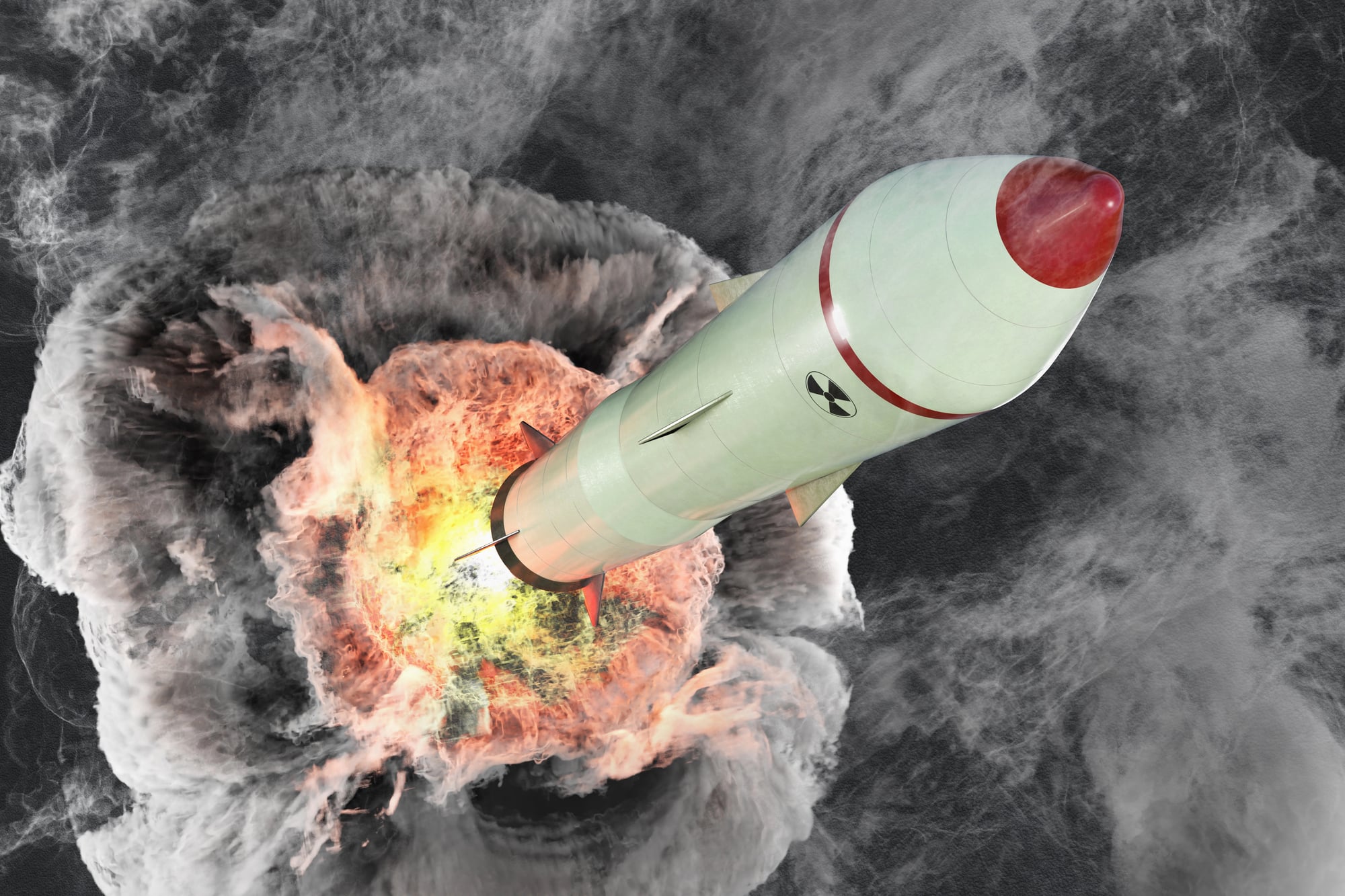
As a former U.S. nuclear launch officer, Bruce Blair maintained calm resolve when later revealing dangerous flaws in nuclear command systems. In the 1970s and 80s, he discovered that safeguards against unauthorized launches were weaker than publicly claimed.
Rather than sensationalizing these findings, Blair methodically worked with officials to improve security protocols. His composed advocacy prevented potential unauthorized access to nuclear weapons during periods of global tension.
Nelson Mandela
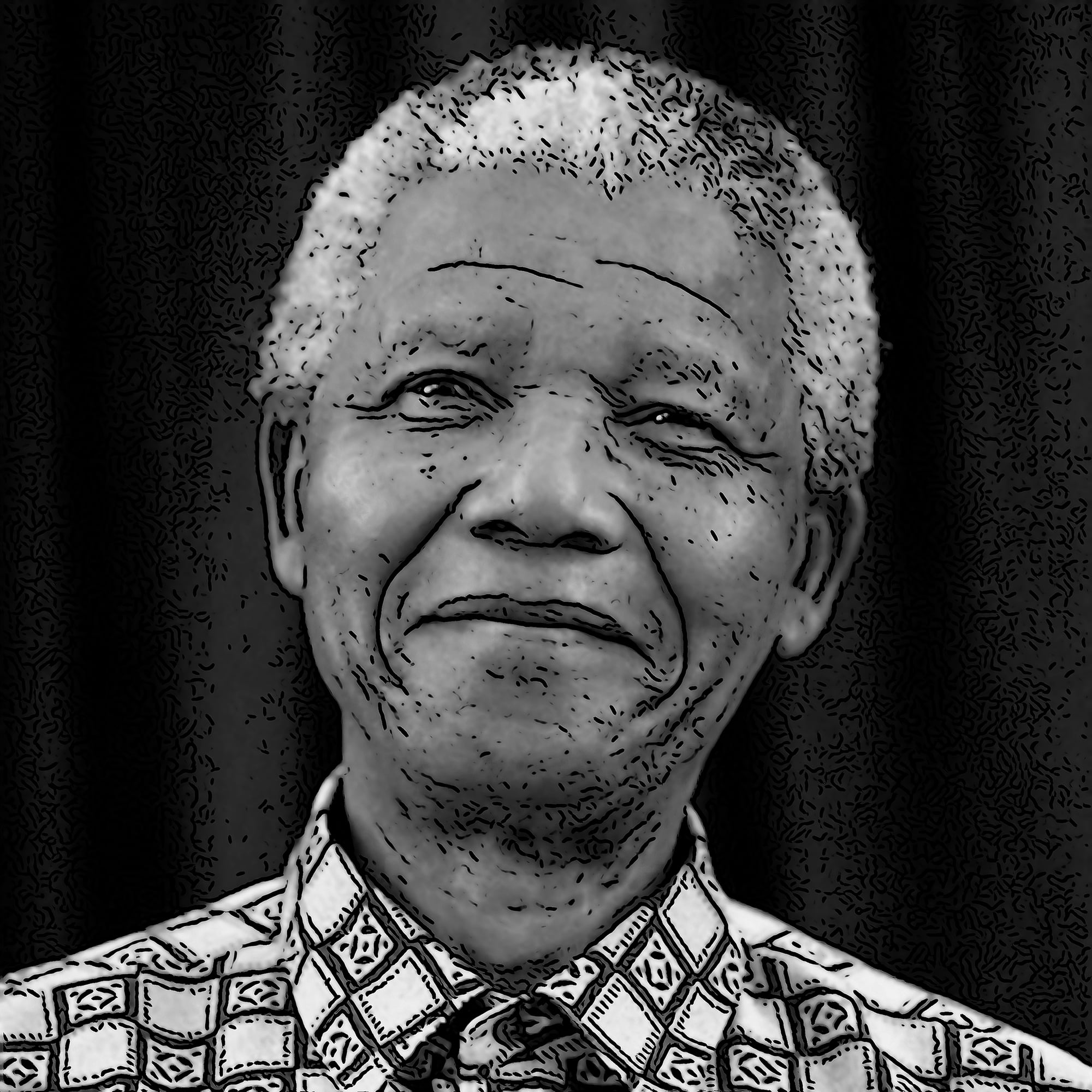
After 27 years of imprisonment by South Africa’s apartheid regime, Nelson Mandela emerged without bitterness. When he won the presidency in 1994, many experts predicted South Africa would descend into civil war or mass revenge against the white minority.
Instead, Mandela calmly implemented reconciliation rather than retribution. His composed leadership prevented what could have been a bloody conflict with global economic repercussions and potential regional destabilization across the African continent.
The Ripple Effect of Composure

The individuals highlighted above demonstrate how level-headedness during critical moments can literally change world history. Their examples remind us that responding to a crisis with calm assessment rather than reactive emotion can make the difference between catastrophe and continuation.
These situations reveal that sometimes the most heroic action is simply maintaining composure when everything around you suggests panic.
The capacity to stay calm under pressure isn’t just a personal virtue—it’s proven to be one of humanity’s most valuable survival traits. In our increasingly interconnected world, where technological and political decisions can have global impact, these historical examples provide a powerful lesson about the value of measured responses in moments of crisis.
More from Go2Tutors!

- The Romanov Crown Jewels and Their Tragic Fate
- 13 Historical Mysteries That Science Still Can’t Solve
- Famous Hoaxes That Fooled the World for Years
- 15 Child Stars with Tragic Adult Lives
- 16 Famous Jewelry Pieces in History
Like Go2Tutors’s content? Follow us on MSN.