Most Unique Musical Instruments Ever Constructed
Music has always pushed boundaries, but some musicians and inventors have taken that impulse to remarkable extremes. Throughout history, creative minds have crafted instruments that challenge our understanding of what makes sound, how we interact with music, and where the line between art and engineering truly lies.
These aren’t just novelties or curiosities—many represent genuine innovations in how humans create and experience music, even if they never found their way into a typical orchestra or recording studio.
The Great Stalacpipe Organ

Deep in Virginia’s Luray Caverns sits an instrument that transforms an entire cave system into a concert hall. The Great Stalacpipe Organ uses rubber mallets to strike stalactites throughout 3.5 acres of cavern space.
Each stalactite was carefully tuned by shaving off precise amounts of stone.
When you press a key, it triggers a mallet that could be hundreds of feet away in another section of the cave. The sound travels through stone corridors and chambers, creating harmonics and reverb that no traditional instrument could produce.
It took 36 years to complete and remains the world’s largest musical instrument by area.
The Zeusaphone

What happens when you take a Tesla coil (a device that generates massive electrical arcs) and realize those arcs make sound when they pulse at specific frequencies? You get the Zeusaphone, also called a singing Tesla coil.
This instrument creates music through controlled lightning.
The electrical arcs themselves vibrate the air to produce tones—there’s no speaker, no resonating chamber, just raw electricity singing. So naturally, the first song most people play on it is the theme from “Ghostbusters.”
Because if you’re going to make music with actual lightning bolts, you might as well lean into the theatrical absurdity of it all.
The Hydraulophone
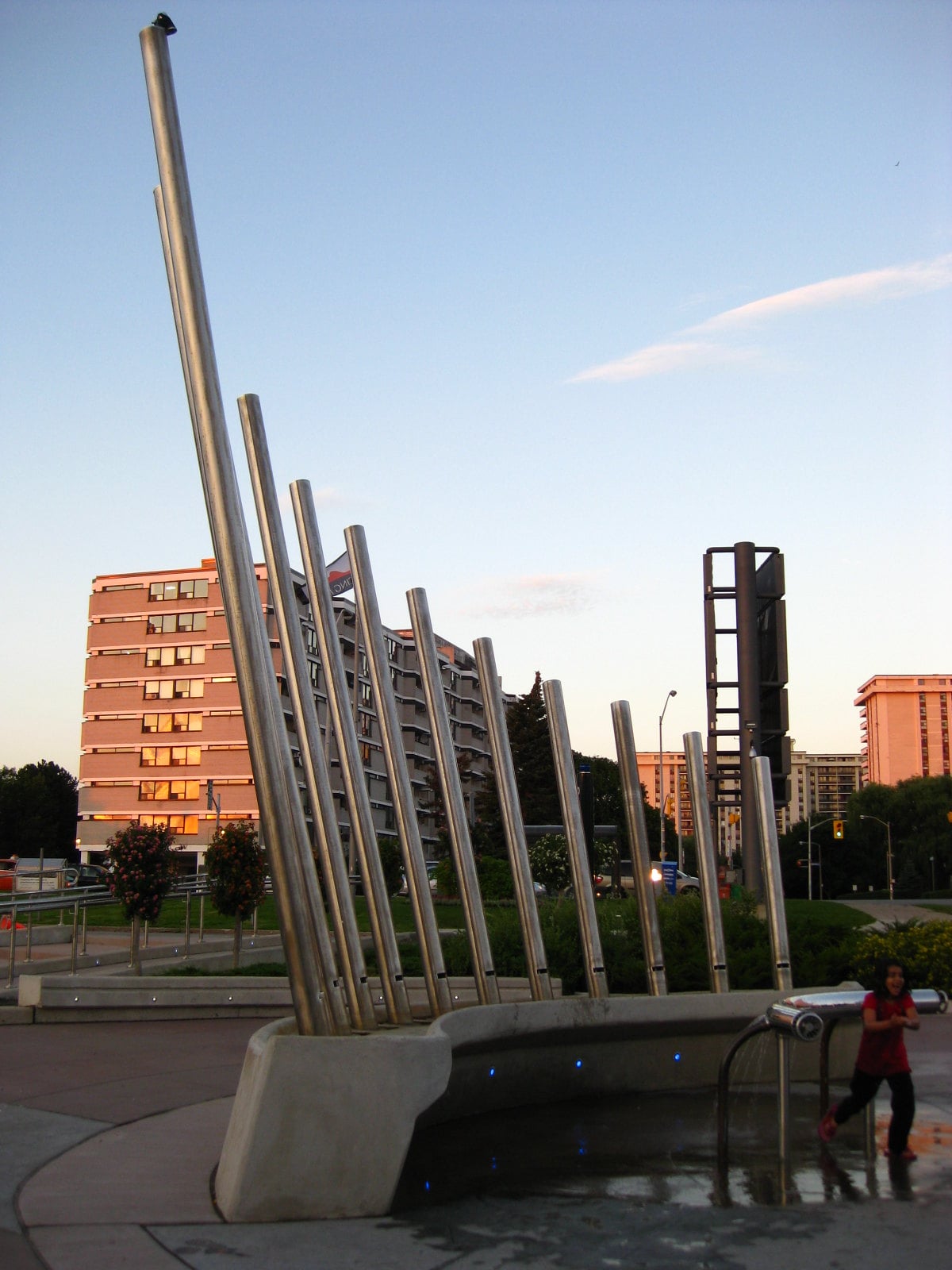
Like a cross between a pipe organ and a water fountain, the hydraulophone is the world’s first musical instrument to use water as its primary interface. Instead of keys or strings, you cover and uncover various water jets to create different pitches and timbres.
The sound emerges from the complex fluid dynamics as water flows through chambers and resonators—sometimes the water itself becomes the vibrating medium that produces the tone, other than times it drives mechanical elements.
Playing it feels less like traditional musicianship and more like conducting a liquid orchestra where each finger becomes a valve controlling a different stream of possibility. And yet the melodies that emerge can be surprisingly delicate, almost ethereal (which is odd, considering you’re essentially finger-painting with pressurized water to make the thing work).
But perhaps that strangeness is exactly what makes it compelling: music emerging from the kind of interaction we had with fountains as children, now elevated to an art form that requires genuine technique and sensitivity to master.
The Glass Harmonica
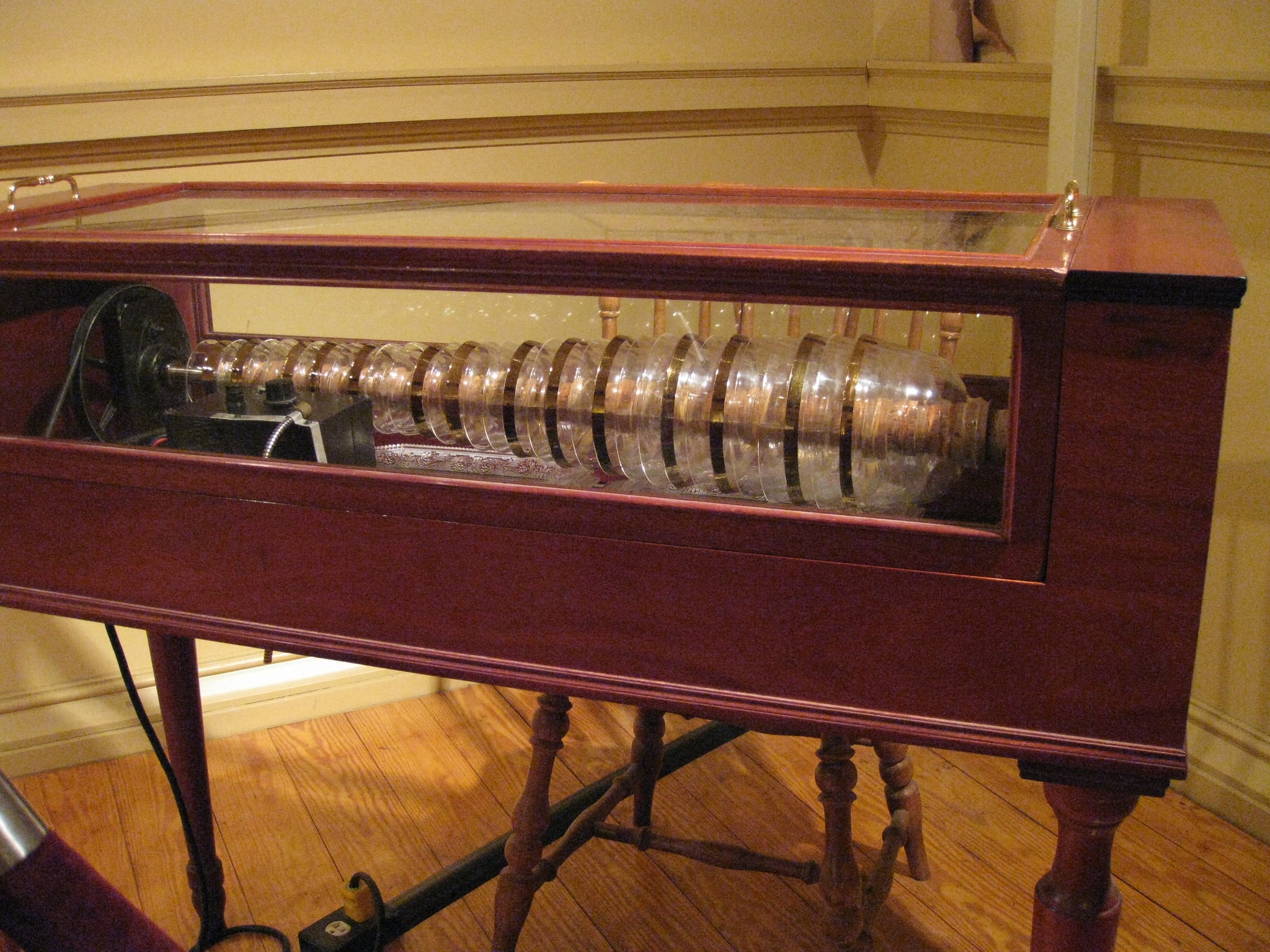
didn’t just help found a nation and conduct groundbreaking experiments with electricity—he also invented one of the most haunting musical instruments ever created. The glass harmonica consists of nested glass bowls of different sizes, all rotating on a spindle.
Players wet their fingers and touch the spinning glass to produce pure, ethereal tones.
The sound is so pure and penetrating that some believed it could cure illness, while others thought it caused madness. Several cities banned performances due to reports of fainting audience members.
The instrument largely disappeared by the 1830s, partly due to these health concerns and partly because the lead content in the glass may have actually poisoned some players.
The Singing Ringing Tree

This isn’t just an instrument—it’s a piece of landscape art in England’s Pennine hills that creates music from wind alone. The structure looks like a twisted tree made of galvanized steel pipes, each carefully tuned to different pitches.
When wind passes through the pipes, they create haunting harmonic drones that change based on wind speed and direction.
The “tree” essentially turns the entire hillside into a massive wind instrument. On calm days it’s silent, but during storms it becomes a chorus of metallic voices singing across the moors.
The Theremin
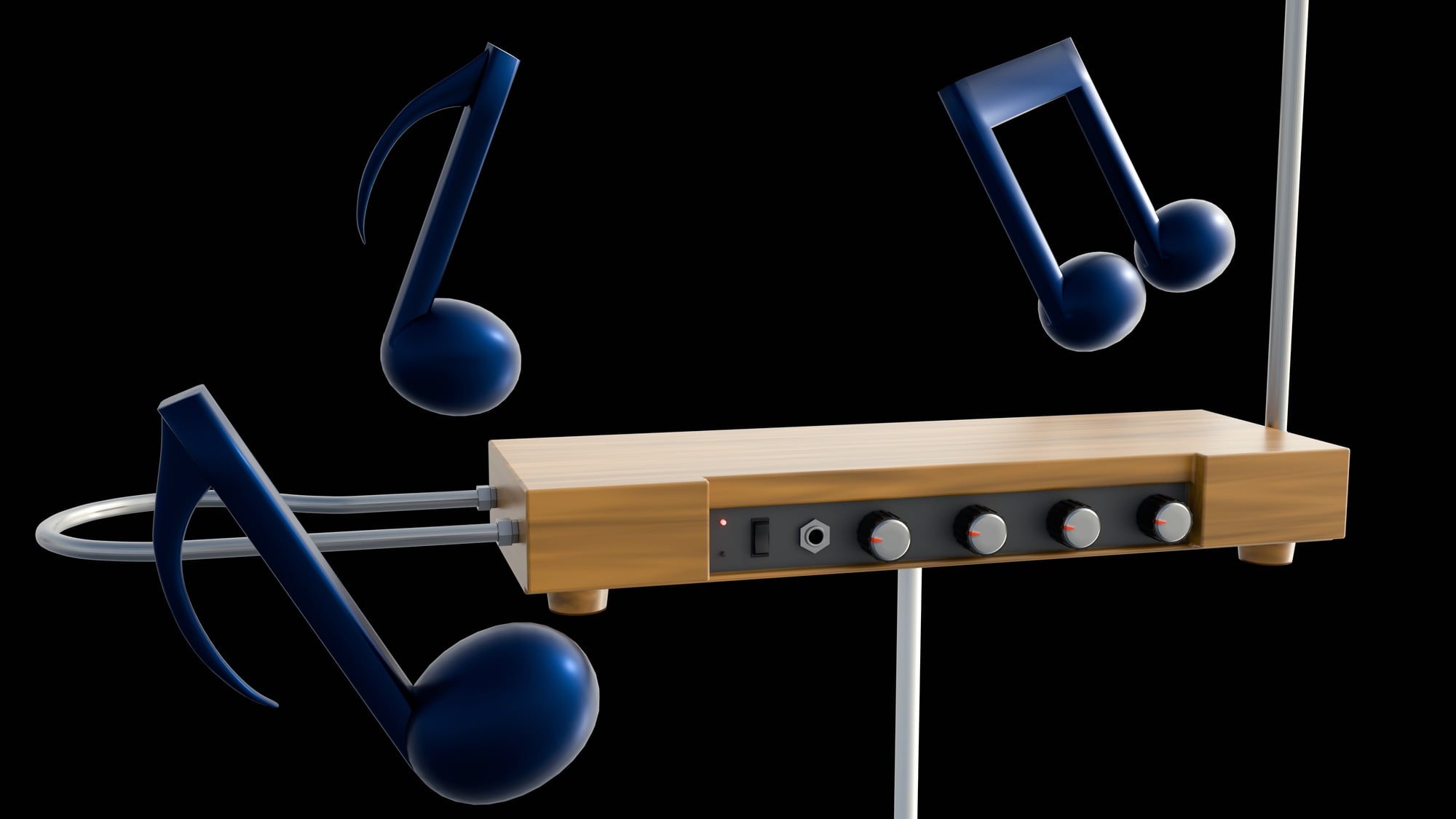
The theremin breaks perhaps the most fundamental rule of musical instruments: you never actually touch it. Two antennas detect the position of your hands in space, with one controlling pitch and the other controlling volume.
Moving your hands through the electromagnetic field around the instrument creates those otherworldly, swooping sounds you’ve heard in countless science fiction films.
What makes this particularly fascinating is that playing it well requires developing an entirely different kind of muscle memory—one based on precise positioning in three-dimensional space rather than tactile feedback from keys, strings, or breath control.
Master thereminists describe it as learning to sculpt sound from thin air, which turns out to be both more literal and more difficult than it sounds.
The Pyrophone

Some Victorian inventor looked at fire and thought, “This needs to make music.” The pyrophone, also called a fire organ, uses controlled gas flames burning inside glass tubes to create sound.
Different flame sizes and tube lengths produce different pitches.
The heat from the flames creates pressure changes inside the tubes, which generate sound waves.
So you’re literally playing with fire—adjusting gas flow to change the intensity of flames, which changes the pitch and volume of the notes. It’s probably the only instrument where “playing with feeling” could result in actual burns.
The Sharpsichord

Picture a harpsichord, but instead of strings, every key triggers a small blade that strikes and cuts through something. The sharpsichord replaces musical strings with various materials—paper, plastic, metal sheets—that get sliced by tiny guillotines when you press the keys.
The sound comes from the cutting action itself: the snap of paper tearing, the zing of metal being scored, the whisper of plastic being severed.
Each material produces different tones and textures, and as the concert progresses, the “strings” get shorter and shorter, changing the pitch and timbre in real time.
It’s both a musical performance and a slow-motion destruction event.
The Octobass

When regular double basses weren’t low enough, French luthier Jean-Baptiste Vuillaume created the octobass in 1850. Standing over 11 feet tall with strings so thick and taut that human fingers can’t press them down, this instrument requires a system of levers and pedals operated by both hands and feet.
The sound it produces rumbles at frequencies so low they’re felt more than heard—the kind of bass that seems to emanate from the earth itself rather than from any recognizable musical source.
Only a handful were ever built, and even fewer people have mastered the complex mechanical choreography required to play one (which involves operating what amounts to a small crane while trying to maintain musical timing and expression).
But when played well, it doesn’t just add low notes to an orchestra—it adds a kind of seismic foundation that makes every other instrument sound like it’s floating on a sea of controlled thunder.
The Musical Stones of Skiddaw
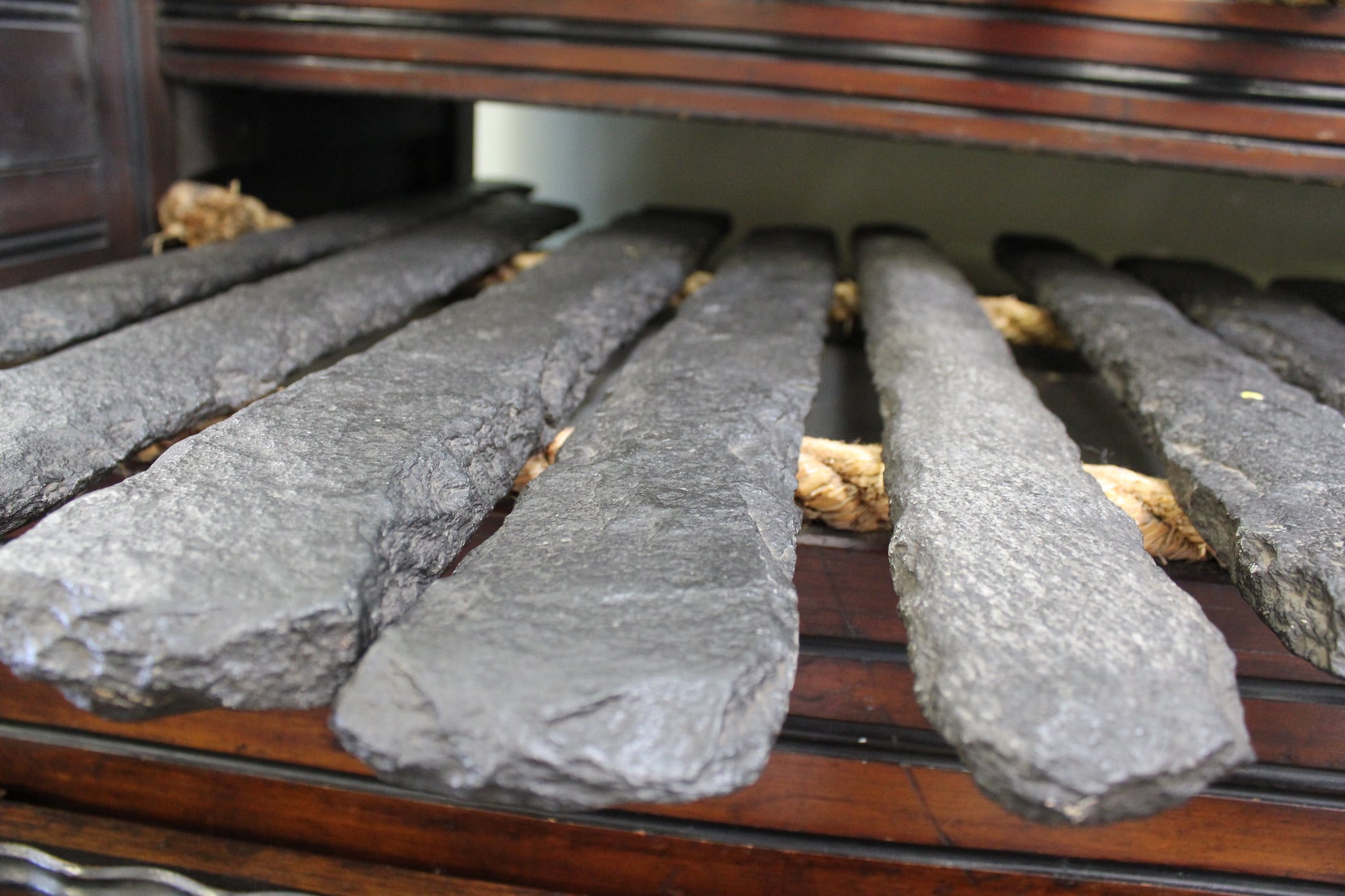
In the Lake District of England, a set of rocks creates one of the world’s most unusual percussion instruments. The Musical Stones of Skiddaw are made from hornfels stone found on Skiddaw mountain, carefully selected and shaped to produce specific pitches when struck.
Each stone resonates with a pure, bell-like tone that can sustain for several seconds.
A complete set covers nearly four octaves and has been used to perform everything from classical pieces to folk songs.
The stones were so prized that Queen Victoria and Prince Albert commissioned a private performance in 1848.
The Earth Harp

The Earth Harp stretches strings across vast distances—sometimes over 1000 feet—using buildings, bridges, or natural formations as resonating chambers. The strings are so long that they vibrate at frequencies below human hearing, creating subsonic waves that listeners feel as much as hear.
Playing it requires walking along the strings while wearing special gloves, bowing them like a massive violin.
The entire landscape becomes the instrument’s body, with canyons, valleys, and architectural spaces serving as the resonating chamber.
It transforms any location into a concert hall and makes the audience part of the instrument itself.
The Harmony of the Worlds
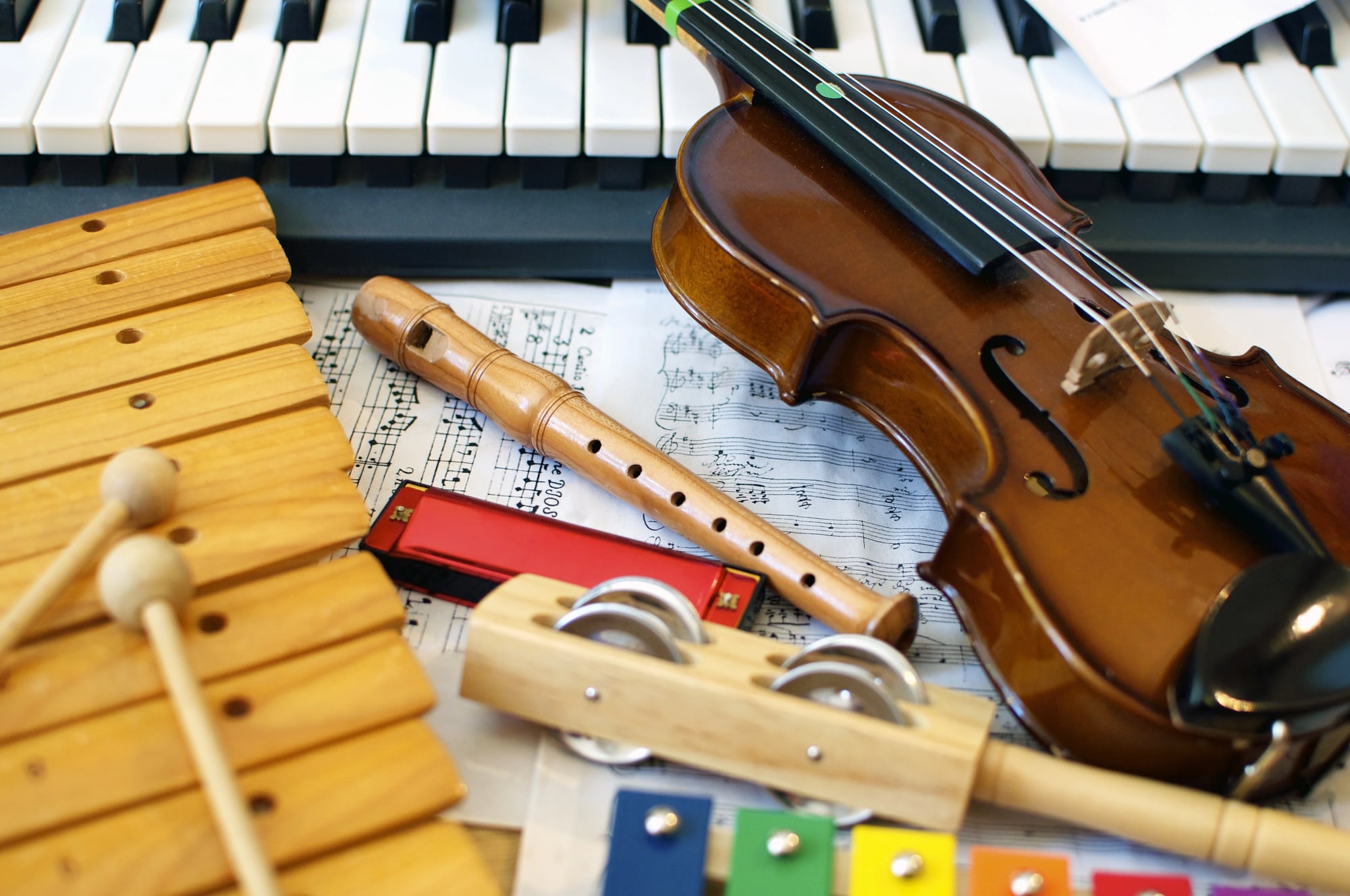
Music happens in spaces between the expected and the impossible, in the gap where sound meets silence and logic meets imagination. These instruments remind us that creativity doesn’t respect boundaries—not the boundaries between art and science, not between the practical and the absurd, and certainly not between what we think music should be and what it could become.
They’re proof that someone, somewhere, will always be willing to ask the beautiful, ridiculous question: “But what if we tried this instead?”
More from Go2Tutors!

- The Romanov Crown Jewels and Their Tragic Fate
- 13 Historical Mysteries That Science Still Can’t Solve
- Famous Hoaxes That Fooled the World for Years
- 15 Child Stars with Tragic Adult Lives
- 16 Famous Jewelry Pieces in History
Like Go2Tutors’s content? Follow us on MSN.