14 Places Designed for Efficiency That Somehow Became Nightmares
Humans have always strived to create efficient systems. Throughout history, engineers, architects, and urban planners have devoted considerable resources to designing spaces that should theoretically move people and goods smoothly from one point to another. Despite these well-intentioned efforts and meticulously crafted blueprints, many such locations have morphed into monuments to frustration rather than efficiency.
Here is a list of 14 places designed with efficiency in mind that have ironically transformed into some of modern life’s most inefficient, stress-inducing locations. Each represents a distinct failure of the efficiency dream we were promised.
Airport Security Lines
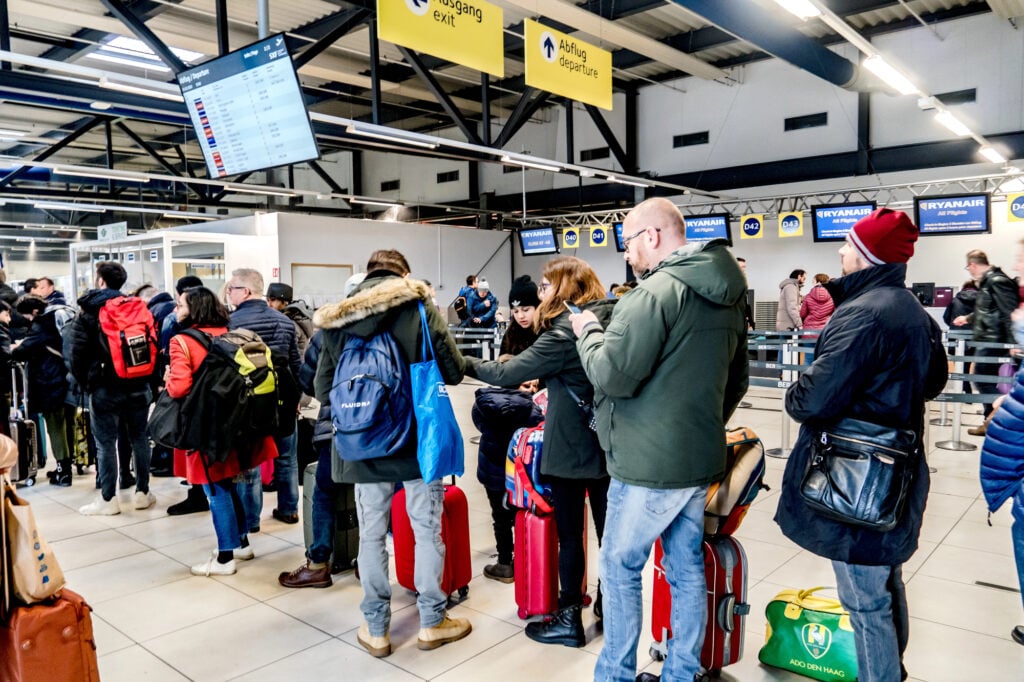
Security checkpoints were meant to streamline travel, but they now resemble obstacle courses filled with rules that vary by location. Passengers spend more time juggling trays and removing shoes than actually boarding their flights.
Hospital Emergency Rooms
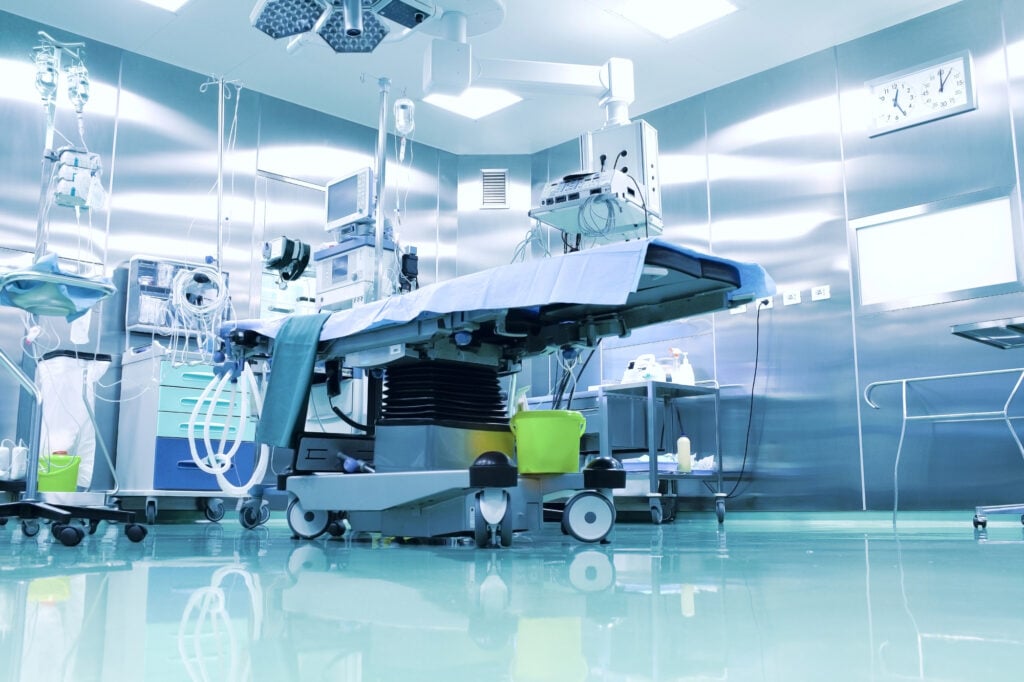
Emergency rooms were designed for urgent care, yet non-critical patients often wait for hours in fluorescent-lit limbo. The triage system, while essential, leaves many feeling forgotten and frustrated.
College Registration
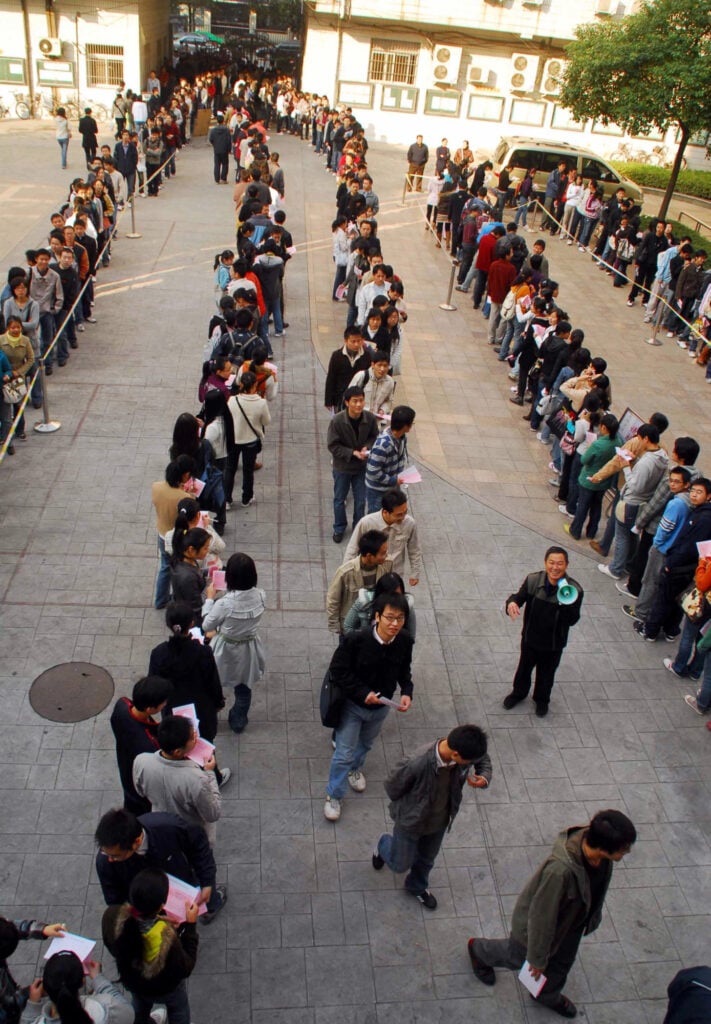
Online systems were supposed to end the chaos of in-person registration, yet they crash under the pressure of mass logins. Watching a class fill before a page loads is the digital equivalent of a slammed door.
Public Transit Hubs
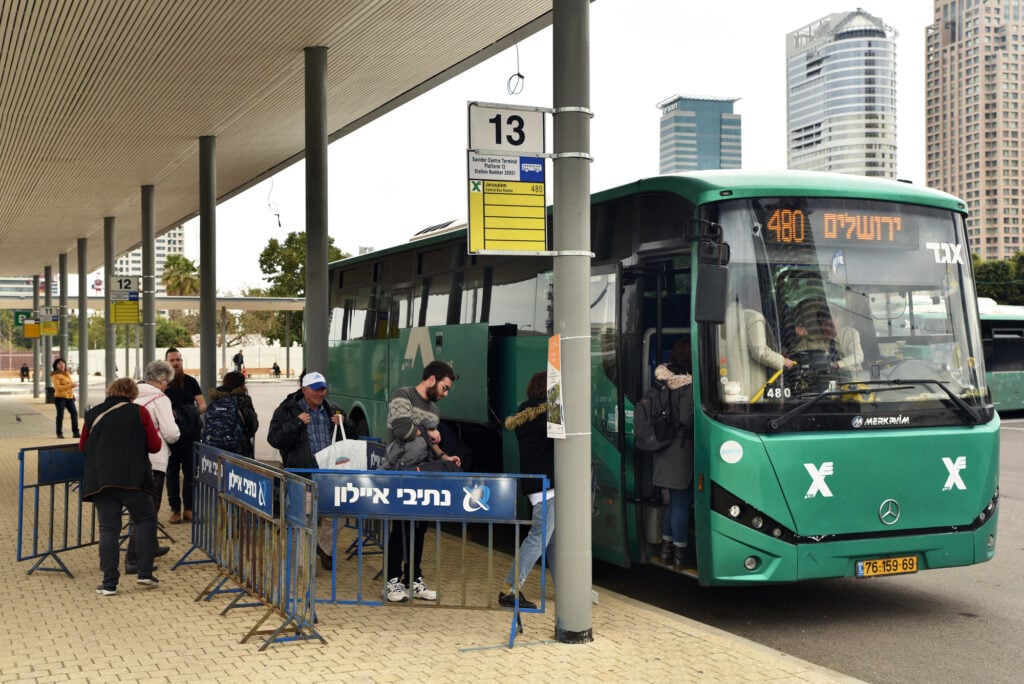
Transit centers should provide seamless connections, but confusing layouts and poor signage often derail commuter plans. Some hubs demand walks so long you might arrive faster on foot.
Theme Park Entrances
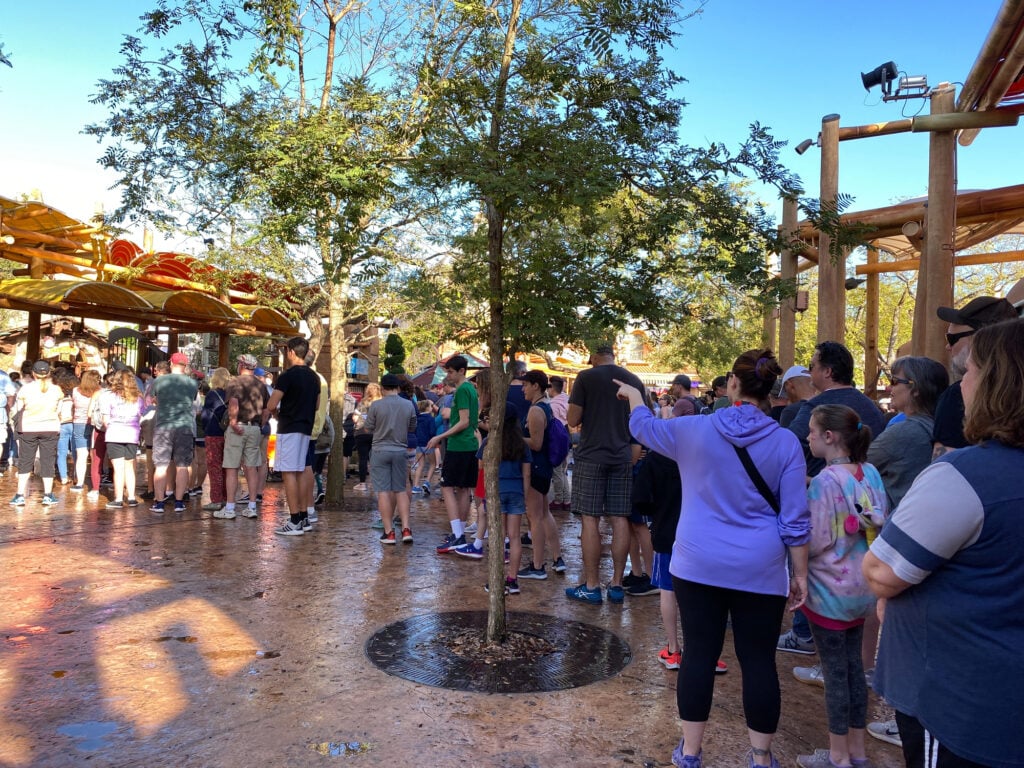
Theme parks build anticipation, but the first attraction is often a line that tests patience more than any rollercoaster. Even virtual queues can’t save families from the sweaty, chaotic wait at the gate.
Grocery Store Checkout
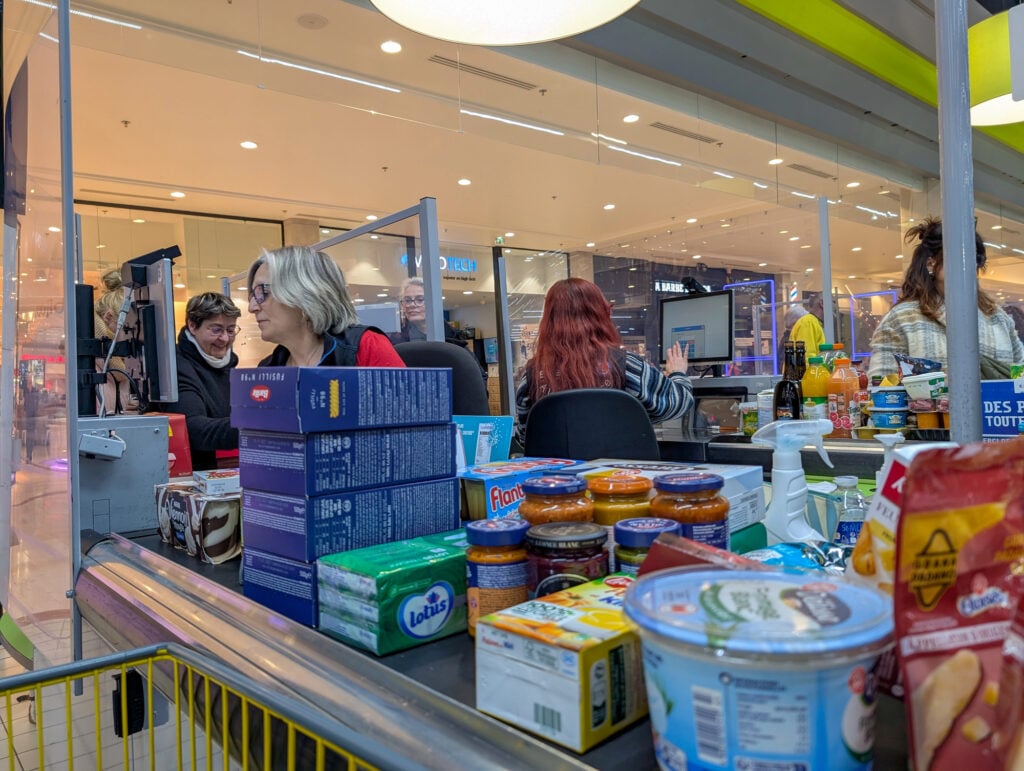
Checkouts were created to move people through quickly, yet they’ve become slow-motion puzzles. Self-checkout adds new delays, as shoppers wrestle with scanners that always need help.
Office Printers
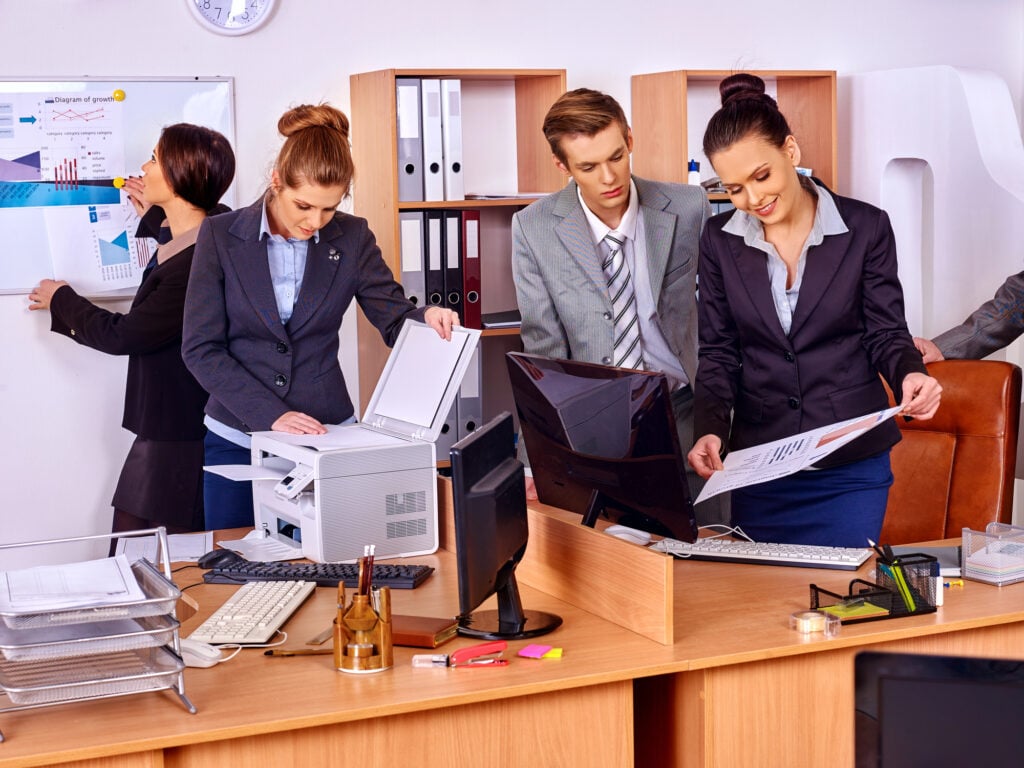
Centralized printers were meant to boost productivity, but they often stall entire departments. Their uncanny ability to fail at critical moments has turned them into office scapegoats.
University Cafeterias

Cafeterias are built for efficiency, yet peak hours bring food lines that resemble controlled chaos. Multiple stations confuse rather than help, and popular meals run out before students reach the front.
Court Buildings
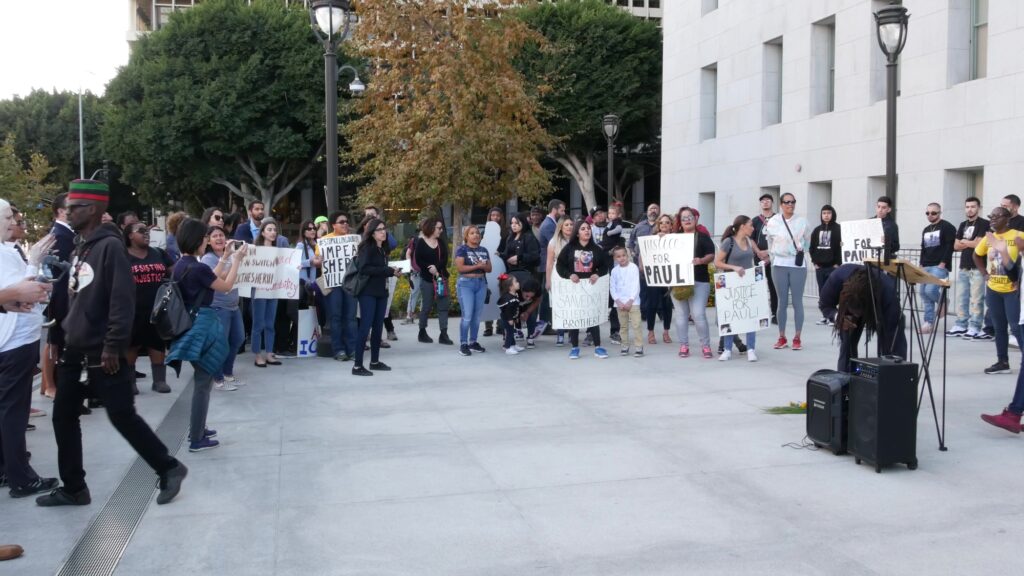
Courthouses aim to process justice quickly, but most time is spent waiting for brief appearances. A system built for order often results in endless delays and uncomfortable hours.
Concert Venues
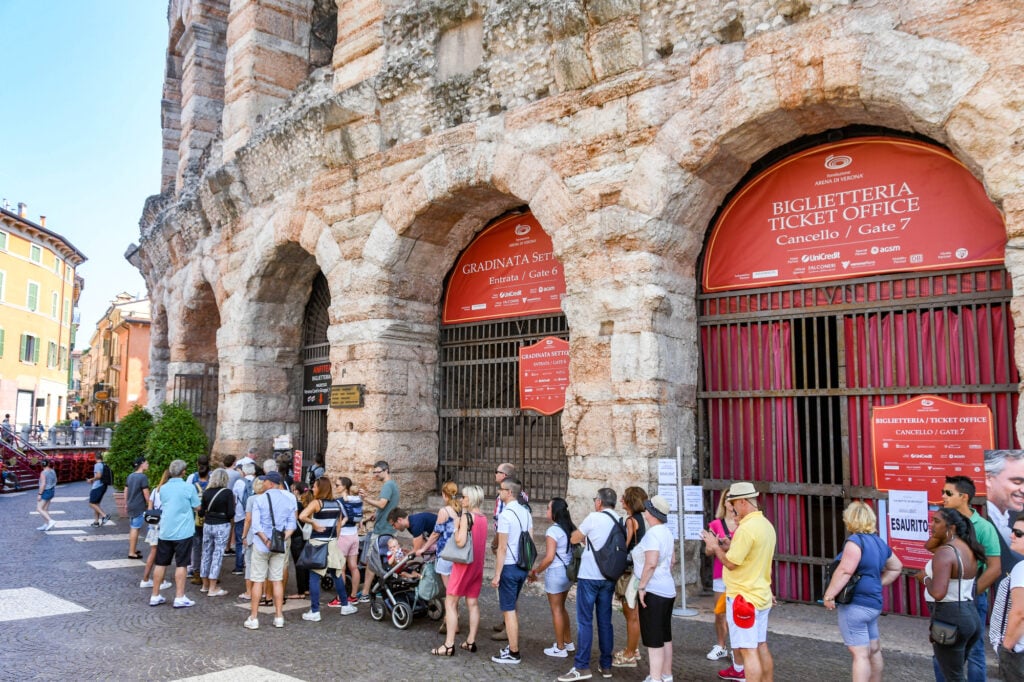
Modern ticketing and entrances should make shows smooth, but security and merch lines stretch for blocks. Leaving the venue can be just as slow, as thousands fight through bottleneck exits.
Bank Branches
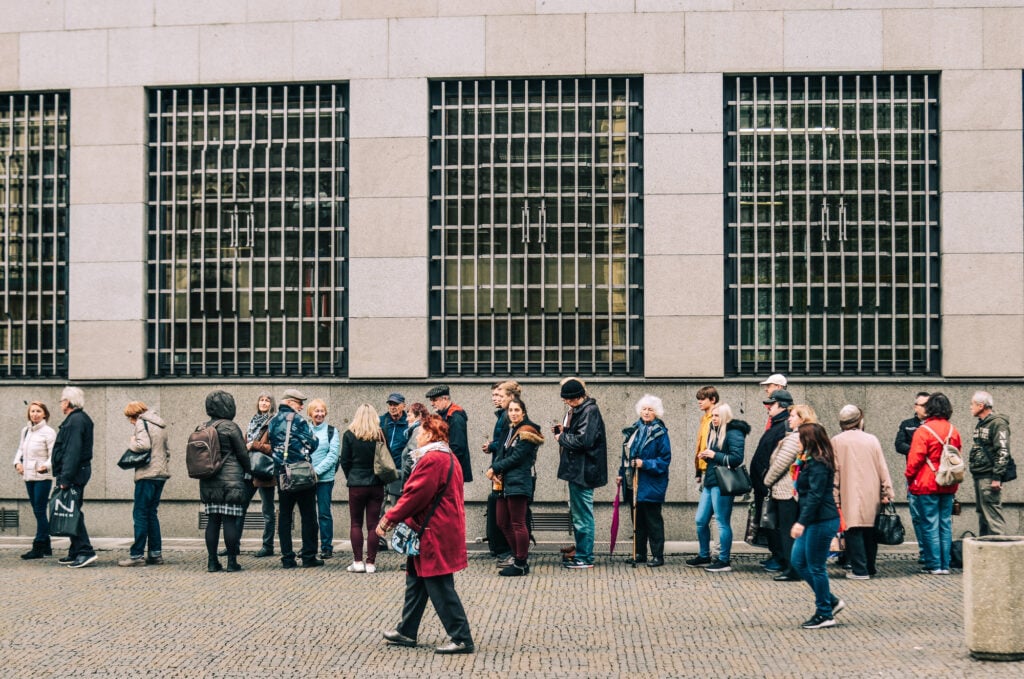
Banks use digital queue systems, but real-world waits often stretch far longer than expected. Customers wonder why visible staff are busy elsewhere while the line grows steadily.
Big Box Store Returns Counters
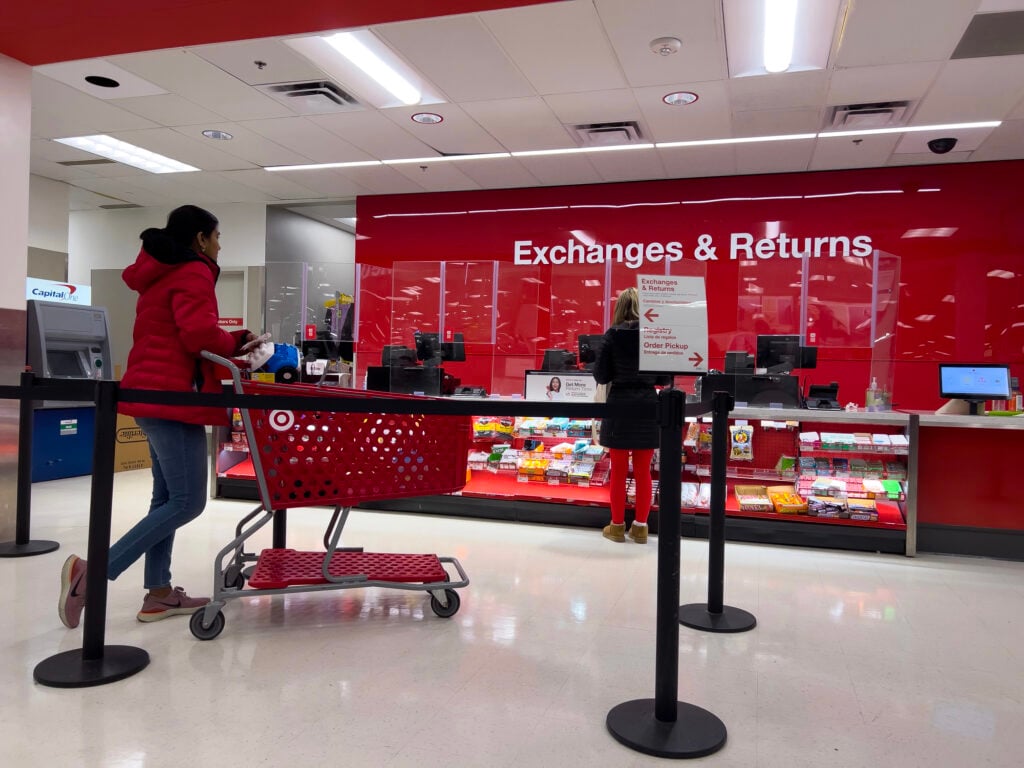
Returns counters promise quick service for a single task, yet they deliver delays that feel disproportionate. Verification steps and approvals turn refunds into endurance tests, especially after holidays.
Fast Food Drive-Thrus
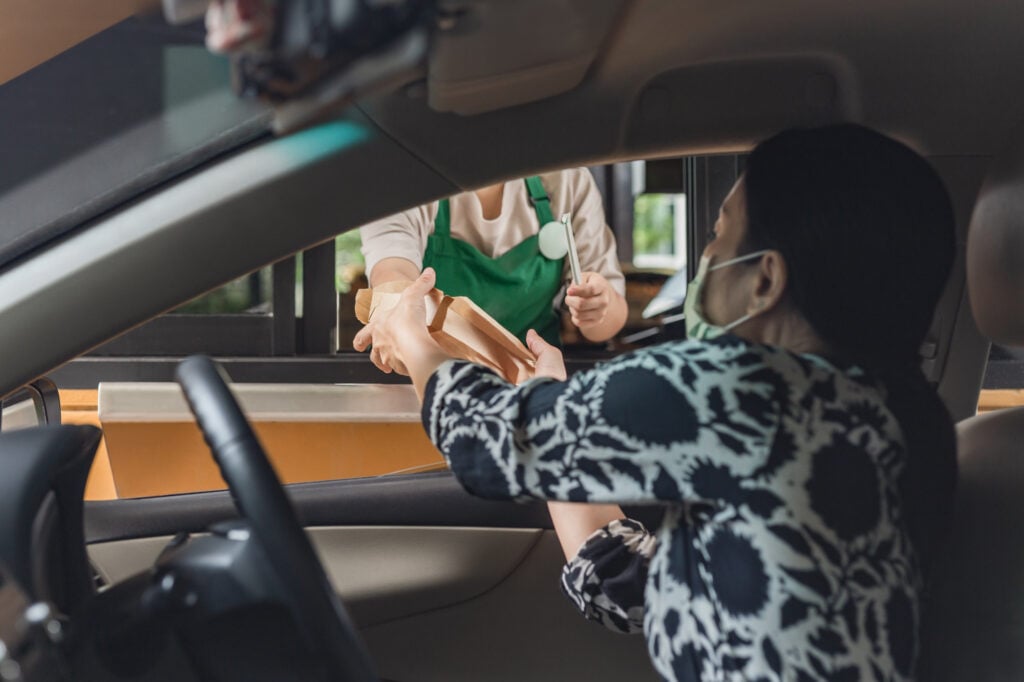
Drive-thrus were invented for speed, yet they’ve become long rows of stationary cars watching the same blinking menu. Multi-lane ordering often just leads to merging chaos and longer waits.
The Persistence of Inefficiency
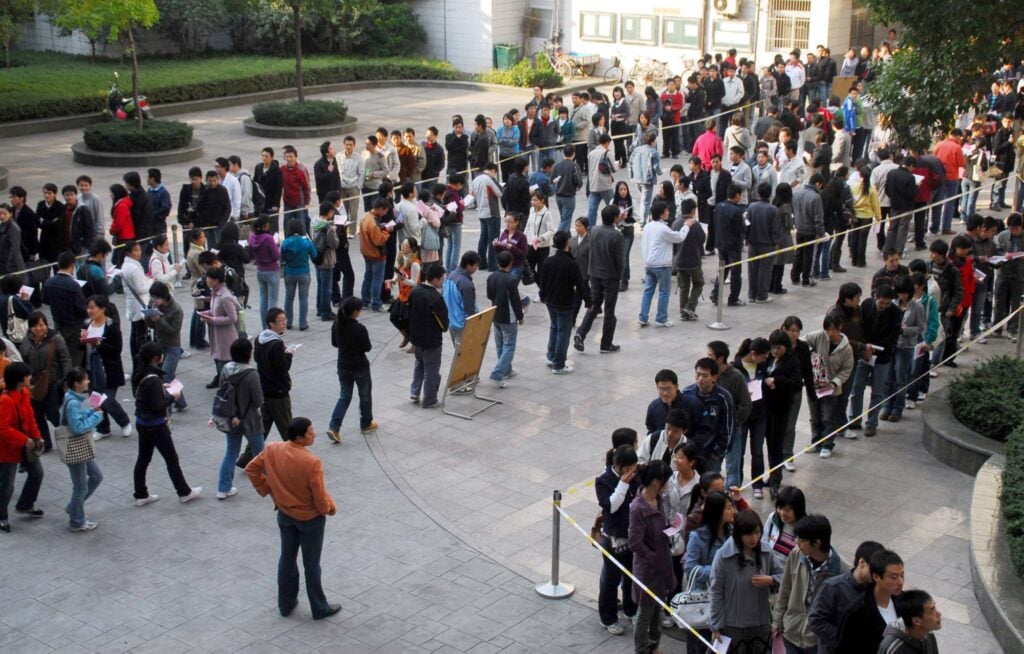
What’s designed for speed often becomes a lesson in endurance. These spaces reveal that true efficiency isn’t just about systems—it’s about flexibility, foresight, and understanding how people really behave.
More from Go2Tutors!

- The Romanov Crown Jewels and Their Tragic Fate
- 13 Historical Mysteries That Science Still Can’t Solve
- Famous Hoaxes That Fooled the World for Years
- 15 Child Stars with Tragic Adult Lives
- 16 Famous Jewelry Pieces in History
Like Go2Tutors’s content? Follow us on MSN.