Virginia Woolf Quotes That Inspire
Virginia Woolf wrote about ordinary moments with extraordinary clarity. She turned observations about daily life into reflections that still resonate nearly a century later.
Her words cut through the noise to reveal truths about writing, thinking, and living that feel just as relevant now as they did then.
“Lock up your libraries if you like; but there is no gate, no lock, no bolt that you can set upon the freedom of my mind.”

This quote speaks to something no one can take away from you. External restrictions mean nothing when your thoughts remain your own.
Woolf understood that mental freedom exists independently of physical circumstances. You can lose access to resources, opportunities, even spaces—but the way you think stays yours.
The context matters too. Woolf wrote this while exploring why women had been excluded from education and literature for so long.
Yet instead of focusing on what was denied, she highlighted what couldn’t be controlled. Your imagination doesn’t need permission.
“For most of history, Anonymous was a woman.”

Six words that reframe centuries. Woolf pointed out how many brilliant works were created by women who never got credit.
The painting is unsigned. The recipe passed down. The story is told but never attributed.
This observation still holds weight. Think about how much knowledge exists without a name attached to it.
How many contributions went unrecognized simply because of who made them. Woolf captured an entire pattern of erasure in one sentence.
“You cannot find peace by avoiding life.”

Running from difficult things doesn’t make them disappear. Woolf knew this personally—her life included significant struggles with mental health.
Yet she kept writing, kept observing, and kept engaging with the world around her. Peace comes through experience, not avoidance.
You have to move through challenges, not around them. The messy parts of life teach you things that comfort never could.
Woolf’s work shows someone who faced darkness but didn’t let it stop her from creating.
“A woman must have money and a room of her own if she is to write fiction.”
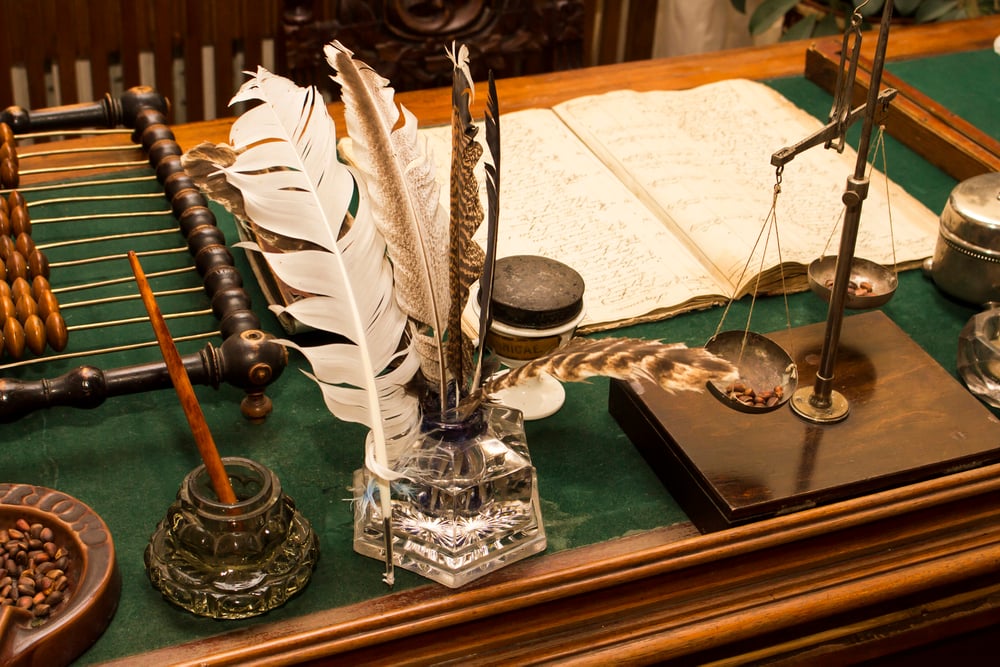
Practical advice disguised as philosophy. Woolf wasn’t being metaphorical here.
She meant actual money and an actual room. Financial independence and physical space where you can think without interruption.
This applies beyond writing fiction. Any creative or intellectual work needs these basics.
You need time that’s yours, space that’s yours, and enough financial stability to use both. Woolf understood that talent alone isn’t enough when your circumstances work against you.
“The eyes of others our prisons; their thoughts our cages.”
You build your own barriers based on what you think other people think. Woolf identified how social judgment becomes internal limitation.
The opinions you imagine others hold about you do more damage than their actual opinions ever could. Breaking free means recognizing this pattern.
Most of the time, people aren’t thinking about you as much as you think they are. And even when they do judge, their thoughts only become cages if you let them.
Woolf’s words point toward a kind of freedom that starts with caring less about external approval.
“I would venture to guess that Anon, who wrote so many poems without signing them, was often a woman.”

Woolf returned to this theme repeatedly. The unsigned work.
The uncredited contribution. She saw patterns in history that others overlooked or dismissed.
Women created art, wrote poetry, made music—then disappeared from the record. This quote asks you to look differently at history.
When you see “Author Unknown” or “Anonymous,” consider who that might have been. What voices were silenced not because their work lacked merit, but because their names lacked power.
“Arrange whatever pieces come your way.”

Simple instruction. Profound permission.
You don’t need the perfect circumstances or the ideal materials. Work with what you have. Woolf wrote this about writing, but it applies to everything.
Life gives you fragments, not finished pictures. Your job is to make something from the pieces that show up.
Some days you get better materials than others. Some days you work with scraps.
The arranging matters more than the pieces themselves.
“Every secret of a writer’s soul, every experience of his life, every quality of his mind, is written large in his works.”

Writing reveals the writer whether they intend it or not. You can try to hide behind technique or style, but something true always comes through.
Woolf recognized this about others’ work and about her own. This quote works as a reminder about honesty in creative work.
Whatever you make will show who you are. Your attempts to obscure yourself often reveal more than your attempts to expose yourself.
The work knows things about you that you don’t know yet.
“Mental fight means thinking against the current, not with it.”

Real thinking requires resistance. Going along with popular opinion feels easy because it is easy.
Woolf valued the harder work of questioning assumptions, challenging accepted ideas, examining things from different angles. This doesn’t mean being contrarian for its own sake. It means not accepting things just because everyone else does.
Your mind works best when it pushes against something, when it finds friction. Smooth agreement produces nothing new.
“Books are the mirrors of the soul.”
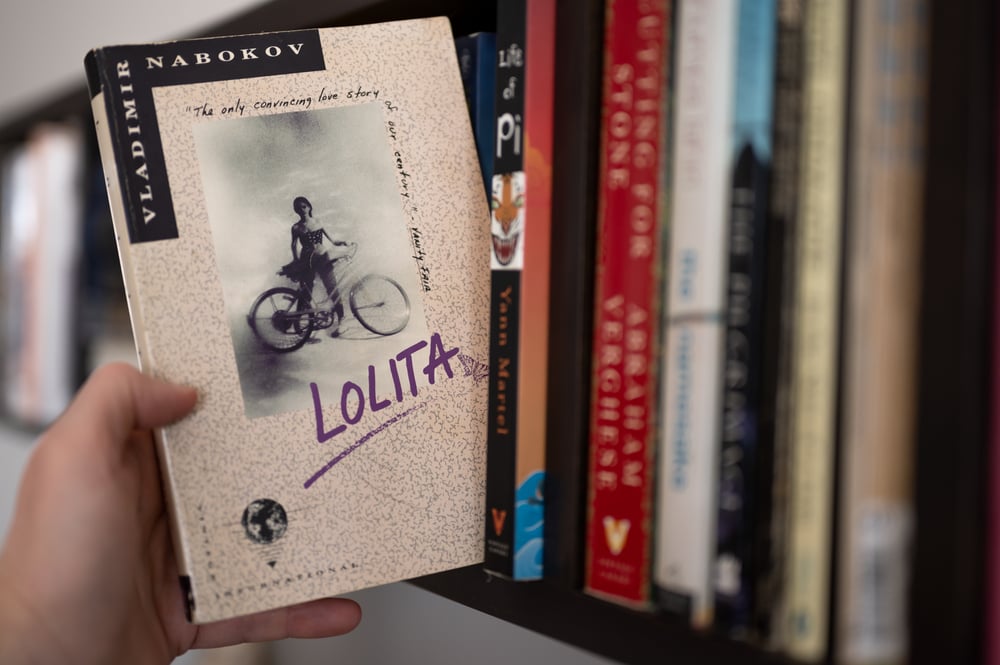
What you read shapes how you see yourself and the world. But it works both ways—what you choose to read also reflects who you are.
Your bookshelf tells a story about your interests, values, blind spots. Woolf believed in reading widely, across genders and centuries and genres.
Each book offers a different mirror, a different angle on yourself. The more perspectives you encounter, the clearer your own reflection becomes.
“As a woman I have no country. As a woman my country is the whole world.”

Woolf wrote this as World War II approached. She rejected nationalism and the idea that borders should determine loyalty or identity.
If systems exclude you, why should you claim them? This quote speaks to finding solidarity beyond artificial divisions.
When traditional structures don’t include you, you’re free to imagine different ones. Sometimes exclusion creates a different kind of belonging—one based on shared humanity rather than shared geography.
“One cannot think well, love well, sleep well, if one has not dined well.”

Physical needs matter. Woolf wasn’t being frivolous here. She understood that intellectual and emotional life depends on meeting basic requirements.
Hunger affects everything. This ties back to her point about needing money and a room of your own.
You can’t do your best work when you’re worried about basic survival. Creativity and thought require a foundation of stability.
Dismissing physical needs as unimportant ignores how human beings actually function.
“The beauty of the world has two edges, one of laughter, one of anguish, cutting the heart asunder.”

Beautiful things carry weight. Woolf noticed how joy and pain exist together in moments of real beauty. You see something stunning and feel both happiness and sorrow—happiness at its existence, sorrow knowing it won’t last.
This duality shows up everywhere. The sunset that makes you ache.
The piece of music that brings tears. The moment with someone you love that feels perfect and therefore fleeting.
Woolf captured how beauty cuts both ways.
“Nothing has really happened until it has been recorded.”

What you live through demands an observer. Putting moments on paper gives them weight, another kind of truth.
Over time, recollection blurs, slips shape – yet pages hold steady. Throughout her years, Woolf filled notebooks, capturing quiet mornings just as much as turning points.
Stories vanish when nobody writes them down. It’s clear some voices are heard more than others.
Who decides which moments live on? When something gets written, it means someone stood by it.
What counts as history often depends on who held the pen. Memory needs a keeper.
When Words Turn Into Views

Truth hums in Woolf’s words, sharp as ever. Not just on womanhood – though that too – but on what it means to move through days.
To wrestle thoughts into shape. Stability pulls one way, liberty another; both matter.
Most acts go unnoticed until someone watches closely. Now reading what she wrote feels like meeting a person who gave weight to ordinary moments.
Patterns slipped past most people, yet she caught them. She trusted writing to make a difference – not only famous books, but small notes, private thoughts tucked into journals.
Each piece held value. She invites a slower way of seeing.
Questioning what feels certain matters more than answers. Creation thrives not despite hardship but within it.
Beauty hides beside pain, sometimes touching. Attention, practiced daily, quietly pushes back.
More from Go2Tutors!

- The Romanov Crown Jewels and Their Tragic Fate
- 13 Historical Mysteries That Science Still Can’t Solve
- Famous Hoaxes That Fooled the World for Years
- 15 Child Stars with Tragic Adult Lives
- 16 Famous Jewelry Pieces in History
Like Go2Tutors’s content? Follow us on MSN.