13 Catchphrases Everyone Quoted (But No One Bought the Product)
Advertising history is filled with slogans and catchphrases that became cultural phenomena, working their way into everyday conversations and entertainment. These verbal earworms spread from TV screens to office water coolers, becoming part of our collective vocabulary.
Their cultural impact often far exceeded their commercial success. Here is a list of 13 advertising catchphrases that achieved incredible popularity but didn’t necessarily translate to product sales success.
Where’s the Beef?
Wendy’s 1984 campaign featuring an elderly woman demanding to know where the beef was in competitors’ burgers became an instant sensation. The phrase quickly transcended fast food to become shorthand for questioning the substance behind any claim.
Despite everyone in America repeating the catchphrase, Wendy’s market share remained significantly behind McDonald’s and Burger King.
Wassup?
Budweiser’s 1999 campaign featuring friends greeting each other with an elongated “Wassup?” swept through popular culture like wildfire. The commercials were so beloved that they inspired countless parodies on television shows and in everyday conversation.
Yet Budweiser’s sales actually declined during this period as craft beers and spirits gained popularity among consumers.
Like Go2Tutors’s content? Follow us on MSN.
Can You Hear Me Now?
Verizon’s Test Man character, played by actor Paul Marcarelli, asked this question in commercials from 2002 to 2011. The phrase became universally recognized and mimicked, especially when people had poor cell reception.
Despite the campaign’s cultural impact, Verizon didn’t gain significant market share, and ironically Marcarelli later became a spokesperson for competitor Sprint.
Yo Quiero Taco Bell
The Chihuahua mascot declaring “Yo quiero Taco Bell” became a pop culture icon in the late 1990s. The Spanish phrase meaning “I want Taco Bell” was repeated by people who otherwise knew no Spanish at all.
While merchandising for the dog was successful, Taco Bell’s sales remained flat during the campaign, and the company eventually faced a lawsuit from the creators of the character.
Got Milk?

This campaign from the California Milk Processor Board launched in 1993 and became one of the most recognized slogans in advertising history. Celebrities with milk mustaches made the campaign instantly recognizable and quotable.
Despite its cultural ubiquity, milk consumption in America continued its decades-long decline throughout the campaign’s run.
Like Go2Tutors’s content? Follow us on MSN.
Don’t Squeeze the Charmin

Mr. Whipple scolding shoppers not to squeeze the Charmin toilet paper ran from 1964 to 1985 and became deeply embedded in American culture. The campaign was actually designed around reverse psychology, highlighting the product’s squeezable softness.
While Charmin did well, the campaign was often rated among the most annoying commercials, proving recognition doesn’t always equal affection.
Time to Make the Donuts
Dunkin’ Donuts’ tired baker character repeatedly stating it was “time to make the donuts” resonated with working Americans from 1981 to 1997. The phrase became shorthand for having to get up and go to work despite exhaustion.
While Dunkin’ remained popular, the catchphrase didn’t prevent the company from losing substantial market share to Starbucks during this period.
Does She or Doesn’t She?
Clairol’s hair color campaign suggested that their product was so natural-looking that people would wonder if a woman colored her hair. The provocative double entendre helped make the phrase part of 1960s popular culture.
Despite its cultural impact, Clairol faced increasing competition from other hair color brands that eventually eroded their market dominance.
Like Go2Tutors’s content? Follow us on MSN.
Ring Around the Collar
Wisk detergent commercials highlighted embarrassing ring stains on shirt collars and offered their product as the solution. The phrase became common in households across America in the 1970s and 80s.
The campaign actually annoyed many consumers who found it played on social anxieties, and Wisk eventually lost significant market share to brands with more positive messaging.
Just Do It
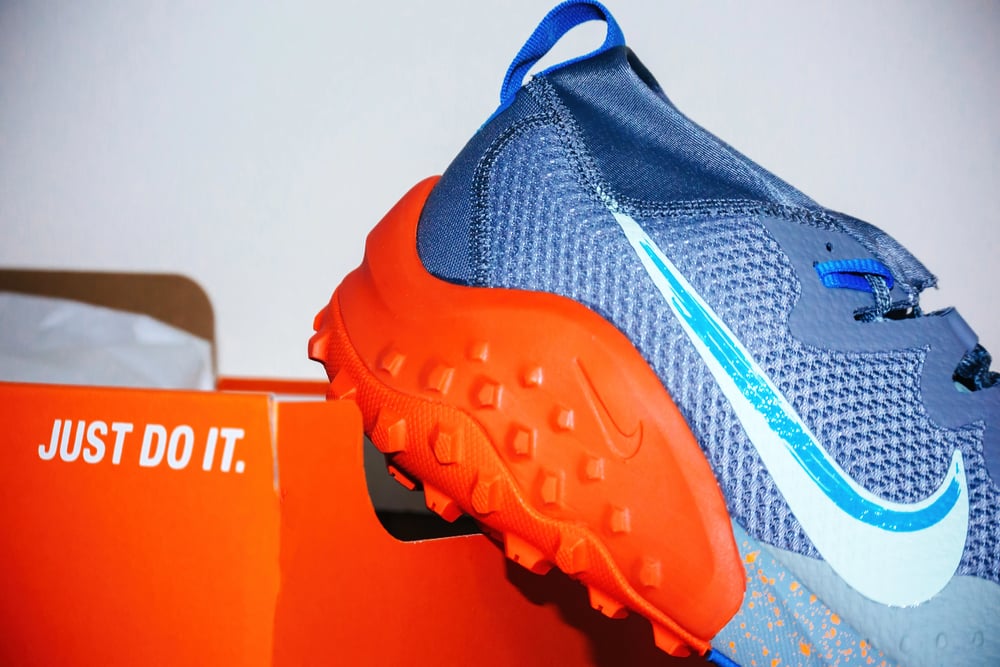
Nike’s iconic slogan launched in 1988 and transcended advertising to become a motivational mantra across various aspects of life. While Nike has been tremendously successful, the period immediately following the slogan’s introduction saw competitor
Reebok actually leading the athletic shoe market. The phrase’s cultural impact took years to translate into market dominance.
Where Do You Want to Go Today?
Microsoft’s 1994 slogan for Windows 95 became widely recognized and parodied. The open-ended question was meant to highlight the possibilities of personal computing.
Despite spending $200 million on the campaign, Windows 95 didn’t meet sales expectations initially, and the catchphrase became more associated with jokes about Microsoft’s products than with actual consumer enthusiasm.
Like Go2Tutors’s content? Follow us on MSN.
Reach Out and Touch Someone
AT&T’s emotional campaign encouraging long-distance calling ran throughout the 1980s. The phrase became deeply embedded in American culture as shorthand for connecting with loved ones.
Despite the campaign’s popularity, AT&T was facing the beginning of telecommunications deregulation that would eventually diminish its market power regardless of advertising success.
Nothing Comes Between Me and My Calvins
Calvin Klein’s controversial 1980 campaign featuring a 15-year-old Brooke Shields delivering this suggestive line caused a sensation. The phrase was endlessly quoted, parodied, and discussed in American media.
While Calvin Klein jeans had some success, they never dominated the denim market, and competitors like Levi’s maintained stronger sales despite less quotable advertising.
The Art of Memorable Marketing
Great advertising catchphrases achieve a rare form of cultural immortality, living on in our collective memory long after campaigns end. These 13 examples show that creating a memorable slogan doesn’t automatically translate to product dominance.
Effective marketing requires more than just a catchy phrase – it needs genuine product value, strategic timing, and consumer trust. What remains fascinating is how these verbal snippets continue to live in our cultural consciousness, reminding us of advertising’s powerful ability to shape language itself.
Like Go2Tutors’s content? Follow us on MSN.
More from Go2Tutors!

- 18 Unexpectedly Valuable Collectibles You Might Have Lying Around
- 20 Little-Known Historical Battles That Had Huge Consequences
- 20 Historical Artifacts That Scientists Can’t Explain
- 15 Inventions That Were Immediately Banned After Being Created
- 20 Actors Who Were Almost Cast in Iconic Roles
Like Go2Tutors’s content? Follow us on MSN.