15 National Projects That Caused Civil Unrest
Government projects designed to benefit the nation don’t always go according to plan. Sometimes these ambitious undertakings spark fierce resistance from communities who feel their voices weren’t heard or their rights weren’t respected. From massive infrastructure developments to controversial social programs, these initiatives often created more division than unity.
The history of American public works is filled with projects that triggered protests, lawsuits, and sometimes violent confrontations. Here is a list of 15 national projects that caused significant civil unrest.
Interstate Highway System
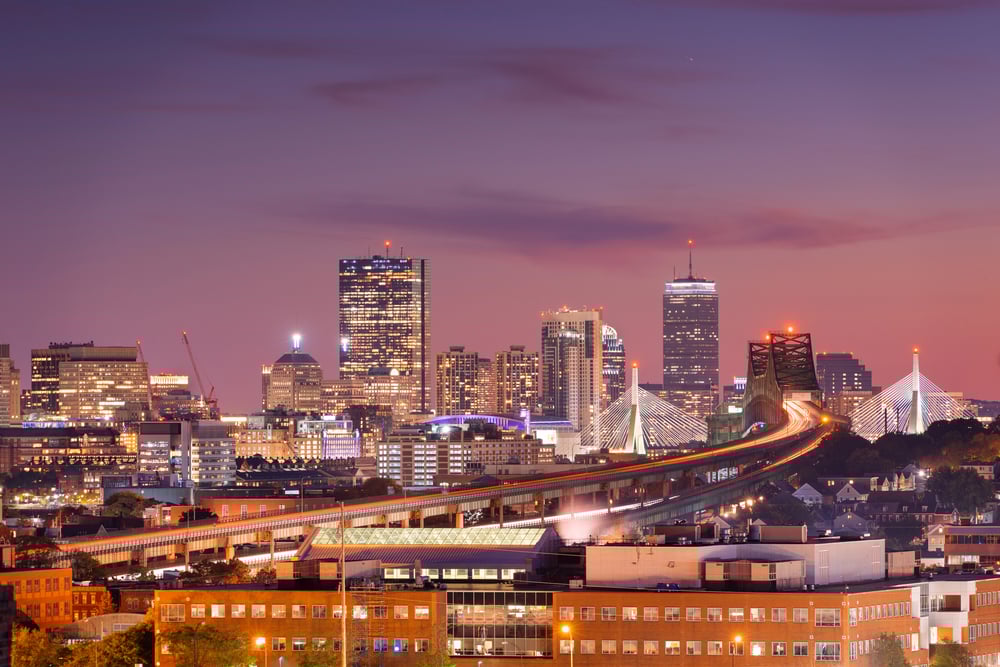
The Interstate Highway System transformed American transportation but devastated countless communities in the process. Government planners routinely bulldozed through minority neighborhoods — displacing hundreds of thousands of families while preserving wealthier areas. Cities like Detroit, Boston, and New York saw massive protests as residents fought to save their homes and businesses from the wrecking crews. The highway construction sparked decades of activism and legal battles that continue influencing urban planning decisions today.
Tennessee Valley Authority
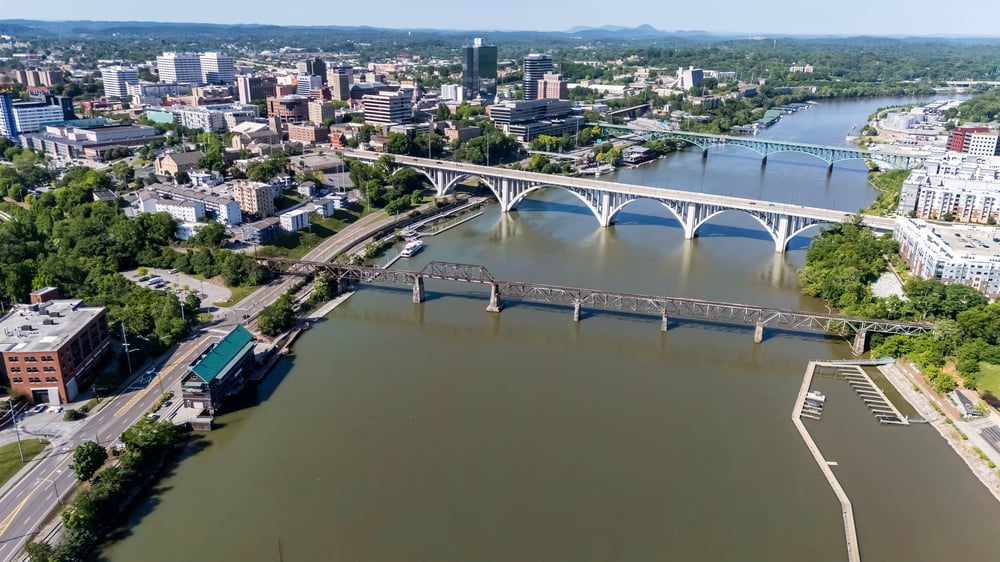
The Tennessee Valley Authority brought electricity and flood control to the rural South, yet it came at a tremendous cost to local communities. The government seized private land through eminent domain — forcing thousands of families from their ancestral homes to make way for dams and reservoirs. Entire towns vanished underwater, while displaced residents received minimal compensation for their losses. The project generated fierce opposition from property owners and anti-government groups who viewed it as federal overreach.
Manhattan Project

The Manhattan Project’s secret facilities disrupted communities across the country while residents remained unaware of the dangers they faced. Workers and nearby residents at sites like Hanford, Washington, and Oak Ridge, Tennessee, were exposed to radiation without their knowledge or consent. When the truth emerged after the war — affected communities organized protests and filed lawsuits demanding compensation for health damages. The project’s secrecy and environmental contamination created lasting distrust between local populations and federal authorities.
Urban Renewal Programs

Urban renewal programs of the 1950s and 1960s promised to revitalize American cities but instead destroyed vibrant neighborhoods. Government officials labeled diverse communities as ‘blighted’ and razed them to build highways, shopping centers, and housing projects. The programs disproportionately targeted minority neighborhoods — earning the nickname ‘Negro removal’ from civil rights activists. Displaced residents organized protests, sit-ins, and legal challenges that helped reshape federal housing policy and community development approaches.
Alaska Pipeline
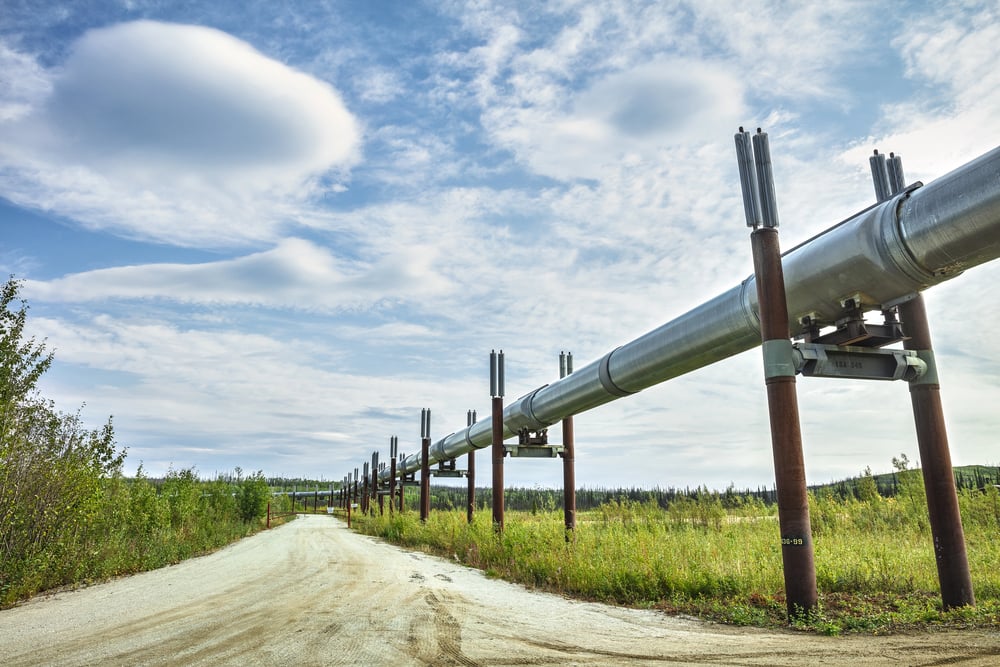
The Trans-Alaska Pipeline sparked intense conflicts between environmental groups, Native American tribes, and oil companies. Construction threatened pristine wilderness areas and disrupted traditional hunting grounds that Indigenous communities had used for centuries. Protesters organized massive demonstrations — filed numerous lawsuits, and sometimes sabotaged construction equipment to halt the project. The pipeline controversy became a defining moment for the environmental movement and Indigenous rights activism in America.
Vietnam War Draft
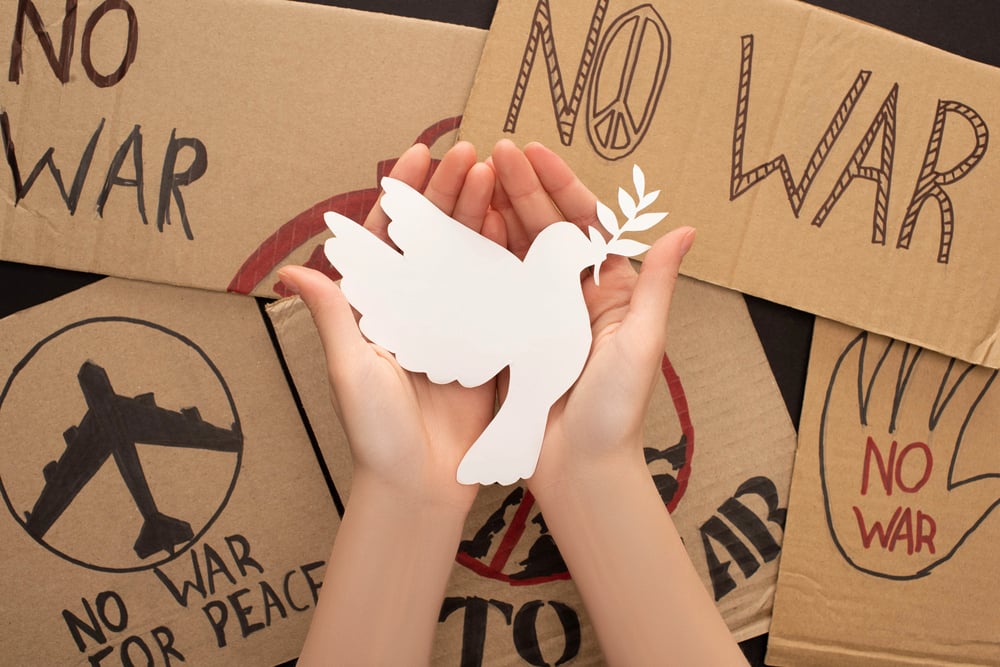
The Vietnam War draft system created widespread civil unrest as young Americans resisted military service in an increasingly unpopular conflict. Draft card burnings, protests at induction centers, and violent clashes with police became common occurrences across college campuses and urban areas. The lottery system seemed arbitrary to many families — while deferments appeared to favor wealthy students who could afford college. Anti-war demonstrations grew larger and more confrontational as the conflict dragged on, ultimately helping end both the war and the draft system.
Japanese American Internment
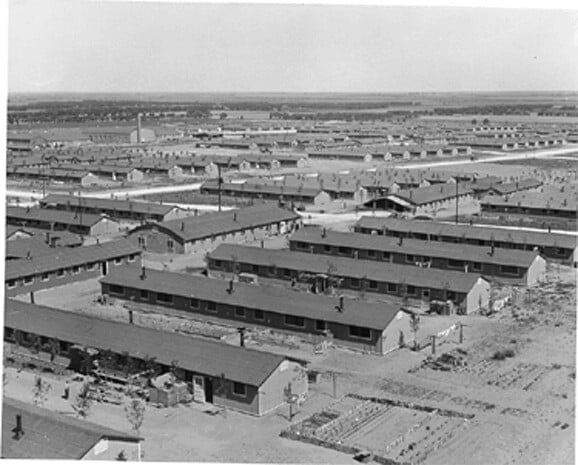
The forced relocation of Japanese Americans during World War II represented one of the most shameful violations of civil rights in American history. Entire families were given just days to sell their belongings and report to assembly centers before being shipped to remote detention camps. While most complied with the orders — some individuals and families resisted, leading to arrests and legal battles that reached the Supreme Court. The internment sparked decades of activism and eventually resulted in formal apologies and reparations from the federal government.
St. Lawrence Seaway
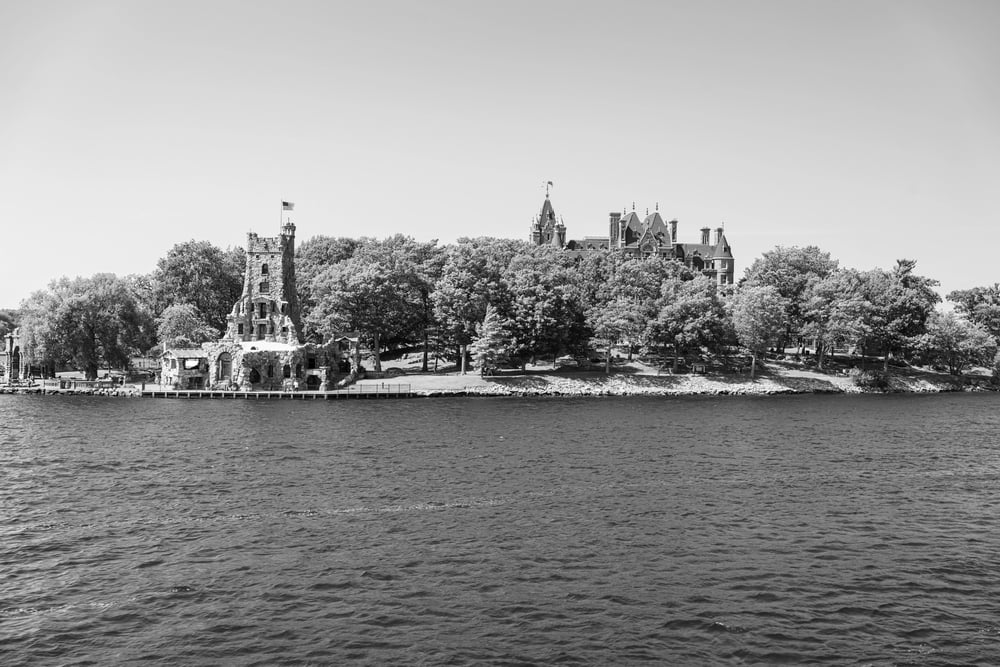
The St. Lawrence Seaway project flooded thousands of acres of farmland and forced numerous communities to relocate for the sake of international shipping. Residents along the St. Lawrence River watched their homes, businesses, and historical sites disappear beneath the rising waters. Many affected families felt the compensation offered was inadequate for their losses — leading to protests and legal action against both American and Canadian governments. The project created lasting resentment in affected communities who felt sacrificed for broader economic interests.
Federal Housing Projects

Large-scale public housing projects like Pruitt-Igoe in St. Louis and Cabrini-Green in Chicago promised better living conditions but often created new problems. These massive developments concentrated poverty and isolated residents from economic opportunities and social services. Communities organized tenant unions, rent strikes, and protests demanding better maintenance — security, and living conditions. The failure of many housing projects led to their eventual demolition and a fundamental rethinking of federal housing policy.
Atomic Testing Program

The government’s atmospheric nuclear testing program exposed countless Americans to radiation while officials downplayed the health risks. Residents of Nevada, Utah, and other western states watched atomic explosions light up the sky without understanding the long-term consequences. When cancer rates spiked in affected areas — communities organized to demand compensation and medical care from the federal government. The testing program created lasting health problems and environmental contamination that continue affecting these communities today.
National Forest Service Land Acquisition
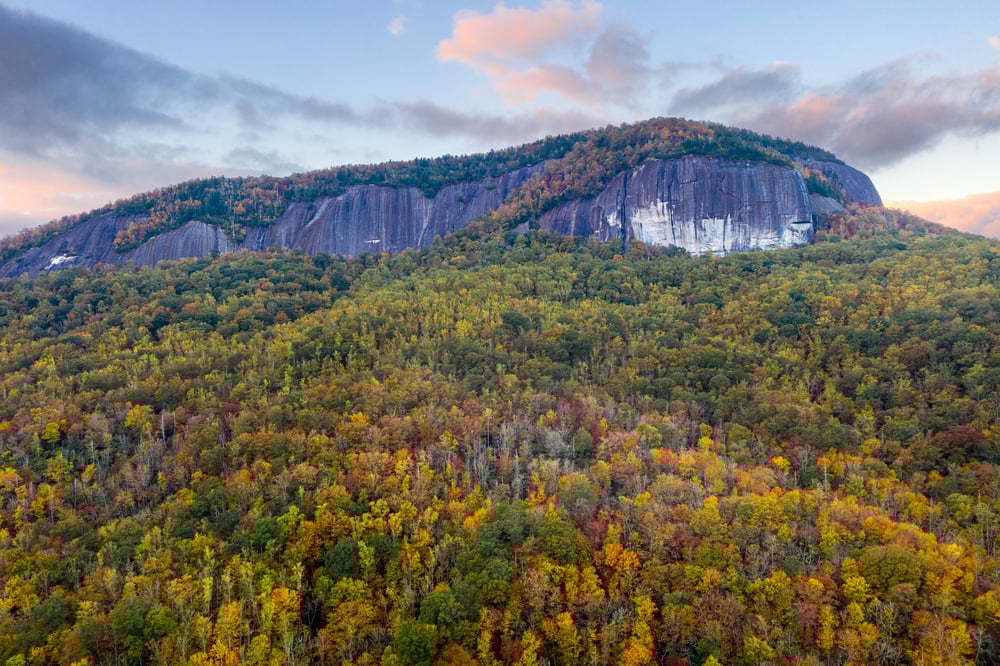
The expansion of national forests often meant seizing private land from rural communities who’d lived there for generations. Mountain families in Appalachia and the West found themselves evicted from their ancestral homes to create recreation areas for urban visitors. Many residents resisted through armed standoffs, legal challenges, and political organizing that sometimes turned violent. The conflicts highlighted tensions between conservation goals and property rights that continue influencing federal land management policies.
Bracero Program
The Bracero Program brought millions of Mexican workers to American farms while creating labor disputes and community tensions. American workers complained that the program depressed wages and took jobs from citizens, leading to strikes and protests at farms employing braceros. Mexican workers faced discrimination, poor working conditions, and inadequate pay, prompting their own organizing efforts and work stoppages. The program’s end in 1964 followed years of activism from both American and Mexican labor groups.
Federal Dam Projects
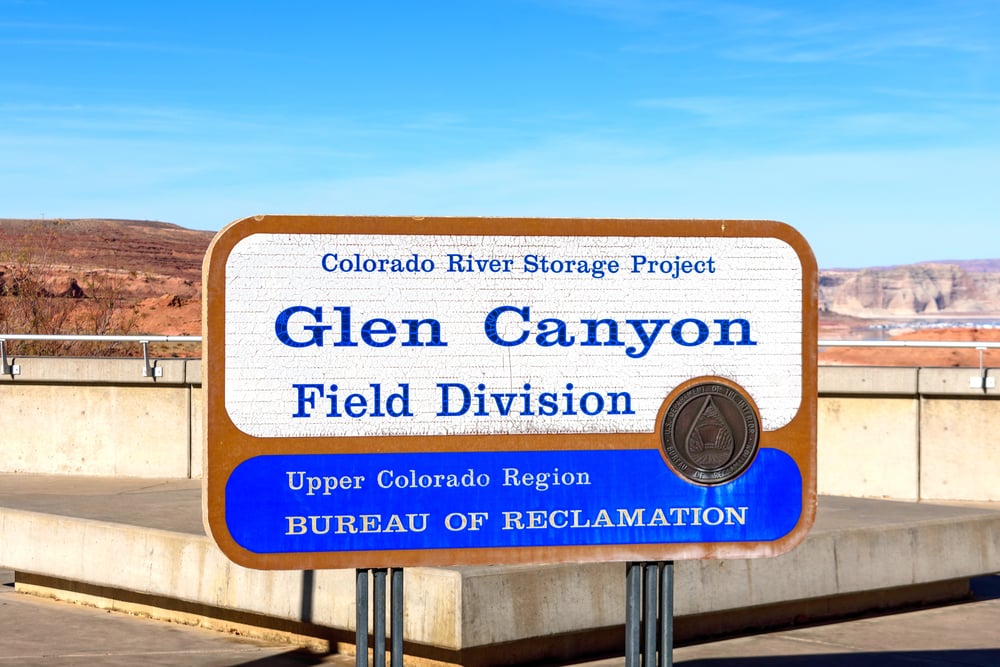
— Photo by MichaelVi
Major dam construction projects like Glen Canyon and Tellico displaced communities and destroyed significant cultural and environmental sites. Local residents, environmental groups, and Native American tribes organized massive resistance campaigns to stop these projects. The conflicts often involved civil disobedience, legal battles, and sometimes violent confrontations between protesters and construction crews. These dam fights helped launch the modern environmental movement and established new standards for federal project review and public participation.
School Desegregation
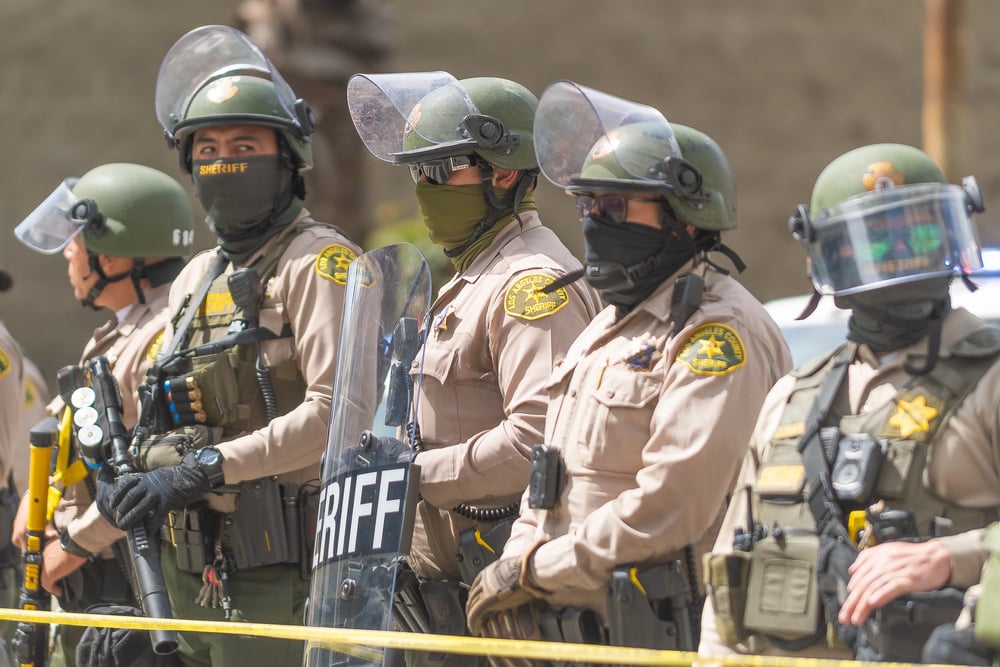
— Photo by bettorodrigues
Federal efforts to integrate public schools sparked some of the most intense civil unrest in American history. White communities in the South and North organized massive resistance campaigns, including riots, boycotts, and political opposition to court-ordered busing. The integration process required federal troops and marshals to protect students and maintain order in many cities. While desegregation eventually succeeded, the conflicts revealed deep racial divisions and created lasting political tensions that continue influencing education policy today.
Project 100,000

Project 100,000 lowered military standards to recruit men who’d previously been rejected for service, disproportionately affecting poor and minority communities. The program promised education and job training but often sent these soldiers directly to combat in Vietnam without adequate preparation. Families and civil rights groups protested what they saw as a discriminatory policy that used disadvantaged youth as cannon fodder. The project’s failure contributed to growing anti-war sentiment and highlighted inequalities in the military draft system.
When Progress Meets Resistance

These projects reveal a consistent pattern in American history: well-intentioned government initiatives that failed to consider their impact on affected communities. The civil unrest they generated wasn’t just about opposing progress but about demanding a voice in decisions that fundamentally changed people’s lives. Many of these conflicts led to important reforms in how the federal government approaches large-scale projects, including requirements for environmental impact studies, community input, and fair compensation. The lessons learned from these controversies continue shaping public policy debates about the balance between national interests and local concerns.
More from Go2Tutors!

- 16 Historical Figures Who Were Nothing Like You Think
- 12 Things Sold in the 80s That Are Now Illegal
- 15 VHS Tapes That Could Be Worth Thousands
- 17 Historical “What Ifs” That Would Have Changed Everything
- 18 TV Shows That Vanished Without a Finale
Like Go2Tutors’s content? Follow us on MSN.