16 Towns That Changed Their Names for Reasons You’d Never Expect
Throughout history, towns and cities have occasionally taken the bold step of reinventing themselves through name changes. While some rebrandings happen for obvious reasons like honoring leaders or simplifying pronunciation, others stem from situations so bizarre they seem almost unbelievable.
Here is a list of 16 towns that changed their names for reasons that might leave you scratching your head in disbelief.
Hot Springs
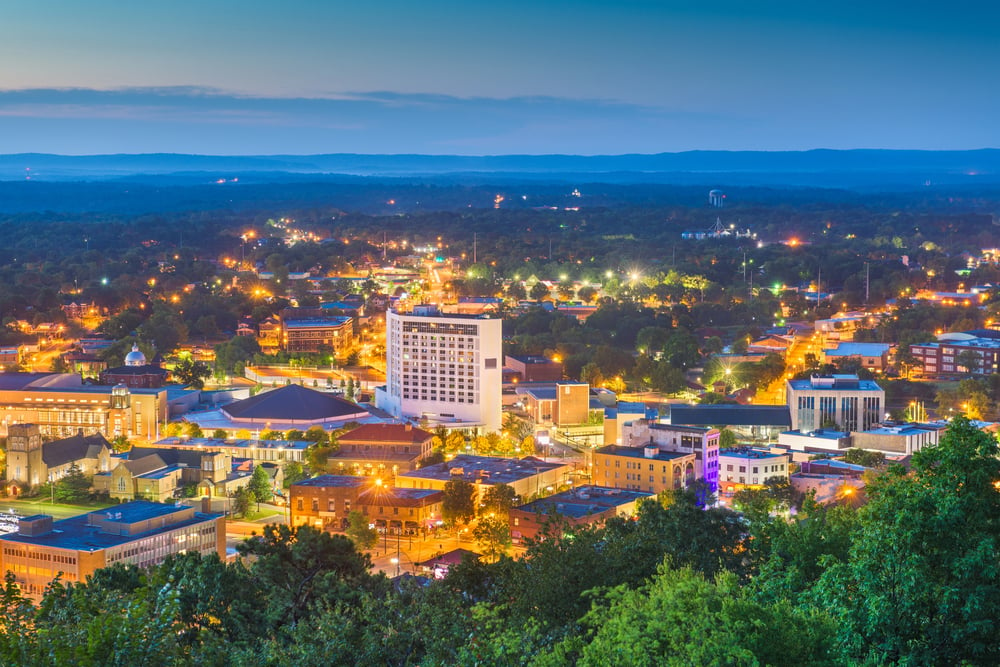
This Arkansas city wasn’t always the spa destination we know today. Originally named Hot Springs Reservation when it was established as a federal reserve in 1832, the town officially changed its name to Hot Springs in 1851.
The reason? To capitalize on the natural thermal springs that were drawing visitors from across the country for their supposed healing properties. This early example of location-based marketing helped transform a small settlement into America’s first resort destination.
Truth or Consequences
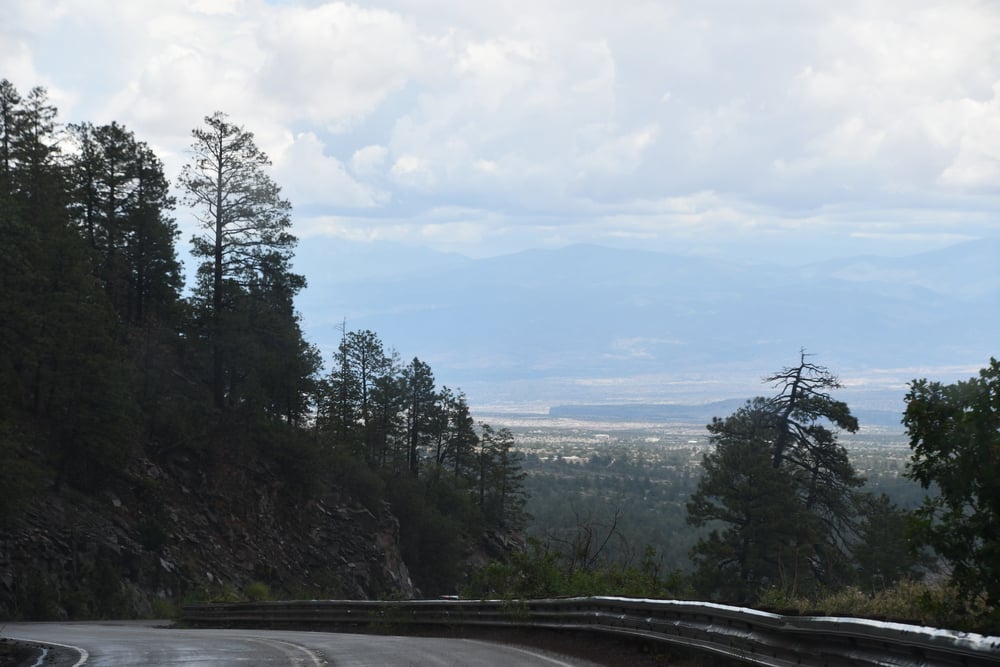
Perhaps the most famous example of an unusual name change is this New Mexico town formerly known as Hot Springs, which took a dramatic turn in 1950. The name switch happened when Ralph Edwards, host of the popular NBC radio program Truth or Consequences, announced he would air the show’s 10th-anniversary episode from the first town willing to rename itself after the show.
Hot Springs officials saw a publicity opportunity and jumped at the chance, making their town the winner of what might be history’s most successful marketing stunt.
Like Go2Tutors’s content? Follow us on MSN.
Jim Thorpe
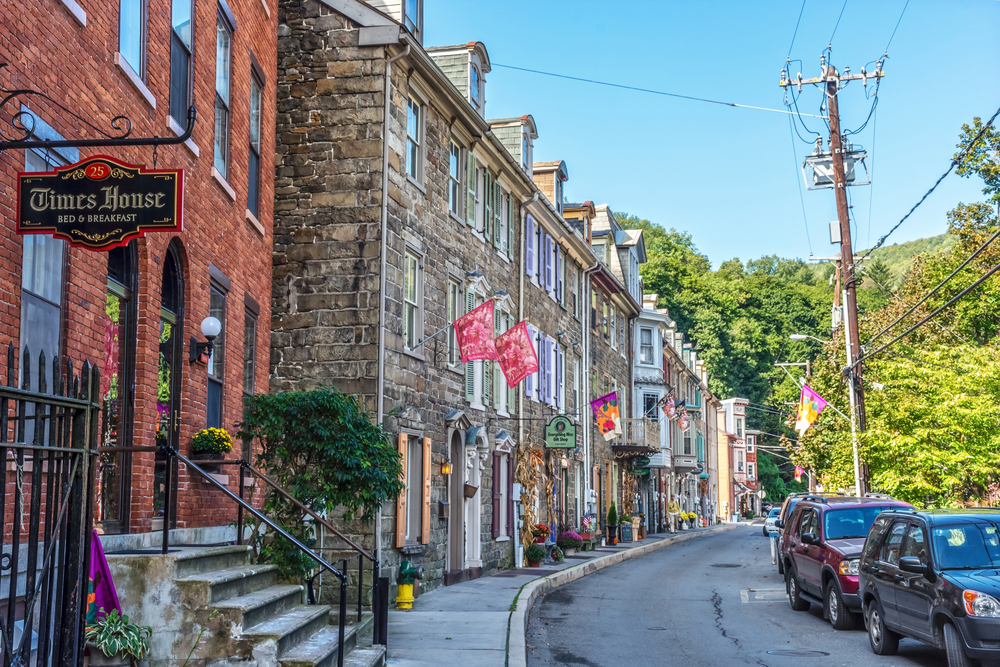
The Pennsylvania borough originally known as Mauch Chunk made a name change that was essentially a business transaction. When legendary Olympic athlete Jim Thorpe died in 1953, his widow was looking for a town willing to build a memorial for her husband after his home state of Oklahoma refused.
Mauch Chunk and neighboring East Mauch Chunk, struggling economically after coal mining declined, offered to consolidate, rename themselves Jim Thorpe, and build the memorial in exchange for the athlete’s remains. The unusual arrangement went through, though the town had virtually no connection to Thorpe during his lifetime.
Halfway
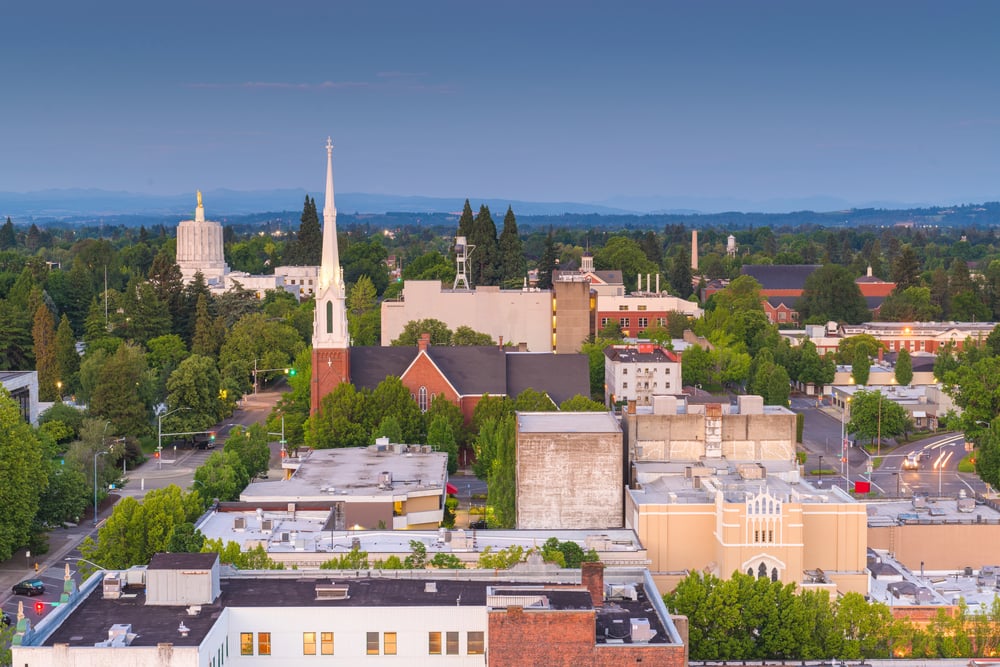
This Oregon town embraced the digital revolution with its temporary name change to ‘Half.com’ in 1999. The struggling community accepted $100,000 and computers for the school from the e-commerce company in exchange for changing its name for one year.
As the first town in America to rename itself after a website, Halfway generated significant publicity for both the company and the small rural community of just 350 residents. Though the official name reverted after the contract ended, some local signs maintained the Half.com reference for years afterward.
Ismay
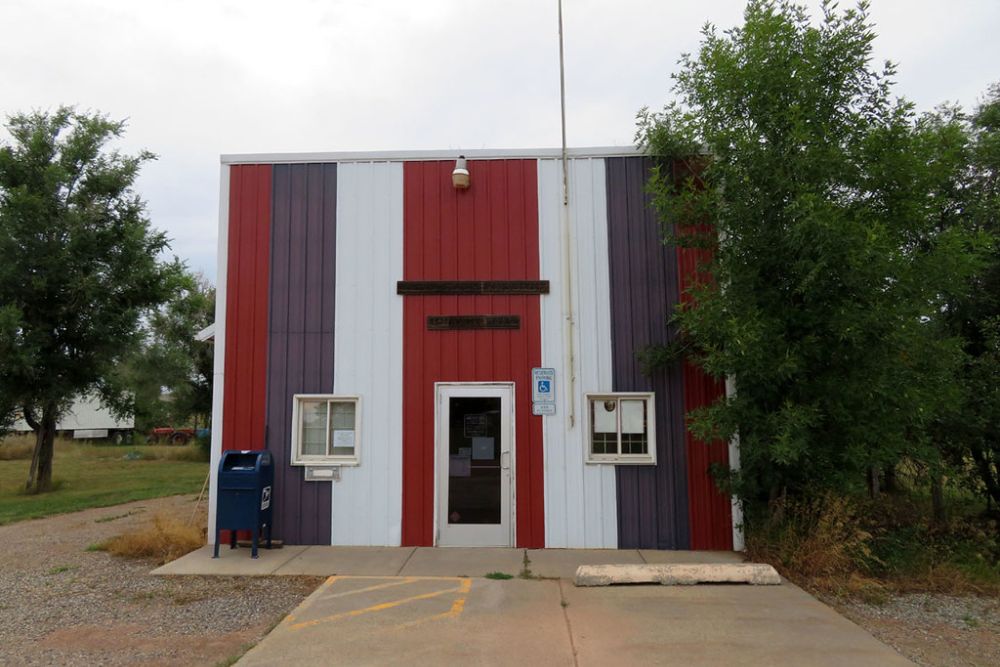
When the Dallas Cowboys released longtime quarterback Troy Aikman in 2001, tiny Ismay, Montana (population 19) saw an unexpected opportunity. Residents temporarily renamed their town ‘Joe, Montana’ in honor of the legendary San Francisco 49ers quarterback Joe Montana.
The publicity stunt caught national attention and even resulted in the town receiving sports memorabilia and donations that helped fund their volunteer fire department. Sometimes, a clever pun is all it takes to put your town on the map.
Like Go2Tutors’s content? Follow us on MSN.
Derry
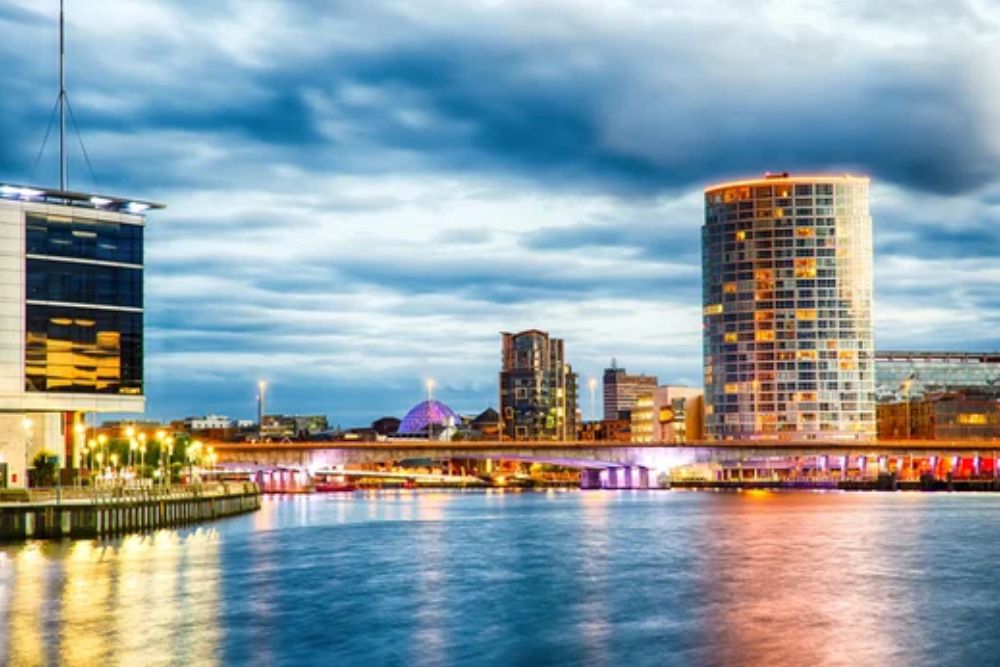
This Northern Ireland city has a name that reflects centuries of cultural and political tension. Originally called Derry (from the Irish ‘Doire’ meaning oak grove), the city’s name was officially changed to Londonderry in 1613 when King James I granted it a royal charter.
The prefix ‘London’ acknowledged the financial support from London guilds in building the city’s walls. The name remains politically charged, with nationalists preferring Derry and unionists using Londonderry, leading to the compromise nickname “Stroke City” (from Derry/Londonderry).
Richland
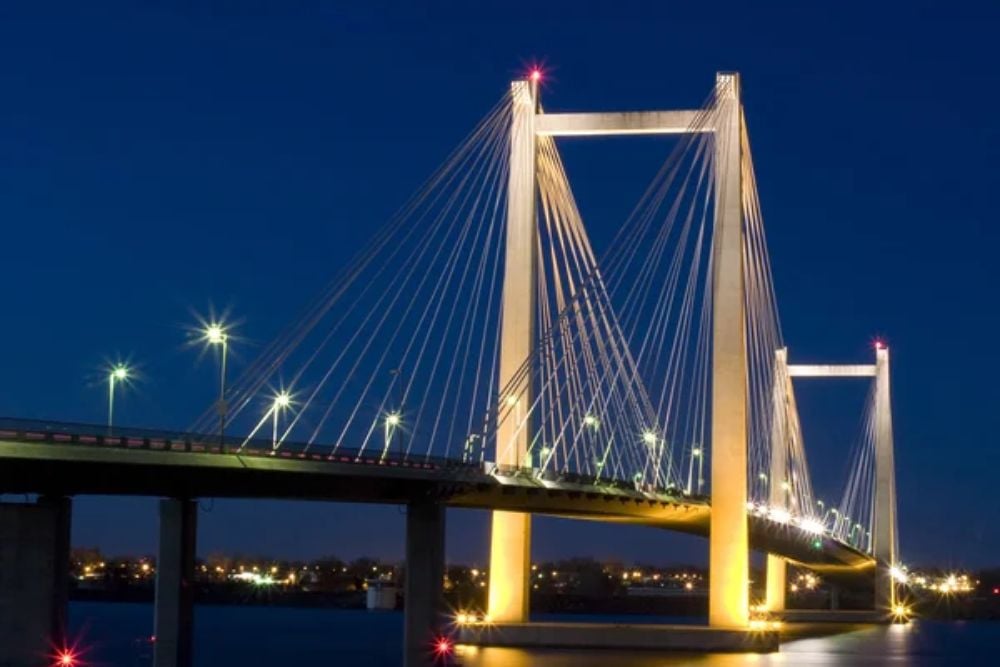
The small Washington town of Richland made a temporary name change that was truly out of this world. In 1986, the town officially renamed itself ‘Plutonium’ for one day to celebrate its historical connection to the Manhattan Project and the Hanford nuclear site where plutonium was produced for the first atomic bombs.
The unusual tribute to its nuclear heritage reflected the community’s complex relationship with an industry that both built the town and left an environmental legacy that continues to impact the region today.
Sleepy Hollow
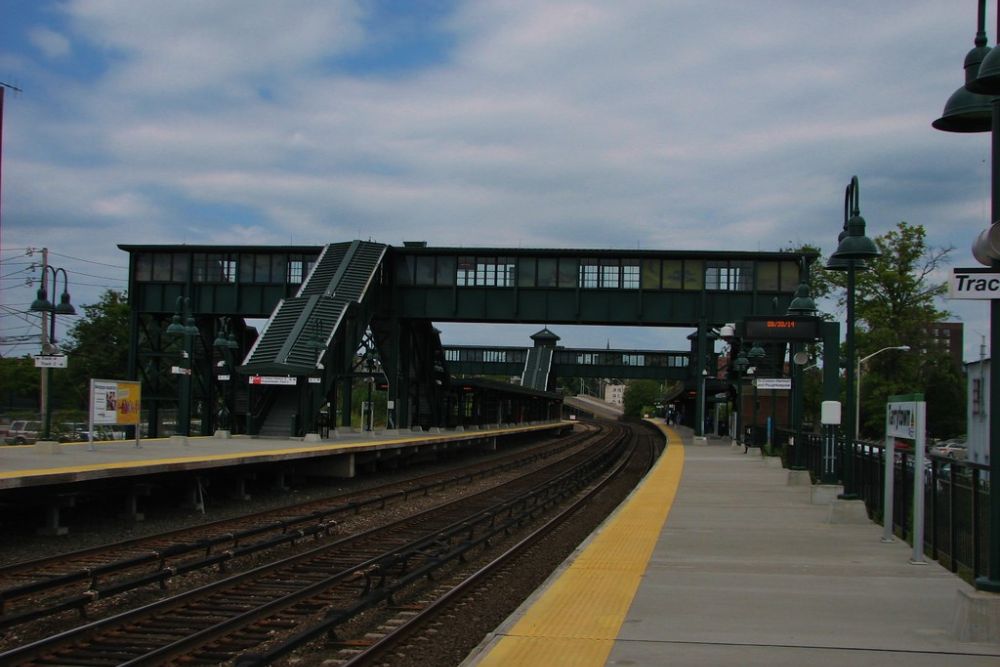
This New York village wasn’t always named after Washington Irving’s famous ghost story. Formerly North Tarrytown, the village officially changed its name to Sleepy Hollow in 1996 following the closure of the General Motors plant that had been the town’s economic backbone.
The name change was a deliberate tourism strategy to capitalize on its literary connection to Irving’s ‘The Legend of Sleepy Hollow.’ The rebrand worked remarkably well, transforming the community into a popular destination, especially around Halloween.
Like Go2Tutors’s content? Follow us on MSN.
Topeka
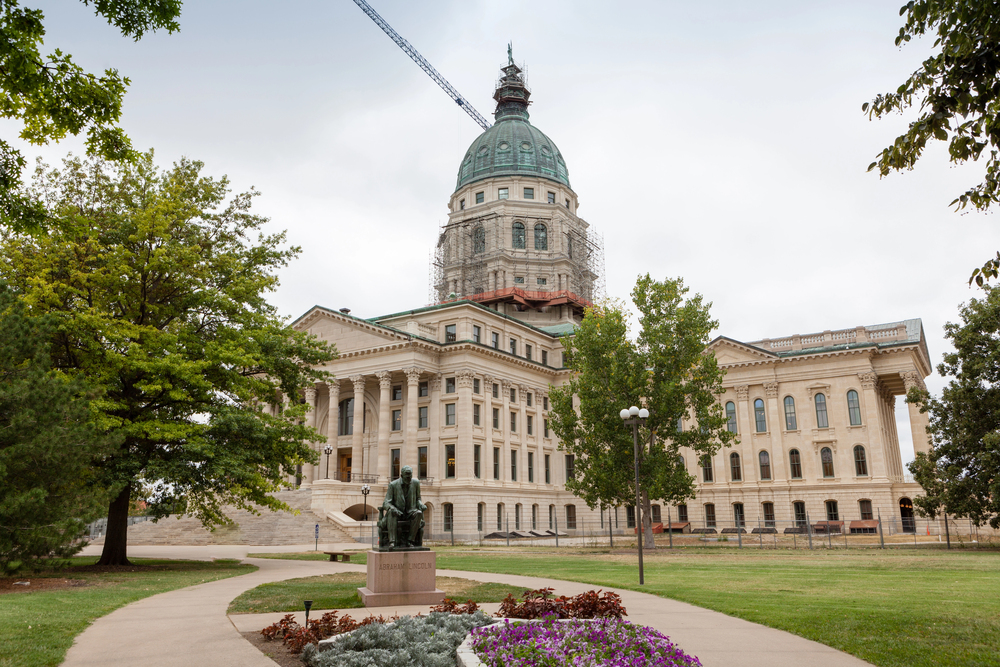
In a temporary name change that garnered national attention, Topeka, Kansas officially renamed itself ‘Google, Kansas’ for the month of March 2010. The unusual move was part of the city’s campaign to be selected for Google’s Fiber high-speed internet project.
While the stunt didn’t win Topeka the coveted Google Fiber installation (Kansas City was selected instead), Google responded by temporarily changing its name to ‘Topeka’ on April Fool’s Day 2010, showing the tech giant’s appreciation for the city’s enthusiasm.
Barrow
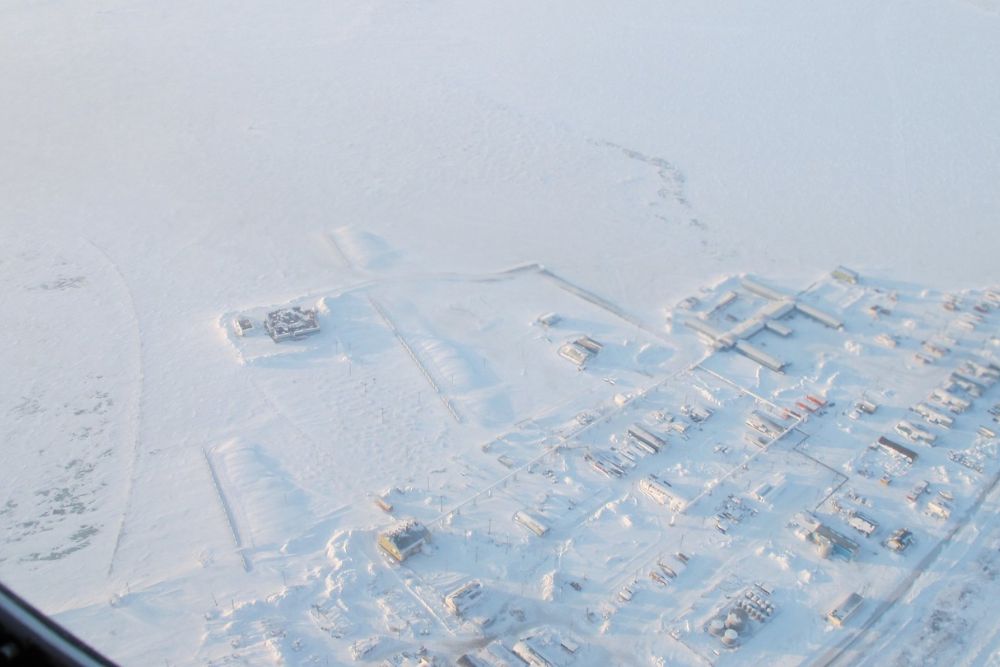
After a 2016 referendum, this northernmost Alaskan city reverted from its colonial name of Barrow back to its traditional Iñupiat name, Utqiagvik (pronounced oot-kay-ahg-vik). The name change reflected a growing movement among indigenous communities to reclaim their heritage and language.
The word Utqiagvik means ‘place where snowy owls are hunted,’ connecting modern residents to their cultural practices that have sustained life in one of the world’s harshest environments for more than 1,500 years.
Idiotville
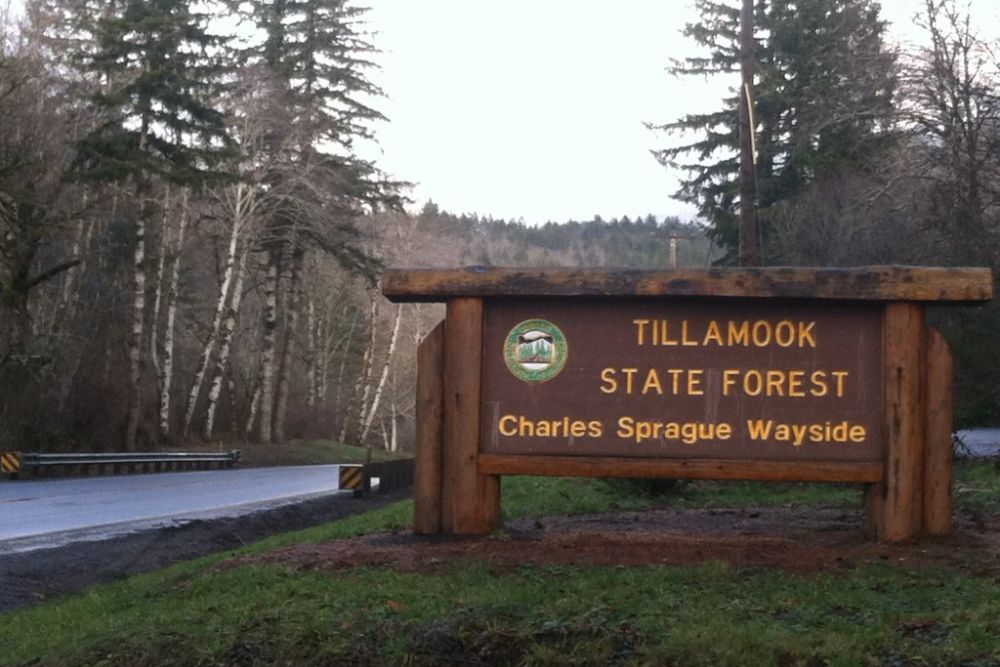
This former logging community in Oregon’s Tillamook State Forest wasn’t trying to insult its residents with its unusual name. Originally called Ryan’s Camp, it earned the nickname ‘Idiotville’ because of its remote location – workers joked that only an idiot would travel so far into the wilderness.
When the camp was abandoned after logging operations ceased, the nickname stuck and became its unofficial designation on maps. Though the settlement no longer exists, Idiot Creek still flows through the area, preserving this peculiar piece of Oregon history.
Like Go2Tutors’s content? Follow us on MSN.
Pile-of-Bones
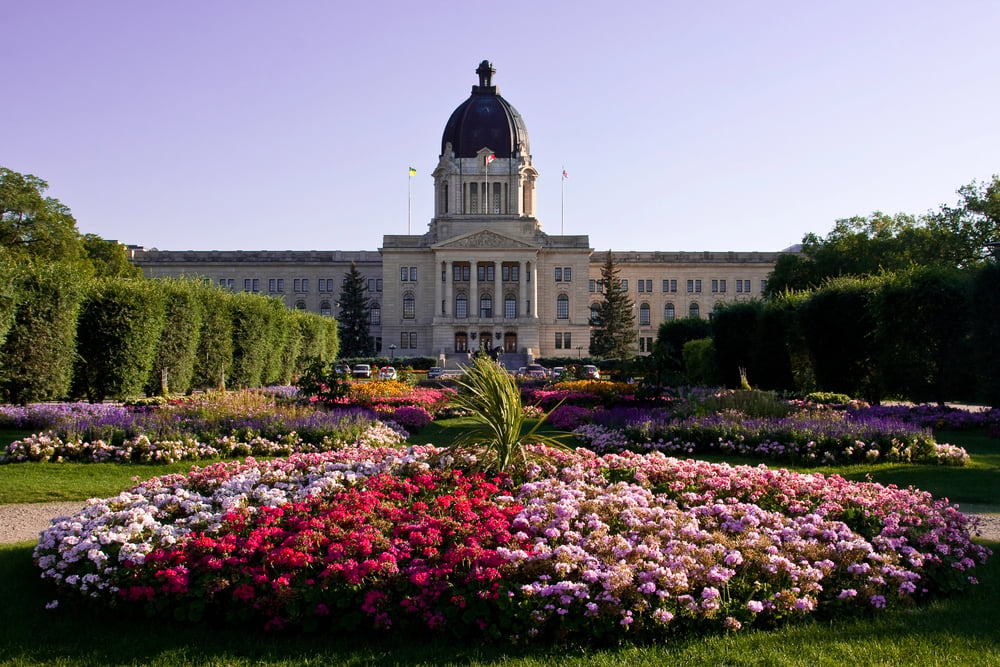
The capital city of Saskatchewan, Canada wasn’t always known by its regal name Regina. Originally called ‘Pile-of-Bones’ or ‘Oskana Ka-asasteki’ in Cree, the area was named for the large buffalo bone piles left by indigenous hunters.
When the Canadian Pacific Railway arrived in 1882, officials deemed the name unsuitable for a growing settlement and renamed it Regina (Latin for ‘queen’) to honor Queen Victoria. The abrupt name change represents a common colonial practice of erasing indigenous place names, though the original name remains an important part of local history.
Istanbul
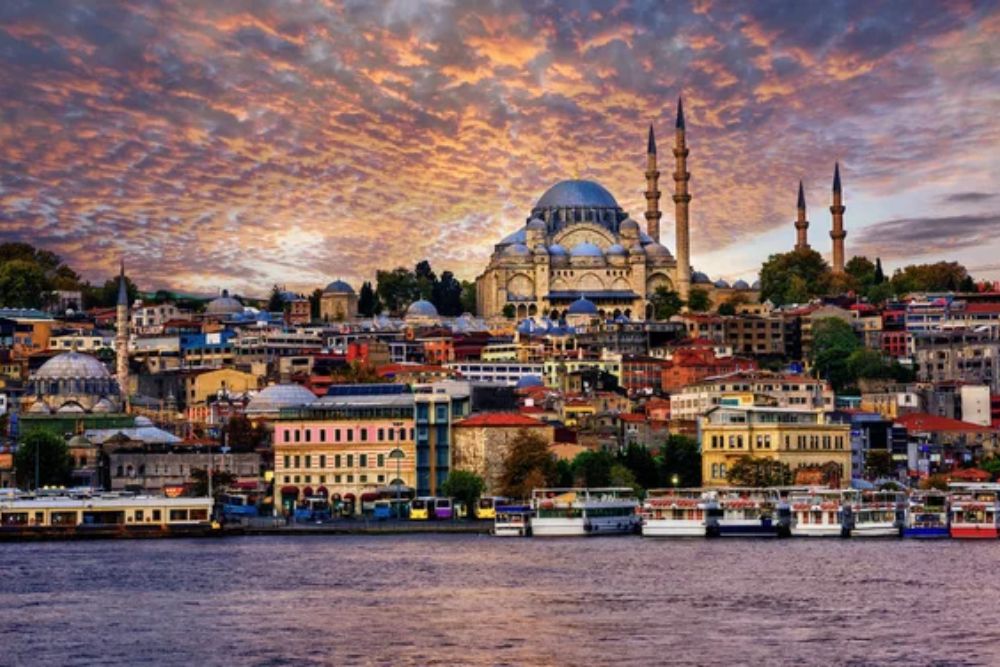
One of history’s most famous city renamings, Constantinople officially became Istanbul in 1930 following the Turkish postal service’s refusal to deliver mail addressed to the old Byzantine name. Though locals had used the name Istanbul (derived from the Greek phrase ‘to the city’) for centuries, Turkey’s government under Mustafa Kemal Atatürk formalized the change as part of broader modernization reforms after the Ottoman Empire’s fall.
The name change symbolized Turkey’s transition from imperial past to modern nation-state.
Gurdon
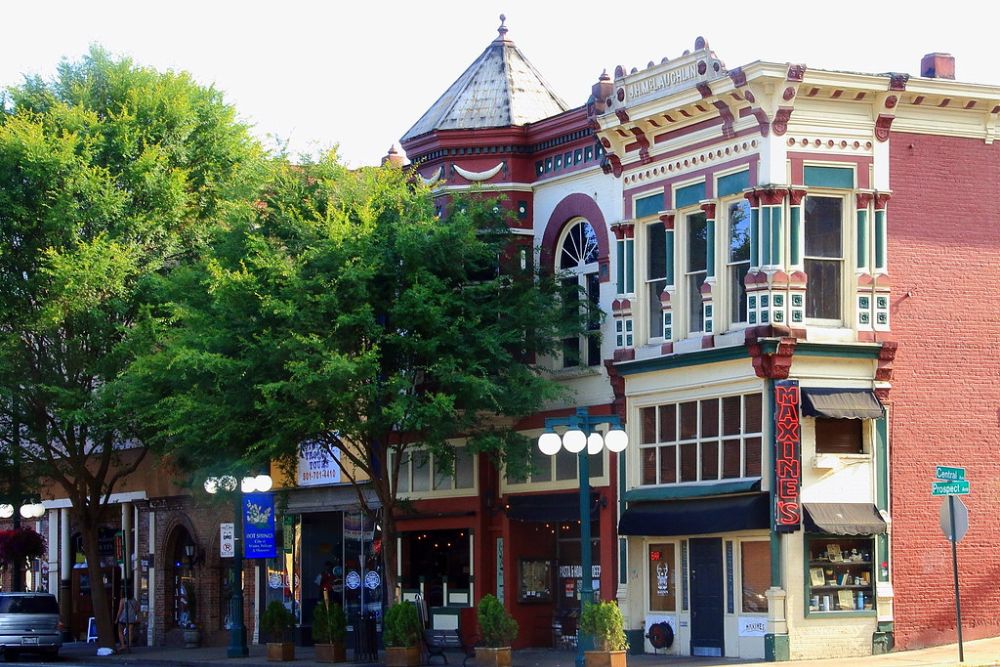
This small Arkansas town temporarily renamed itself ‘Hoo-Ville’ during December 1992 to protest a referee’s controversial call during a high school football championship game. The unusual name change came after referee Don Hoodenpyle made a call that locals believed cost Gurdon the state championship. Residents were so outraged that they changed welcome signs and issued ‘Hoo-Ville’ postal stamps for Christmas cards.
The passionate response demonstrates how deeply intertwined sports and community identity can become in small-town America.
Like Go2Tutors’s content? Follow us on MSN.
Clark
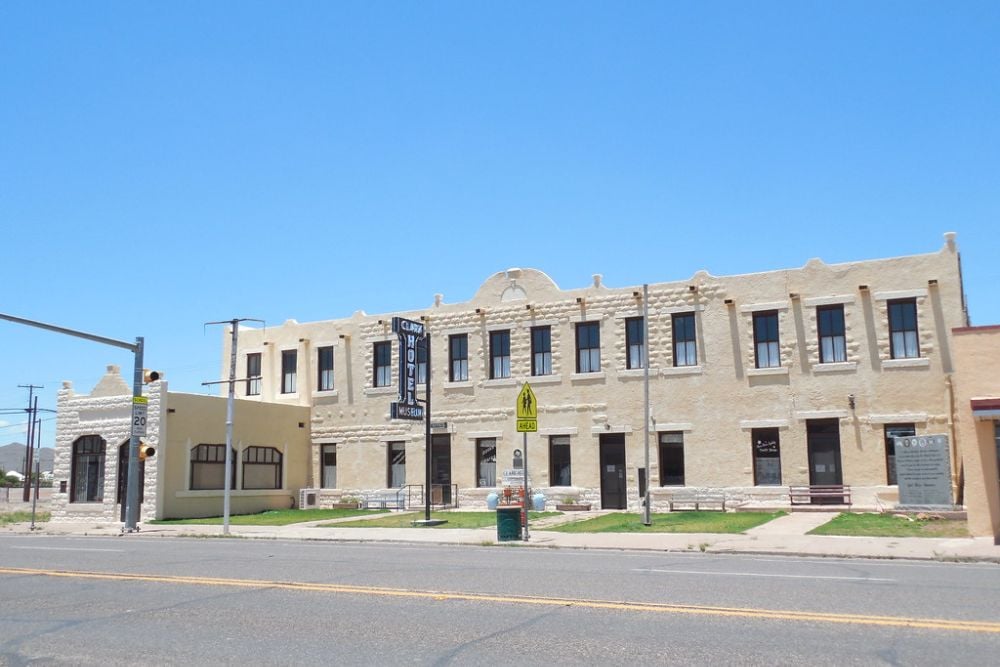
In 2005, the tiny town of Clark, Texas (population 125) accepted $500,000 to rename itself ‘DISH’ after the satellite television company. Every household received free basic television service for ten years and a free DVR as part of the deal.
The corporate rebranding represents perhaps the most straightforward cash-for-name exchange in American history, showing how even something as foundational as a town’s identity can be monetized in the modern era. The town remains DISH today, though most residents admit the novelty has worn off.
Port Townsend
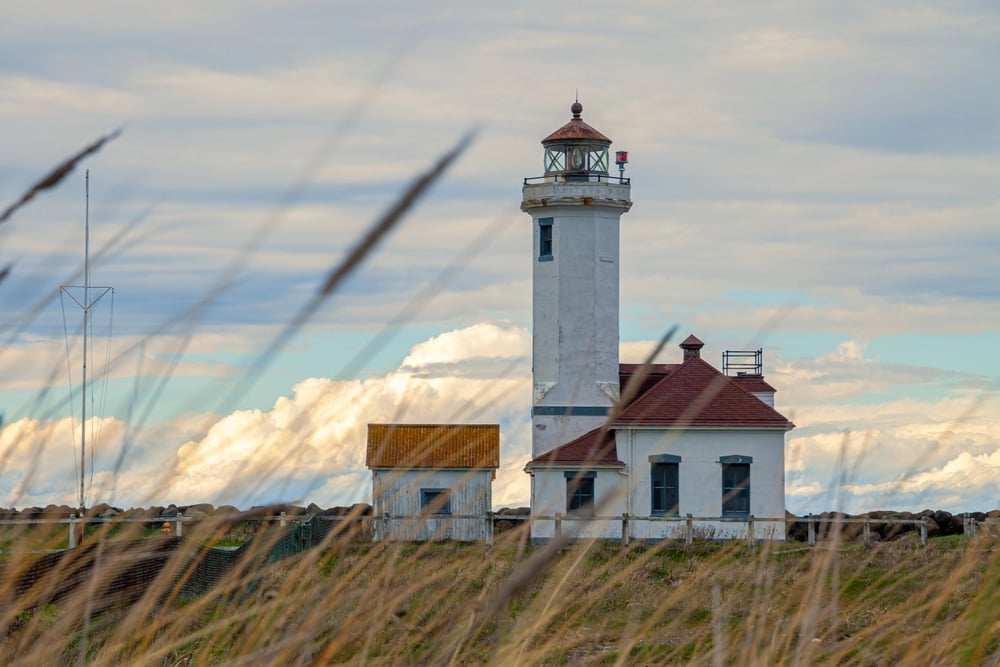
This picturesque Washington seaport wasn’t named for any local geographic feature or resident. Originally established as ‘Port Townshend’ in 1851, the town later dropped the ‘h’ in its name because of a simple clerical error.
When town officials sent their incorporation paperwork to Washington D.C., someone in the federal government misspelled the name as ‘Port Townsend.’ Rather than correct the mistake through complicated paperwork, town officials simply accepted the new spelling, demonstrating that sometimes bureaucratic convenience trumps historical accuracy.
Swastika
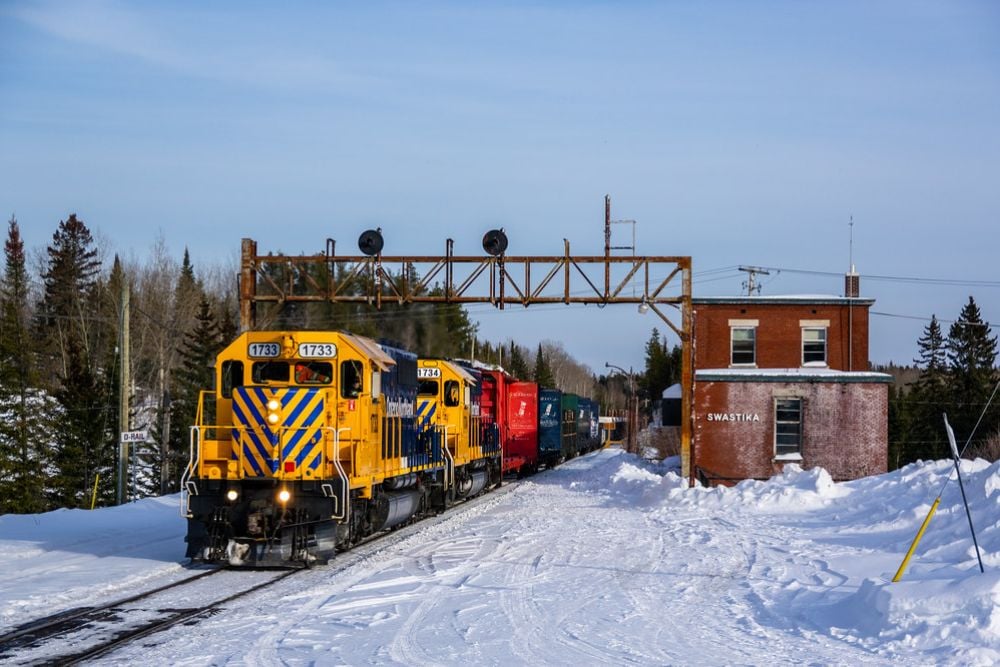
This small mining town in Ontario, Canada stubbornly refused to change its name despite immense pressure during World War II. Founded in 1908 and named after the ancient Sanskrit symbol for good luck long before Nazi Germany adopted it, Swastika residents voted against renaming their town despite the symbol’s new horrific associations.
When the provincial government briefly changed the name to ‘Winston’ in honor of Winston Churchill, outraged residents tore down the new signs and replaced them with ones reading ‘Swastika – To hell with Hitler, we had it first.’ The town’s name remains unchanged today, a testament to its historical defiance.
Like Go2Tutors’s content? Follow us on MSN.
Names as Living History
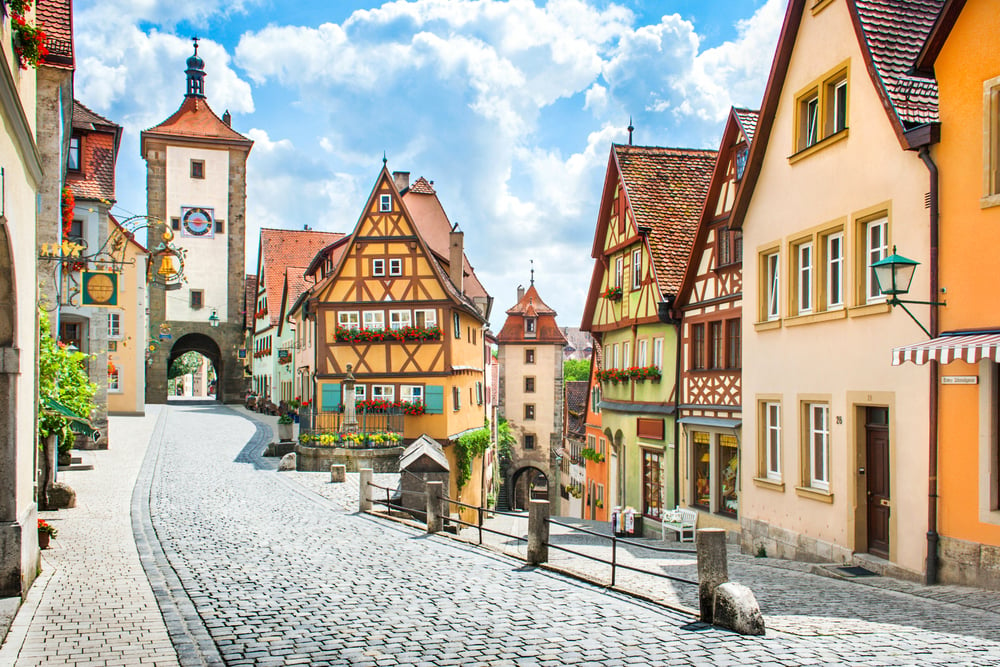
From publicity stunts and corporate sponsorships to political statements and simple errors, these town name changes reveal how places evolve alongside the communities that inhabit them. Each renamed location carries a unique story that reflects changing values, economic pressures, cultural shifts, and sometimes just plain quirkiness.
While some name changes were temporary marketing gimmicks, others represent profound cultural reclamation efforts that continue to shape community identity today.
More from Go2Tutors!

- 18 Unexpectedly Valuable Collectibles You Might Have Lying Around
- 15 Things Every Teenager in the ’70s Did That Teens Today Wouldn’t Understand
- 15 Strange Things People Have Tried to Ban (And Failed)
- 15 Inventions That Were Immediately Banned After Being Created
- 20 Actors Who Were Almost Cast in Iconic Roles
Like Go2Tutors’s content? Follow us on



