18 School Practices That Sound Absurd in Hindsight
Examining educational history reveals that some really unexpected behaviors were thought normal in schools all over America. Many of these techniques would astound today’s parents and teachers, but they were used with total confidence in their day.
As seen by the change of educational practices, our knowledge of efficient teaching and child development has changed over time. Here are 18 school policies that seem utterly ridiculous from today’s point of view.
Left-Hand Correction
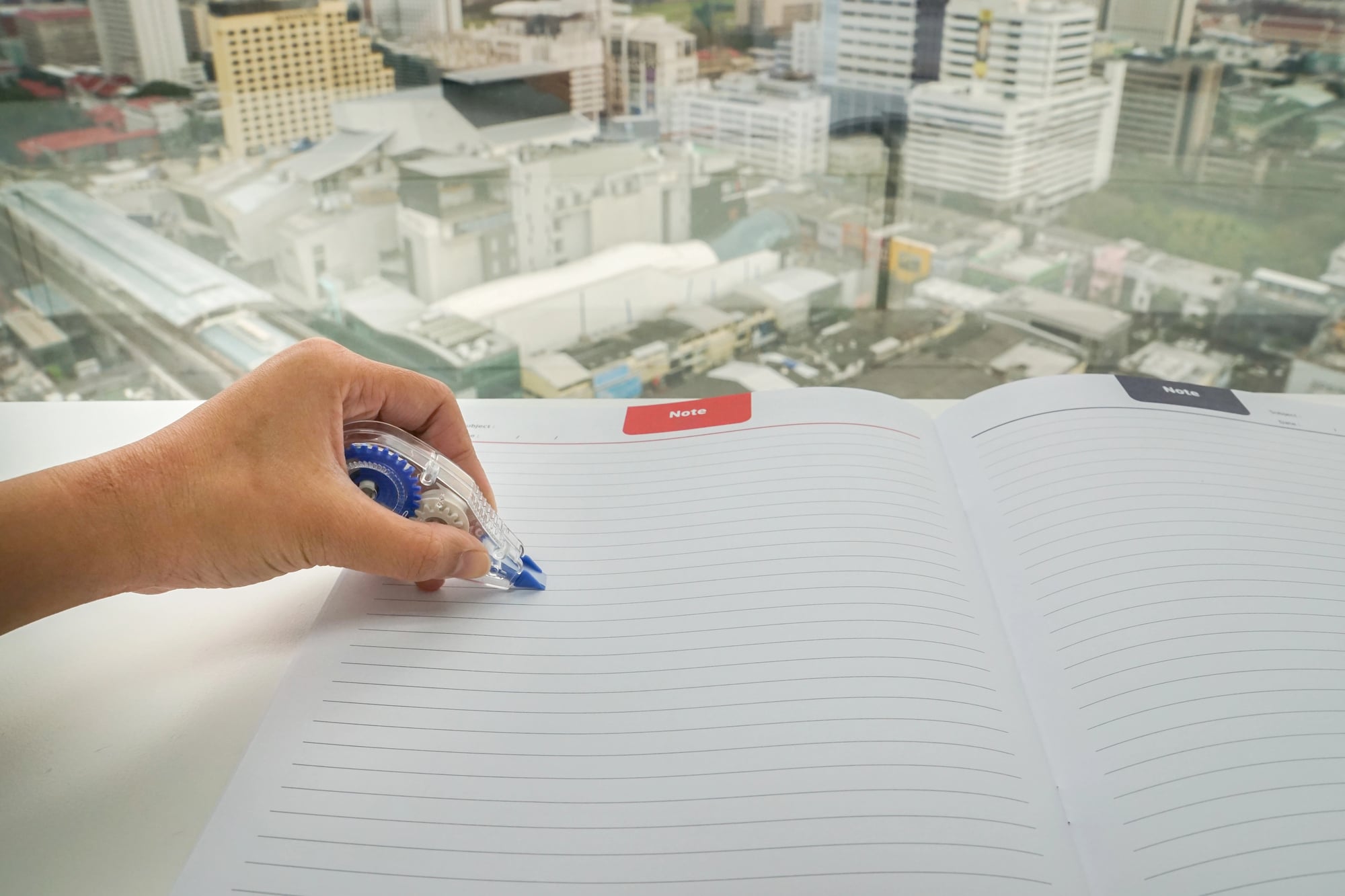
Due to students’ innate propensity to write with their left hand, teachers frequently had them use their right. When students tried to use their left hand, some teachers would physically restrain them or hit their knuckles with rulers.
Due to antiquated notions that left-handedness was abnormal or even malevolent, this practice continued into the 1970s in some areas.
Dunce Caps
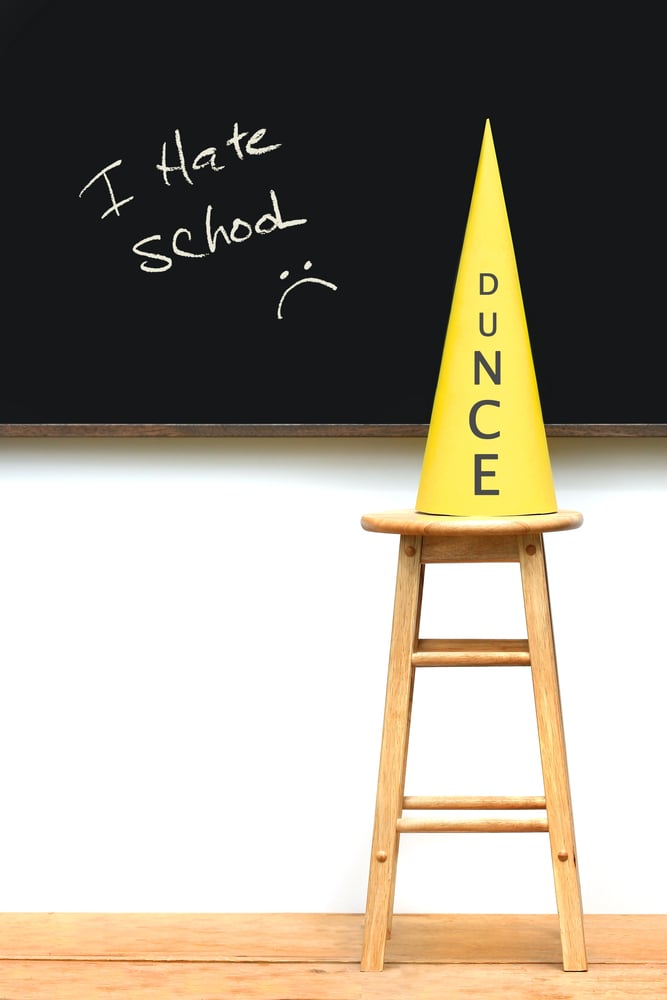
Academic difficulties led to struggling students being forced to wear pointed hats known as ‘dunce caps’ while standing in corners as punishment. Rather than providing support, this humiliation tactic aimed to motivate through shame.
Children were essentially branded as unintelligent in front of their peers, creating enduring psychological damage that typically worsened academic performance.

Until fairly recently, standard disciplinary measures in many American schools included paddling, striking with rulers, and other forms of physical discipline. Teachers and principals could legally hit students for infractions ranging from classroom talking to test failures.
Although it’s becoming increasingly uncommon as research consistently demonstrates its ineffectiveness and potential harm, some states technically still permit corporal punishment.
Public Grade Announcements
The entire class would hear all test scores as teachers read them aloud, ranking students from the highest to the lowest achievers. Struggling students faced intense pressure and embarrassment from this public display of academic performance.
Despite being considered motivational, the practice typically generated anxiety and competitive environments that undermined collaborative learning.
Writing Lines
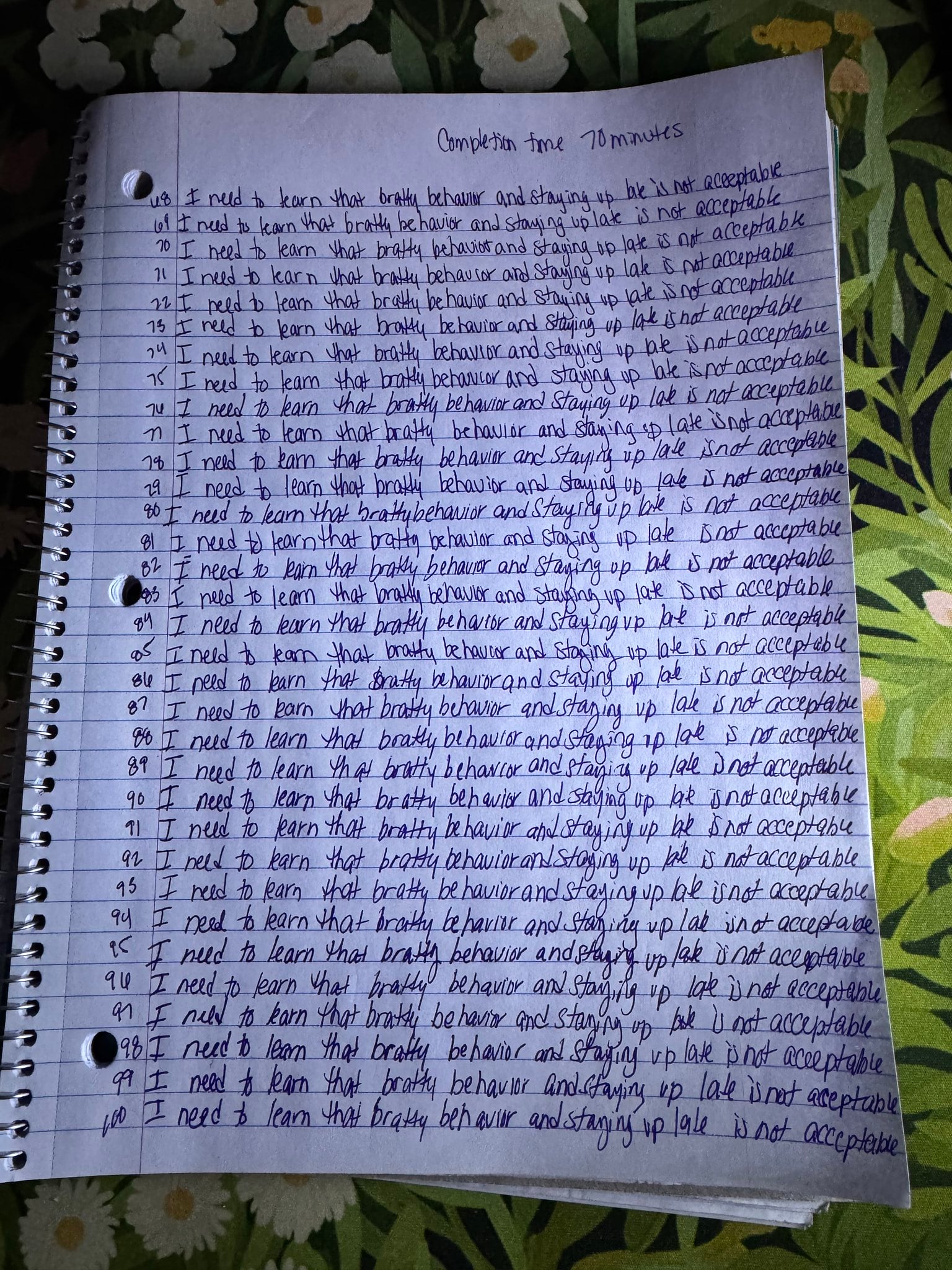
A common punishment involved students writing identical sentences hundreds of times on chalkboards or paper. This tedious task was viewed as character-building rather than recognized as a waste of valuable learning time.
Addressing behavioral issues was rarely accomplished through this practice, which instead fostered resentment toward both writing and authority figures.
Duck and Cover Drills
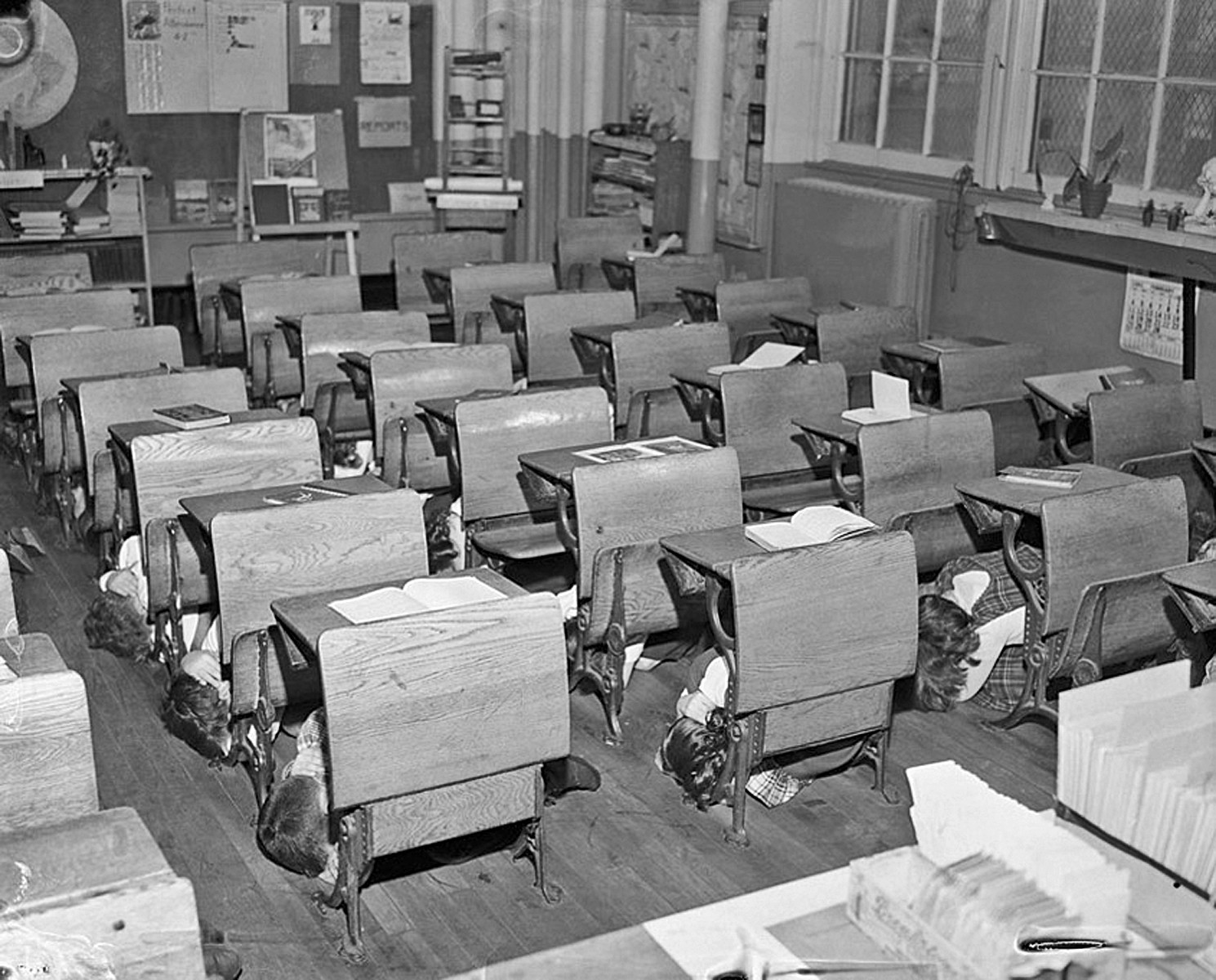
Students regularly practiced hiding under desks as supposed protection from potential nuclear attacks during the Cold War era. The false impression that wooden desks could somehow protect children from atomic blasts was perpetuated by these drills.
Rather than providing meaningful safety measures, the exercises primarily served to normalize constant fear.
Rote Memorization

Context or critical thinking was largely absent from learning, which was predominantly based on memorizing facts. Without developing a deeper understanding, students dedicated hours to memorizing multiplication tables, historical dates, and poetry.
This approach treated students as passive information vessels rather than active learners capable of analysis, although some memorization remains valuable today.
No Calculators Allowed

The argument that students wouldn’t develop mental math skills led schools to prohibit calculators entirely. Even for complex problems where calculation errors were probable and concept understanding mattered more than arithmetic, this restriction continued.
Tools like calculators are now recognized as enabling students to focus on higher-level mathematical thinking.
Industrial Bells

Education was treated like an assembly line, with strict scheduling of learning periods dictated by factory-style bells. This system interrupted natural learning flow, making no allowances for activities requiring different timeframes.
Optimizing actual learning conditions was secondary to preparing students for industrial work environments through the bell schedule.
Hygiene Inspections

Teachers conducted public hygiene checks involving examining students’ hands, necks, and ears in front of classmates. These inspections often humiliated children from lower-income families through no fault of their own.
Despite the importance of basic hygiene, these public inspections created unnecessary shame and reinforced social hierarchies.
Posture Binding

‘Proper’ sitting posture was enforced in some schools using physical restraints like back braces and boards. Movement was considered a disciplinary issue as students were expected to sit perfectly still for hours.
These uncomfortable practices ignored children’s natural need for movement, contributing to physical problems rather than preventing them.
Segregated Schools
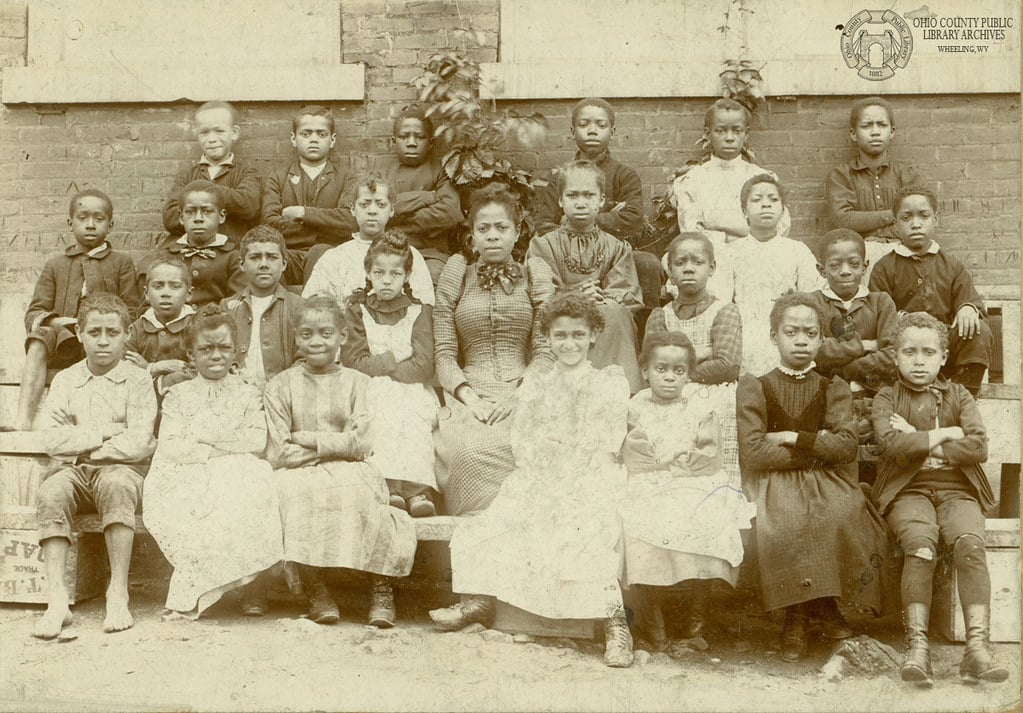
Legal segregation by race characterized schools until 1954, with separate and dramatically unequal facilities and resources. De facto segregation continued through district boundaries and other policies even after legal segregation ended.
This system denied countless students equal educational opportunities, reinforcing harmful social divisions that still impact education today.
Mandatory Prayer

Public schools once required daily prayer and Bible readings regardless of students’ religious backgrounds. This practice ignored the diversity of beliefs within student populations and violated principles of religious freedom.
The Supreme Court ruled against mandatory school prayer in 1962, recognizing the importance of separating religious practice from public education.
Gender Restrictions

Advanced math and shop class were off-limits to girls, while boys couldn’t participate in home economics. Educational opportunities were limited by these arbitrary restrictions based solely on gender stereotypes.
The practice prevented students from developing well-rounded skills, reinforcing outdated ideas about ‘appropriate’ roles.
No Water Bottles

Permission to access drinking fountains required students to raise their hands and ask, with requests often denied. A basic human need was treated as a privilege that could be withheld by this practice.
Proper hydration is now recognized by schools as essential for cognitive function and physical health.
Collective Punishment

The actions of a single student often resulted in entire classes being punished, creating peer resentment. Self-policing was supposedly encouraged by this approach, but it instead fostered division and unfair blame.
Students learned that authority could be arbitrary rather than fair and consistent from this practice.
IQ Tracking

A single IQ test taken at a young age determined rigid educational tracks that sorted students permanently. Through one assessment that couldn’t measure potential, creativity, or growth, a child’s entire academic future was determined.
Self-fulfilling prophecies were created for many students by this practice, which ignored the developmental nature of intelligence.
Windowless Classrooms
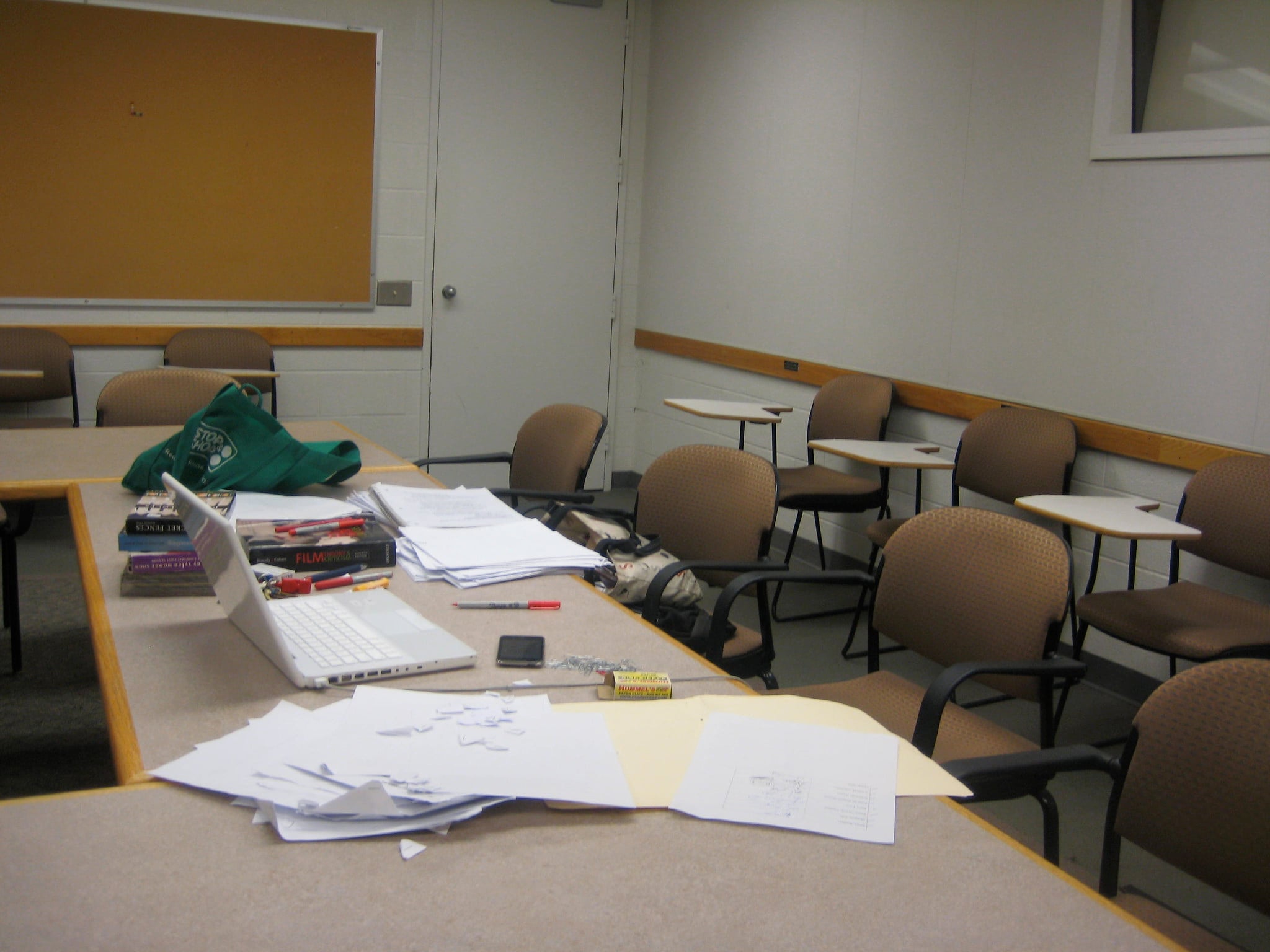
Schools built in the 1970s frequently featured windowless classrooms to minimize ‘distractions’ and reduce energy costs. These spaces ignored the importance of natural light and connection to the outside world for learning and well-being.
Current research confirms that natural light significantly improves academic performance and mental health.
The Legacy of Educational Evolution

These outdated practices highlight our continuous evolution of educational methods as our understanding of child development deepens. Approaches that seemed reasonable to previous generations now appear obviously harmful.
While this evolution demonstrates progress, it also warns us to regularly question current educational practices that might seem equally absurd to future generations.
More from Go2Tutors!

- The Romanov Crown Jewels and Their Tragic Fate
- 13 Historical Mysteries That Science Still Can’t Solve
- Famous Hoaxes That Fooled the World for Years
- 15 Child Stars with Tragic Adult Lives
- 16 Famous Jewelry Pieces in History
Like Go2Tutors’s content? Follow us on MSN.