17 Engineering Mistakes That Cost Companies Millions
Engineering is a precise discipline where even the smallest miscalculation can lead to catastrophic consequences. Throughout history, we’ve seen how seemingly minor oversights have cascaded into financial disasters for major corporations.
These mistakes serve as powerful reminders of why attention to detail, thorough testing, and proper communication are non-negotiable in engineering projects. Here is a list of 17 engineering mistakes that ended up costing companies millions of dollars in damages, repairs, and lost reputation:
The Mars Climate Orbiter Miscommunication
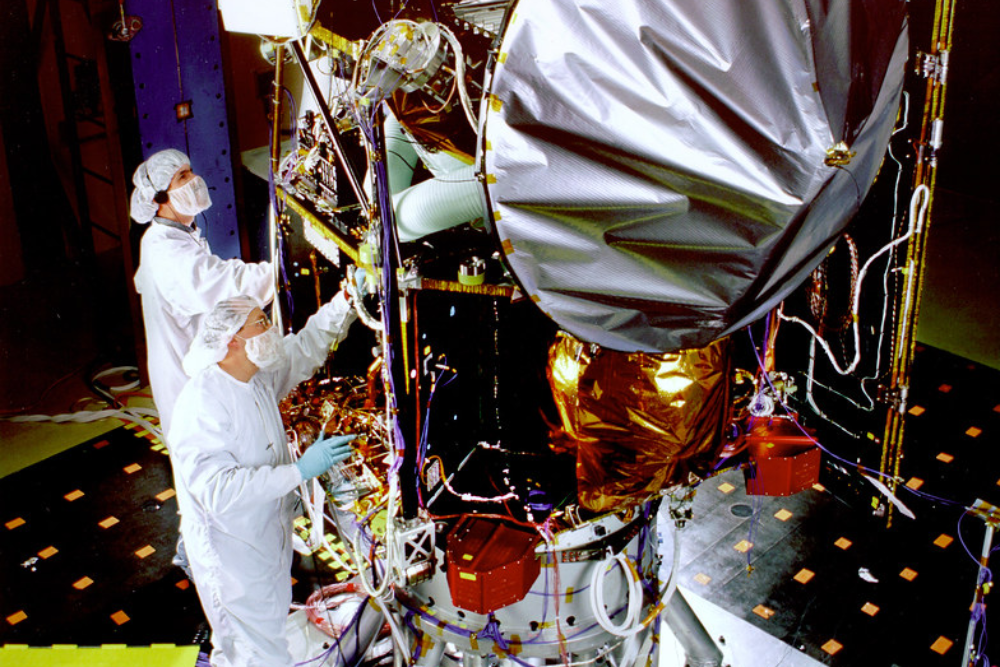
A straightforward unit conversion error caused NASA’s $125 million Mars Climate Orbiter to fail in the Martian atmosphere in 1999. NASA expected metric numbers (newtons) for their computations, while Lockheed Martin engineers used Imperial units (pounds-force).
The spacecraft orbited too close to Mars as a result of this basic communication failure, burning up in the atmosphere.
Tacoma Narrows Bridge Collapse
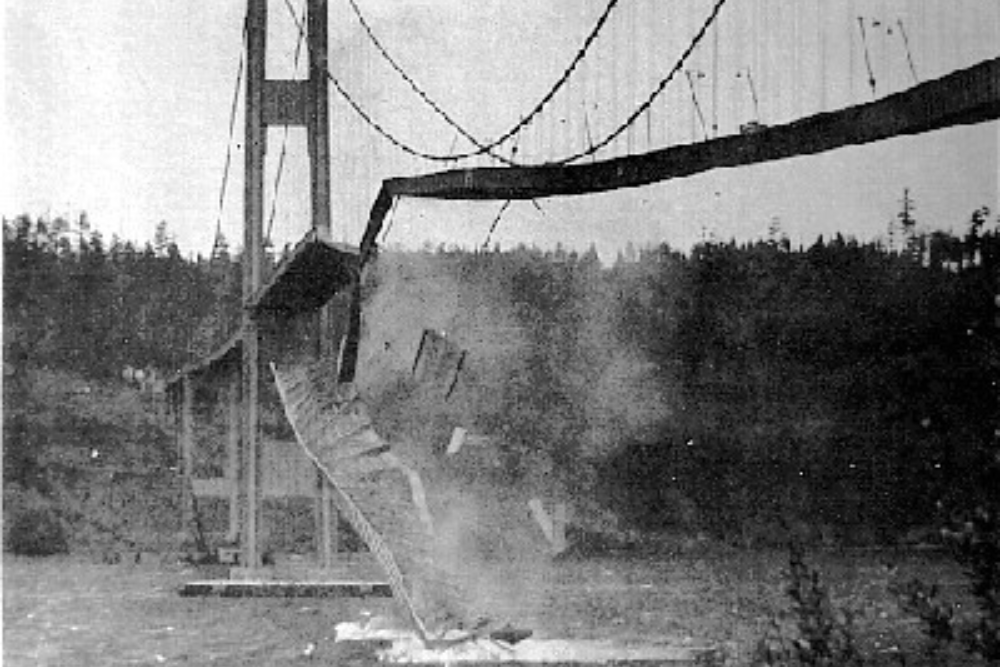
The Tacoma Narrows Bridge in Washington state dramatically collapsed in 1940 just four months after opening. Engineers failed to account for aeroelastic flutter—the way wind would interact with the bridge’s design.
The $6.4 million bridge (equivalent to over $120 million today) twisted and buckled in relatively mild winds, creating one of the most infamous engineering failures caught on film.
Hyatt Regency Walkway Collapse
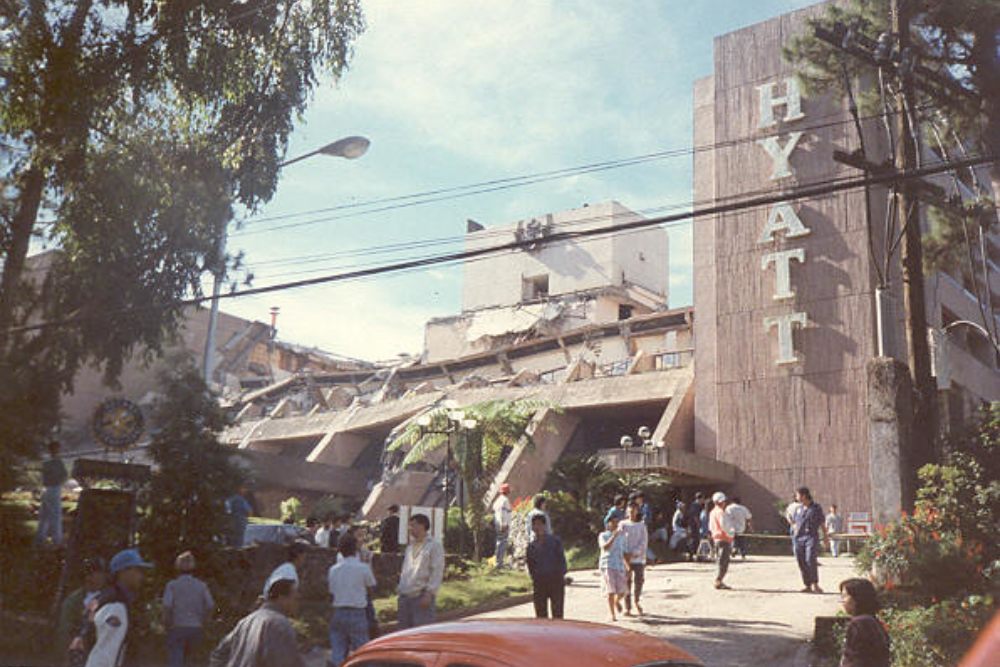
Over 200 people were injured and 114 people died when two suspended walkways in the Hyatt Regency Hotel in Kansas City fell in 1981. A seemingly insignificant design modification that was improperly assessed was the cause of the catastrophe.
Contractors changed the design to employ two distinct rod sets, which doubled the weight on the upper connection, from the original plans that called for a single rod supporting both walkways. The hotel chain suffered irreversible harm to its brand and millions in settlements as a result of this shift.
Intel’s Pentium Floating Point Error
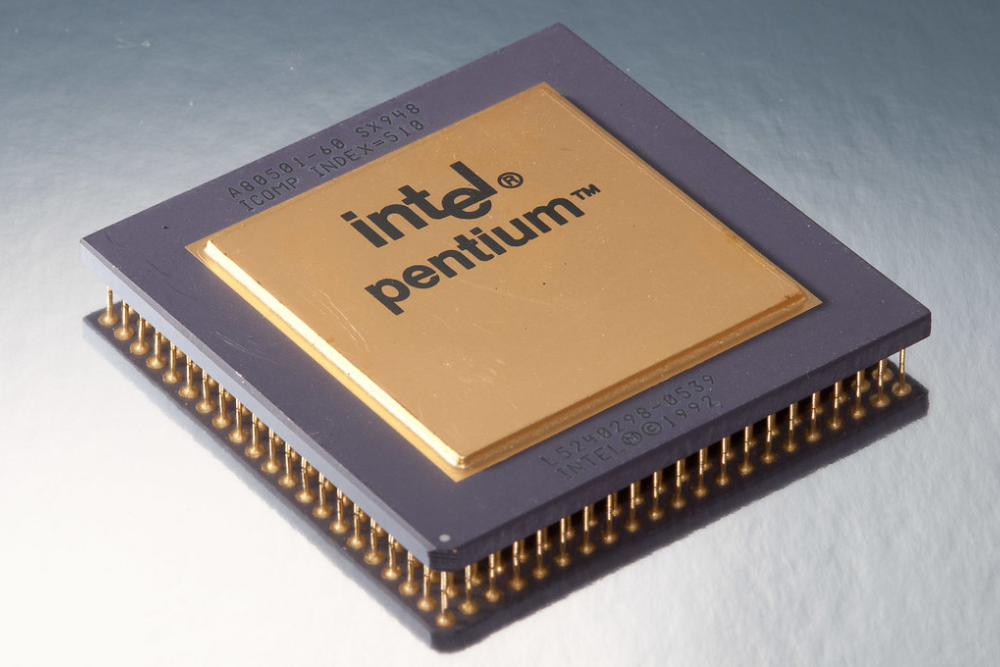
When a math professor found an issue in the floating-point unit of Intel’s Pentium processor in 1994, the company was faced with a PR nightmare. Due to public outcry, Intel was obligated to provide replacements to all customers, even though the issue would only happen in rare scenarios (division of particular integers).
One of the most costly math blunders in history, this engineering oversight cost the corporation almost $475 million.
Citigroup Center Structural Weakness
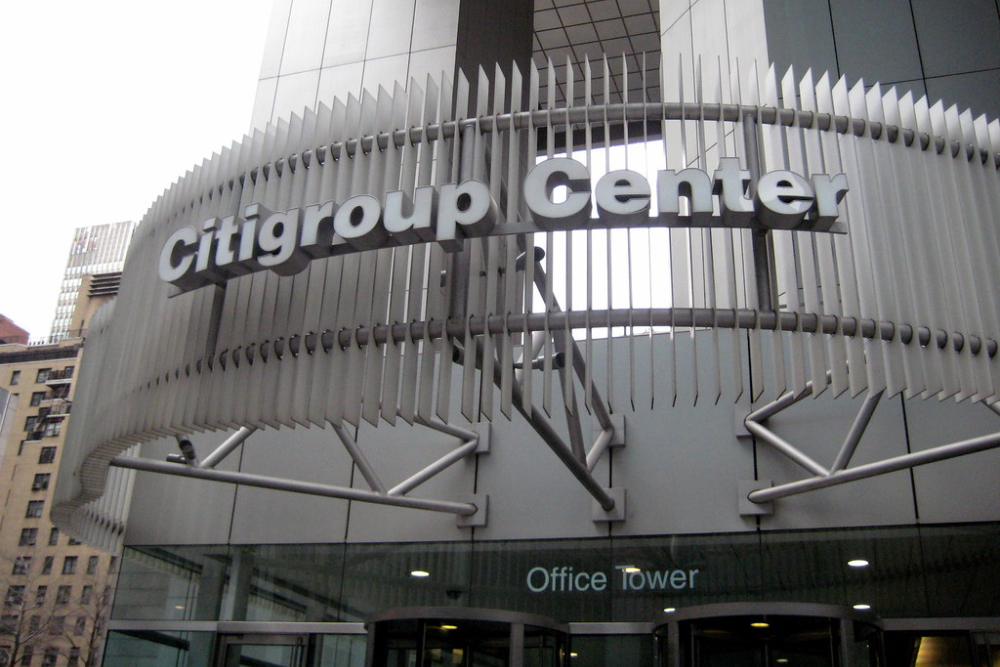
The 59-story Citigroup Center in Manhattan was built in 1977 with a critical design flaw. Engineer William LeMessurier had designed the building on stilts with diagonal bracing to withstand perpendicular winds but failed to calculate for quartering winds (hitting at 45-degree angles).
When the error was discovered, emergency repairs were conducted in secret at night over several weeks, costing millions and narrowly averting potential collapse during hurricane season.
The Millennium Bridge Wobble
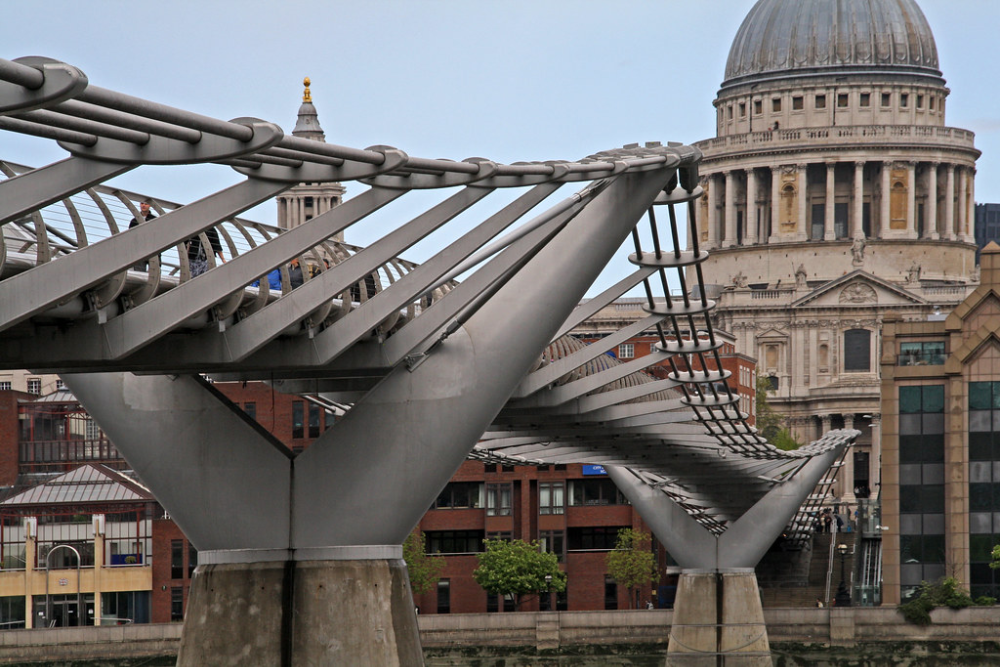
London’s Millennium Bridge opened in June 2000 and closed just three days later when it began to sway alarmingly. Engineers had failed to account for synchronized pedestrian footfalls creating a lateral resonance effect.
The mistake cost approximately £5 million ($7.5 million) to fix, delaying the bridge’s reopening by nearly two years and embarrassing the prestigious engineering firms involved.
Denver International Airport Baggage System
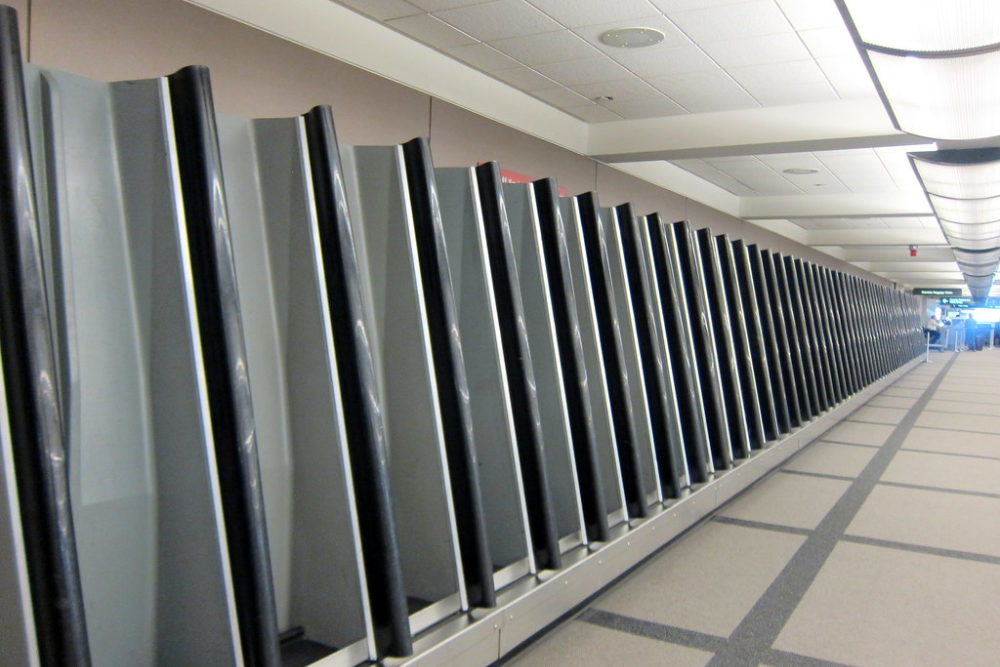
The automated baggage handling system designed for Denver International Airport was supposed to revolutionize luggage transport. Instead, it became notorious for shredding bags, jamming conveyor belts, and sending luggage to incorrect destinations.
The system’s failures delayed the airport’s opening by 16 months and added $560 million to its costs before being abandoned entirely.
Ariane 5 Rocket Explosion
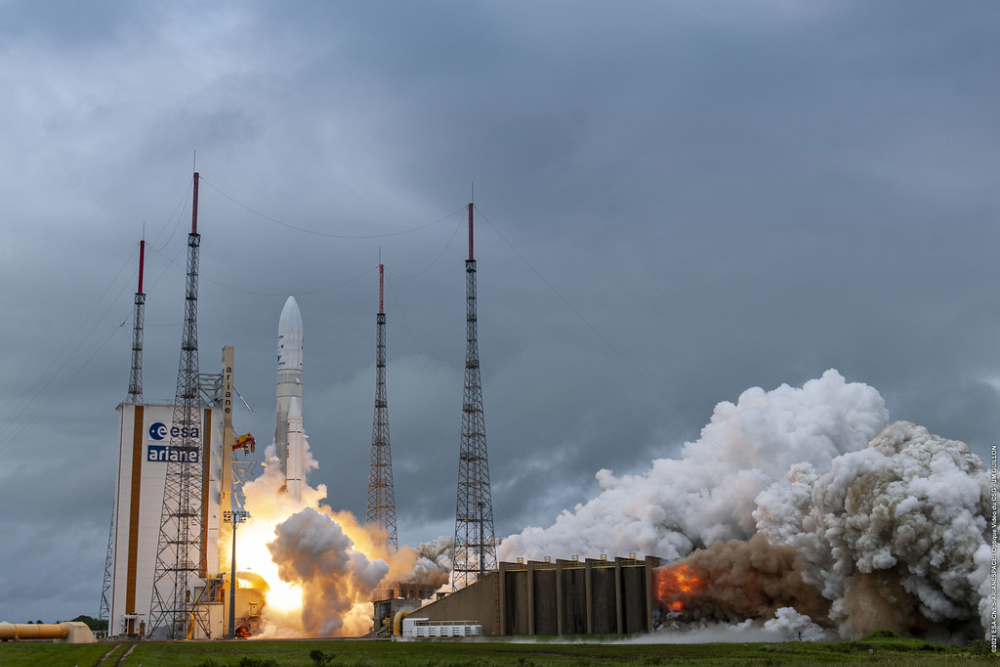
In 1996, the European Space Agency’s Ariane 5 rocket exploded just 40 seconds after launch due to a software error. Engineers reused code from the previous Ariane 4 rocket without accounting for the new rocket’s different flight path, causing an overflow error that triggered self-destruction.
This single line of problematic code resulted in the loss of four scientific satellites and a rocket worth over $370 million.
Challenger Space Shuttle Disaster
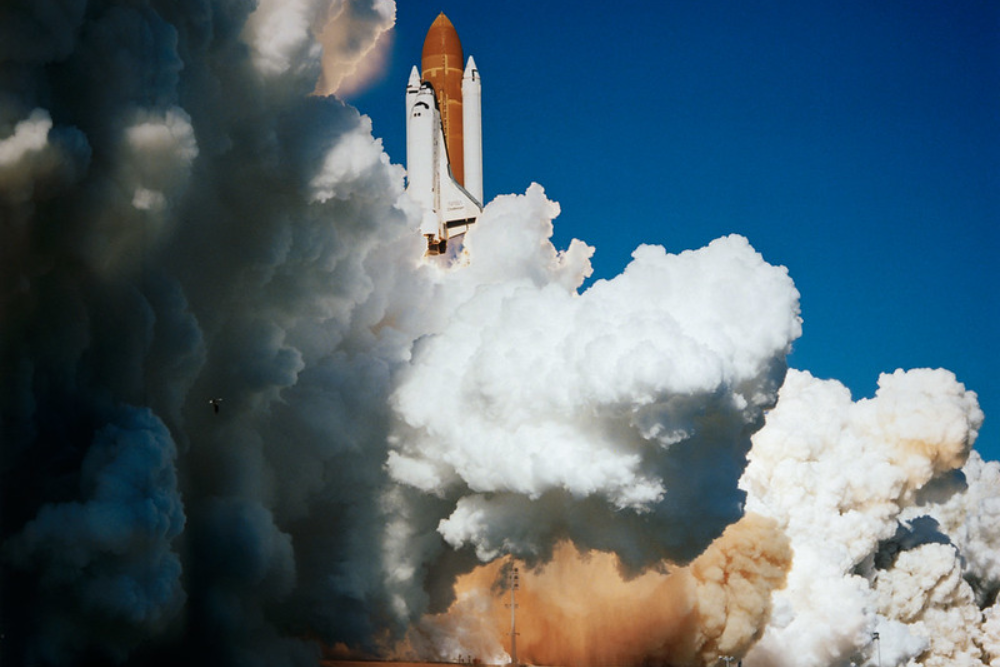
The Challenger disaster in 1986 resulted from a faulty O-ring seal in one of the rocket boosters. Engineers had warned about potential O-ring failures in cold temperatures, but their concerns were dismissed.
The shuttle exploded 73 seconds after launch, killing all seven crew members and costing NASA approximately $5.5 billion in settlements, investigations, and shuttle program delays.
Samsung Galaxy Note 7 Battery Fires

Samsung’s Galaxy Note 7 smartphone launched in 2016 with a dangerous design flaw that caused batteries to catch fire. Engineers had compressed the battery components too tightly in their quest to maximize battery capacity in a slim design.
The resulting recall and cancellation of the entire product line cost Samsung an estimated $5.3 billion and temporarily devastated consumer trust in their products.
Chernobyl Nuclear Disaster
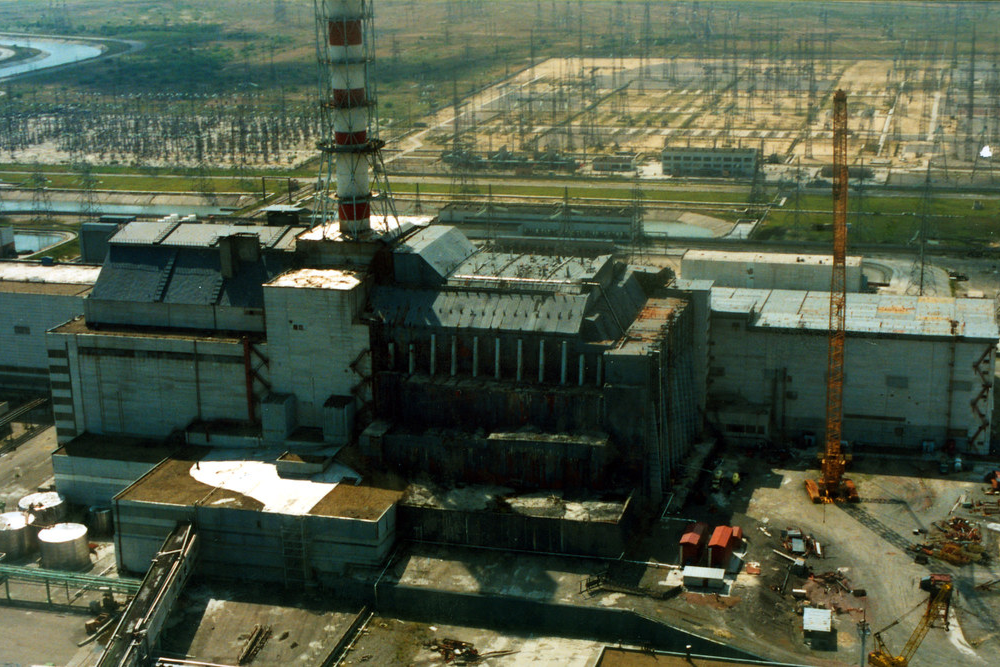
The 1986 Chernobyl disaster stemmed from a combination of design flaws and operator errors. Engineers had created a reactor design with fundamental instabilities and inadequate safety systems.
During a safety test, these flaws combined with operator mistakes to trigger the world’s worst nuclear accident, costing tens of billions in cleanup costs and rendering an entire region uninhabitable.
Boston’s Big Dig Ceiling Collapse
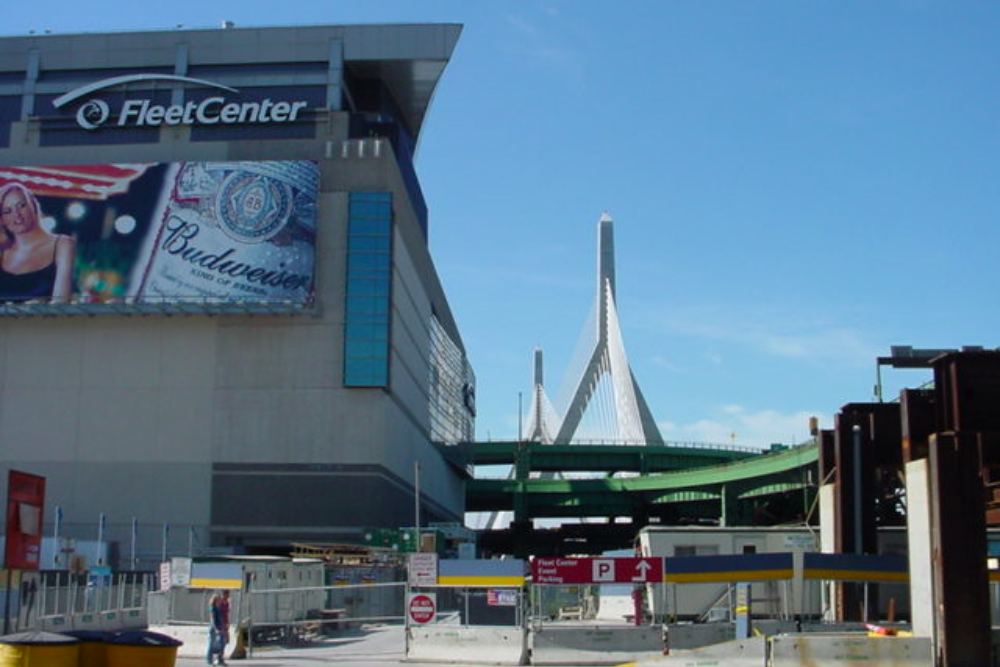
The Big Dig tunnel project in Boston experienced a catastrophic ceiling panel collapse in 2006, killing one motorist. Engineers had specified epoxy anchors to hold the concrete panels, but failed to account for the long-term effects of creep (gradual deformation under load).
This engineering oversight added $54 million in repairs to a project already billions over budget.
Fukushima Nuclear Plant Flooding
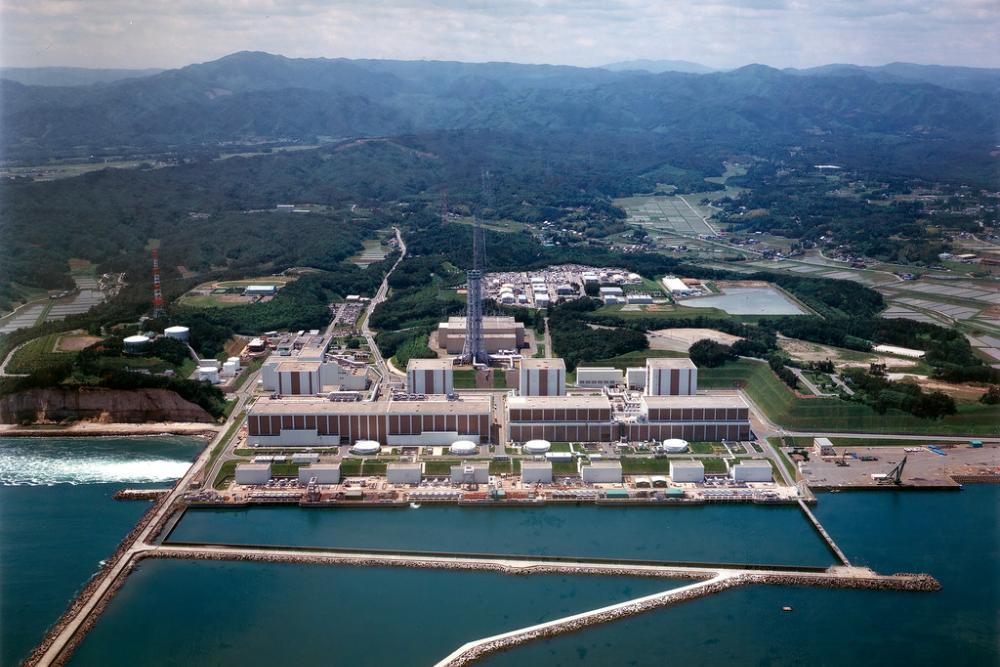
The Fukushima Daiichi nuclear disaster in 2011 occurred when a tsunami overwhelmed the plant’s seawalls. Engineers had designed protection for waves up to 5.7 meters, despite historical evidence suggesting the possibility of much larger tsunamis in the region.
The resulting 14-meter wave flooded backup generators, leading to multiple meltdowns and cleanup costs estimated at $200 billion.
The Hubble Space Telescope Mirror Flaw
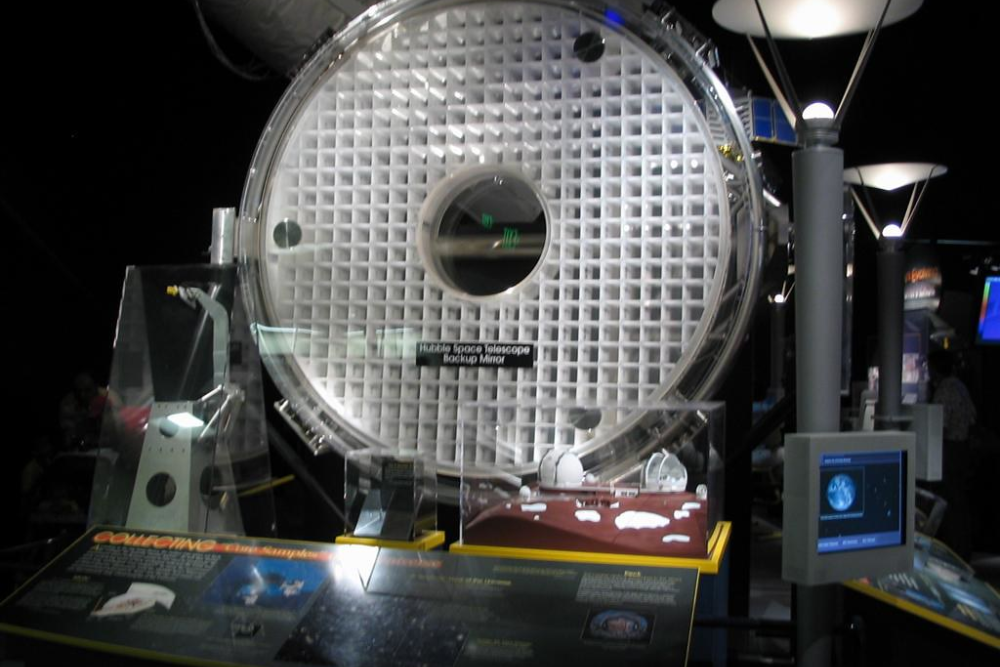
When launched in 1990, the $1.5 billion Hubble Space Telescope produced blurry images due to a minuscule error in the curvature of its primary mirror. The mirror was ground to the wrong specifications by just 2.2 microns—about 1/50 the width of a human hair.
NASA spent $700 million on a shuttle mission to install corrective optics, essentially giving the telescope “glasses” to see properly.
Toyota’s Unintended Acceleration Problem
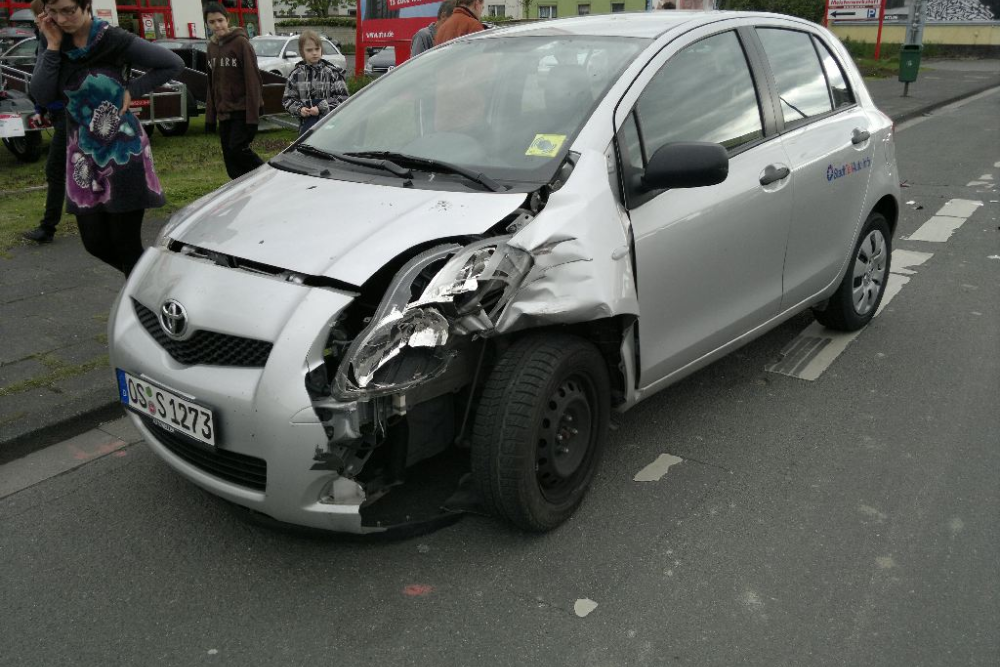
Between 2009 and 2011, Toyota recalled over 9 million vehicles due to potential unintended acceleration issues. Engineers had designed floor mats and accelerator pedals that could become entrapped, along with electronic throttle control systems that some claimed were susceptible to failure.
The recalls, settlements, and lost sales cost Toyota approximately $5 billion and damaged their reputation for reliability.
Therac-25 Radiation Therapy Overdoses

In the 1980s, the Therac-25 radiation therapy machine delivered lethal radiation overdoses to at least six patients due to software errors. Engineers had removed hardware safety interlocks present in previous models, relying solely on software controls that contained critical bugs.
This tragic engineering failure highlighted the dangers of removing redundant safety systems and led to strengthened medical device regulations.
Vasa Warship Capsizing

While not modern, the 1628 sinking of the Swedish warship Vasa remains one of history’s most instructive engineering failures. Built to showcase Sweden’s military might, the ship was top-heavy with too many heavy cannons on upper decks.
It capsized and sank less than a mile into its maiden voyage, with the king’s impatience overriding engineers’ stability concerns. The equivalent modern cost would exceed $40 million—a royal fortune lost to poor engineering judgment.
Lessons Written in Failure

These engineering disasters, spanning centuries and industries, share common threads: communication breakdowns, overlooked details, ignored warnings, and sometimes simple hubris. While each failure came with a tremendous price tag, they’ve collectively strengthened engineering practices through hard-learned lessons.
Modern engineering now emphasizes redundant safety systems, comprehensive testing, and a culture where raising concerns is encouraged rather than dismissed. The most expensive mistakes have ultimately become our most valuable teachers.
More from Go2Tutors!

- 16 Historical Figures Who Were Nothing Like You Think
- 12 Things Sold in the 80s That Are Now Illegal
- 15 VHS Tapes That Could Be Worth Thousands
- 17 Historical “What Ifs” That Would Have Changed Everything
- 18 TV Shows That Vanished Without a Finale
Like Go2Tutors’s content? Follow us on MSN.