19 Natural Landmarks That Are Way Bigger Than You Think
Photographs often fail to capture the true scale of our planet’s most impressive natural wonders. Standing at the edge of a massive canyon, beneath a towering sequoia, or gazing across an endless salt flat gives you a visceral sense of size that no image can truly convey. Many visitors report feeling a profound sense of awe—and even insignificance—when confronted with the actual dimensions of Earth’s grandest features.
Here is a list of 19 natural landmarks that are significantly larger than most people imagine before seeing them in person.
Grand Canyon
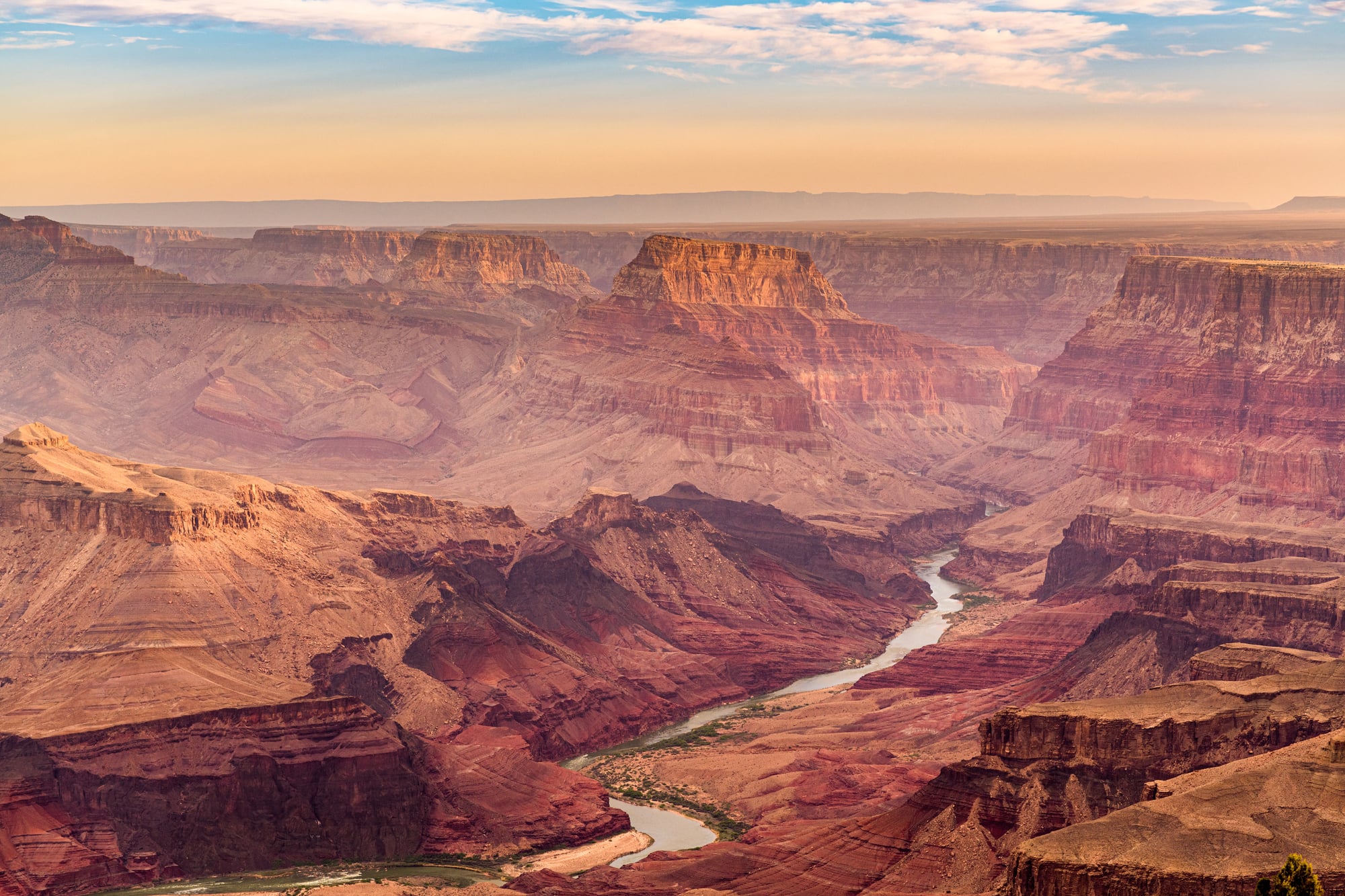
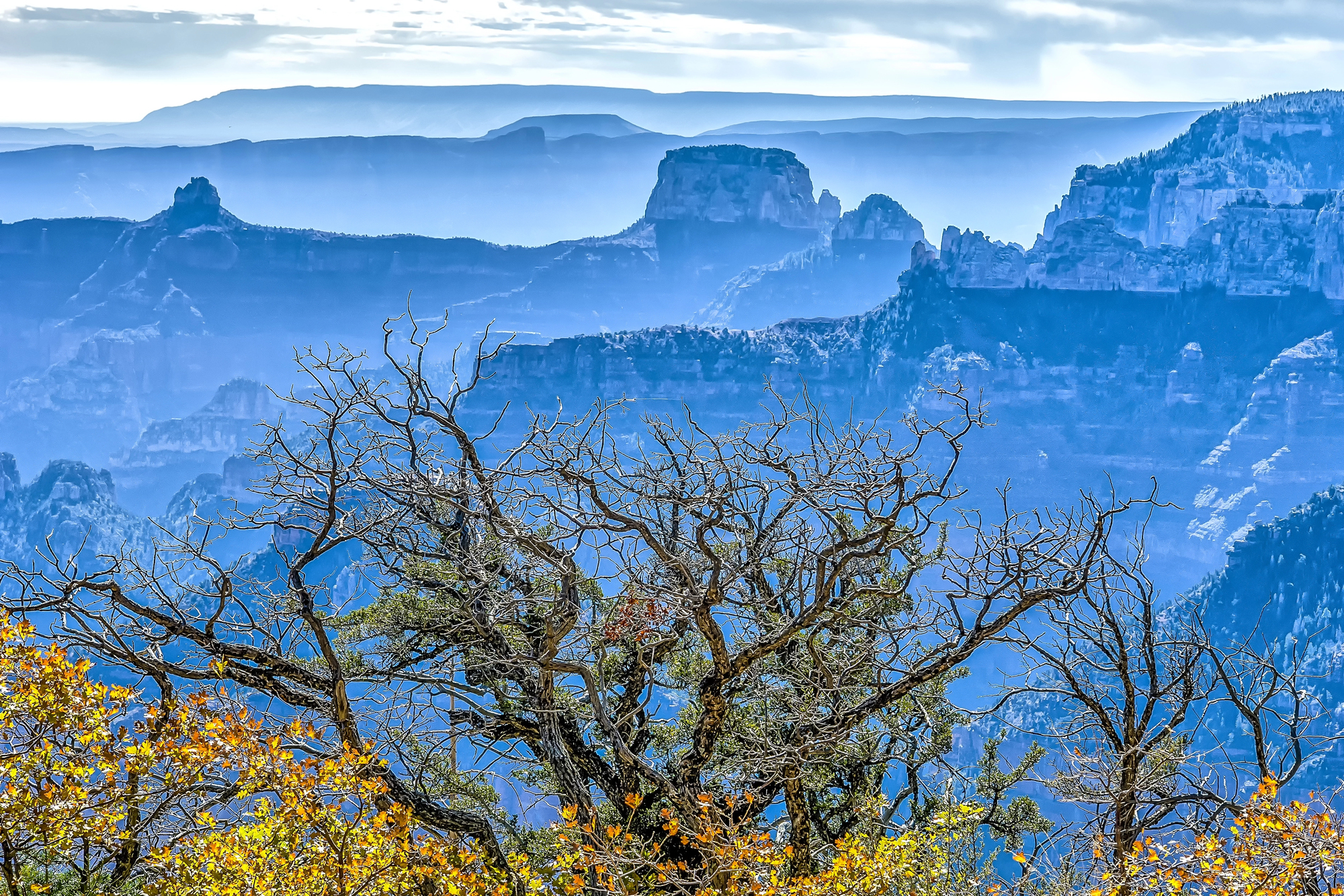
Photos simply cannot prepare visitors for the Grand Canyon’s immensity, stretching 277 miles long, up to 18 miles wide, and over a mile deep. The scale becomes apparent when you realize that hiking from rim to rim typically takes two days, and that the temperature difference between the rim and the canyon floor can be as much as 20 degrees.
Many first-time visitors report spending several minutes in stunned silence upon their initial viewing, as the human brain struggles to process such vastness.
General Sherman Tree
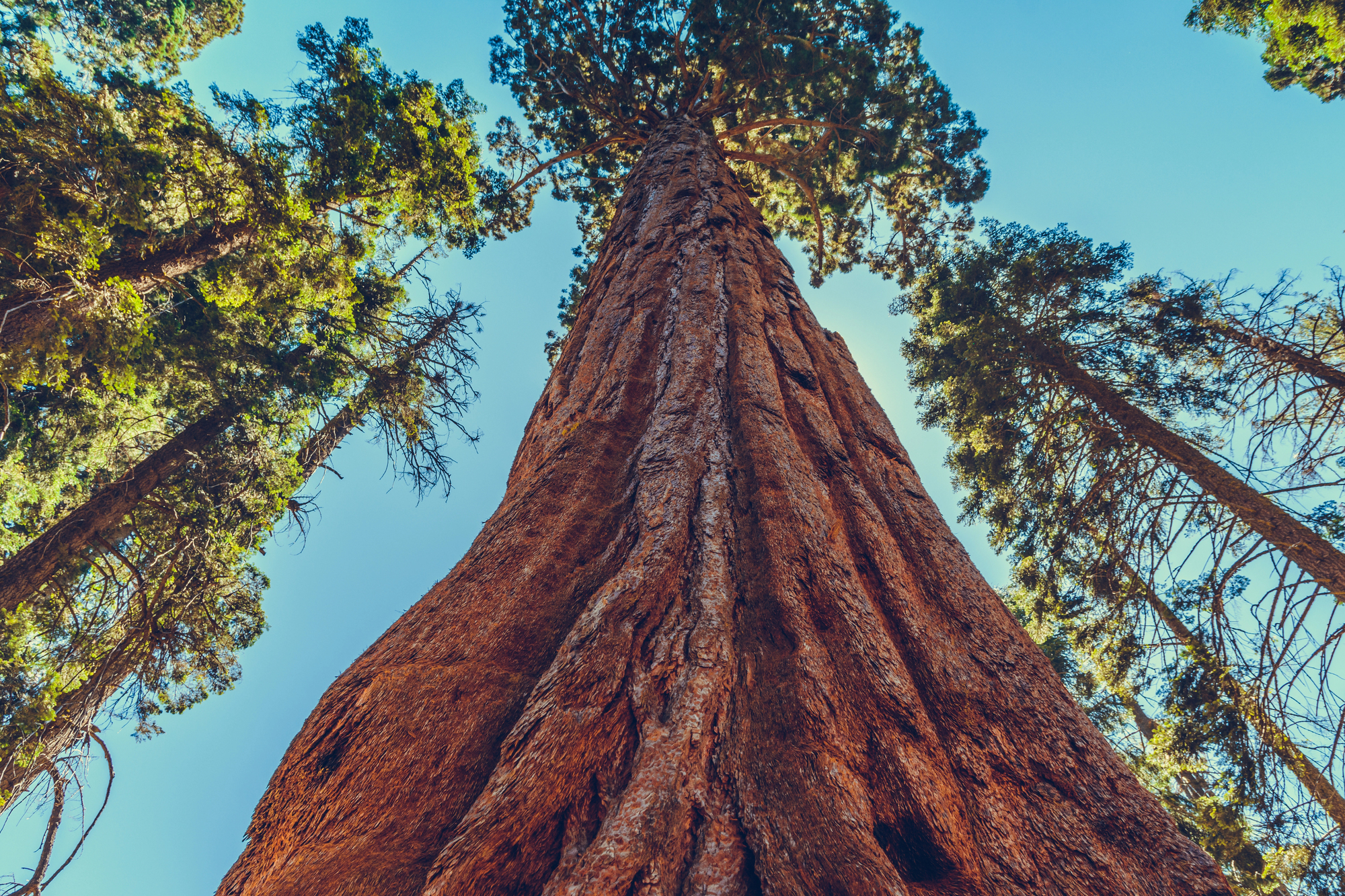
While California’s General Sherman Tree isn’t the tallest tree on Earth, its volume makes it the largest living thing by mass, containing enough wood to build 120 average-sized homes. Standing 275 feet tall with a base diameter of 36 feet, this giant sequoia weighs approximately 1,400 tons—roughly equivalent to 15 blue whales.
The tree is so massive that its largest branch alone is bigger than most fully-grown trees in ordinary forests.
Uluru (Ayers Rock)
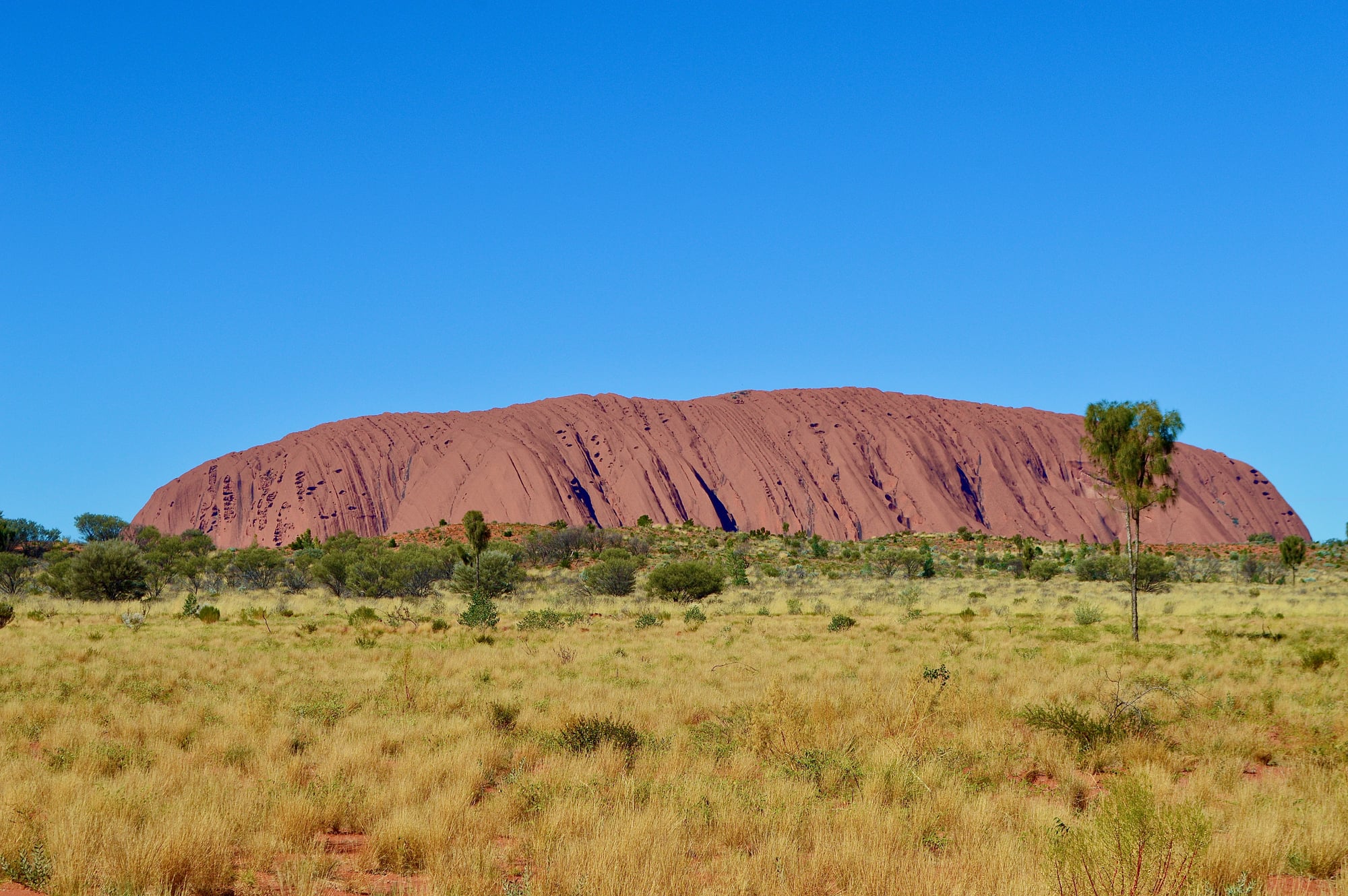
Rising abruptly from Australia’s flat desert landscape, Uluru extends 1,142 feet high, but what’s more impressive is that approximately 80% of the rock formation lies underground. This monolith covers about 3.3 square miles of surface area—equivalent to 500 football fields—and appears to change colors throughout the day as sunlight hits its mineral-rich surface from different angles.
Walking the 6-mile path around its base takes most visitors at least three hours.
Great Barrier Reef
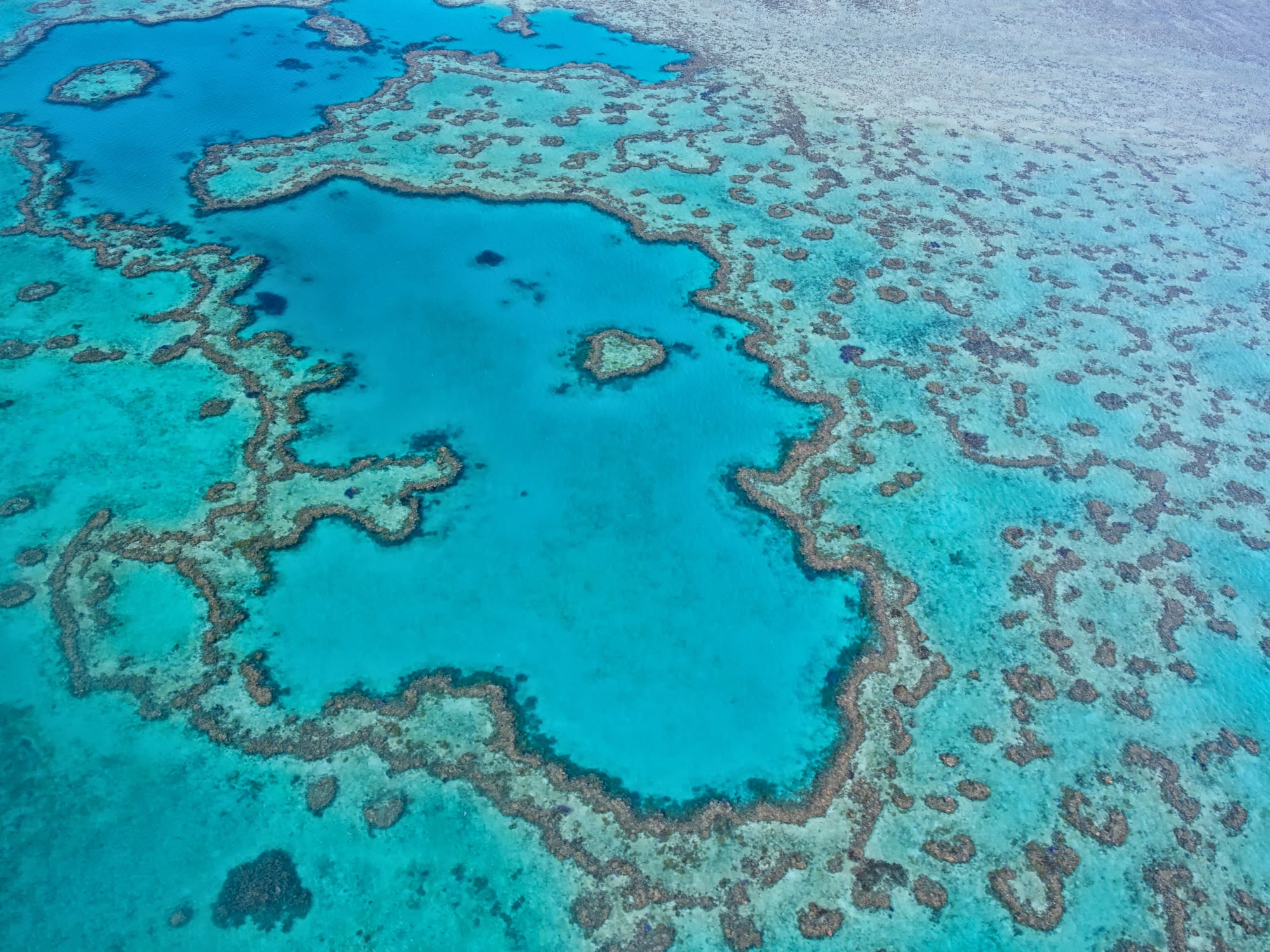
Australia’s Great Barrier Reef stretches over 1,400 miles—roughly the distance from Maine to Florida—and consists of over 2,900 individual reefs and 900 islands. This living structure is visible from space and covers an area of approximately 133,000 square miles, making it larger than the United Kingdom, Switzerland and Holland combined.
A visitor could spend every day for an entire year exploring a different section and still not see the entire reef system.
Mount Everest
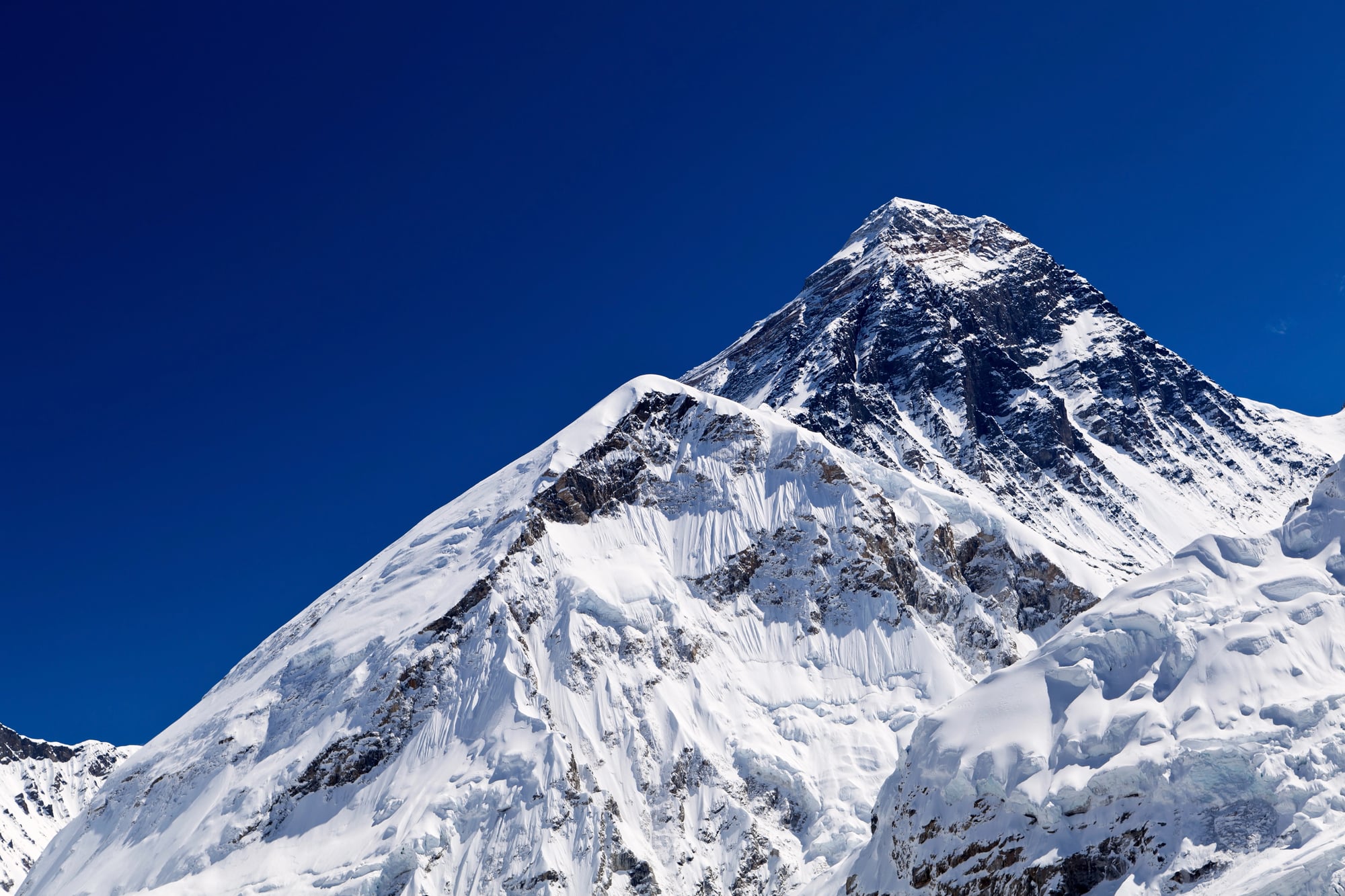
While everyone knows Everest is tall, few appreciate that its massive bulk begins at an already-high elevation, with the mountain rising from the Tibetan Plateau that sits 16,000 feet above sea level. The Death Zone—altitudes above 26,000 feet where human survival is impossible long-term—makes up only the final 3,000 feet of the ascent, equivalent to climbing a modest-sized mountain as the final stretch.
The summit is so high that a commercial jet would need to climb to avoid hitting it.
Amazon Rainforest
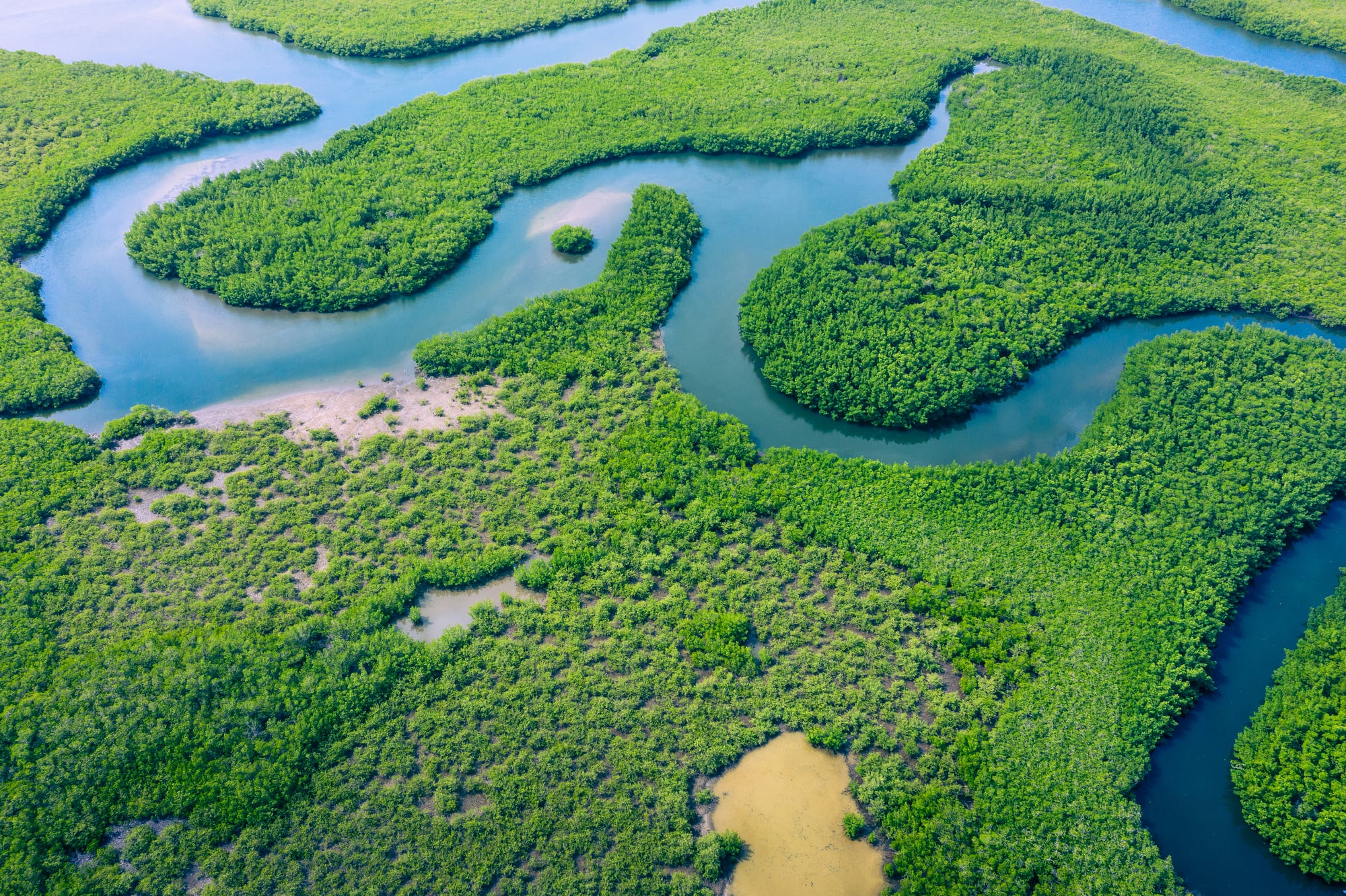
Covering over 2.1 million square miles across nine countries, the Amazon Rainforest could contain the entire continental United States with room to spare. This forest produces 20% of Earth’s oxygen and contains one in ten of all known species on the planet.
The Amazon River running through it discharges more water than the next seven largest rivers in the world combined, with some sections measuring over 30 miles wide during rainy seasons.
Barringer Meteor Crater
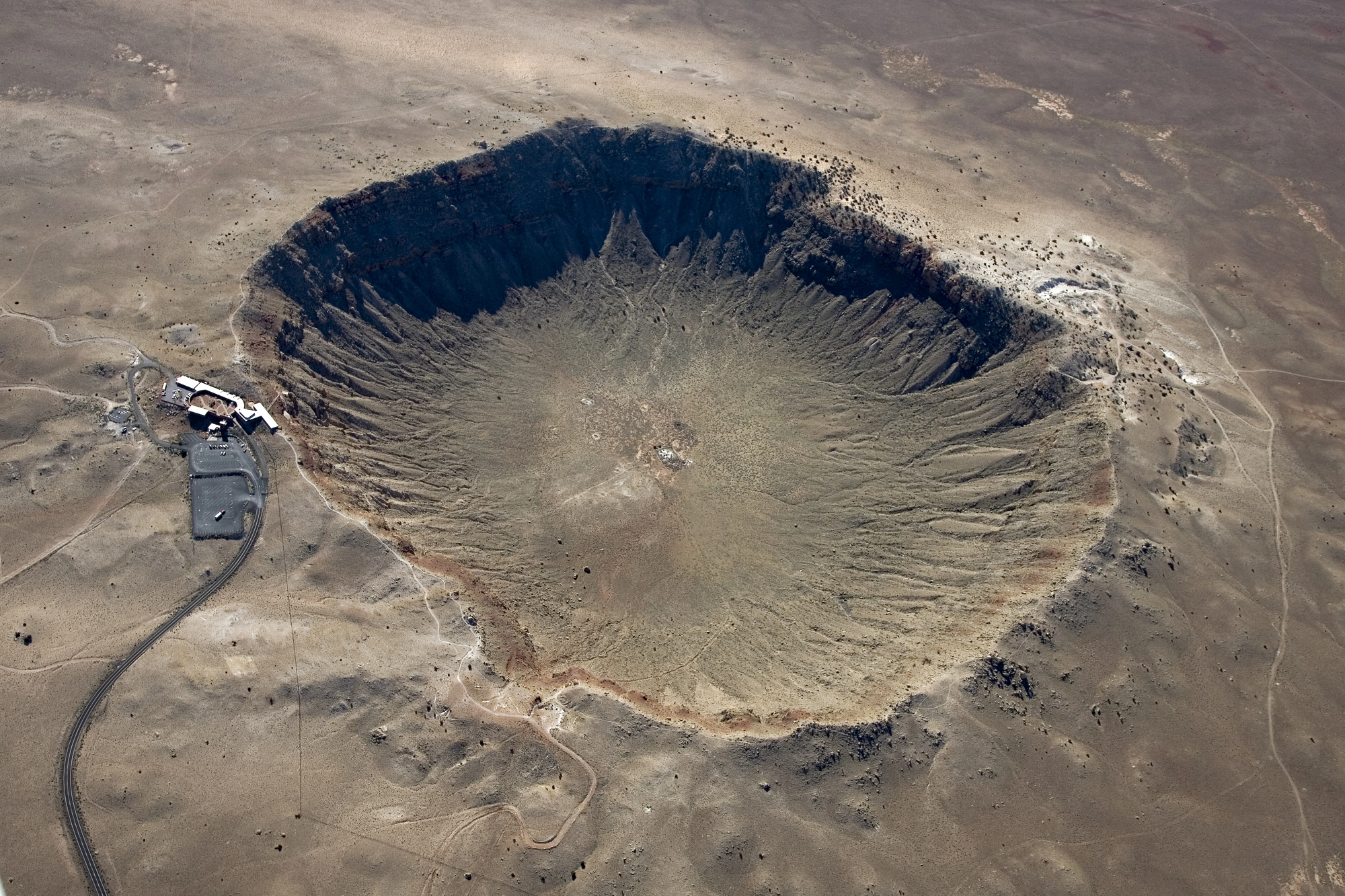
Located in Arizona’s desert, this impact crater measures 3,900 feet across and 560 feet deep—large enough to fit 20 football fields on its floor. The crater, created approximately 50,000 years ago by a meteorite just 150 feet wide, demonstrates the incredible energy released during cosmic impacts.
The rim rises 148 feet above the surrounding plain, while the equivalent of more than two million tons of limestone and sandstone were ejected in mere seconds after impact.
Carlsbad Caverns
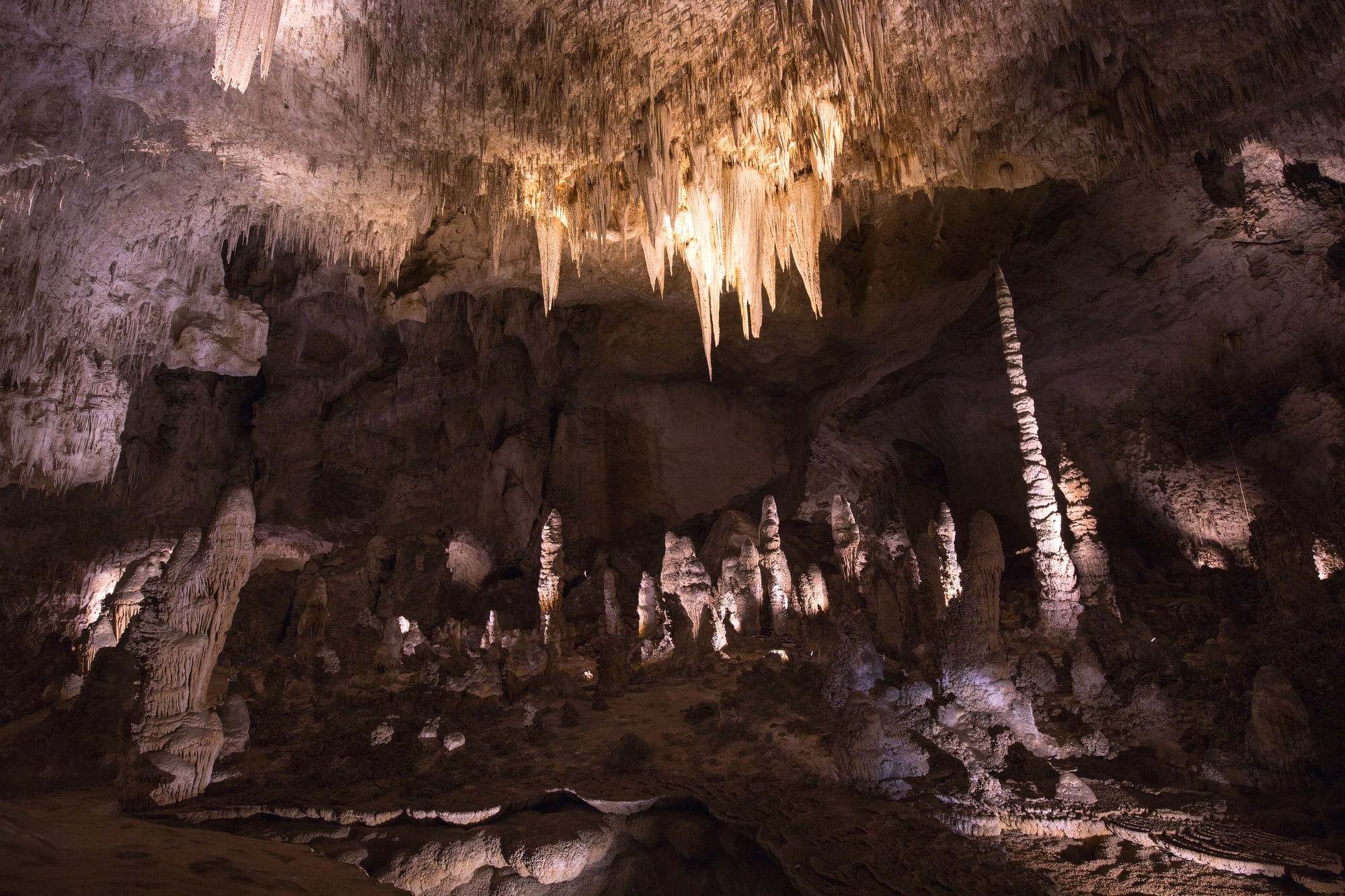
New Mexico’s Carlsbad Caverns contain more than 119 limestone caves, with the largest chamber—the Big Room—covering an area equivalent to 14 football fields and soaring 255 feet high. This natural cathedral is so vast that it has its own weather patterns, with humidity and temperature variations creating localized fog and air currents.
The full cave system contains passages extending more than 30 miles, with new chambers still being discovered by explorers.
Salar de Uyuni
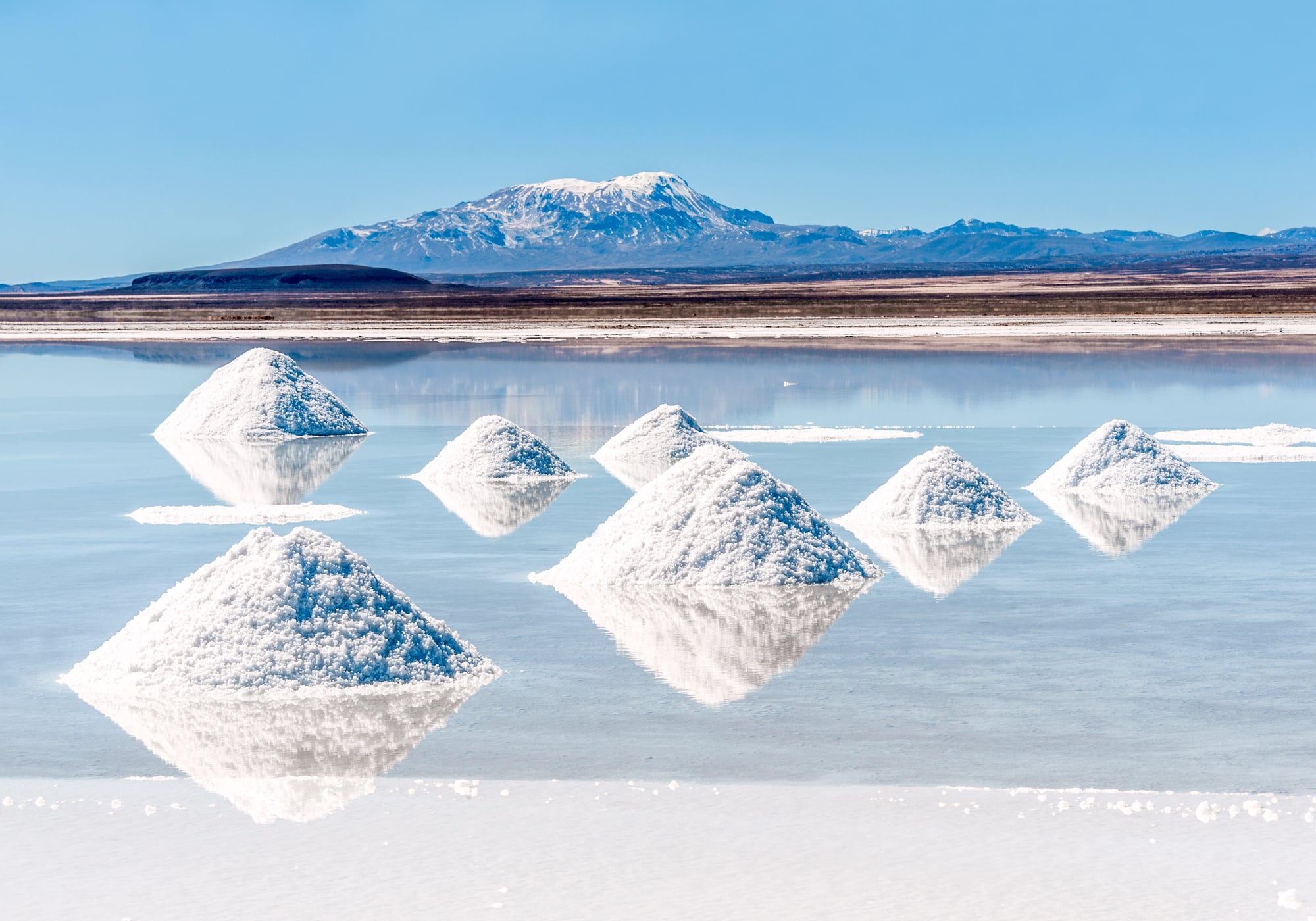
Bolivia’s Salar de Uyuni is the world’s largest salt flat, covering over 4,000 square miles—roughly 100 times larger than the Bonneville Salt Flats in Utah. This prehistoric lake bed contains 10 billion tons of salt and such perfectly flat terrain that it’s used to calibrate satellite altimeters from space.
The salt crust, several feet thick in places, sits above a pool of brine that contains 50-70% of the world’s lithium reserves.
Sequoia National Park
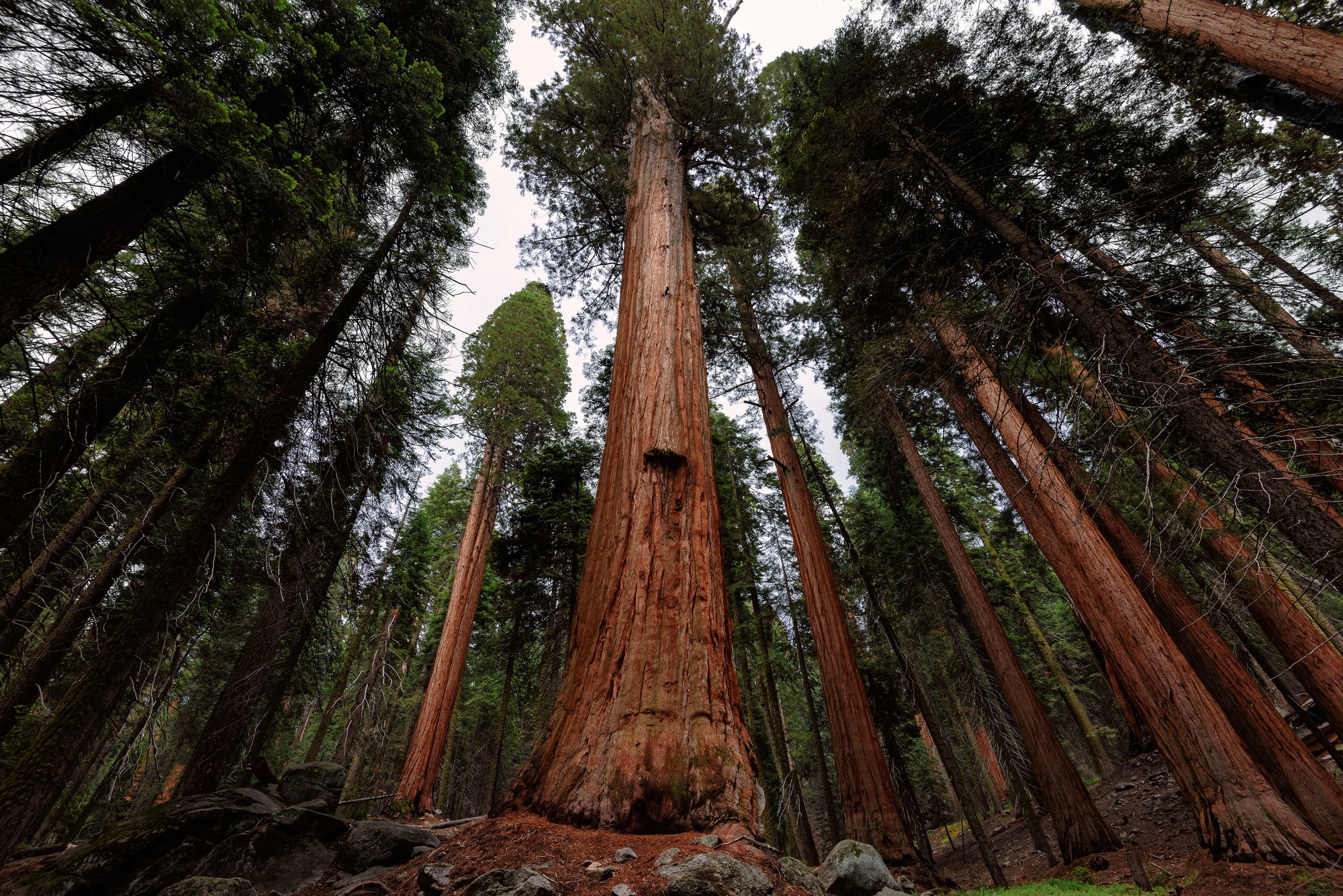
California’s Sequoia National Park contains not just one or two massive trees but entire groves of giants, with over 8,000 sequoias that are each taller than a 26-story building. The park’s Congress Trail features hundreds of massive sequoias growing so close together that they’ve created their own ecosystem where the forest floor can be 20 degrees cooler than surrounding areas.
Many of these trees were already ancient when Rome was founded, with the oldest dating back nearly 3,500 years.
Victoria Falls
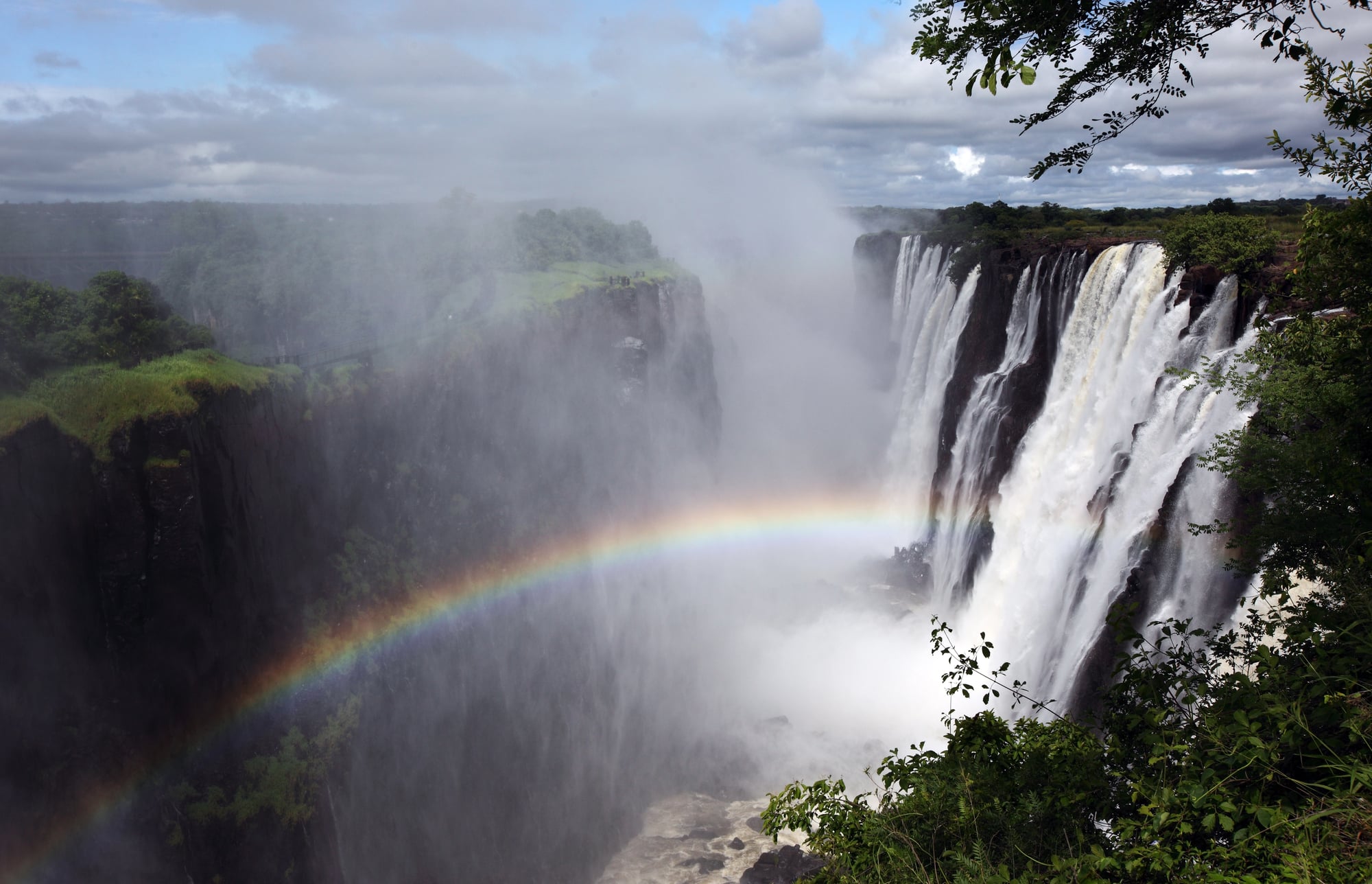
The curtain of water at Victoria Falls stretches for more than a mile wide and drops 355 feet, creating the world’s largest sheet of falling water—twice the height of Niagara Falls. During peak flow, over 500 million liters of water cascade over the edge every minute, creating a spray visible from 30 miles away and a roar heard from 25 miles away.
The local name for the falls, Mosi-oa-Tunya, translates to ‘The Smoke That Thunders,’ referencing the massive cloud of mist that can rise 1,300 feet above the falls.
Mariana Trench
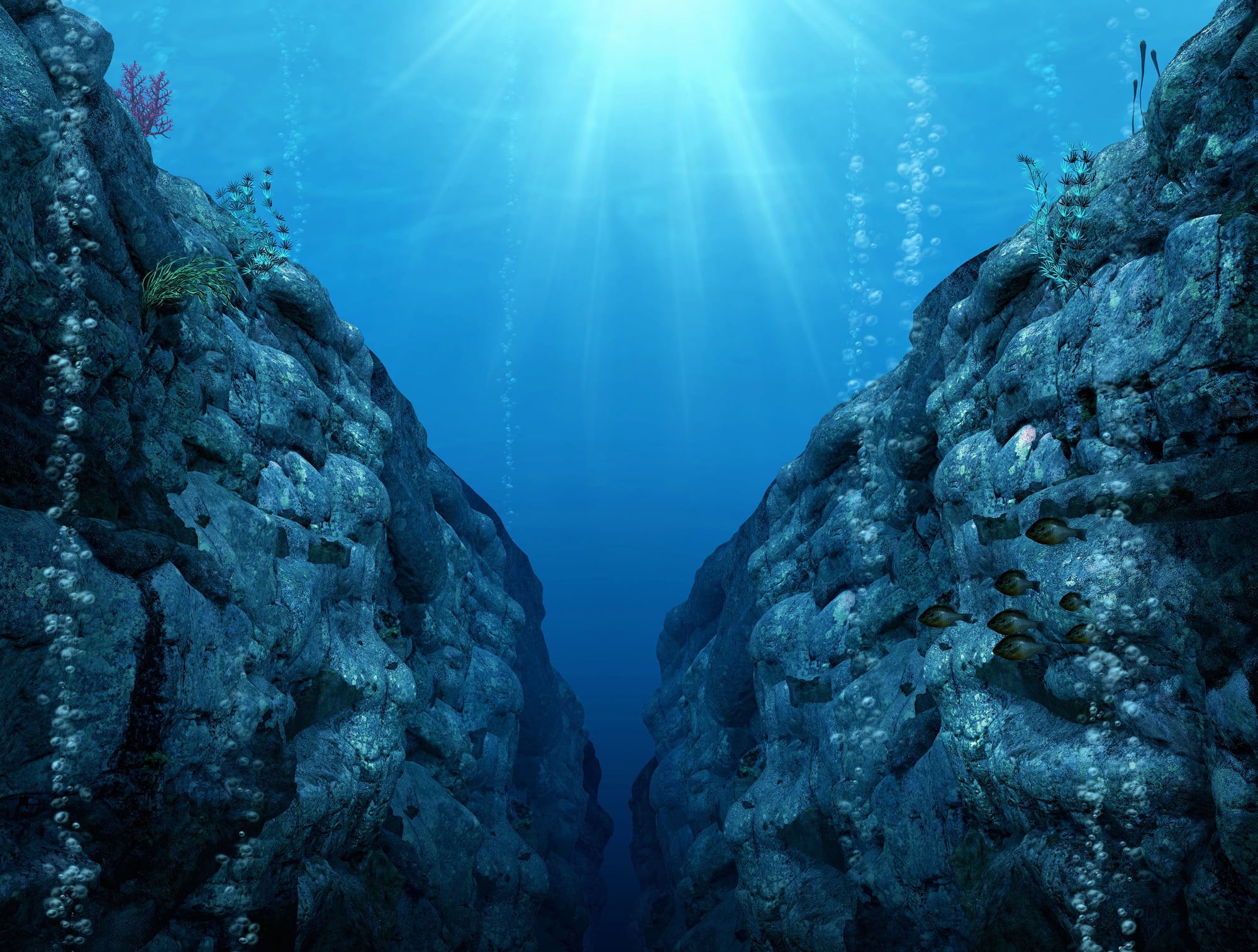
The Mariana Trench plunges 36,070 feet deep—enough to fit Mount Everest with nearly 7,000 feet to spare comfortably. The pressure at its deepest point exceeds 1,000 times the standard atmospheric pressure at sea level, equivalent to having 50 jumbo jets stacked on top of you.
This trench is so deep that if you dropped a steel ball into it, the ball would take over an hour to reach the bottom, despite the pull of gravity.
Sahara Desert
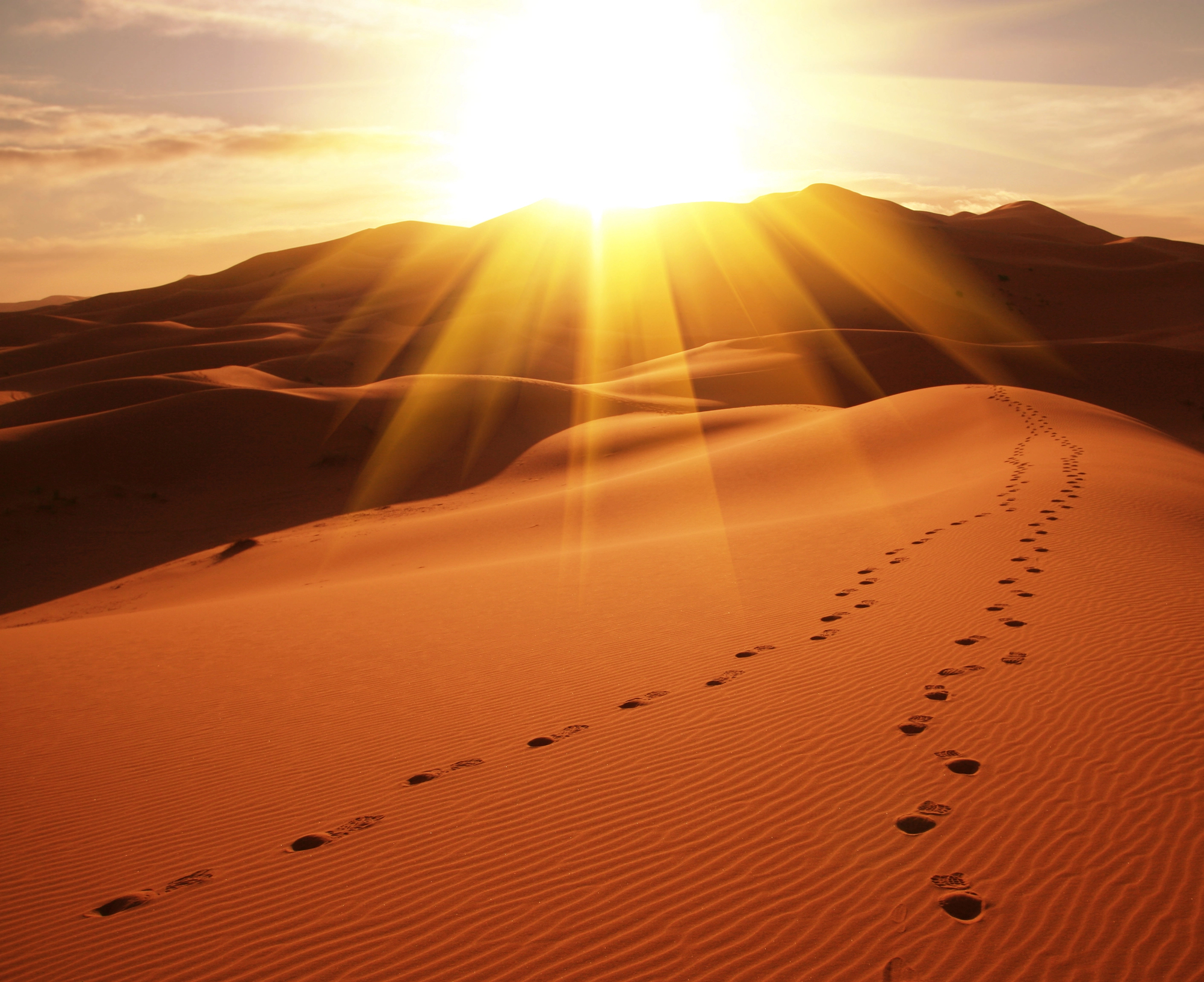
The Sahara Desert covers an area of 3.6 million square miles—nearly the size of the entire United States—and continues to grow larger each year. Individual sand dunes in the Grand Erg Oriental can reach heights of over 500 feet, taller than most coastal skyscrapers, while stretching for miles in length.
The Sahara is so vast that it influences global weather patterns and creates its own seasonal wind systems that can blow sand particles as far as South America.
Cave of Crystals
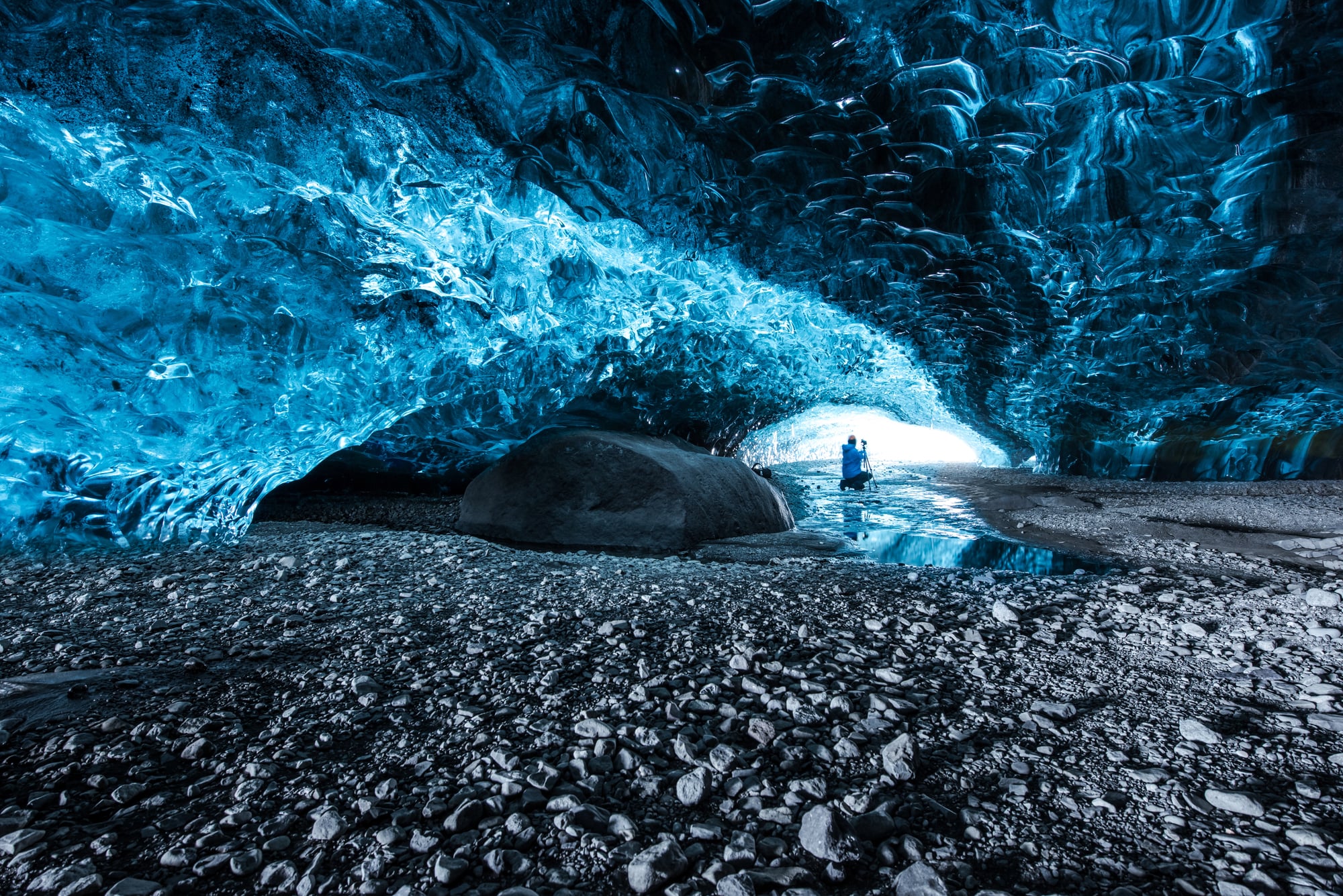
Mexico’s Cave of Crystals contains gypsum formations that reach lengths of 36 feet and weights of 55 tons—equivalent to a commercial bus. Discovered within a working mine nearly 1,000 feet below the surface, these crystals are so large that explorers look like ants walking among them.
Conditions inside are so extreme—with temperatures reaching 136°F with 90-99% humidity—that humans can only survive about ten minutes without specialized cooling suits.
The Eye of the Sahara
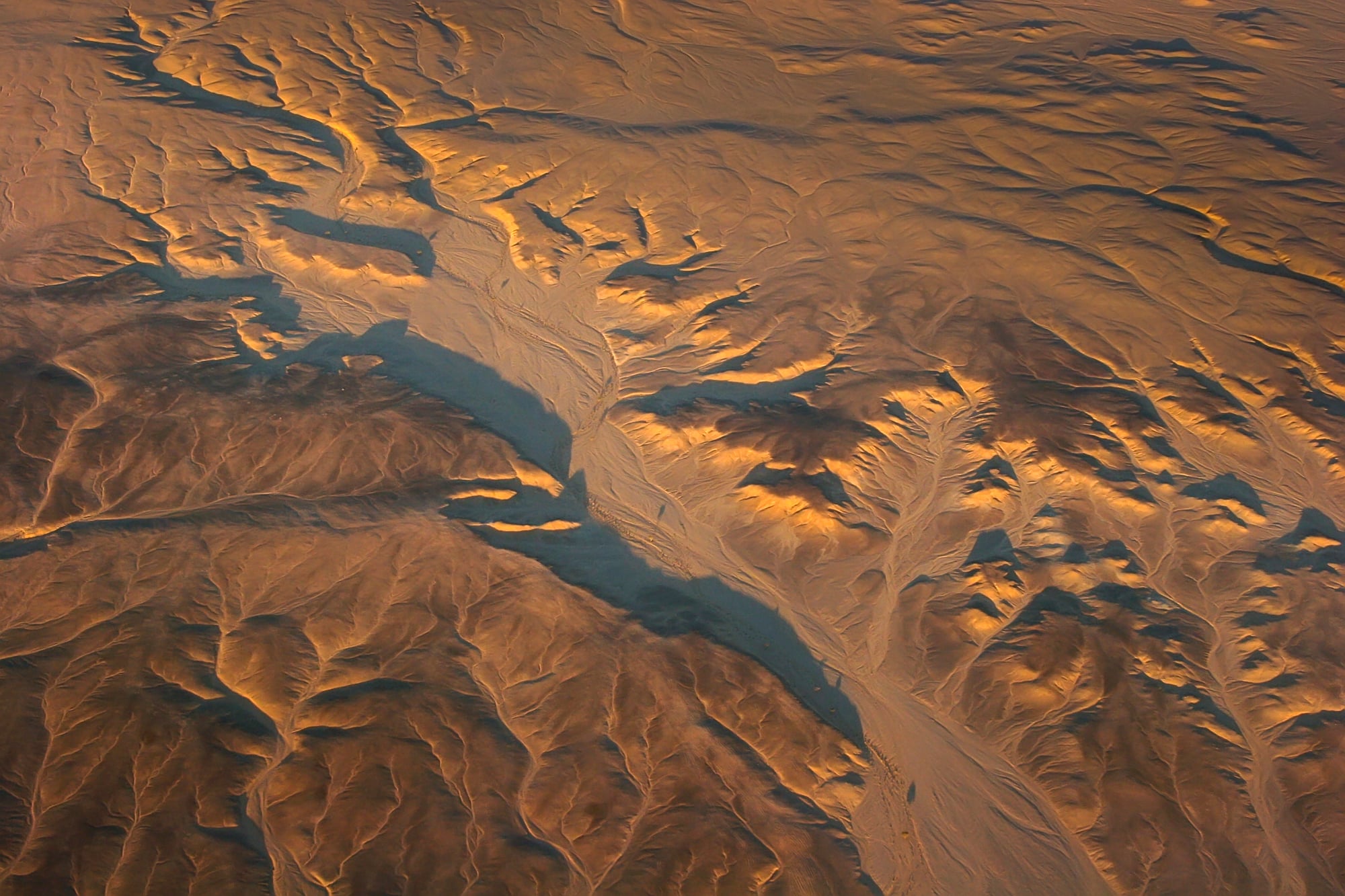
Also known as the Richat Structure, this circular geological formation in Mauritania measures nearly 30 miles across and is so perfectly formed that it was initially thought to be artificial. Visible from space and once used as a landmark by shuttle astronauts, the Eye features concentric rings of different rock types that have weathered at varying rates.
The structure rises nearly 650 feet above the surrounding desert floor, though its perfect circular shape only becomes apparent from high above.
Loch Ness
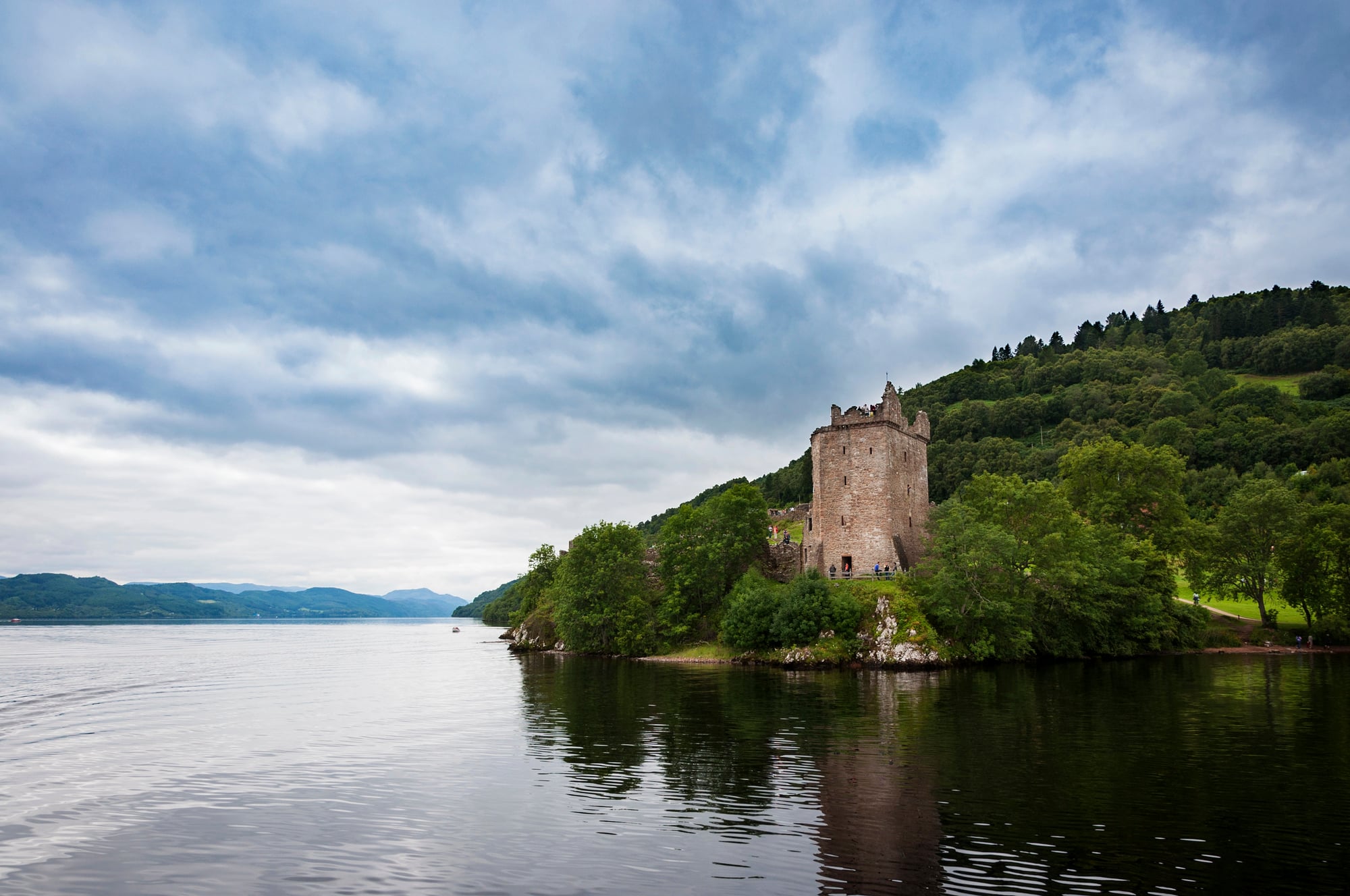
While Scotland’s famous lake is known for its legendary monster, few realize that Loch Ness contains more fresh water than all the lakes in England and Wales combined. The loch stretches for 23 miles and reaches depths of 754 feet, with its deepest point containing enough water to submerge three Empire State Buildings stacked on top of one another.
The water is so dark from peat sediment that visibility extends only a few inches, contributing to the lake’s mysterious reputation.
Waitomo Glowworm Caves
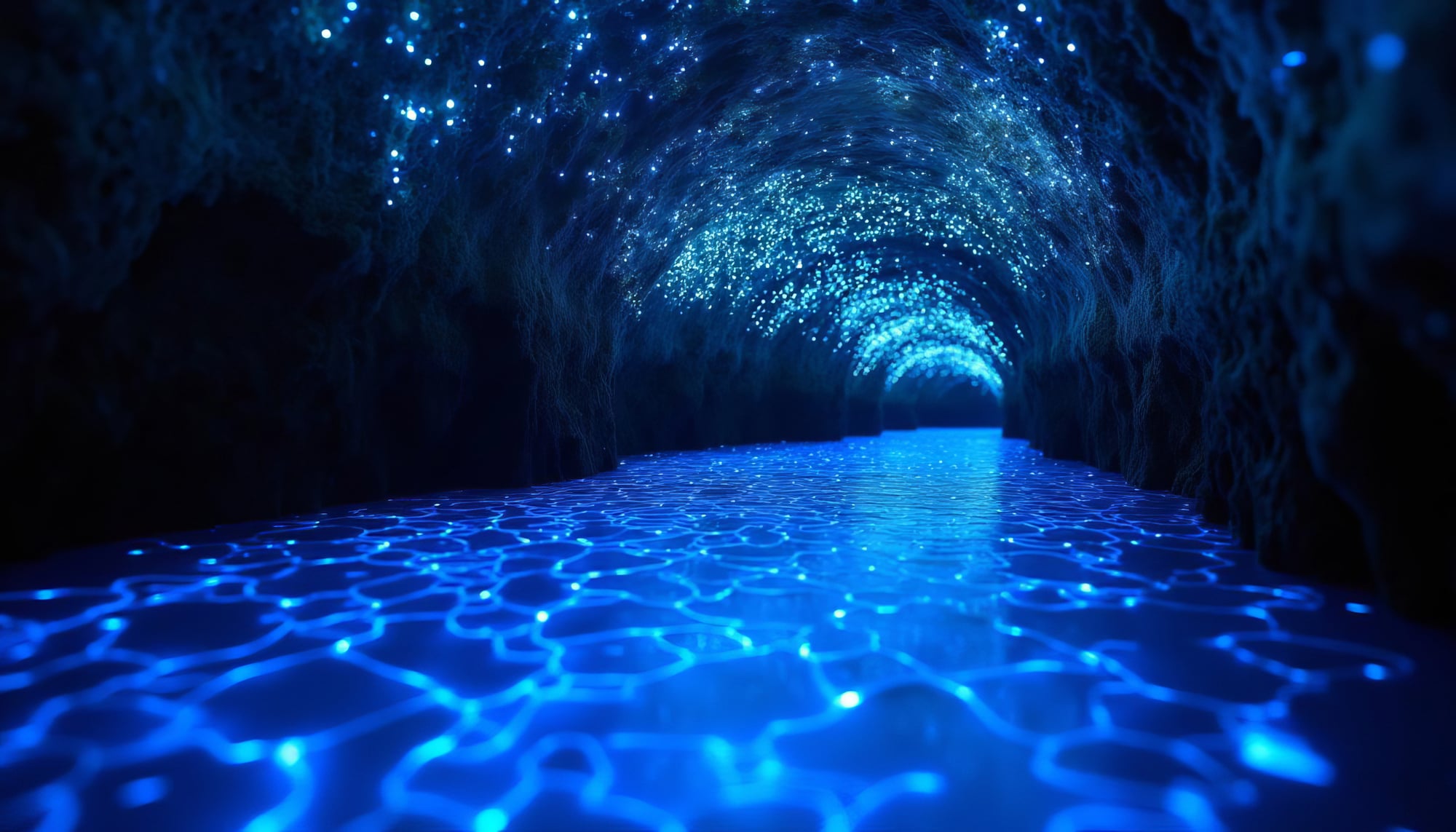
New Zealand’s Waitomo Caves extend through a limestone system covering over 2 square miles, but their true scale becomes apparent when viewing the glowworm populations. The main Glowworm Grotto contains hundreds of thousands of Arachnocampa luminosa, creating a living ceiling that mimics a star-filled night sky extending seemingly forever into the darkness.
Some chambers are so large that they create their own air currents which glowworms use to catch prey in sticky threads that can extend over 20 inches from the ceiling.
Daintree Rainforest
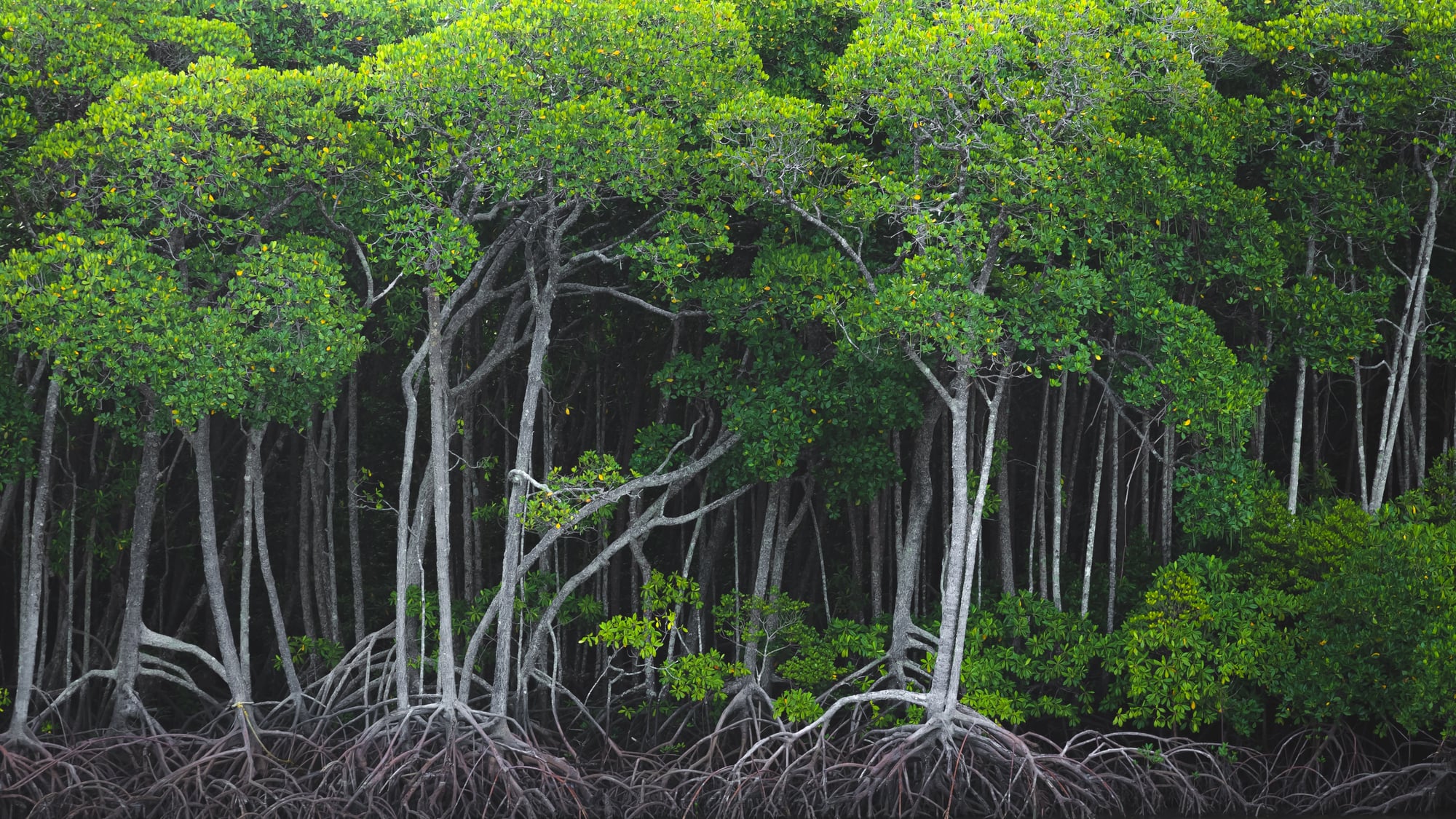
Australia’s Daintree Rainforest covers over 460 square miles and is estimated to be over 180 million years old—making it tens of millions of years older than the Amazon. The forest contains 30% of Australia’s frog, marsupial and reptile species and 65% of its butterfly and bat species, all within an area that represents just 0.1% of Australia’s total landmass.
Some individual trees have root systems extending for acres, while canopies can reach heights of 150 feet.
Mount Thor
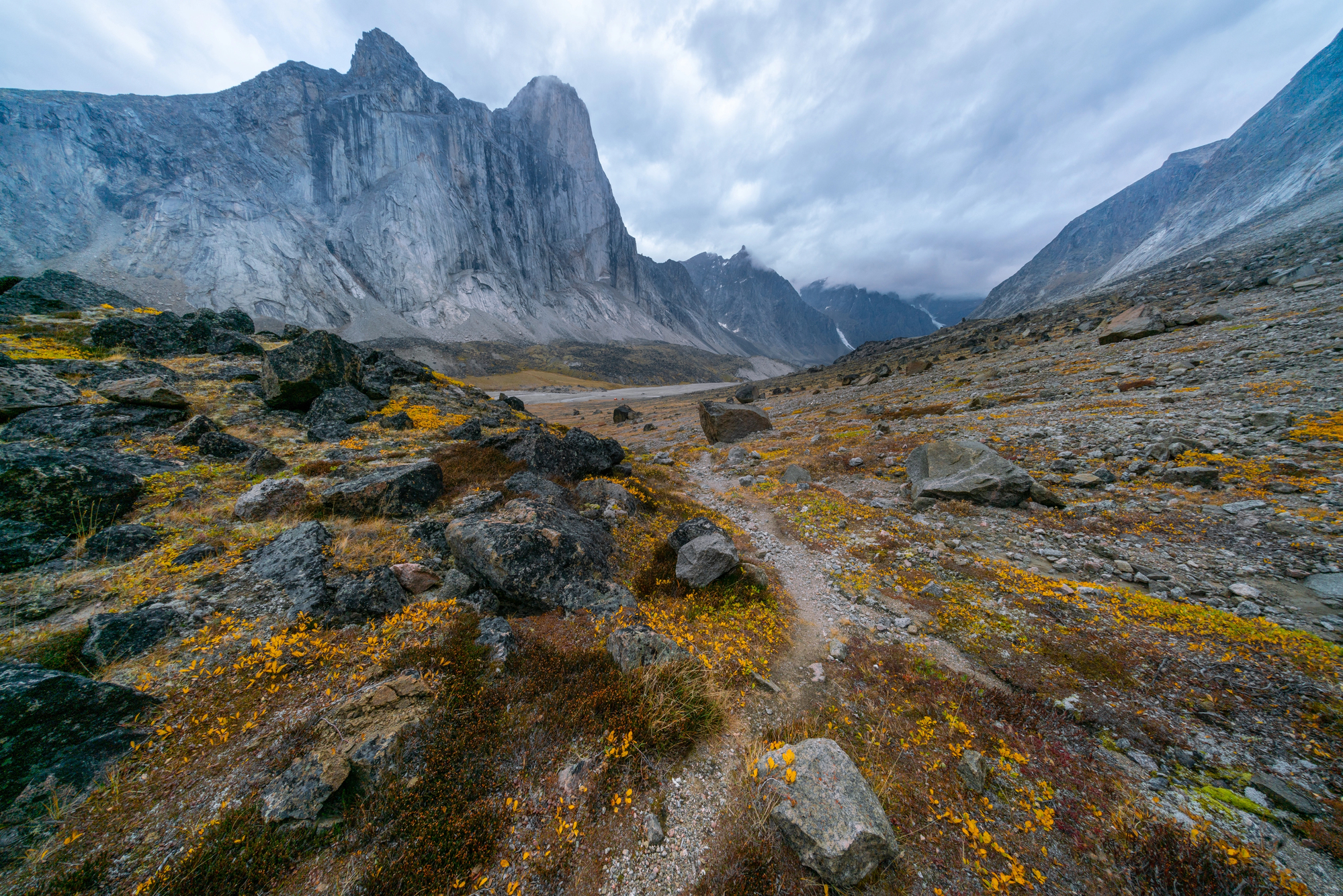
Located on Canada’s Baffin Island, Mount Thor features the world’s tallest purely vertical drop—a sheer 4,101-foot cliff face with an average angle exceeding 105 degrees. This means the cliff actually overhangs its base, creating the most severe vertical drop on the planet
A rock dropped from the peak would fall for over 36 seconds before hitting anything, and high winds often blow smaller objects upward along the cliff face rather than allowing them to fall.
Perspective-Shifting Magnitude
These 20 landmarks remind us of nature’s capacity to operate on scales that defy human comprehension. While photographs and statistics provide information about these wonders, they cannot replicate the profound psychological impact of standing beside something so massively outsized in human proportion.
As urban living increasingly separates us from these natural giants, experiencing their true dimensions firsthand has become an increasingly rare and valuable way to recalibrate our understanding of our relatively modest place within the natural world.
More from Go2Tutors!

- The Romanov Crown Jewels and Their Tragic Fate
- 13 Historical Mysteries That Science Still Can’t Solve
- Famous Hoaxes That Fooled the World for Years
- 15 Child Stars with Tragic Adult Lives
- 16 Famous Jewelry Pieces in History
Like Go2Tutors’s content? Follow us on MSN.