17 Times Propaganda Backfired Spectacularly
Throughout history, governments and organizations have tried to shape public opinion through carefully crafted messages. Sometimes these campaigns work exactly as planned, rallying people around a cause or shifting popular sentiment.
But other times, propaganda efforts blow up in the most spectacular ways imaginable, creating the exact opposite effect their creators intended. When propaganda backfires, it’s often because the message feels too heavy-handed, the timing is terrible, or people simply see right through the manipulation.
Here is a list of 17 times propaganda campaigns went so wrong they became legendary examples of how not to influence public opinion.
Radio Free Europe’s Balloon Campaign

During the Cold War, Radio Free Europe launched Operation Prospero, dropping millions of leaflets over Eastern Europe using weather balloons. The campaign aimed to inspire rebellion against communist governments.
Instead, it mostly annoyed farmers who had to clean up the mess from their fields. Many people used the leaflets as toilet paper or kindling, turning anti-communist messages into literal waste.
Nazi Germany’s Charlie Chaplin Problem
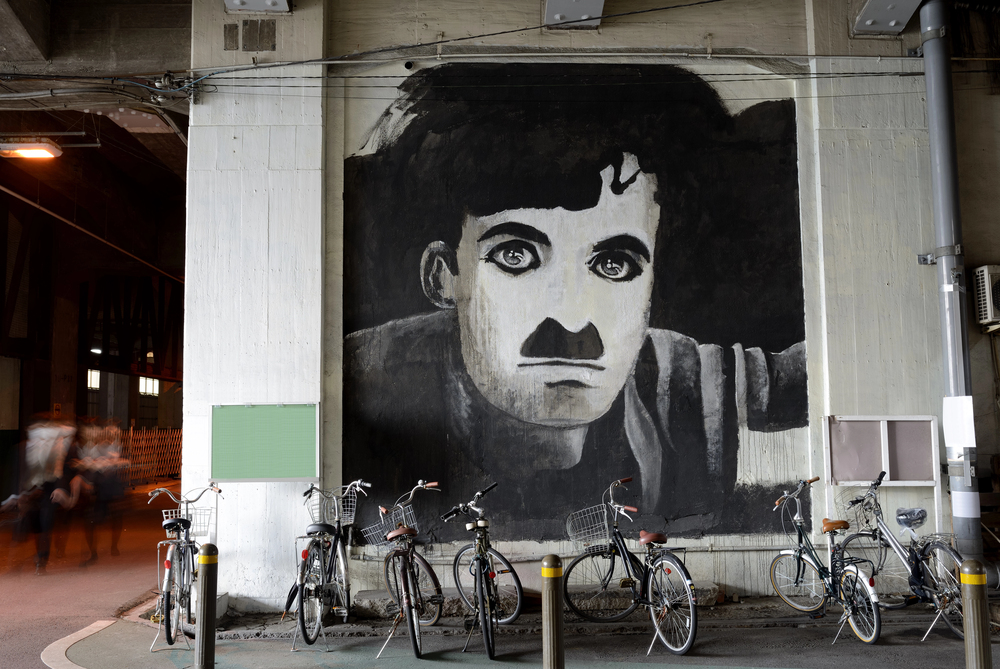
The Nazi propaganda machine tried to discredit Charlie Chaplin by spreading rumors about his Jewish heritage and communist sympathies. Their efforts only made Chaplin more determined to mock Hitler, leading him to create ‘The Great Dictator’ in 1940.
The film became one of the most effective anti-Nazi statements ever made, with Chaplin’s brilliant parody of Hitler reaching millions worldwide.
Soviet Union’s Invisible Wheat Fields

Stalin’s government published photos showing abundant wheat harvests during the Ukrainian famine of the 1930s. The images were supposed to prove that collective farming was successful and food was plentiful.
However, these fake photos only highlighted the regime’s cruelty when people were literally starving, making the Soviet government look even more heartless and dishonest to the international community.
McCarthyism’s Celebrity Martyrs
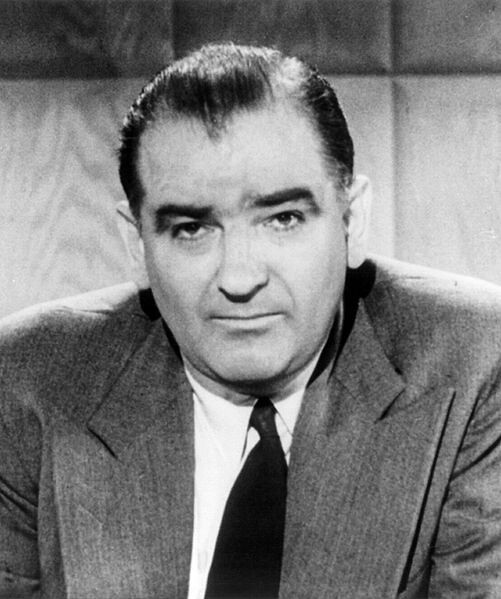
Senator Joseph McCarthy’s anti-communist crusade in Hollywood was meant to root out dangerous radicals from the entertainment industry. Instead, it created sympathetic martyrs out of talented writers, directors, and actors who were blacklisted.
The Hollywood Ten became symbols of artistic freedom, and their persecution ultimately discredited McCarthyism when public opinion turned against the witch hunts.
British WWI Recruitment Posters
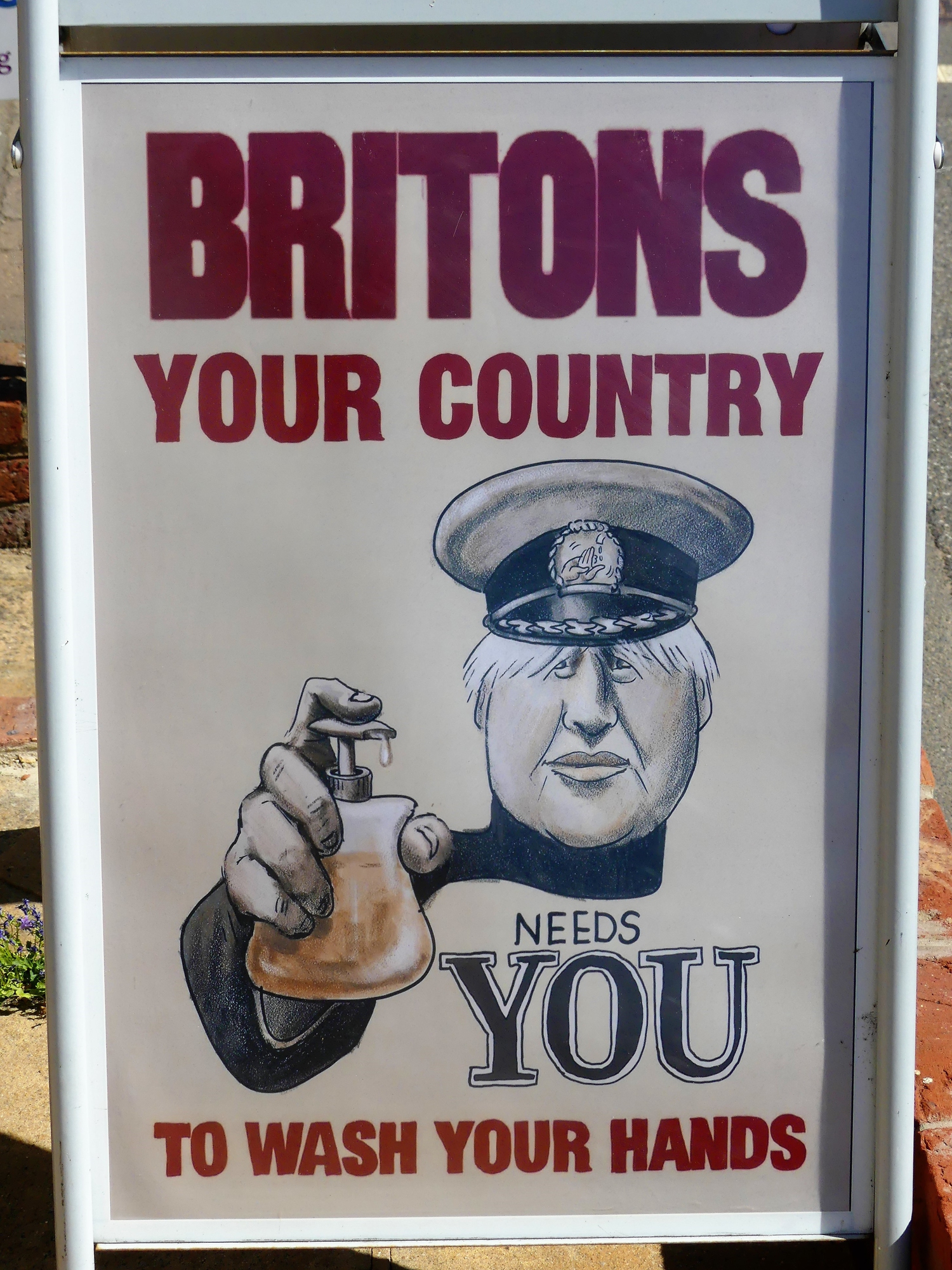
Britain’s famous ‘Your Country Needs You’ posters featuring Lord Kitchener were designed to shame men into enlisting during World War I. While initially effective, they eventually backfired as casualties mounted and people realized they’d been manipulated into a horrific conflict.
The guilt-based messaging created lasting resentment and made recruitment even harder as the war dragged on.
East Germany’s Anti-Western Radio Campaign

East German authorities broadcast constant warnings about the dangers of Western decadence and capitalism to keep citizens from fleeing to the West. These messages had the unintended effect of making Western life sound incredibly appealing to people stuck behind the Iron Curtain.
The more officials warned about Western freedoms, the more attractive they became to ordinary East Germans.
Reefer Madness and Drug Education

The 1936 film ‘Reefer Madness’ was created to scare people away from marijuana use by showing exaggerated consequences like murder and insanity. When audiences realized the claims were completely ridiculous, they began questioning all anti-drug messaging.
The film’s over-the-top approach actually undermined legitimate drug education efforts for decades, making it harder for authorities to convey real health risks.
Japanese Balloon Bombs in WWII
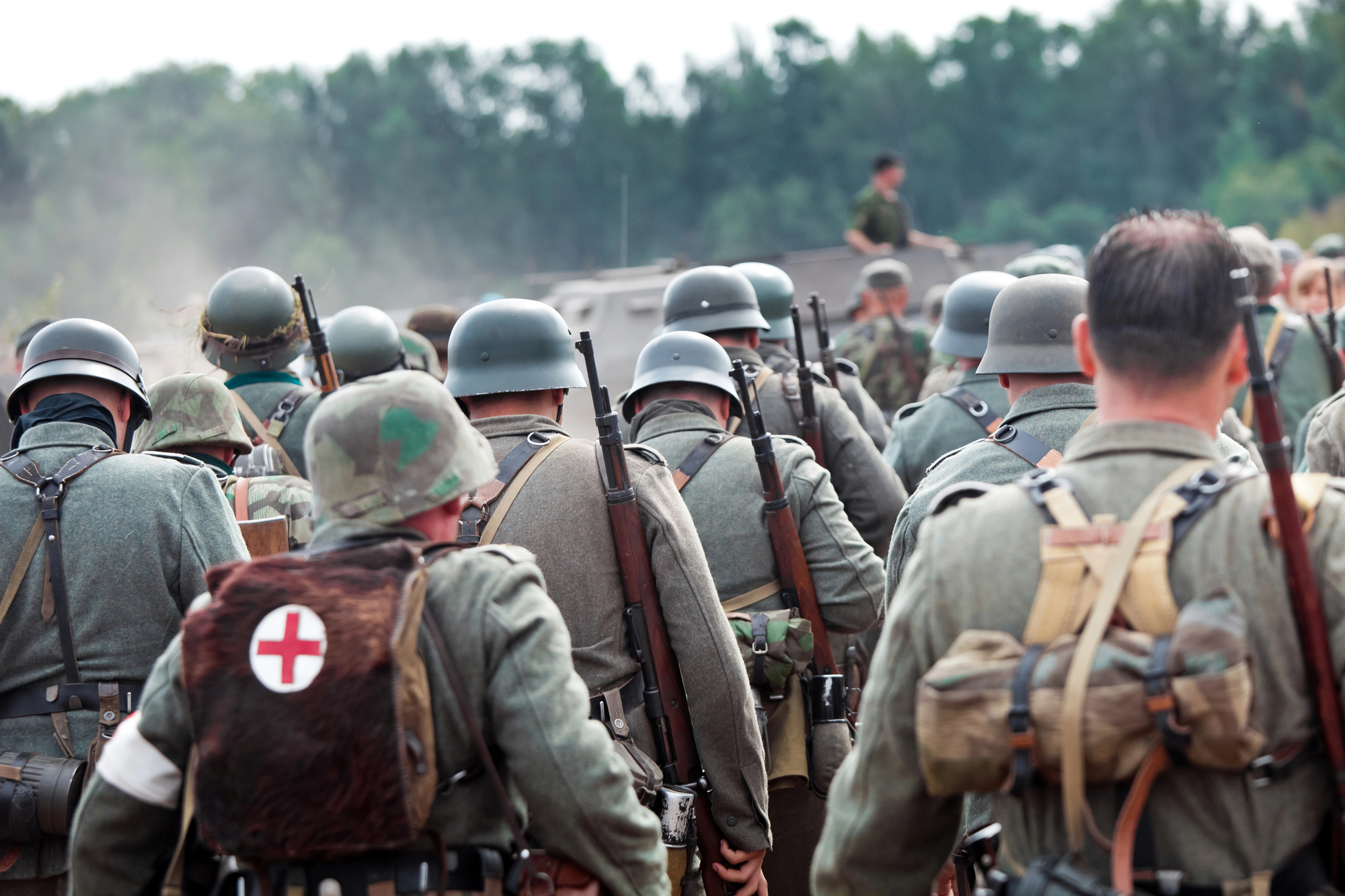
Japan launched thousands of balloon bombs across the Pacific, hoping to create panic and forest fires in the American West. The U.S. government kept the attacks secret to prevent panic, which meant the balloons mostly fell harmlessly in remote areas.
The secrecy backfired when six civilians were killed by an unexploded balloon in Oregon, and the cover-up made authorities look incompetent when the truth eventually emerged.
The Bay of Pigs Radio Broadcasts

Before the failed 1961 invasion of Cuba, the CIA broadcast propaganda claiming massive support for overthrowing Castro existed within Cuba. These messages were supposed to encourage internal rebellion during the invasion.
Instead, they alerted Castro to the coming attack and gave him time to prepare his defenses, contributing directly to the invasion’s humiliating failure.
Duck and Cover Civil Defense Films

American civil defense films teaching children to ‘duck and cover’ under desks during nuclear attacks were meant to reduce panic about atomic warfare. The simplistic advice actually increased anxiety by making nuclear war seem both inevitable and survivable with basic precautions.
Parents and teachers realized that hiding under a desk wouldn’t help against atomic bombs, making the whole civil defense program look absurd.
Hitler’s Olympic Showcase

The 1936 Berlin Olympics were supposed to demonstrate Aryan superiority and Nazi organizational prowess to the world. Instead, Jesse Owens and other non-white athletes dominated the games, directly contradicting Nazi racial theories.
The global audience saw through the propaganda spectacle, and Hitler’s obvious discomfort with Owens’ victories made the regime look petty and ridiculous on the world stage.
Soviet Space Program Secrecy

The USSR kept its space program shrouded in secrecy to project an image of effortless technological superiority. When rockets exploded or missions failed, the silence made people more suspicious rather than impressed.
The lack of transparency backfired completely when the Chernobyl disaster showed that Soviet secrecy often covered up dangerous incompetence rather than protecting state secrets.
Vietnam War Body Count Reports
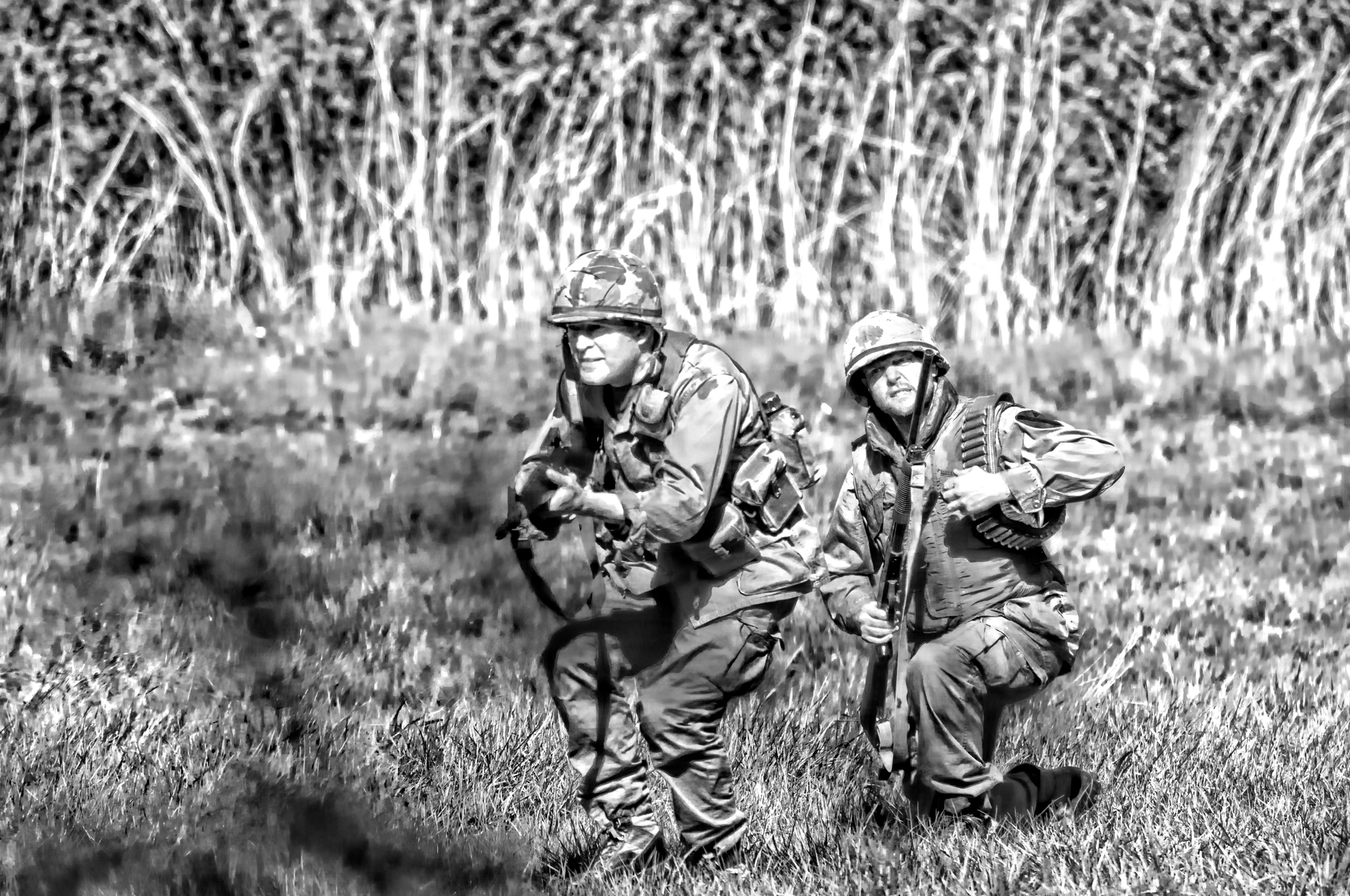
The U.S. military’s daily body count reports during the Vietnam War were designed to show progress and justify continued fighting. These statistics actually demonstrated the war’s futility when high enemy casualty numbers didn’t translate into victory.
American families watching the news realized that impressive kill ratios meant nothing if their sons were still dying in an endless conflict with no clear objectives.
Watergate Cover-Up Denials

The Nixon administration’s initial denials about Watergate were supposed to contain the scandal and protect the president’s reputation. Each lie made the eventual truth more damaging, turning a relatively minor break-in into a constitutional crisis.
The cover-up became worse than the original crime, destroying Nixon’s credibility and making ‘Watergate’ synonymous with government corruption.
Communist China’s Great Leap Forward Reporting

Mao’s government published wildly inflated agricultural production figures during the Great Leap Forward to prove the success of communist policies. Local officials competed to report impossible harvest numbers, creating a feedback loop of lies.
When the fabricated statistics led to grain exports during mass starvation, the propaganda campaign became directly responsible for millions of deaths and ultimately discredited communist economic planning.
Iranian Hostage Crisis Media Management

The Iranian government encouraged extensive media coverage of the 1979 hostage crisis to humiliate America and rally domestic support. The daily television broadcasts actually worked against Iran by keeping American anger at a boiling point for 444 days.
What started as a propaganda victory became a diplomatic disaster that poisoned U.S.-Iran relations for decades and helped elect Ronald Reagan.
Prohibition Era Anti-Alcohol Campaigns

Government campaigns portraying alcohol as liquid poison and linking drinking to moral decay were meant to build support for Prohibition. The extreme messaging made moderate drinking seem rebellious and exciting rather than dangerous.
When people realized that most drinkers weren’t becoming violent criminals or dying from liver failure, they lost faith in all temperance arguments and Prohibition became increasingly unpopular.
When Good Intentions Meet Bad Execution

These propaganda failures share common threads that connect past mistakes to present-day communication challenges. Heavy-handed messaging, obvious manipulation, and disconnect from reality created backlash that often lasted longer than the original campaigns.
Modern politicians, advertisers, and advocacy groups still fall into the same traps, proving that the lessons from these spectacular failures remain as relevant today as they were decades ago. The most effective communication has always been honest, nuanced, and respectful of the audience’s intelligence rather than trying to manipulate through fear or false promises.
More from Go2Tutors!

- The Romanov Crown Jewels and Their Tragic Fate
- 13 Historical Mysteries That Science Still Can’t Solve
- Famous Hoaxes That Fooled the World for Years
- 15 Child Stars with Tragic Adult Lives
- 16 Famous Jewelry Pieces in History
Like Go2Tutors’s content? Follow us on MSN.