14 Natural Features That Vanish and Reappear
There are many intriguing natural occurrences on our globe that cast doubt on our conception of permanency. Instead of being permanent features, some of the most fascinating landscapes on Earth are transitory guests that come and go in time with the cycles of the natural world.
Underwater woods and islands that engage in a game of hide-and-seek with the tides are examples of these disappearances. Here is a list of 14 global natural landmarks that demonstrate the dynamic nature of Earth by disappearing and resurfacing during different natural cycles.
Lake Cerknica
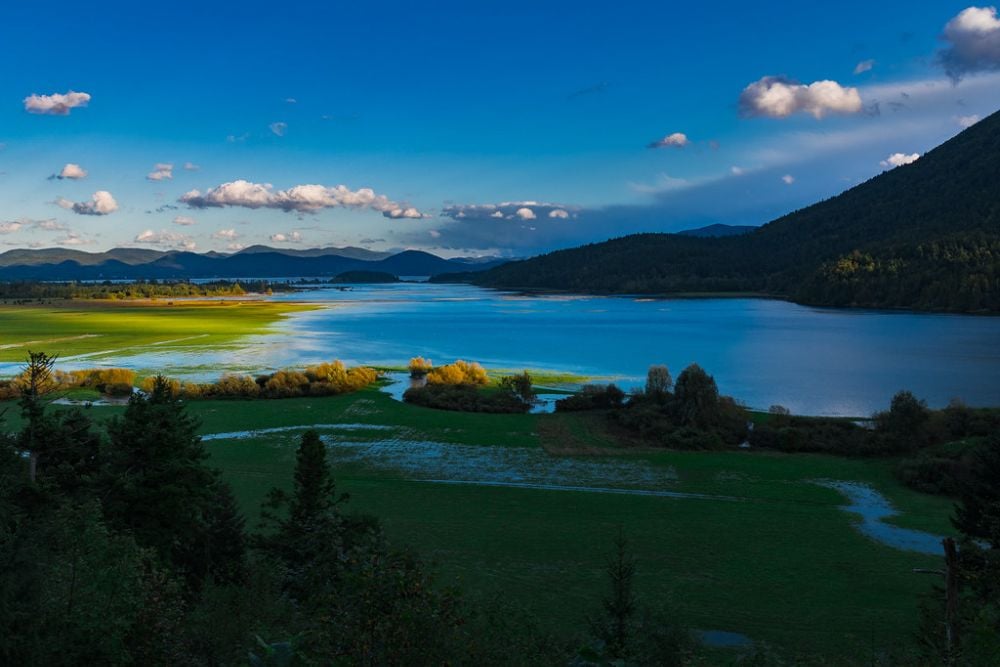
When full, this enigmatic Slovenian lake spans over 10 square kilometers, but during dry seasons, it vanishes entirely. The limestone basin’s more than 150 sinkholes allow water to seep through, turning the lakebed into lush farmland that has long been farmed by the inhabitants in between floods.
The subterranean water system reverses flow when heavy rains return, and the lake mysteriously emerges in a matter of days.
Disappearing Falls of Davis Gulch
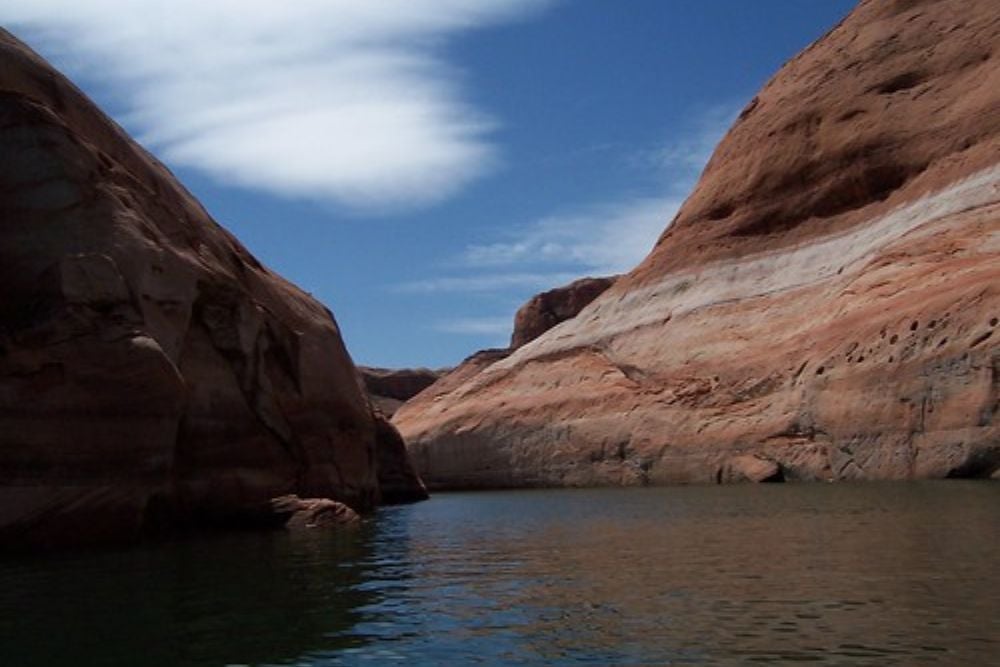
These fleeting waterfalls, which are found in Utah’s Glen Canyon, only appear following heavy precipitation. Until unexpected rains cause water to spill over the sandstone edges and into pools below, the desert environment stays dry for months.
Hikers who are fortunate enough to see the transformation will cherish these ephemeral falls, which may only last for a few hours before disappearing once more.
Lençóis Maranhenses Lagoons
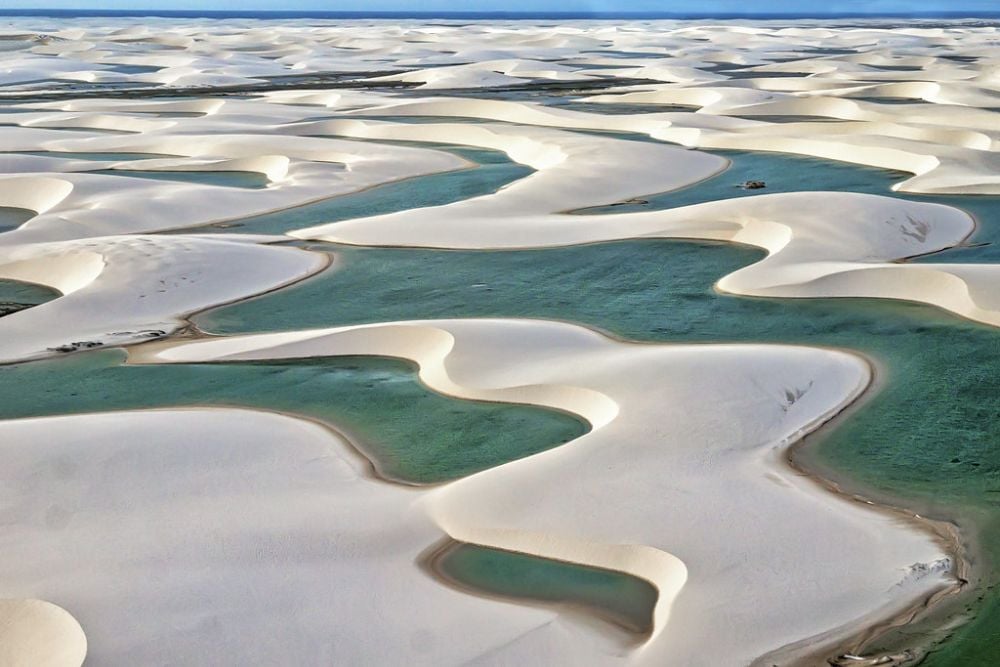
The white sand dunes of this Brazilian national park fill with crystal-clear rainwater from January to June, creating thousands of temporary blue and green lagoons. During the dry season, these stunning pools completely evaporate, returning the landscape to a desert appearance.
The contrast between the pristine water and sweeping white dunes creates one of nature’s most photogenic vanishing acts.
Salar de Uyuni Mirror Effect
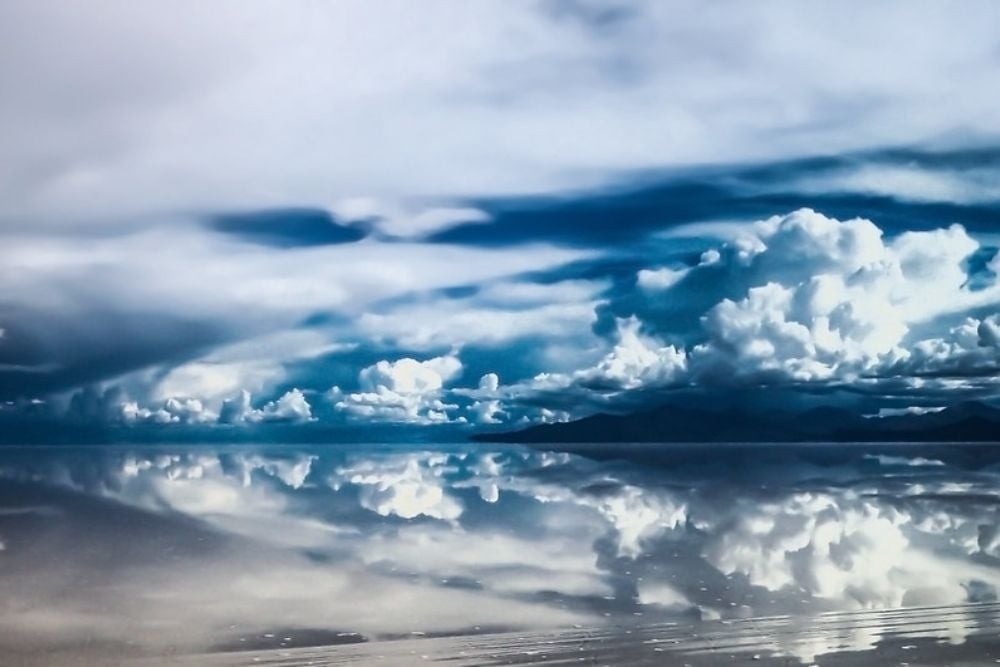
Bolivia’s massive salt flat transforms dramatically with the seasons. During the brief rainy period, a thin layer of water covers the salt crust, creating the world’s largest mirror—perfectly reflecting the sky above.
This surreal reflective surface stretches for over 4,000 square miles before evaporating and returning to its dry, cracked appearance that resembles a giant hexagonal tile floor.
Montgomery Reef
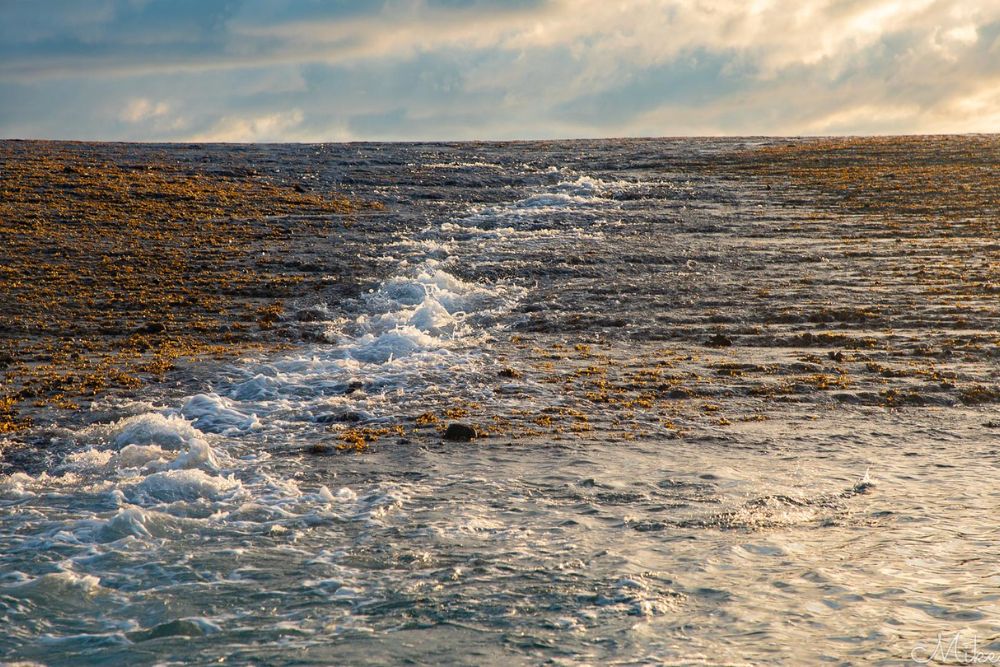
Off Australia’s Kimberley coast, this 154-square-mile coral reef appears to rise from the ocean as the tide recedes. The reef doesn’t actually move—rather, the falling tide (which can drop more than 33 feet) reveals the reef while creating hundreds of waterfalls as seawater cascades off its structure.
Marine life concentrates in channels cut through the reef during these daily tidal events, creating a constantly shifting ecosystem.
The Wadden Sea Floor
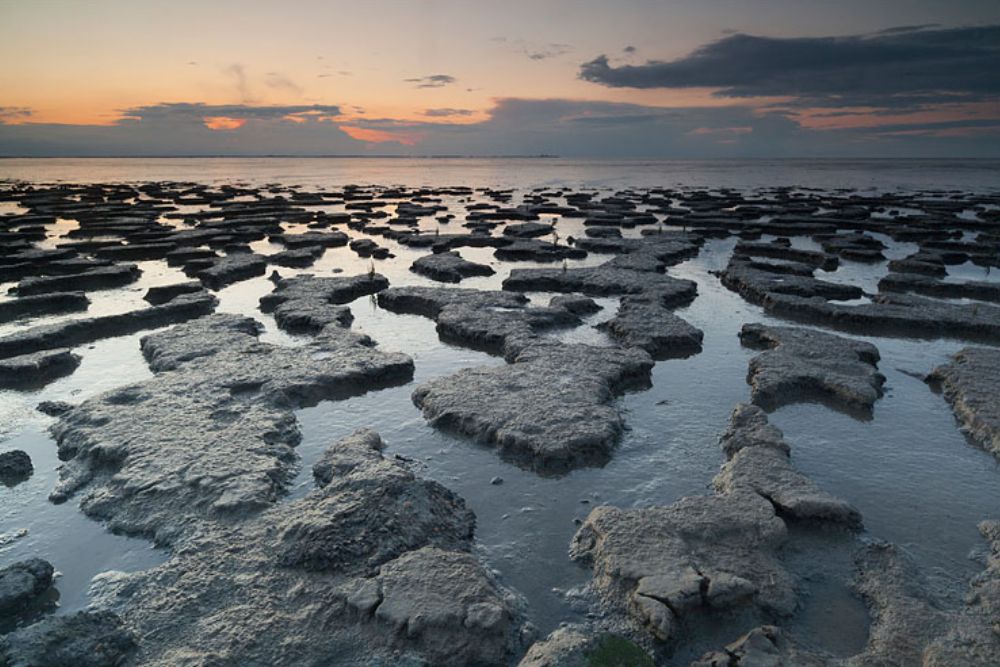
Along the coasts of Denmark, Germany, and the Netherlands, the Wadden Sea reveals its seafloor twice daily with the changing tides. Nearly 3,000 square miles of mudflats emerge from beneath the North Sea, allowing people to walk where fish swim just hours earlier.
This UNESCO World Heritage site hosts guided ‘mudflat hiking’ excursions where visitors can explore this temporary landscape before the returning tide reclaims it.
Spotted Lake
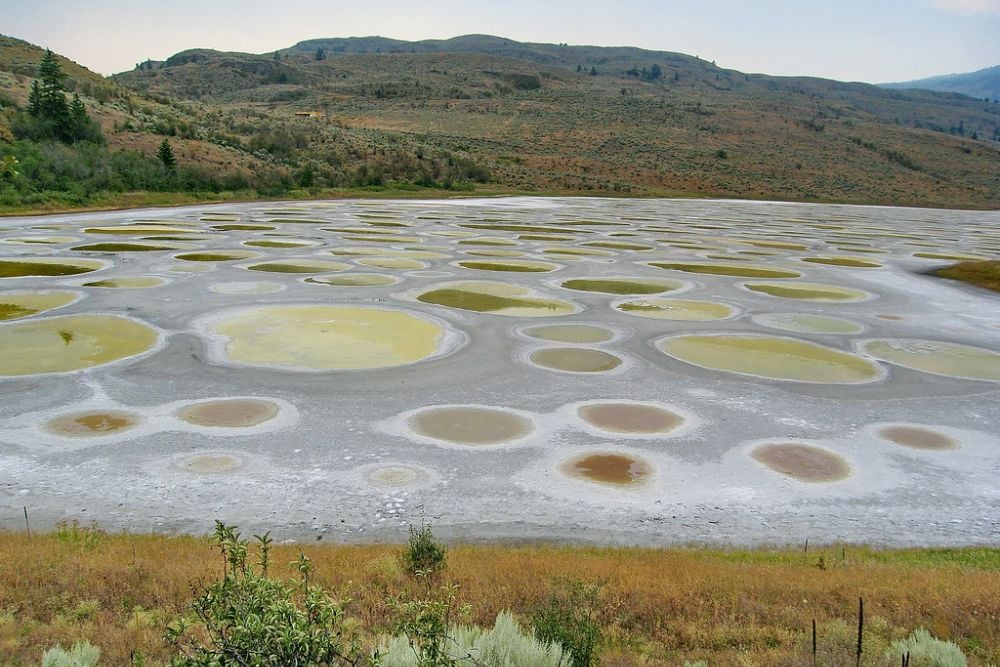
British Columbia’s Spotted Lake transforms dramatically through the seasons. Summer evaporation concentrates minerals in the water, forming hundreds of separate pools with distinct colors based on their mineral composition.
The ‘spots’ range from blue to green to yellow, creating a polka-dot landscape that indigenous Okanagan people have considered sacred for centuries. Winter rains then reunite the spots into a continuous lake body.
Hessdalen Lights
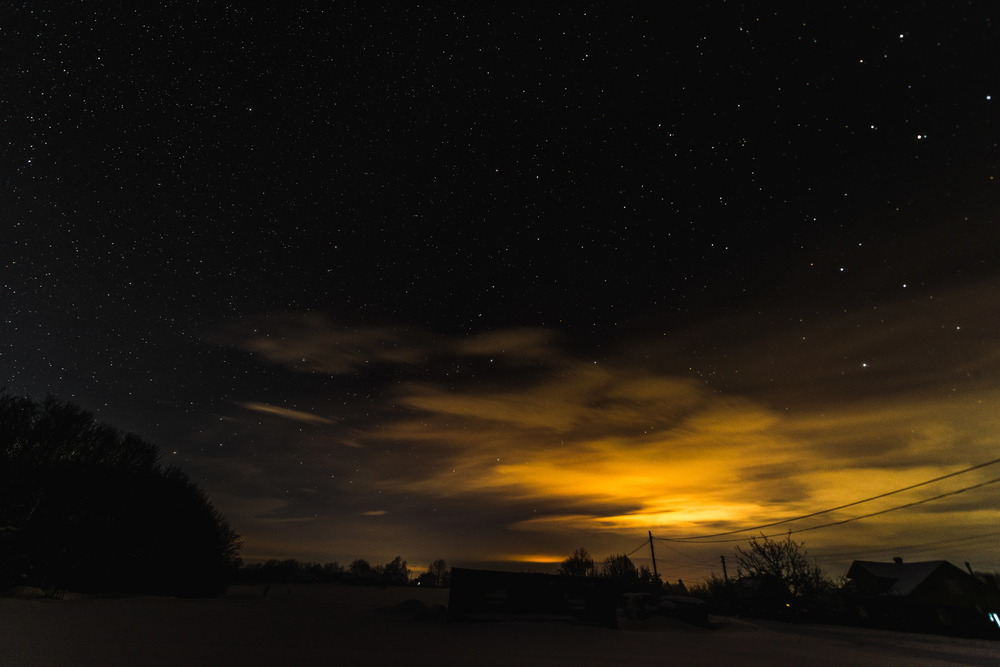
These mysterious atmospheric light phenomena in Norway’s Hessdalen Valley appear as bright, floating orbs that materialize and vanish without explanation. Scientists have documented these lights since the 1980s, with appearances lasting from seconds to hours.
While theories range from ionized dust to piezoelectric effects on quartz minerals, these natural light shows continue to puzzle researchers with their unpredictable appearances and disappearances.
Hidden Beach of Marieta Islands
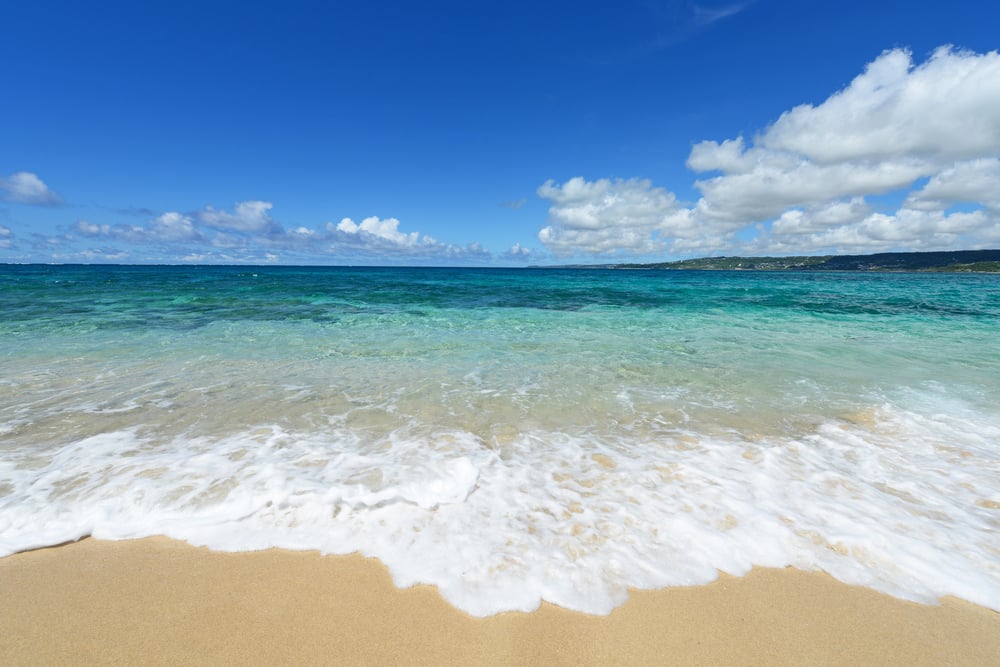
This concealed beach in Mexico disappears completely during high tide. Located inside a crater on the Marieta Islands, the beach is accessible only by swimming through a short tunnel when water levels permit.
The hollow crater, reportedly formed by military bombing tests, now houses this vanishing beach that appears and disappears with daily tidal rhythms.
Perito Moreno Ice Bridge
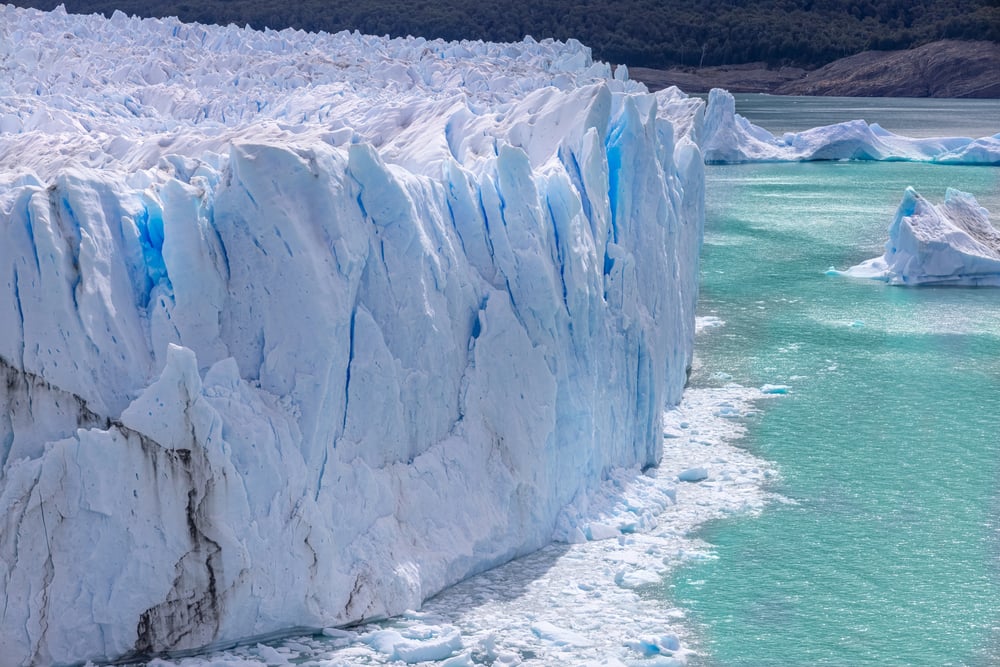
Argentina’s famous Perito Moreno glacier periodically forms a natural ice bridge across Lake Argentino. The advancing glacier eventually touches the opposite shoreline, damming part of the lake.
Water pressure builds behind this ice bridge until it spectacularly ruptures, a cycle repeating roughly every four years. Tourists gather to witness both the formation of this massive natural structure and its inevitable dramatic collapse.
Horsetail Falls ‘Firefall’
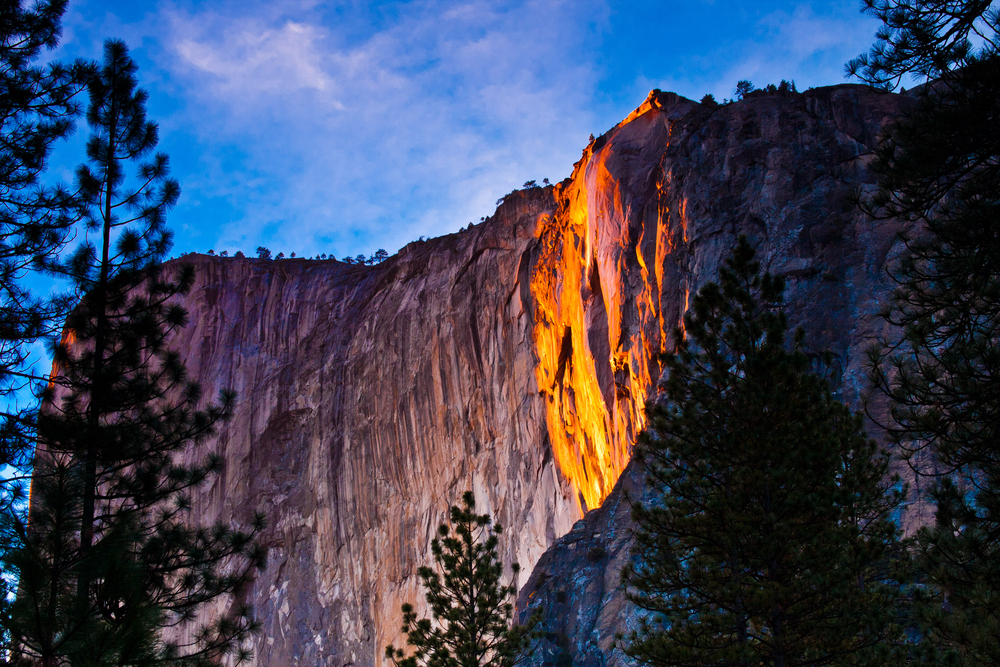
This seasonal waterfall in Yosemite National Park flows only during winter and spring, but for approximately two weeks in February, it performs an even rarer spectacle. When conditions align perfectly—sunset light, clear skies, and sufficient snowmelt—the setting sun illuminates the waterfall with a fiery orange glow that makes it appear like flowing lava against El Capitan’s face.
This natural light show vanishes completely once the sun’s angle changes.
Bioluminescent Beaches
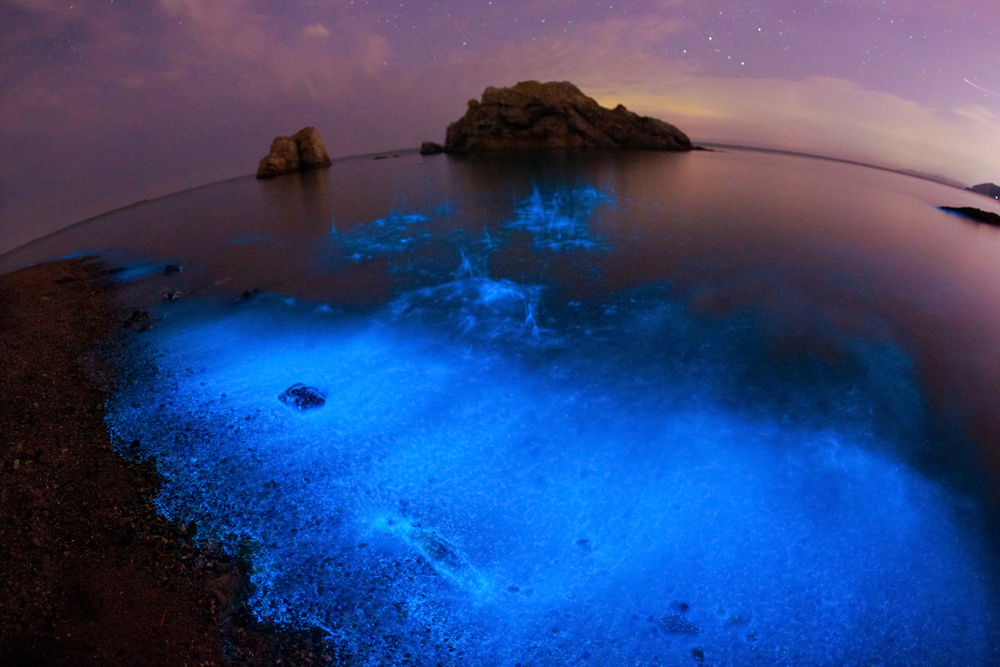
Several beaches worldwide transform into glowing blue landscapes when microscopic organisms called dinoflagellates are present in high concentrations. These tiny creatures emit light when disturbed, creating waves that appear to glow electric blue at night.
The Maldives, Puerto Rico, and Tasmania host some of the most dramatic displays, though the bioluminescent effect appears and disappears based on seasonal plankton blooms.
The Green Flash

This rare atmospheric phenomenon occurs right at sunset or sunrise when a green spot briefly appears above the sun’s upper edge. Lasting only a second or two, the green flash results from light refraction through the atmosphere.
Conditions must be perfect—a clear horizon, clean air, and unobstructed view—making this one of nature’s most elusive disappearing acts.
Moeraki Boulders’ Emergence
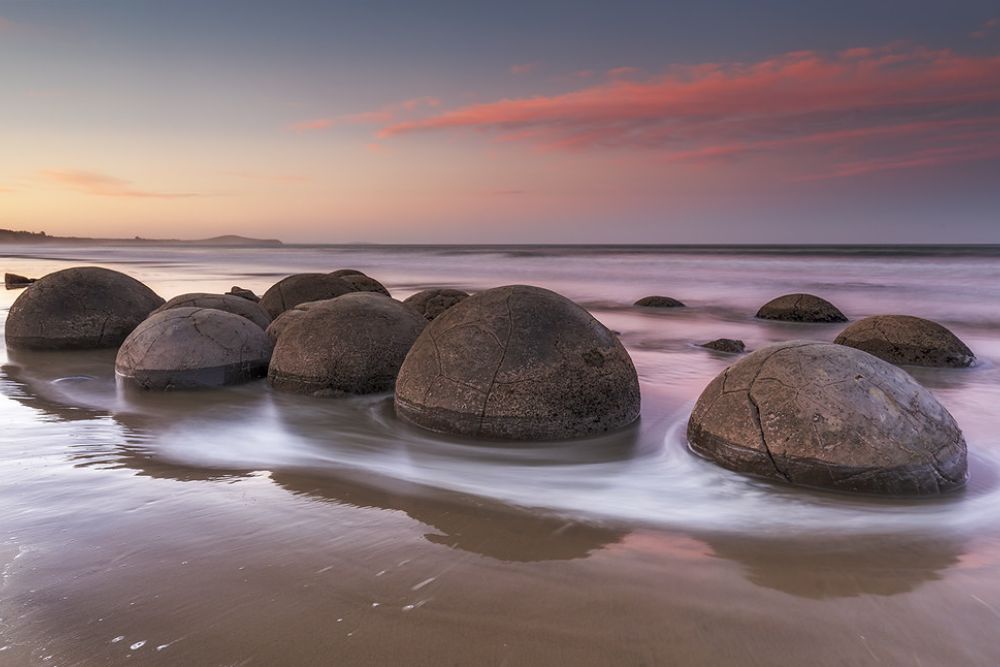
These perfectly spherical boulders along New Zealand’s Koekohe Beach periodically emerge from coastal mudstone as erosion exposes them. Formed over 60 million years, these concretions appear slowly as the surrounding softer material washes away.
High tides cover many of the boulders, while storms occasionally reveal new ones, creating a constantly changing shoreline collection of these mysterious spheres.
Nature’s Temporary Canvas
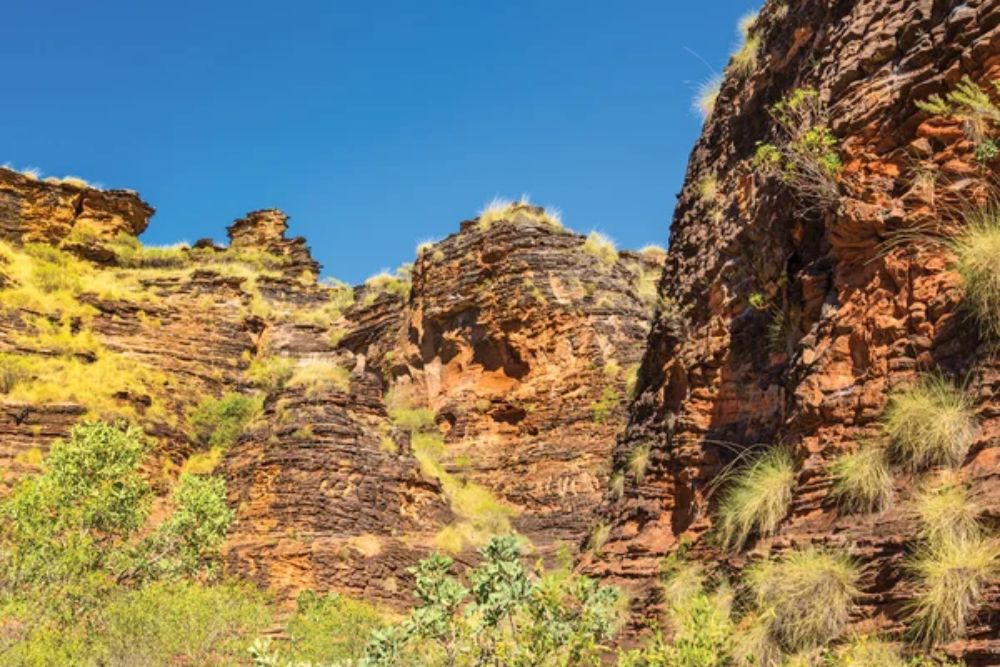
Our planet’s temporary features remind us that nature exists in constant flux rather than static permanence. From lakes that transform into farmland to beaches that glow blue for just a few nights per year, these vanishing and reappearing phenomena demonstrate Earth’s dynamic systems at work.
The ephemeral quality of these features makes witnessing them all the more special—brief glimpses of natural magic that might disappear tomorrow, only to return when conditions align once again.
More from Go2Tutors!

- The Romanov Crown Jewels and Their Tragic Fate
- 13 Historical Mysteries That Science Still Can’t Solve
- Famous Hoaxes That Fooled the World for Years
- 15 Child Stars with Tragic Adult Lives
- 16 Famous Jewelry Pieces in History
Like Go2Tutors’s content? Follow us on MSN.