Secrets of Luxury Leather Making
The world of luxury leather is fascinating, filled with techniques that have been refined over centuries. What separates a premium handbag from an ordinary one often comes down to processes most people never see.
These methods require patience, skill, and an understanding of how leather behaves under different conditions. Here is a list of secrets that transform raw animal hides into the supple, beautiful leather found in high-end goods.
Vegetable Tanning Takes Weeks
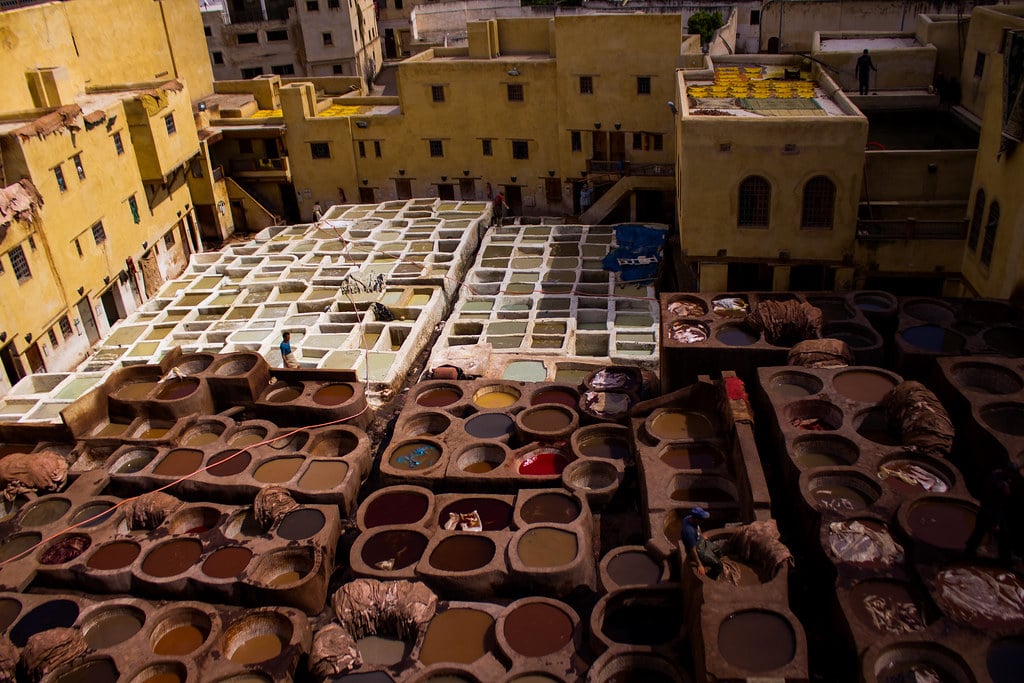
Unlike modern shortcuts, vegetable tanning uses natural tannins extracted from tree bark, leaves, and plant materials. The process can take anywhere from 30 to 60 days as hides soak in progressively stronger solutions.
This lengthy timeline creates leather with a firmer structure and lighter natural tones that age beautifully over time.
Chrome Tanning Works in Days
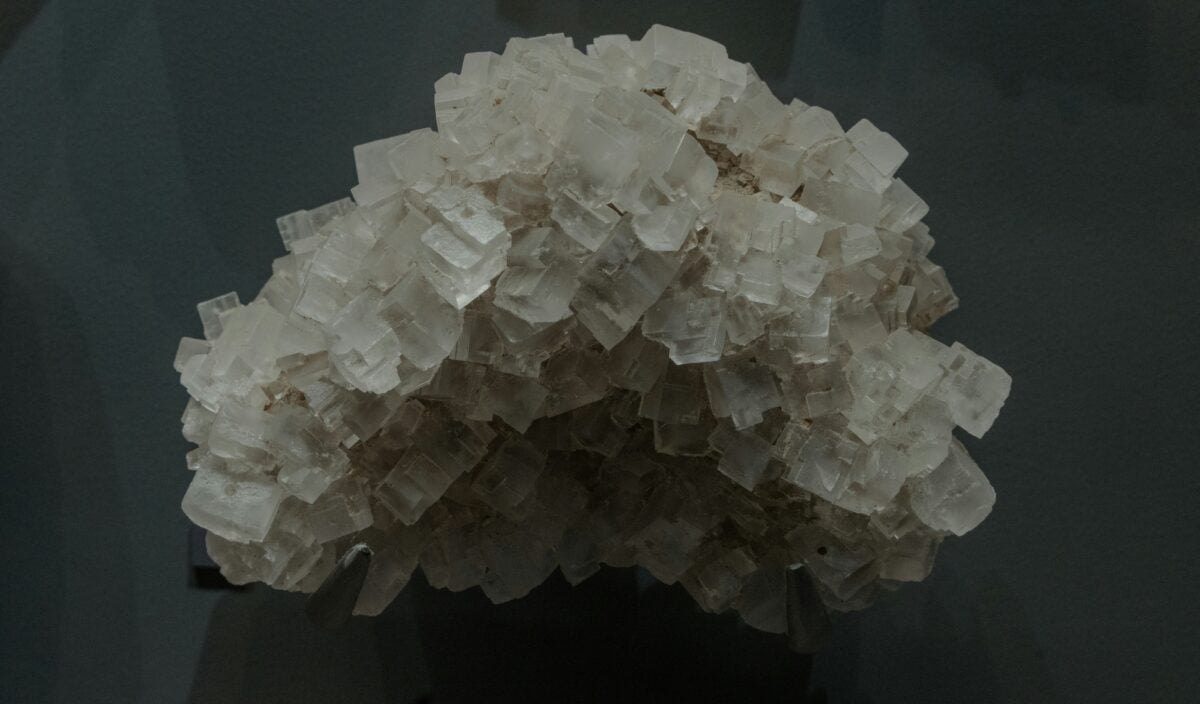
Introduced in the 1800s, chrome tanning revolutionized the industry by completing in just one or two days what vegetable tanning accomplishes in weeks. The method uses chromium salts in acidic solutions to stabilize the hide.
Most luxury brands prefer this technique because it produces softer, more flexible leather that accepts vibrant dyes and resists water better than its vegetable-tanned counterpart.
Salt Preservation Happens Fast
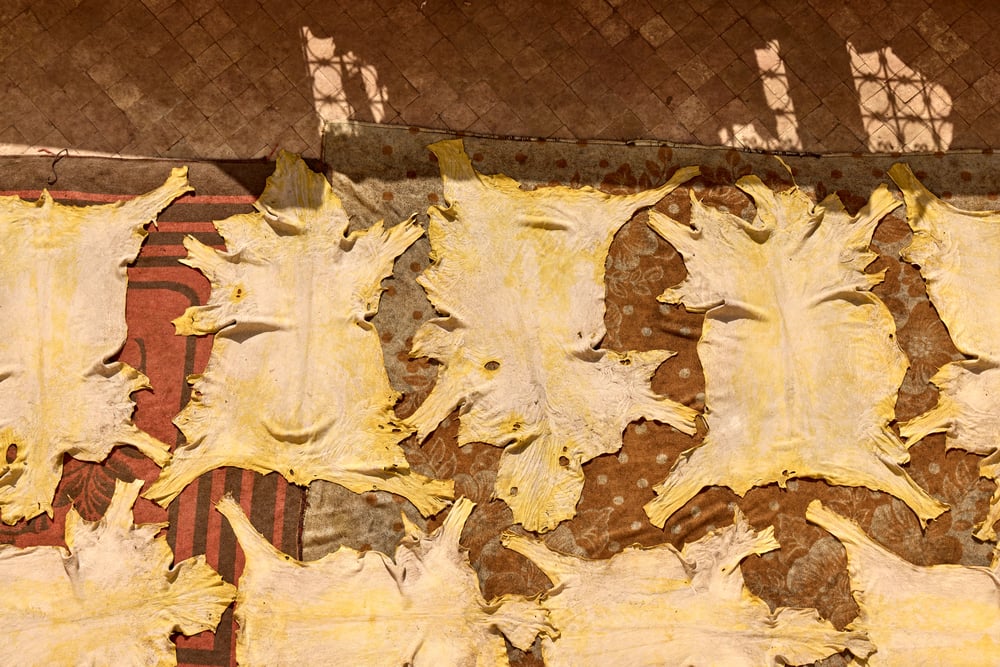
Fresh hides must be treated within hours of arriving at the tannery to prevent decomposition. Workers cover them in thick layers of salt that draw out moisture and halt bacterial growth.
The best luxury leather comes from fresh hides that skip this step entirely, rushing from supplier to tannery in refrigerated transport to maintain the highest quality.
The Beamhouse Strips Everything Away

This preliminary stage removes everything except the valuable dermal layer through a series of chemical baths and mechanical processes. Hair gets dissolved with alkaline solutions, excess flesh gets scraped away, and the hide gets split into layers.
Think of it like preparing a canvas before painting—the cleaner and more uniform the base, the better the final result.
Retanning Determines Final Character

After initial tanning, leather goes through a second treatment that defines its ultimate personality. This stage involves adding specific chemicals, dyes, and oils that create the unique properties each designer wants.
A soft handbag leather receives different retanning agents than a structured belt would, and this customization separates luxury goods from mass-market alternatives.
Saddle Stitching Outlasts Machines

Hand-stitching with two needles working from opposite directions creates a lock stitch that won’t unravel if one thread breaks. Each stitch gets pulled tight by the artisan, creating even tension that machines struggle to replicate.
Luxury brands like Hermès rely on this centuries-old technique because it produces seams that can last generations with proper care.
Edge Burnishing Creates Glass Smoothness
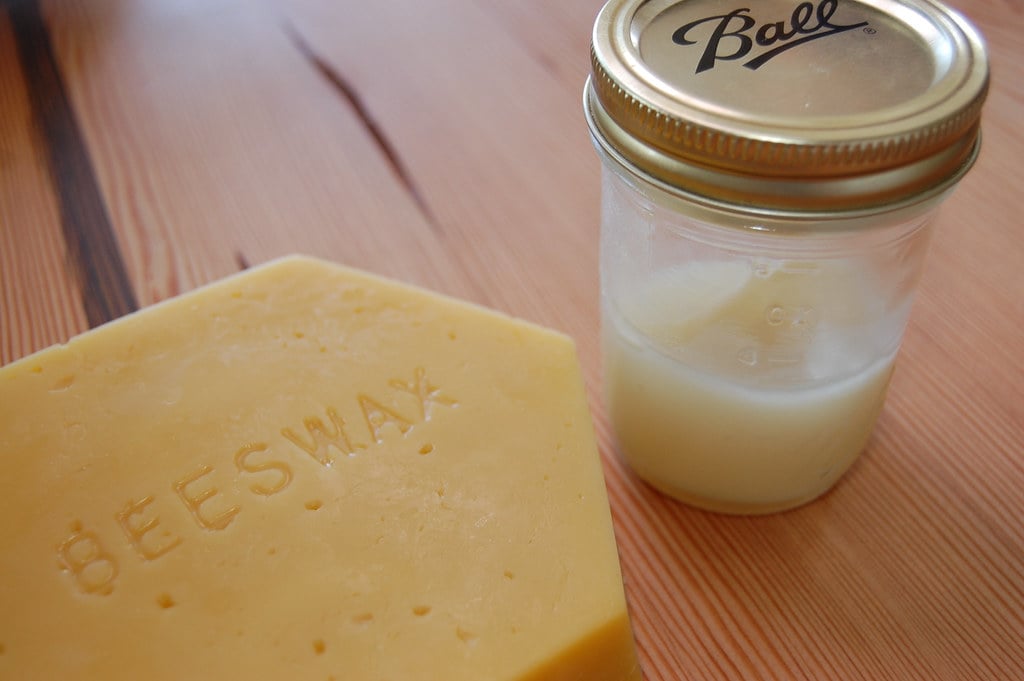
The raw edges of cut leather start as fuzzy, vulnerable fiber clusters. Artisans compress and polish these edges using friction, heat, and compounds like gum tragacanth or beeswax.
The process transforms rough cuts into slick, sealed surfaces that resist moisture and fraying. A perfectly burnished edge feels almost like polished stone when you run your finger across it.
Patina Only Happens on Quality Leather

Lower-grade leathers have synthetic coatings that prevent natural aging, but full-grain and top-grain leather develops a rich patina through regular use. Oils from your hands, exposure to sunlight, and daily wear create color depth and sheen that can’t be faked.
This gradual transformation makes each piece unique, like how a well-worn baseball glove molds to its owner’s hand.
Aniline Dyeing Shows Natural Grain

This transparent dyeing method penetrates the leather without creating an opaque surface coating. The natural texture remains completely visible, along with any imperfections in the hide.
Luxury tanneries use aniline dyes when they want to showcase the leather’s authentic character, though this approach makes the material more susceptible to staining and requires careful maintenance.
Exotic Skins Demand Extreme Precision

Processing crocodile or alligator hides requires specialized knowledge that few tanneries possess. The scales must be preserved without damage, and farmers take precautions like padding enclosure corners to prevent scarring that would tank the hide’s value.
A first-grade crocodile skin measuring 40 centimeters can cost over $350 before any craftsmanship begins, with prices dropping significantly for every imperfection found.
European Tanneries Guard Techniques

Italian and French tanneries have perfected their craft over multiple generations, with some family businesses operating since the 1800s. These facilities supply leather to brands like Louis Vuitton and Hermès, using proprietary methods that remain closely guarded secrets.
The combination of traditional knowledge and modern equipment allows them to achieve finishes that newer operations simply can’t match.
Grading Separates Premium from Ordinary
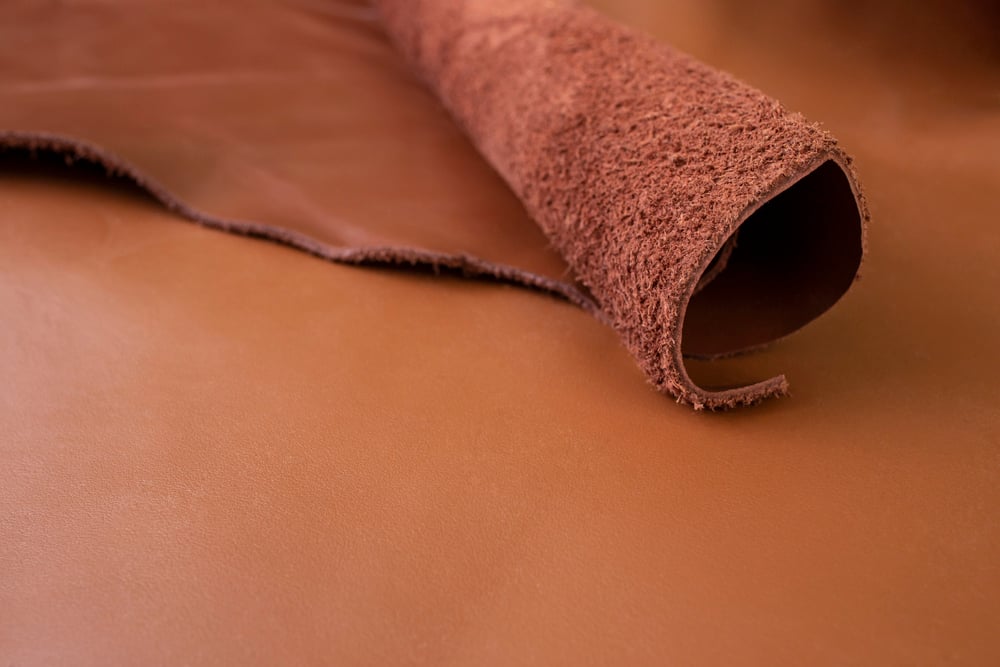
Before tanning even begins, experts examine each hide for thickness, blemishes, weight, and surface quality. They’re looking for consistent fiber structure and minimal damage from the animal’s life.
The top one percent of hides become luxury goods, while lower grades get directed toward furniture upholstery or industrial applications where perfect appearance matters less.
Fatliquoring Adds Suppleness

After tanning dries out the hide, craftspeople reintroduce oils through a process called fatliquoring. Natural oils or synthetic alternatives get worked deep into the leather’s structure, creating flexibility and preventing it from becoming brittle.
Fashion leather needs more oil content than shoe leather, and getting this balance right separates supple designer bags from stiff, crackling imitations.
Hand-Finishing Creates Unique Effects
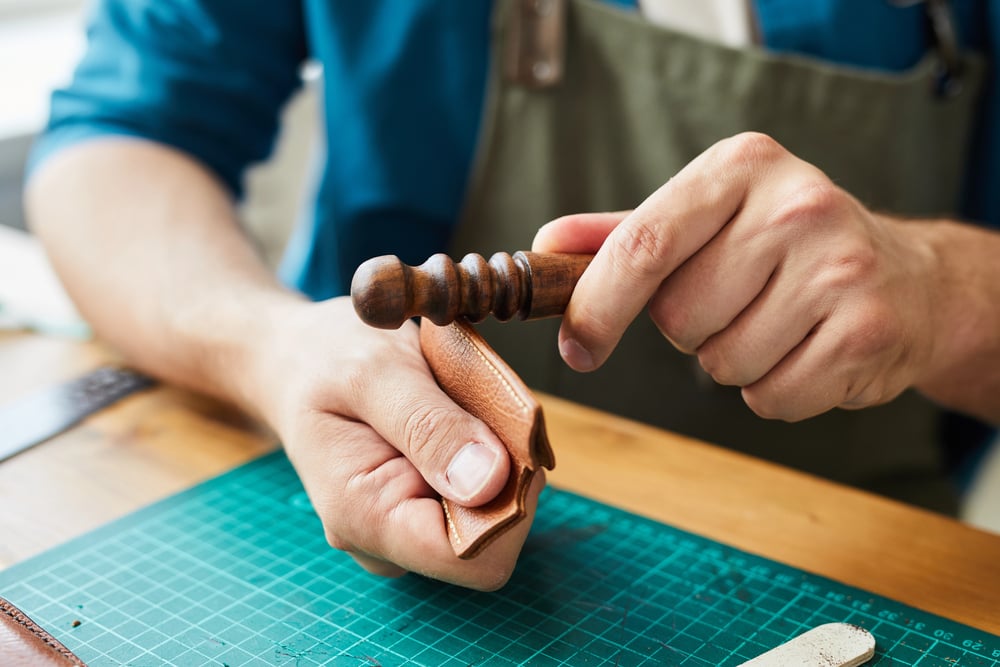
Artisans use techniques like hand-painting and antiquing to add depth that mass production can’t achieve. They might apply a light aniline dye as a base, then dab darker pigments unevenly across the surface to create an aged appearance.
This labor-intensive process requires artistic judgment with each stroke—apply too much dark pigment and the leather looks clownish rather than sophisticated.
Multiple Inspections Catch Defects
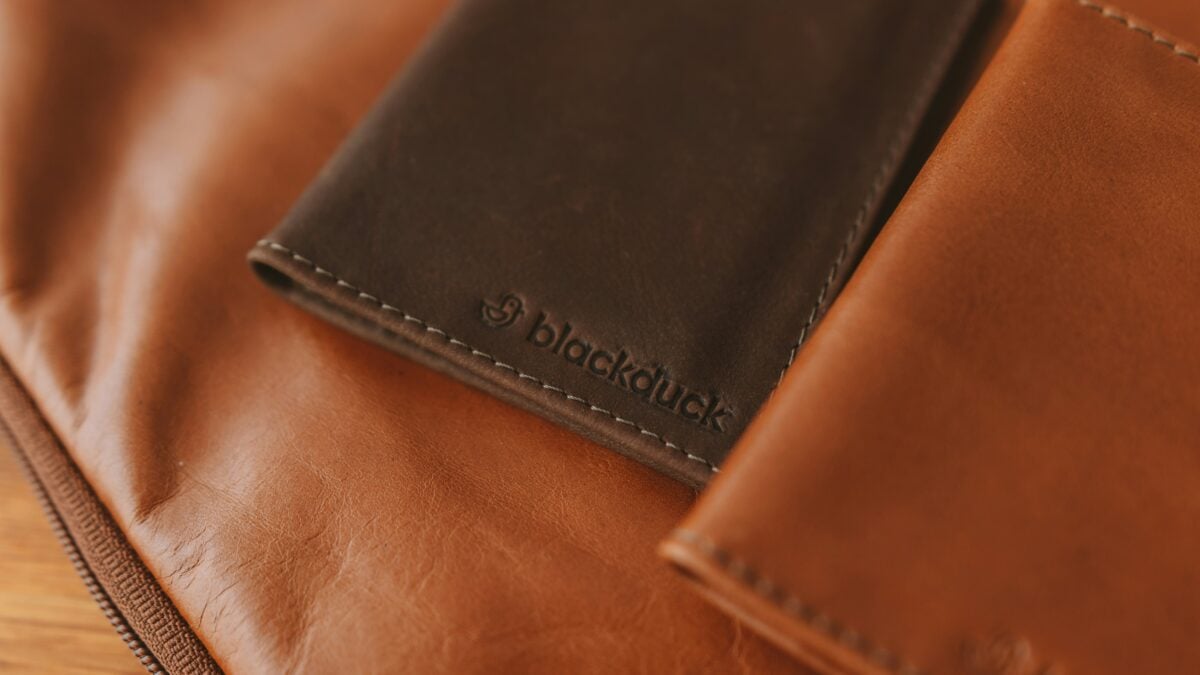
Luxury leather undergoes quality checks at every stage, with final inspection examining color uniformity, feel, thickness, and texture. Artisans note naturally occurring scratches and grade each hide accordingly.
Any piece that doesn’t meet strict standards gets downgraded or rejected entirely, which explains why premium leather goods command such high prices—the waste rate in pursuit of perfection is substantial.
Time Investment Exceeds Ten Days

Transforming a raw hide into finished leather takes at least 10 working days for chrome tanning, and considerably longer for vegetable-tanned leather. Each stage requires specific timing—rush the process and the leather won’t absorb chemicals properly, resulting in weak spots or uneven coloring.
This patience represents a major difference between luxury production and fast fashion, where speed often trumps quality.
Why These Secrets Matter Today

The leather industry stands at an interesting crossroads where ancient techniques meet modern sustainability demands. Those vegetable tannins that take weeks to work their magic are suddenly appealing again as consumers push for natural alternatives to chemical processing.
Meanwhile, chrome tanning has evolved with better waste treatment that prevents toxic runoff, proving that tradition doesn’t always mean better. The real luxury lies in understanding which method serves each specific purpose, and having the patience to execute it properly regardless of time or cost.
More from Go2Tutors!

- The Romanov Crown Jewels and Their Tragic Fate
- 13 Historical Mysteries That Science Still Can’t Solve
- Famous Hoaxes That Fooled the World for Years
- 15 Child Stars with Tragic Adult Lives
- 16 Famous Jewelry Pieces in History
Like Go2Tutors’s content? Follow us on MSN.



