17 Historical Letters That Changed the World
The silent force of written letters has frequently outweighed the influence of loud speeches or violent conflicts throughout human history. Intimate, considerate, and oftentimes hurriedly written letters have sparked revolutions, altered scientific knowledge, and occasionally stopped wars.
These private messages, written at times of distress or epiphany, have reverberated over time. Let’s examine 17 incredible letters that have impacted our globe, each demonstrating how a few well-chosen words can have a profound impact on society and span generations.
The Vatican’s Letter of Apology to Galileo
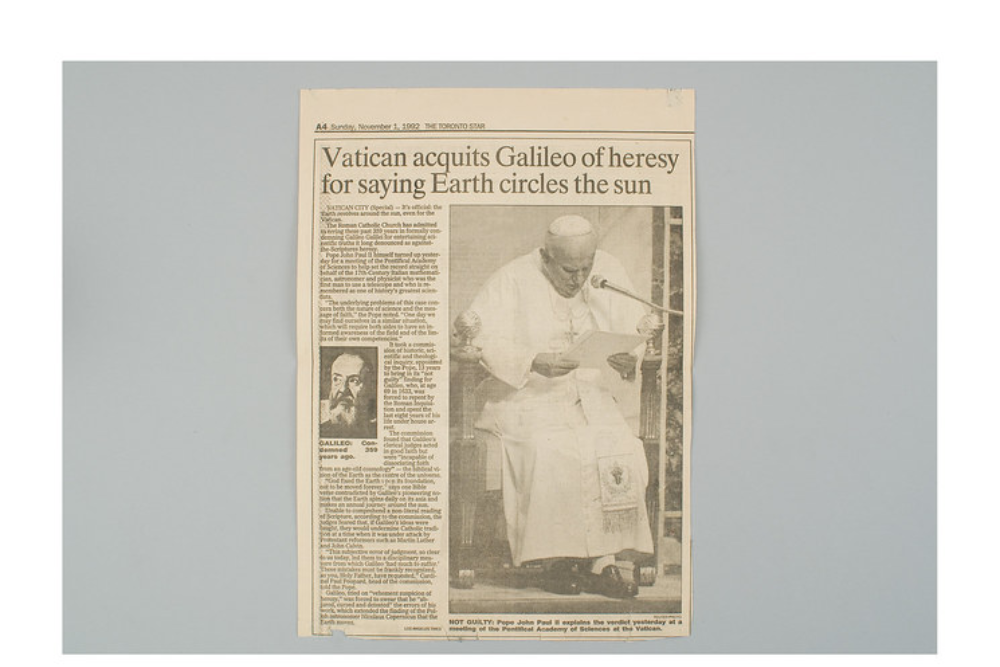
It took 359 years, but in 1992, the Vatican finally admitted what scientists had known for centuries—Galileo was right: the Earth does revolve around the Sun. Pope John Paul II issued a formal apology, bringing closure to one of history’s most infamous clashes between science and religion.
While the letter came far too late for Galileo himself, it marked a meaningful moment of reconciliation—an official acknowledgment that science and faith didn’t have to be at odds.
Lincoln’s Letter to Mrs. Bixby
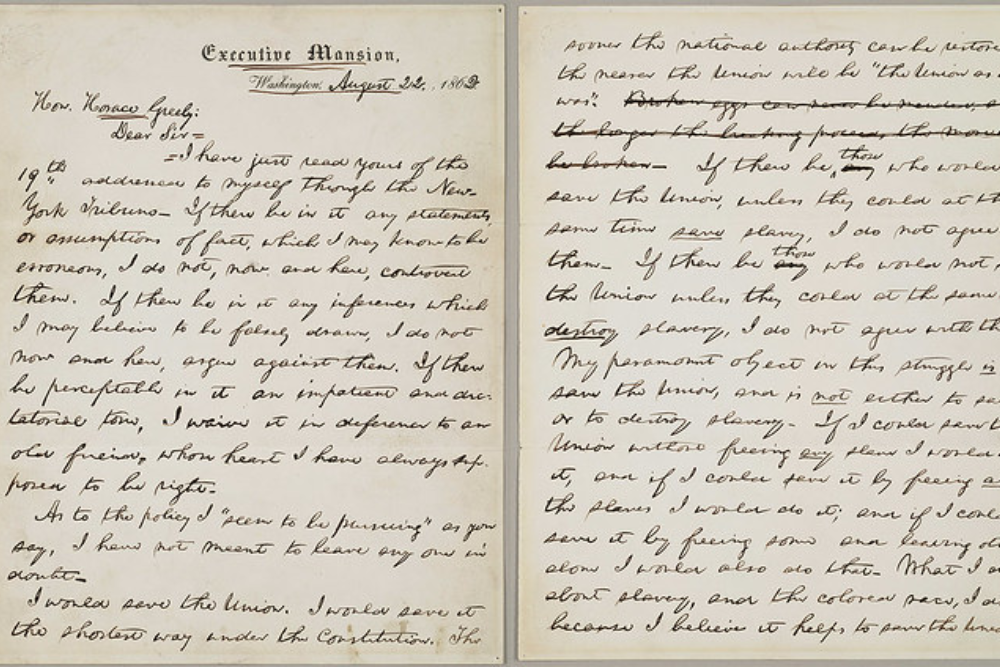
Few leaders have ever matched Abraham Lincoln’s gift for finding grace in grief. One of the clearest examples is his letter to Lydia Bixby, a mother believed to have lost five sons in the Civil War.
In just a few lines, Lincoln expressed profound sorrow and respect, calling it “the solemn pride that must be yours to have laid so costly a sacrifice upon the altar of freedom.” Even though later evidence showed that not all of her sons had died, the letter’s deep emotional weight still resonates today as one of the most heartfelt gestures in American history.
Like Go2Tutors’s content? Follow us on MSN.
Martin Luther’s 95 Theses
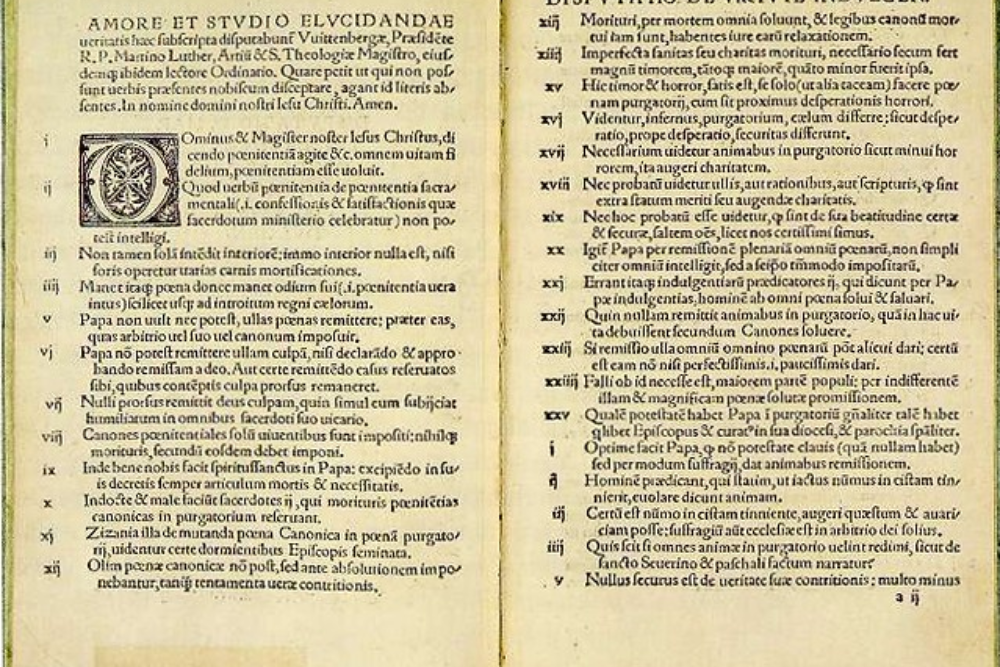
In 1517, a relatively unknown German monk named Martin Luther sent a letter of protest to Archbishop Albert of Mainz—and unknowingly sparked a revolution. In what became known as the 95 Theses, Luther condemned the Catholic Church’s sale of indulgences, insisting that salvation couldn’t be bought, only earned through faith.
What started as a theological debate quickly escalated into the Protestant Reformation, splitting Western Christianity and reshaping Europe’s religious and political future for generations to come.
Nixon’s Letter of Resignation
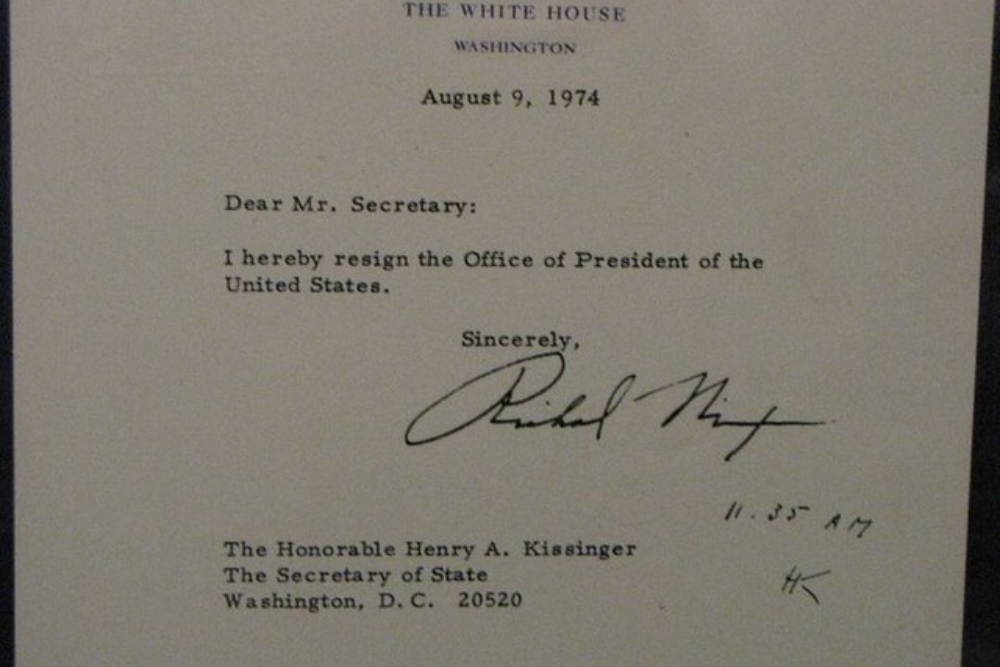
Sometimes the most powerful letters are also the briefest. Richard Nixon’s terse, one-sentence resignation in August 1974 marked the dramatic conclusion to the Watergate scandal and remains the only presidential resignation in American history.
This unprecedented communication demonstrated that even presidential power had limits—a watershed moment that fundamentally altered American politics and continues to shape discussions about executive accountability decades later.
Einstein’s Letter to Roosevelt
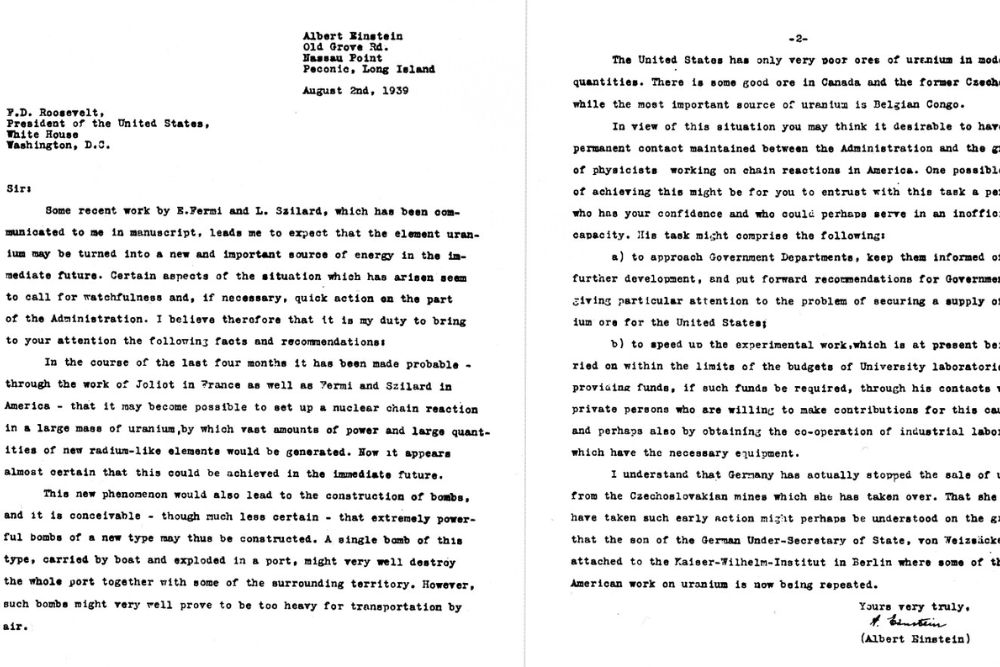
In 1939, Albert Einstein and physicist Leo Szilard wrote a letter to President Franklin Roosevelt. They couldn’t have known just how much that short note would change the world.
In it, they warned that Nazi Germany might be working on atomic weapons and urged the U.S. to start its own research. That message set the wheels in motion for the Manhattan Project—the program that built the first nuclear bombs.
With just a few paragraphs, they helped launch the atomic age, a chapter of history that still shapes global politics today.
Like Go2Tutors’s content? Follow us on MSN.
Martin Luther King Jr.’s “Letter from Birmingham Jail”
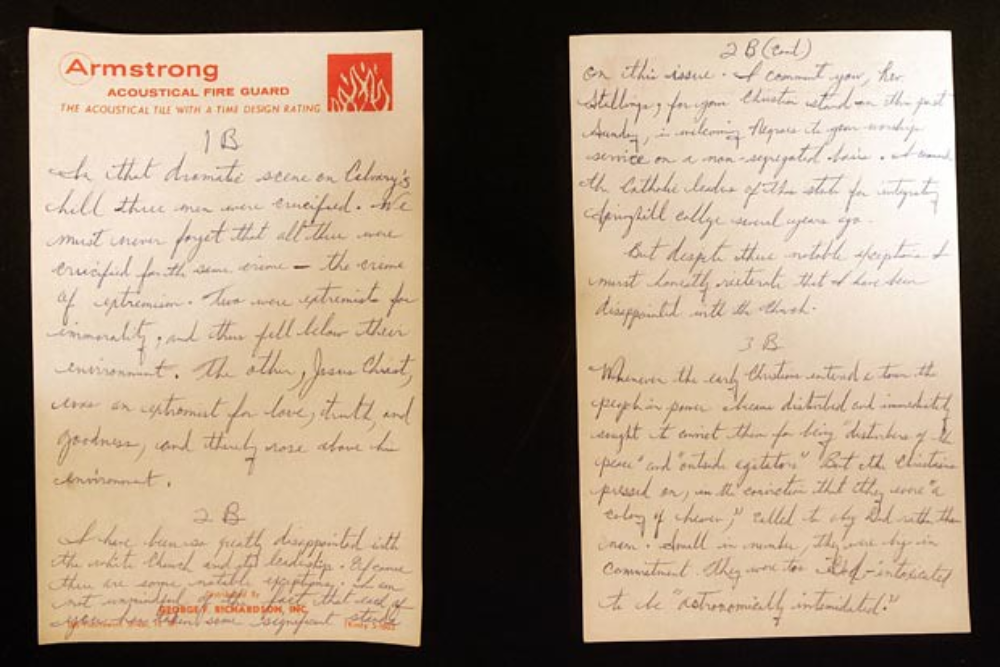
While locked in a Birmingham jail in 1963, Martin Luther King Jr. scribbled a reply to critics who questioned his protest methods. The letter, written on scraps of paper smuggled in and out of his cell, became one of the civil rights movement’s defining documents.
Despite his harsh surroundings, King wrote with clarity and force, defending nonviolent resistance and declaring, “injustice anywhere is a threat to justice everywhere.” What began as a response to local clergy grew into a powerful statement on moral duty—proof that even in confinement, words can carry extraordinary power.
The Zimmermann Telegram
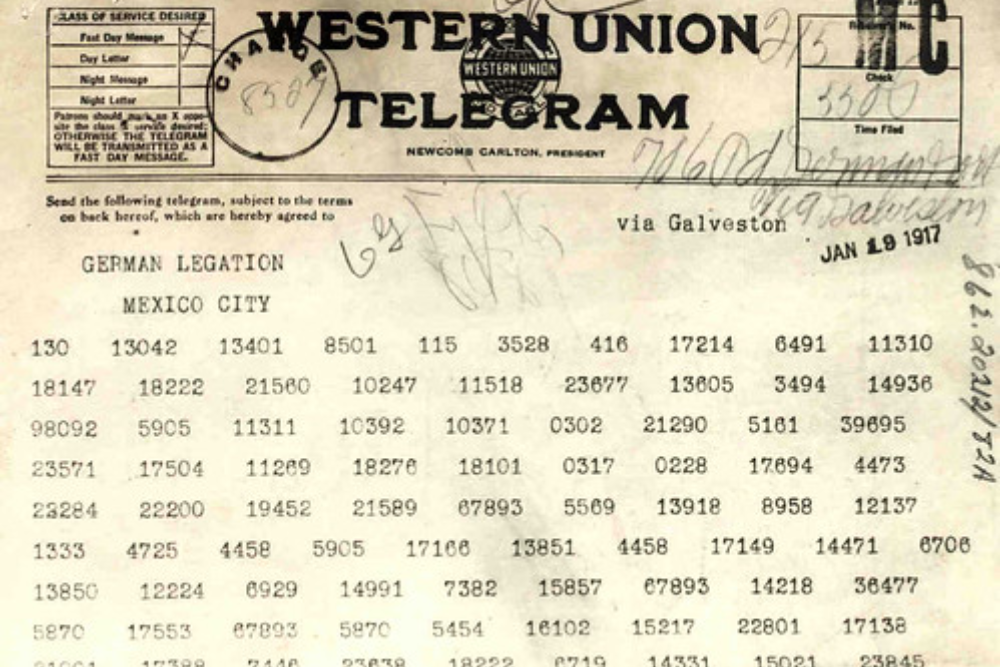
In 1917, British codebreakers intercepted a secret message from German Foreign Secretary Arthur Zimmermann to Mexico—and history shifted. The telegram proposed an alliance: if Mexico joined Germany against the U.S., they’d be rewarded with Texas, New Mexico, and Arizona.
When the British revealed the contents, it caused outrage across America. Public opinion flipped, and the U.S.—previously neutral—entered World War I. A single intercepted message helped swing the balance of the war.
Sullivan Ballou’s Letter to Sarah
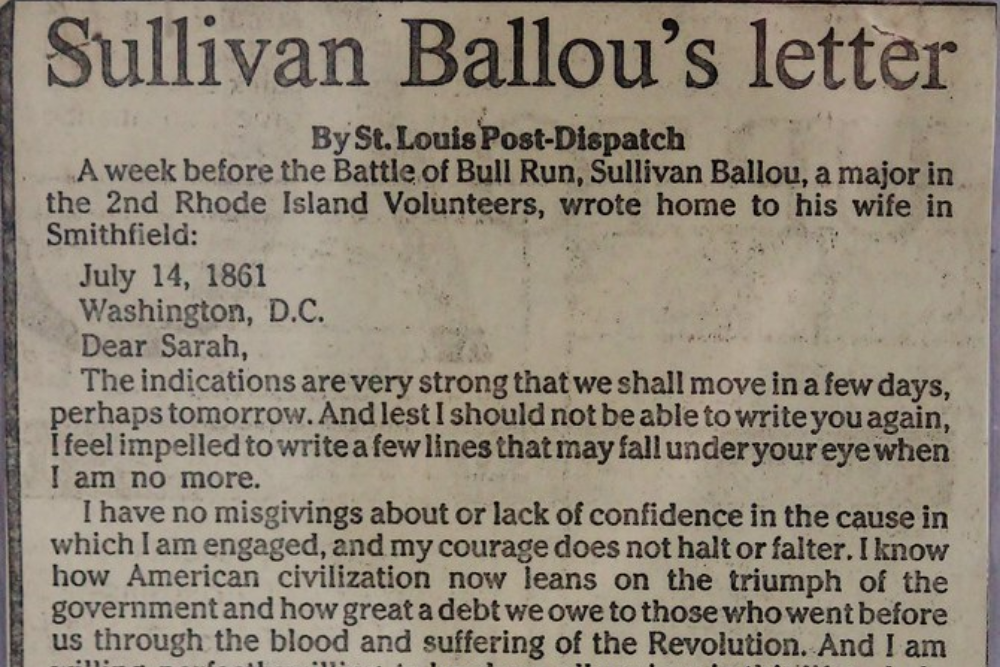
“If I do not return, my dear Sarah, never forget how much I loved you.” Union officer Sullivan Ballou wrote those heartbreaking words to his wife just a week before he died at the First Battle of Bull Run in 1861. For years, the letter remained largely unknown—until Ken Burns featured it in his Civil War documentary.
Since then, Ballou’s tender farewell has become one of the most unforgettable love letters in American history. It reminds us that behind every war are countless personal stories, full of courage, grief, and devotion.
Like Go2Tutors’s content? Follow us on MSN.
Gandhi’s Letter to Hitler
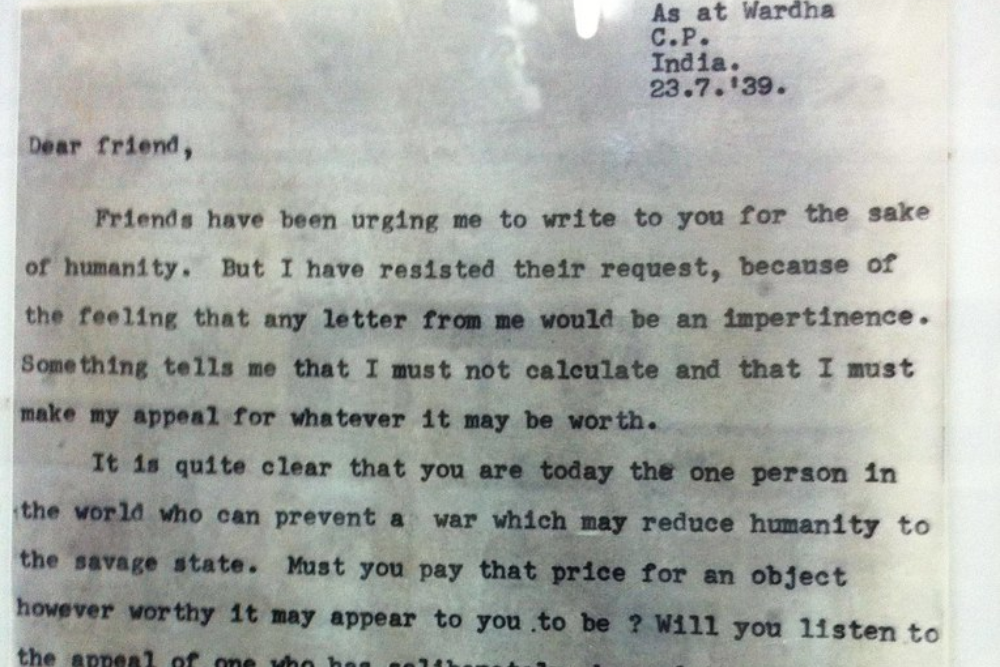
“Dear Friend,” began Mahatma Gandhi’s July 1939 letter to Adolf Hitler—a remarkable attempt at preventing global catastrophe through direct moral persuasion. Gandhi’s correspondence urged the Nazi leader to pursue non-violence, suggesting that “you will lose nothing by referring all matters of dispute to an international tribunal.”
Though British authorities intercepted the letter before it reached its intended recipient, this extraordinary peace offering represents one of history’s great “what if” moments.
Columbus’s Letter on the First Voyage
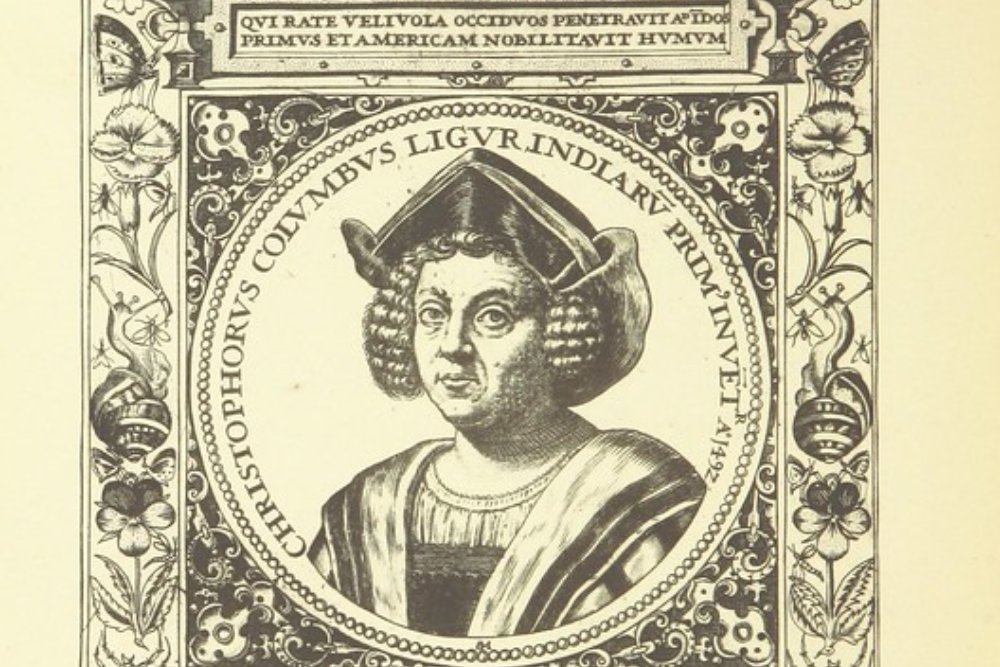
After returning from his momentous 1492 journey, Christopher Columbus didn’t just report to his royal sponsors—he described his findings in a letter that spread like wildfire across Europe. This single correspondence introduced Europeans to the American continents through Columbus’s eyes, helping launch centuries of exploration and colonization.
The letter’s vivid descriptions—though often inaccurate—literally changed how people understood the world’s geography and forever altered the course of global history.
Darwin’s Letter to Asa Gray
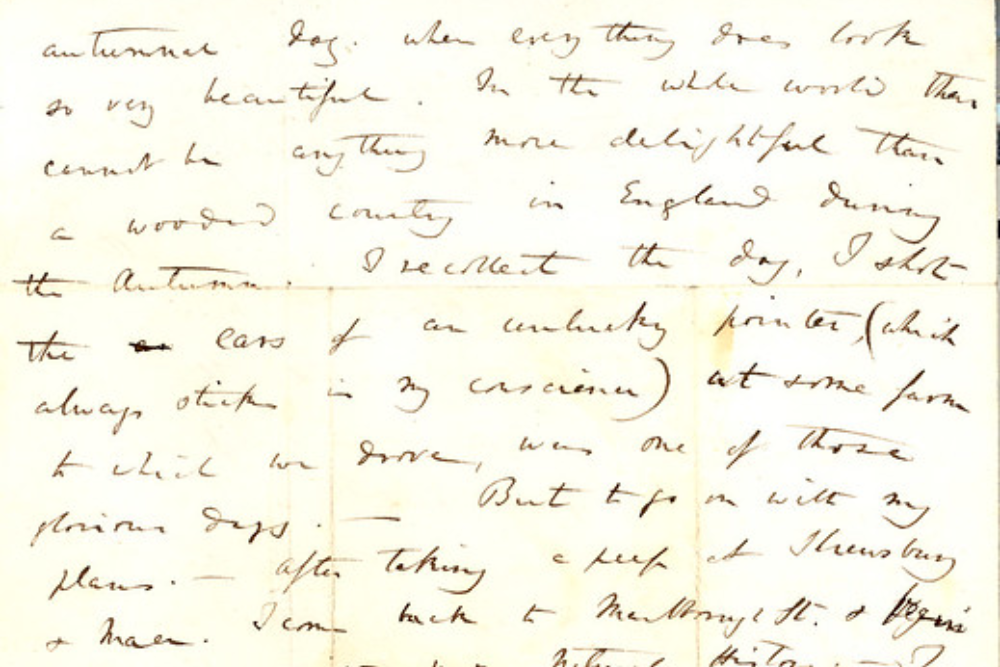
In 1857, Charles Darwin entrusted American botanist Asa Gray with something extraordinary—the first detailed written explanation of his theory of natural selection. This private correspondence predated “On the Origin of Species” by two years, making it a crucial scientific document.
Darwin’s willingness to share his revolutionary—and controversial—ideas with a trusted colleague shows how scientific advancement often depends on relationships between researchers willing to challenge accepted wisdom.
Like Go2Tutors’s content? Follow us on MSN.
Émile Zola’s “J’Accuse”
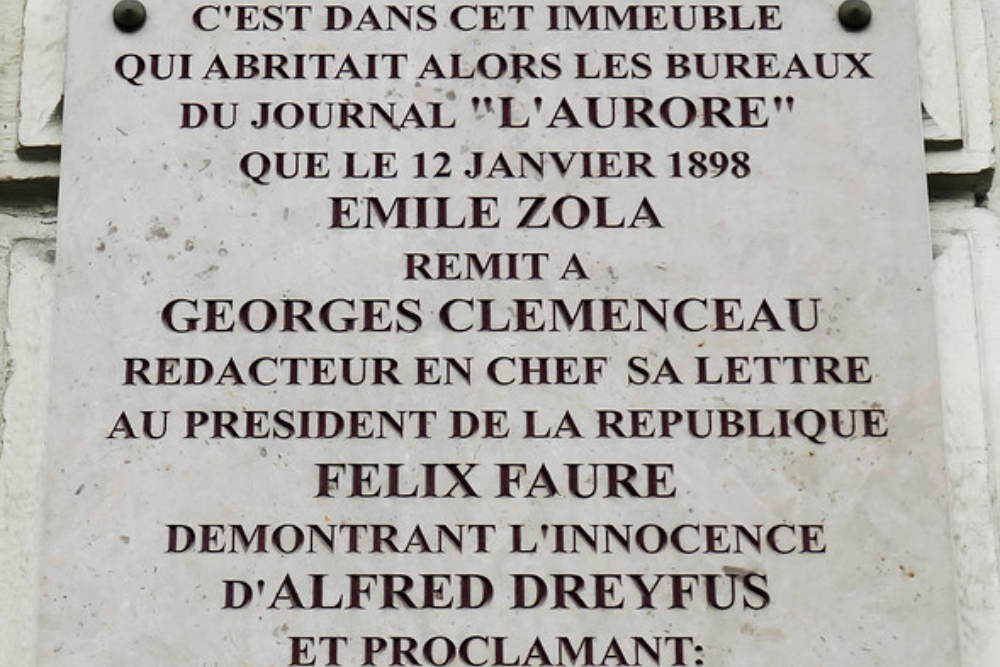
When French novelist Émile Zola published his open letter in 1898, he knew he was risking everything—yet he named officials responsible for wrongfully convicting Jewish army officer Alfred Dreyfus. The letter boldly accused the French government of antisemitism, ultimately helping secure Dreyfus’s exoneration.
Zola’s passionate advocacy—which led to his own conviction for libel—showcased the tremendous power writers could wield against injustice, becoming a template for intellectual activism that continues today.
Reagan’s Letter to Andropov
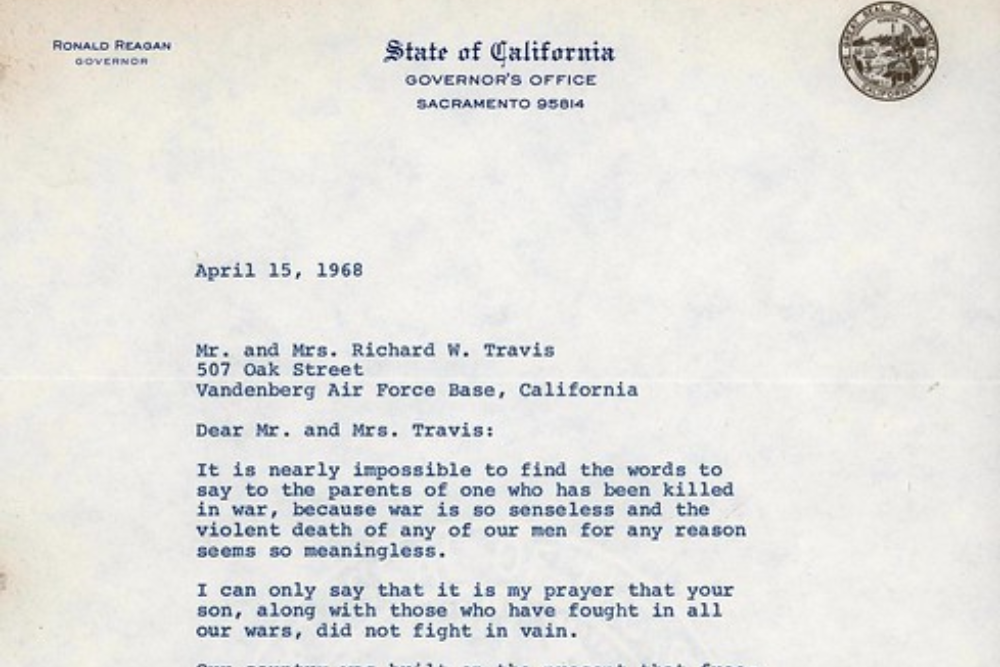
During a particularly dangerous period of Cold War tensions in 1983, President Ronald Reagan took an unexpected step—writing directly to Soviet leader Yuri Andropov with proposals for improving relations. This personal diplomatic outreach helped thaw frozen communications between the superpowers at a crucial moment.
Reagan’s letter—often incorrectly attributed as being sent to Brezhnev—initiated a shift from confrontation toward dialogue that would eventually contribute to ending the Cold War standoff.
Crick’s Letter to His Son
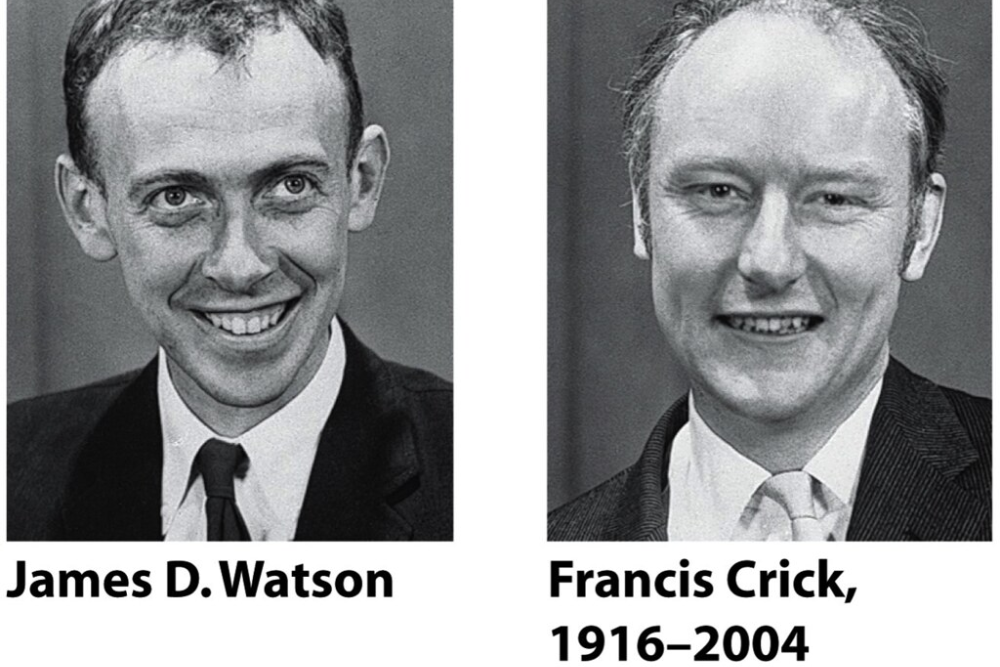
How do you explain one of the most important scientific discoveries of all time to a child? In 1953, Francis Crick gave it a shot. In a letter to his 12-year-old son, Michael, he described how he and James Watson had uncovered the structure of DNA.
“We think we have found the basic copying mechanism by which life comes from life,” Crick wrote—breaking down a world-changing discovery into something a kid could understand. It wasn’t just a family moment—it was science history told with love, clarity, and excitement.
Like Go2Tutors’s content? Follow us on MSN.
Eleanor Roosevelt’s Letter to FDR
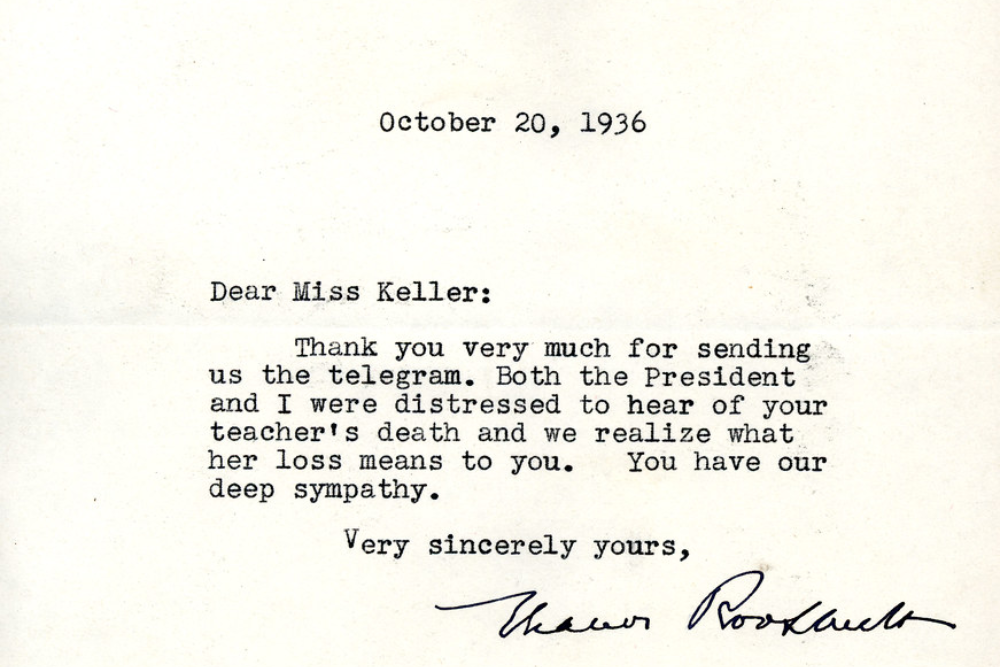
Behind great political partnerships often lie complex personal relationships—as revealed in Eleanor Roosevelt’s 1918 letter to her husband Franklin after discovering his affair with her social secretary. This profoundly personal correspondence altered their marriage and, consequently, American politics.
The Roosevelts established a new relationship based more on political partnership than romantic love, enabling Eleanor to develop her own influential public role that transformed the position of First Lady.
Churchill’s “Sinews of Peace” Letter
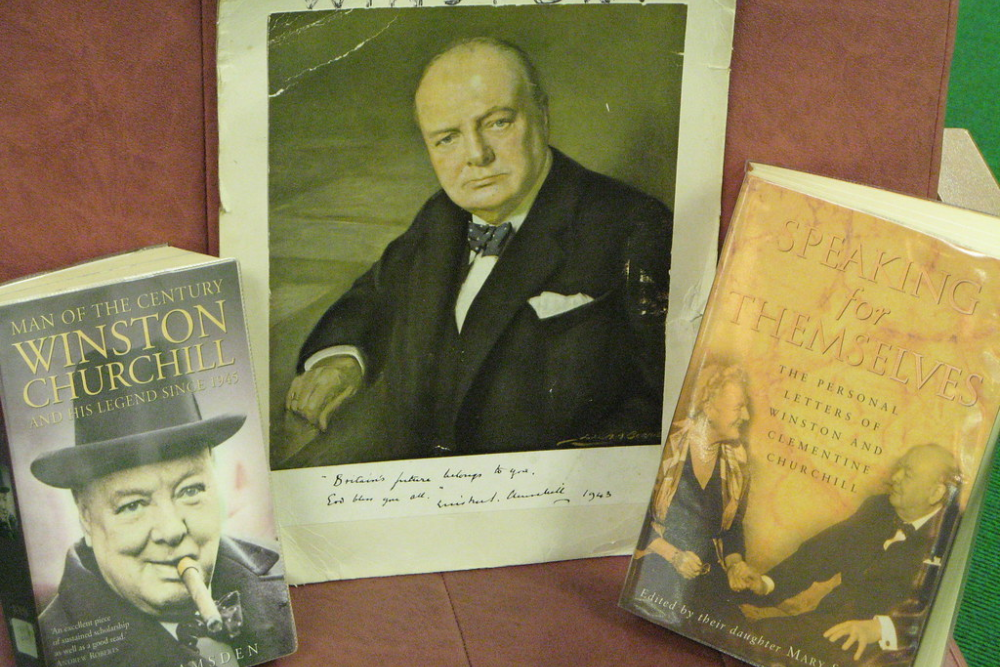
Before delivering his famous “Iron Curtain” speech in 1946, Winston Churchill sent its draft as a letter to President Harry Truman seeking approval. This correspondence contained Churchill’s warning about Soviet expansion and called for Anglo-American unity against communism—effectively announcing the Cold War.
Churchill’s carefully crafted message articulated the geopolitical paradigm that would dominate international relations for nearly fifty years, demonstrating how a single letter can help define an era.
Khrushchev’s Letter to Kennedy
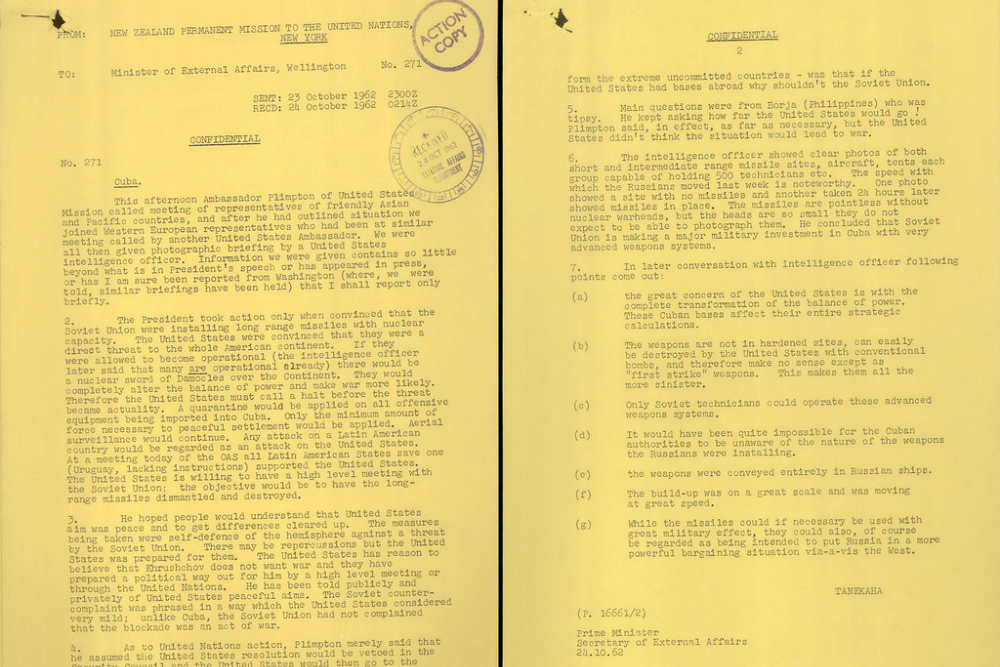
At the height of the Cuban Missile Crisis in October 1962, Soviet Premier Nikita Khrushchev sent an emotional, urgent letter to President John F. Kennedy that helped pull both nations back from the brink of nuclear war. This lengthy, sometimes rambling correspondence conveyed Khrushchev’s desire to avoid catastrophe, stating: “If war should break out, then it would not be in our power to stop it… and it would inevitably escalate into a thermonuclear war.”
Kennedy’s careful response to this letter, ignoring a more confrontational message sent hours later, created the diplomatic space needed to resolve the crisis—possibly saving millions of lives.
Like Go2Tutors’s content? Follow us on MSN.
Words That Transcend Time
From private confessions to public proclamations, these seventeen letters remind us that history often pivots on seemingly modest communications between individuals. They’ve launched scientific revolutions and religious reformations, prevented conflicts and started them, expressed humanity’s greatest hopes and deepest sorrows.
In our age of instant messaging and ephemeral communication, these enduring letters offer a powerful lesson—thoughtful written expression can still change minds and hearts, sometimes with a lasting impact that spans centuries. Perhaps there’s something irreplaceable about words carefully chosen, committed to paper, and sent into an uncertain world with the hope they’ll make a difference.
More from Go2Tutors!

- 16 Restaurant Chains That Went Too Fast
- 12 Things Sold in the 80s That Are Now Illegal
- 15 Strange Things People Have Tried to Ban (And Failed)
- 16 Collectibles People Tossed Out Too Soon
- 17 Myths from Your Childhood That Were Actually Based on Real Things
Like Go2Tutors’s content? Follow us on MSN.