16 Bizarre Plants That Act More Like Animals
The line between plant and animal kingdoms isn’t always as clear as biology textbooks might suggest. While plants are typically thought of as stationary organisms that photosynthesize, there exists a fascinating subset of flora that seems to have missed the memo about proper plant behavior.
The natural world is full of surprises, and these botanical oddities challenge our understanding of what plants are supposed to do. Here is a list of 16 bizarre plants that have developed animal-like characteristics through millions of years of evolution.
Venus Flytrap
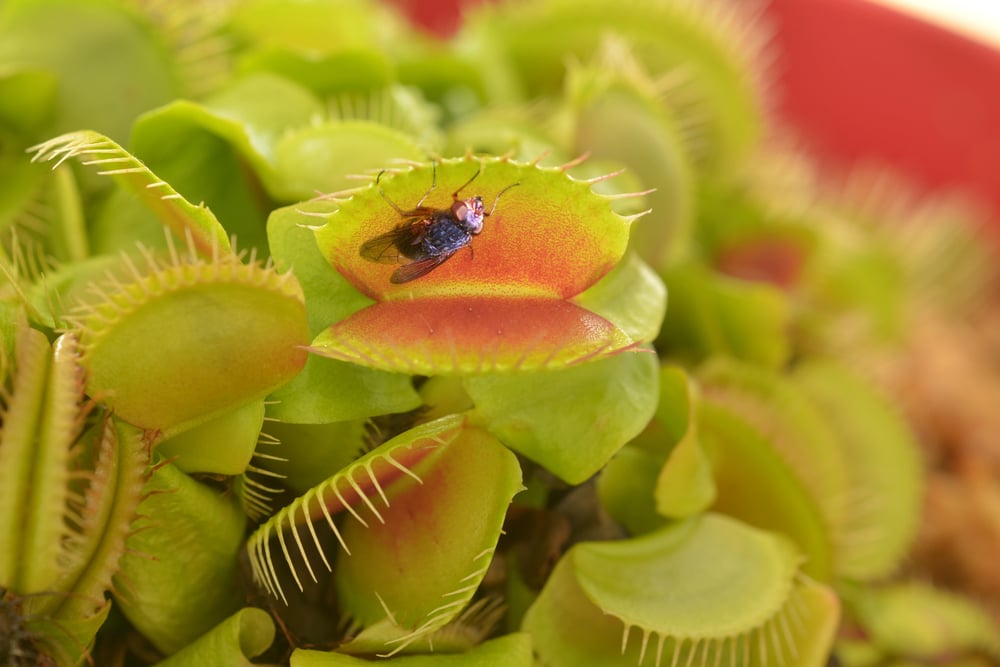
Perhaps the most famous of carnivorous plants, the Venus flytrap uses modified leaves that snap shut when triggered by unsuspecting insects. These plants can count—they only close when sensitive trigger hairs are touched multiple times within seconds, preventing false alarms.
The trap then serves as an external stomach, releasing digestive enzymes to break down its prey.
Mimosa Pudica
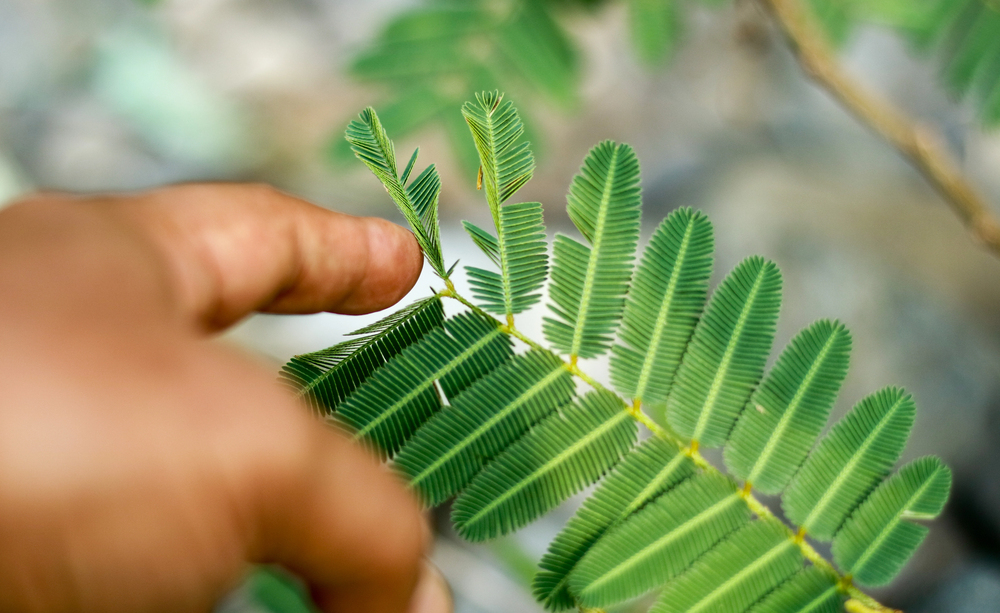
Commonly called the “sensitive plant” or “touch-me-not,” this shy species immediately folds its leaves when touched. The rapid movement happens within seconds thanks to changes in water pressure within specialized cells.
This defensive reaction likely evolved to startle potential herbivores and make the plant appear less appetizing.
Telegraph Plant
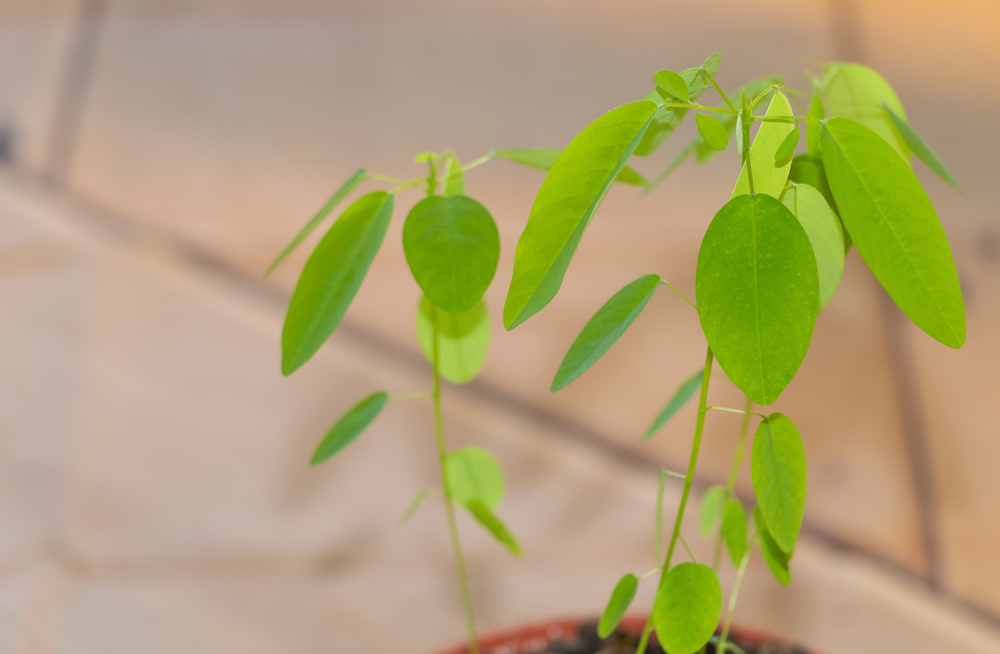
The telegraph plant (Codariocalyx motorius) features small lateral leaflets that rotate in elliptical motions without any external stimulus. These continuous, spontaneous movements resemble a tiny animal fidgeting.
Scientists believe these movements help the plant track sunlight throughout the day and possibly deter pests.
Pitcher Plants
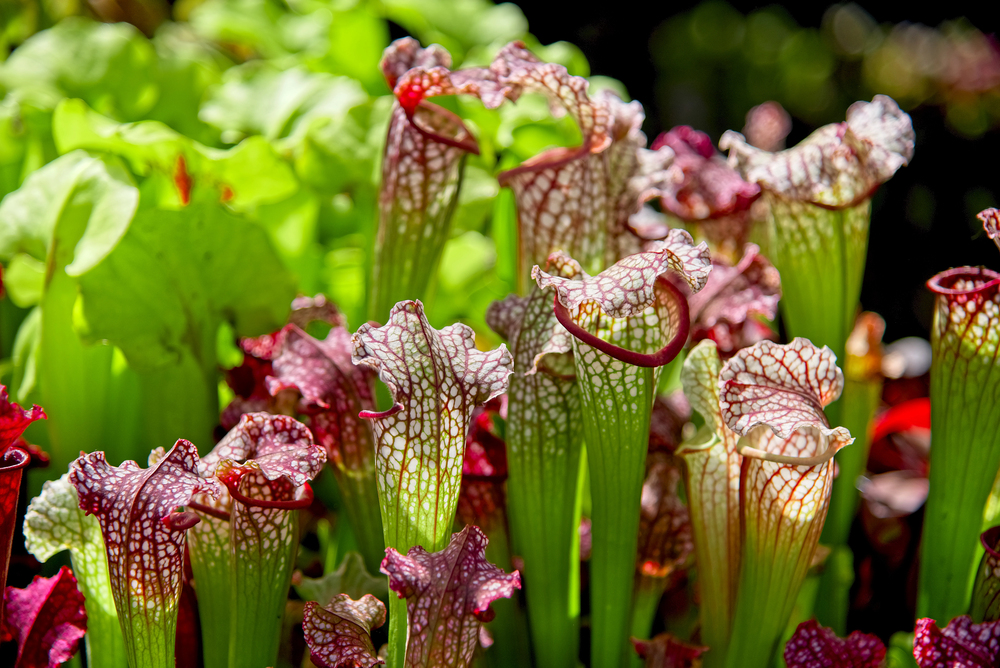
These clever predators have evolved leaf structures that form deep, slippery-walled pitchers filled with digestive fluid. Some species even produce nectar on their rims to lure insects, which then lose their footing and tumble into the trap.
Most fascinating is that certain pitcher plants have developed symbiotic relationships with specific animals that can safely visit to steal some food while providing nutrients through their droppings.
Sundews
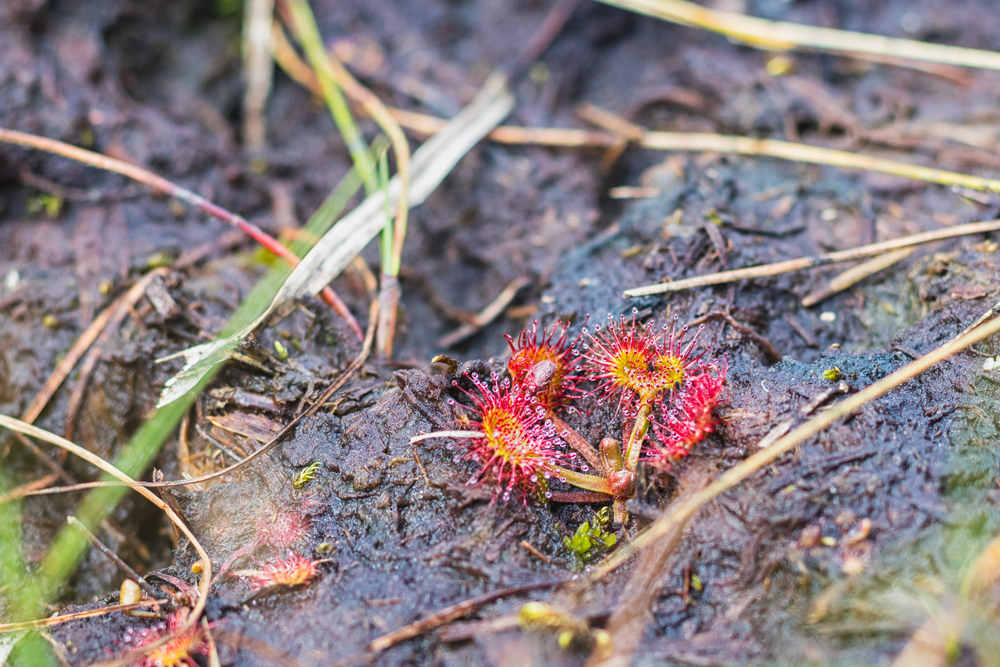
Looking more like something from a science fiction movie than a garden plant, sundews capture prey using tentacle-like leaves covered in glistening, sticky droplets. These droplets, which resemble morning dew (hence the name), contain powerful adhesives and digestive enzymes.
When insects land, attracted by the sparkly fluid, they become hopelessly stuck as the tentacles slowly curl around them.
Bladderworts
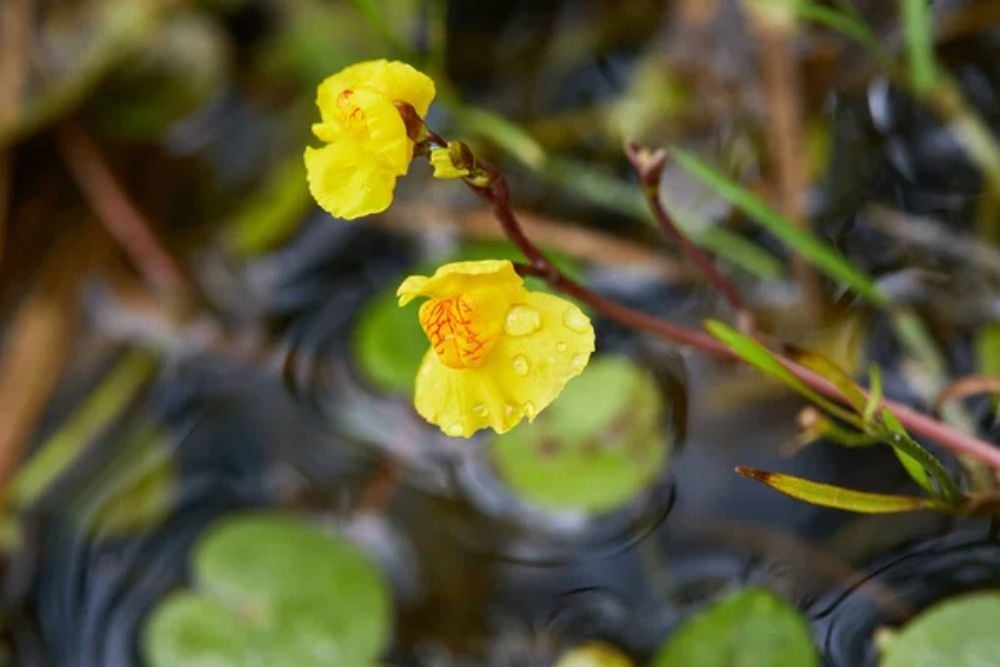
These aquatic predators have developed one of the fastest trapping mechanisms in the plant kingdom. Bladderworts use tiny vacuum chambers that can suck in prey in less than a millisecond—too fast for the human eye to see.
The negative pressure inside their bladder-like traps is released when trigger hairs are disturbed, instantly inhaling small aquatic creatures.
Dodder Vine
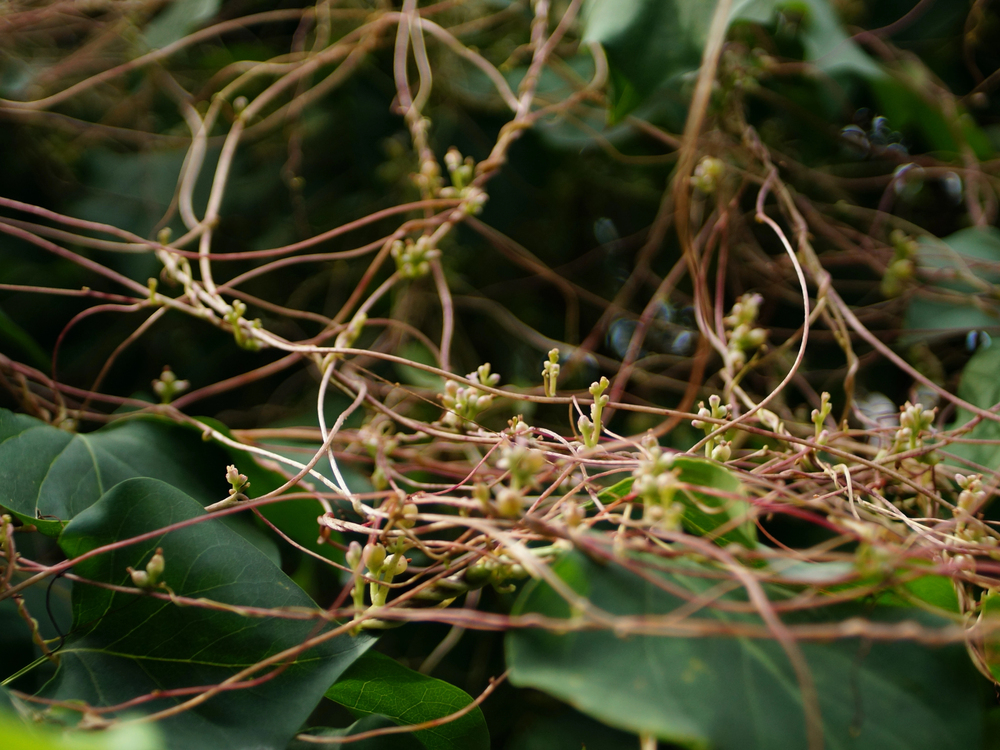
This parasitic plant behaves almost like a hunting animal when searching for hosts. The dodder vine can actually “smell” nearby plants and will grow toward preferred hosts.
Once it makes contact, it wraps around the victim and inserts specialized structures to tap into the host’s vascular system, stealing nutrients like a botanical vampire.
Corpse Flower
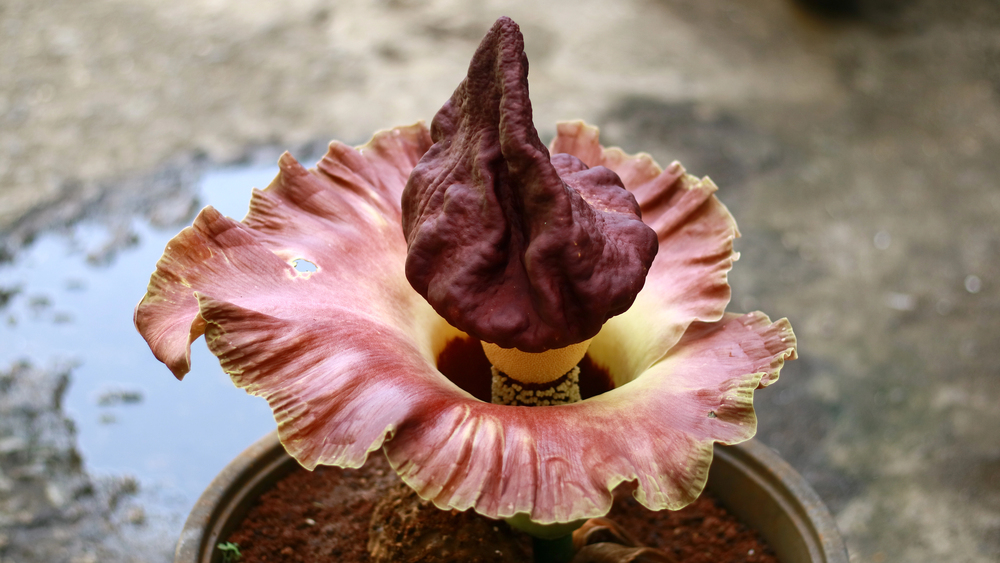
The massive Amorphophallus titanum doesn’t just look otherworldly—it also produces heat. In a process called thermogenesis, the plant can raise its temperature to human body levels during blooming, helping to spread its infamous rotting-flesh odor farther.
This animal-like ability to generate heat serves to attract carrion beetles and flies that act as pollinators.
Trigger Plants
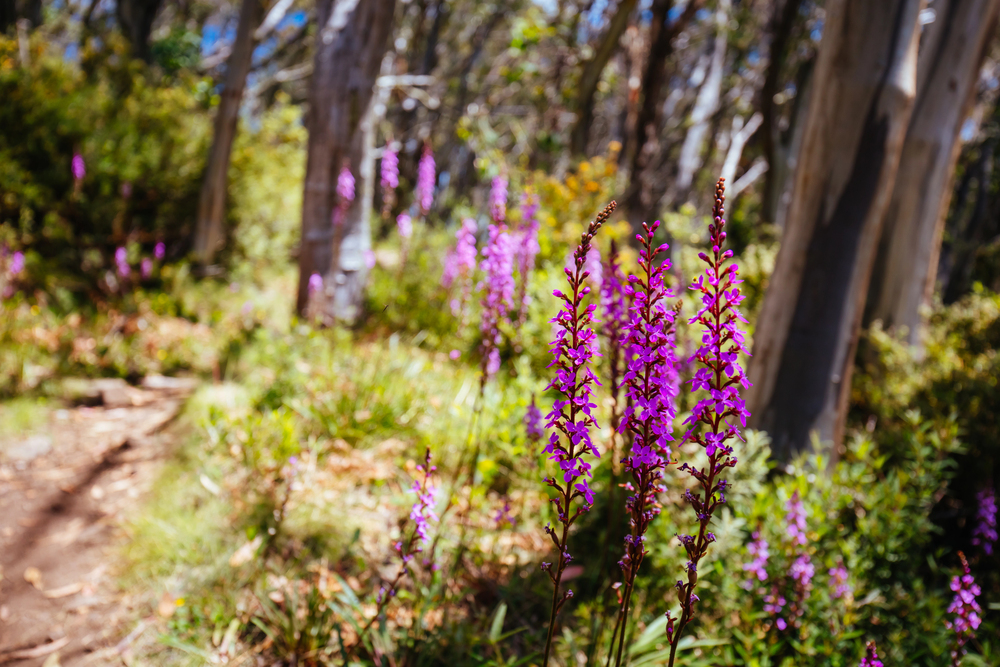
Native to Australia, trigger plants (Stylidium) have a column-like reproductive structure that snaps forward when touched by an insect. This spring-loaded mechanism slaps pollen onto visiting insects and has been clocked at speeds comparable to some animal movements.
The column then slowly resets itself for the next visitor.
Strangler Figs

These ambitious plants begin life high in tree canopies and send roots downward that eventually encase the host tree. Over decades, the fig’s network of roots thickens and fuses, slowly crushing its host in a constrictor-like embrace.
After the host dies and rots away, the fig stands as a hollow cylinder—a living monument to its victim.
Rafflesia
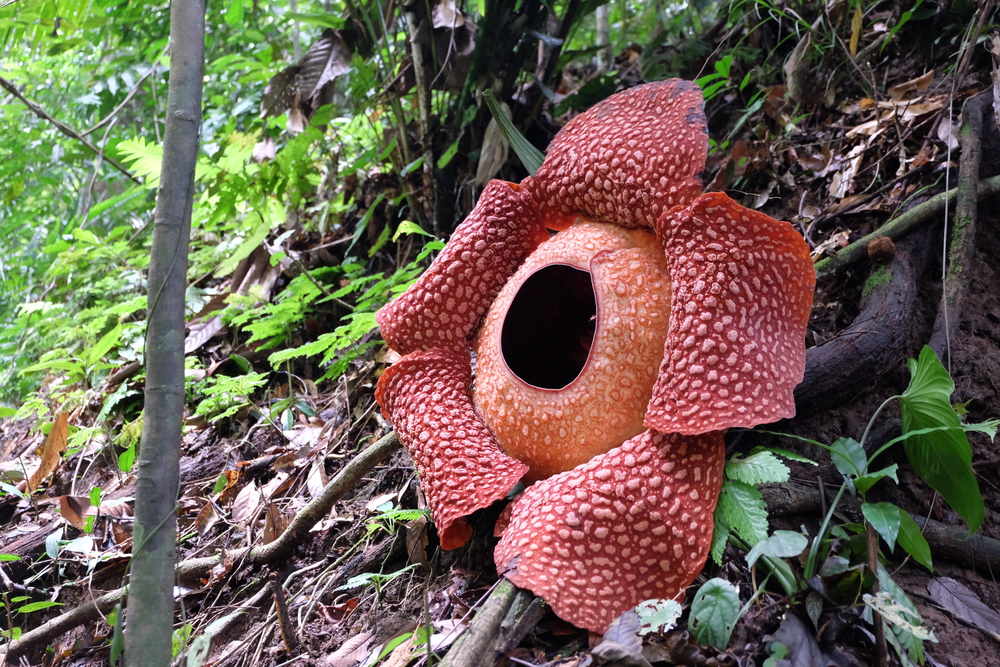
The world’s largest flower has no leaves, stems, or roots—it lives entirely inside its host vine until flowering. This parasitic relationship is remarkably similar to certain animal parasites.
When ready to reproduce, it bursts through the host’s bark with a massive bloom that smells like decomposing flesh to attract pollinating flies.
Drosera Rotundifolia
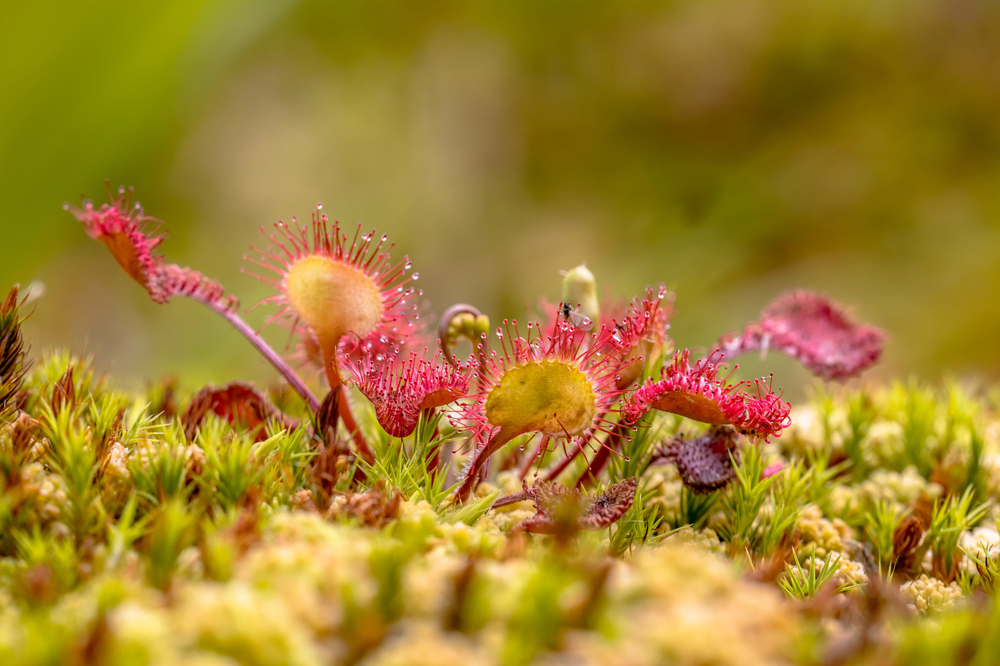
This common sundew species can sense the nutritional value of objects caught in its sticky tentacles. If the captured item isn’t worth digesting (like a piece of debris), the plant won’t waste energy producing digestive enzymes.
This primitive form of decision-making mimics how animals prioritize energy expenditure.
Resurrection Plants
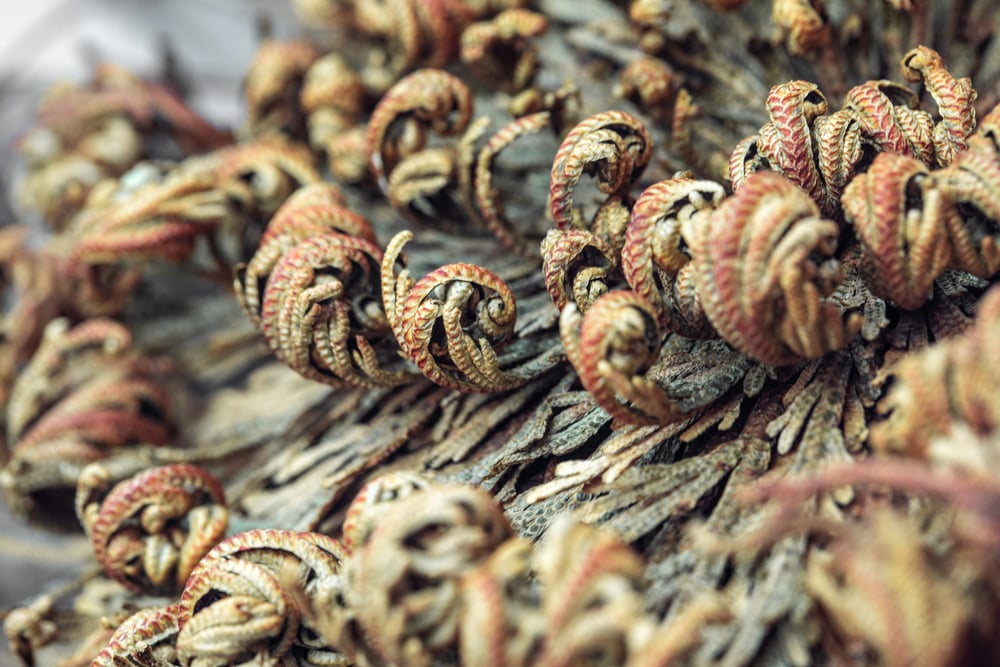
Several species of plants can survive complete desiccation for years—appearing dead—only to revive within hours when water becomes available. This suspended animation state resembles certain animal adaptations, like tardigrades entering cryptobiosis.
Some resurrection plants can lose over 95% of their water content and still recover.
Pisonia Trees
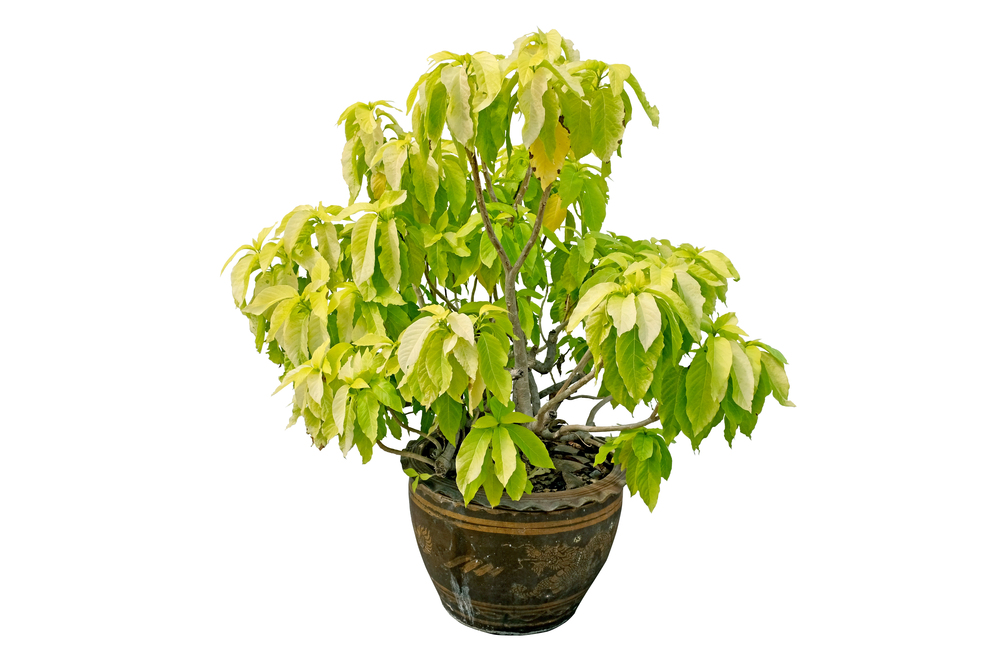
These tropical trees produce extremely sticky seeds that adhere to birds’ feathers. While many plants use animals for seed dispersal, Pisonia takes this to an extreme—sometimes fatally ensnaring smaller birds who cannot free themselves from the adhesive seeds.
The unfortunate birds eventually die, providing fertilizer as their bodies decompose beneath the parent tree.
Dutchman’s Pipe
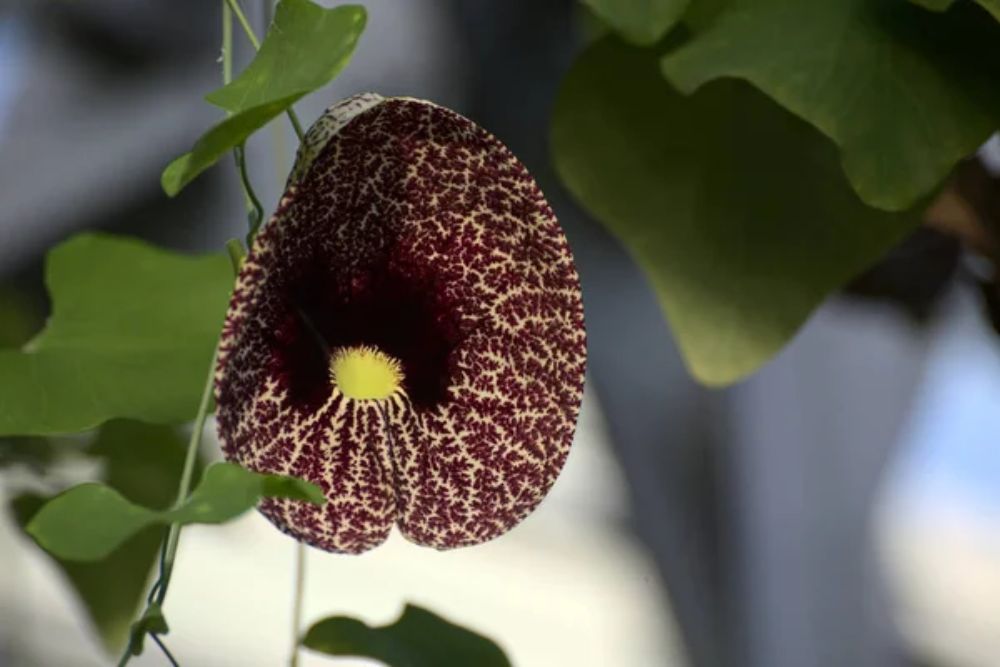
This vine produces flowers that resemble rotting meat in both appearance and smell. When flies enter the bloom seeking carrion, they find themselves trapped in a complex chamber.
The flower’s interior is designed with downward-pointing hairs that force insects deeper inside where they contact the reproductive parts. Only after being dusted with pollen are they released through a special exit—an elaborate kidnapping scheme worthy of a criminal mastermind.
Roridula Plants
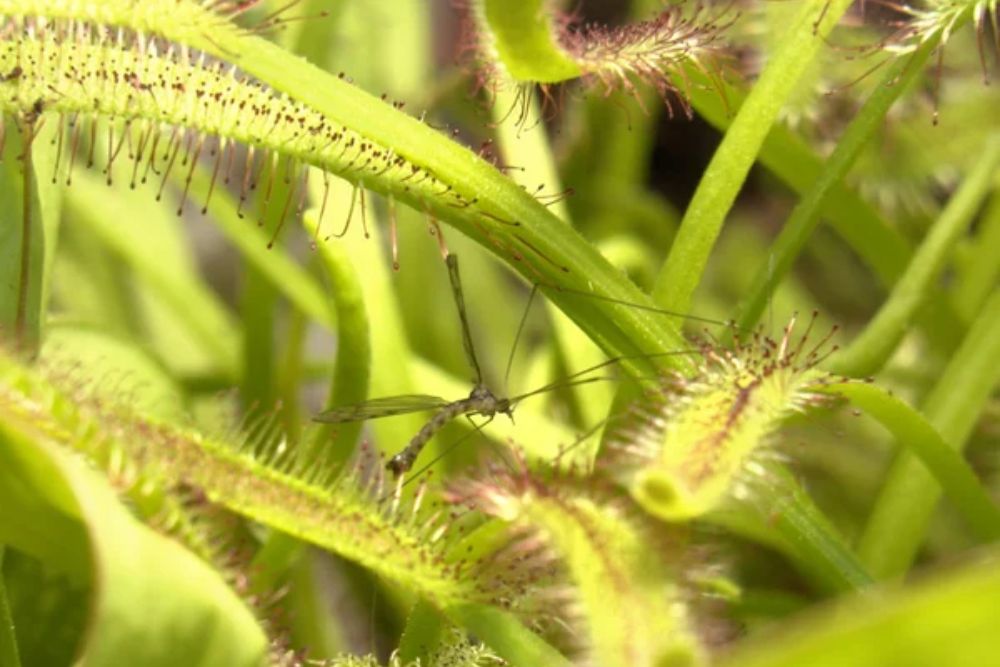
These South African plants appear to be carnivorous, with sticky leaves that trap insects. However, they lack digestive enzymes. Instead, they form partnerships with assassin bugs that live on the plant, eating trapped insects and depositing nutrient-rich droppings that the plant can absorb.
This complex relationship resembles the symbiotic arrangements common in animal communities.
Nature’s Endless Innovations
The remarkable adaptations displayed by these plants demonstrate how evolution can produce solutions that blur the traditional boundaries between kingdoms of life. While these plants remain firmly within the plant kingdom taxonomically, their behaviors and adaptations showcase nature’s endless capacity for innovation across all forms of life.
Through specialized structures, chemical signals, and even primitive forms of memory, these botanical marvels have developed ways to sense, move, hunt, and protect themselves in manners typically associated with animals. They remind us that the natural world often defies our attempts to place it in neat categories.
More from Go2Tutors!

- The Romanov Crown Jewels and Their Tragic Fate
- 13 Historical Mysteries That Science Still Can’t Solve
- Famous Hoaxes That Fooled the World for Years
- 15 Child Stars with Tragic Adult Lives
- 16 Famous Jewelry Pieces in History
Like Go2Tutors’s content? Follow us on MSN.



