15 Ocean Locations No Swimmer Should Ever Enter
The ocean covers over 70% of our planet, offering countless breathtaking swimming destinations that draw millions of visitors annually. Behind this beauty, however, lurks danger in certain locations where natural forces, wildlife, pollution, or other hazards create environments so treacherous that even experienced swimmers and divers risk their lives by entering the water.
These areas combine multiple threats that transform otherwise inviting waters into deadly traps for the unwary. Here is a list of 15 ocean locations where swimming should be avoided at all costs, no matter your skill level.
The Boiling Sea, Dominica
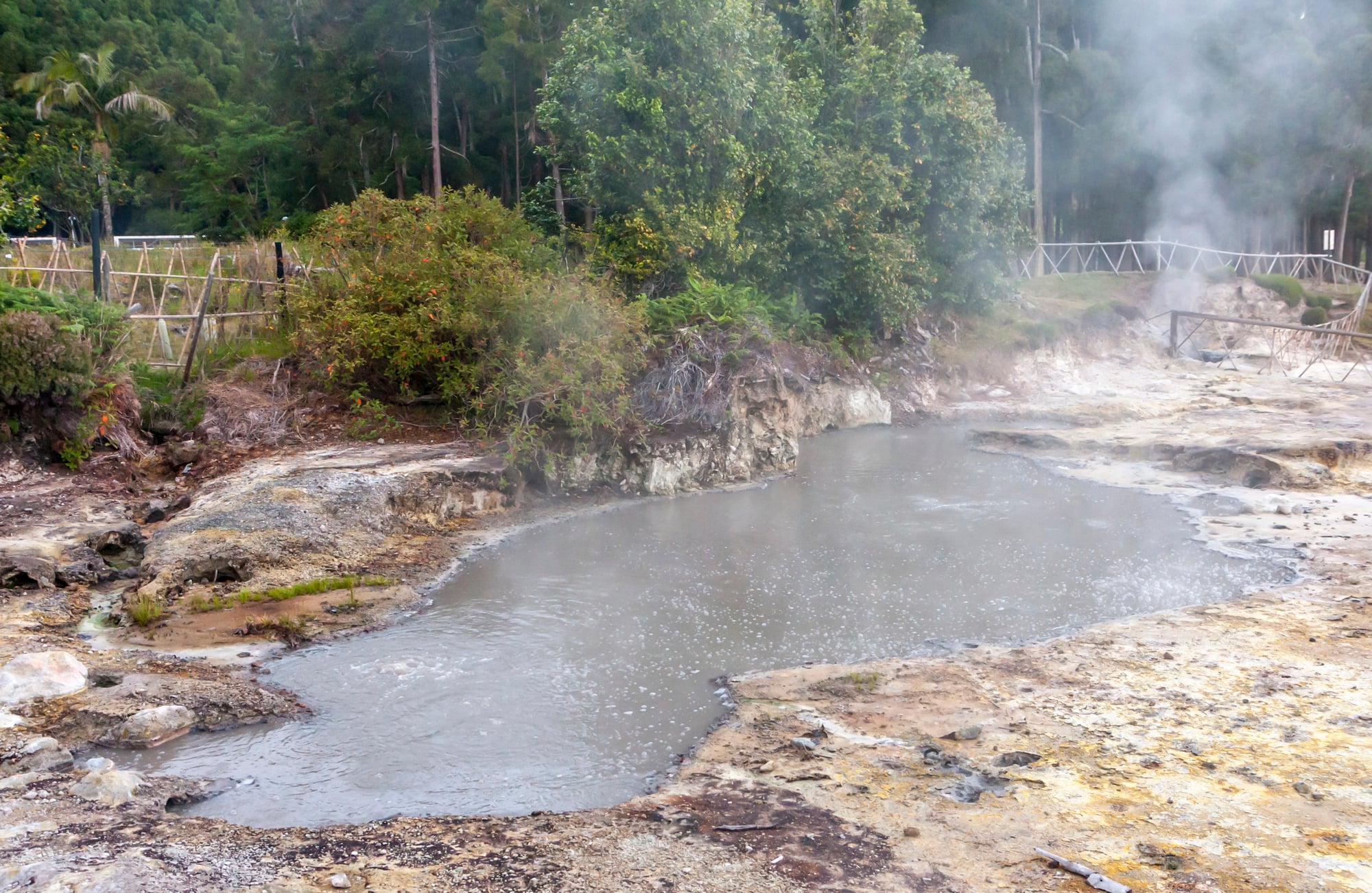
Just off the coast of this Caribbean island lies an underwater volcanic system that literally causes the water to boil. Temperatures in these deceptively clear waters can reach 197°F – hot enough to cause third-degree burns within seconds.
Local tour guides keep visitors at safe distances while showing off this natural wonder, where superheated water bubbles up and creates steam clouds above the surface.
Citarum River Outlet, Indonesia
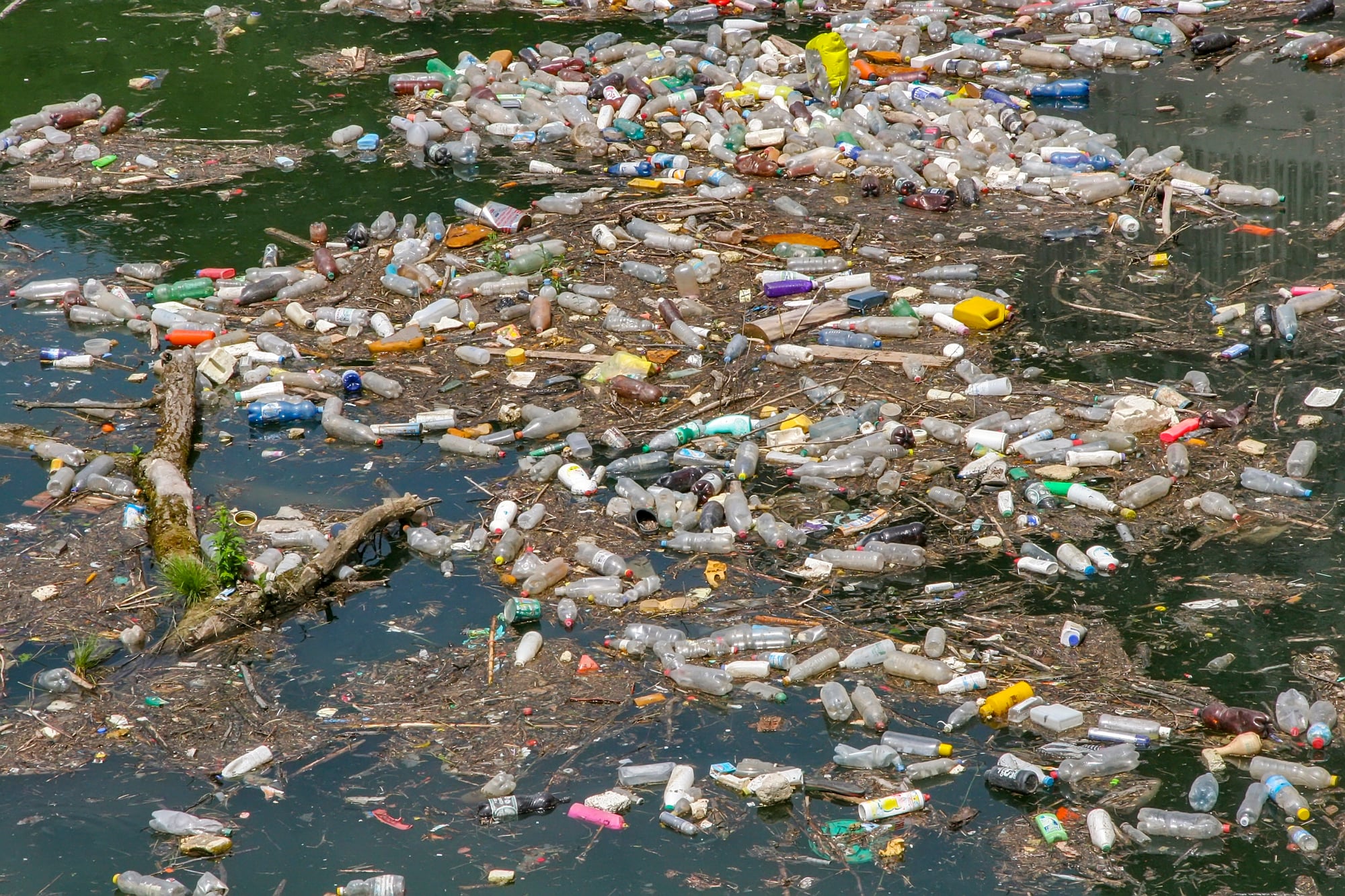
Often called the most polluted waterway on Earth, the Citarum River dumps tons of industrial chemicals, heavy metals, and raw sewage directly into the Java Sea. Swimming near this river mouth exposes your body to concentrations of lead, mercury, and arsenic hundreds of times above safety limits.
Fish caught near this outlet contain such high levels of toxins that regular consumption has been linked to severe neurological damage in coastal communities.
New Smyrna Beach, Florida
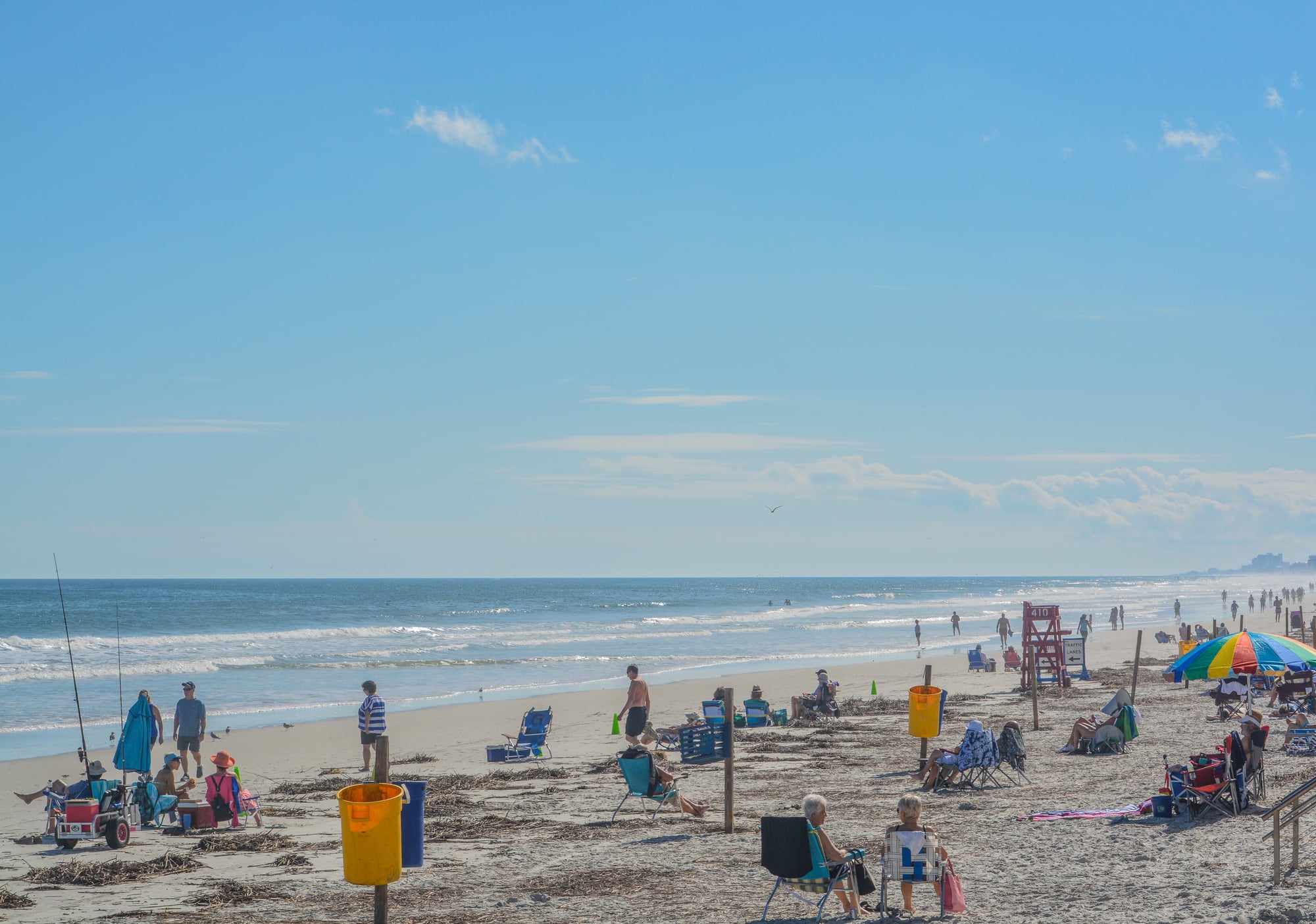
Nicknamed the “shark attack capital of the world,” this otherwise pleasant beach records more incidents per square mile than anywhere else on the planet. The murky water created by nearby river outlets combines with abundant fish populations to create perfect hunting conditions for bull sharks – among the most aggressive species toward humans.
Even more concerning, the majority of attacks occur in shallow water where waders and swimmers feel falsely secure.
The Blue Hole, Dahab
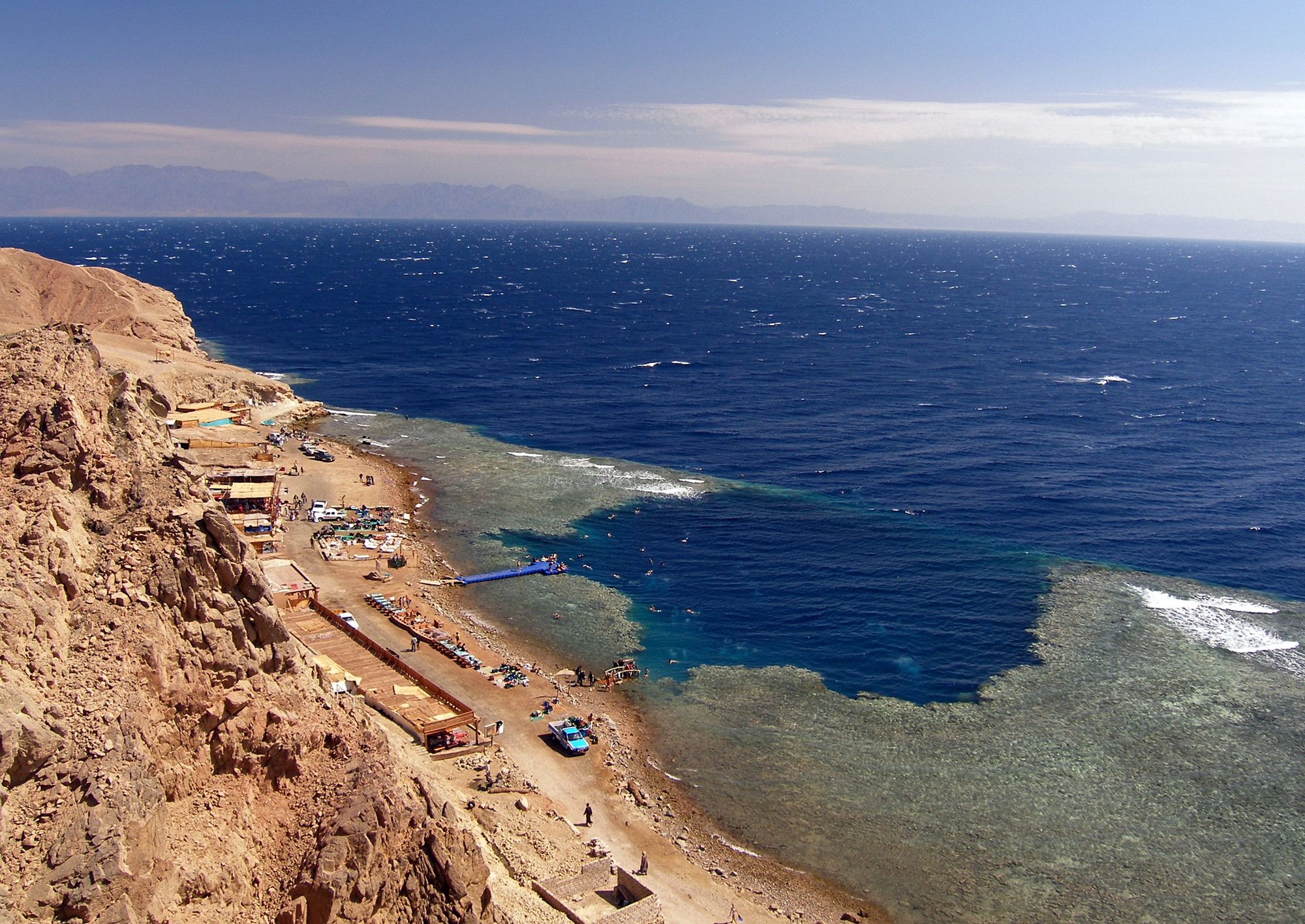
This famous dive site in the Red Sea has claimed over 130 lives, earning its grim nickname “the diver’s cemetery.” A narrow tunnel at 170 feet tempts experienced divers to attempt passage without proper equipment or training.
The depth induces nitrogen narcosis – a condition similar to alcohol intoxication that severely impairs judgment. Those who venture too deep often become disoriented, miss the exit, and run out of air while searching for a way out.
Fraser Island, Australia
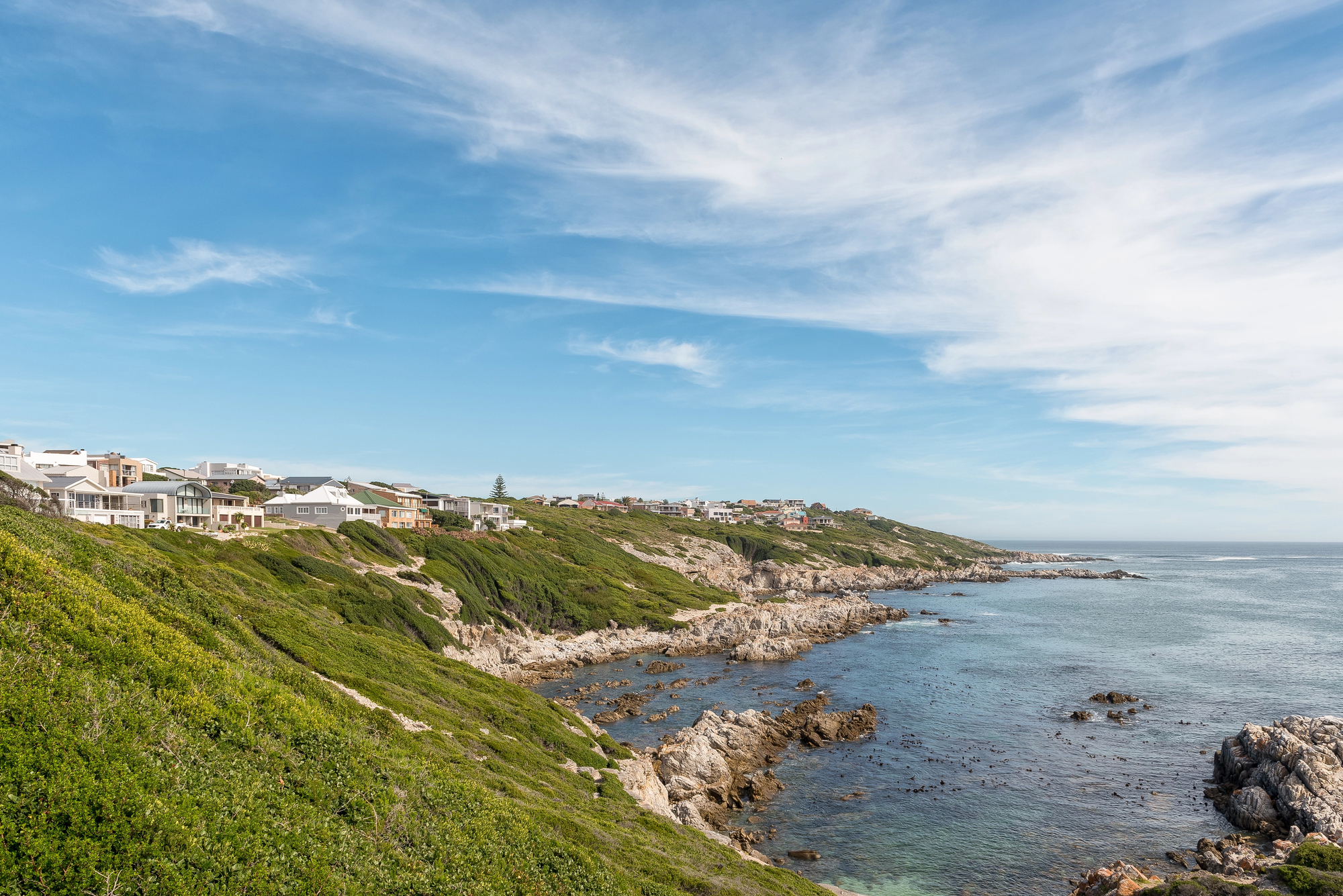
The pristine beaches of this World Heritage site hide multiple deadly threats, including one of the densest populations of great white sharks in Australian waters. Strong rip currents that can sweep even Olympic swimmers out to sea form unexpectedly along its shores.
Adding to these dangers, the island houses a healthy population of saltwater crocodiles that occasionally patrol the coastline and estuaries, creating a rare convergence of apex predators in swimming areas.
Gansbaai, South Africa
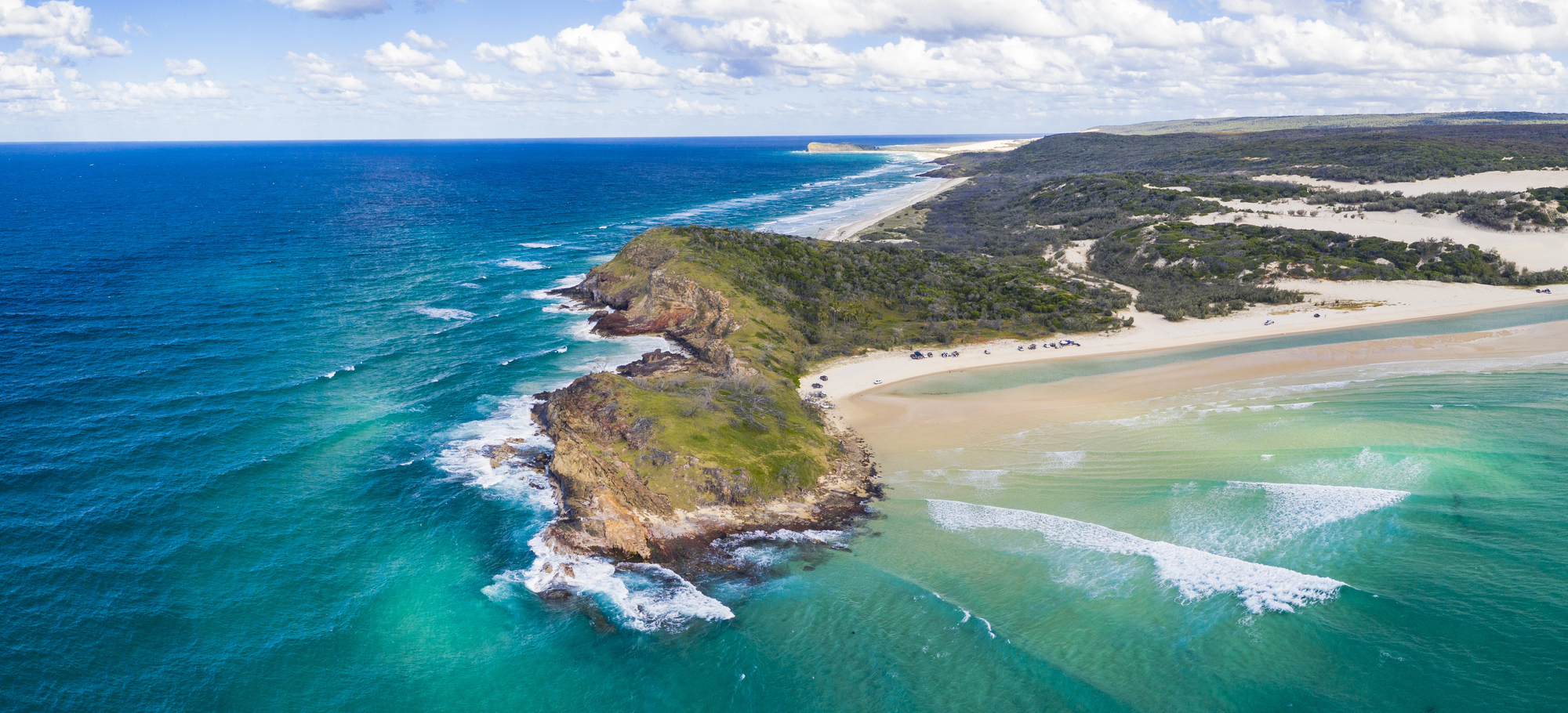
Known as “Shark Alley,” the channel between Dyer Island and Geyser Rock contains the highest concentration of great white sharks in the world. The area’s massive seal colony attracts dozens of these apex predators that actively hunt throughout the day.
Water visibility often drops below ten feet, meaning swimmers might find themselves just yards from a great white without any warning. Even shark cage diving operations in the area report multiple breaches of their protective equipment annually.
Bolton Strid, England
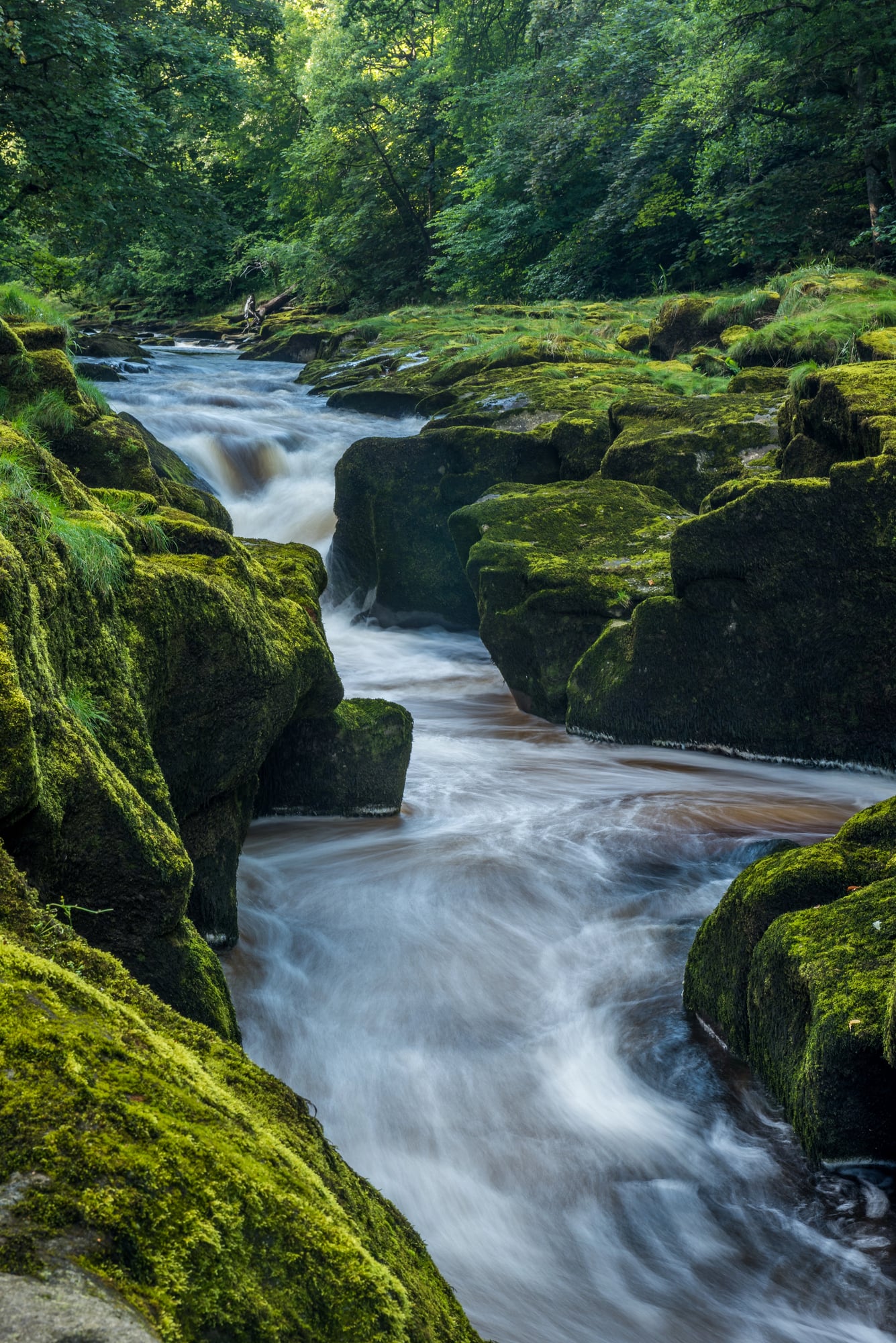
Though technically a river section rather than an ocean, this innocent-looking stream deserves inclusion for its perfect fatality rate – everyone known to have entered the water has died. Just upstream, the River Wharfe suddenly narrows from 30 feet wide to 6 feet, creating underwater pressures and currents strong enough to trap and hold swimmers against the riverbed.
The surface appears calm while concealing a network of underwater caves and crevices that have never released a body intact.
Samaesan Hole, Thailand
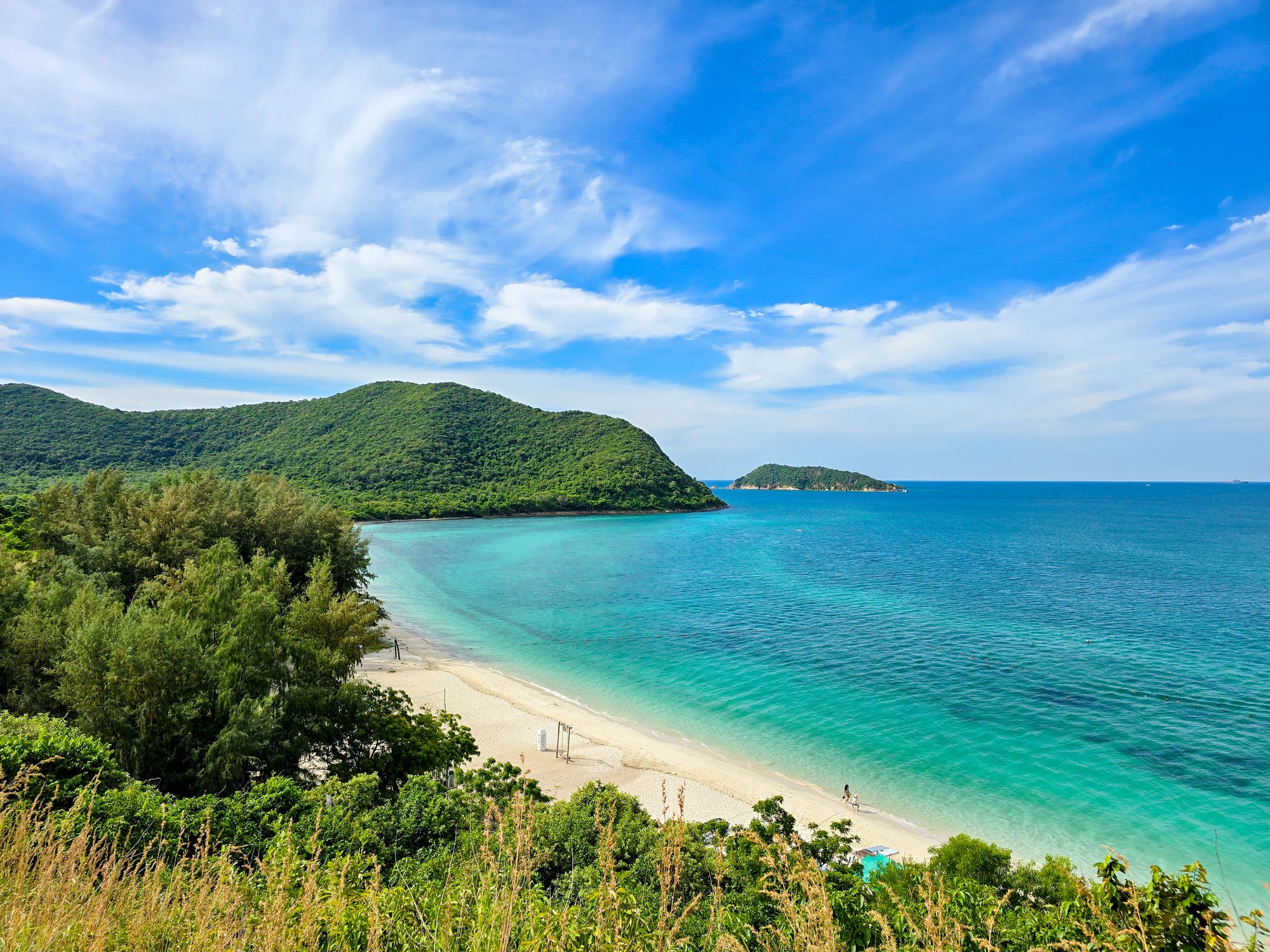
This 280-foot deep sinkhole off Thailand’s coast combines disorienting underwater cave systems with strong unpredictable currents. Military dumping operations from previous decades left unexploded ordnance scattered throughout the site, creating additional hazards for swimmers and divers.
Local dive operations require special permits and extensive experience verification before allowing anyone near this treacherous underwater formation.
Reunion Island Beaches
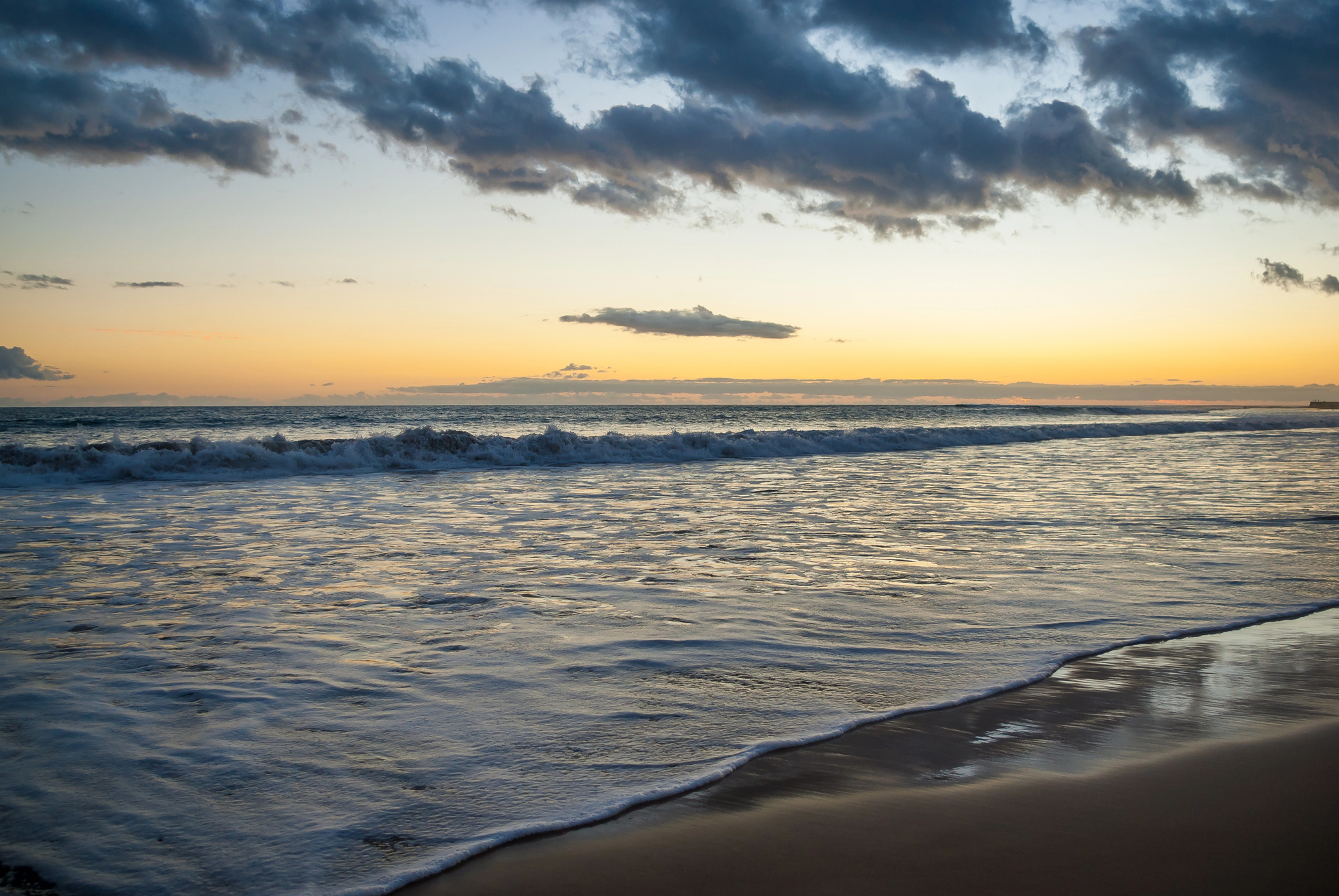
Since 2011, this French territory in the Indian Ocean has experienced such frequent bull shark attacks that swimming and surfing remain banned along most of its coastline. Unusually aggressive shark behavior in these waters has baffled marine biologists, with some attacks occurring in less than three feet of water.
The island’s volcanic topography creates steep underwater drop-offs that allow oceanic sharks to approach extremely close to shore, often unseen until the last moment.
Condado Beach, Puerto Rico
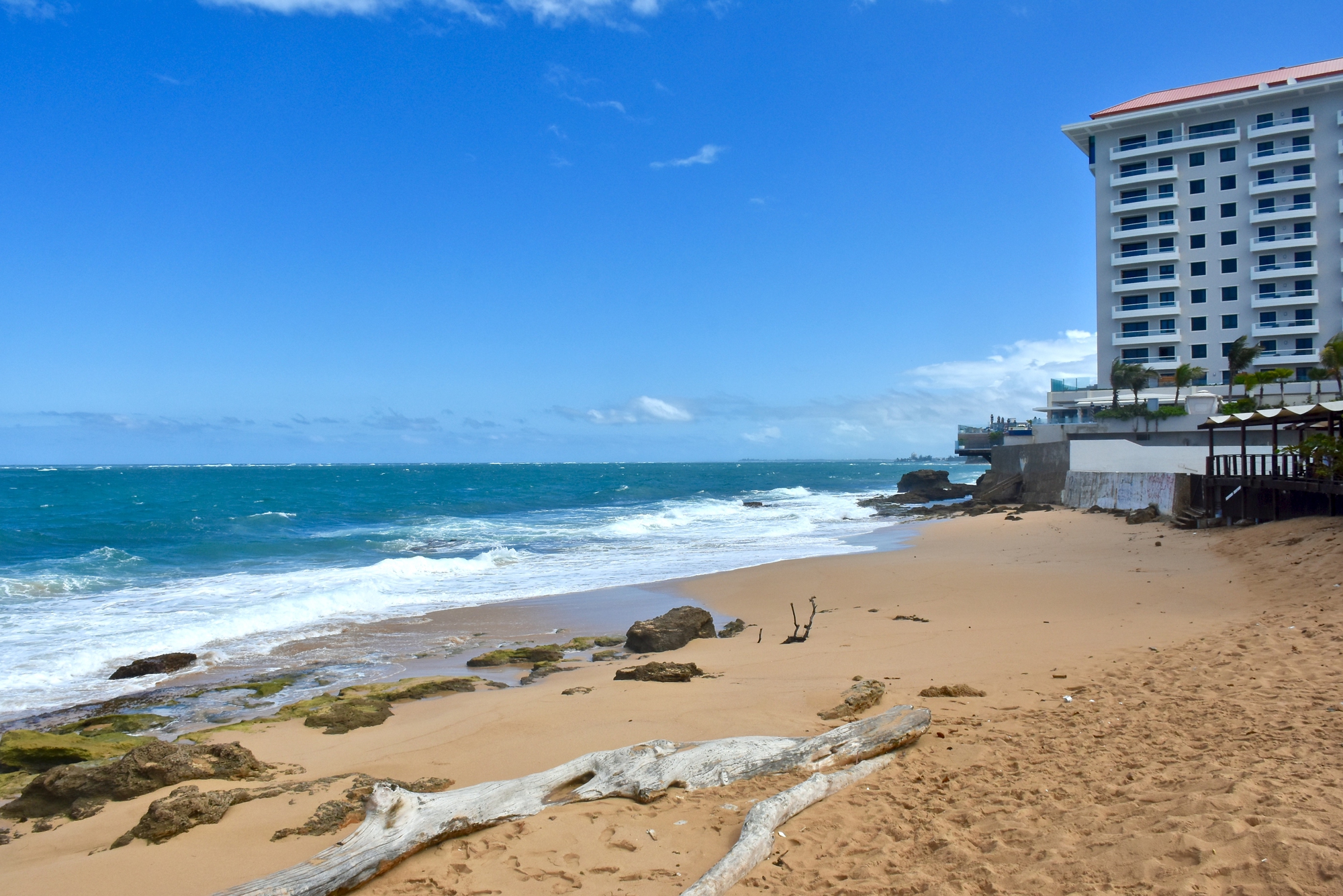
Beautiful golden sands hide a deadly feature at this popular tourist destination – a massive underwater trench that creates powerful rip currents and sudden drop-offs. Dozens of drownings have occurred when swimmers stepped unwittingly from waist-deep water into a 20-foot channel with a powerful seaward pull.
Even in calm weather conditions, rescue operations happen almost daily during peak tourist season, with many victims never making it back to shore.
Amazon River Delta, Brazil
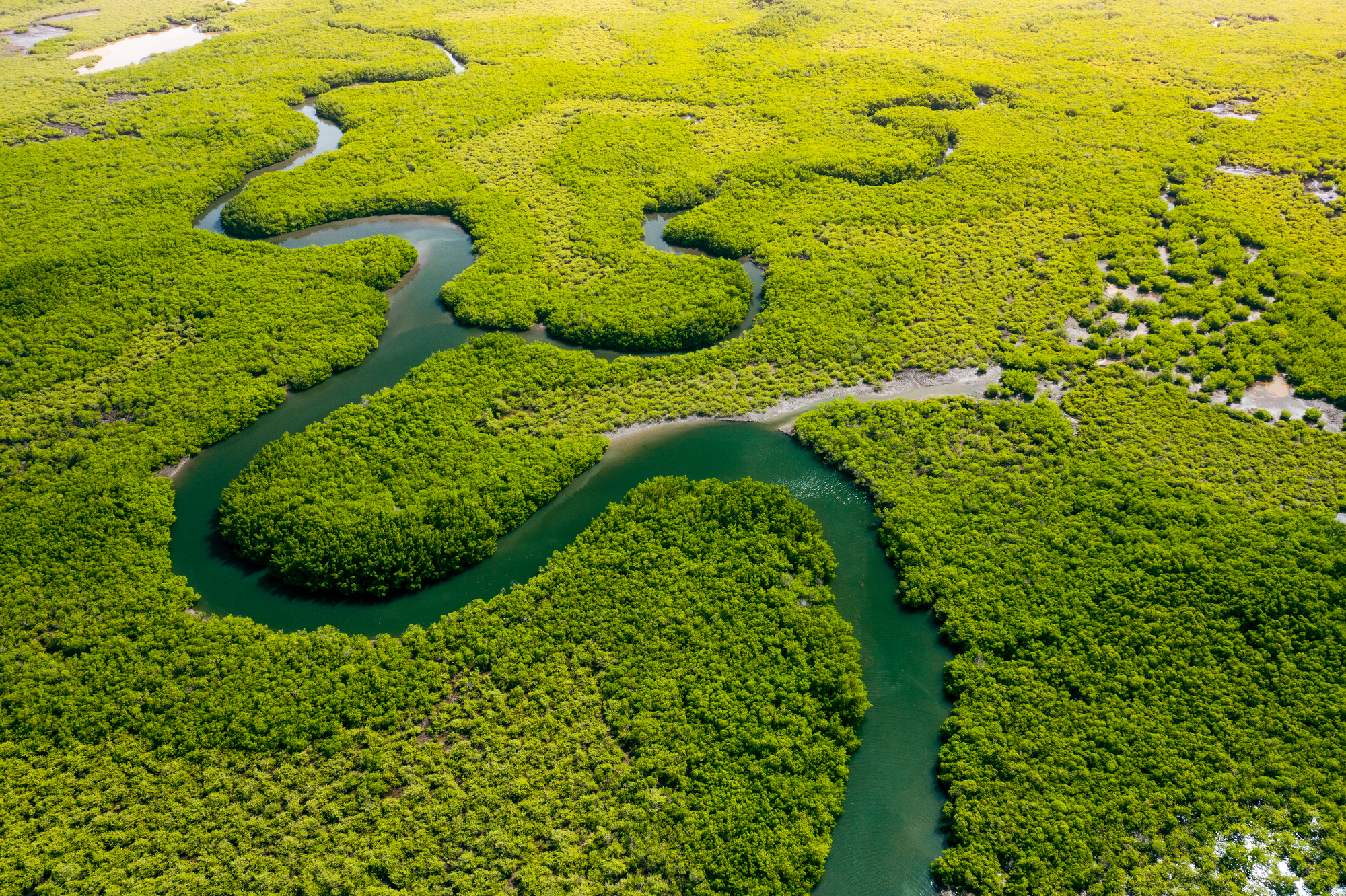
Where the world’s largest river meets the Atlantic Ocean, a series of deadly hazards converge in one location. Bull sharks and aggressive river dolphins compete for territory in these turbid waters while massive underwater debris fields create entanglement hazards.
The phenomenal water pressure from the river’s outflow generates whirlpools capable of pulling down boats, let alone swimmers. Indigenous populations along the delta strictly avoid entering these waters except in absolute necessity.
Kipu Falls, Hawaii
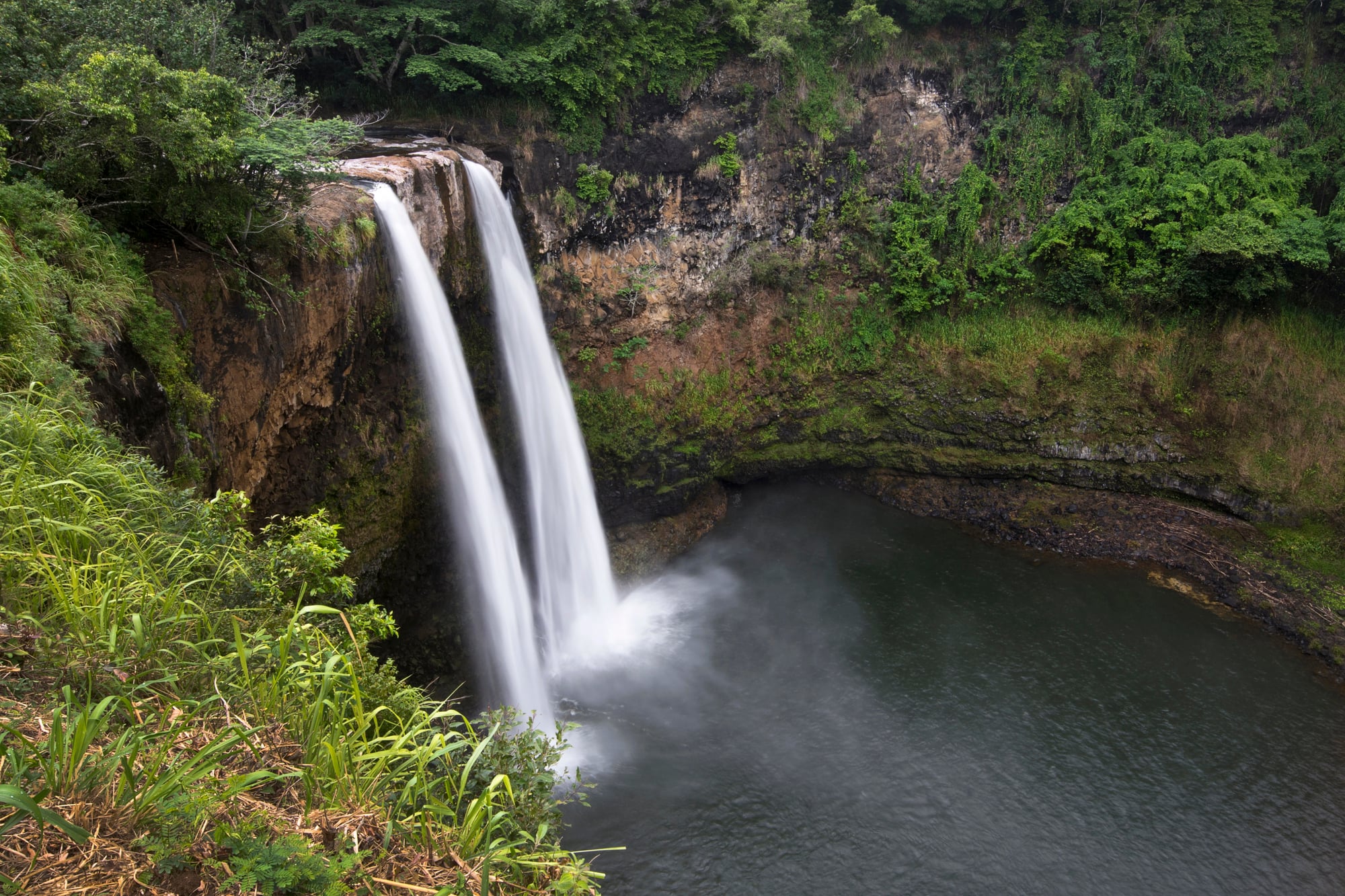
This seemingly idyllic swimming hole connected to the ocean inlets has claimed so many lives that it’s now officially closed to the public. Powerful hidden currents from tidal influence create underwater forces strong enough to hold swimmers beneath the surface against their will.
The water’s misleadingly clear appearance gives swimmers false confidence, while beautiful surrounding foliage conceals the danger from first-time visitors until they’re already in trouble.
Hanakapiai Beach, Hawaii
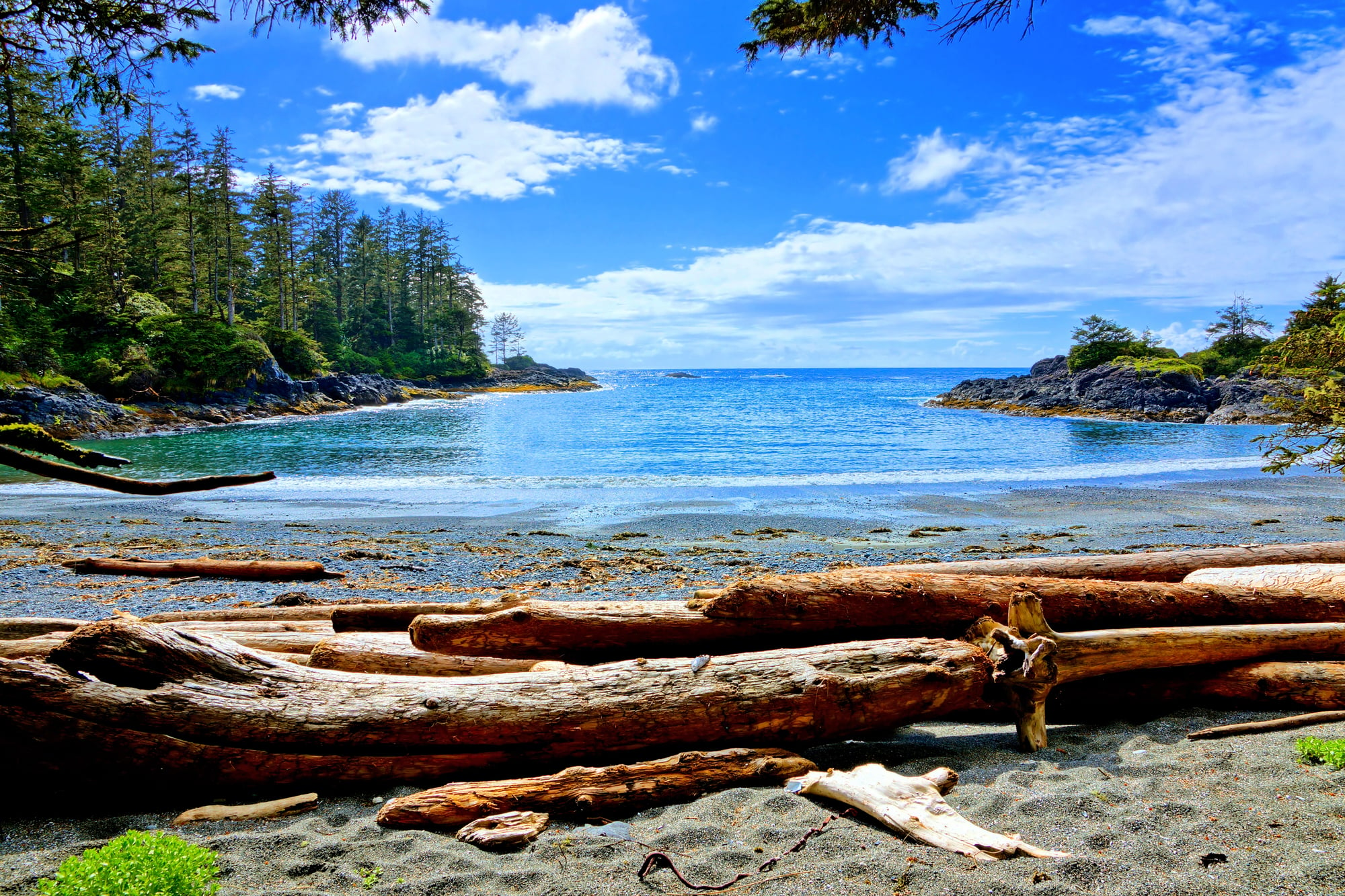
This picturesque destination along Kauai’s Napali Coast has no lifeguards despite claiming over 80 lives. Powerful winter swells create waves that can transform from gentle to 20-foot monsters within minutes.
The strong offshore currents mean swimmers swept away find themselves pulled toward the open ocean rather than along the coast. A sobering makeshift memorial displays tallies of drowning victims, warning visitors about entering the deceptively beautiful waters.
Darwin Harbor, Australia
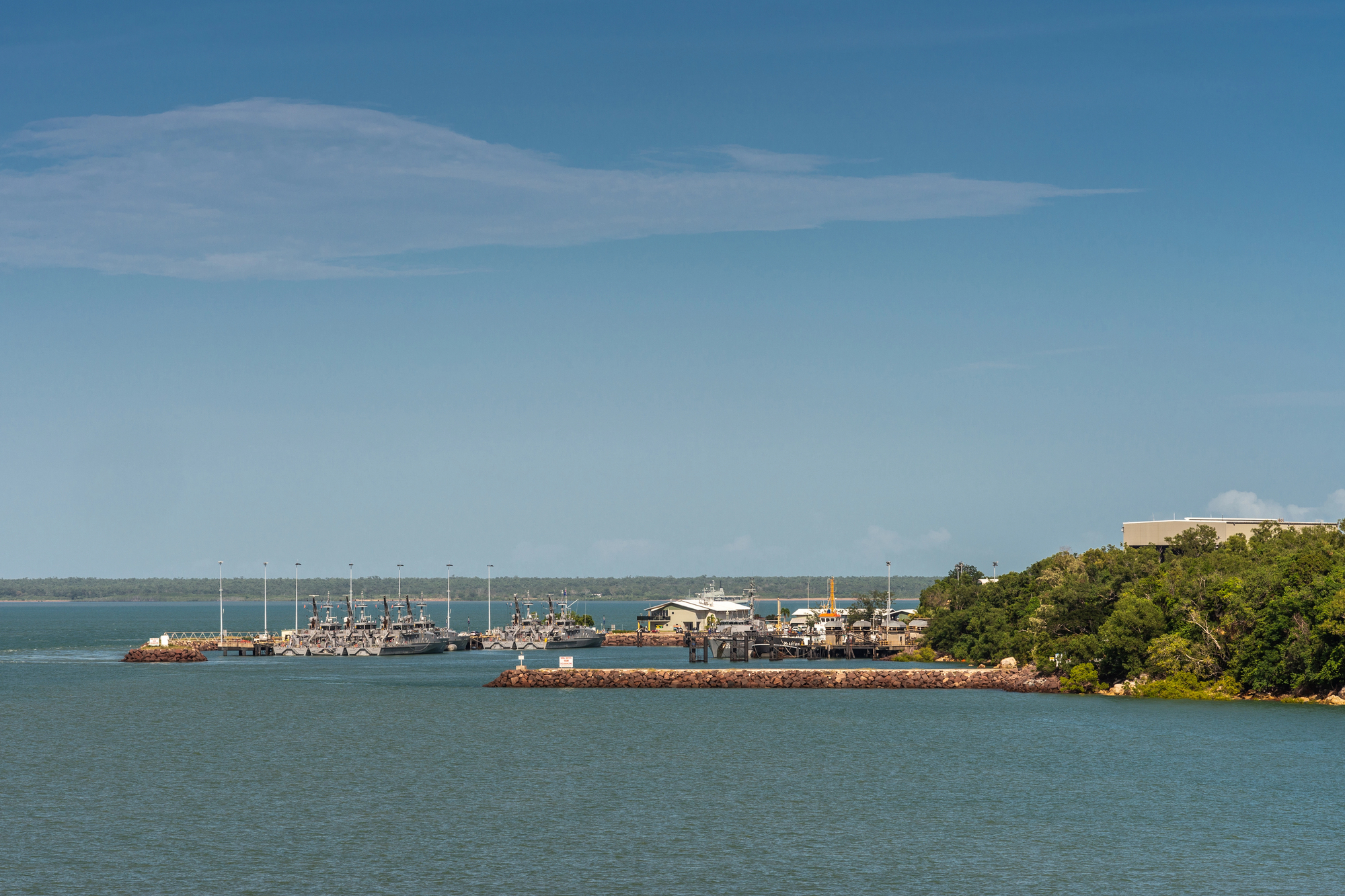
Home to the highest concentration of saltwater crocodiles in the world, this northern Australian harbor combines these ancient predators with devastating box jellyfish populations during summer months. The water’s muddy composition means swimmers often can’t see dangerous wildlife until direct contact occurs.
Local authorities operate constant crocodile removal programs yet cannot make a dent in numbers, with some specimens exceeding 20 feet in length regularly spotted near popular areas.
Gulf of Corryvreckan, Scotland
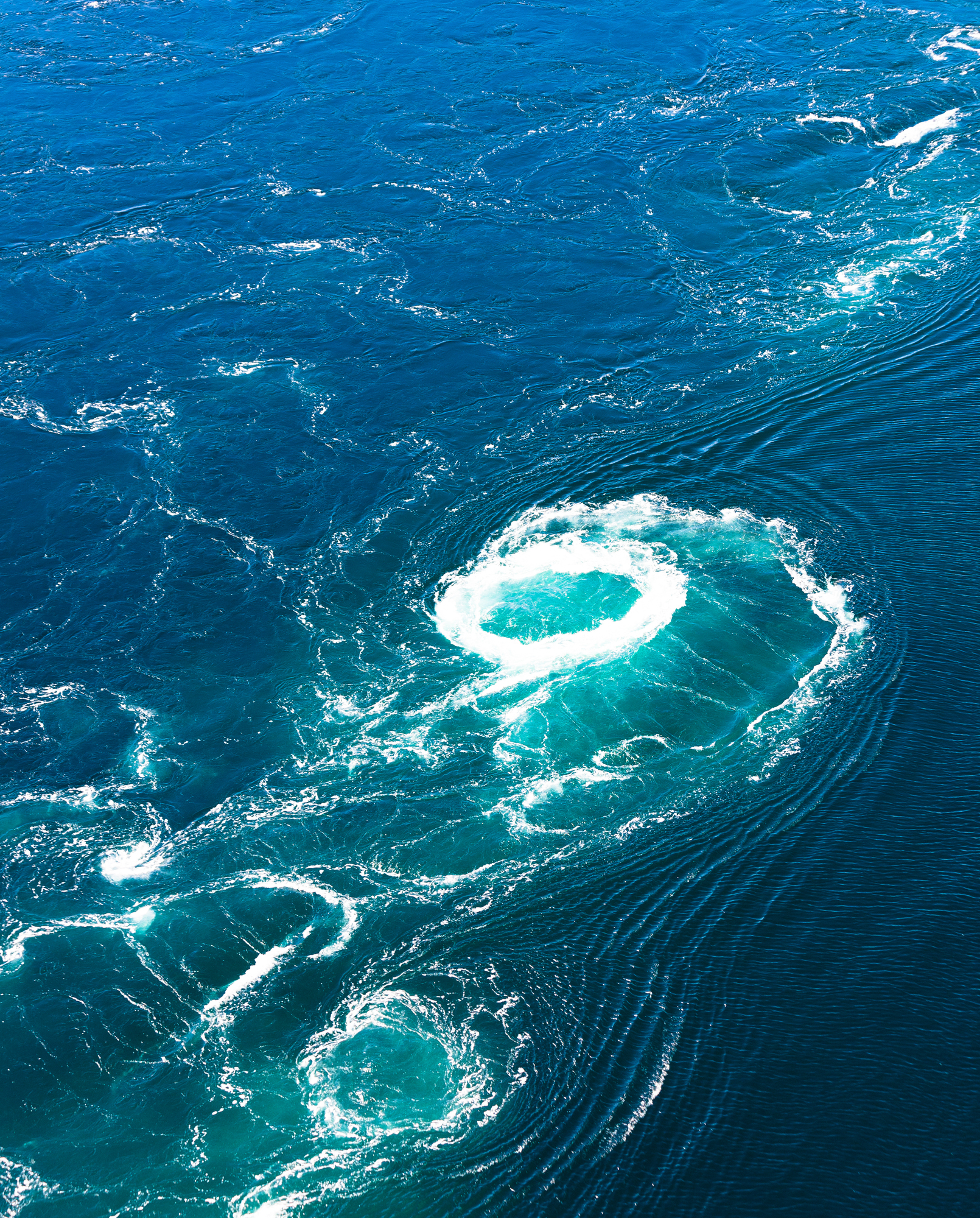
The third-largest whirlpool in the world creates a navigation hazard that marine authorities warn all vessels about, let alone swimmers. Underwater topography forces millions of gallons of water through a narrow channel, creating a vortex that can be heard miles away during peak tidal flows.
The cold North Atlantic waters induce hypothermia within minutes, while powerful downdrafts pull anything floating on the surface toward the center of this nautical nightmare. Even during slack tide periods, the unpredictable currents make swimming suicidal.
Respect The Deep
These dangerous locations remind us that despite modern safety measures and technology, nature retains the upper hand in aquatic environments. The ocean demands respect from those who enter its realm, particularly in these perilous areas where multiple risk factors combine into perfect storms of danger.
For those seeking aquatic adventure, countless safer alternatives exist where proper precautions and local knowledge can mitigate risks. The most experienced swimmers understand that sometimes wisdom means staying firmly on dry land, especially when facing waters with documented histories of claiming human lives.
More from Go2Tutors!

- The Romanov Crown Jewels and Their Tragic Fate
- 13 Historical Mysteries That Science Still Can’t Solve
- Famous Hoaxes That Fooled the World for Years
- 15 Child Stars with Tragic Adult Lives
- 16 Famous Jewelry Pieces in History
Like Go2Tutors’s content? Follow us on MSN.