15 Apology Letters That Changed World Events
Despite carrying more weight than armies or treaties, simple apologies from powerful leaders often get overlooked in history books. Rather than grand speeches or war declarations, humble admissions of wrongdoing have repeatedly reshaped entire nations and relationships in ways that still echo today.
Leaders, organizations, and entire countries have grabbed their pens throughout the centuries to acknowledge serious mistakes. Here is a list of 15 apology letters that went far beyond saying sorry—they actually changed the course of world events.
Willy Brandt’s Warsaw Genuflection Letter

West German Chancellor Willy Brandt wrote more than just an apology in 1970—he lived it out completely. While his letter to Polish leaders expressed deep remorse for Nazi crimes, his spontaneous decision to kneel at the Warsaw Ghetto memorial created an even more powerful moment.
Cold War tensions between West Germany and Eastern Europe began cooling down as a direct result of this gesture and his written commitments.
Japan’s Murayama Statement
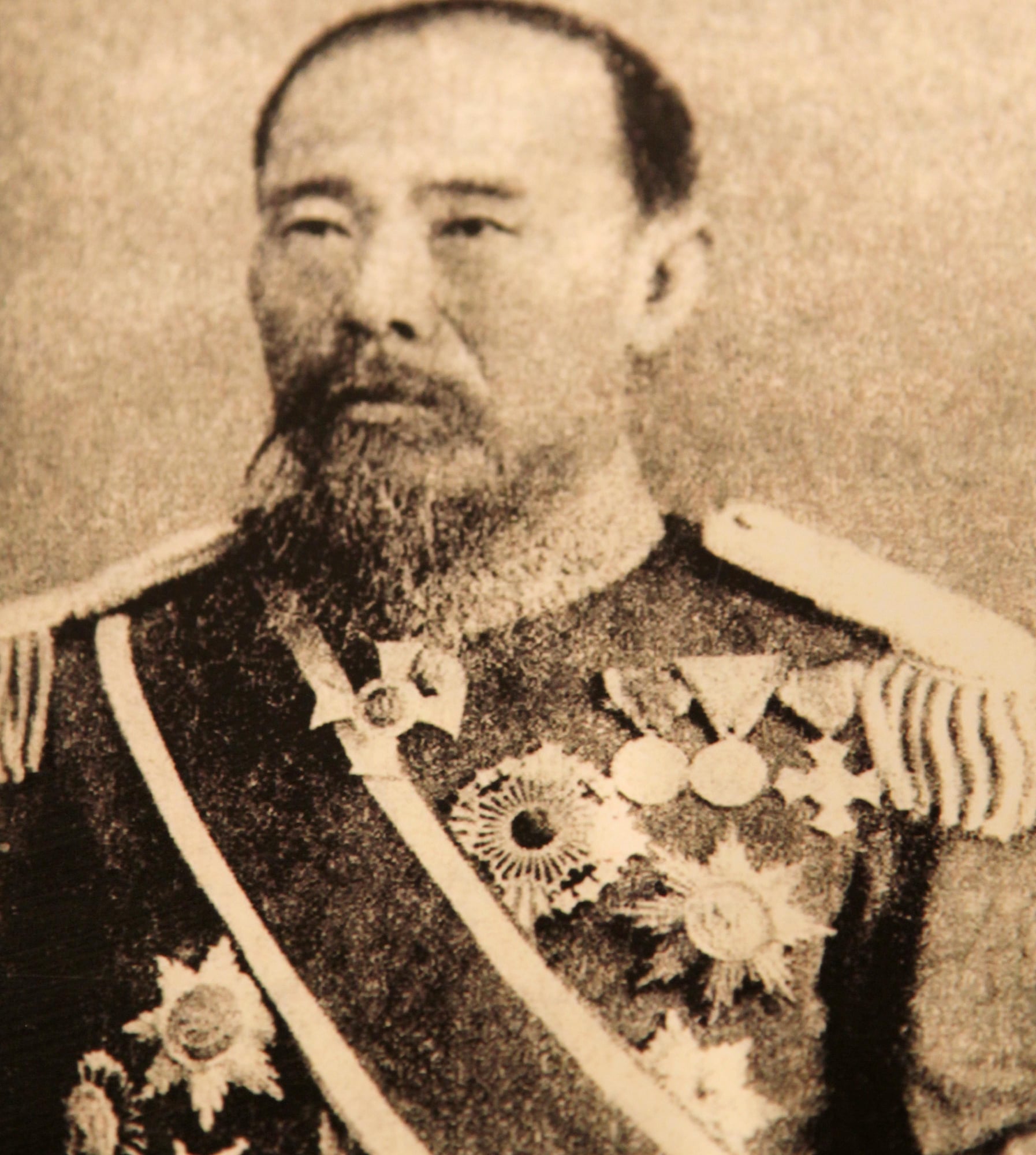
When Prime Minister Tomiichi Murayama penned his 1995 letter, Japan finally offered its most comprehensive apology for wartime actions across Asia. The carefully worded statement acknowledged ‘colonial rule and aggression’ and expressed ‘deep remorse and heartfelt apology’ in unprecedented terms.
Although debates about sincerity continue decades later, this letter became Japan’s diplomatic playbook for neighboring relationships and shaped foreign policy discussions that still happen today.
Like Go2Tutors’s content? Follow us on MSN.
The Vatican’s Apology to Galileo
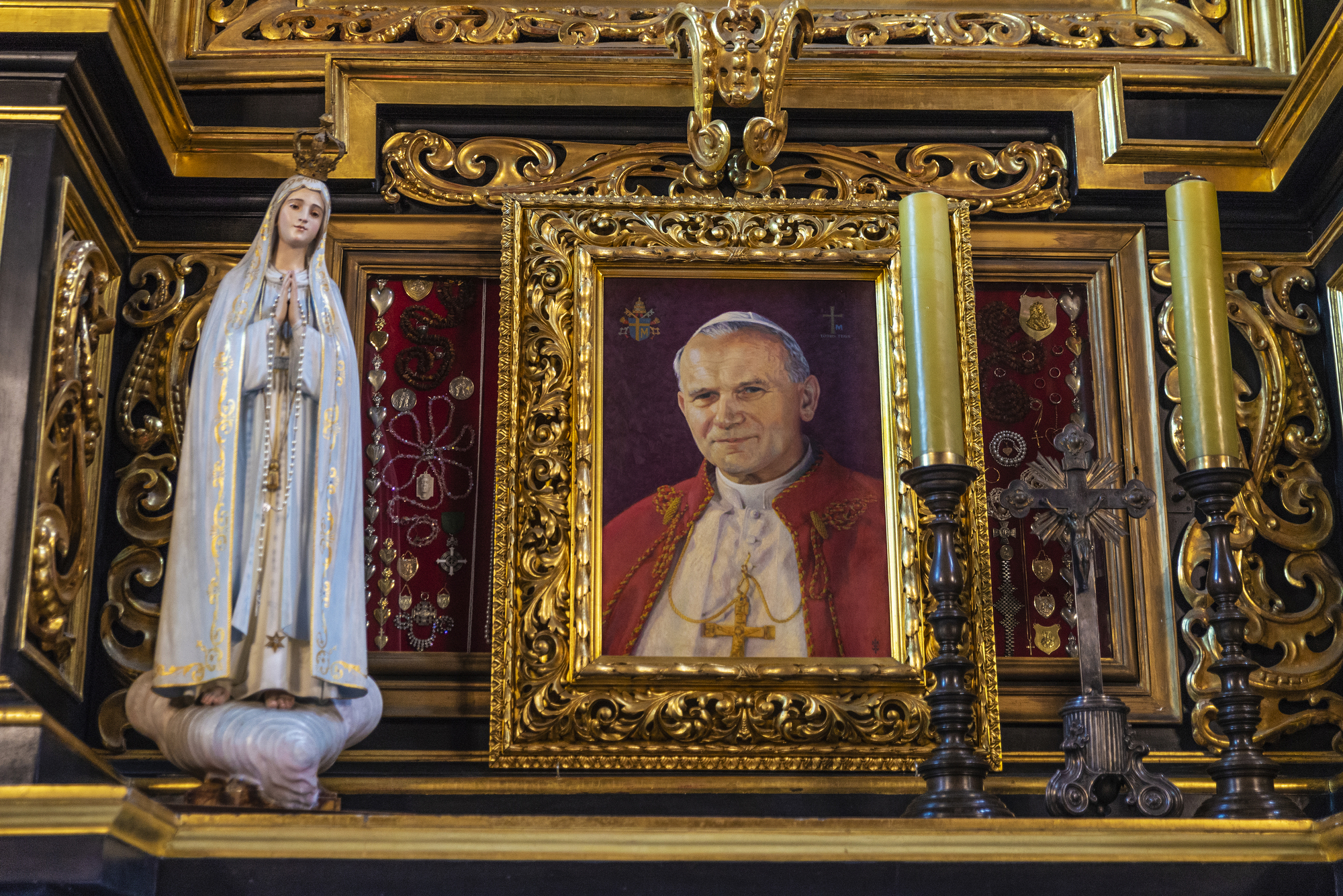
After 359 years of waiting, Pope John Paul II’s 1992 letter finally acknowledged the Church’s massive error in condemning Galileo. The papal apology admitted that theologians back then completely missed the distinction between scientific methodology and religious faith—a pretty significant oversight.
Rather than just clearing a long-dead scientist’s name, this letter signaled how the Catholic Church would handle modern science and research going forward.
South Africa’s Truth and Reconciliation Letters
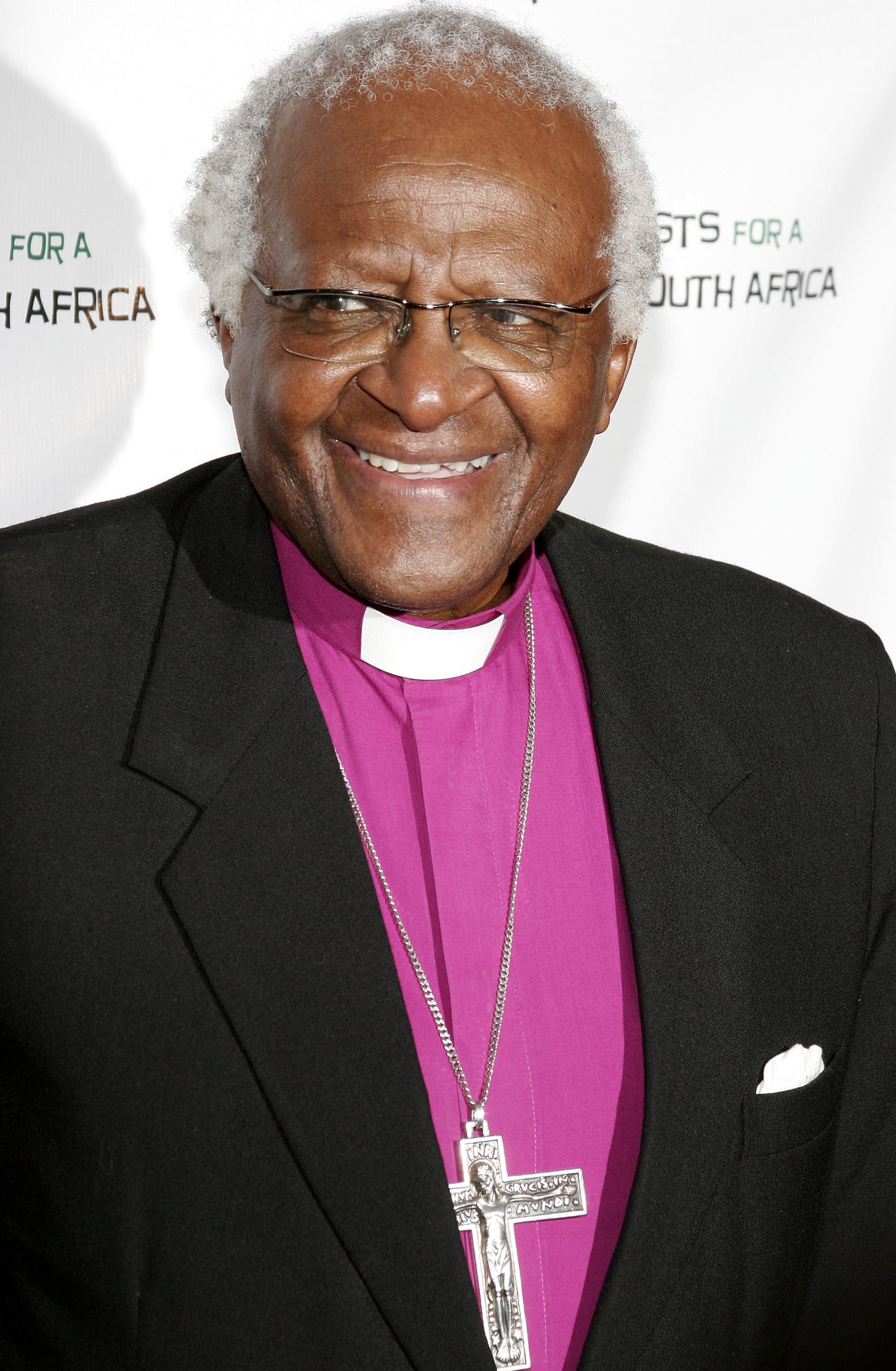
Through the Truth and Reconciliation Commission, Archbishop Desmond Tutu helped thousands of apology letters flow between apartheid perpetrators and their victims. These personal letters from individuals seeking forgiveness carried far more weight than any government statement could have managed.
South Africa’s transition from apartheid to democracy happened without the widespread violence everyone expected, largely because of how these letters built bridges between former enemies.
Lyndon Johnson’s Letter on Civil Rights
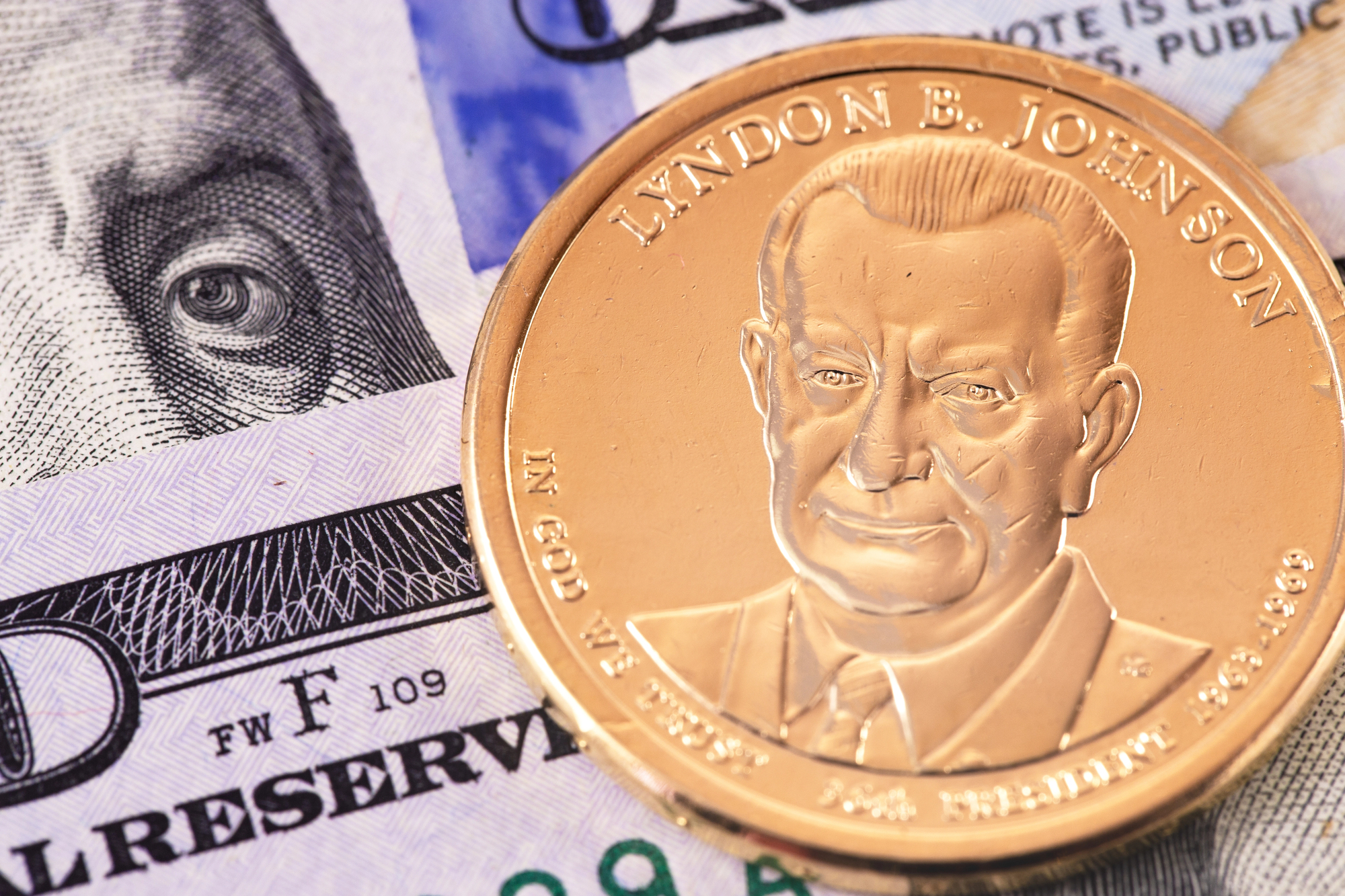
Although President Johnson’s 1965 letter to Congress wasn’t technically an apology, it acknowledged America’s racial equality failures in terms no president had used before. His written commitment to civil rights legislation—combined with personal meetings with civil rights leaders—helped push through the Voting Rights Act during a crucial moment.
Federal power shifted from merely tolerating inequality to actively supporting racial justice as a direct result of this letter.
Like Go2Tutors’s content? Follow us on MSN.
Australia’s Apology to Aboriginal Peoples

Prime Minister Kevin Rudd’s 2008 letter to Australia’s Indigenous peoples apologized for the ‘Stolen Generations’—children who were forcibly removed from their families for decades. Parliament heard the formal apology read aloud before it was distributed widely, acknowledging government policies that had systematically destroyed Aboriginal family structures.
Ongoing reconciliation efforts and policy changes affecting Indigenous Australians still trace their foundation back to this letter.
The Dreyfus Affair Rehabilitation Letter
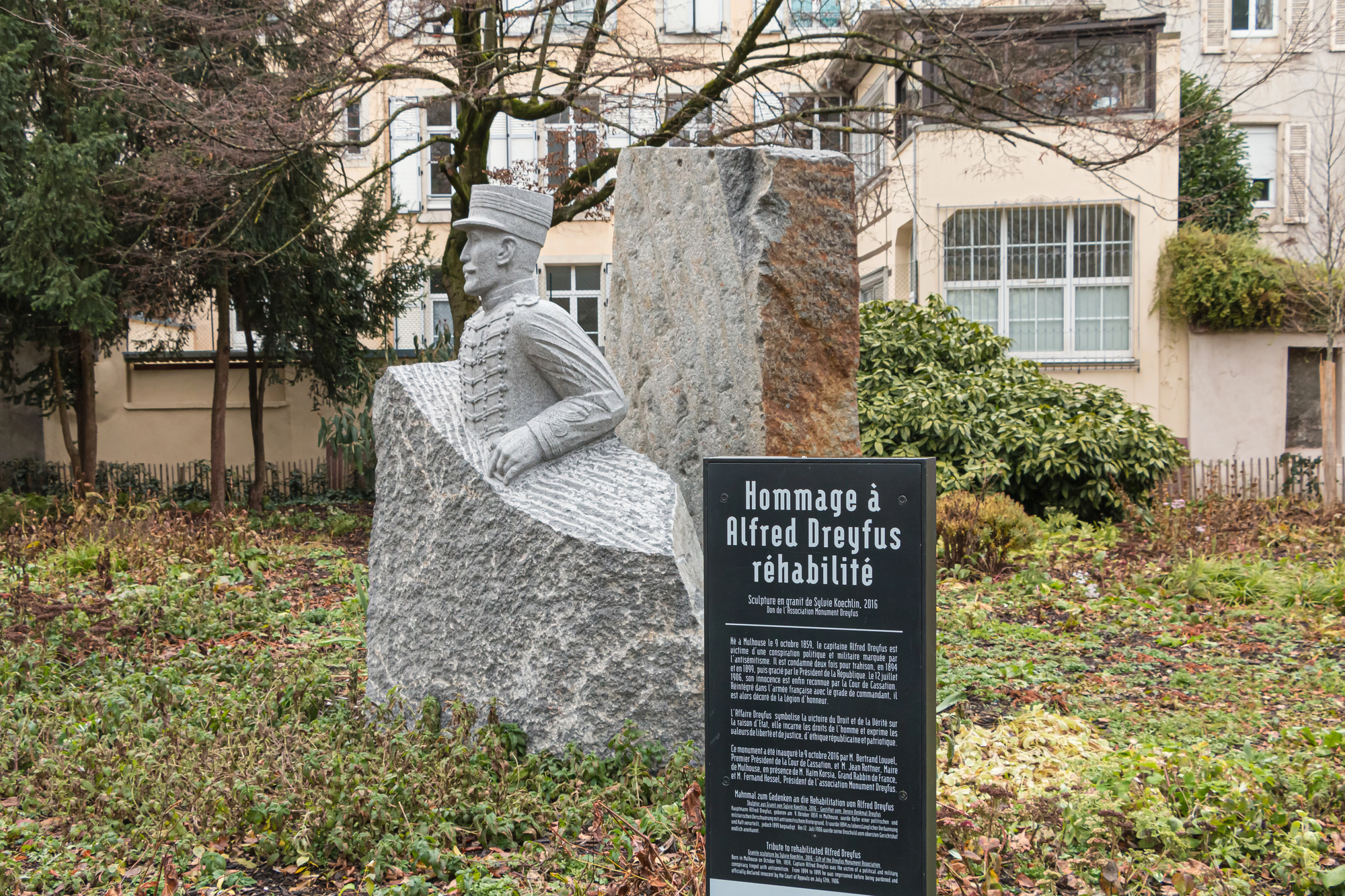
Twelve years after Captain Alfred Dreyfus’s wrongful treason conviction rocked France, the government’s 1906 exoneration letter finally arrived. This official apology did much more than clear one man’s name—it exposed the deep-seated antisemitism running through French institutions and military ranks at the time.
Significant reforms in France’s military justice system followed, along with major changes in how the country approached minority rights.
Reagan’s Letter on Japanese Internment
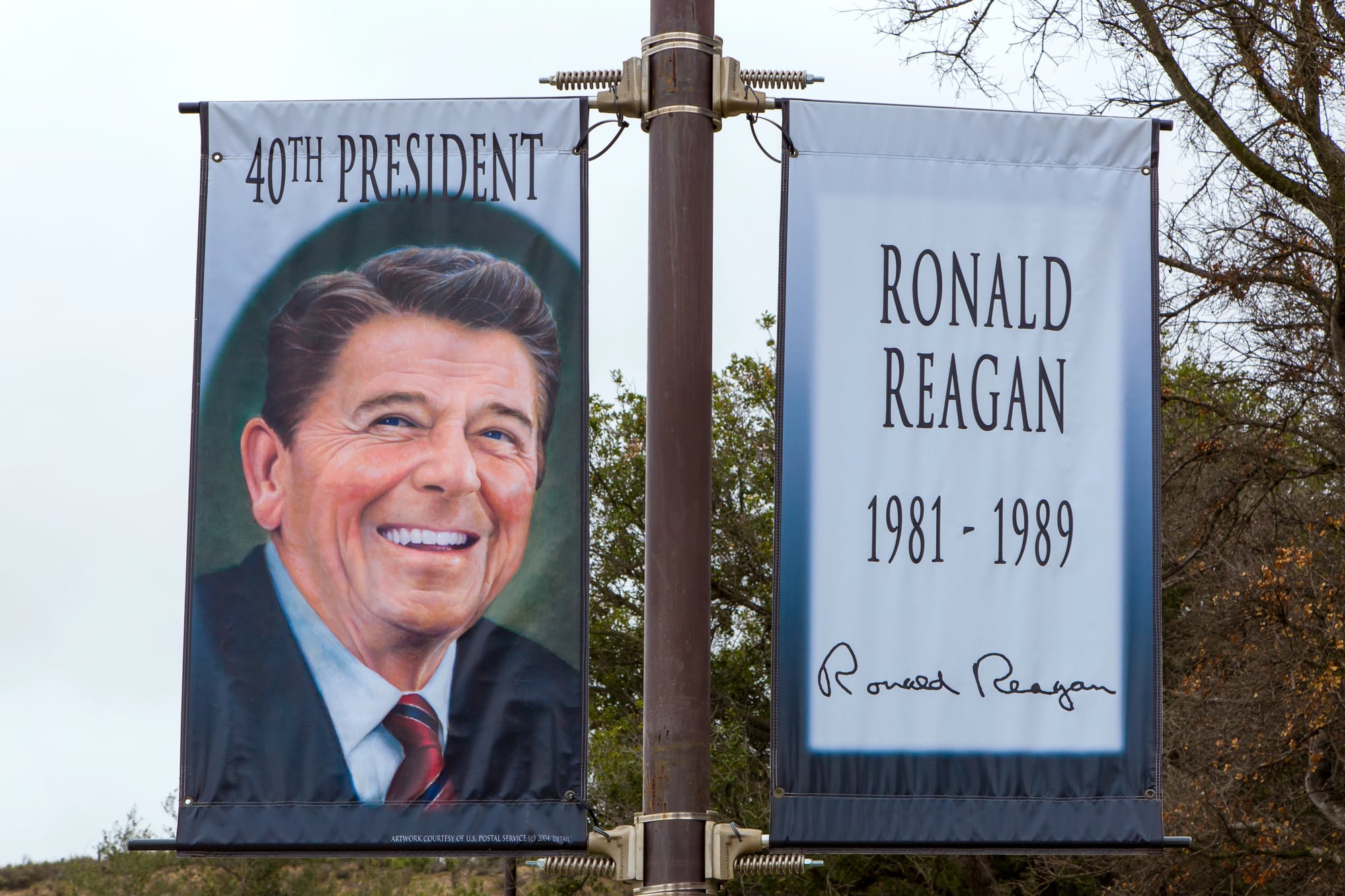
President Reagan’s 1988 letter about Japanese American internment during World War II came with $20,000 compensation for each survivor who was still alive. The Civil Liberties Act’s formal apology acknowledged that internment happened because of ‘race prejudice, wartime hysteria, and a failure of political leadership’—pretty harsh but accurate language.
How democracies should handle wartime civil liberties violations got completely redefined by this letter’s precedent.
Like Go2Tutors’s content? Follow us on MSN.
Germany’s Namibian Genocide Apology

When Germany acknowledged genocide against the Herero and Nama peoples in colonial Namibia through their 2021 letter, they became the first European power to formally recognize colonial-era genocide. Over a billion dollars in development aid over 30 years backed up their words—showing they meant business about making amends.
Former colonial powers across Europe started having similar discussions about addressing historical atrocities because of the new standard this apology established.
Clinton’s Rwanda Apology Letter
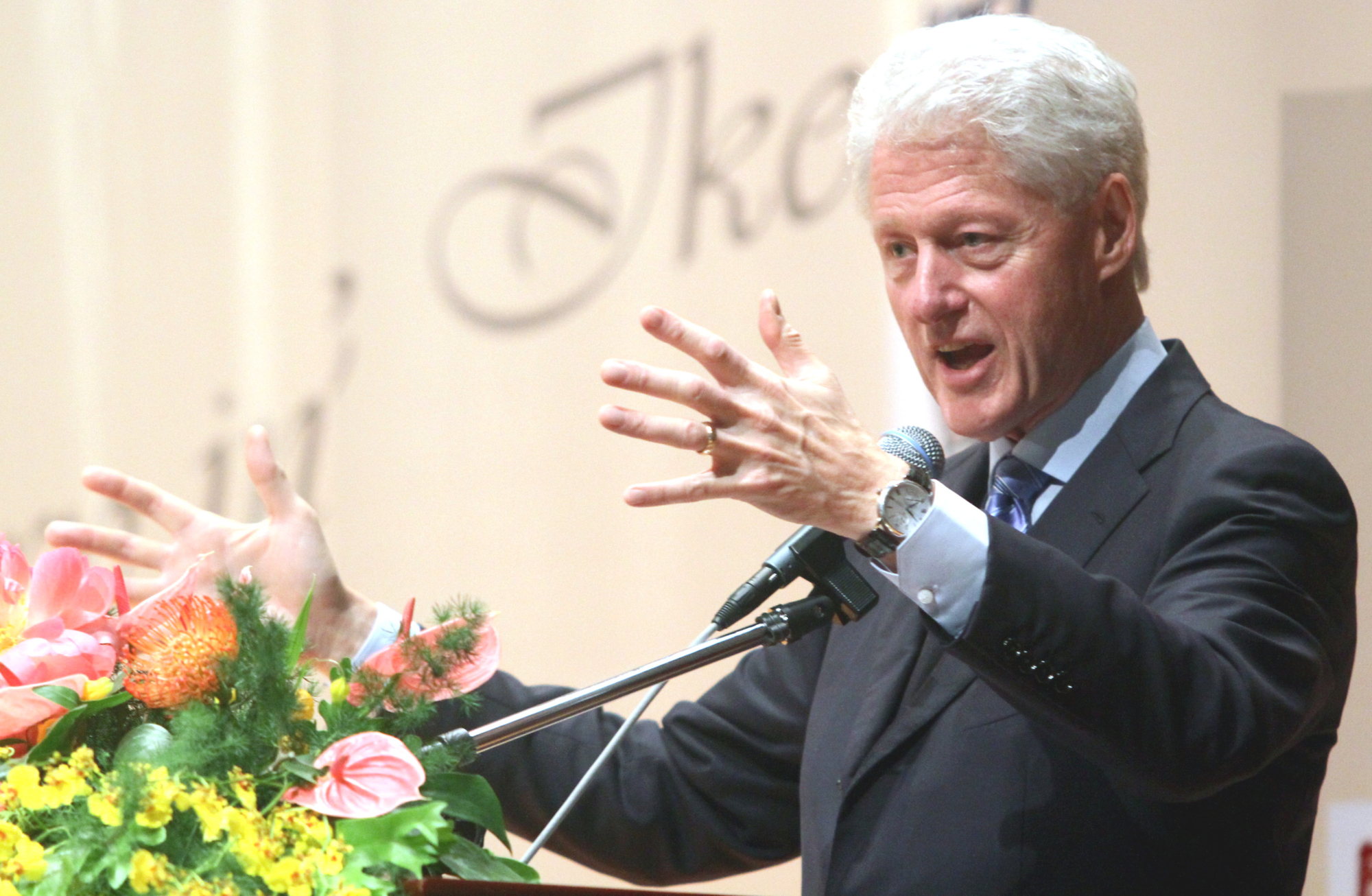
During his visit to Kigali in 1998, President Clinton delivered a letter apologizing for America’s inaction during the Rwandan genocide. The letter acknowledged how the international community—with the United States leading—failed to prevent 800,000 people from getting slaughtered in just 100 days.
How the UN and Western powers approach humanitarian interventions and genocide prevention changed significantly because of this admission of failure.
The Catholic Church’s Irish Institutional Abuse Apology
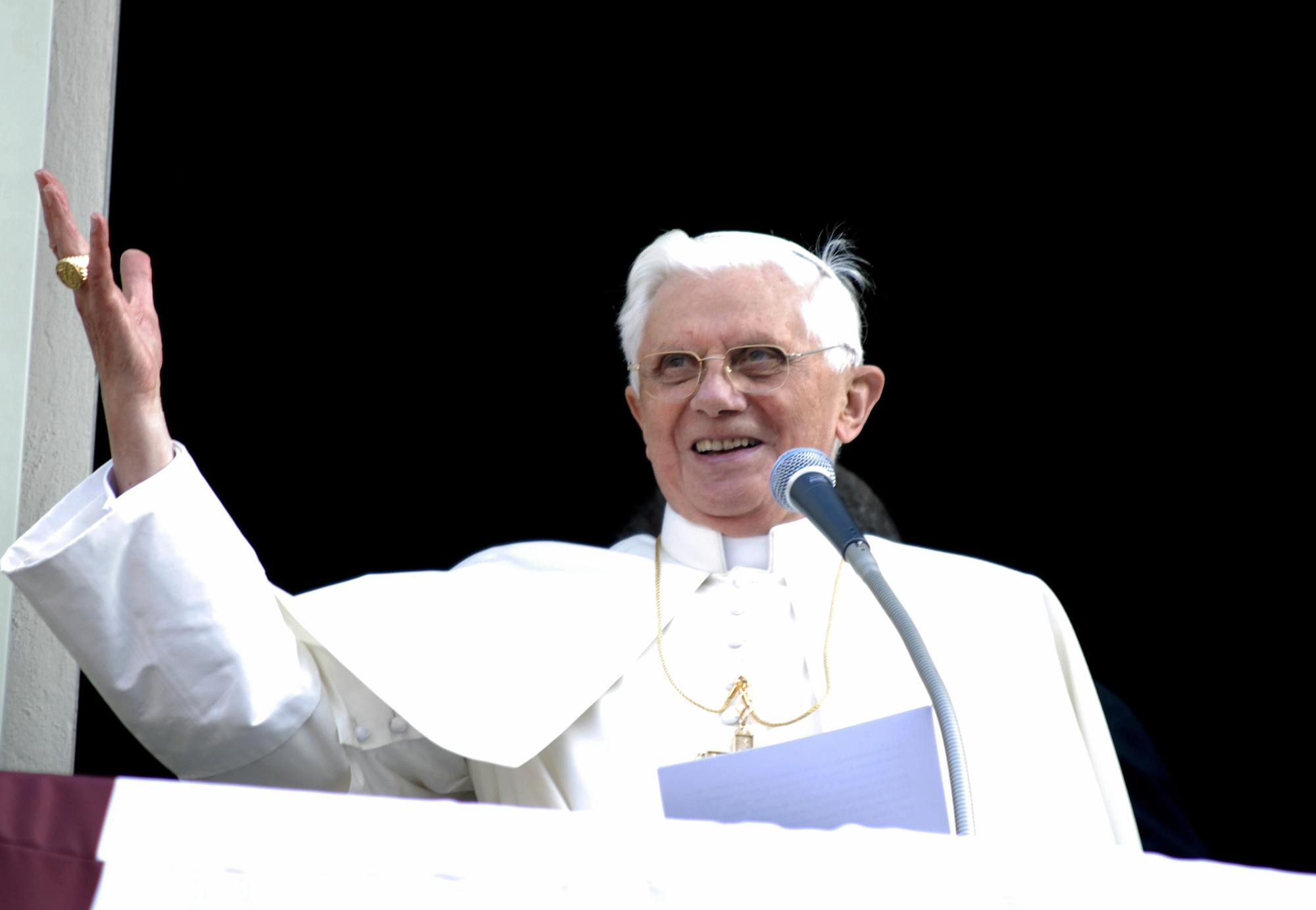
Pope Benedict XVI’s 2010 letter to Irish Catholics represented the Church’s most comprehensive acknowledgment of systemic failures around decades of institutional abuse. Concrete reforms and investigations were promised while the letter expressed genuine shame for betraying people’s trust so completely.
Catholic institutions worldwide started conducting similar investigations and reforms, creating ripple effects that continue to reshape the Church today.
Like Go2Tutors’s content? Follow us on MSN.
Britain’s Bloody Sunday Apology
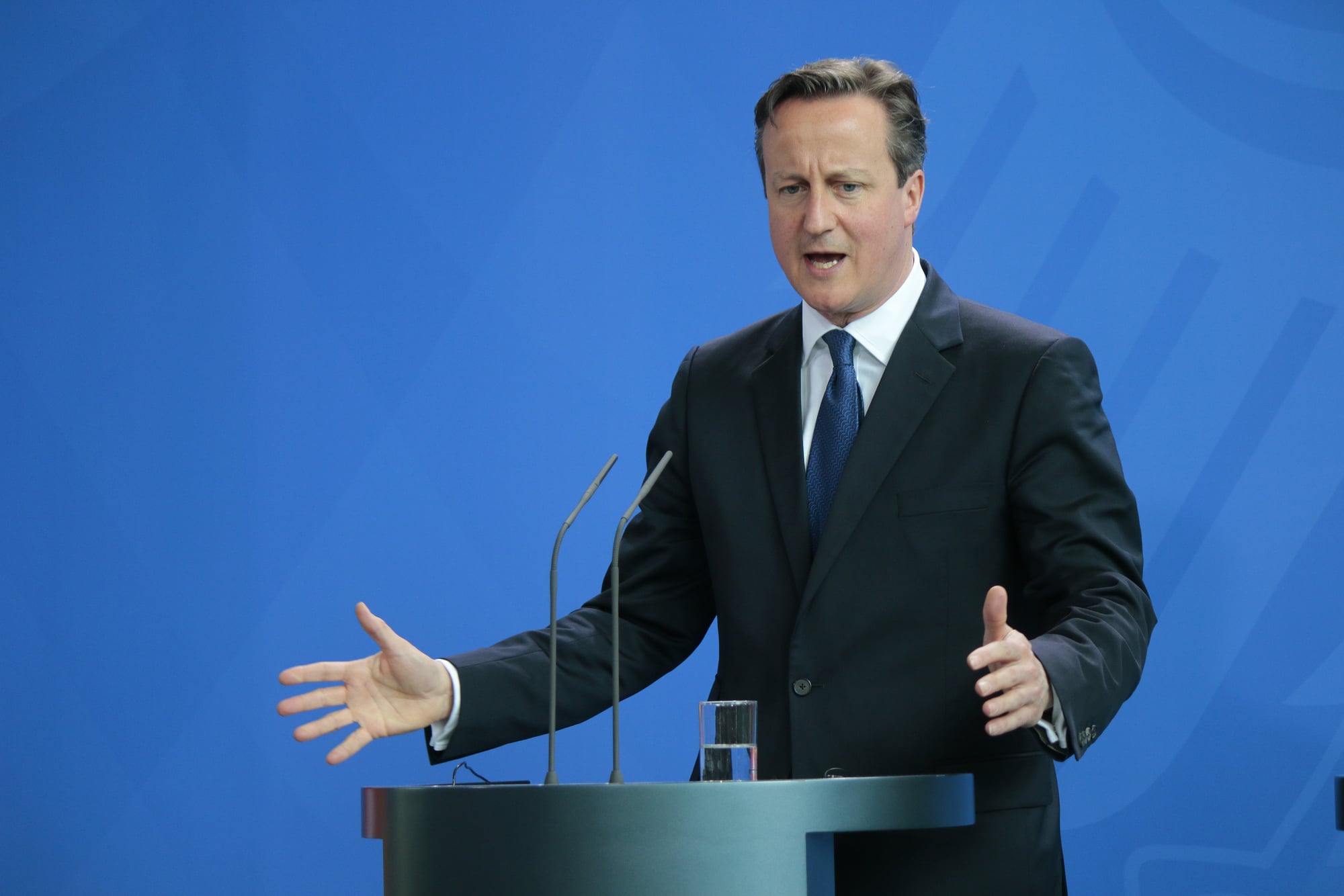
After a 12-year investigation wrapped up, Prime Minister David Cameron’s 2010 letter apologized for the 1972 Bloody Sunday killings in Northern Ireland. The letter acknowledged that British paratroopers fired first and killed innocent civilians who were just participating in a civil rights march.
The Northern Ireland peace process got a significant boost from this formal apology, while British Irish relations improved dramatically as tensions finally began cooling down.
Norway’s Apology to War Children

Norway’s 2018 letter addressed decades of systematic discrimination against children born to Norwegian mothers and German fathers during World War II. These ‘war children’ had faced social ostracism, forced adoption, and institutional abuse long after the war ended, simply because of who their parents were.
The government’s apology came with compensation, highlighting how societies often punish innocent children for their parents’ wartime choices in ways that last for generations.
Spain’s Sephardic Jewish Citizenship Offer
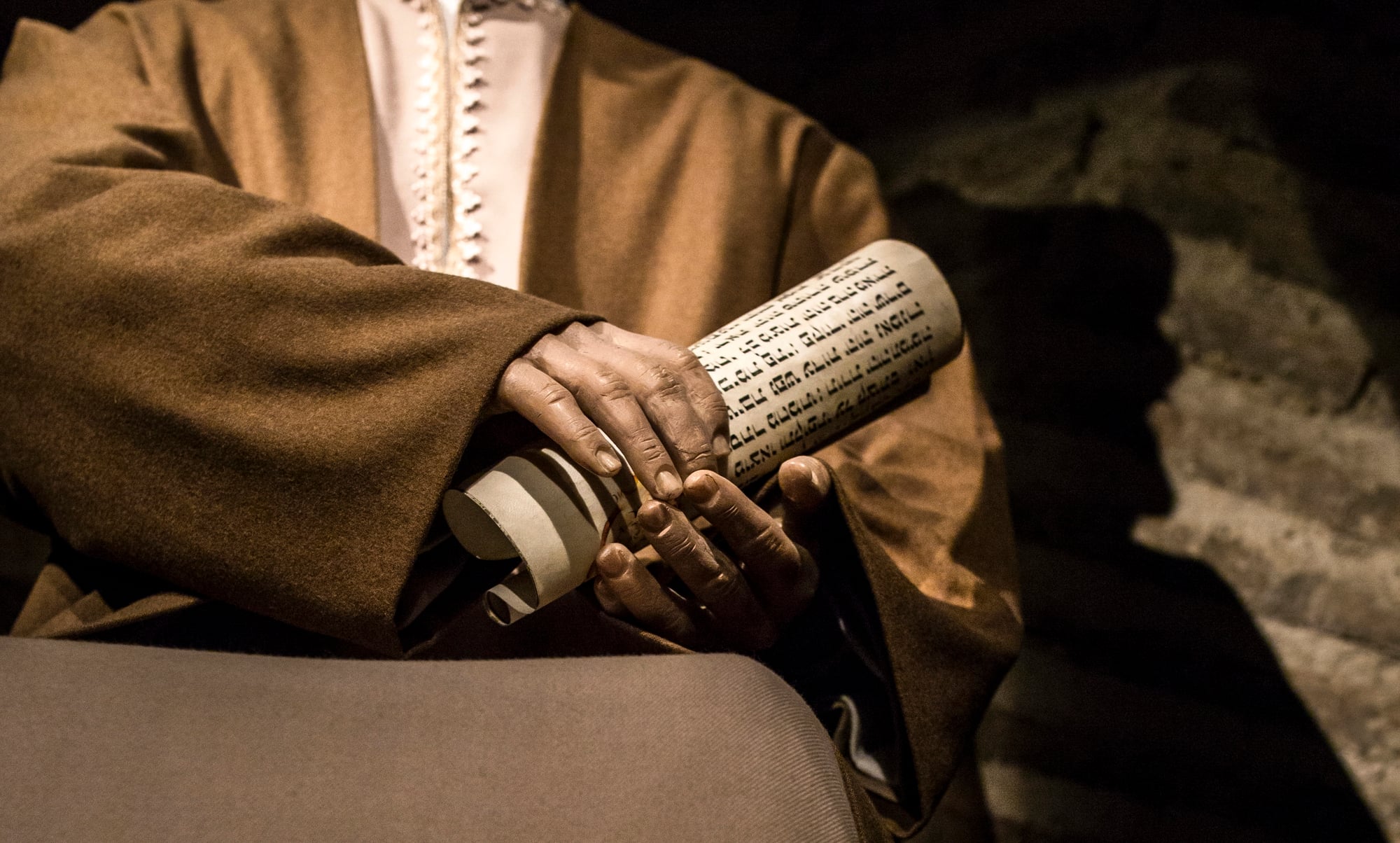
After 523 years, Spain’s 2015 letter offering citizenship to descendants of Sephardic Jews expelled in 1492 finally addressed the Spanish Inquisition’s historical injustice. The letter provided practical restitution through citizenship rights rather than just empty words about the past.
Over 150,000 people applied for Spanish citizenship through this program, reconnecting global Jewish communities with their ancestral homeland in ways that continue strengthening cultural ties today.
Like Go2Tutors’s content? Follow us on MSN.
The United States’ Tuskegee Experiment Apology
President Clinton’s 1997 letter about the Tuskegee syphilis experiment acknowledged that the government had deliberately let Black men suffer and die from untreated syphilis for research purposes. Bioethics reforms and medical research oversight got completely overhauled as part of the formal apology’s commitments.
How medical research involving human subjects is conducted and regulated in America changed fundamentally because of this letter’s acknowledgment of past horrors.
When Sorry Becomes History

These fifteen letters prove that apologies carry far more power than most people realize—they’re really about justice, courage, and facing uncomfortable truths that many would rather ignore. Each letter forced leaders to risk their political capital while admitting failures that plenty of people preferred to forget or sweep under the rug completely.
The most effective apologies didn’t just acknowledge wrongdoing; they combined words with concrete actions to prevent similar problems from happening again, showing that meaningful apologies require both admission and change. Today’s conflicts and injustices will probably need similar letters from future leaders who choose reconciliation instead of defensiveness, though finding that kind of courage remains rare in politics.
More from Go2Tutors!

- 18 Unexpectedly Valuable Collectibles You Might Have Lying Around
- 20 Little-Known Historical Battles That Had Huge Consequences
- 20 Historical Artifacts That Scientists Can’t Explain
- 15 Inventions That Were Immediately Banned After Being Created
- 20 Actors Who Were Almost Cast in Iconic Roles
Like Go2Tutors’s content? Follow us on MSN.



