18 Bizarre Sleep Habits from Around the Animal Kingdom
Sleep might seem like a simple concept—you get tired, you close your eyes, you wake up refreshed. But across the animal kingdom, creatures have developed some truly astonishing ways to catch their z’s.
From half-brain slumbering to sleeping on the wing, animals have adapted fascinating methods to stay safe while getting the rest they need. Here is a list of 18 bizarre sleep habits that showcase just how inventive evolution can be when it comes to catching some shuteye.
Dolphins Sleep with One Eye Open
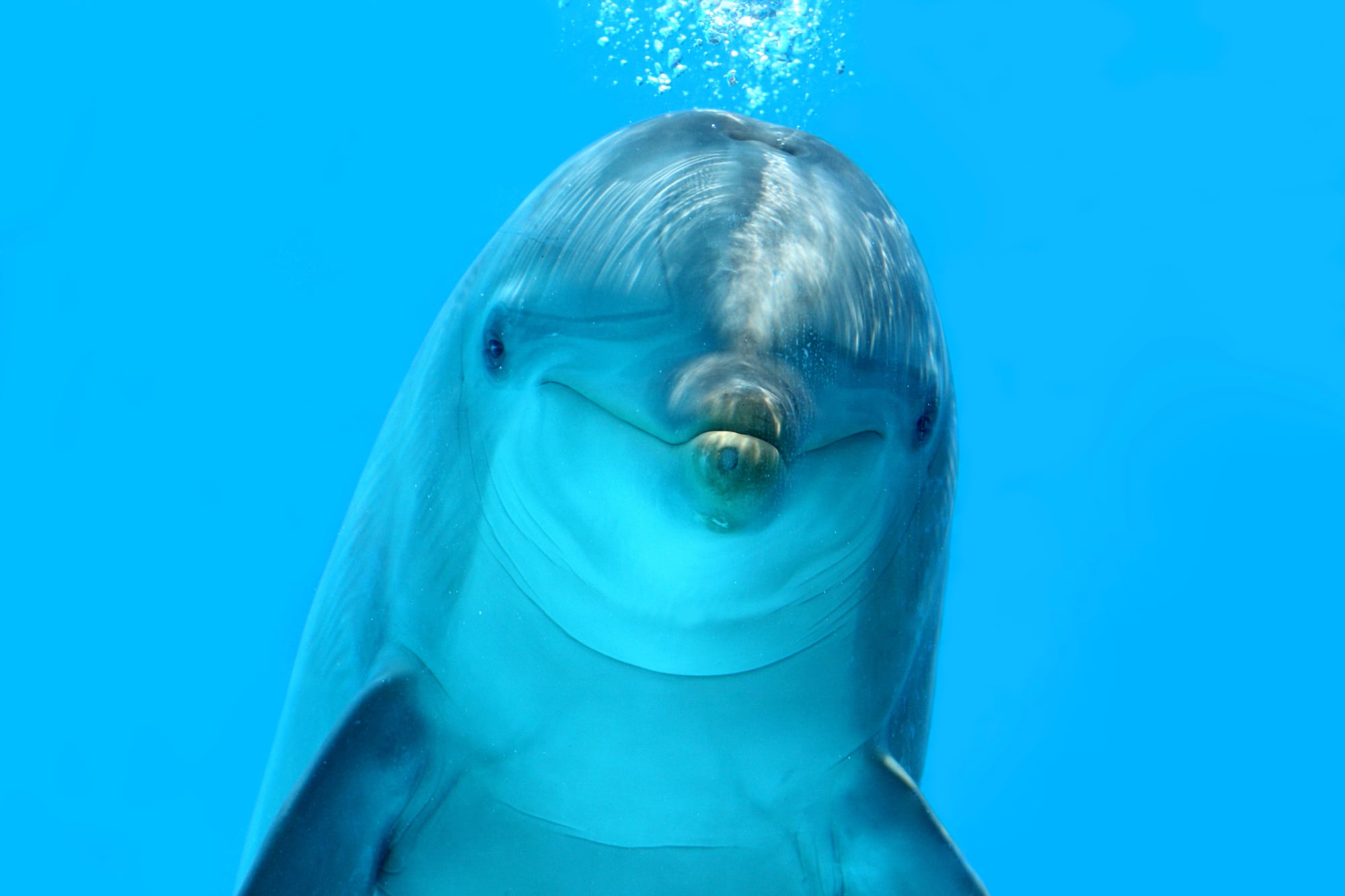
Dolphins cannot go completely asleep as humans can. Rather, they keep one eye open to monitor for predators and remember to surface for air while shutting down only half their brain at a time. Their unusual ability—unihemispheric sleep—allows them to relax while yet keeping vital awareness of their environment.
Periodically, they will flip hemispheres so that both sides of the brain get enough rest.
Giraffes Need Just 30 Minutes
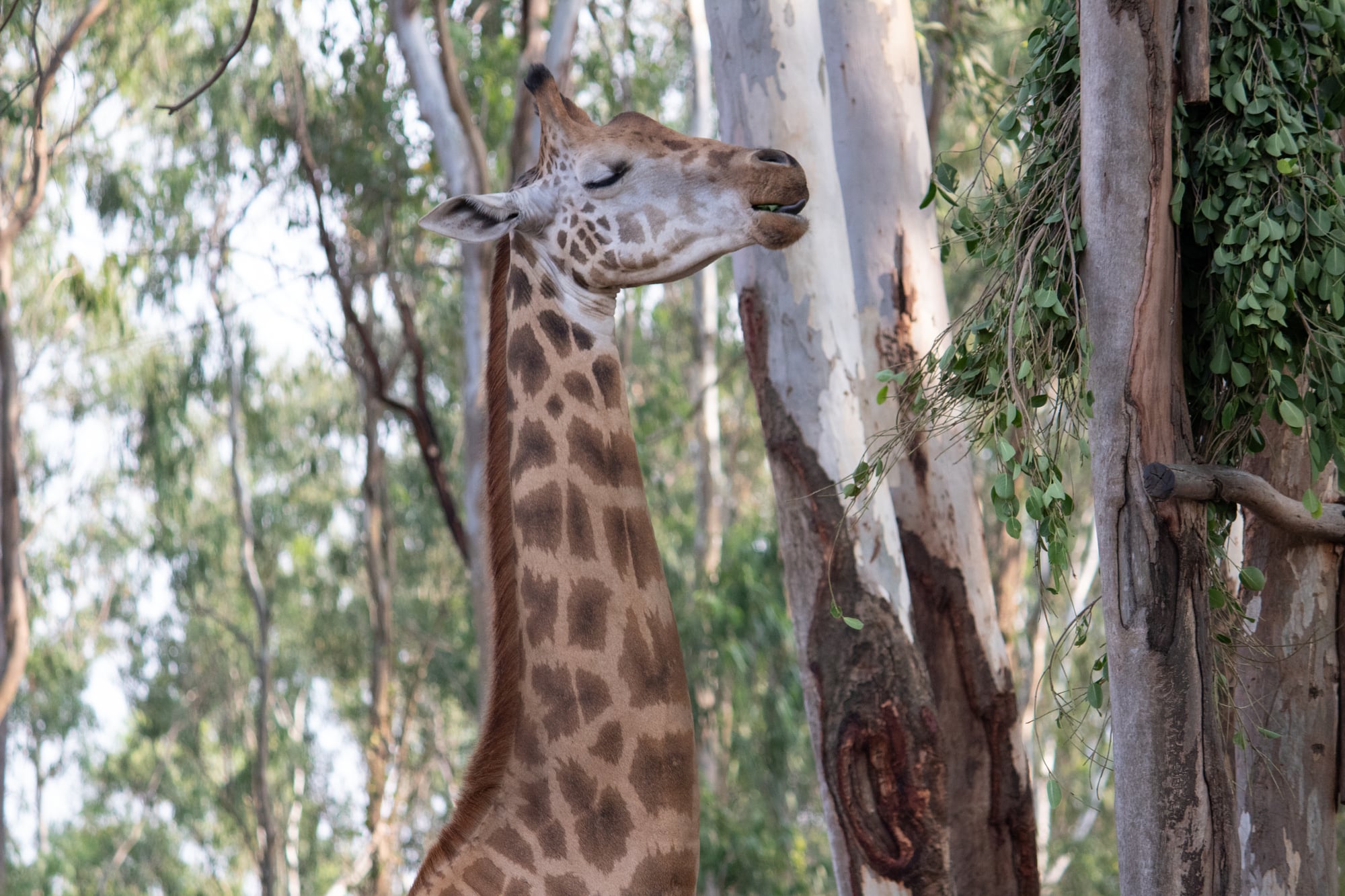
With only roughly half an hour of sleep needed daily, giraffes have among the smallest sleep needs among mammals. Usually standing with their necks slightly curved, they take brief power naps lasting only a few minutes.
This minimal sleep pattern developed as a survival mechanism—with their long necks and legs making them vulnerable when lying down.
Alpine Swifts Sleep While Flying
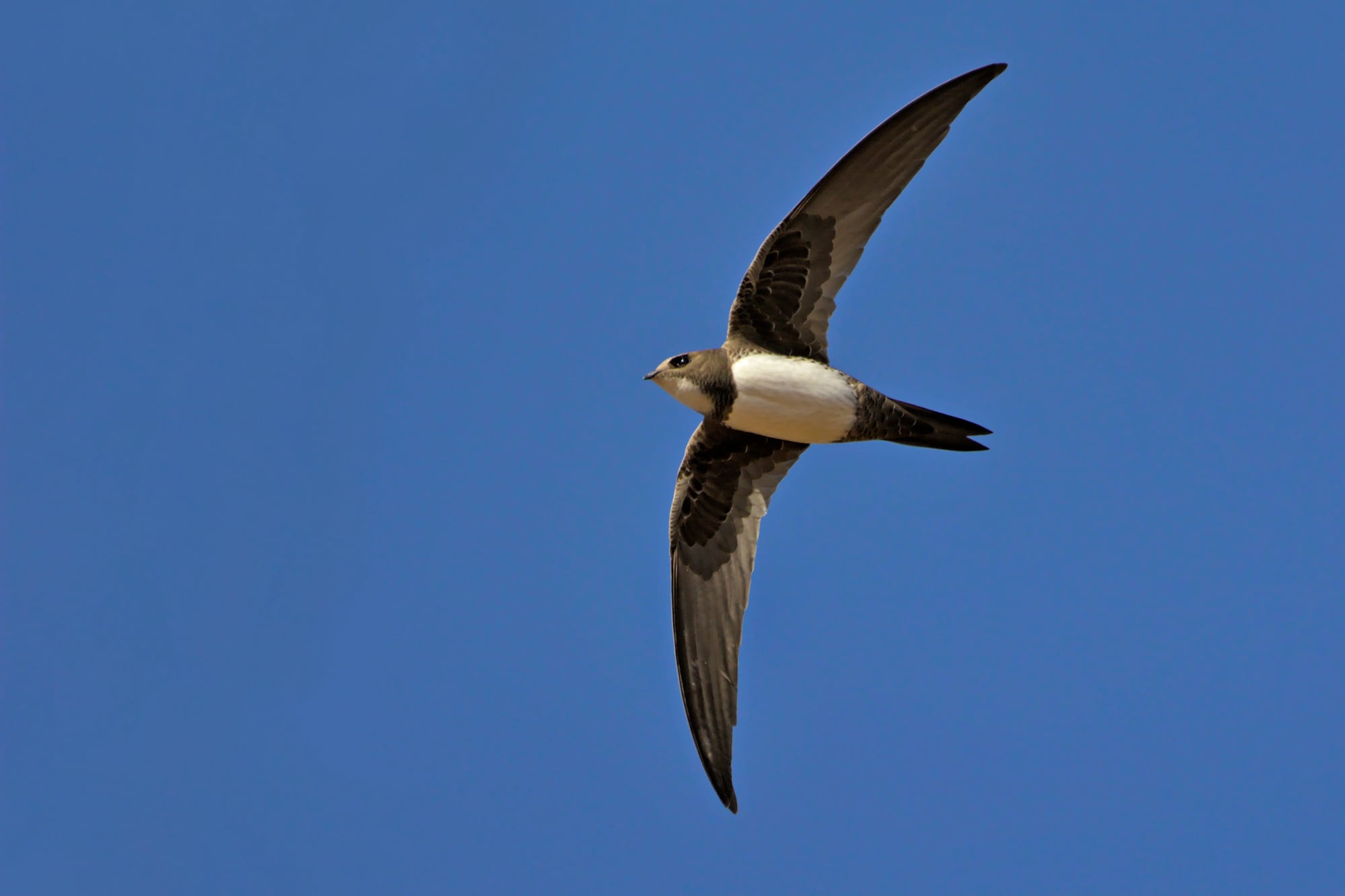
Alpine swifts can sleep on the wing since they can remain flying for up to 200 days without touching down. These birds allow their bodies to rest without needing them to land; researchers found they can enter brief periods of slumber while gliding on air currents.
Their amazing adaptability allows them to migrate over great distances uninterrupted.
Horses Sleep Standing Up
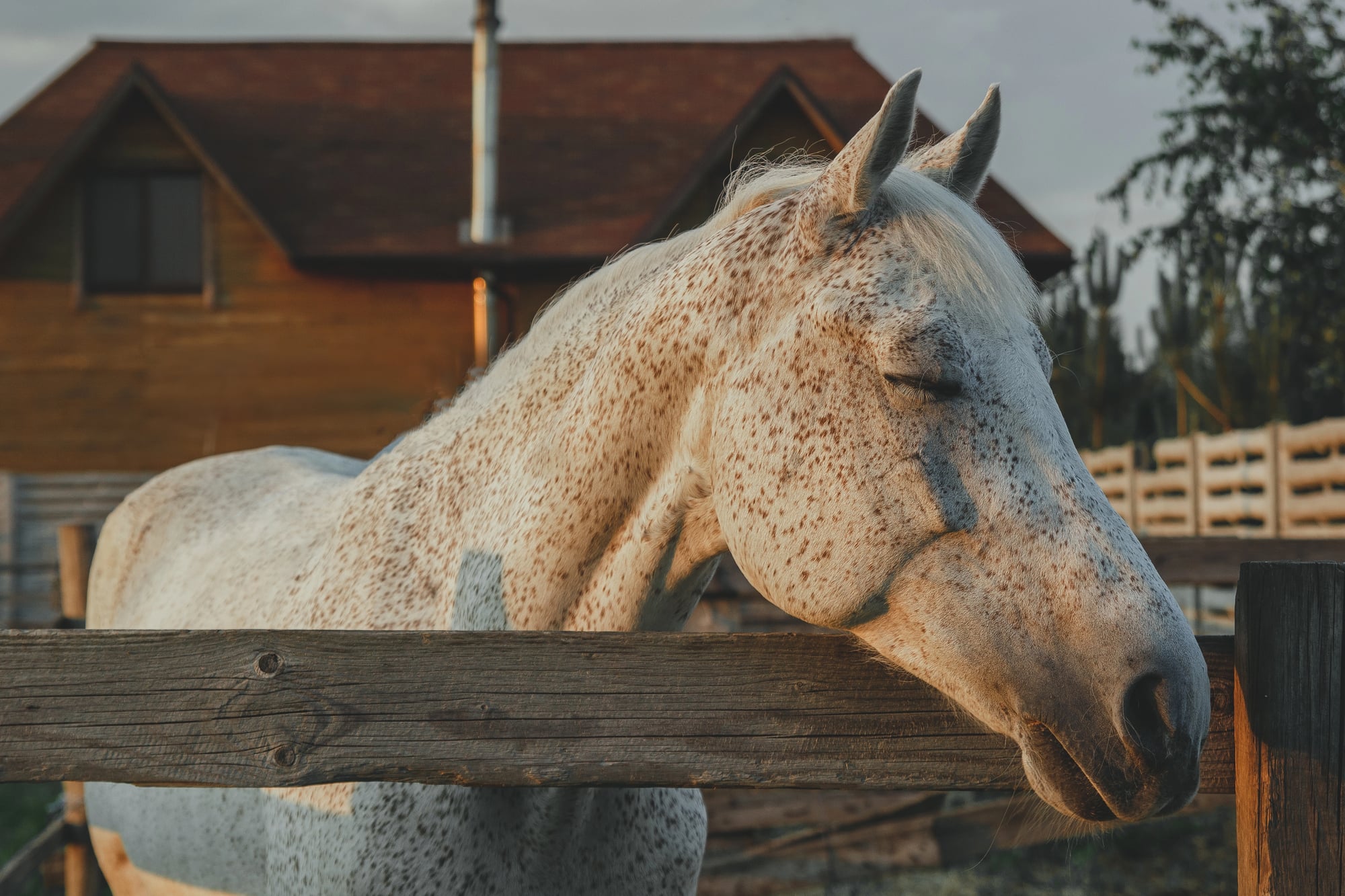
Horses have a special anatomical feature called the ‘stay apparatus’—a system of tendons and ligaments that lock their legs in place, allowing them to sleep standing up without falling over. This adaptation developed so they could make quick escapes from predators.
They do lie down for deeper sleep cycles, but only when they feel completely safe and secure.
Sea Otters Hold Hands While Sleeping
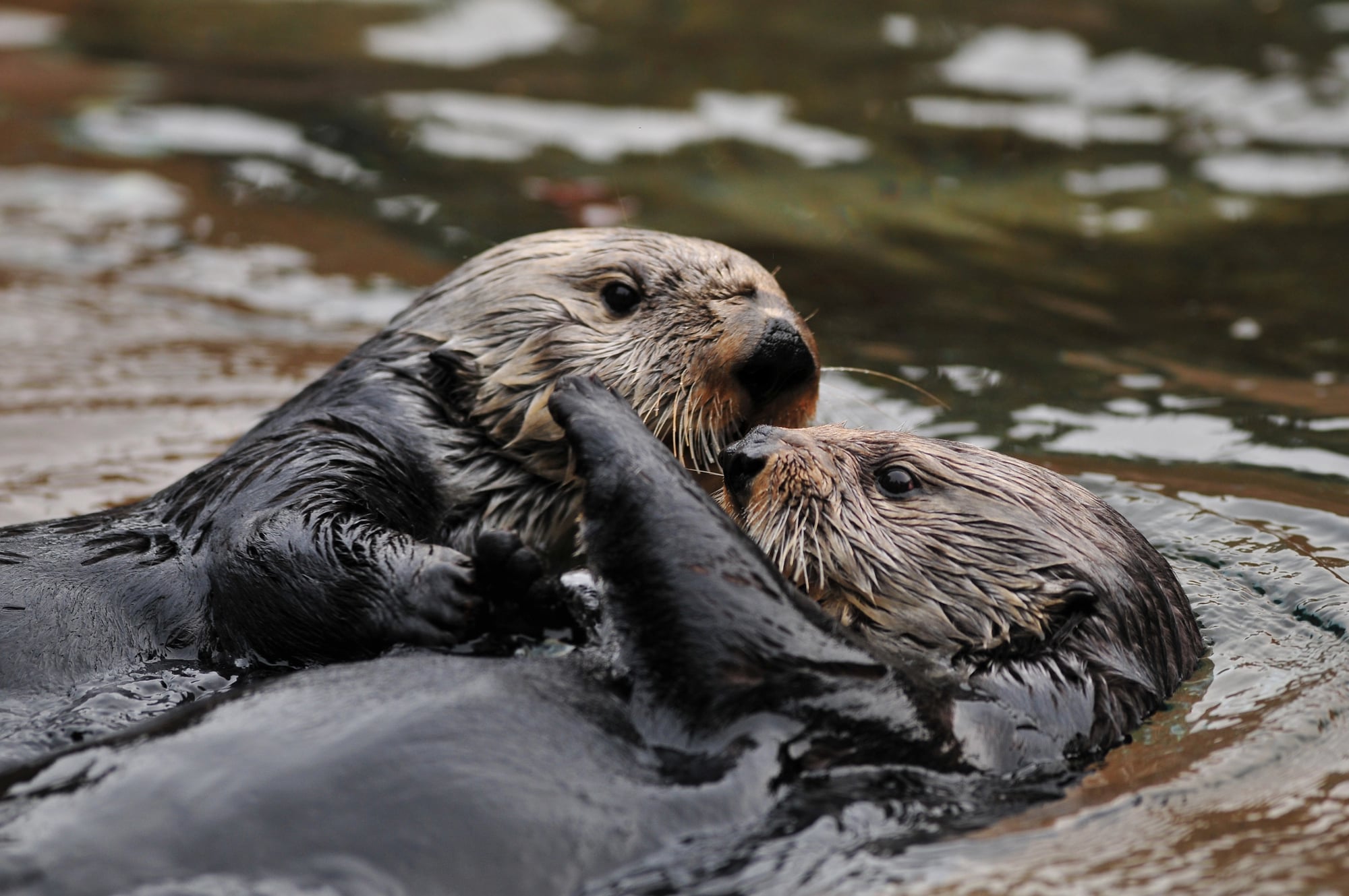
Sea otters often sleep floating on their backs at the water’s surface, and to prevent drifting apart while sleeping; they’ll hold hands (or paws) with each other. They sometimes also wrap themselves in seaweed to anchor themselves in place.
This adorable habit serves the practical purpose of keeping their social group together through the night.
Bats Sleep Upside Down
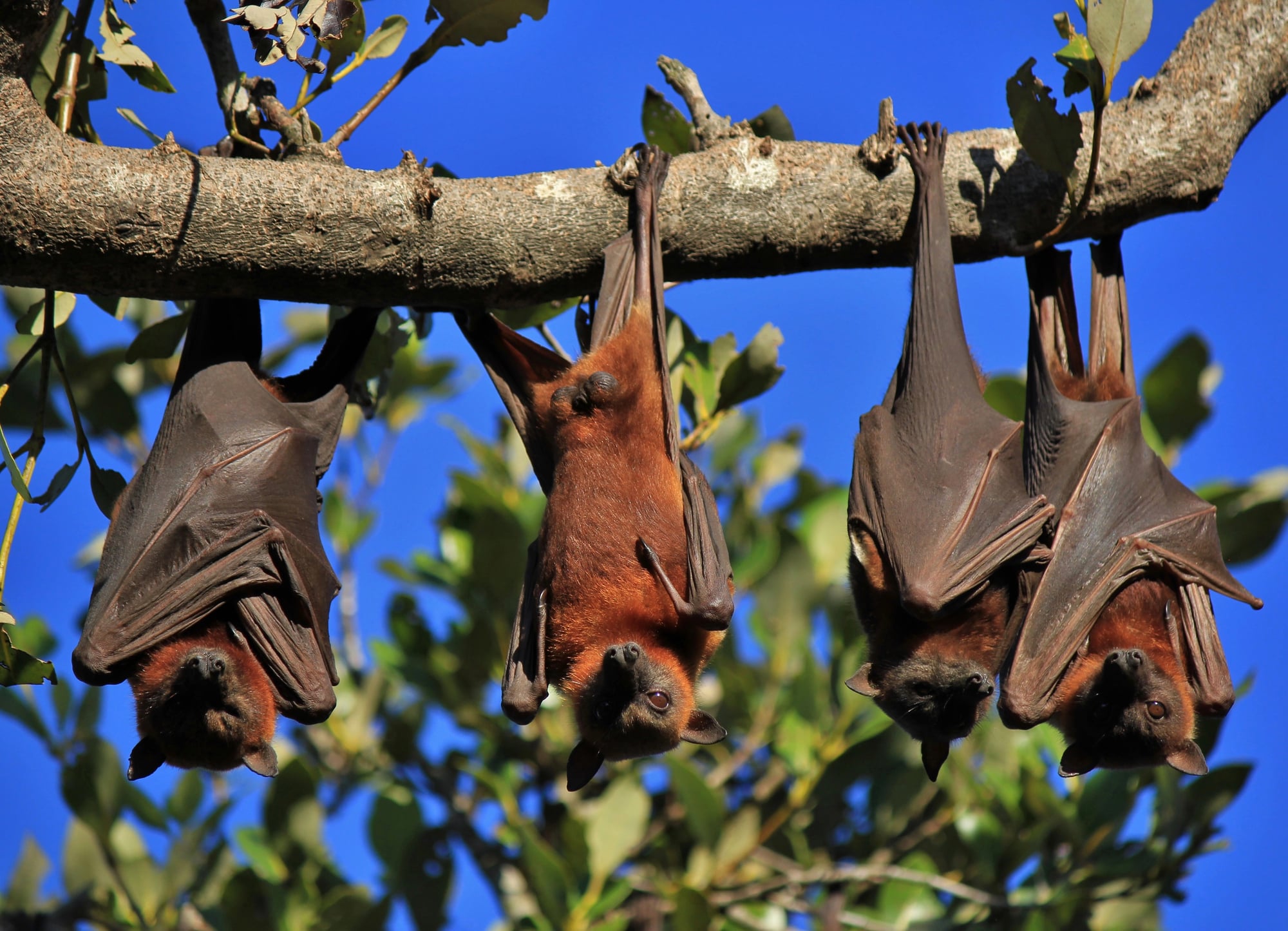
Bats sleep hanging upside down, which might seem uncomfortable but actually conserves energy. Their specialized ankle joints lock into place, requiring no muscular effort to maintain the position.
This adaptation also puts them in the perfect position for takeoff—they simply release their grip and use gravity to drop into flight, requiring minimal energy to get airborne.
Sperm Whales Sleep Vertically
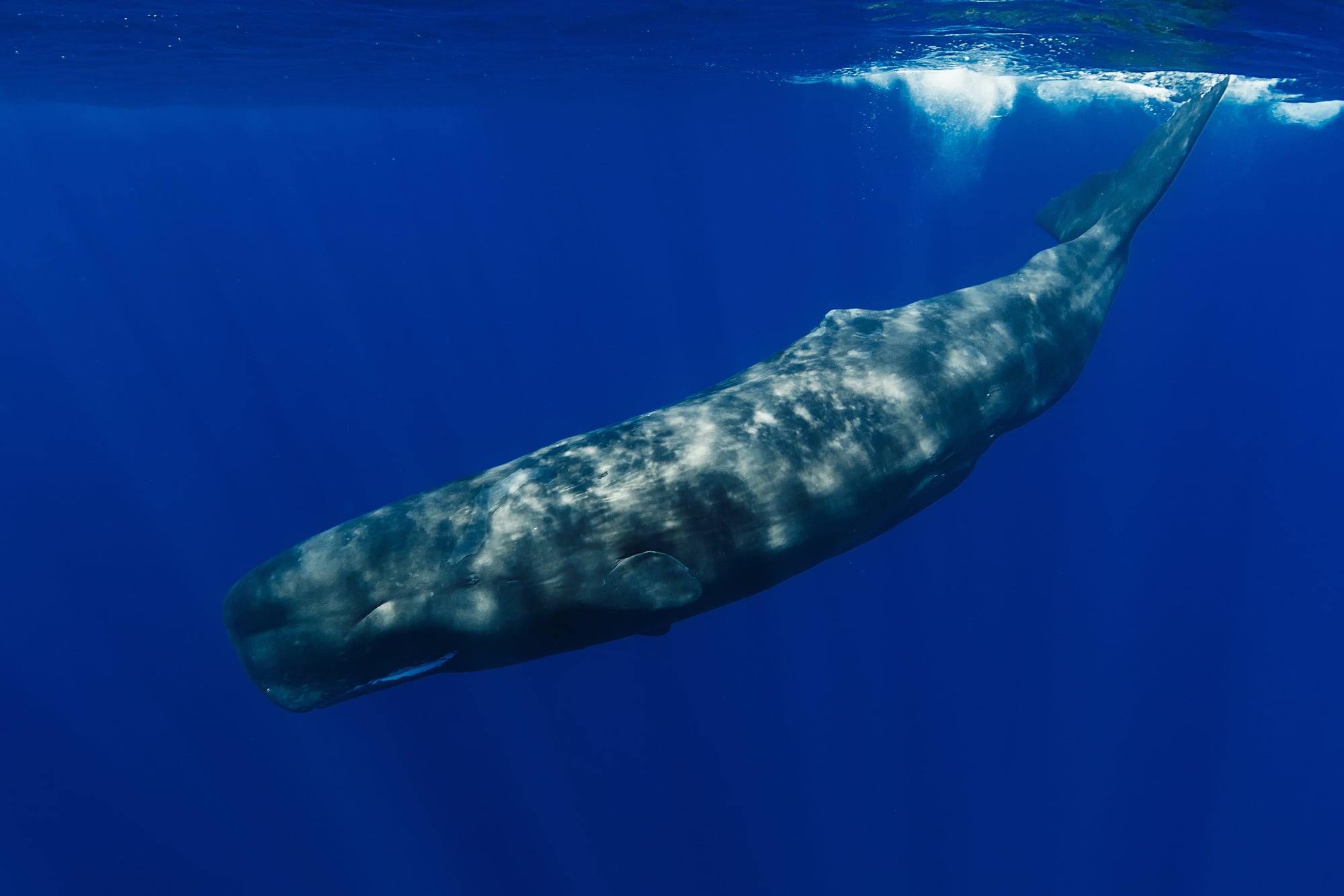
Sperm whales have been observed sleeping in an unusual vertical position, suspended motionless with their heads pointing straight up or down in the water column. They gather in small groups and appear to nap for 10-15 minutes at a time.
Scientists believe this strange position might help them monitor for predators while still getting necessary rest.
Elephants Sleep for Only 2 Hours
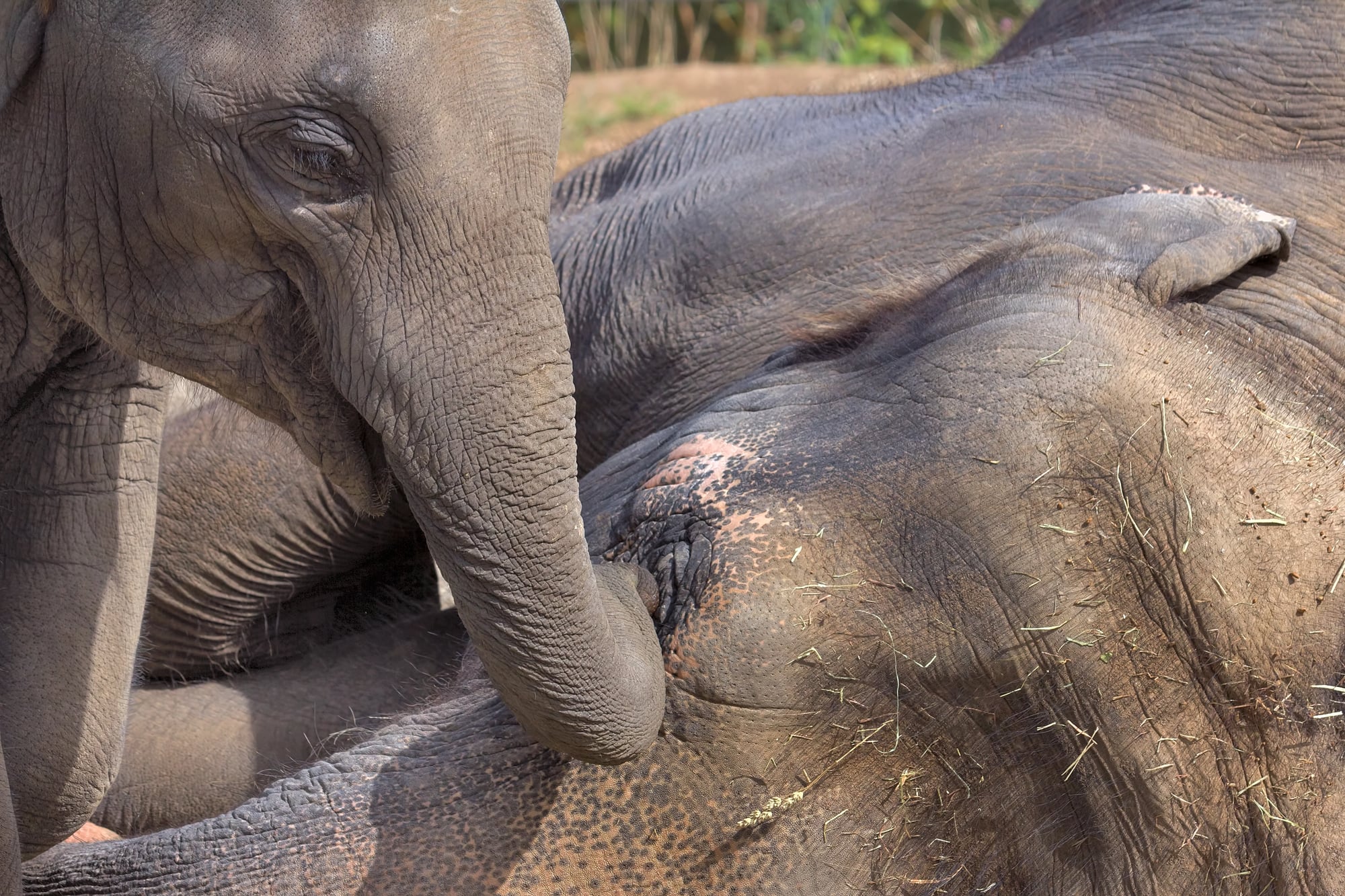
Adult elephants typically sleep for just 2 hours daily, often remaining standing for days without lying down. When they do lie down for deeper sleep, it’s usually only for about an hour.
They’ve been observed taking short standing naps throughout the day, using their trunks as a prop against a tree for balance.
Albatrosses Nap During Flight
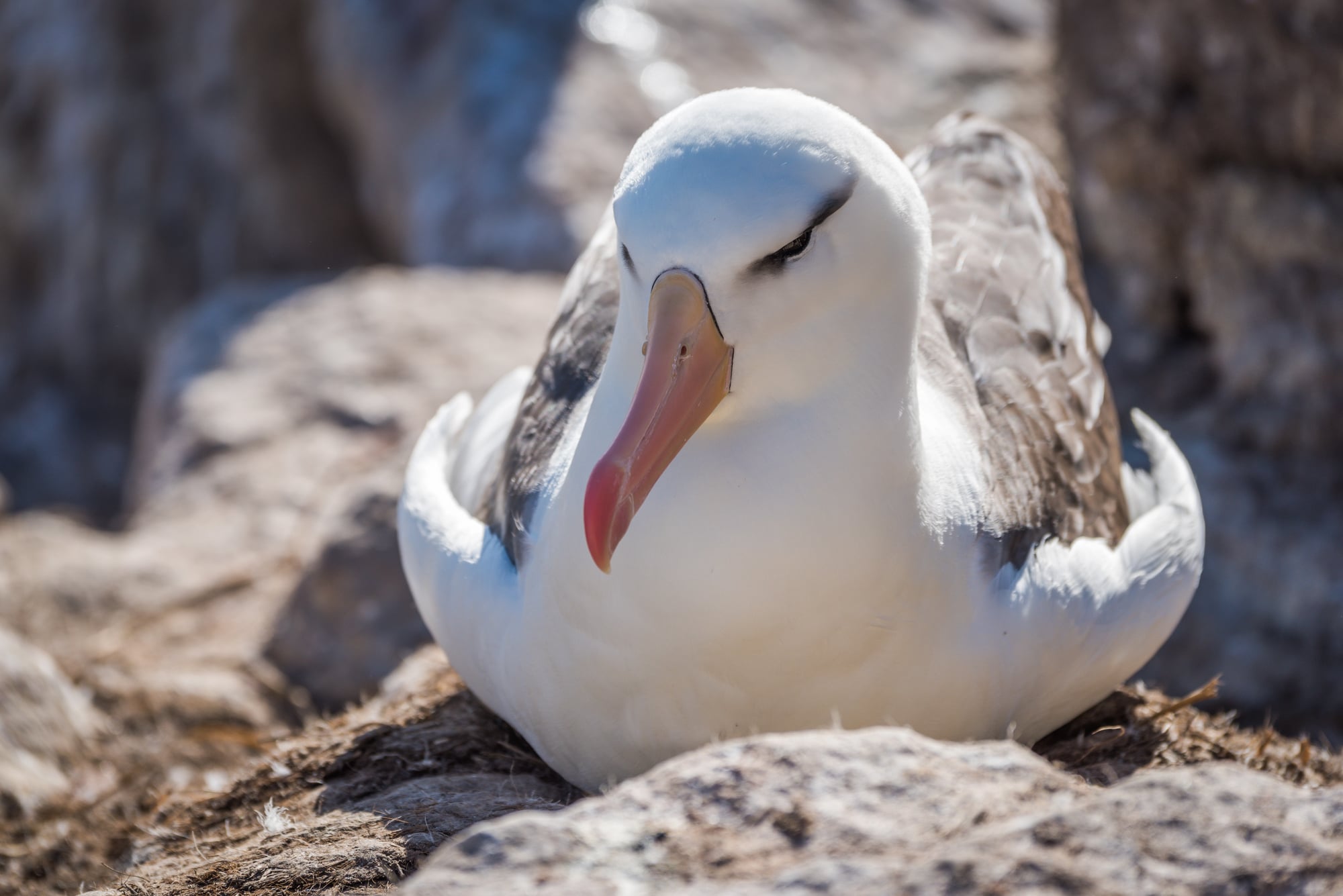
Like the alpine swift, albatrosses spend months at sea without returning to land and must sleep while flying. They’ve developed the ability to sleep for mere seconds at a time while soaring over ocean currents.
These micro-naps add up, allowing them to get sufficient rest while spending nearly their entire lives in the air.
Bullfrogs Never Sleep
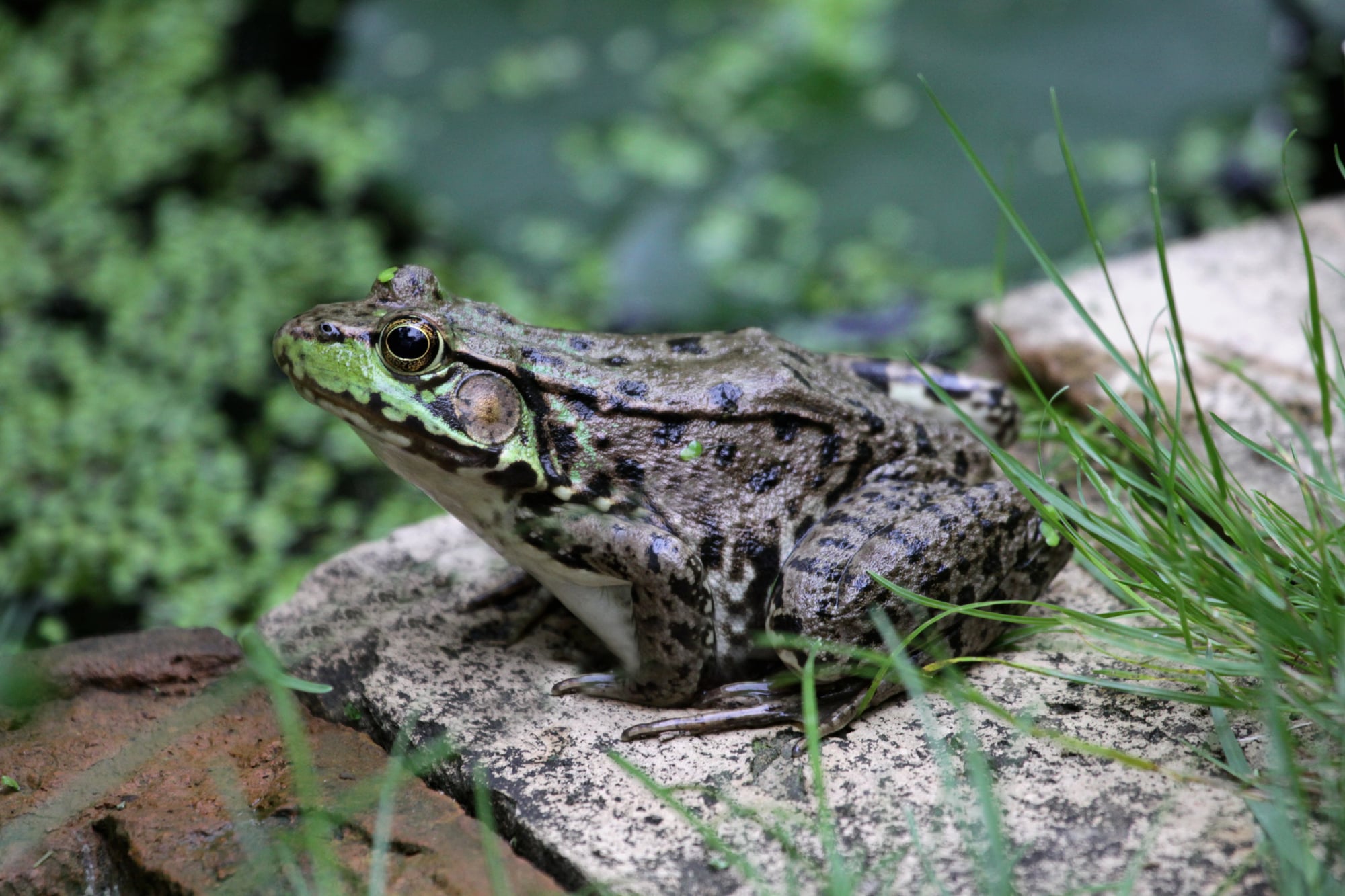
Bullfrogs appear to be the insomniacs of the animal world—research suggests they don’t experience sleep as most animals do. While they have rest periods of reduced activity, their brains don’t show the typical sleep patterns observed in other animals.
This unusual trait remains somewhat mysterious to scientists studying sleep across species.
Meerkats Sleep in Piles
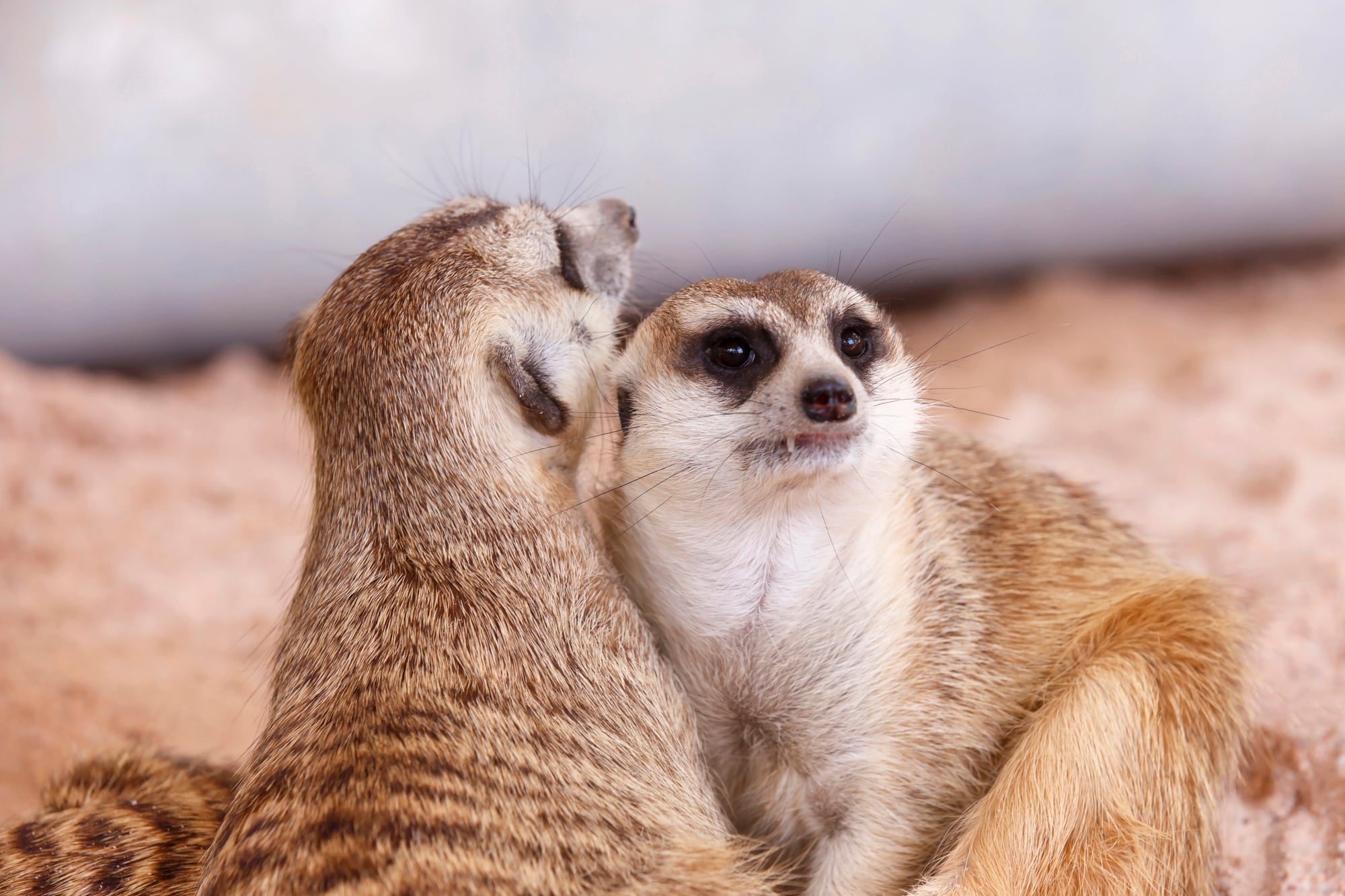
Meerkats sleep in cozy huddles, piling on top of one another in underground burrows. This communal sleeping arrangement helps regulate body temperature on cold desert nights.
They also assign a sentinel to remain awake and keep watch even during sleep times, rotating this duty throughout the group.
Migratory Birds Sleep Mid-Flight
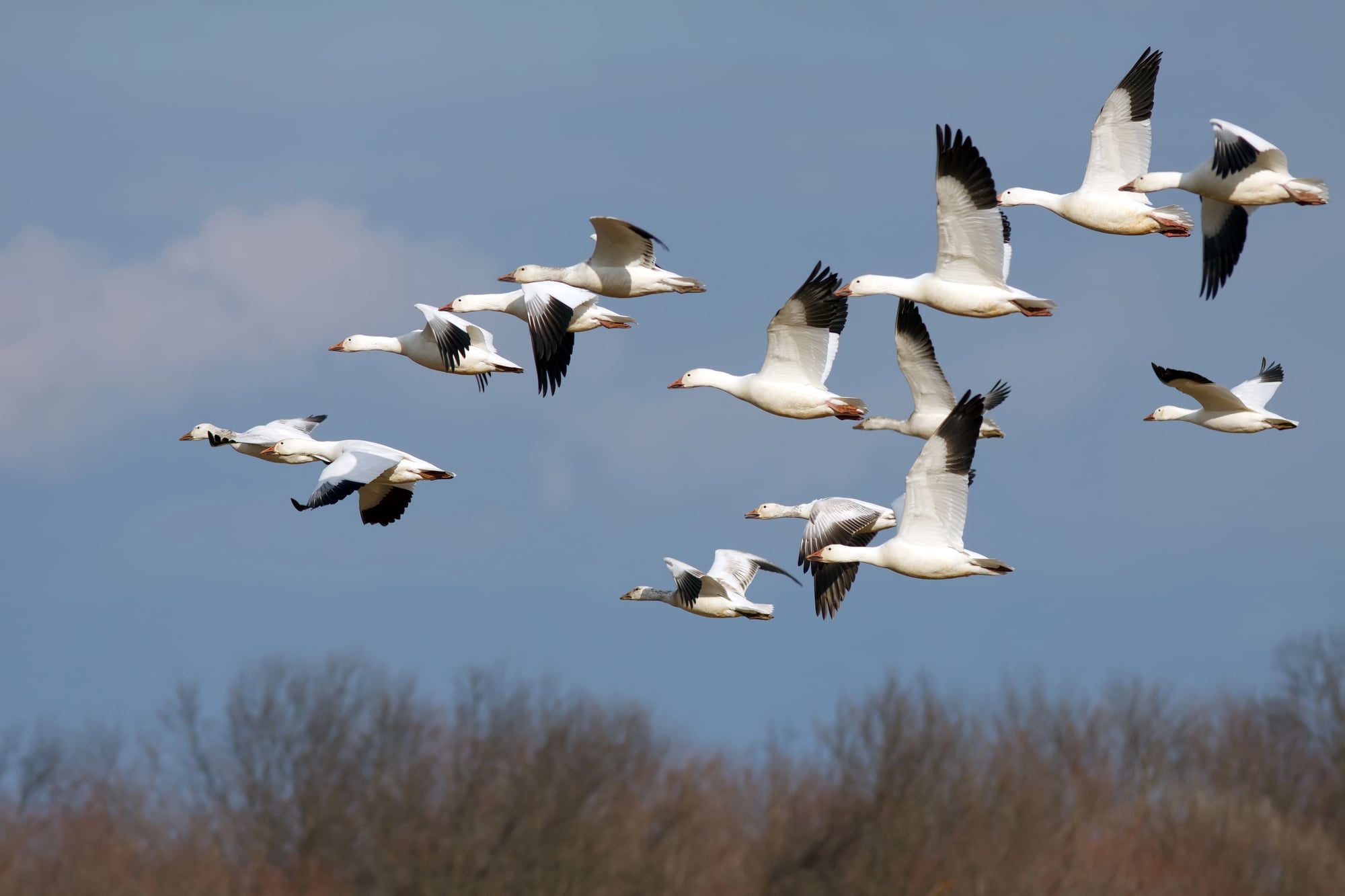
Many migratory birds can shut down half their brain at a time, similar to dolphins. During long migration journeys, they’ll enter this state while flying, allowing them to rest without interrupting their progress.
Scientists have observed this in several species including frigatebirds, which can sleep for up to 12 minutes at a time while airborne.
Walruses Can Sleep Floating Upright
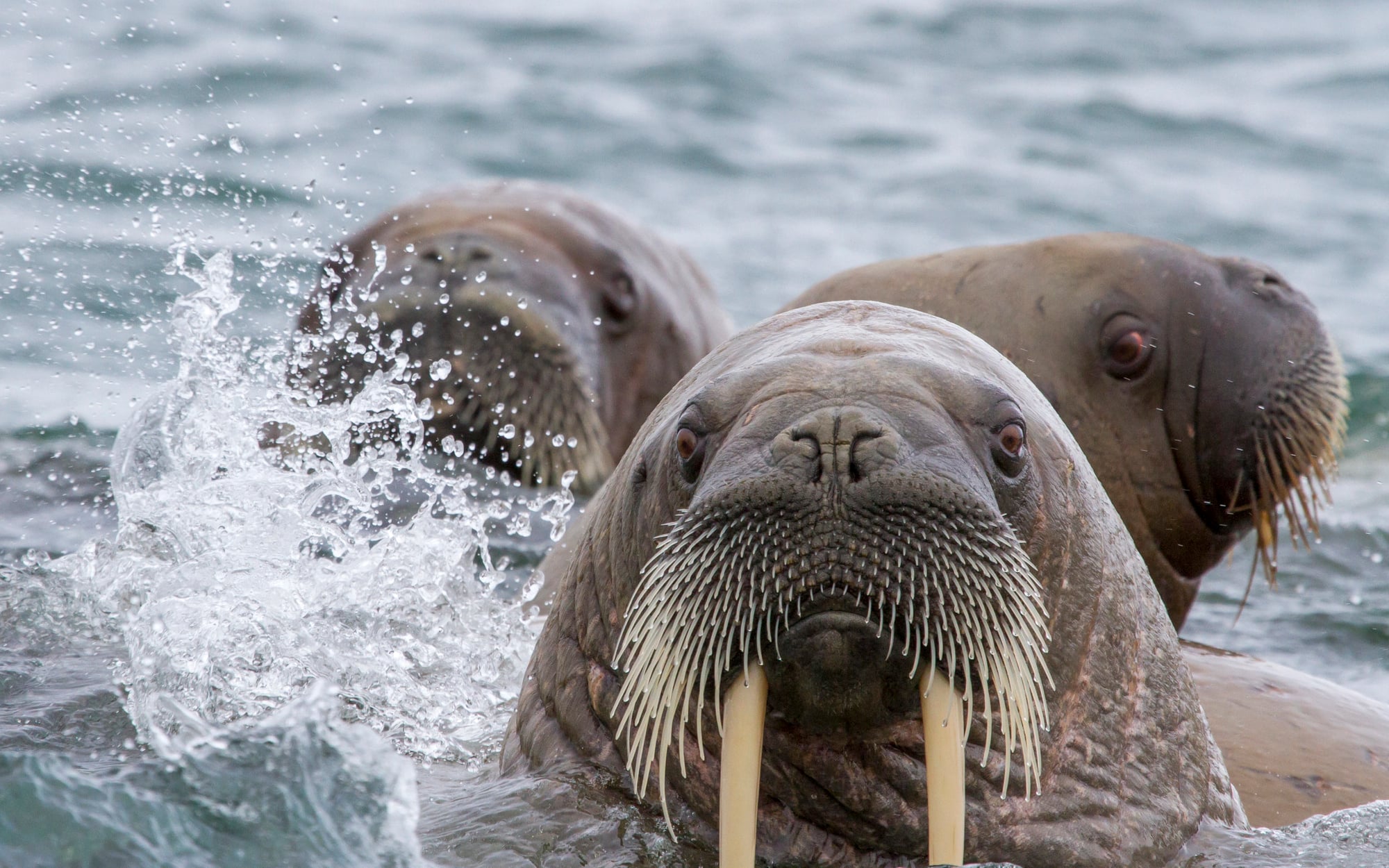
Walruses have developed the remarkable ability to inflate pouches in their throats that act as built-in flotation devices. This adaptation allows them to sleep vertically in the water with their heads above the surface.
They can also hook their tusks over ice edges to stay in place while napping, showing impressive adaptability in their sleep positions.
Jellyfish Don’t Have Brains But Still Rest
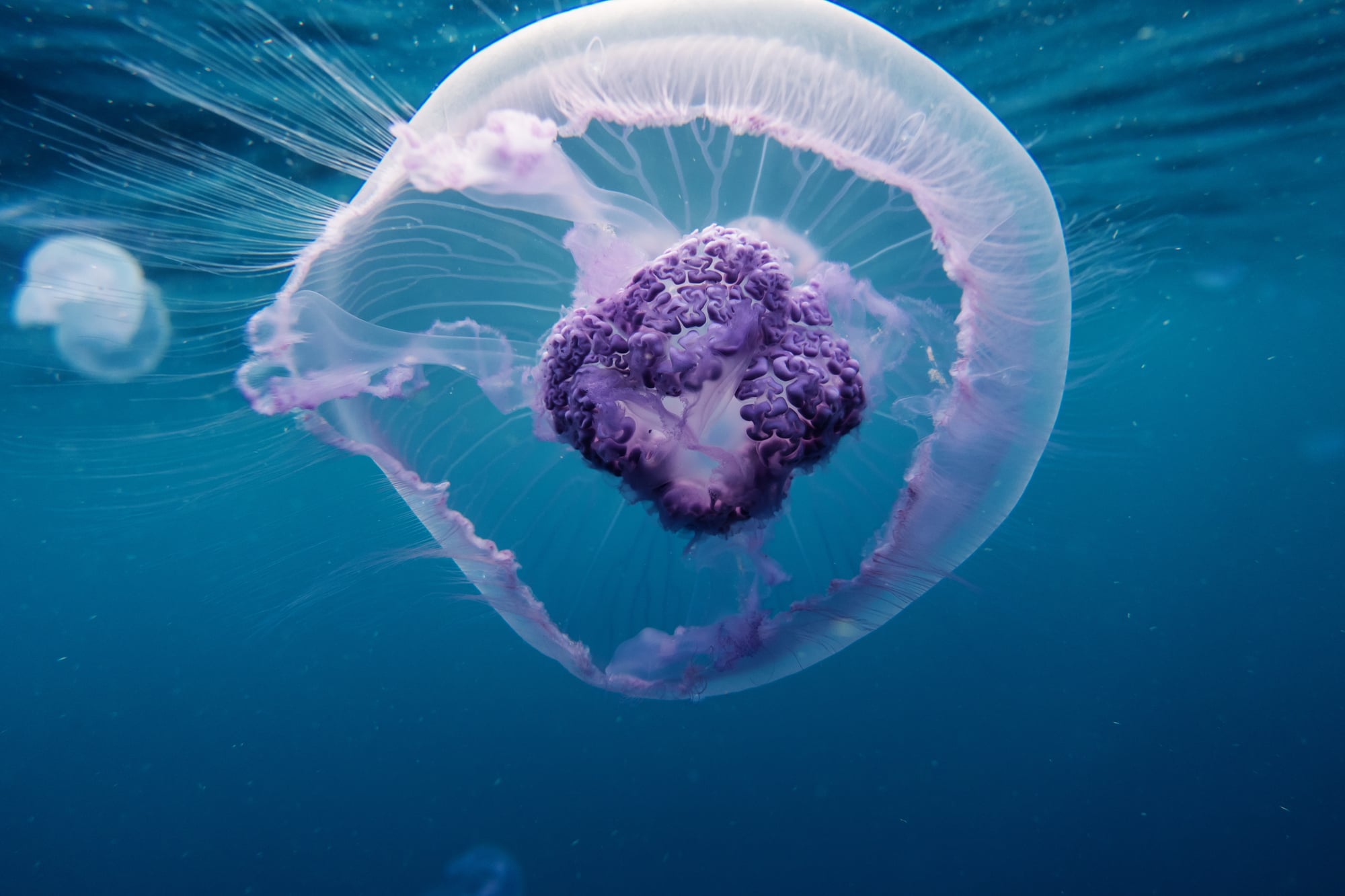
Despite lacking a brain or central nervous system, jellyfish still exhibit rest-like states. Research has shown that jellyfish become less active during nighttime hours, moving less and pulsing their bodies at a slower rate.
This behavior suggests that even the most primitive animals require some form of rest period.
Desert Snails Can Sleep for Years
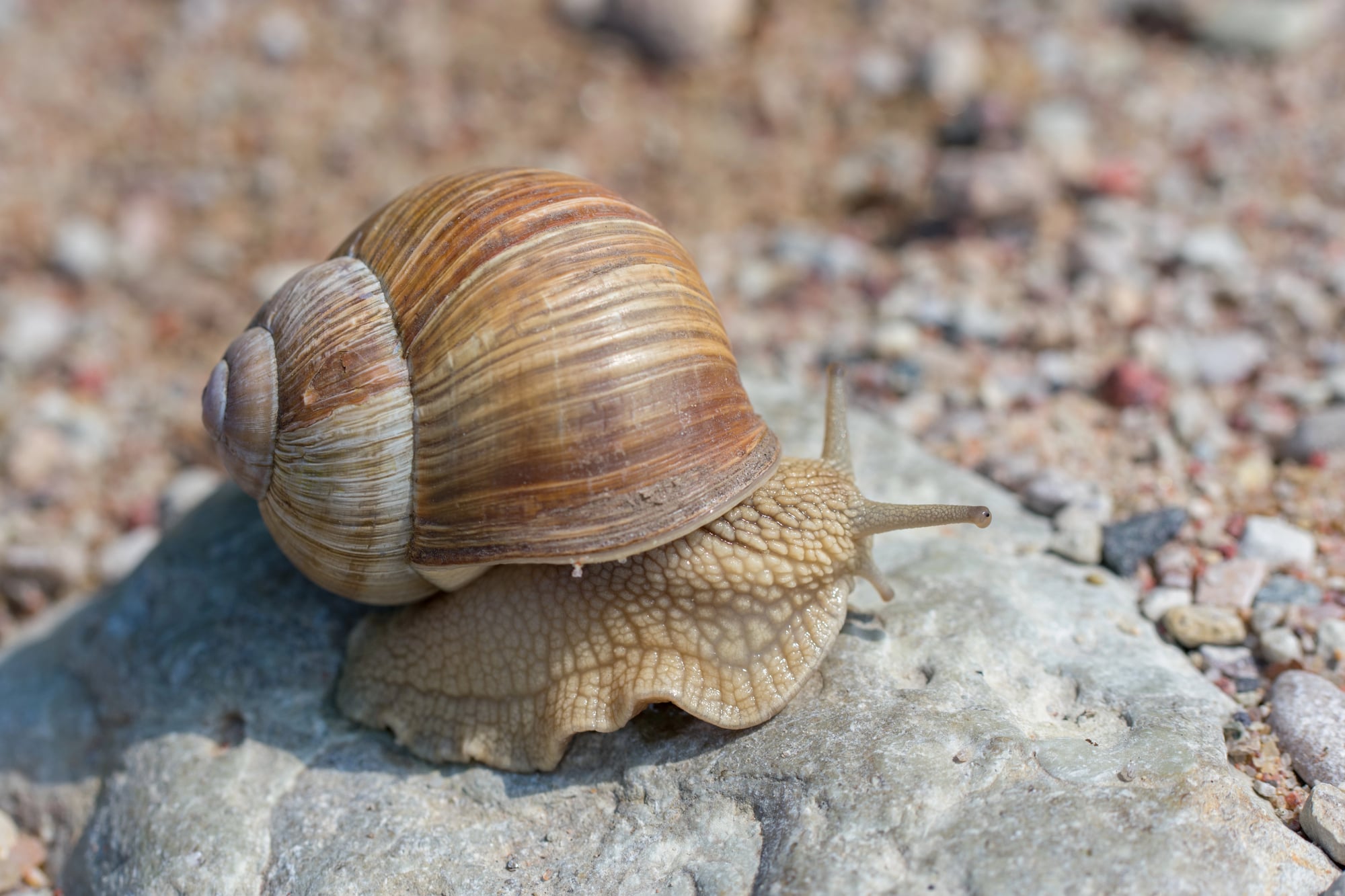
When faced with harsh, dry conditions, certain desert snail species can seal themselves inside their shells with a special mucus that hardens into a protective barrier. In this state, they enter extended dormancy that can last up to three years.
While not technically sleep, this extreme adaptation allows them to survive until favorable conditions return.
Koalas Sleep 22 Hours Daily
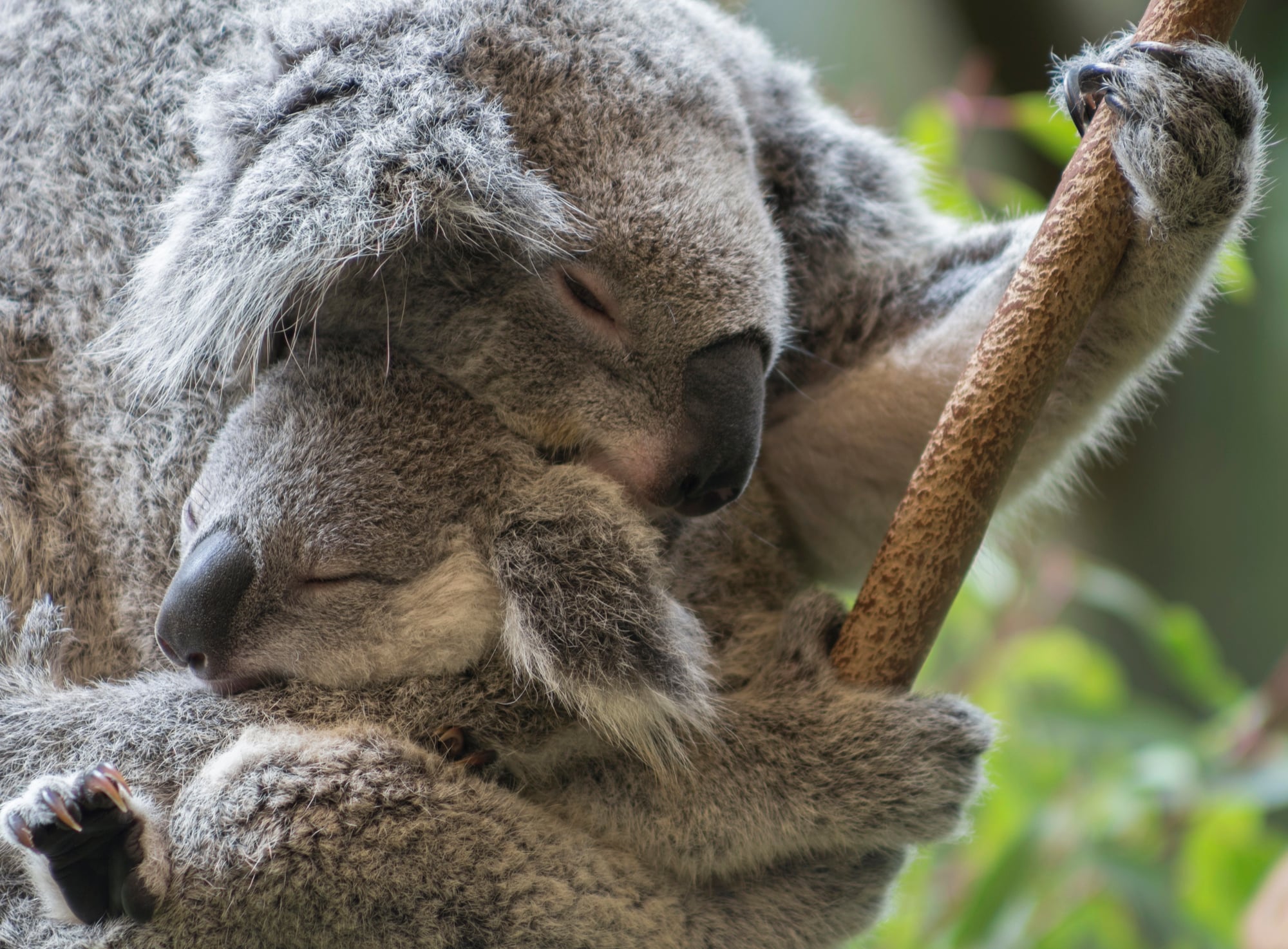
Koalas hold the record for one of the longest sleep durations, snoozing for up to 22 hours each day. Their eucalyptus leaf diet provides minimal energy and contains compounds that require significant processing, making their excessive sleep a necessary energy conservation strategy.
They spend those precious few waking hours eating as much as possible.
Ants Take Power Naps
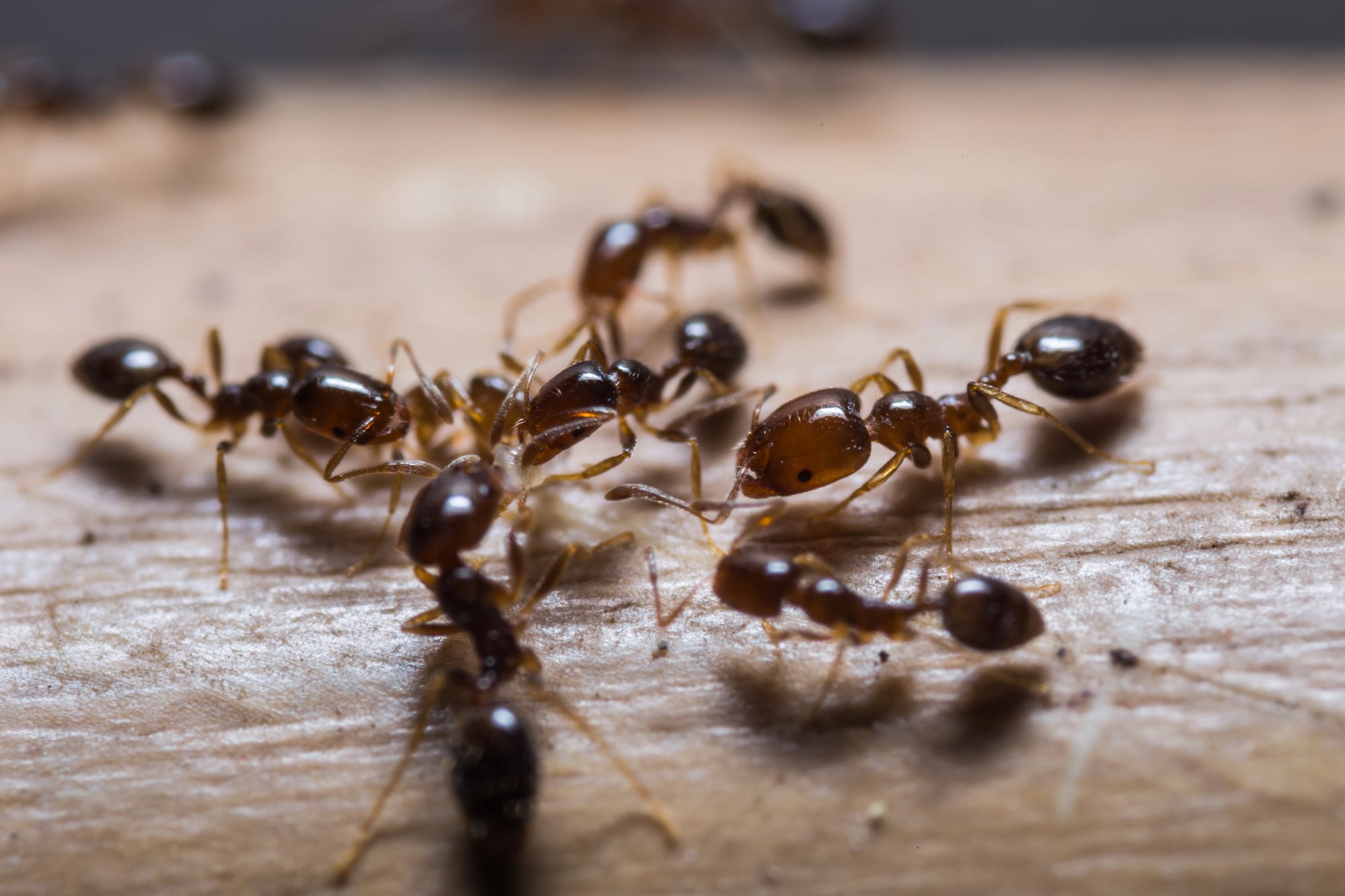
Ants operate in coordinated colonies but still need rest. Worker ants have been observed taking hundreds of short power naps throughout the day, each lasting about a minute. Over 24 hours, they accumulate around 4-5 hours of sleep, maintaining colony productivity while ensuring individual ants get adequate rest.
Penguins Sleep in Short Bursts
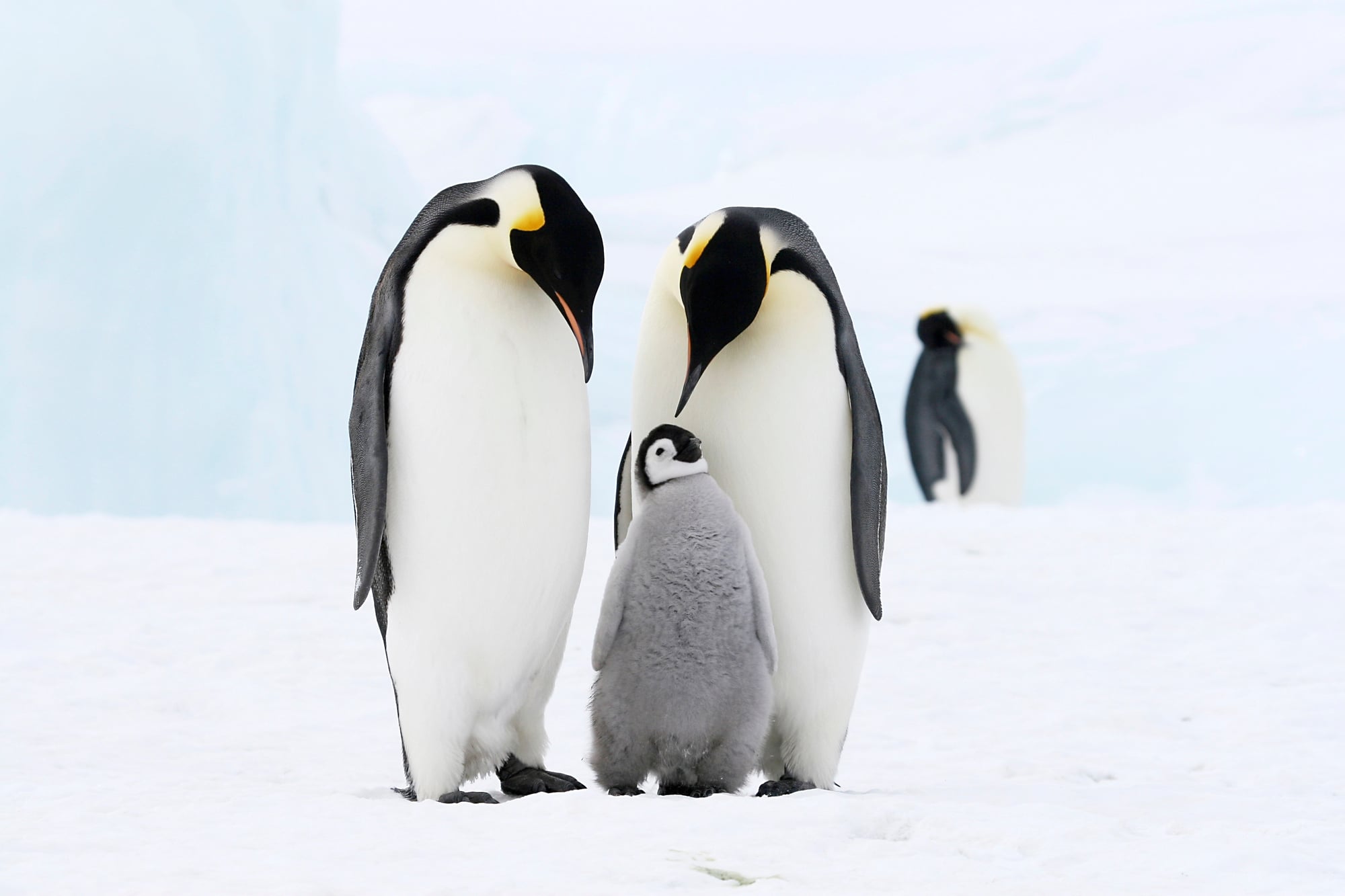
Emperor penguins have adapted to sleep in 30-second to 2-minute microbursts, accumulating around 4 hours of sleep daily. This adaptation allows them to remain vigilant in harsh Antarctic conditions.
When huddled together for warmth, penguins on the outside of the group take these quick naps more frequently than those protected in the center.
Rest and Resilience
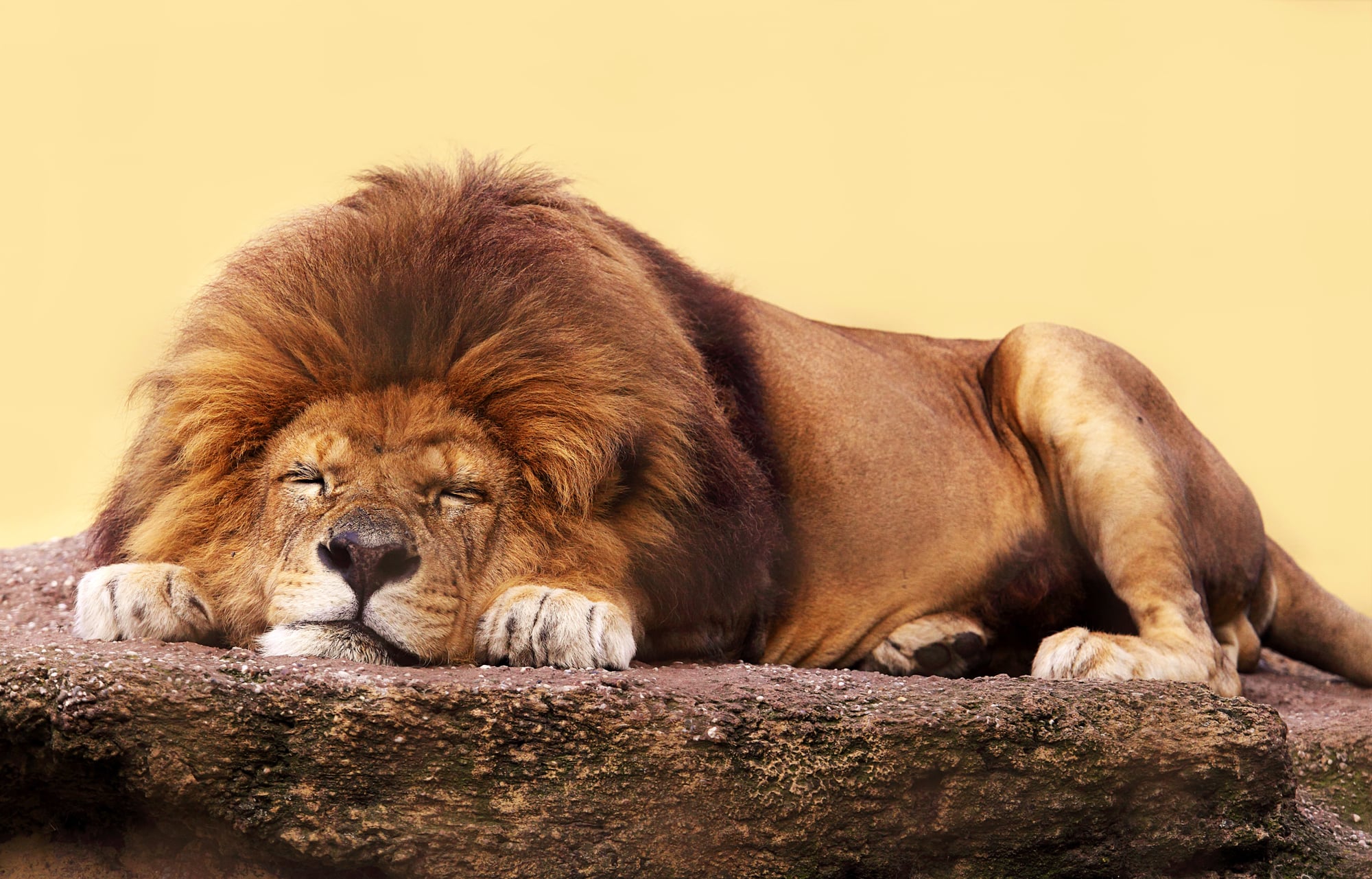
Animal sleep patterns showcase nature’s incredible problem-solving abilities, with each species developing rest strategies perfectly tailored to their unique environmental challenges and physical characteristics. From dolphins with their half-awake vigilance to koalas with their energy-conserving marathon naps, these diverse approaches to sleep highlight how fundamental and yet flexible this biological function can be.
These remarkable adaptations remind us that even in something as seemingly universal as sleep, evolution finds countless ways to ensure survival.
More from Go2Tutors!

- 16 Historical Figures Who Were Nothing Like You Think
- 12 Things Sold in the 80s That Are Now Illegal
- 15 VHS Tapes That Could Be Worth Thousands
- 17 Historical “What Ifs” That Would Have Changed Everything
- 18 TV Shows That Vanished Without a Finale
Like Go2Tutors’s content? Follow us on MSN.