16 Mount Everest Day Facts Even Climbers Miss
Mount Everest Day rolls around every May 29th, marking the anniversary of when Edmund Hillary and Tenzing Norgay first reached the world’s highest peak back in 1953. Most people know the basic story, though there’s a treasure trove of fascinating details that even seasoned mountaineers tend to overlook.
The mountain has been capturing imaginations for decades, yet many of its most intriguing aspects remain hidden beneath the surface of popular knowledge. Here is a list of 16 Mount Everest Day facts that reveal just how remarkable this towering giant really is.
The Mountain Grows Taller Each Year
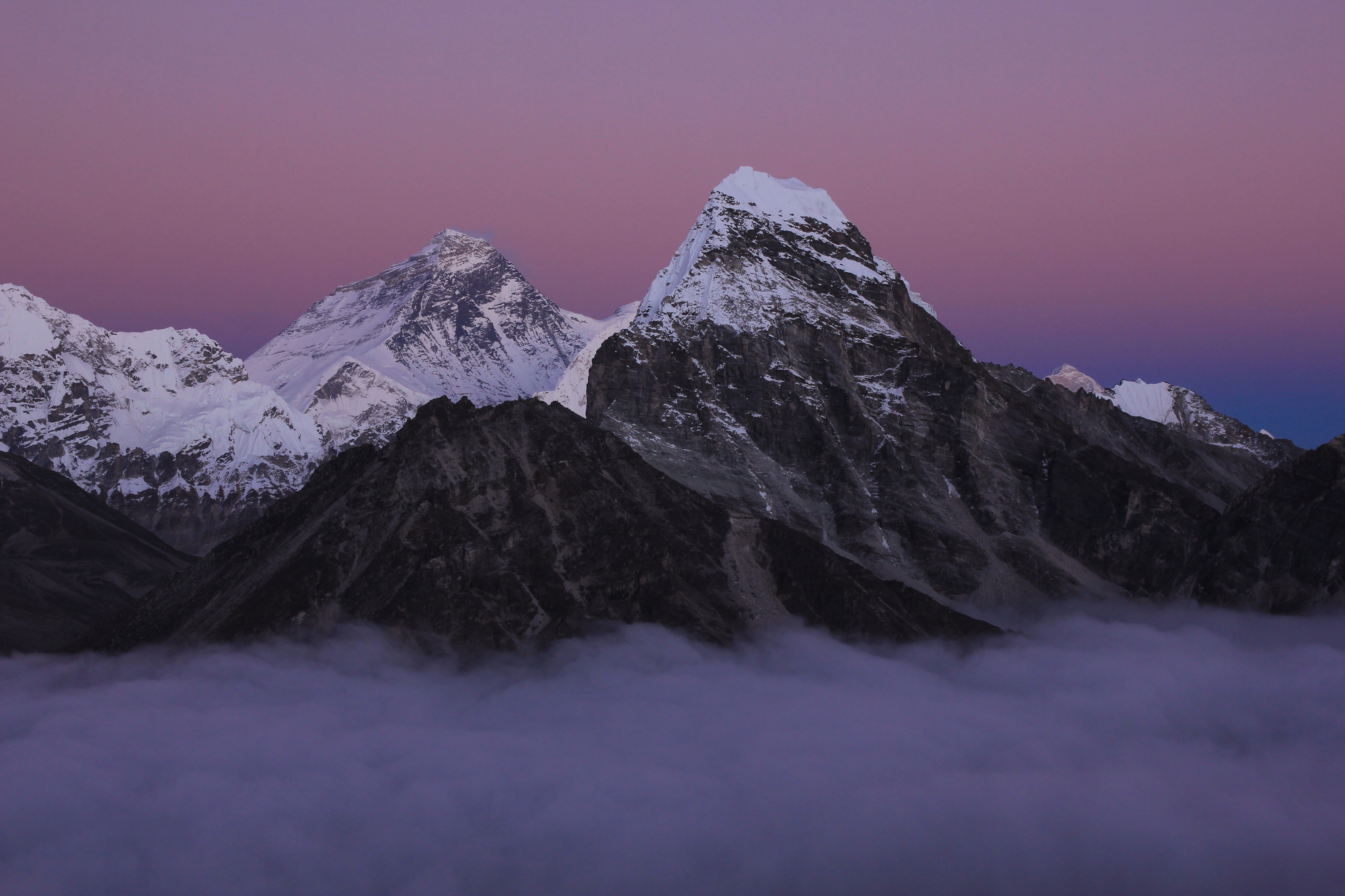
Mount Everest isn’t finished stretching toward the sky. The peak actually grows about four millimeters taller every year due to the ongoing collision between the Indian and Eurasian tectonic plates.
It’s like two massive pieces of earth constantly pushing against each other in the world’s slowest wrestling match — with Everest getting the boost.
Hillary and Tenzing Almost Didn’t Make History
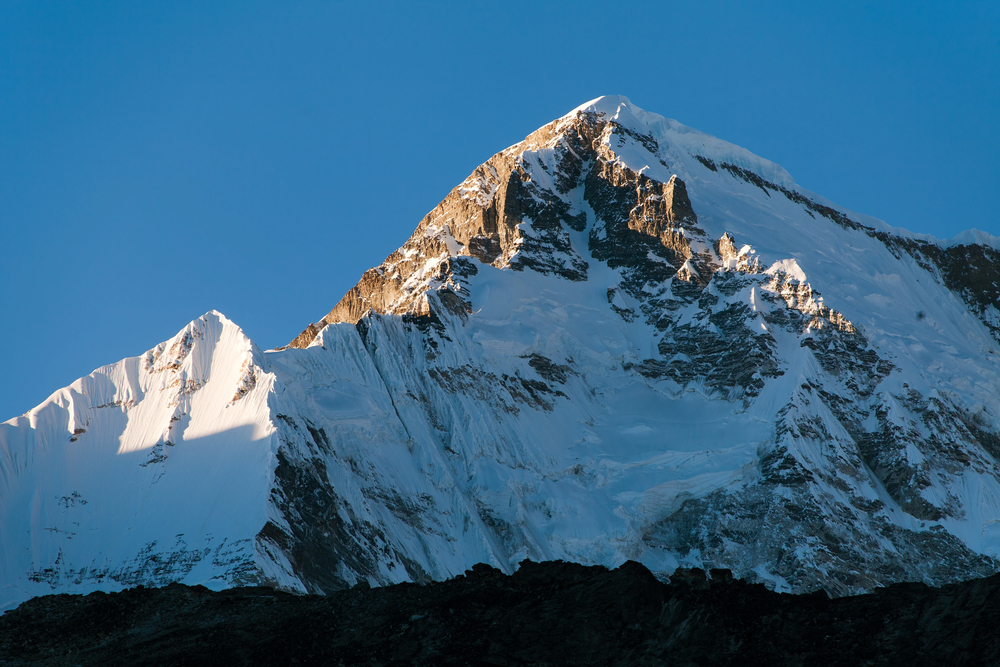
The famous duo nearly turned back just three hundred feet from the summit. A massive snow cornice looked ready to collapse beneath them.
Hillary later described it as looking like ‘a wave about to break’ — but they decided to risk it anyway. That split-second decision changed mountaineering history forever.
Like Go2Tutors’s content? Follow us on MSN.
The Death Zone Has Wi-Fi Now
Modern technology has reached even the most inhospitable places on Earth. Climbers in the death zone above twenty-six thousand feet can now check their social media, thanks to G towers installed by Nepalese telecom companies.
It’s pretty wild to think someone could theoretically livestream their summit attempt while struggling to breathe — though reception isn’t exactly guaranteed.
Bodies Serve as Trail Markers
The mountain holds over two hundred bodies that have never been recovered. Some have become grim landmarks for other climbers.
‘Green Boots’ and ‘Rainbow Valley’ are unfortunately well-known reference points along popular routes — names that sound almost pleasant until you learn their origin. The extreme conditions make body recovery nearly impossible and incredibly dangerous for rescue teams.
Everest Has Its Own Postal System
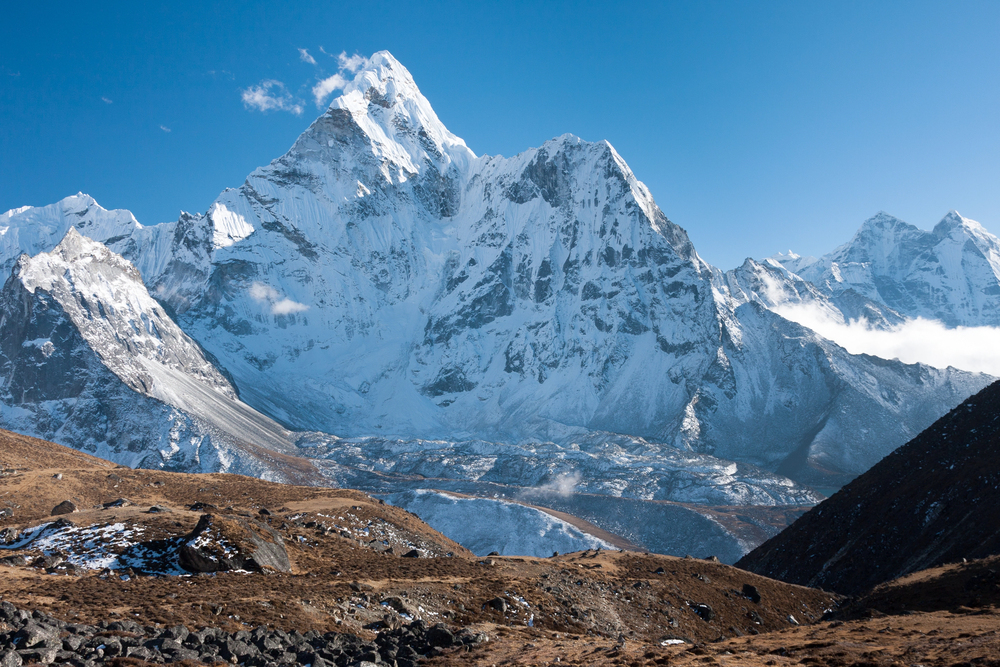
The world’s highest post office operates at Everest Base Camp during climbing season. Climbers and trekkers can send postcards home with a special Everest postmark — though delivery times can be pretty unpredictable depending on weather conditions.
The postal workers deserve serious credit for manning that remote outpost, especially when storms roll through.
Like Go2Tutors’s content? Follow us on MSN.
The Summit Temperature Never Gets Above Freezing
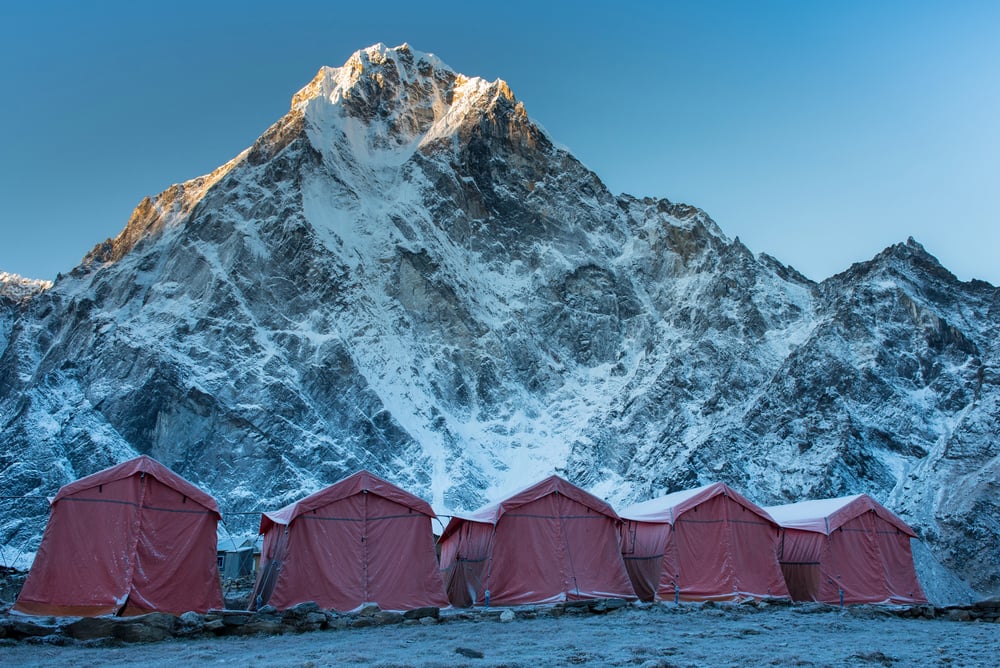
Even during the warmest months, temperatures at the summit hover around minus fifteen to minus sixty degrees Fahrenheit. The jet stream winds can make it feel much colder, sometimes reaching speeds of over two hundred miles per hour.
Picture standing in an industrial freezer while getting blasted by hurricane-force winds — that’s basically what climbers face at the top.
Climbers Lose About Fifteen Pounds During the Ascent
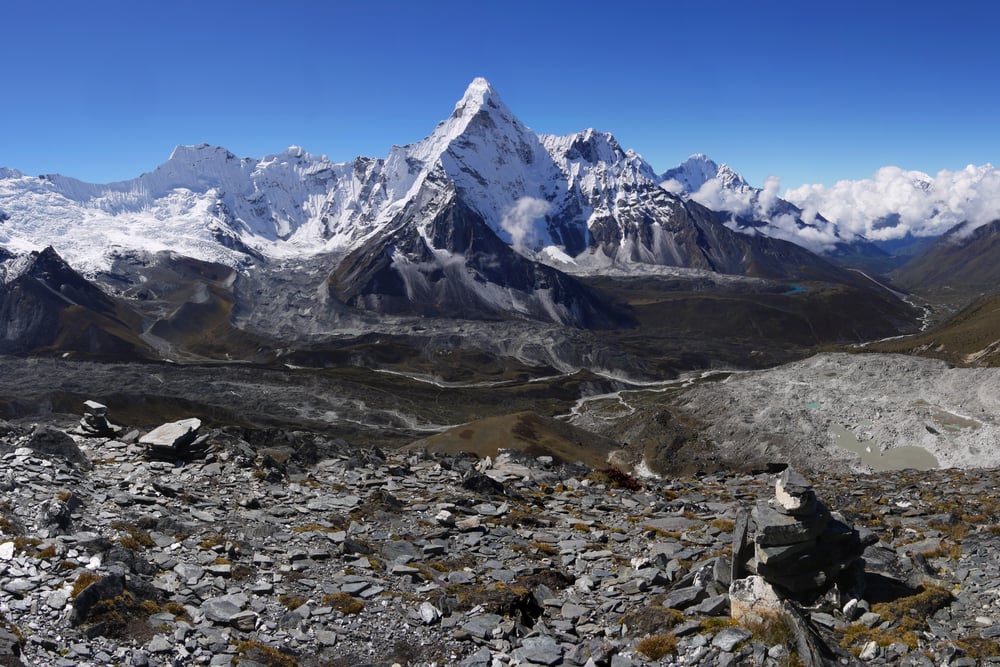
The combination of extreme physical exertion, high altitude, and loss of appetite causes dramatic weight loss. Most climbers burn between fifteen thousand to twenty thousand calories per day during summit attempts but can only manage to consume about half that amount.
The human body basically starts eating itself to keep going — which explains why climbers look so gaunt in summit photos.
The Mountain Has Two Different Heights
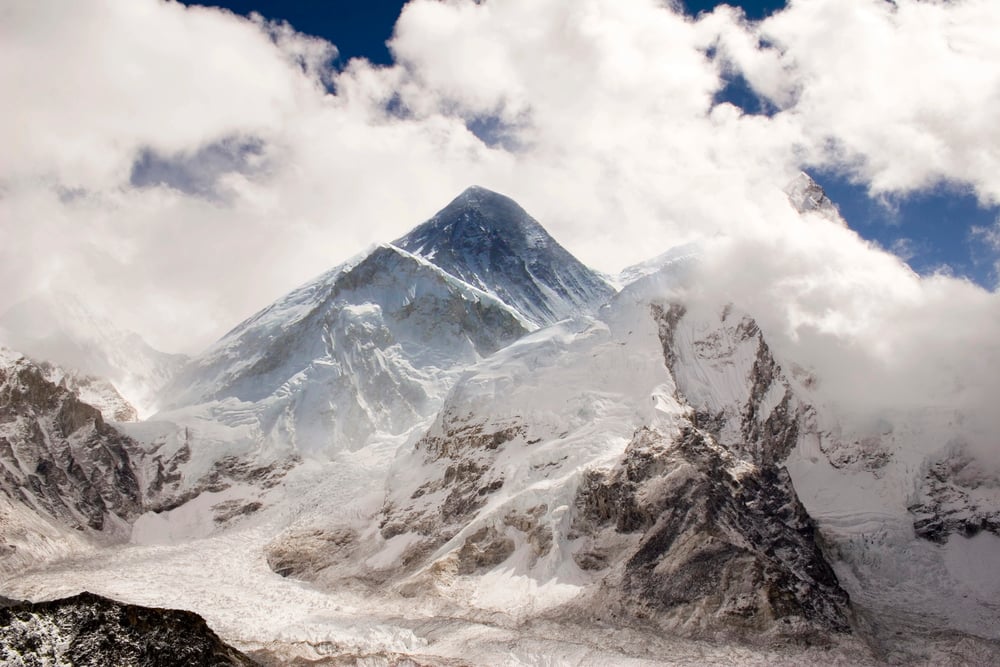
Nepal measures Everest at twenty-nine thousand thirty-one point seven feet, while China claims it’s twenty-nine thousand seventeen feet. The difference comes from whether you measure to the rock summit or include the snow cap on top — a seemingly small detail that sparked years of diplomatic discussions.
Both countries finally agreed on a compromise height of twenty-nine thousand thirty-one point seven feet in twenty twenty.
Like Go2Tutors’s content? Follow us on MSN.
Climbing Permits Cost More Than Most Cars
A single climbing permit from Nepal costs eleven thousand dollars just for the paperwork — and that doesn’t include guides, equipment, or travel expenses. The total cost for most climbers ranges from thirty-five thousand to one hundred thousand dollars depending on the level of support they choose.
It’s basically like buying a luxury car that you might not survive using.
The Youngest Summiter Was Only Thirteen
Jordan Romero from California reached the summit in twenty ten when he was just thirteen years old. He climbed with his father and stepmother — a family adventure that sparked major debates about age limits and child safety in extreme mountaineering.
Some countries have since implemented minimum age requirements for climbing permits.
Traffic Jams Happen Near the Summit
The final push to the top often resembles a slow-moving queue rather than an epic mountain climb. Dozens of climbers can get backed up along the narrow ridges, waiting hours in the death zone while their oxygen supplies dwindle.
These bottlenecks have contributed to several recent climbing disasters, turning what should be a triumph into a survival situation.
Like Go2Tutors’s content? Follow us on MSN.
Everest Creates Its Own Weather System
The mountain is so massive that it actually influences weather patterns across the entire region. The peak often gets hit by jet stream winds that can be seen from space as a distinctive plume of snow streaming off the summit.
Local weather can change from calm to deadly in a matter of minutes, catching even experienced climbers off guard.
Sherpas Make the Climb Look Easy
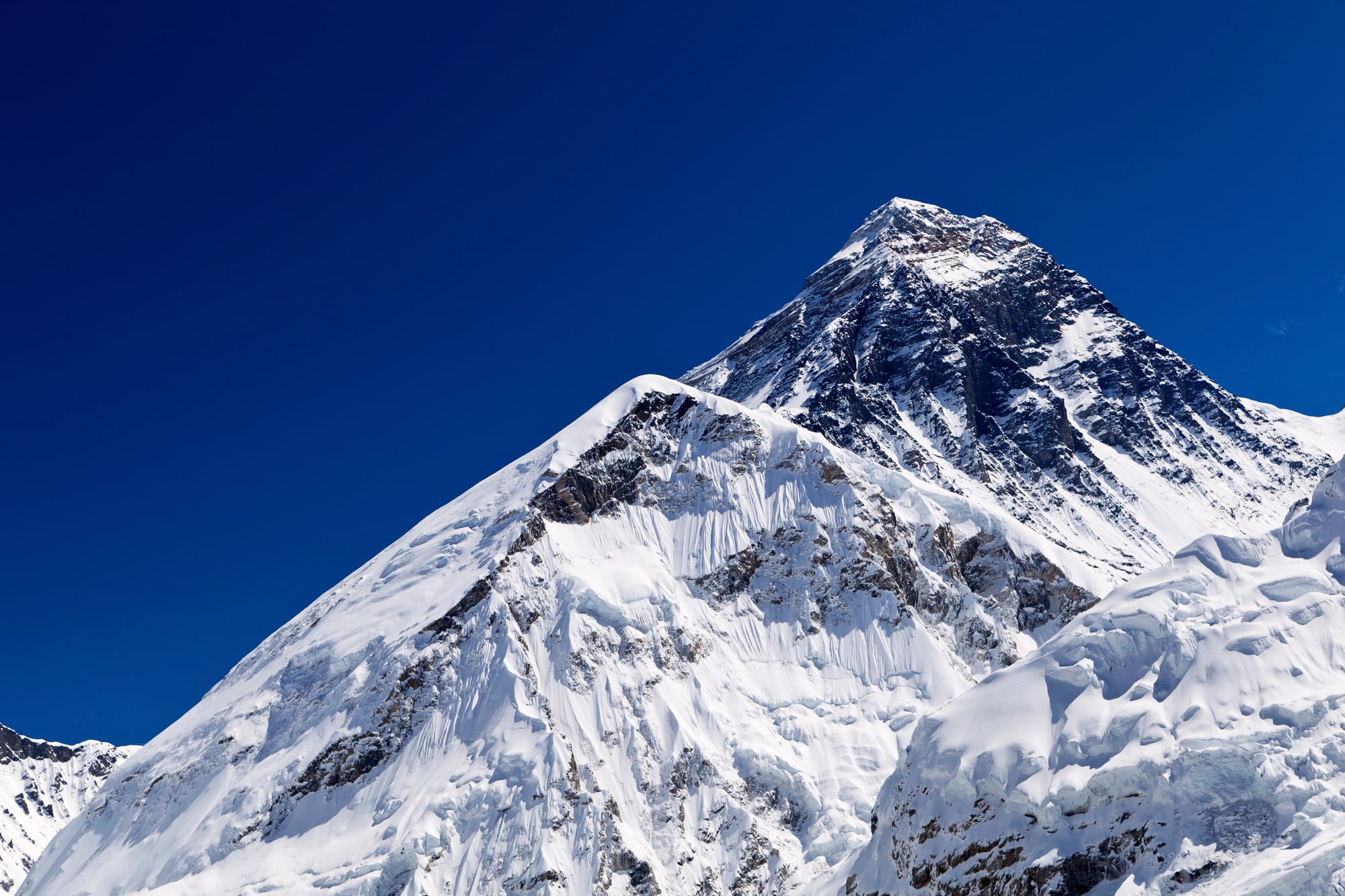
The indigenous Sherpa people have genetic adaptations that allow them to function normally at high altitudes where most people would pass out. Their blood contains higher concentrations of hemoglobin, and their hearts pump more efficiently in low-oxygen environments.
Many Sherpas have summited Everest dozens of times while foreign climbers struggle to make it once.
Like Go2Tutors’s content? Follow us on MSN.
The Mountain Moves Slightly During Earthquakes
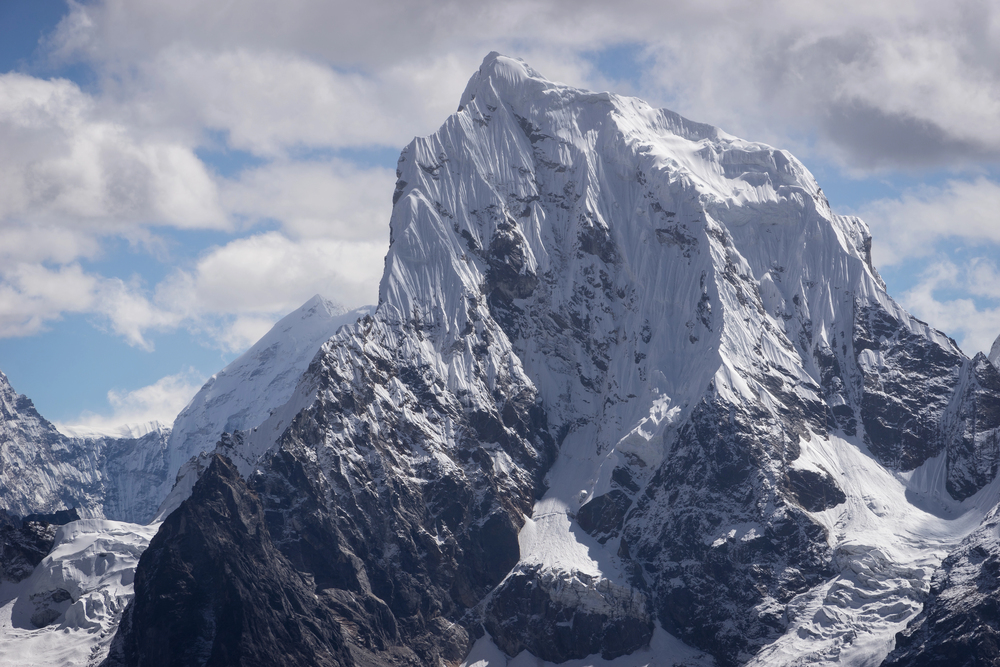
The massive twenty fifteen earthquake in Nepal actually shifted Everest about an inch to the southwest. It may have shortened the peak by up to an inch as well.
Geologists had to recalculate the mountain’s exact position and height after the tectonic plates readjusted, proving that even the world’s tallest mountain isn’t immune to nature’s bigger forces.
Climbers Need Forty Thousand Feet Worth of Rope
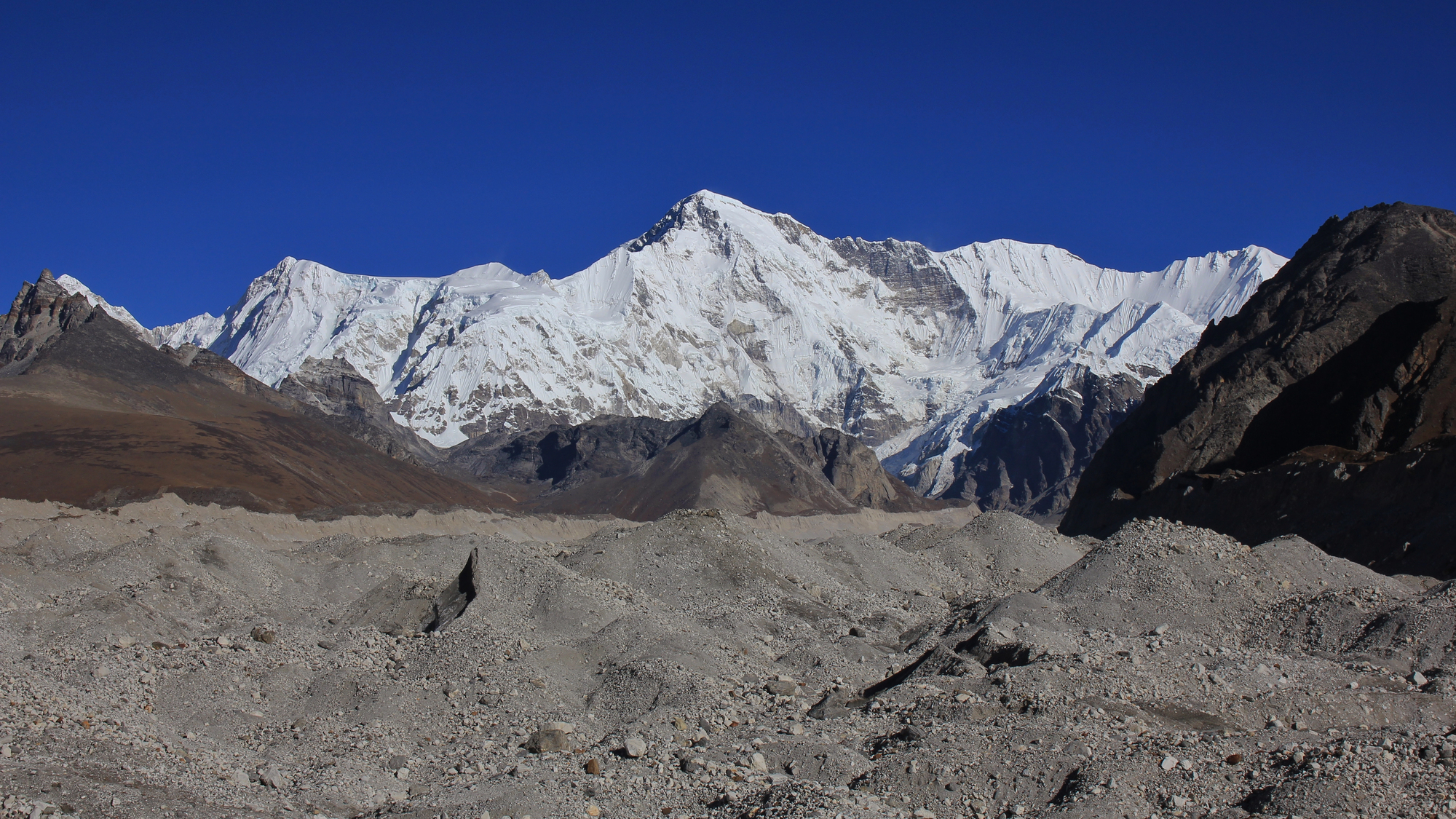
A typical Everest expedition uses enough rope to stretch from sea level to well above the summit if laid end to end. Fixed ropes, safety lines, and climbing ropes add up quickly when you’re trying to secure multiple camps across two miles of vertical terrain.
The logistics of getting all that equipment up the mountain are mind-boggling, especially considering every ounce has to be carried by hand.
The Summit Has Cell Phone Coverage
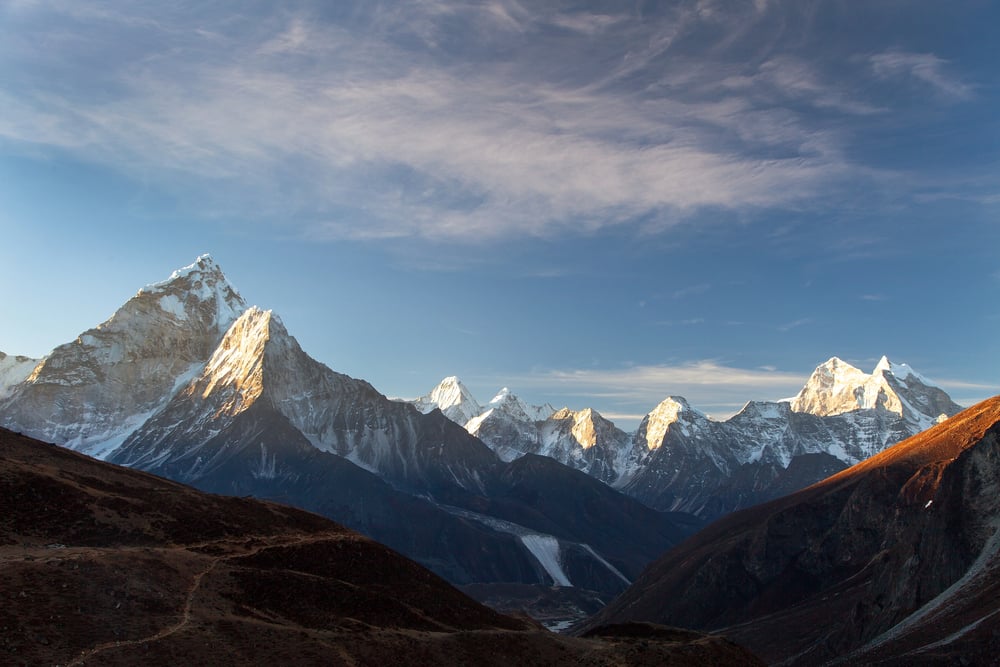
Thanks to a Chinese telecom tower installed in twenty oh seven, climbers can actually make phone calls from the top of the world. The first call from the summit happened in twenty oh seven when a British climber called his wife to tell her he’d made it.
Now it’s become almost routine for successful climbers to share their achievement via social media within minutes of reaching the top.
Like Go2Tutors’s content? Follow us on MSN.
Where Legends Meet Reality
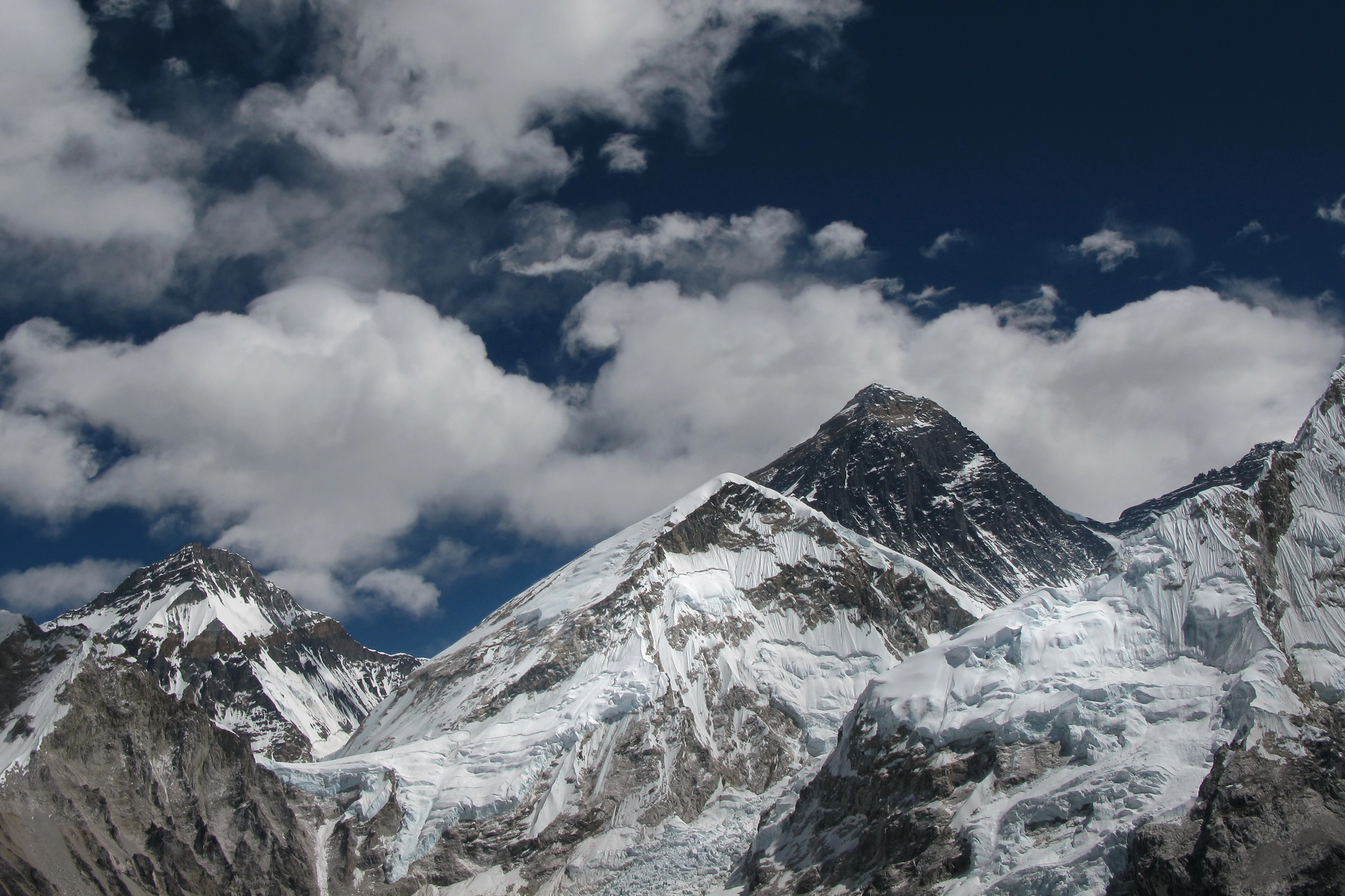
Mount Everest Day reminds us that this iconic peak continues to challenge our understanding of human limits and natural extremes. What started as an impossible dream for early explorers has evolved into a complex intersection of adventure tourism, cutting-edge technology, and age-old human determination.
The mountain that once seemed utterly remote now connects climbers to the world through satellite signals, yet it remains as dangerous and demanding as ever. These hidden details show that even our most familiar landmarks still hold surprises, proving that there’s always more to discover about the places that capture our imagination.
More from Go2Tutors!

- 16 Restaurant Chains That Went Too Fast
- 12 Things Sold in the 80s That Are Now Illegal
- 15 Strange Things People Have Tried to Ban (And Failed)
- 16 Collectibles People Tossed Out Too Soon
- 17 Myths from Your Childhood That Were Actually Based on Real Things
Like Go2Tutors’s content? Follow us on MSN.