15 Board Games That Caused Family Feuds
Nothing brings a family together quite like a good board game night. Until someone flips the table, that is.
While these classic games were designed to entertain and unite us, they’ve also sparked some of the most legendary arguments in living room history. From accusations of cheating to tears over stolen properties, certain games have earned their reputation as relationship wreckers.
Here is a list of 15 board games that have turned peaceful family gatherings into battlegrounds of hurt feelings and heated disputes.
Monopoly
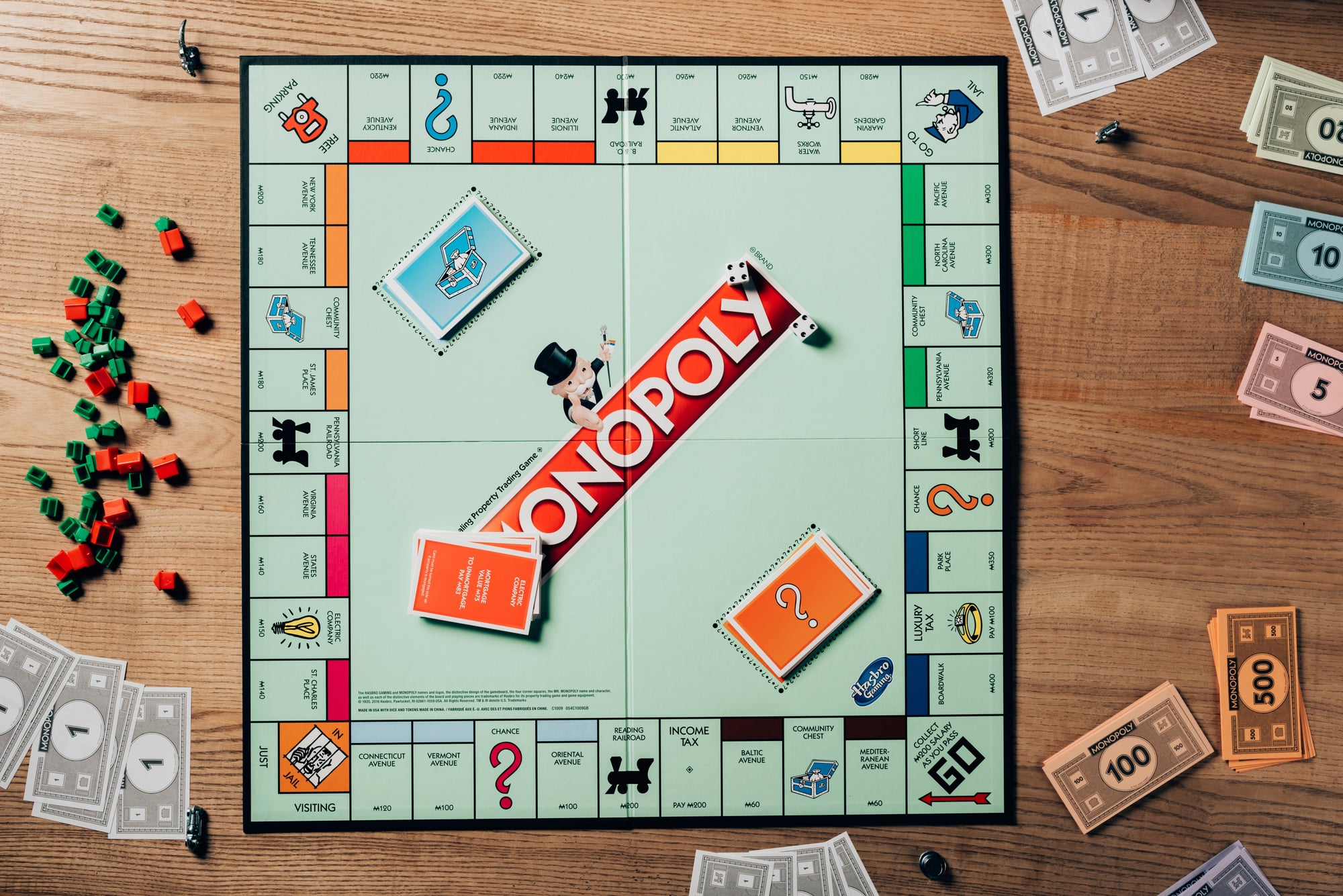
This property-trading giant has probably ended more friendships than any other game in existence. The combination of lengthy gameplay, ruthless capitalism, and the inevitable moment when someone lands on Boardwalk with a hotel creates the perfect storm for family drama.
Players often develop genuine resentment watching their relatives bankrupt them with overpriced rent, and the game’s tendency to drag on for hours only amplifies the tension until someone inevitably storms off.
Risk
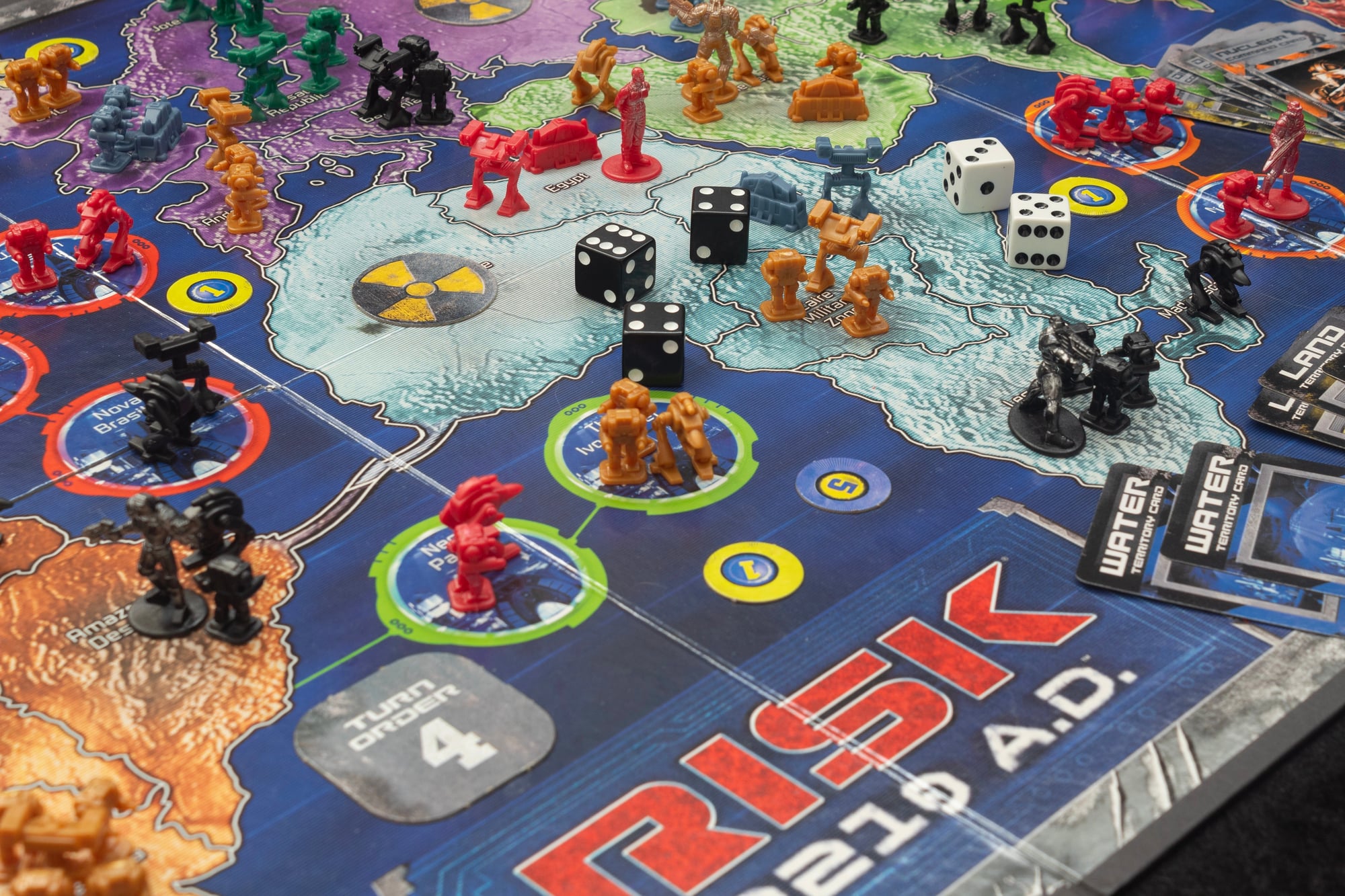
World domination sounds fun until your brother systematically conquers every continent you’ve worked hours to control. Risk transforms mild-mannered family members into calculating military strategists who take personal offense at every attack.
The game’s length combined with its direct player-versus-player combat means that alliances form and crumble, often mirroring real family dynamics in uncomfortable ways.
Like Go2Tutors’s content? Follow us on MSN.
Scrabble
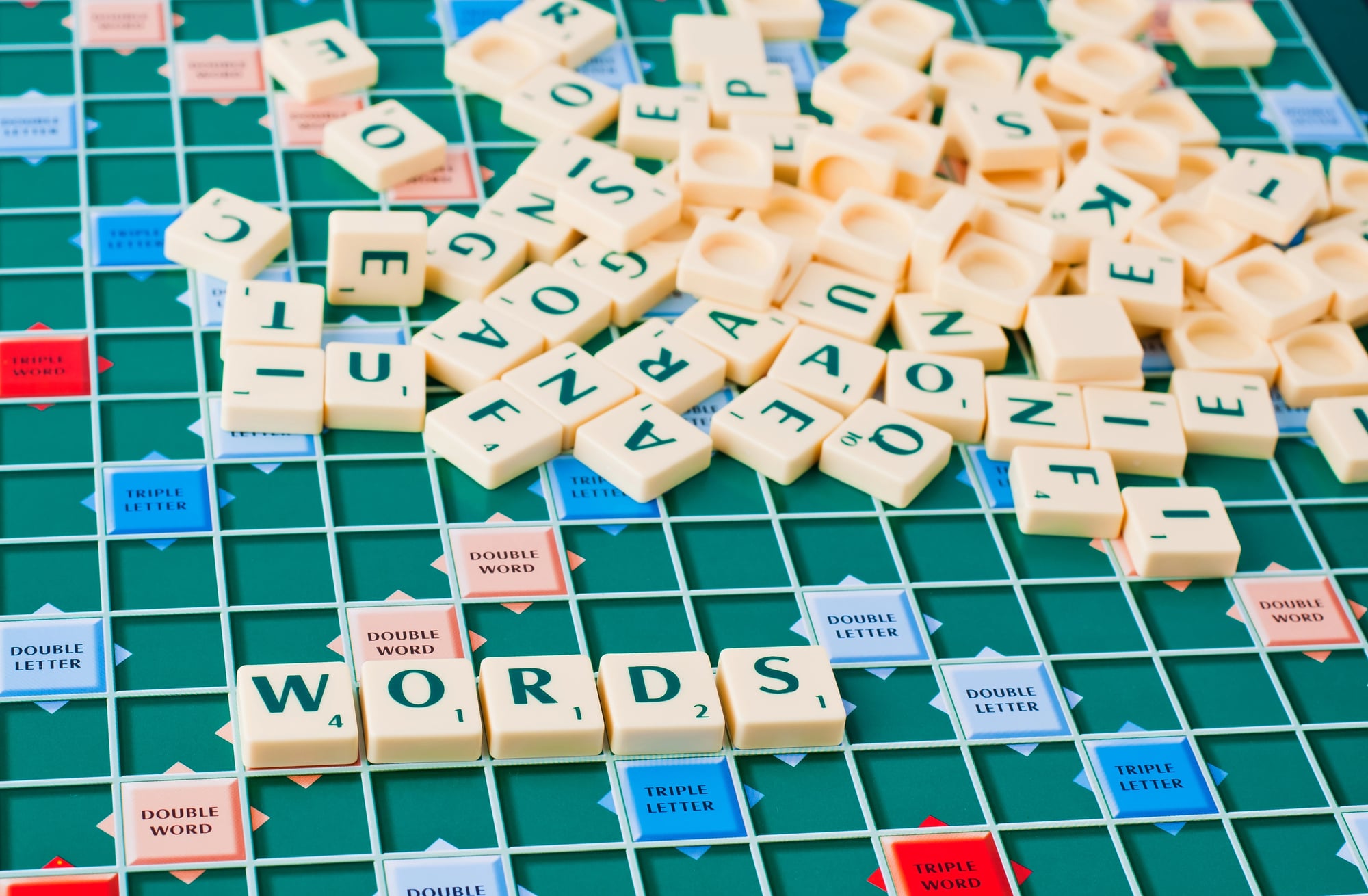
Nothing reveals family intelligence hierarchies quite like a heated Scrabble match. Arguments over whether ‘qi’ is a legitimate word have torn families apart, especially when the dictionary gets involved and settles disputes with cold, hard facts.
The game becomes particularly brutal when that one relative who reads constantly starts dropping seven-letter words while everyone else struggles with three-letter combinations.
UNO
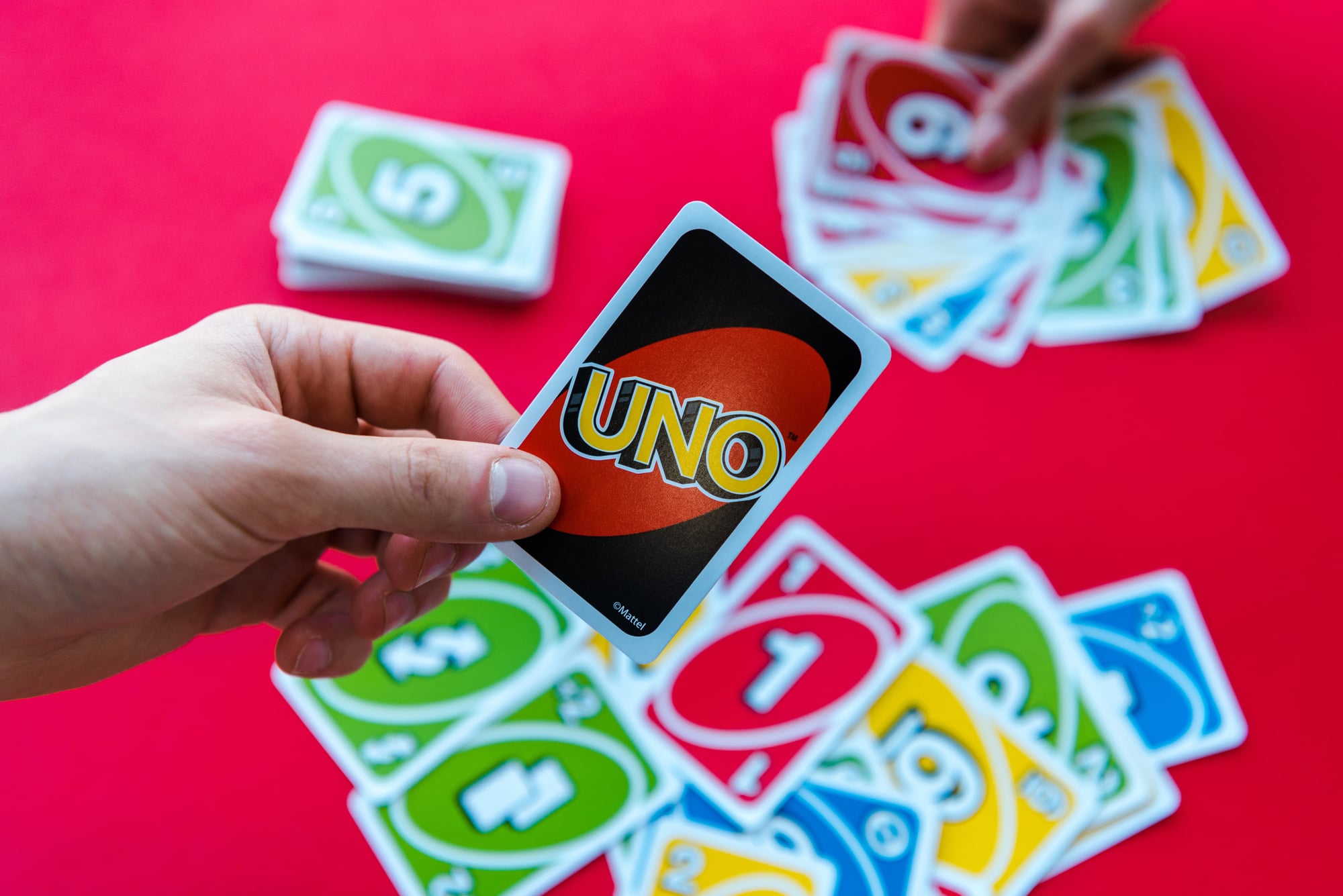
Despite its simple rules, UNO has a special talent for creating enemies out of loved ones. The dreaded Draw Four card has caused more family arguments than forgotten anniversaries, particularly when someone suspects it was played illegally.
The game’s quick pace and constant reversals mean that victory can be snatched away in seconds, leaving players feeling betrayed by the very people they trust most.
Settlers of Catan
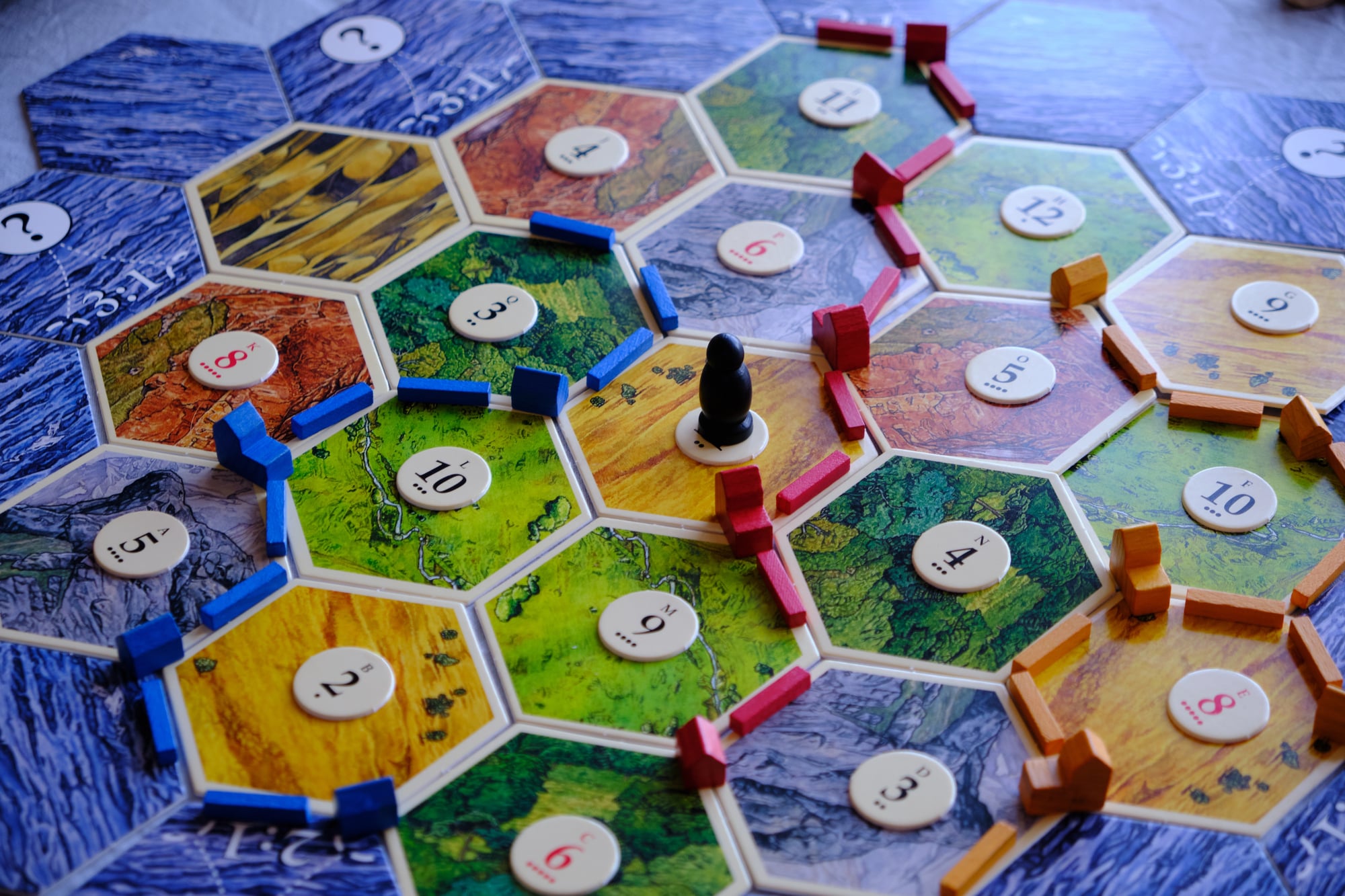
Resource trading in Catan brings out the worst in people, turning family members into shrewd negotiators who remember every slight. When someone refuses to trade wheat for your desperately needed ore, it feels personal even though it’s just a strategy.
The robber piece becomes a weapon of petty revenge, and blocking someone’s longest road often results in genuine hurt feelings that last long after the game ends.
Like Go2Tutors’s content? Follow us on MSN.
Trivial Pursuit
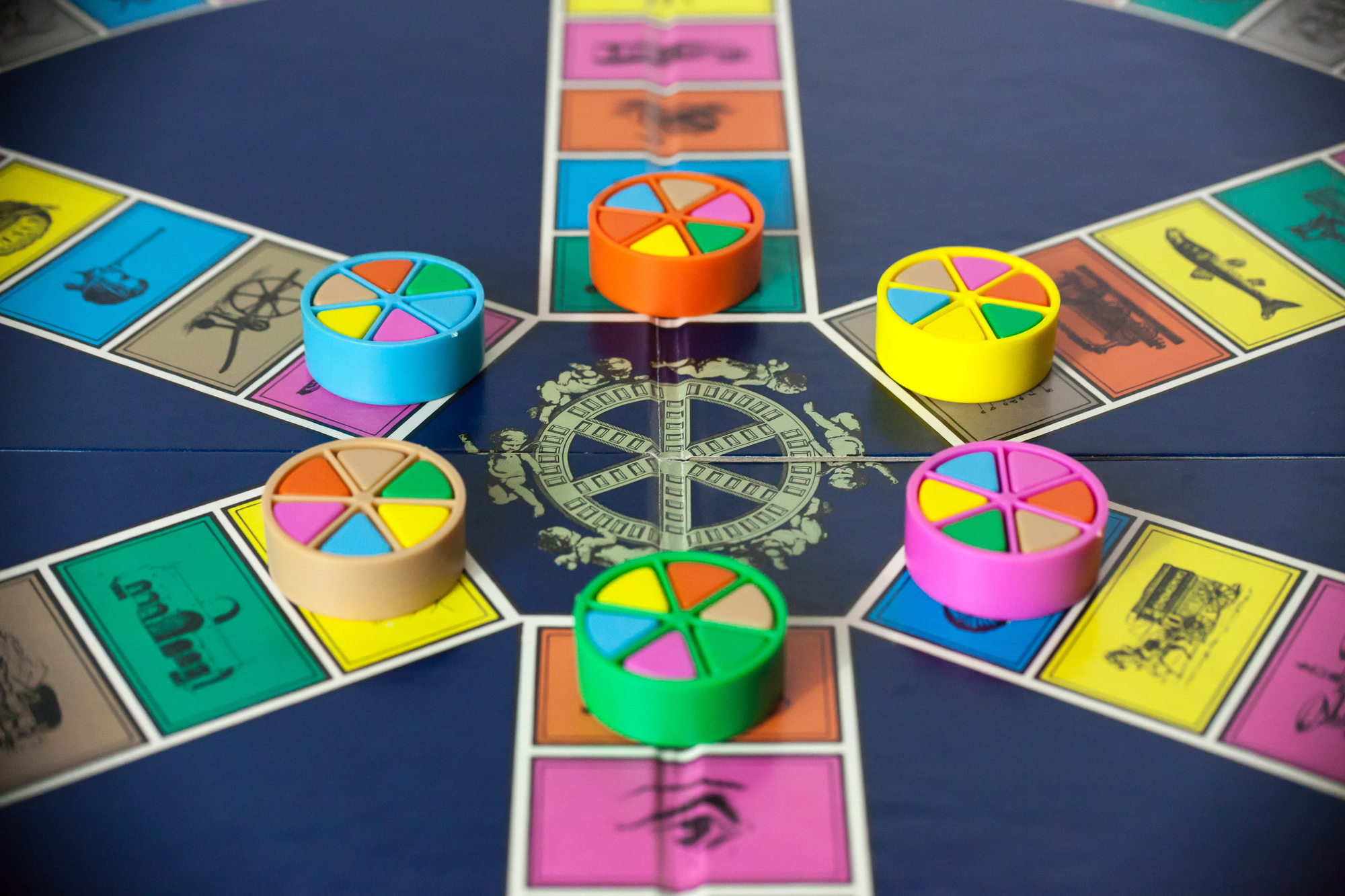
This knowledge-based game has a cruel way of exposing exactly who paid attention in school and who didn’t. Family members discover that their supposedly well-educated relatives know embarrassingly little about basic geography or history.
The sports and entertainment categories often create generational divides, with older players struggling with pop culture questions while younger ones bomb on classic literature.
Like Go2Tutors’s content? Follow us on MSN.
Sorry!
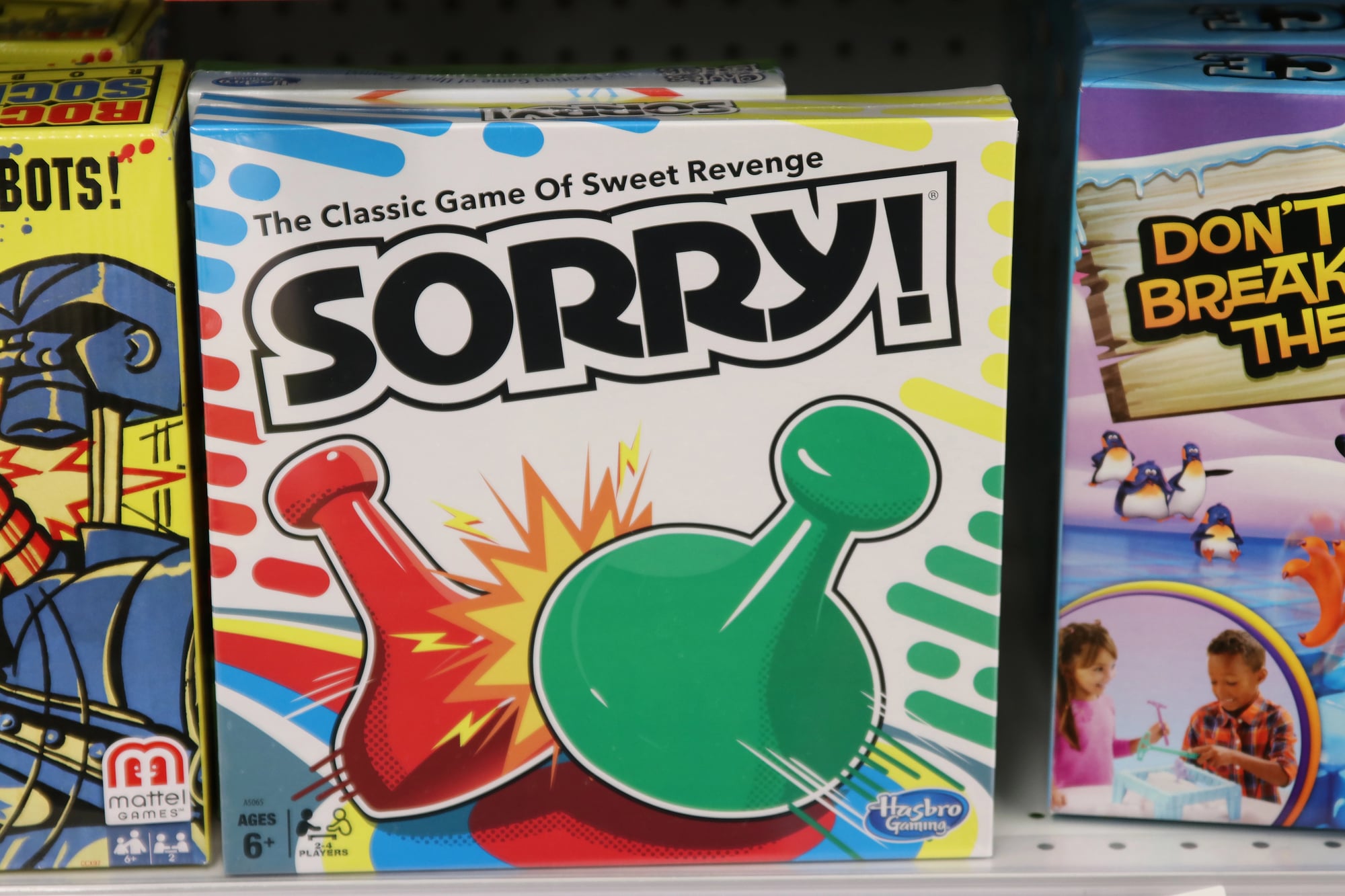
The name says it all, but most players don’t feel sorry when they send someone’s piece back to start. This seemingly innocent game encourages players to actively sabotage each other’s progress, creating a cycle of revenge that escalates throughout the evening.
When someone gets sent home just before reaching safety, the resulting frustration often feels anything but accidental.
Clue
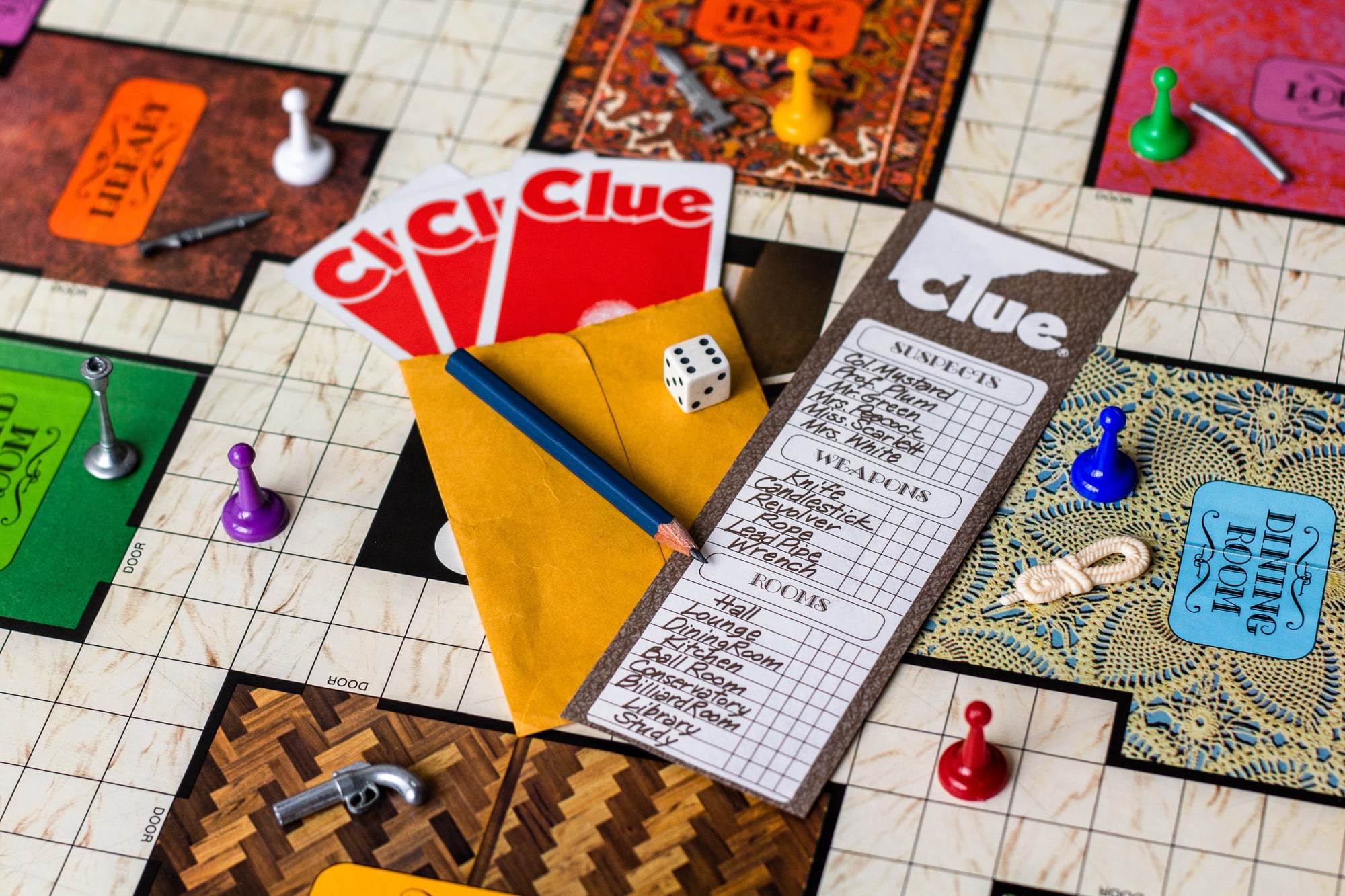
Accusations fly in this murder mystery game, but sometimes they extend beyond the fictional crime. Players develop conspiracy theories about who’s lying about their cards, and the methodical process of elimination can feel like an interrogation.
When someone makes a brilliant deduction that solves the case, the losing players often feel outsmarted in a way that stings their pride.
Pictionary
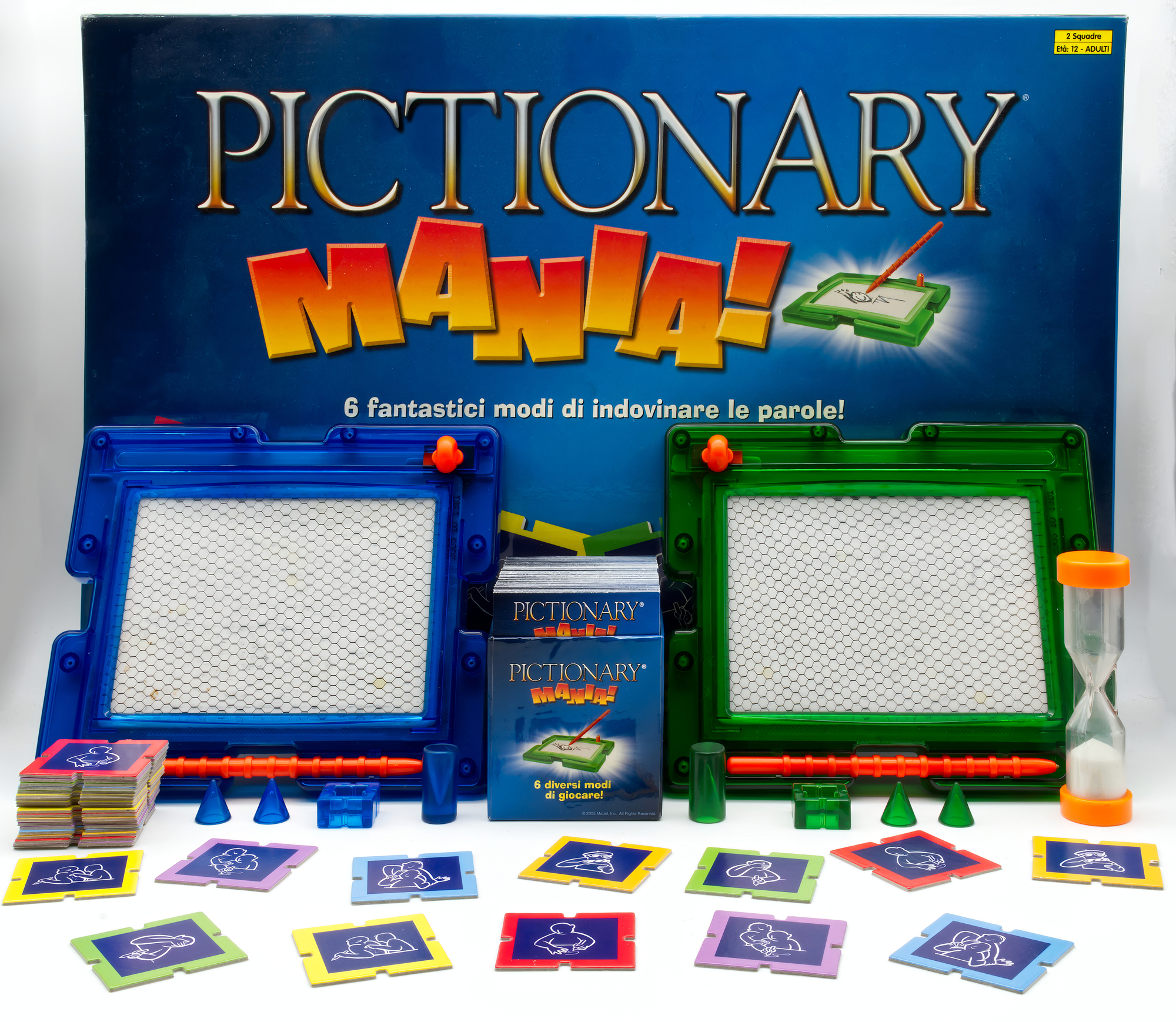
Artistic ability becomes a family liability when someone can’t draw a recognizable stick figure. Teams blame each other for terrible drawings or obvious guesses, and the time pressure creates an atmosphere of panic and frustration.
The game often reveals surprising gaps in communication between family members who thought they knew each other well.
Twister

Physical games like Twister create awkward situations that make everyone uncomfortable, especially when multiple generations play together. The game’s tendency to end in a pile of tangled limbs often results in genuine injuries and hurt feelings.
What starts as innocent fun quickly becomes a test of flexibility that leaves some players feeling old and inadequate.
Yahtzee
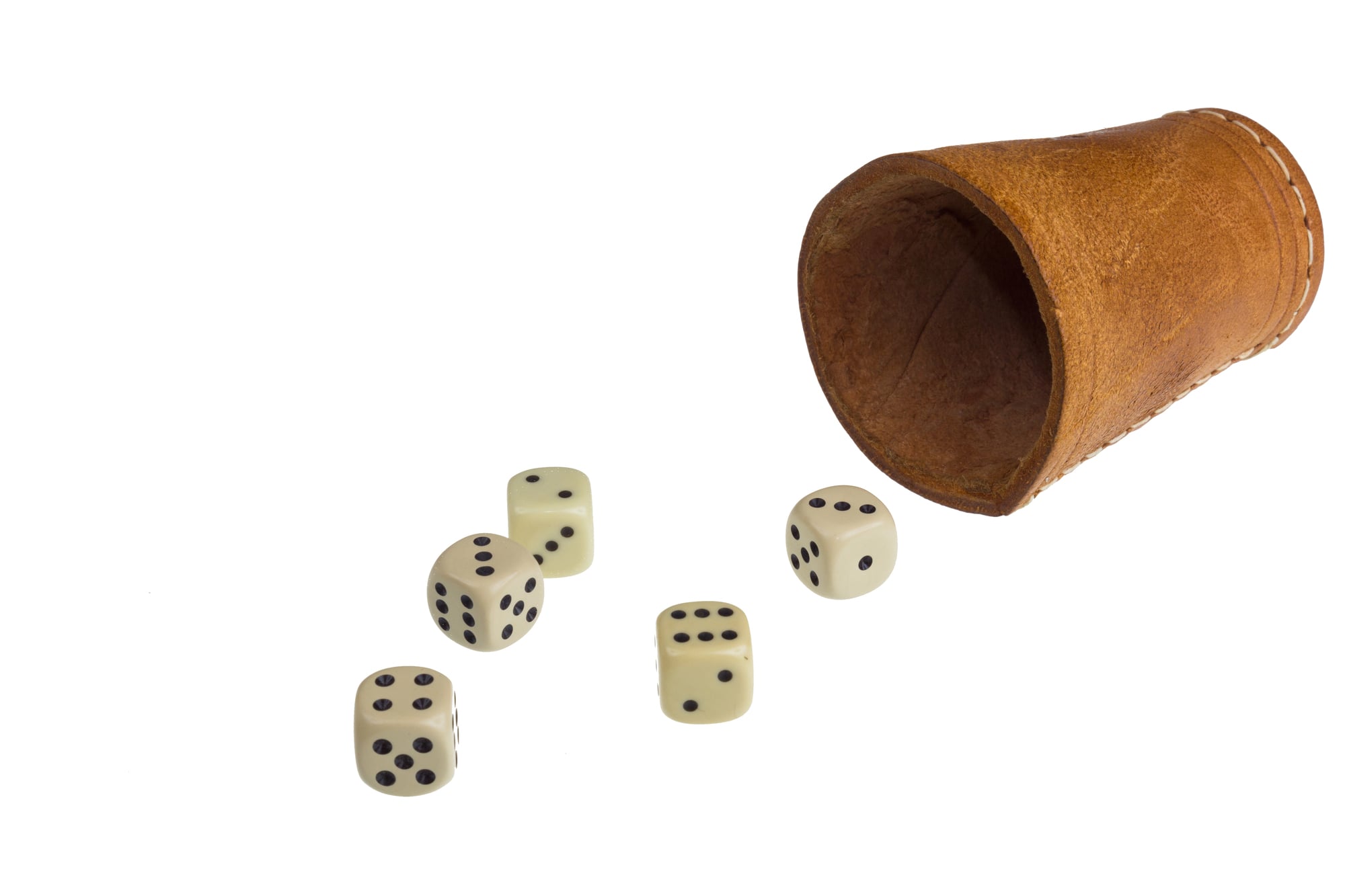
The dice-rolling luck factor in Yahtzee creates intense frustration when someone keeps rolling exactly what they need while others struggle. Players develop superstitions about dice and rolling techniques, leading to accusations of cheating or supernatural intervention.
The scoring system’s complexity also leads to frequent disputes over proper point calculations.
Like Go2Tutors’s content? Follow us on MSN.
Checkers
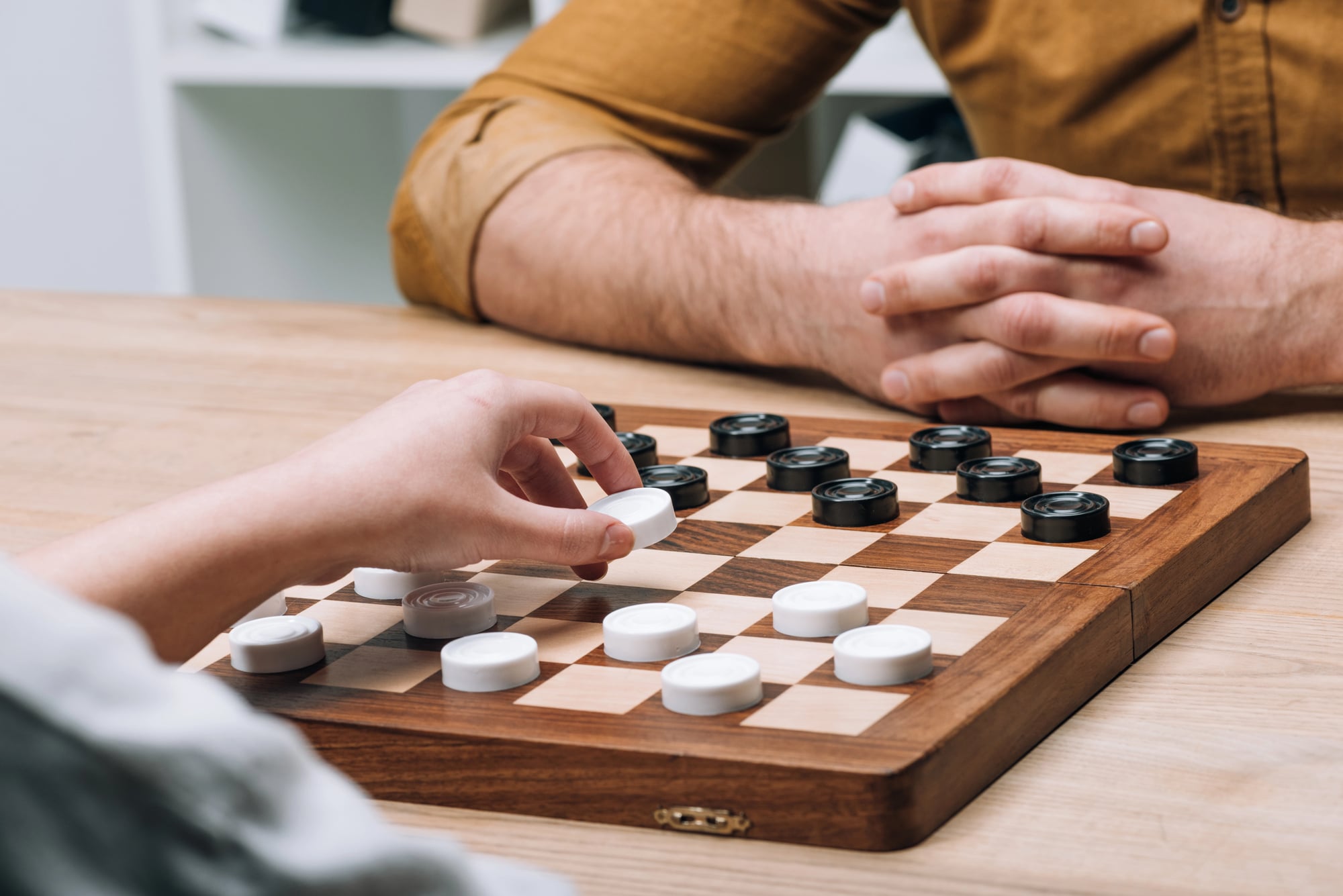
This classic strategy game strips away all luck and leaves pure skill, which can be devastating for family hierarchies. When a grandparent consistently destroys their adult children at checkers, or when a young child beats everyone else, it shifts family dynamics in uncomfortable ways.
The game’s simplicity makes losses feel particularly personal since there’s nowhere to hide behind complex rules.
Battleship
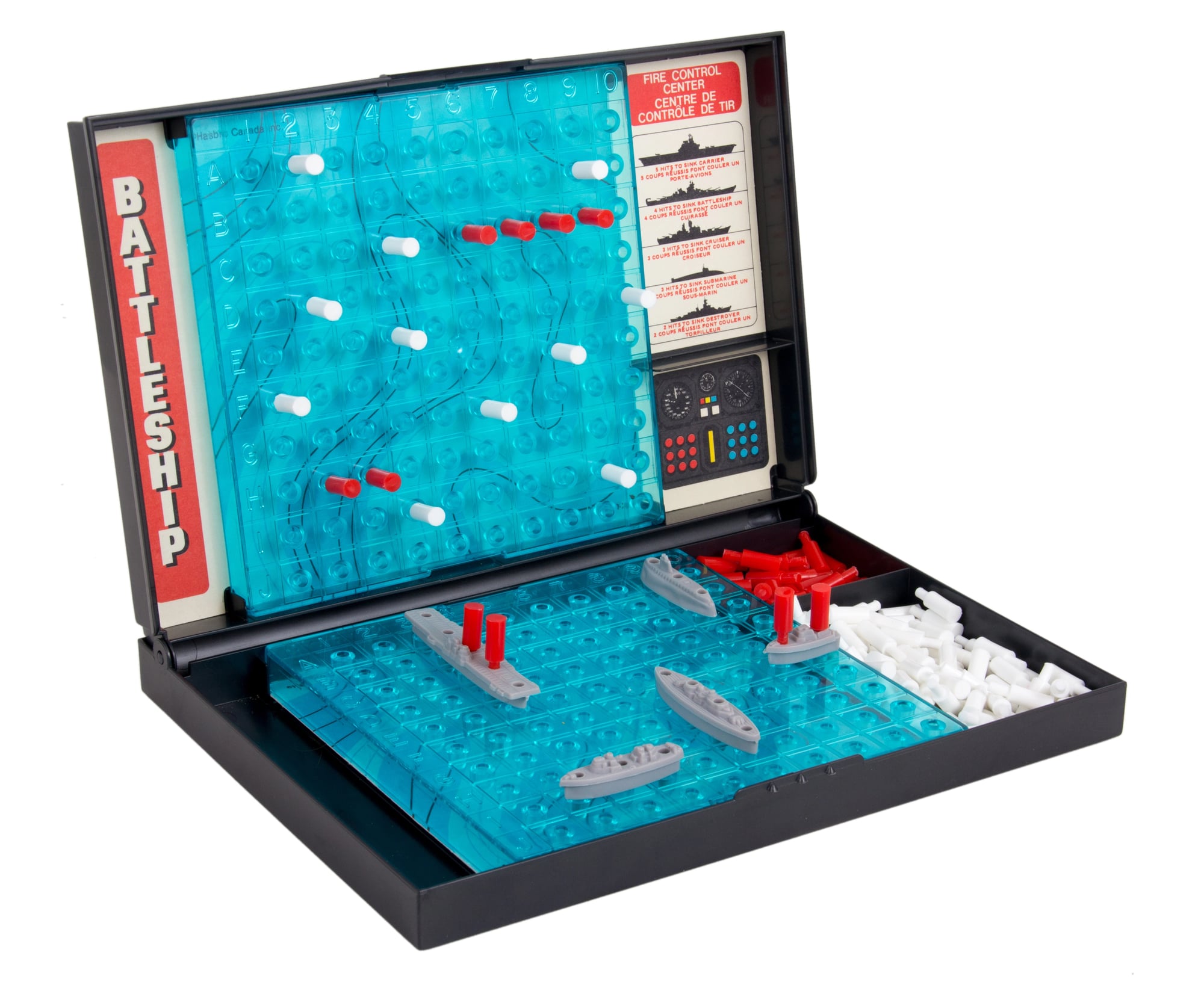
The guessing game nature of Battleship creates paranoia and suspicion between players who start reading too much into each other’s reactions. Family members begin analyzing facial expressions and voice inflections for clues, turning the game into a psychological warfare exercise.
When someone sinks your aircraft carrier with a lucky guess, it feels like betrayal even though it’s completely random.
Life
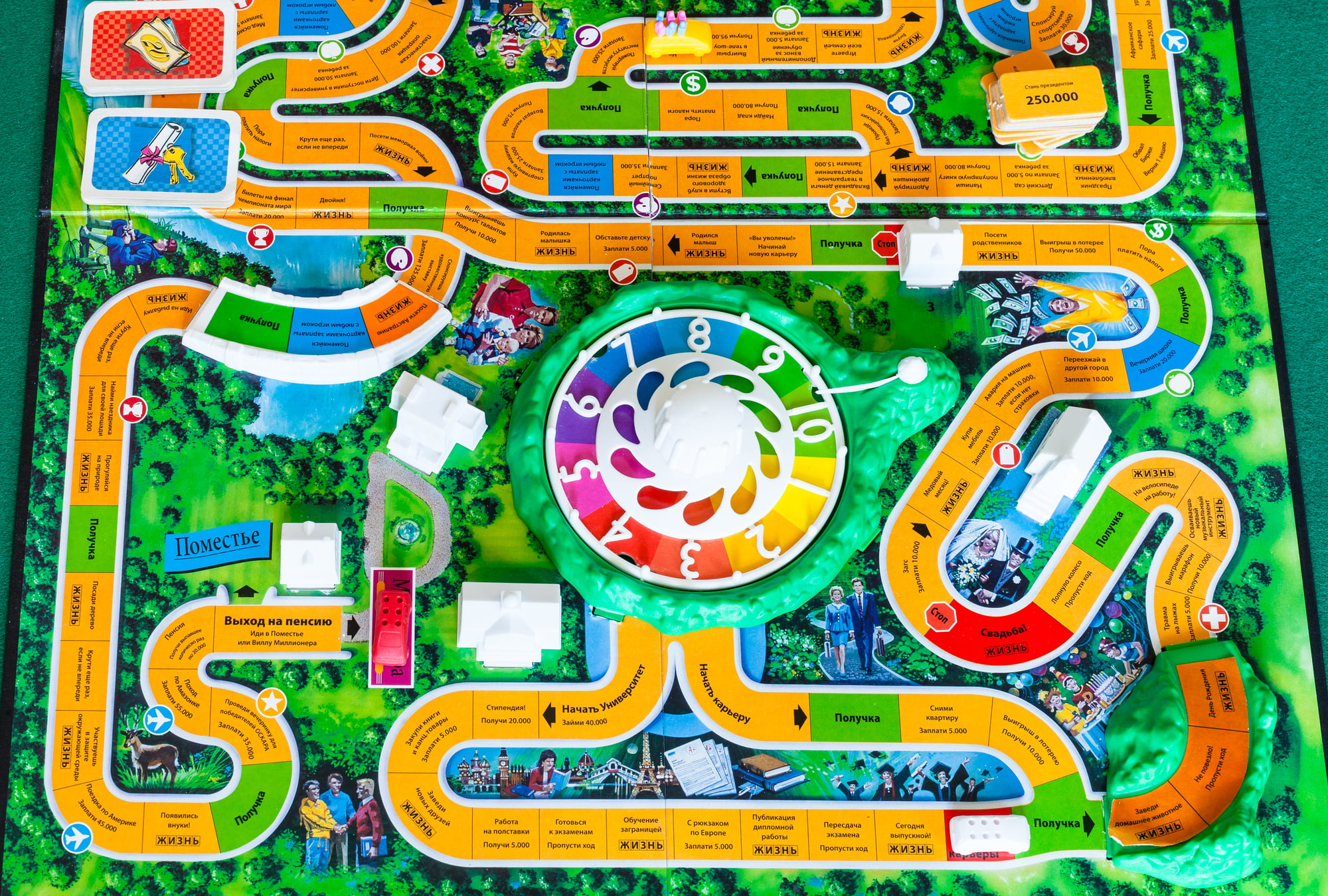
The Game of Life forces players to make choices about careers, families, and retirement that often mirror real-life pressures and disappointments. When someone lands on ‘Doctor’ while you’re stuck as a ‘Teacher,’ it can trigger genuine feelings of inadequacy or career envy.
The game’s focus on money and status brings uncomfortable real-world comparisons into what should be harmless entertainment.
Like Go2Tutors’s content? Follow us on MSN.
Jenga

This tower-building game creates intense pressure as players watch their carefully constructed structure wobble with each move. The physical nature of Jenga means that one person’s mistake brings down everyone’s work, leading to blame and finger-pointing.
The game’s quiet concentration requirements make every sound and movement feel amplified, creating an atmosphere of nervous tension that often explodes when the tower finally falls.
When Games Become More Than Games
These beloved board games continue to occupy closets and game nights despite their reputation for creating chaos. The same competitive spirit that makes them engaging also makes them dangerous to family harmony, but perhaps that’s part of their enduring appeal.
Modern families still gather around these classics, hoping this time will be different, even though deep down they know someone’s going to end up upset. The arguments fade, but the memories of epic game night battles become the stories families tell for years, proving that sometimes the feuds are just as entertaining as the games themselves.
More from Go2Tutors!

- 16 Restaurant Chains That Went Too Fast
- 12 Things Sold in the 80s That Are Now Illegal
- 15 Strange Things People Have Tried to Ban (And Failed)
- 16 Collectibles People Tossed Out Too Soon
- 17 Myths from Your Childhood That Were Actually Based on Real Things
Like Go2Tutors’s content? Follow us on MSN.