16 Playground Equipment That Was Pure Danger
Remember when playgrounds were basically obstacle courses designed by people who apparently never heard of liability insurance? Those were the days when a scraped knee was considered a light injury, and parents didn’t hover around every piece of equipment with first aid kits.
Back then, playground designers seemed to think that a little danger built character—and honestly, they might have been onto something, even if their methods were questionable. The playground equipment of yesteryear would make today’s safety inspectors break out in cold sweats.
Here’s a list of 16 pieces of playground equipment that somehow passed for kid-friendly entertainment back in the day.
Metal Slides in Direct Sunlight
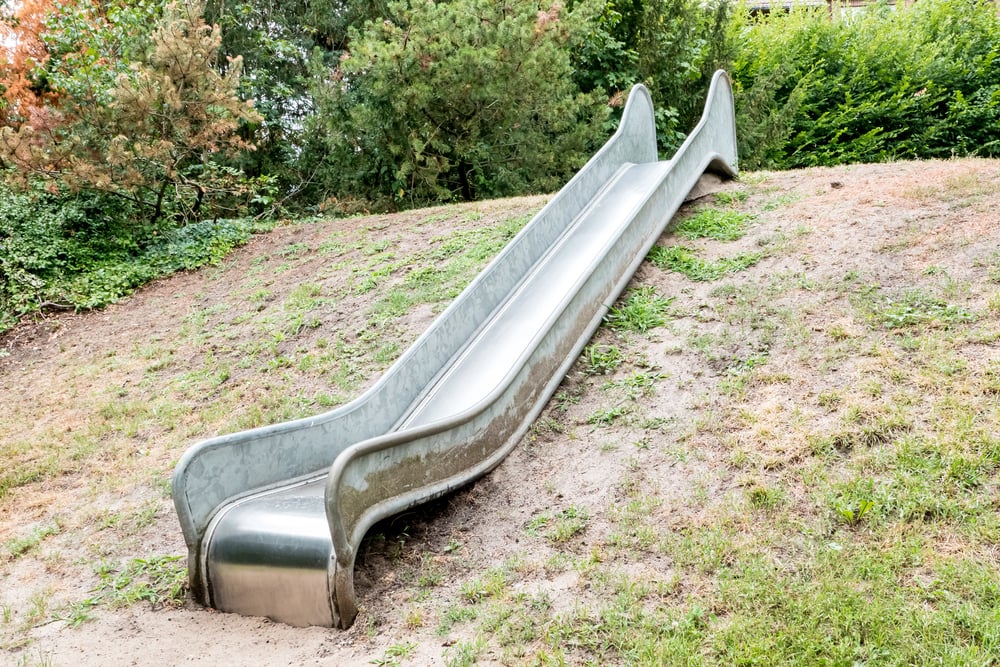
Those towering metal slides turned into literal frying pans during the summer months. Kids would climb up eagerly, only to discover that the slide surface could practically cook an egg.
The smart ones learned to test the temperature with their hand first, but plenty of children ended up with singed legs and a healthy respect for thermodynamics.
Merry-Go-Rounds Without Speed Limits
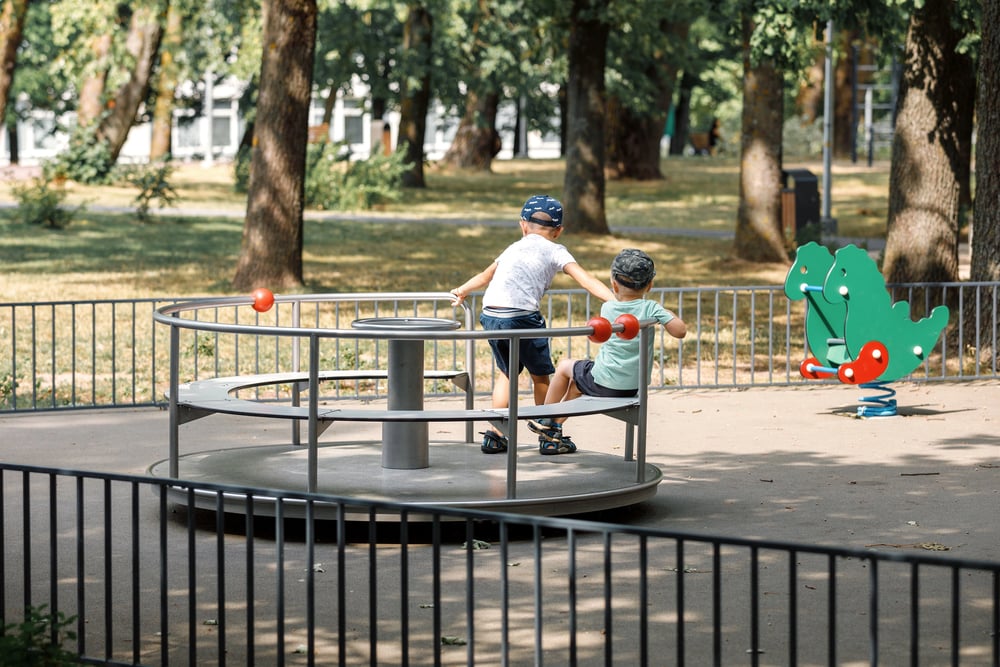
The old-school merry-go-rounds were essentially centrifuges masquerading as playground equipment. Older kids would spin these things fast enough to achieve what felt like orbital velocity while smaller children clung on for dear life.
Physics lessons came hard and fast when centrifugal force won the battle against tiny grips.
Like Go2Tutors’s content? Follow us on MSN.
See-Saws Without Safety Features
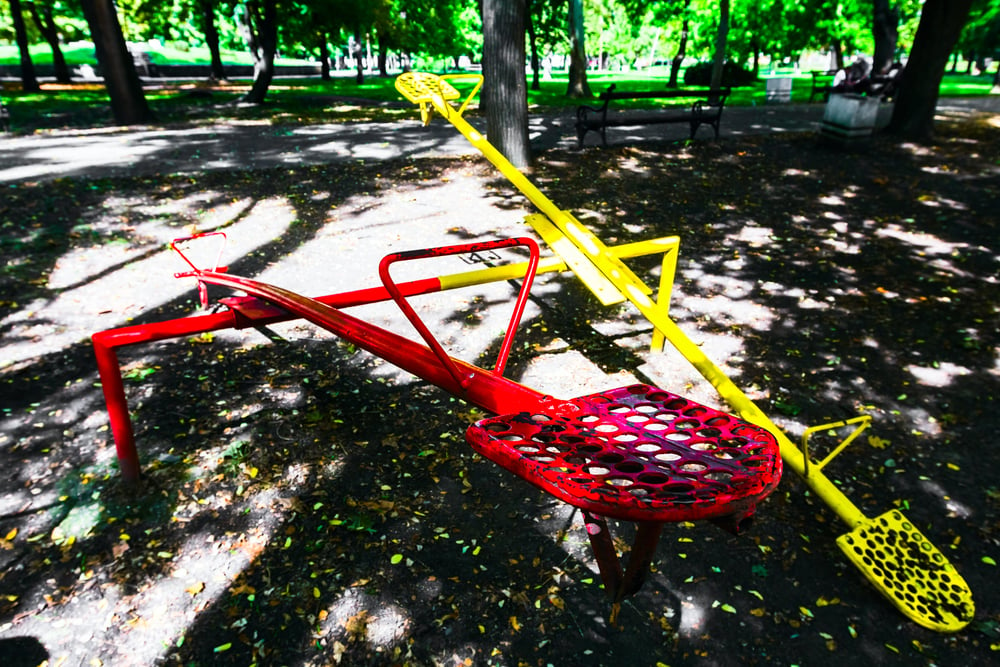
Traditional see-saws were basically medieval torture devices painted in cheerful colors. When one kid jumped off without warning, the other would come crashing down with enough force to rattle their teeth.
These contraptions taught valuable lessons about trust, timing, and the importance of choosing your playground partners wisely.
Jungle Gyms Over Concrete
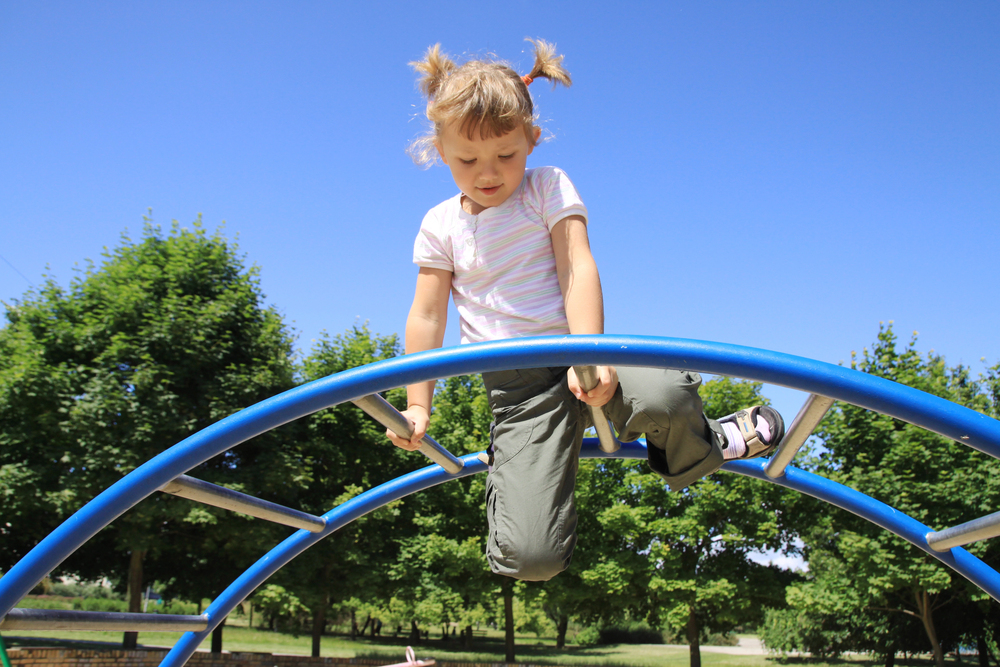
Monkey bars and climbing structures stretched high above surfaces that showed no mercy to falling children. Concrete and asphalt were the ground coverings of choice, apparently because someone thought kids needed to learn the consequences of gravity the hard way.
Today’s rubber mulch and foam padding would have seemed like science fiction.
Spinning Wheels of Fortune
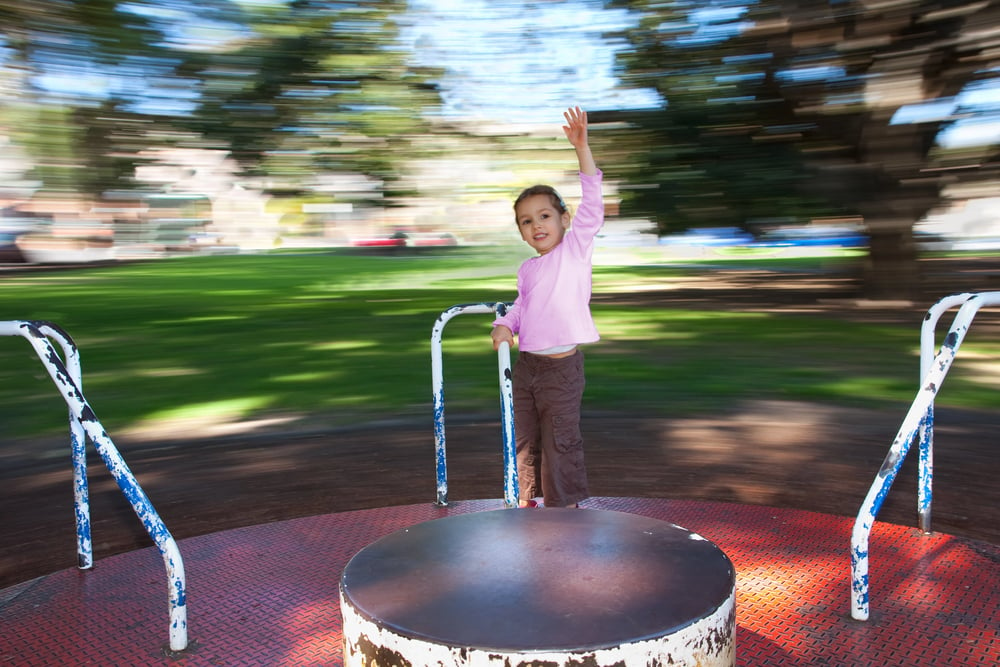
These horizontal wheels mounted on central pivots could spin freely in any direction. Kids would grab on and get whirled around until they either let go from dizziness or got flung off by momentum.
The landing zones were usually just more concrete, making these devices perfect for teaching children about projectile motion through painful experience.
Like Go2Tutors’s content? Follow us on MSN.
Chain Swings Over Hard Surfaces
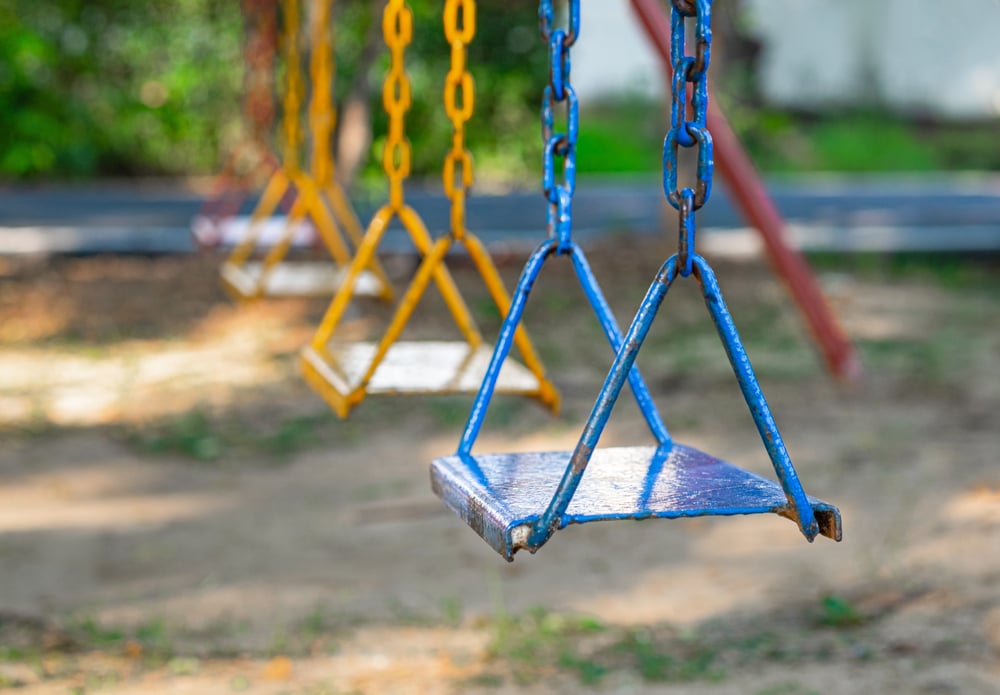
Regular swings might seem harmless, but the old versions featured heavy metal chains that could easily pinch fingers or worse. When kids inevitably bailed out mid-swing, they’d land on unforgiving concrete or packed dirt.
The chains themselves became weapons when empty swings got swung by other children.
Rocket Ships With Multiple Levels
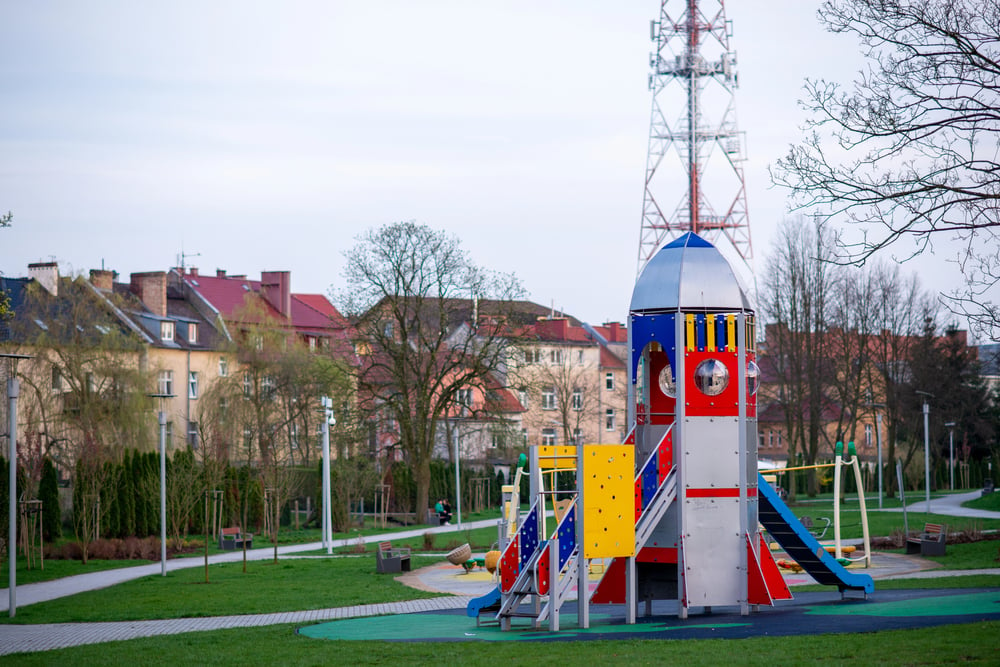
Those towering rocket ship climbers had platforms at dangerous heights with minimal railings. Kids could easily fall through gaps or tumble from the top levels onto whatever unfortunate child happened to be playing below.
The narrow ladders and steep angles made climbing an adventure in itself.
Giant Stride Poles
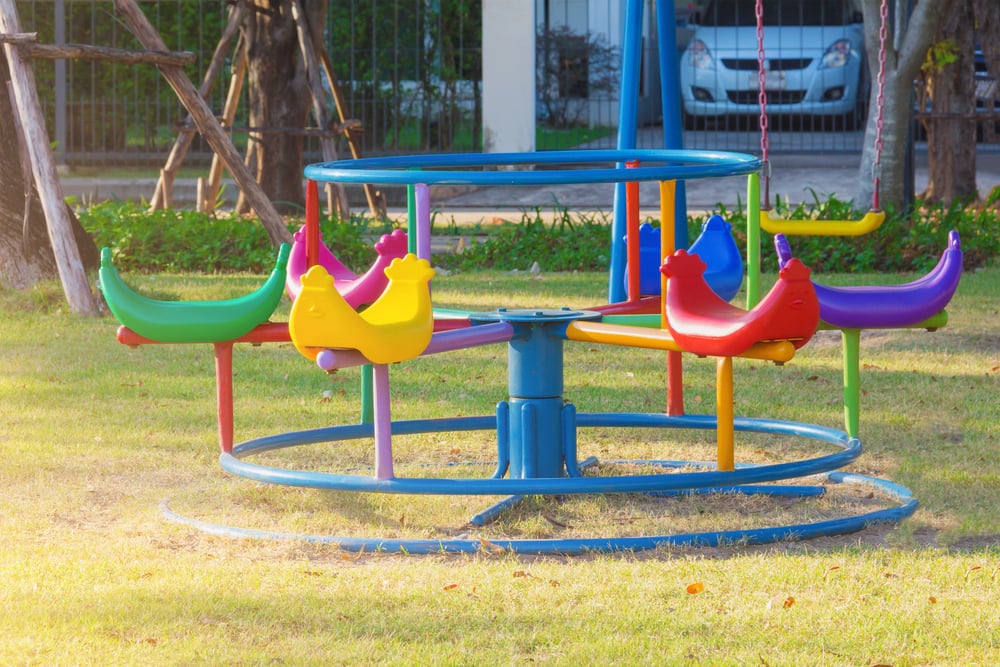
Picture a tall pole with chains hanging from the top, and kids would grab the chains and run in circles until they achieved enough speed to lift off the ground. The faster you went, the higher you’d swing, but there was no mechanism to control speed or height.
Landing was entirely up to chance and gravity.
Like Go2Tutors’s content? Follow us on MSN.
Witches’ Hats Without Barriers
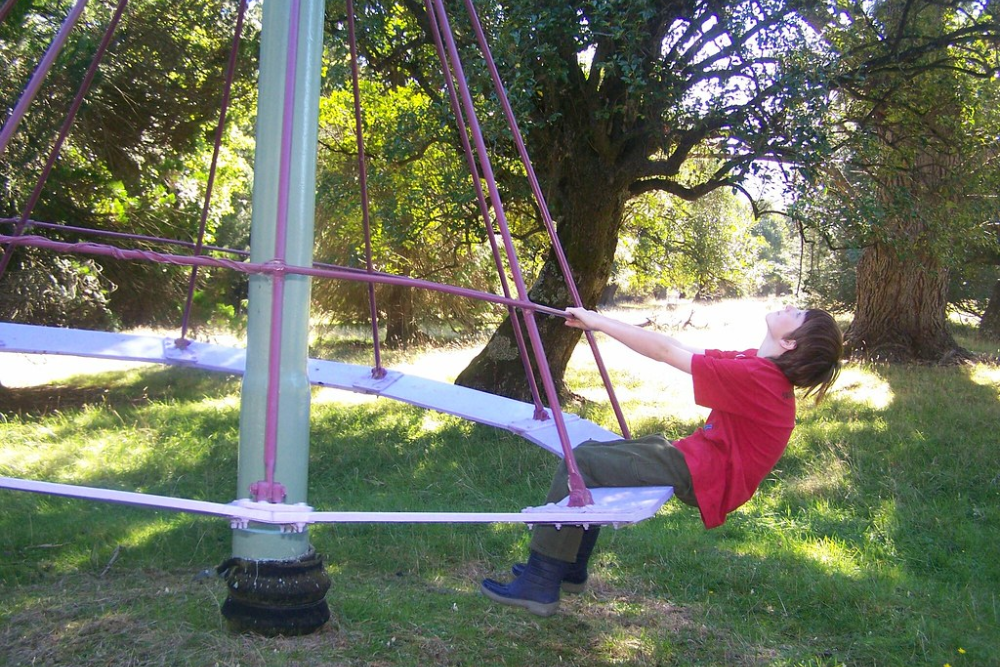
These cone-shaped spinning devices had kids hanging on around the perimeter while the whole thing rotated. There were no barriers to prevent children from getting too close to the spinning mechanism, and the centrifugal force could easily fling kids outward into whatever obstacles surrounded the equipment.
High Parallel Bars

Playground parallel bars stood at heights that would make today’s gymnastics coaches nervous. Kids would attempt to cross from one side to the other using only their arm strength, often falling onto hard surfaces below.
The bars themselves were usually made of unforgiving metal with no padding or safety features.
Tube Slides With Sharp Turns
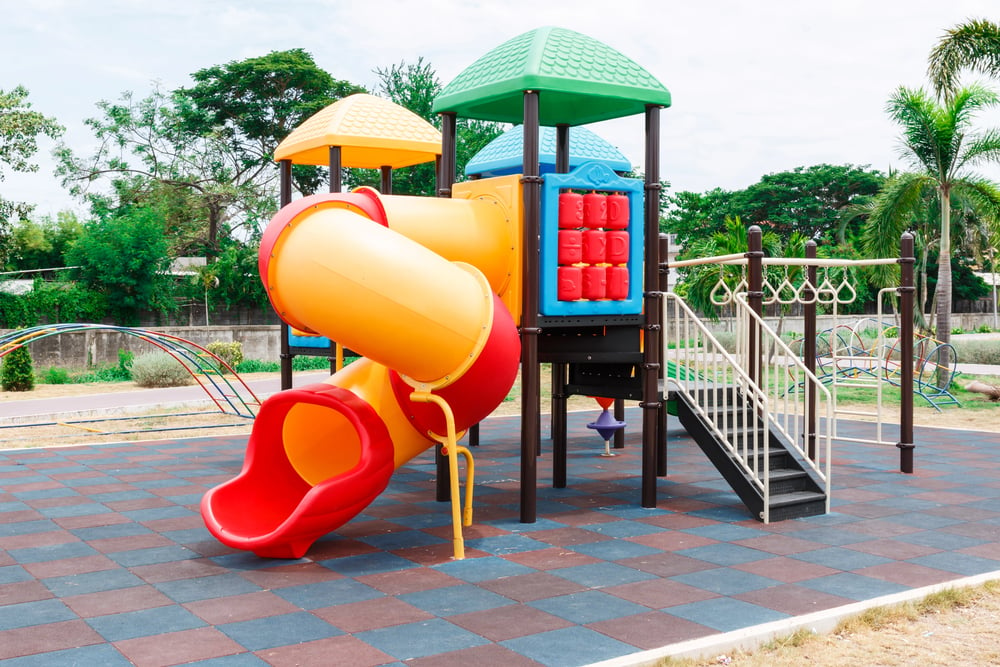
Some tube slides featured curves and turns so sharp that kids would build up speed and then get launched out sideways. The enclosed nature meant you couldn’t see what was coming, and children often shot out of these things at unexpected angles.
The exit zones rarely had adequate landing areas.
Like Go2Tutors’s content? Follow us on MSN.
Spring-Loaded Seesaws
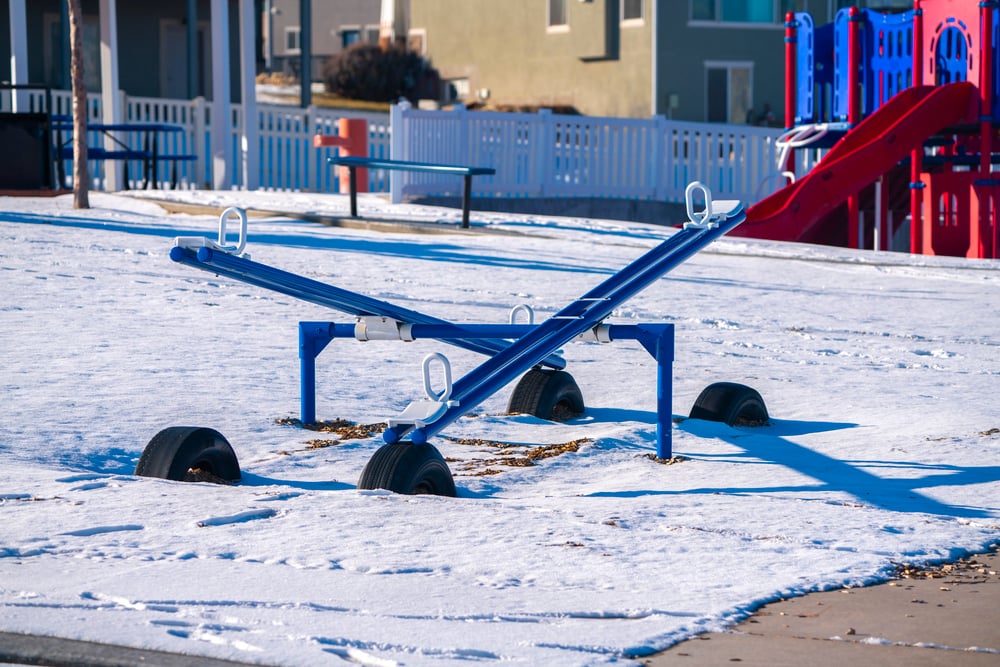
These seesaws used heavy springs instead of simple fulcrums, which meant they could launch children much higher than anticipated. The springs added an unpredictable bouncing element that turned regular seesaw motion into something resembling a medieval siege engine.
Kids learned quickly that these required careful coordination.
Climbing Nets Over Concrete
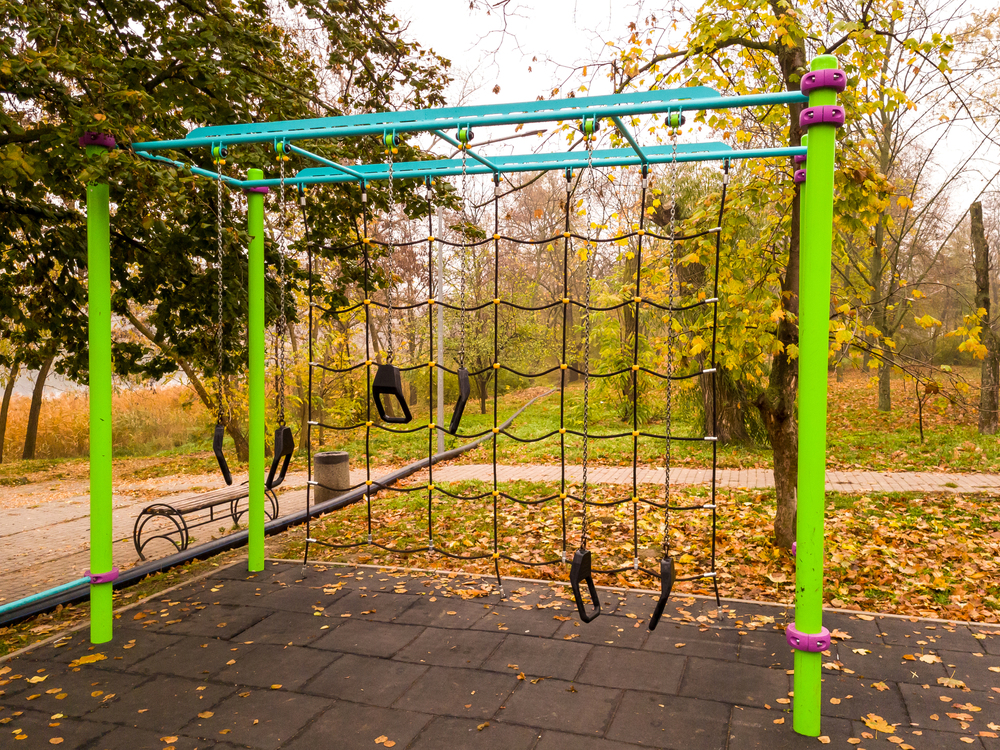
Rope climbing nets stretched high above unforgiving concrete surfaces, challenging kids to scale heights that would make rock climbers think twice. The ropes could pinch fingers, and falls from the top meant serious consequences.
These structures basically turned every playground into a low-budget adventure course.
Balance Beams at Dangerous Heights
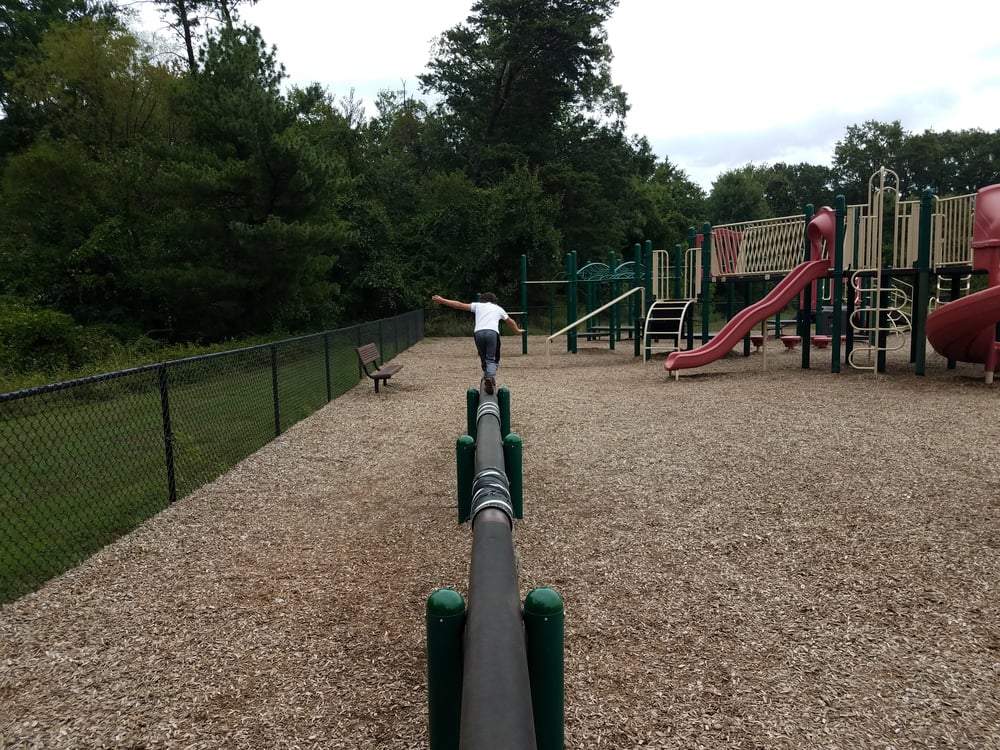
Walking beams positioned several feet off the ground tested both balance and courage. Unlike gymnastics equipment, these had no safety mats underneath, just concrete or packed dirt.
Kids would attempt increasingly daring stunts until gravity inevitably reminded them of the laws of physics.
Like Go2Tutors’s content? Follow us on MSN.
Spiral Slides With No Speed Control
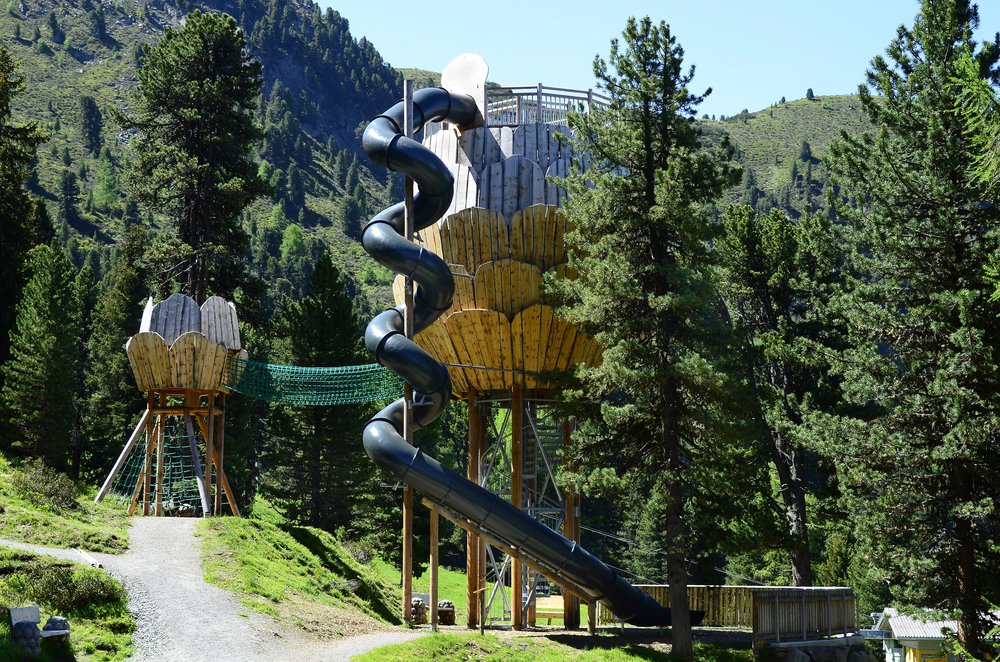
These corkscrew slides allowed kids to build up tremendous speed as they spiraled downward. The narrow design meant children often got wedged or tangled up, creating pile-ups of kids at various points along the slide.
The rapid spinning motion also induced dizziness that lasted long after reaching the bottom.
Overhead Ladders

Monkey bars arranged in ladder formation stretched across playgrounds at heights that seemed designed to test resolve rather than provide fun. Kids would attempt to cross hand-over-hand, often falling when their grip strength gave out.
The spacing between rungs wasn’t standardized, making progress unpredictable and falls inevitable.
When Fun Came With Real Consequences
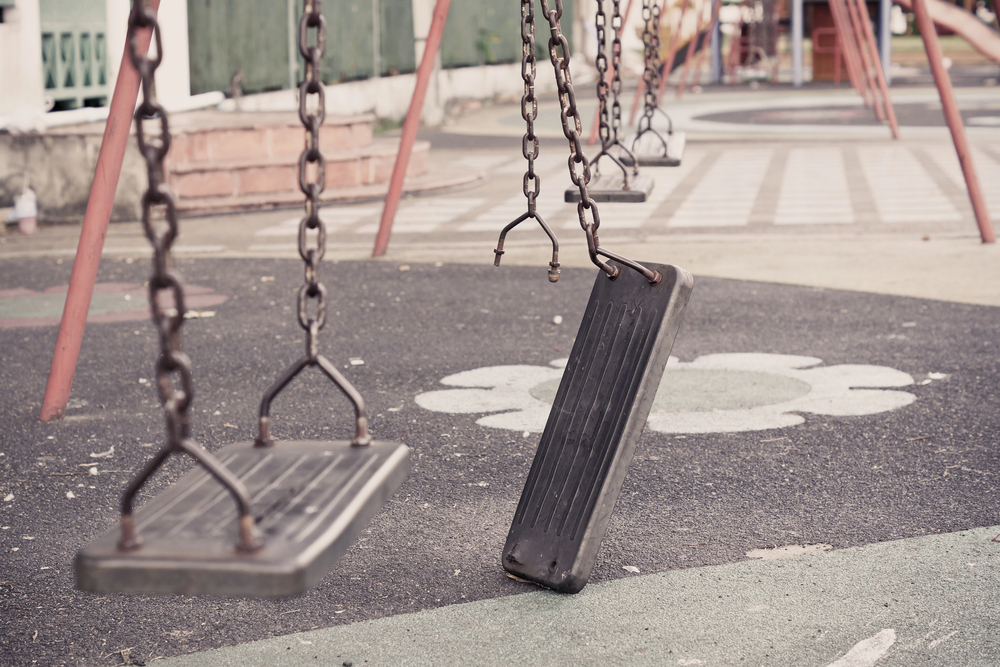
These playground relics remind us of an era when risk was considered part of childhood development, even if the implementation was questionable. While modern safety standards have undoubtedly prevented countless injuries, there’s something to be said for equipment that taught kids to assess danger and develop real physical skills.
Today’s playgrounds might be safer, but they’ve also lost some of that wild unpredictability that made playground time feel like a genuine adventure. The key difference wasn’t necessarily the danger itself, but rather that children learned to navigate real consequences in a controlled environment.
Like Go2Tutors’s content? Follow us on MSN.
More from Go2Tutors!

- 16 Restaurant Chains That Went Too Fast
- 12 Things Sold in the 80s That Are Now Illegal
- 15 Strange Things People Have Tried to Ban (And Failed)
- 16 Collectibles People Tossed Out Too Soon
- 17 Myths from Your Childhood That Were Actually Based on Real Things
Like Go2Tutors’s content? Follow us on MSN.