Comic Book Heroes Who Were Villains
Comic books thrive on complexity. Characters rarely start perfect, and some of the most interesting heroes began their journeys on the wrong side of morality.
These redemption arcs feel earned because the characters carry their past mistakes forward. They know what it means to choose differently.
Hawkeye Started as Iron Man’s Enemy

Clint Barton made his debut trying to steal technology from Tony Stark. He worked as a carnival performer before a misunderstanding with the police pushed him toward crime.
Black Widow recruited him for her schemes against Iron Man, and Hawkeye fell for her manipulation. His turn toward heroism came gradually.
After realizing he’d been used, Hawkeye tried to join the Avengers—though they didn’t trust him at first. He had to prove himself repeatedly before earning his place.
That skepticism followed him for years, even after he became one of the team’s most reliable members.
Black Widow’s Espionage Background

Natasha Romanoff spent years as a Soviet operative trained to destroy American interests. She fought Iron Man multiple times and nearly succeeded in taking him down.
Her programming ran deep—she viewed heroes as obstacles to her mission. Defecting from the KGB meant abandoning everything she knew.
Hawkeye’s faith in her helped, but she still struggled with trust. Even after joining S.H.I.E.L.D. and the Avengers, Natasha questioned whether she deserved redemption.
Her past never fully released its grip on her.
Quicksilver and Scarlet Witch with Magneto

Pietro and Wanda Maximoff started with the Brotherhood of Evil Mutants. Magneto convinced them that humans would never accept mutants peacefully.
The twins believed they were fighting for survival, not villainy. When they learned Magneto’s true methods, they questioned everything.
Joining the Avengers meant betraying the only family they’d known. Pietro’s temper and Wanda’s unstable powers made their transition rocky.
The team barely tolerated them at first, and some members never fully trusted the twins.
Emma Frost’s Long Path from Villain to Leader

Emma started as a member of the Hellfire Club’s Inner Circle, actively working against the X-Men. She ran a school that trained young mutants to become villains.
Her telepathic powers made her dangerous, and she used them without hesitation. Years passed before she genuinely reconsidered her methods.
After her students died in an attack, Emma’s perspective shifted. She eventually joined the X-Men and became one of their most capable leaders, though her ruthless streak never disappeared.
She just redirected it toward protecting mutants instead of exploiting them.
Rogue Drained Ms. Marvel’s Powers and Mind

Rogue’s introduction to comics involved permanently absorbing Carol Danvers’ powers and memories. This left Carol in a coma and nearly destroyed her mind.
Mystique raised Rogue to view humans as enemies, and the young mutant believed it. The absorption accident changed everything.
Carol’s memories and personality fragments lodged in Rogue’s mind, creating constant internal conflict. She couldn’t return to the Brotherhood after experiencing Carol’s heroism firsthand.
Professor X accepted her into the X-Men despite fierce opposition from the team. Storm particularly despised Rogue for what she’d done to Carol, and that tension lasted years.
Venom’s Transformation from Monster to Protector
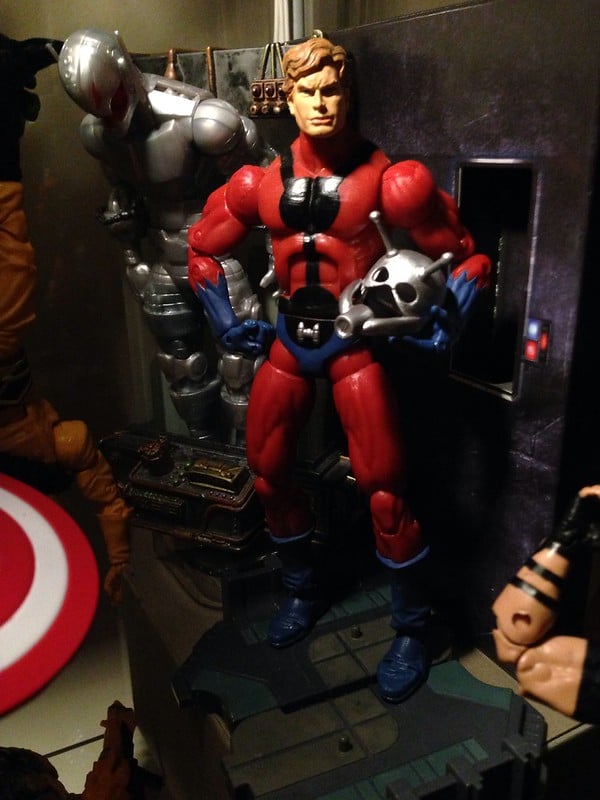
The symbiote bonded with Eddie Brock specifically to destroy Spider-Man. Venom stalked Peter Parker, terrorized his loved ones, and nearly killed him multiple times.
The alien suit amplified Eddie’s worst impulses and fed on his rage. Becoming a “Lethal Protector” didn’t happen overnight.
Venom moved to San Francisco and tried protecting innocent people while still using brutal methods. His form of heroism involved eating criminals and leaving bodies behind.
Spider-Man never fully accepted this evolution, viewing Venom as a monster playing hero. The tension between them never really ended.
Magneto’s Shifting Moral Compass

Erik Lehnsherr has died as a villain and resurrected as a hero multiple times. His experiences in concentration camps shaped his belief that humans would inevitably turn on mutants.
He built bases, recruited followers, and launched attacks meant to establish mutant supremacy. But Magneto’s methods always stem from genuine fear for his people’s survival.
He’s led the X-Men, taught at Xavier’s school, and sacrificed himself for human-mutant peace. Then something happens—humans attack mutants again—and Erik returns to his old ways.
The cycle repeats because his trauma never heals. His relationship with Professor X defines this struggle.
They remain best friends and worst enemies simultaneously, unable to reconcile their philosophies but unwilling to give up on each other.
Catwoman’s Blurred Lines

Selina Kyle fought Batman throughout her early appearances. She stole from Gotham’s wealthy and didn’t care about collateral damage.
Her criminal empire expanded beyond simple theft into organized crime. The relationship with Batman complicated everything.
Their attraction defied logic, pulling them together while their choices pushed them apart. Selina gradually shifted toward protecting Gotham’s East End, defending people who couldn’t defend themselves.
She still steals, still breaks laws, but now she targets those who deserve it. Whether that makes her a hero depends on who you ask.
Winter Soldier’s Erased Identity
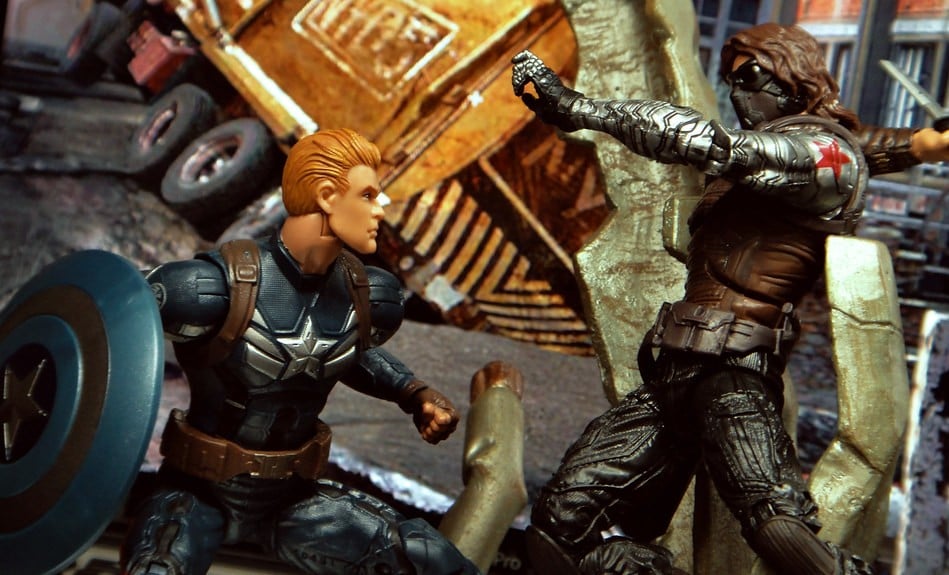
Bucky Barnes died a hero, then returned as a brainwashed assassin. The Winter Soldier killed dozens of people with no memory of who he’d been.
HYDRA controlled him completely, turning Captain America’s best friend into his enemy. Steve Rogers refused to give up on Bucky even when everyone else wanted the Winter Soldier eliminated.
Recovering those memories destroyed Bucky—knowing what he’d done under mind control didn’t erase his actions. He took up the Captain America mantle for a while but never felt worthy of it.
The guilt follows him through every heroic act.
Harley Quinn Breaking from the Joker

Harleen Quinzel helped the Joker escape from Arkham Asylum and became his devoted accomplice. She participated in murders, bombings, and torture because she believed the Joker loved her.
Her psychology degree couldn’t save her from her own manipulation. Leaving the Joker took multiple attempts.
Harley kept returning to him despite the abuse, unable to break the cycle. When she finally stayed away, she didn’t immediately become a hero.
She formed the Gotham City Sirens with Poison Ivy and Catwoman, operating in a moral gray area. Her journey toward actual heroism continues slowly, marked by relapses and setbacks.
Deadpool’s Mercenary Origins

Wade Wilson started as a villain in X-Force comics. He took assassination contracts and murdered people for money without much concern for morality.
His healing factor made him nearly impossible to stop, and he enjoyed the violence. The fourth wall awareness came later, along with a twisted sense of humor that made him likable despite his actions.
Deadpool still kills people—he just picks targets who arguably deserve it now. Calling him a hero stretches the definition.
He operates in the space between villain and anti-hero, and he knows it. The X-Men barely tolerate his presence, and most heroes view him as a necessary evil at best.
Sandman’s Attempts at Reform

Flint Marko fought Spider-Man repeatedly as one of his earliest villains. His sand-based powers made him nearly indestructible, and he used them for robbery and violence.
He joined the Sinister Six and participated in multiple schemes to kill Spider-Man. But Sandman tried reforming several times.
He joined the Avengers briefly and attempted to live an honest life. Something always pulled him back—usually money problems or other criminals dragging him into one more job.
His story shows how difficult permanent change becomes when your past keeps catching up. Spider-Man never fully trusted these reform attempts, and Sandman proved him right by returning to crime eventually.
Red Hood’s Justice Through Violence
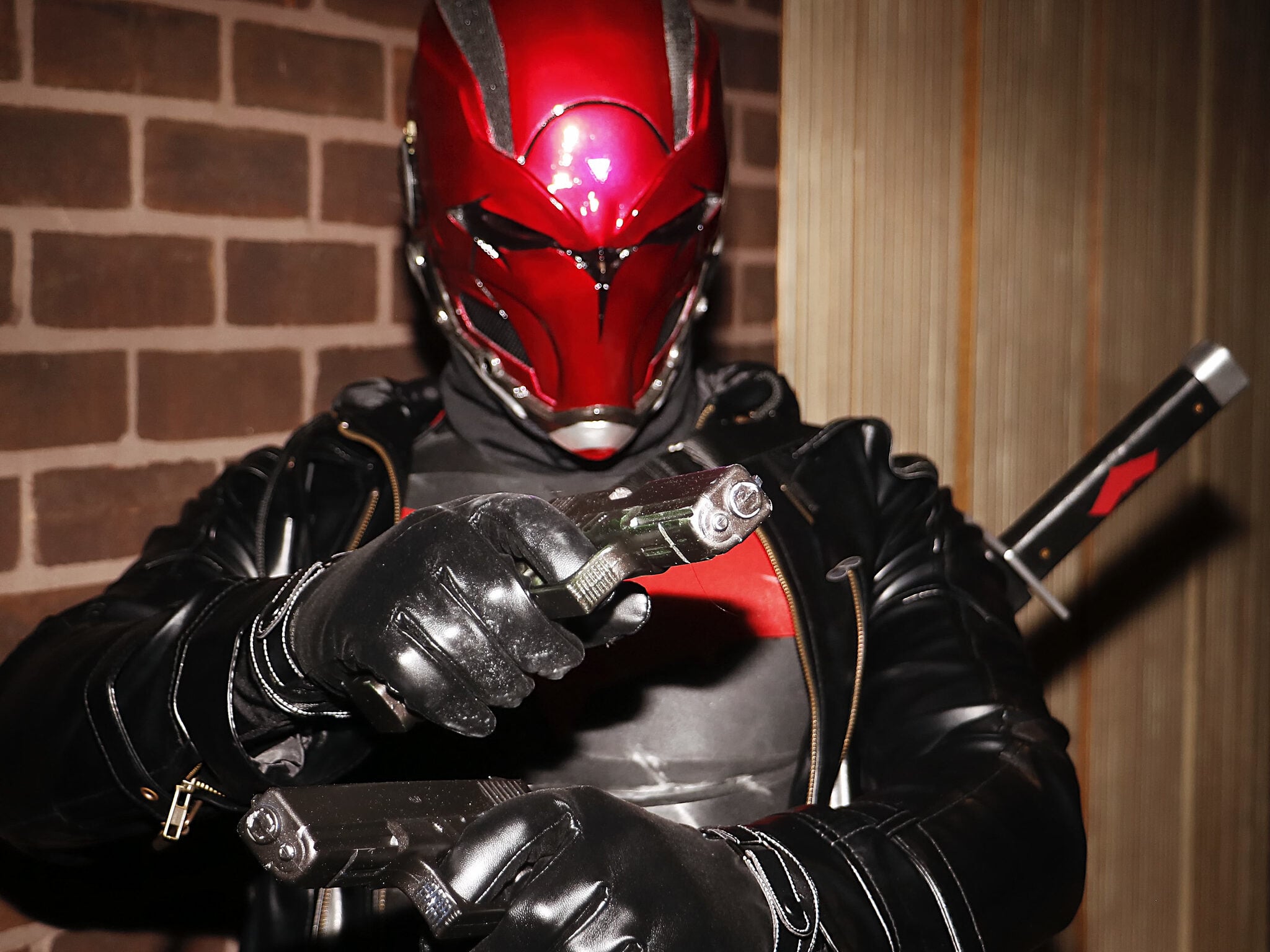
Jason Todd died at the Joker’s hands, a brutal murder that haunted Batman for years. His resurrection brought him back angry at Bruce Wayne for not avenging his death.
He became Red Hood to show Batman that sometimes killing prevents more deaths. Jason targets criminals Batman won’t fully stop.
He runs protection rackets in Gotham’s Crime Alley, keeping worse elements out through intimidation and violence. The Bat-Family accepts him now, but tension remains.
Grayson particularly struggles with Jason’s methods, viewing them as betrayals of everything Batman taught them. Jason doesn’t care.
He believes dead criminals don’t reoffend.
The Weight of Past Choices

These characters share something beyond redemption arcs. They carry their villainous pasts forward, unable to fully escape what they were.
The heroes who never fell don’t understand that burden. Someone who started good and stayed good can’t relate to the constant questioning—am I really different now, or just better at justifying my actions?
The comics keep returning to these characters because their complexity resonates. Perfect heroes get boring.
Characters who climbed out of darkness while dragging pieces of it behind them feel real. They mess up, backslide, and question whether they deserve the hero label.
That struggle never truly ends, and maybe that’s what makes them worth following.
More from Go2Tutors!

- The Romanov Crown Jewels and Their Tragic Fate
- 13 Historical Mysteries That Science Still Can’t Solve
- Famous Hoaxes That Fooled the World for Years
- 15 Child Stars with Tragic Adult Lives
- 16 Famous Jewelry Pieces in History
Like Go2Tutors’s content? Follow us on MSN.



