17 Safety Devices That Created New Dangers
Safety technology evolves with the best intentions — protecting lives and preventing accidents through innovative engineering. Engineers design these devices to solve specific problems, while manufacturers market them as essential protection for families and workers.
Yet sometimes the solution creates unexpected problems that weren’t apparent during initial development. From well-meaning inventions that encouraged risky behavior to protective equipment that introduced entirely new hazards, the history of safety devices includes some surprising plot twists.
Progress isn’t always linear, and even the most carefully designed protection can have unintended consequences. Here is a list of 17 safety devices that inadvertently created new dangers.
Early Seatbelts
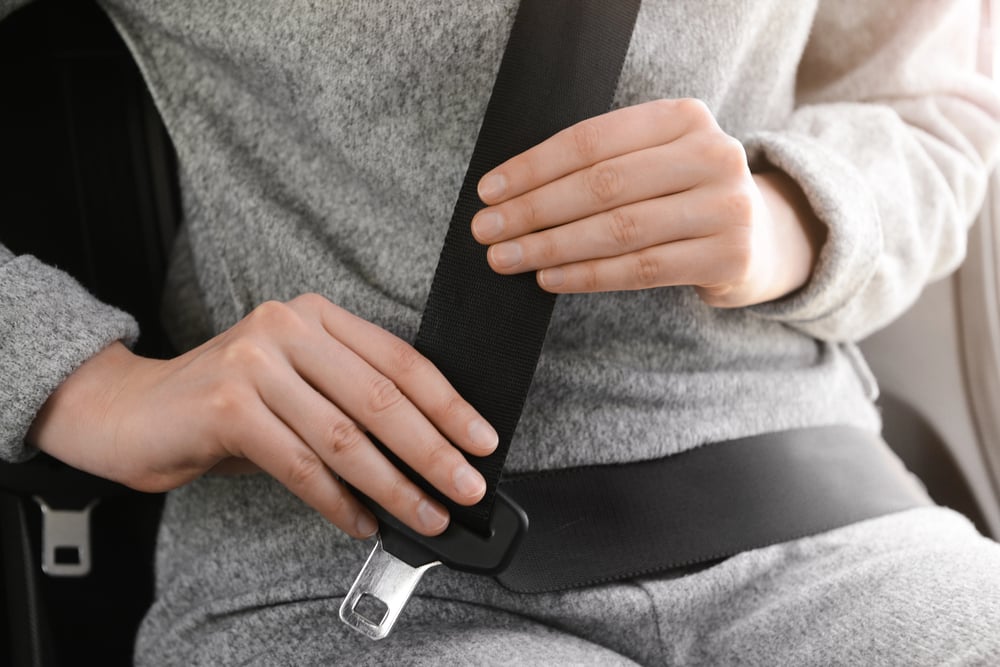
The first seatbelts were lap-only designs that actually caused severe internal injuries during crashes. They prevented occupants from being thrown from vehicles — yet concentrated all impact forces on the abdomen, often causing serious organ damage.
Many people suffered ruptured spleens and other internal trauma that wouldn’t have occurred without the restraint. The development of three-point harnesses eventually solved this problem by distributing forces across stronger parts of the body.
Airbags in Small Cars
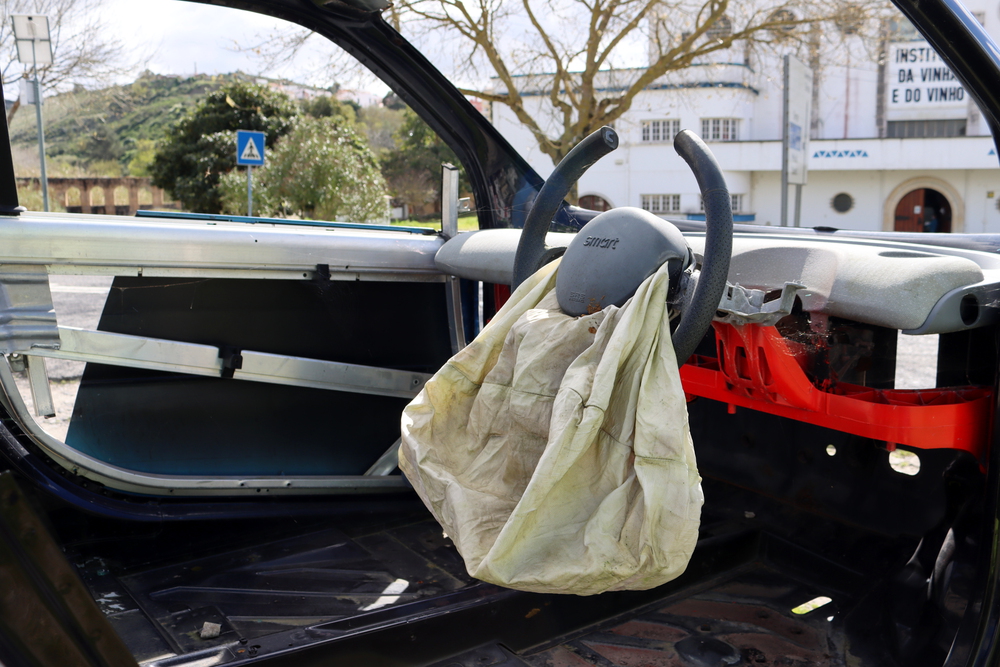
First-generation airbags deployed with such force that they could cause serious injuries to children and small adults. The explosive deployment was designed for average-sized male occupants — creating a new category of airbag-related injuries for people who didn’t fit that profile.
Some passengers suffered broken bones, severe burns, and even death from airbag deployment in relatively minor crashes. Modern airbags use sensors to adjust deployment force based on occupant size and crash severity.
Safety Razors

The ‘safety’ razor was supposed to prevent the cuts common with straight razors, though it encouraged more careless shaving habits. People assumed the guard meant they couldn’t get injured — leading to faster, less careful technique that often resulted in more nicks and cuts.
The false sense of security created a generation of people who never learned proper shaving caution. Traditional barbers often had to treat more razor injuries after safety razors became popular.
Child-Resistant Pill Bottles

Child-resistant caps sometimes prevent adults from accessing life-saving medications during emergencies. Elderly patients with arthritis often struggle with these caps — leading to missed doses or dangerous attempts to transfer pills to easier containers.
Some people have suffered heart attacks or other medical crises while trying to open their emergency medication. The caps also create a false sense of security that can lead to careless storage practices.
Anti-Lock Braking Systems (Early Versions)
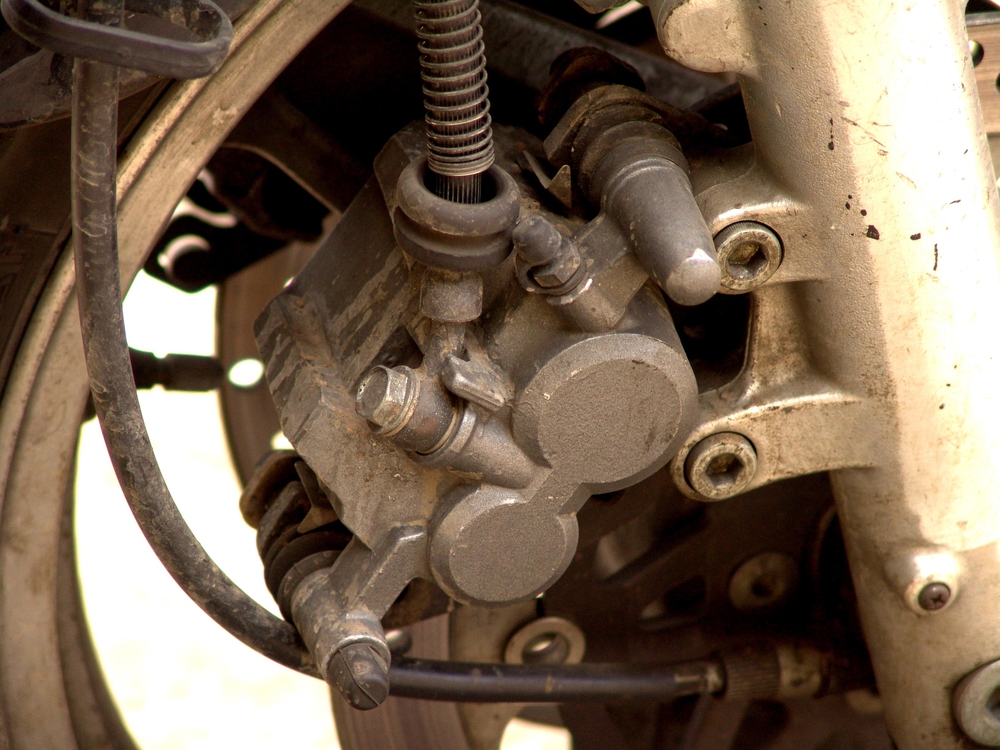
Early ABS systems created overconfident drivers who followed too closely or drove too aggressively in poor conditions. The technology prevented wheel lockup during hard braking — yet many drivers interpreted this as meaning they could stop faster than conventional brakes allowed.
Some people experienced longer stopping distances on loose surfaces like gravel or snow. Driver education eventually addressed these misconceptions, though early adoption caused numerous accidents.
Safety Glass in Car Windows
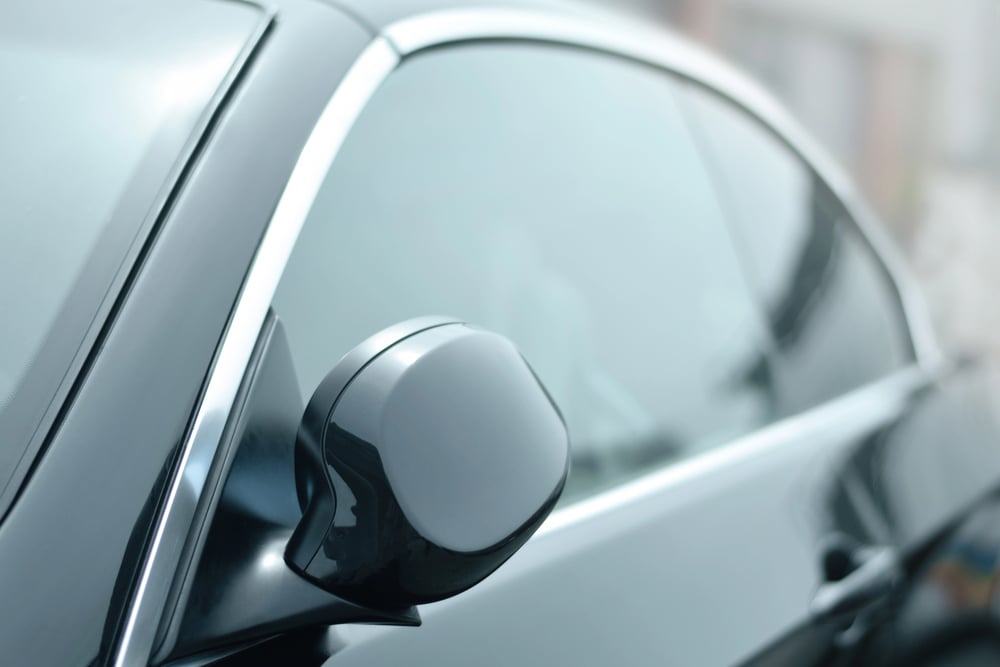
Tempered safety glass shatters into small pieces rather than dangerous shards, though this can actually impair escape during emergencies. The glass becomes completely opaque when broken — making it difficult for rescue workers to see inside vehicles or for occupants to see outside.
Some people have become trapped in vehicles because they couldn’t find door handles or escape routes. Emergency responders now carry special tools specifically designed to clear shattered safety glass.
Flame-Retardant Pajamas

Chemical flame retardants in children’s sleepwear were later found to contain carcinogenic compounds that posed long-term health risks. The chemicals designed to prevent burn injuries actually increased cancer risk through prolonged skin contact.
Many parents unknowingly exposed their children to toxic substances every night in an effort to keep them safer. Regulatory changes eventually banned the most dangerous chemicals, though safer alternatives took years to develop.
Electronic Stability Control (Early Systems)
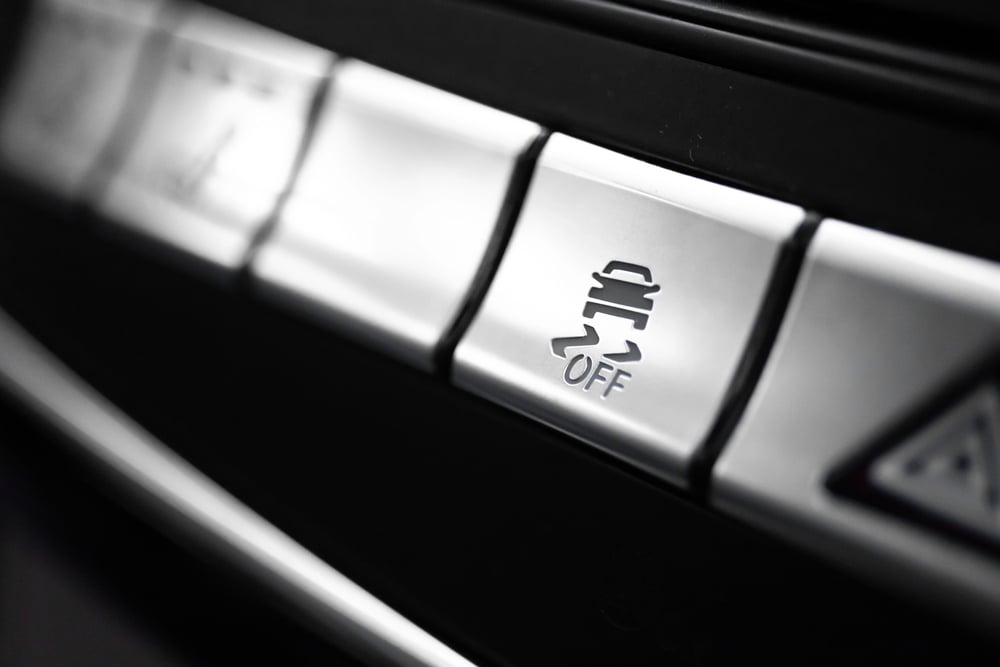
First-generation stability control systems are sometimes overcorrected during skids, causing vehicles to spin in the opposite direction. The computer-controlled interventions occurred faster than human reflexes — yet the early programming couldn’t always distinguish between intentional and unintentional vehicle movements.
Some experienced drivers found their cars fighting against necessary steering inputs during emergency maneuvers. Improved algorithms and sensors eventually made these systems more intuitive and reliable.
GFCI Outlets
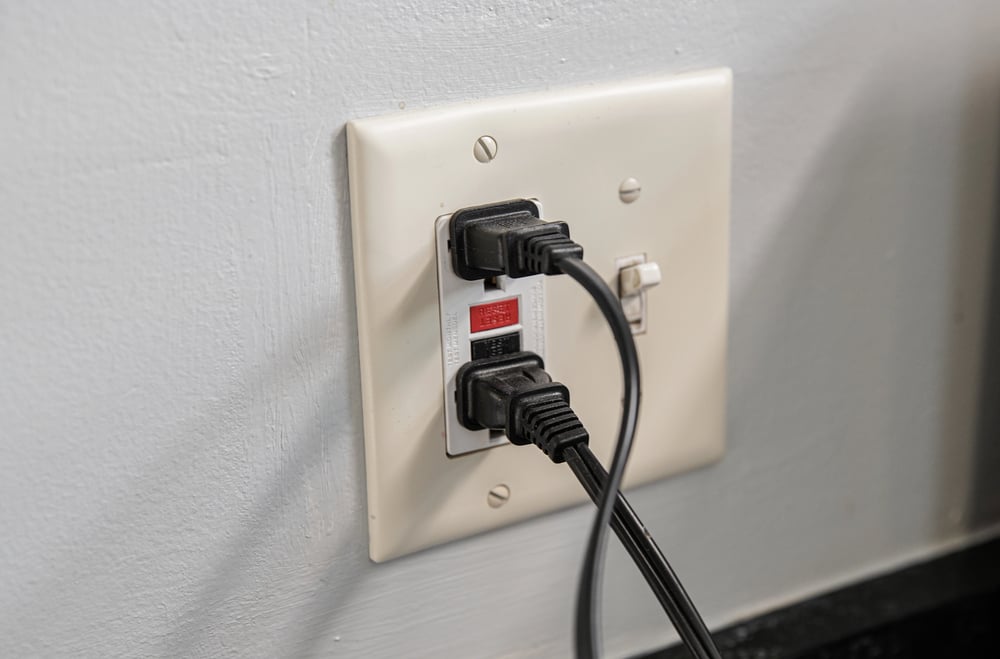
Ground fault circuit interrupters can create electrical hazards when they malfunction or are wired incorrectly. Faulty GFCI outlets sometimes fail to trip when they should — giving users a false sense of protection around water.
Poor installation can also create situations where the outlet appears to work normally but doesn’t provide ground fault protection. Some people have received shocks because they trusted GFCI protection that wasn’t actually functioning properly.
Bicycle Helmets (Early Designs)
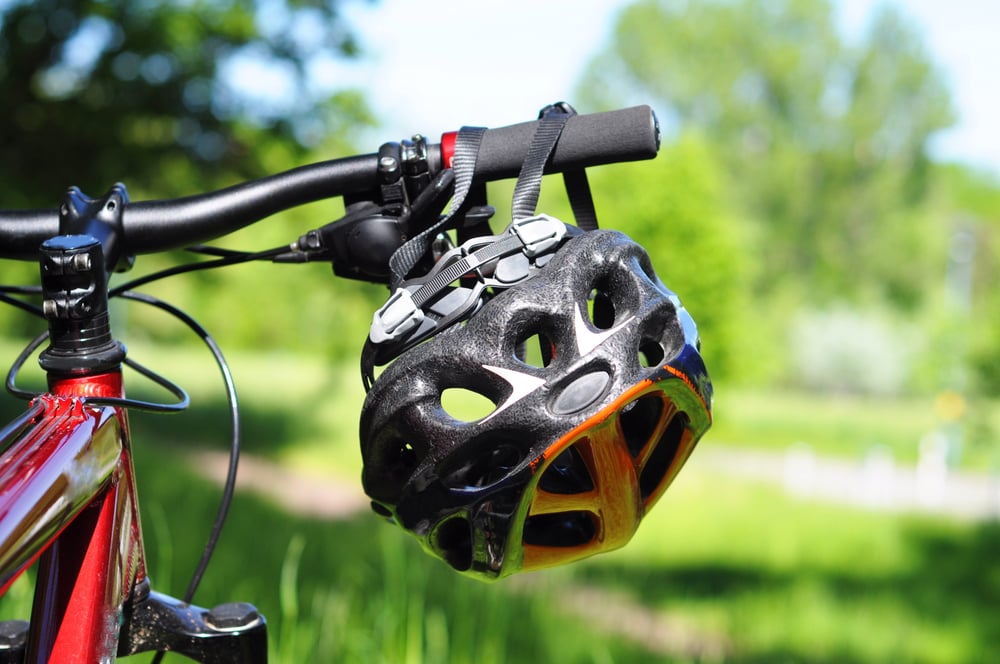
First-generation bicycle helmets could cause neck injuries during certain types of crashes due to their size and shape. The large profile and hard shell could catch on objects or pavement — creating rotational forces that stressed the neck and spine.
Some cyclists suffered cervical injuries that might not have occurred without the helmet’s interference. Modern helmet designs minimize these risks through improved aerodynamics and energy-absorbing materials.
Smoke Detectors
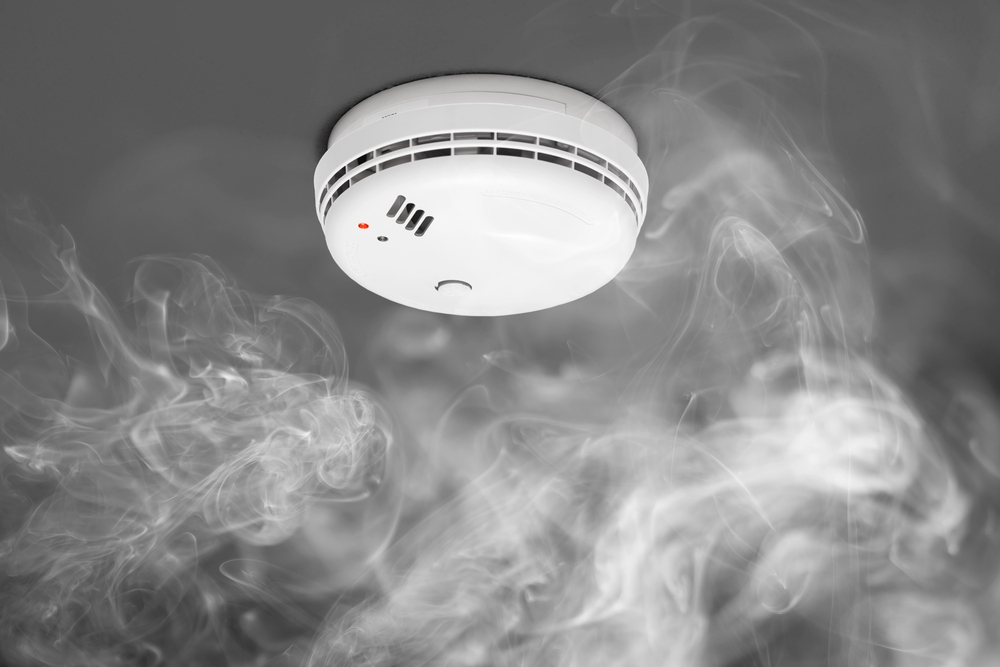
Battery-powered smoke detectors can create dangerous complacency when batteries die without users realizing it. The low-battery chirping is supposed to alert people to replace batteries, yet many residents disable detectors rather than maintaining them properly.
Some people have died in fires because they assumed their smoke detectors were working when the batteries had been dead for months. Hardwired detectors with battery backup help address this issue, though proper maintenance remains essential.
Safety Scissors

Rounded-tip safety scissors can actually be more dangerous than regular scissors because people use them more carelessly around children. The blunt tips prevent puncture wounds but can still cause serious cuts when used improperly.
Parents often allow unsupervised use of safety scissors, not realizing that the cutting edges remain quite sharp. Some children have sustained deeper cuts because adults weren’t monitoring their use of ‘safe’ scissors as carefully.
Car Alarms
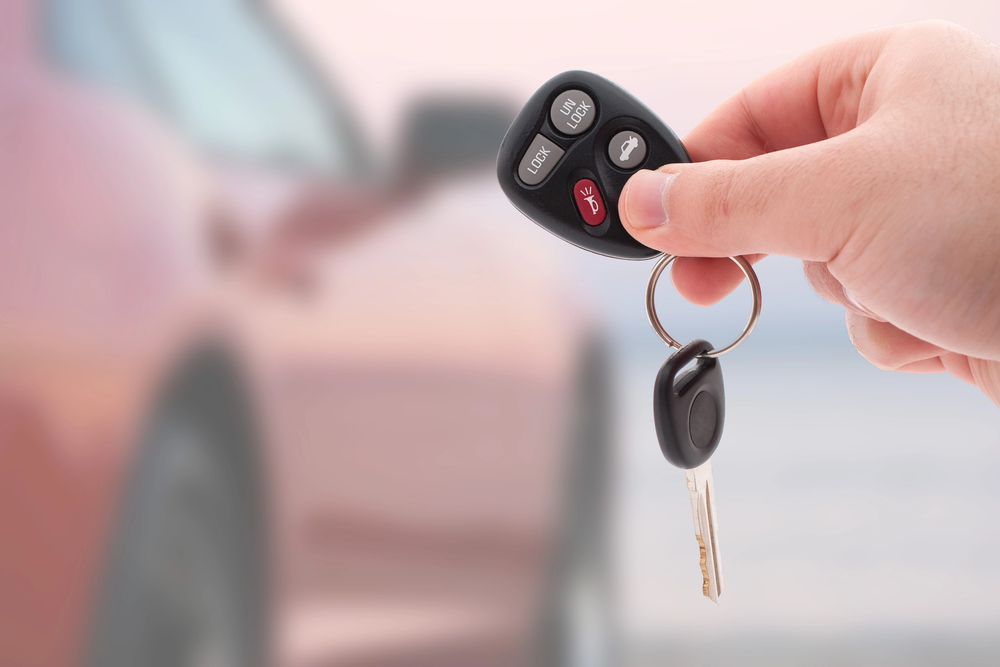
Car alarms have become so common that they rarely alert anyone to actual theft attempts, creating urban noise pollution instead. The frequent false alarms have trained people to ignore the sounds — meaning real break-ins often go unnoticed.
Some thieves have learned to work around alarm systems or even use the noise as cover for their activities. The devices that were supposed to deter crime have essentially become ineffective due to overuse and public desensitization.
Safety Harnesses (Early Industrial)

Early workplace safety harnesses sometimes caused more severe injuries during falls because they weren’t designed to distribute forces properly. Workers would suffer serious internal injuries from the harness itself when fall-arrest systems engaged suddenly.
The straps could cause organ damage or restrict breathing during a suspended fall rescue. Modern harnesses use better materials and designs that spread impact forces across stronger parts of the body.
Childproof Door Knobs

Childproof door knob covers can prevent children from escaping during house fires or other emergencies. These devices make doors difficult for small hands to operate — yet this same feature can trap children in dangerous situations.
Some kids have been unable to exit rooms during fires because they couldn’t manipulate the safety covers. Emergency responders also face delays when these devices slow down rescue efforts in time-critical situations.
Anti-Tip Brackets for Furniture

Furniture anti-tip brackets can create a false sense of security that leads to more dangerous climbing behavior from children. Parents may become less vigilant about supervision because they believe the brackets make furniture completely safe.
The brackets can also fail if not installed properly or if they experience forces beyond their design limits. Some children have been injured when brackets failed during climbing incidents that parents thought were prevented by the safety devices.
Backup Cameras in Vehicles
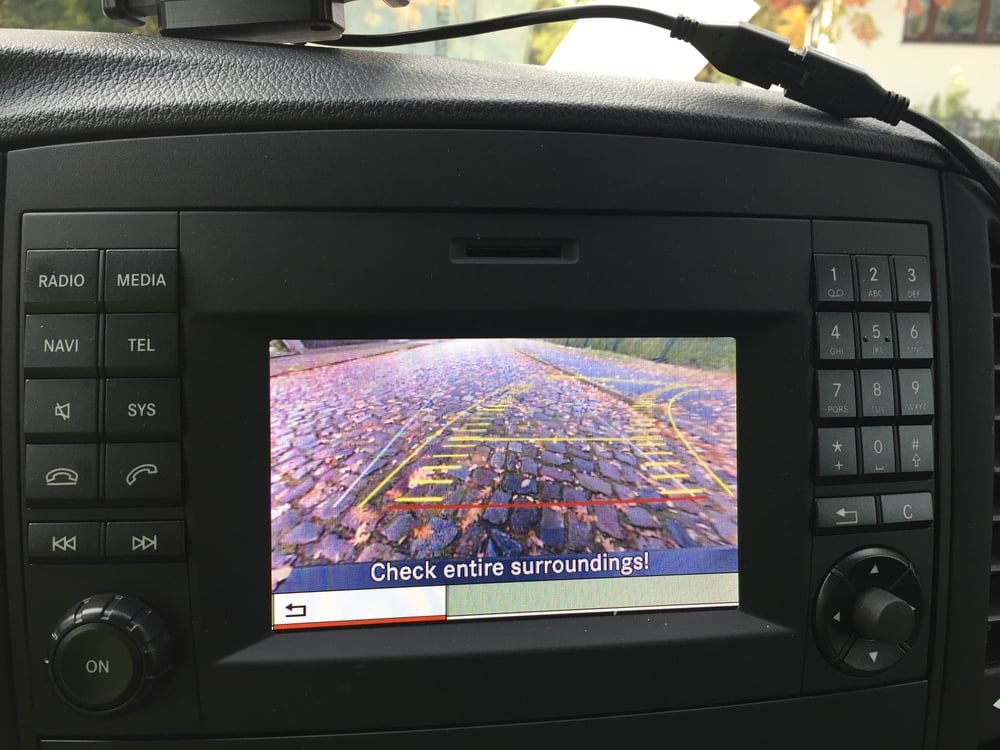
Backup cameras can reduce driver awareness of surroundings by focusing attention on the screen rather than using mirrors and direct observation. Some drivers become overly dependent on camera views and lose the habit of checking blind spots manually.
The cameras can also malfunction or become obscured by dirt, weather, or damage without drivers realizing the loss of visibility. Accidents still occur when drivers trust camera views that don’t show the complete picture around their vehicles.
When Good Intentions Meet Unintended Consequences

Safety technology reflects the engineering knowledge and social priorities of its time, though predicting all possible failure modes proves nearly impossible during development. Many devices work exactly as designed under ideal conditions but struggle with real-world variables like human behavior, environmental factors, and equipment aging.
The challenge lies not just in creating protective technology but in understanding how people will actually use it over time. Modern safety engineering increasingly focuses on fail-safe designs and user education to minimize unintended risks.
The evolution of safety devices demonstrates that protection requires ongoing refinement as we learn from both successes and unexpected failures in the field.
More from Go2Tutors!

- The Romanov Crown Jewels and Their Tragic Fate
- 13 Historical Mysteries That Science Still Can’t Solve
- Famous Hoaxes That Fooled the World for Years
- 15 Child Stars with Tragic Adult Lives
- 16 Famous Jewelry Pieces in History
Like Go2Tutors’s content? Follow us on MSN.