15 Foods Discovered While Exploring New Lands
The age of exploration didn’t just redraw maps and establish trade routes—it completely transformed what people ate around the world. When European explorers set sail for distant shores, they had no idea they’d return with ingredients that would revolutionize cooking forever. These culinary discoveries became so essential to global cuisine that it’s hard to imagine life without them.
Think of exploration as the world’s first international food exchange program, except nobody planned it that way. Here is a list of 15 foods that explorers stumbled upon during their journeys, forever changing how we eat.
Tomatoes
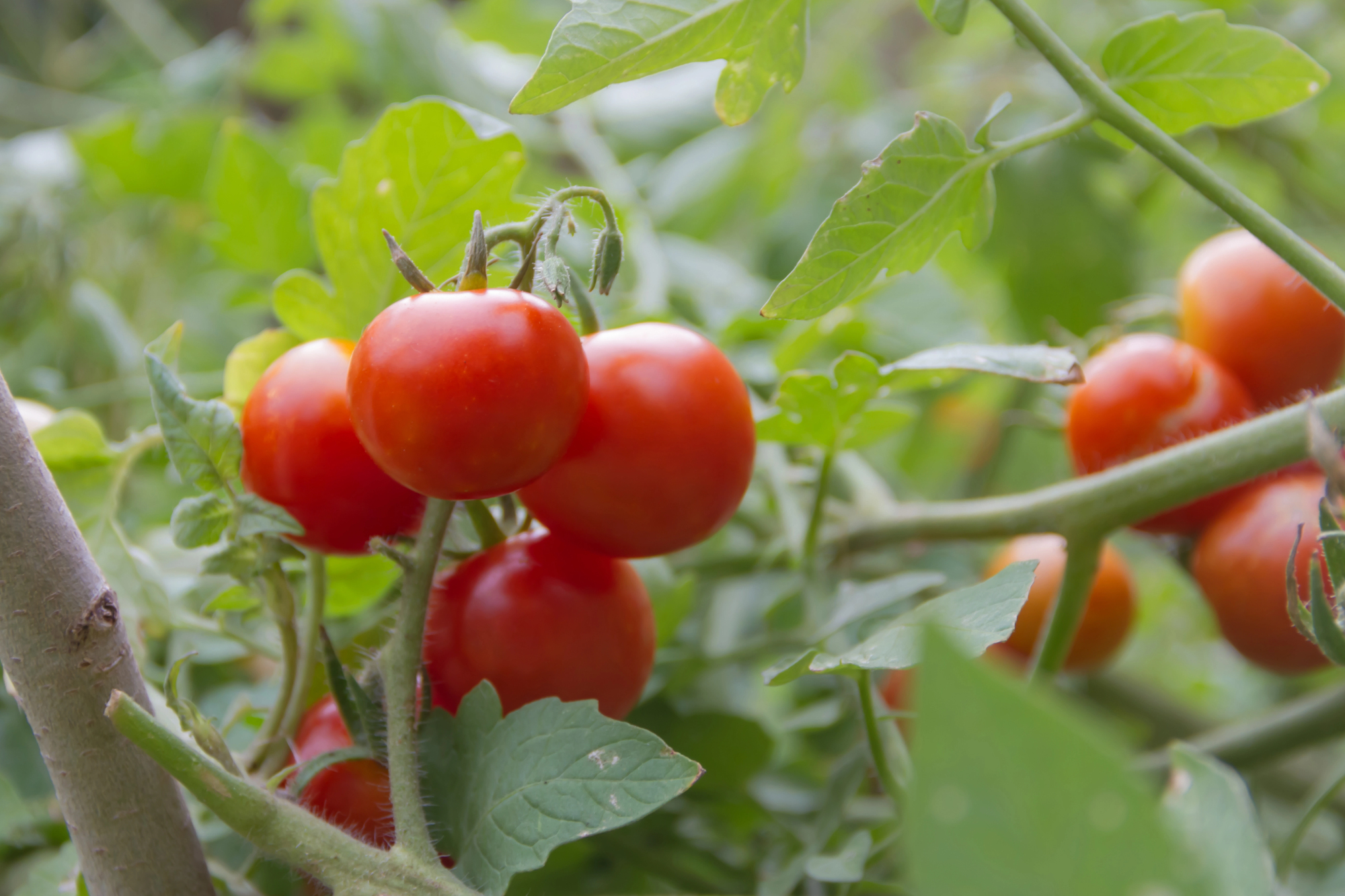
Spanish conquistadors brought tomatoes back from the Americas in the century, but Europeans initially thought they were poisonous because wealthy people got sick after eating them. The real culprit was lead poisoning from their pewter plates, not the tomatoes themselves.
It took nearly years before tomatoes became the foundation of Italian cuisine we know today.
Potatoes
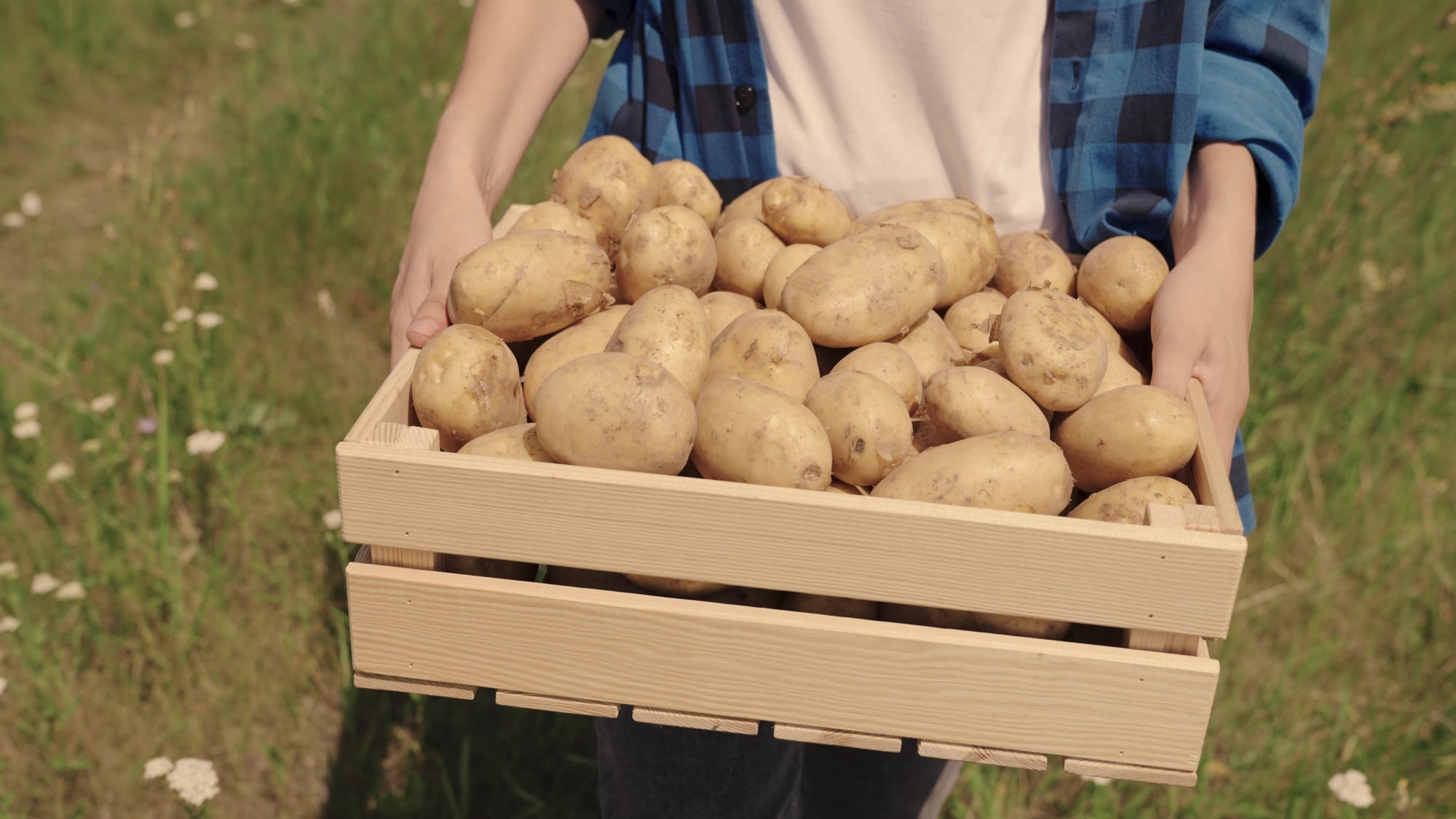
The humble potato traveled from the Andes mountains to Europe with Spanish explorers around, but it faced serious resistance from suspicious Europeans. Many believed potatoes caused leprosy because they resembled diseased hands, while others thought they were fit only for animals.
Antoine-Augustin Parmentier finally convinced the French to embrace potatoes by posting armed guards around his potato fields during the day, then removing them at night so curious locals would ‘steal’ the valuable crop.
Chocolate
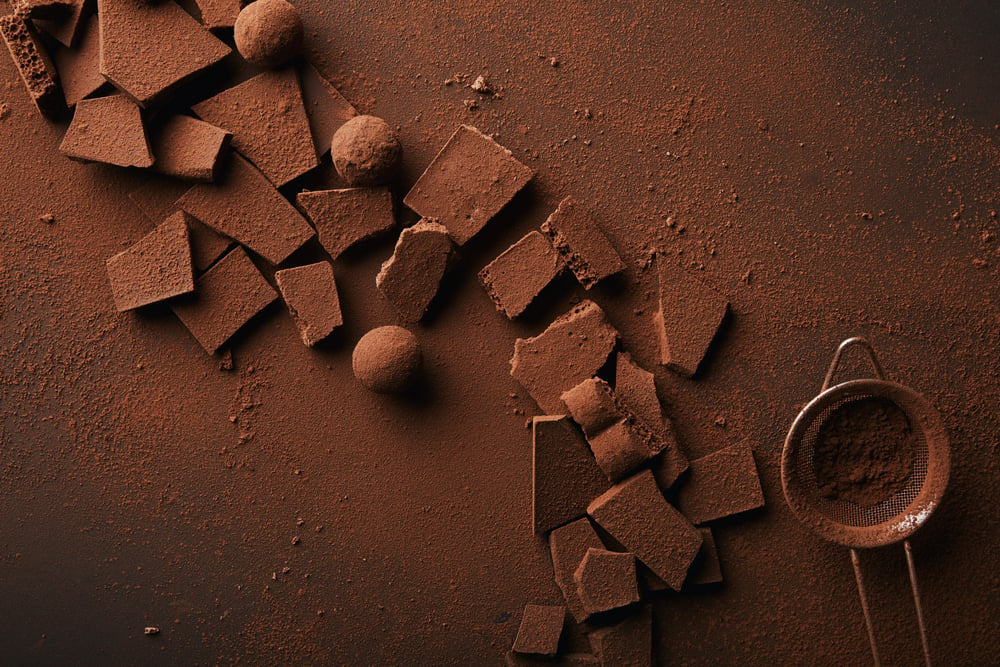
Hernán Cortés encountered chocolate in the Aztec court of Montezuma II, where it was served as a bitter, spicy drink reserved for royalty and warriors. The Aztecs valued cacao beans so highly they used them as currency, with a tomato worth one bean and a turkey worth beans.
Europeans added sugar and milk to create the sweet chocolate we crave today, turning a sacred Mesoamerican beverage into a global obsession.
Vanilla
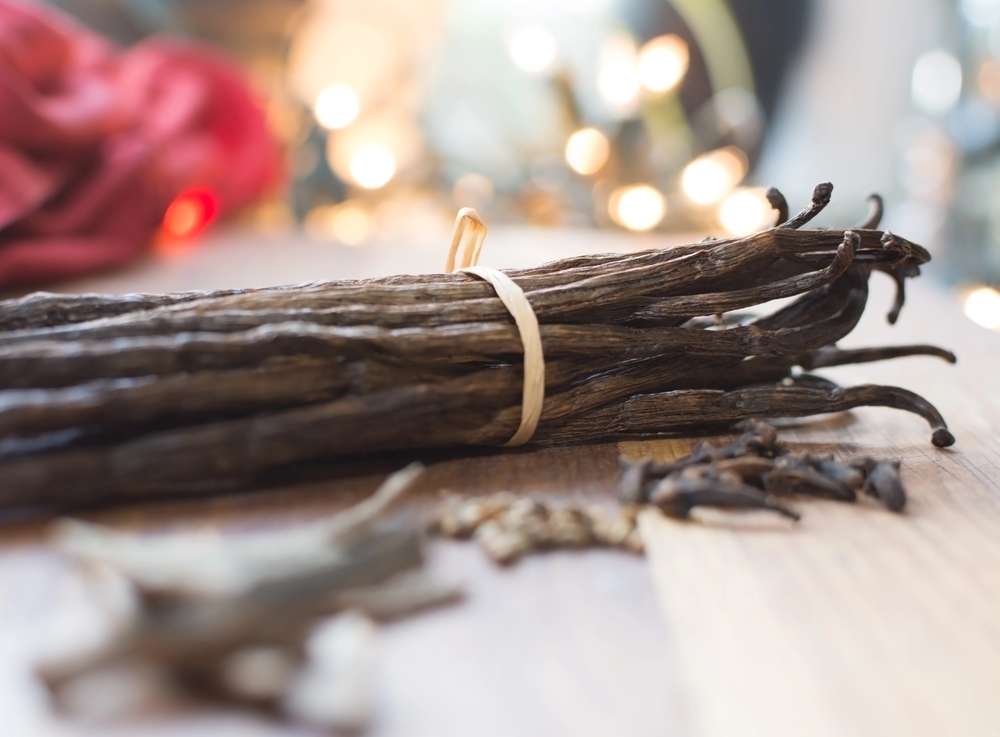
Spanish conquistador Hernán Cortés discovered vanilla orchids in Mexico, where the Totonac people had been cultivating them for centuries. The Totonacs believed vanilla was a gift from the gods, born when Princess Xanat transformed herself into the fragrant vine after being forbidden to marry a mortal.
Europeans couldn’t successfully grow vanilla anywhere else for over years because they didn’t know that a specific Mexican bee was needed for pollination.
Pineapples
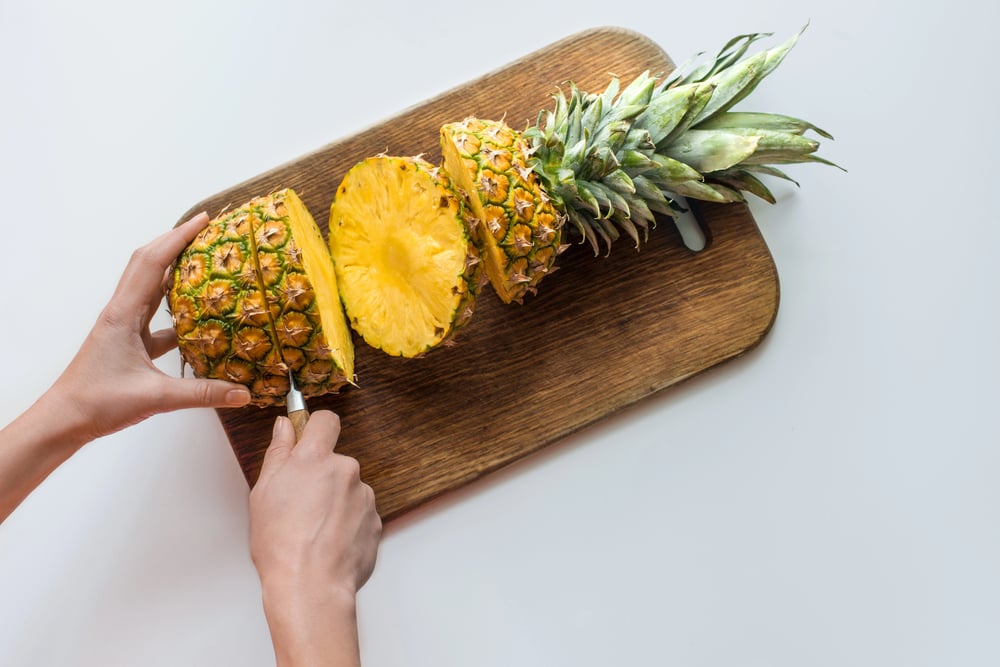
Christopher Columbus first encountered pineapples in Guadeloupe in, where the Carib people used them as symbols of hospitality and friendship. The fruit was so exotic and expensive in Europe that wealthy hosts would rent pineapples for dinner parties to display their sophistication, then return them the next day.
A single pineapple could cost the equivalent of $ in today’s money, making it the ultimate status symbol of the colonial era.
Corn
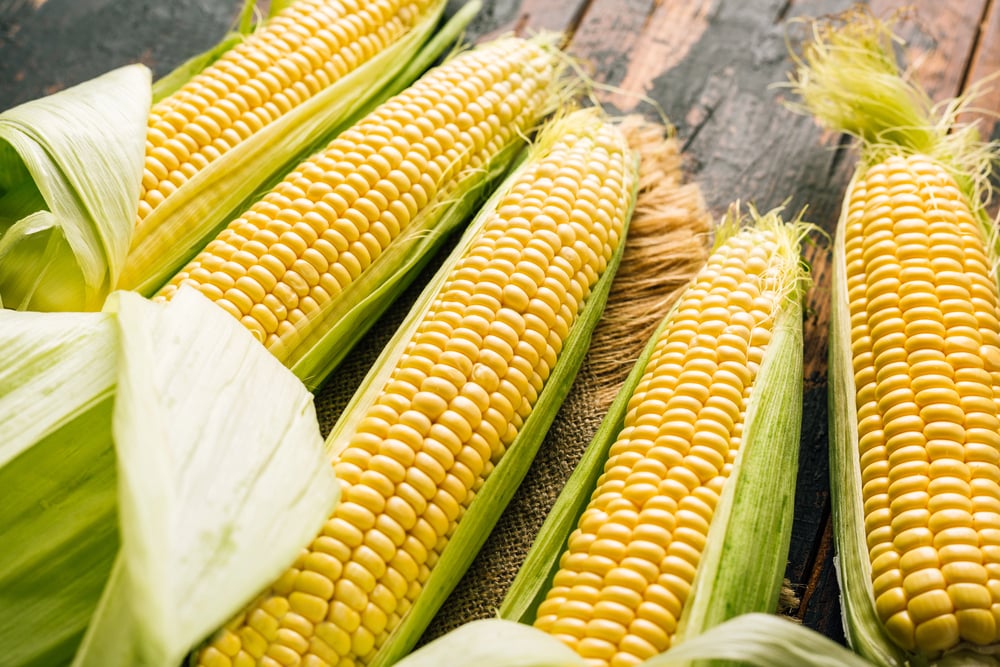
Maize, or corn as Americans call it, was already feeding entire civilizations when Columbus arrived in the New World. Native Americans had developed hundreds of varieties over thousands of years, creating the agricultural foundation that supported complex societies from Mexico to Canada.
European settlers initially dismissed corn as inferior to wheat, but it eventually became one of the world’s most important crops.
Peppers
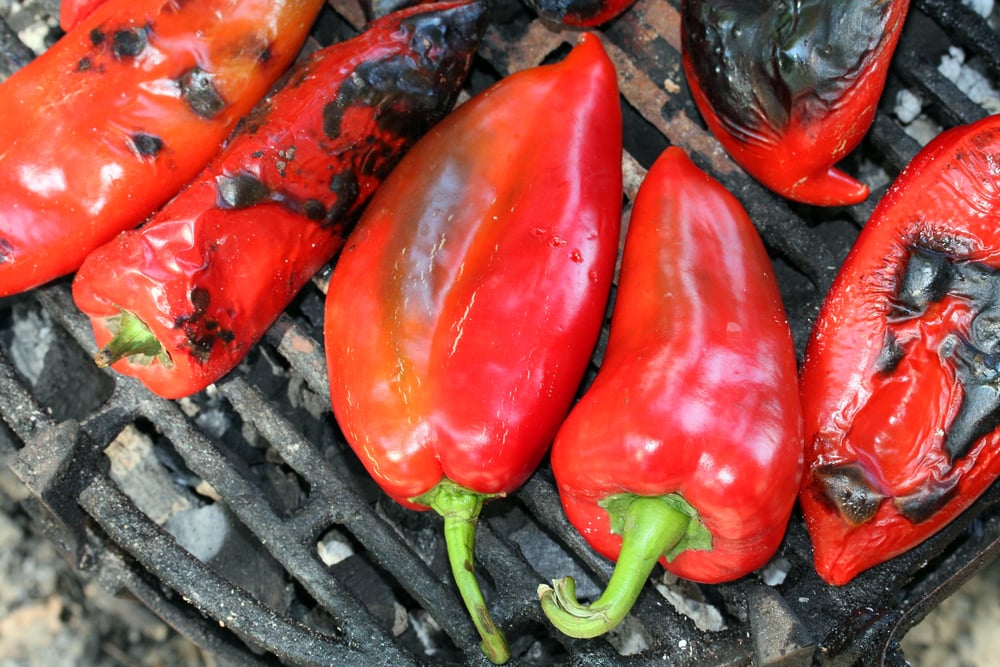
Portuguese traders discovered chili peppers in the Americas and spread them throughout their trading empire, which is why spicy food became integral to cuisines from India to Thailand. These traders were like culinary Johnny Appleseeds, planting the seeds of spicy cuisine wherever they went.
What started as a New World novelty became so essential to Asian cooking that many people assume peppers originated there.
Coffee
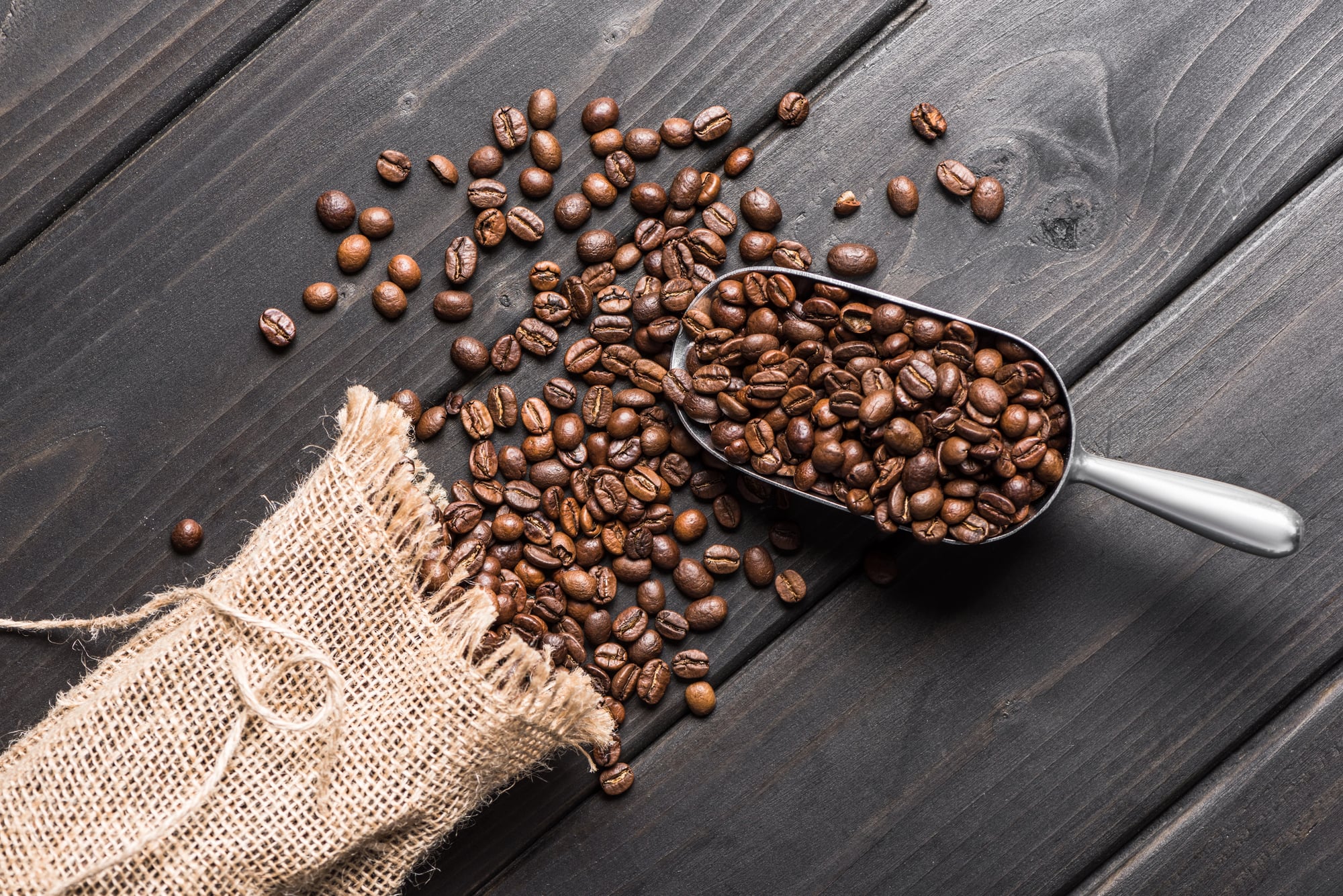
Ethiopian legend claims a goat herder named Kaldi discovered coffee when he noticed his goats became energetic after eating certain berries. Arab traders brought coffee to Yemen in the century, where Sufi monks used it to stay alert during night prayers.
European merchants encountered coffee in Ottoman coffeehouses and brought it back to Europe, where it competed with beer as the breakfast drink of choice.
Tea

Portuguese missionary Father Jasper de Cruz first wrote about tea in China in, describing how the Chinese dried and boiled certain leaves to make a healthful beverage. Dutch traders later established the tea trade route that brought this simple drink to Europe, where it became so popular it sparked international incidents.
The Boston Tea Party happened because tea had become too important to the British economy to let colonists avoid paying taxes on it.
Bananas
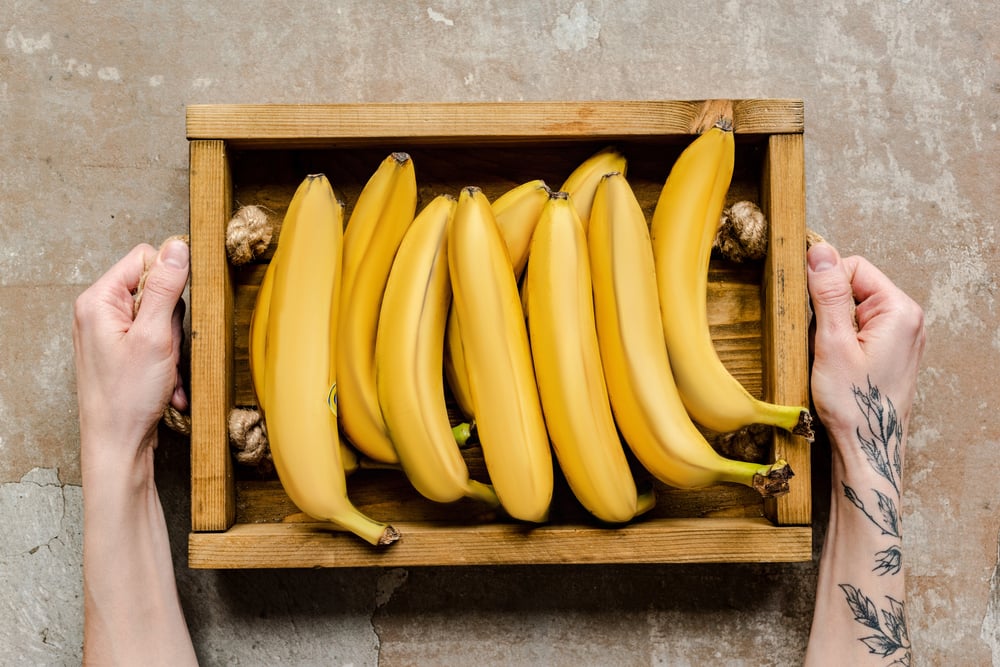
Alexander the Great’s army encountered bananas in India around BCE, but it took Portuguese and Spanish explorers to spread them throughout the tropics. These yellow crescents were so exotic in medieval Europe that they appeared in religious paintings as symbols of paradise and fertility.
Today’s bananas are actually clones of a single variety discovered in Southeast Asia, which is why they all taste exactly the same.
Sugar Cane
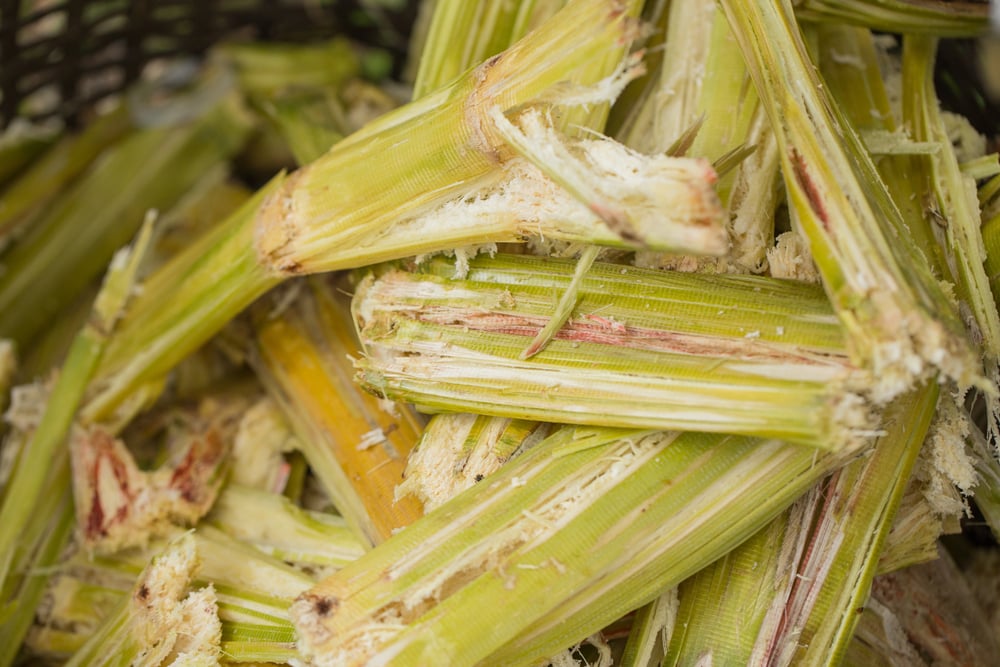
Crusaders returning from the Holy Land brought sugar cane to Europe in the century, calling it ‘white gold’ because it was worth more than its weight in precious metals. Arab traders had already perfected sugar cultivation and refining techniques that made this sweet grass incredibly valuable.
European demand for sugar eventually drove the expansion of plantations across the Caribbean and fueled the tragic Atlantic slave trade.
Cinnamon
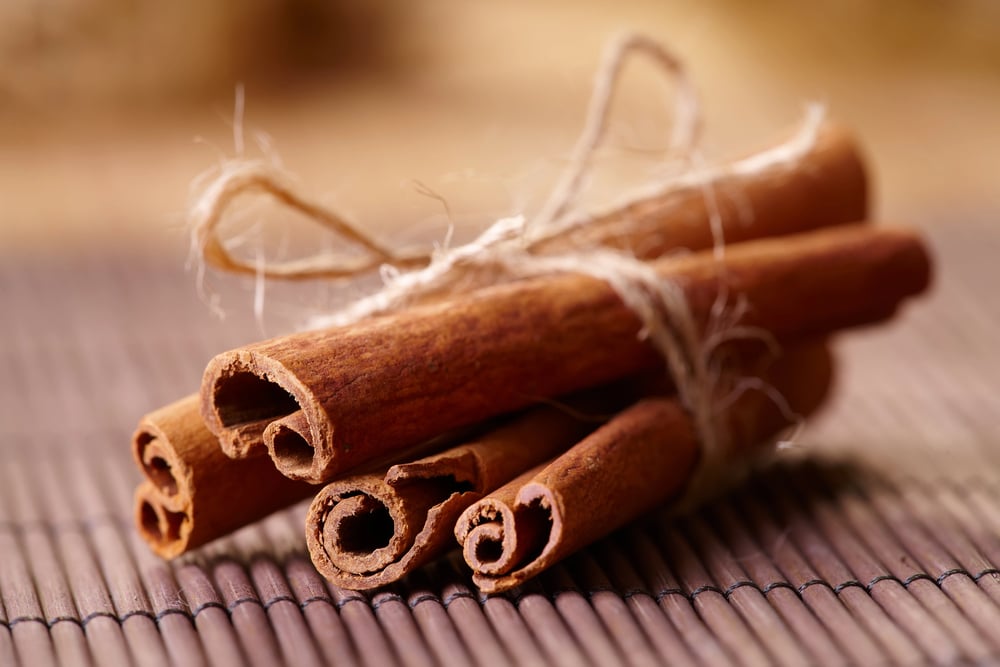
Ancient Romans valued cinnamon so highly that Emperor Nero burned a year’s supply at his wife’s funeral to demonstrate his grief and wealth. Portuguese explorers broke the Arab monopoly on cinnamon when they discovered it growing wild in Ceylon (now Sri Lanka) in the early.
European wars were literally fought over access to this aromatic bark that made food taste better and helped preserve meat.
Black Pepper
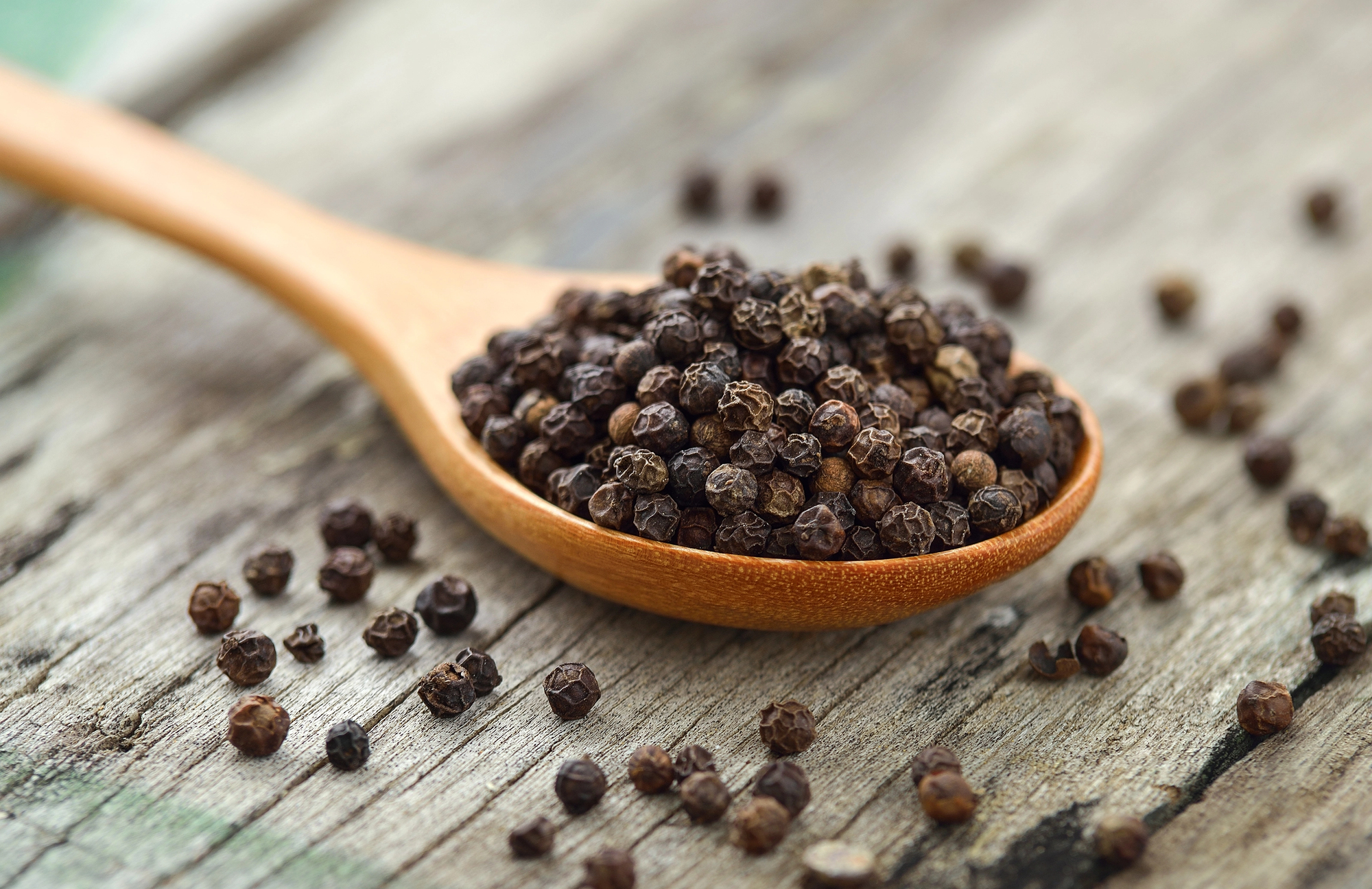
Known as ‘black gold’ in medieval Europe, pepper was so valuable that it was used to pay rent, taxes, and dowries. Portuguese explorer Vasco da Gama’s successful voyage to India in was primarily motivated by the desire to control the pepper trade.
Europeans were willing to sail around Africa and risk their lives because pepper could make spoiled meat palatable and was worth more than silver.
Nutmeg
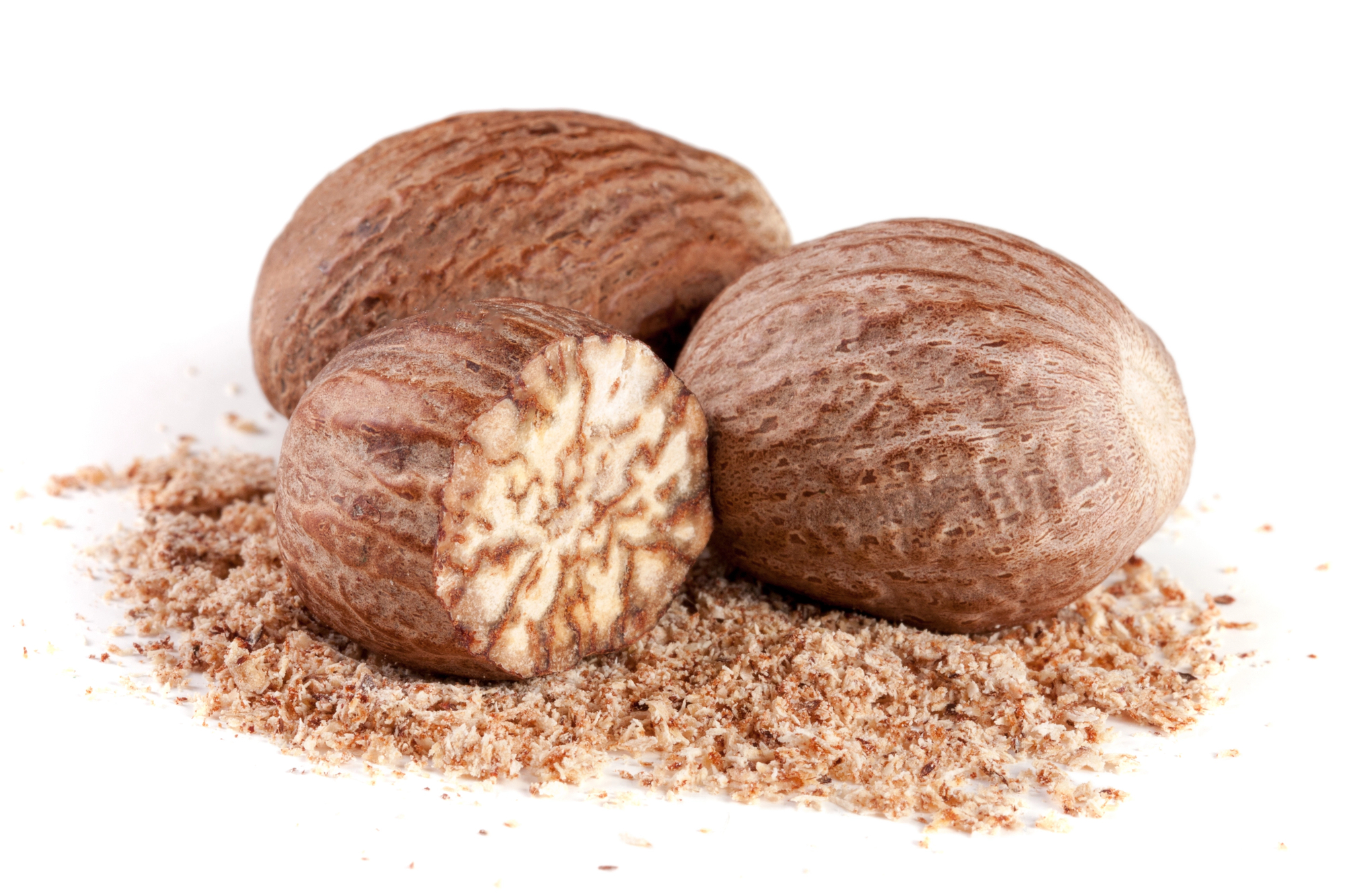
The Dutch fought brutal wars over the tiny Banda Islands in Indonesia because they were the world’s only source of nutmeg and mace. European nobles believed nutmeg could cure everything from the plague to bad breath, making these small seeds incredibly valuable.
The Dutch eventually traded Manhattan to the British in exchange for Run Island, one of the nutmeg-producing Banda Islands, in what might be history’s worst real estate deal.
Avocados
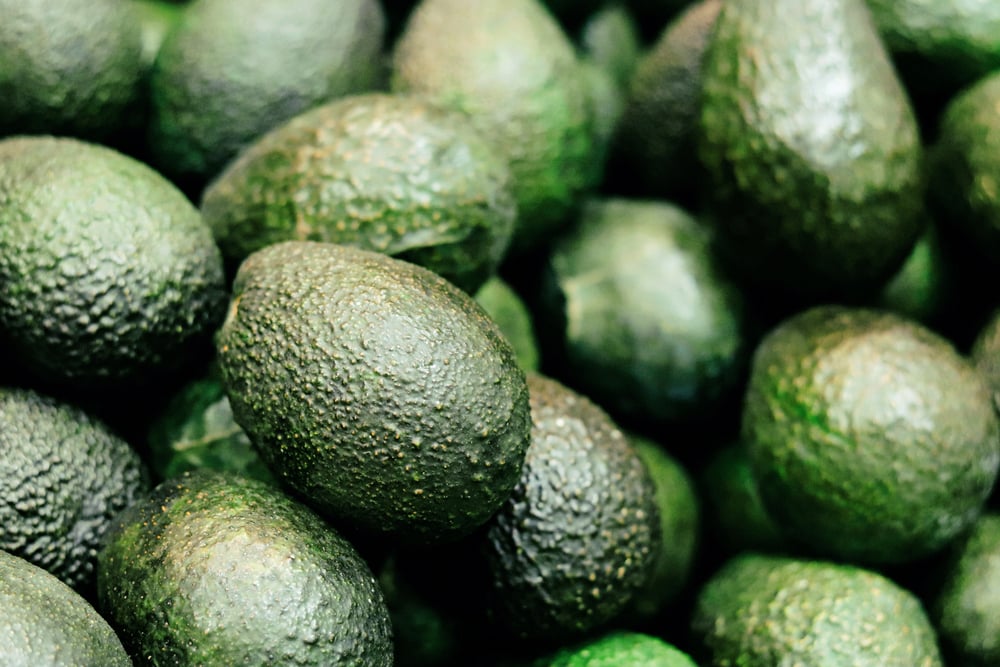
Spanish conquistadors found Aztecs eating avocados, which they called ‘ahuacatl’ because the fruit’s shape reminded them of a certain part of male anatomy. The Aztecs believed avocados had powerful properties and fed them to warriors before battle.
Spanish missionaries were so scandalized by the fruit’s reputation that they tried to ban it, but its creamy texture and rich flavor eventually won over European palates.
From Ship to Table

These culinary discoveries prove that exploration was about much more than finding gold or claiming territory—it was about expanding the human palate in ways that still influence what we eat today. Every pizza, every cup of coffee, and every chocolate bar represents a moment when an explorer decided to taste something unfamiliar and bring it home.
The next time you enjoy any of these foods, you’re participating in a tradition that connects you to adventurous souls who were brave enough to try something new thousands of miles from home.
More from Go2Tutors!

- The Romanov Crown Jewels and Their Tragic Fate
- 13 Historical Mysteries That Science Still Can’t Solve
- Famous Hoaxes That Fooled the World for Years
- 15 Child Stars with Tragic Adult Lives
- 16 Famous Jewelry Pieces in History
Like Go2Tutors’s content? Follow us on MSN.