Stunts That Were Done Without CGI
Movies today lean heavily on computer-generated effects to create action that would otherwise be impossible or too dangerous. Green screens, digital doubles, and visual effects have become the standard way to make superhero landings, exploding buildings, and death-defying jumps.
But some directors and actors refuse to take the easy route. They insist on doing stunts for real, using practical effects, actual locations, and genuine physical danger to create moments that feel completely different from CGI spectacle.
These real stunts require months of planning, specialized equipment, and nerves of steel from everyone involved. The results often look more authentic because they are authentic, and audiences can feel the difference even if they don’t know exactly why.
The people who pulled off these stunts put themselves in actual danger. No amount of digital safety nets could replace what they accomplished.
Tom Cruise Hanging From A Plane

In Mission: Impossible – Rogue Nation, Tom Cruise strapped himself to the outside of an Airbus A400M military transport plane as it took off and flew. The actor performed this stunt eight times to get the perfect shot.
He faced wind, debris, and real risk of mechanical failure during the aircraft’s ascent. Inside the plane, an aluminum truss held the wires that kept Cruise secured, but he was fully exposed to everything that came with flying on the outside of an aircraft.
The wind distorted his vision and made breathing nearly impossible, yet he kept his composure for multiple takes.
The Dark Knight Truck Flip

Christopher Nolan used a steam piston mechanism built inside a garbage truck trailer to flip the massive vehicle end over end on a Chicago street. The stunt driver sat in a steel-lined cab as the piston launched the truck into the air.
They filmed this in Chicago’s Financial District, and the crew had to make sure the street didn’t have drains or underground infrastructure that could be damaged. Watching an 18-wheeler flip completely over in the middle of a real city street created an impact that CGI struggles to match.
The physical weight and destruction felt completely real because it was.
Inception’s Rotating Hallway
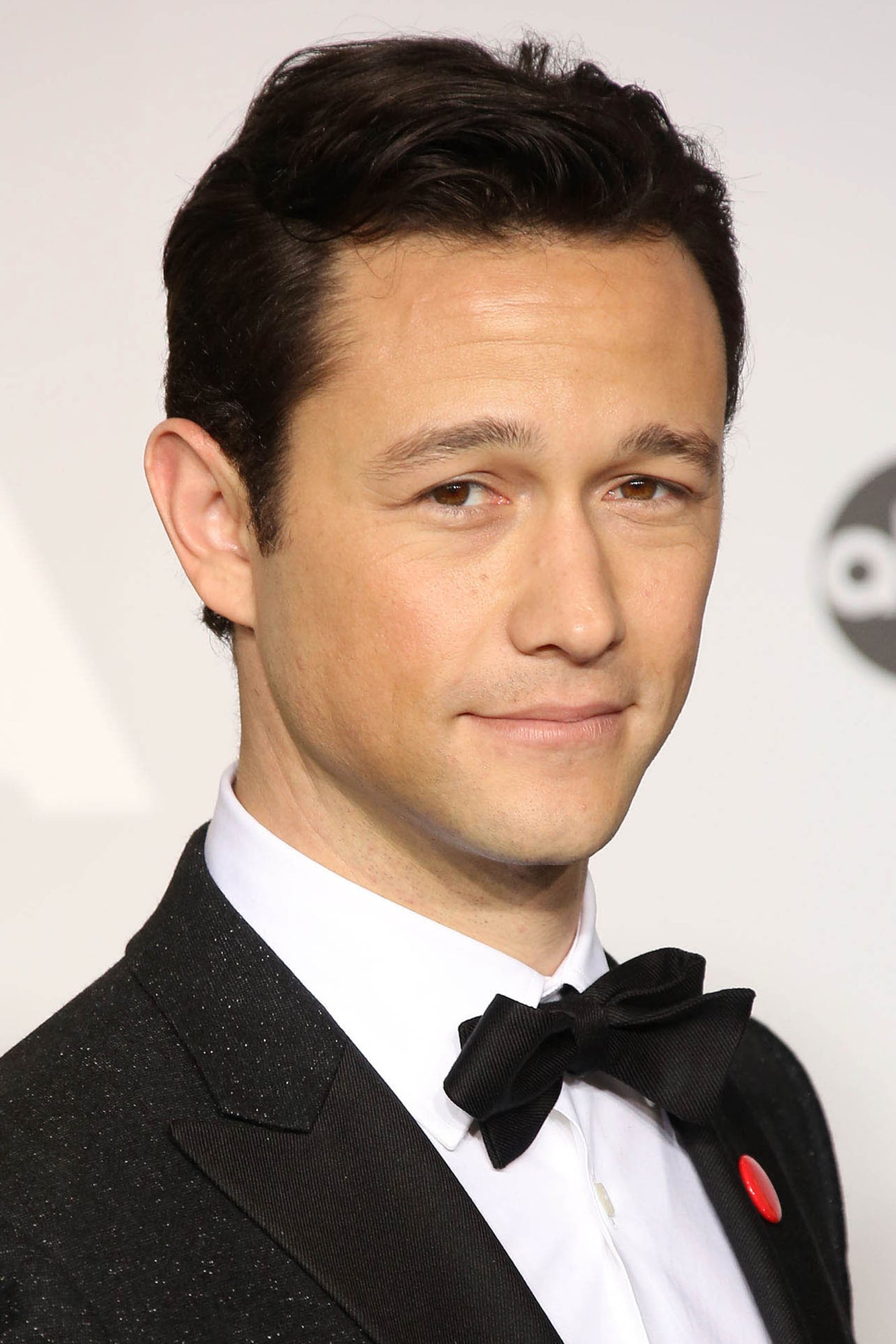
The spinning corridor fight scene in Inception used a giant 100-foot rotating set that worked like a wheel, with cameras mounted to the walls and ceiling. Joseph Gordon-Levitt spent two weeks training on the set, learning to choreograph his movements as the room spun faster and faster.
He sang Bach music in his head to help hit his marks during filming. The actors had to time their movements perfectly as gravity kept shifting around them.
No amount of wire work or CGI could have created the same sense of real physical disorientation that came from actually fighting in a rotating room.
Tobey Maguire’s Lunch Tray Catch
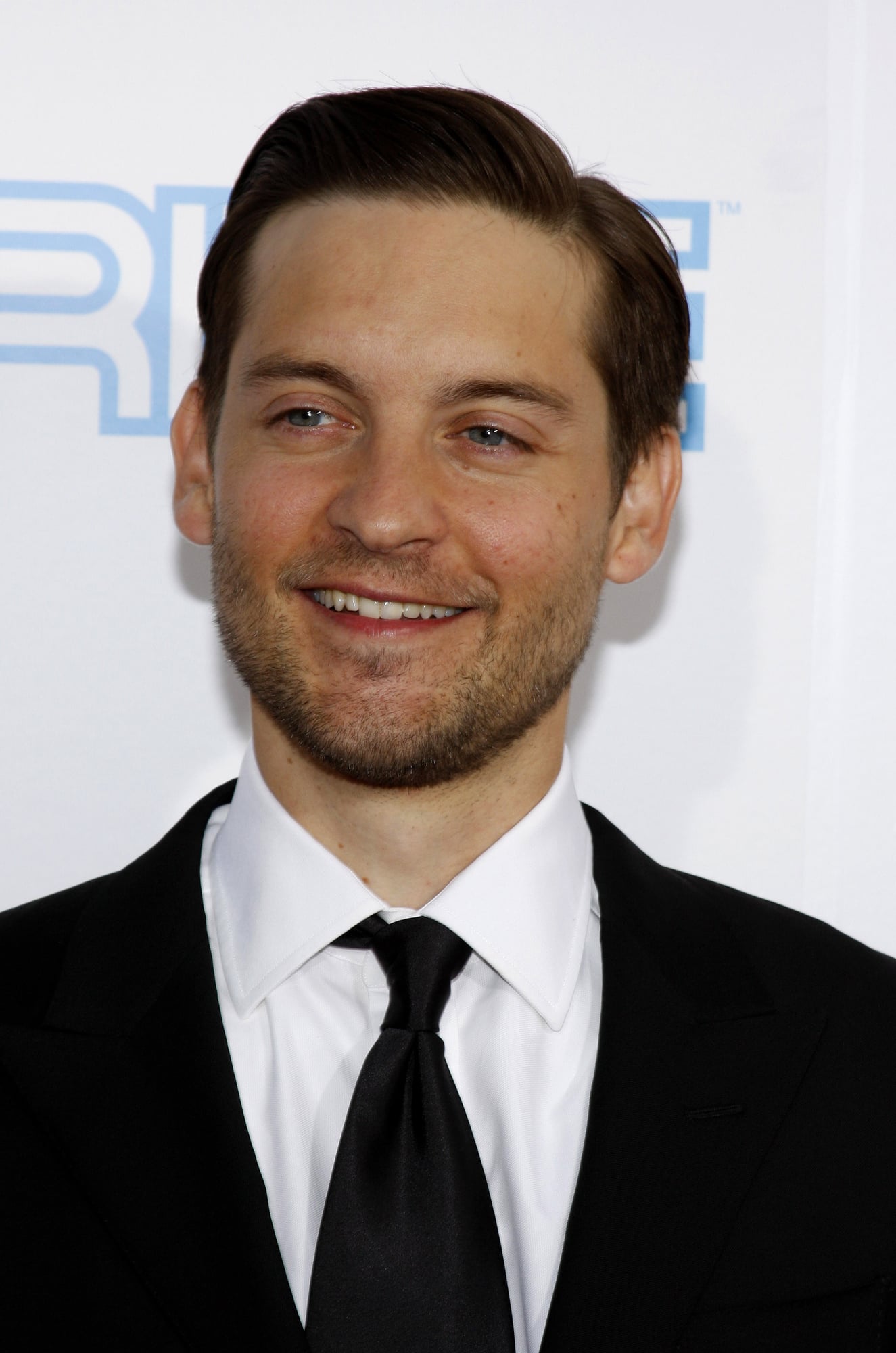
In Spider-Man, Tobey Maguire caught Mary Jane’s falling lunch items on a tray using just his reflexes and some sticky adhesive on his hand. The scene took 156 takes to get right.
Director Sam Raimi kept the cameras rolling as Maguire tried again and again to catch the tray and all the items in one smooth motion. The adhesive helped the tray stick to his hand, but Maguire still had to time everything perfectly to catch the food.
The final take made it into the movie, showing real skill rather than digital trickery.
Mad Max Fury Road Pole Fighters

Stunt coordinator Guy Norris studied Chinese pole routines at Cirque du Soleil, then had their performers train the stuntmen for the Pole-Cat sequences. The performers climbed and fought on flexible poles attached to trucks speeding at 50 miles per hour through the desert.
The five-minute choreographed take required incredible balance and timing as the stuntmen swayed on poles while vehicles crashed around them. George Miller’s insistence on practical effects meant building over 150 custom vehicles that were actually destroyed during filming.
The gritty texture of real metal, real fire, and real stunts made the post-apocalyptic world feel believable.
Buster Keaton’s Train Crash

For the 1926 silent film The General, Buster Keaton drove a real locomotive onto a burning bridge that collapsed under the train’s weight. The engine crashed into the river below in what became the most expensive stunt in silent film history.
No miniatures were used. They destroyed an actual steam engine for one shot.
The wreckage stayed in the river for years afterward, becoming a local tourist attraction. Keaton’s commitment to practical stunts set a standard that modern filmmakers still reference nearly a century later.
Casino Royale’s Crane Jump
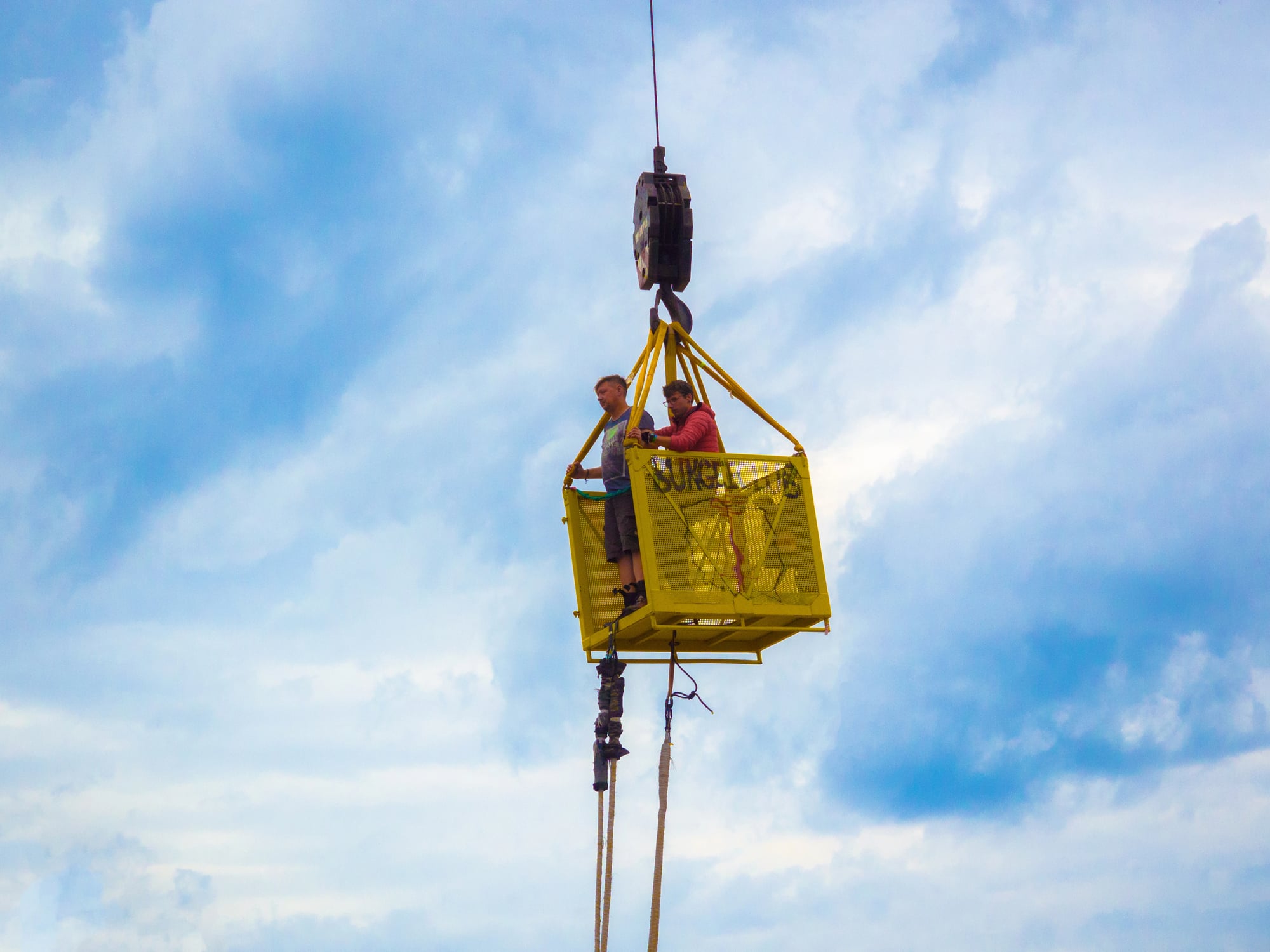
Professional free-runner Sébastien Foucan admitted he was nervous to perform the 100-foot crane jump without safety equipment. The stunt appears early in Casino Royale during a parkour chase scene.
Foucan, who helped create the parkour movement, brought authenticity to the sequence that made James Bond feel more grounded and realistic than previous entries. The crane jump showed audiences that this new Bond would take physical risks that earlier versions avoided.
No wires or digital doubles could replicate the genuine athleticism Foucan displayed.
Independence Day White House Explosion

Director Roland Emmerich built a detailed 5-by-10-foot scale model of the White House, hoisted it on a wooden platform, and blew it up for real. Visual effects supervisor Bob Hurrie said after building such a detailed model, he didn’t know if he really wanted to blow it up.
But they did, capturing one of the most iconic shots in disaster movie history. The miniature was built at a 1:24 scale with incredible attention to detail.
Filming the actual explosion gave the destruction a physical reality that early CGI couldn’t have achieved in 1996.
Tom Cruise Climbing The Burj Khalifa

Tom Cruise climbed on the outside of the Burj Khalifa in Dubai, the tallest building on Earth, hanging 2,722 feet above the ground. Some crew members couldn’t even stand on the floor where the window had been removed because the height was too much for them.
Cruise trained on a heated glass wall because the building’s windows get extremely hot. The harness keeping him safe could make his legs go numb if filming took too long, and the helicopters recording footage could only film for 30 minutes at a time.
Despite these challenges, the final sequence looks effortless.
The Matrix Bullet Time

The famous bullet time effect in The Matrix used stationary cameras arranged in a specific sequence that fired one after another to create a rotating camera effect. Because CGI in 1999 wasn’t advanced enough, the Wachowskis used still shots to achieve the slow-motion look.
While the backgrounds were digitally rendered, the actual bullet time effect came from careful camera placement and timing. The technique revolutionized action cinematography and proved that creative practical solutions could achieve effects that pure CGI struggled with at the time.
Skyfall’s Train Fight

Daniel Craig fought on top of a real moving train for the opening sequence of Skyfall. While a stuntman handled some of the most dangerous parts, Craig performed much of the sequence himself.
Craig improvised the iconic moment where he straightens his shirt cuffs during the fight. The decision to film on an actual moving locomotive added genuine danger and authenticity to the scene.
Modern Bond films embraced this grittier, more realistic approach to action, and practical stunts became a key part of that transformation.
Tenet’s Real Plane Crash

Christopher Nolan bought a retired Boeing 747 jumbo jet and crashed it into a building at Oslo airport. Visual effects supervisor Andrew Jackson confirmed that all of the flames and collapsing structures were real.
Nolan discovered that destroying a real plane would actually cost less than creating the same scene with CGI. The decision resulted in one of the most spectacular practical effects in recent cinema.
Audiences felt the weight and impact of a real airplane hitting a real building because that’s exactly what they were watching.
Dunkirk’s Aerial Dogfights

Christopher Nolan brought in three working Spitfire aircraft to film the aerial combat sequences. Instead of using models or CGI planes, real vintage fighters performed the dogfight maneuvers.
Cameras were mounted in the cockpits and on other aircraft to capture the action from multiple angles. The authentic aircraft added historical accuracy and visceral reality to the World War II story.
The noise, movement, and presence of real Spitfires gave the aerial sequences a weight that digital recreations couldn’t match.
Jurassic Park’s Kitchen Raptors

Stan Winston Studio supervisor John Rosengrant performed in a Velociraptor suit for the terrifying kitchen chase scene. Rosengrant studied raptor behavior to make his performance realistic and worked with a personal trainer to hold the hunting pose for extended periods.
The combination of animatronics, practical suits, and limited CGI made the dinosaurs feel present and tangible. Only about six minutes of Jurassic Park actually used CGI.
The rest relied on practical effects that still hold up decades later, while many CGI-heavy films from the same era look dated.
Tom Cruise’s Underwater Breath Hold

For Mission: Impossible – Rogue Nation, Tom Cruise trained with a professional freediver to hold his breath underwater. He eventually held his breath for 6 minutes and 30 seconds while performing the scene and waiting for air bubbles to clear.
The stunt coordinator brought Cruise up early on several occasions because he stayed down too long, and Cruise complained that he was in the middle of acting. The physical and mental challenge of performing while holding your breath for that long added genuine tension to the sequence that audiences could sense.
Fast And Furious 6 Tank Chase
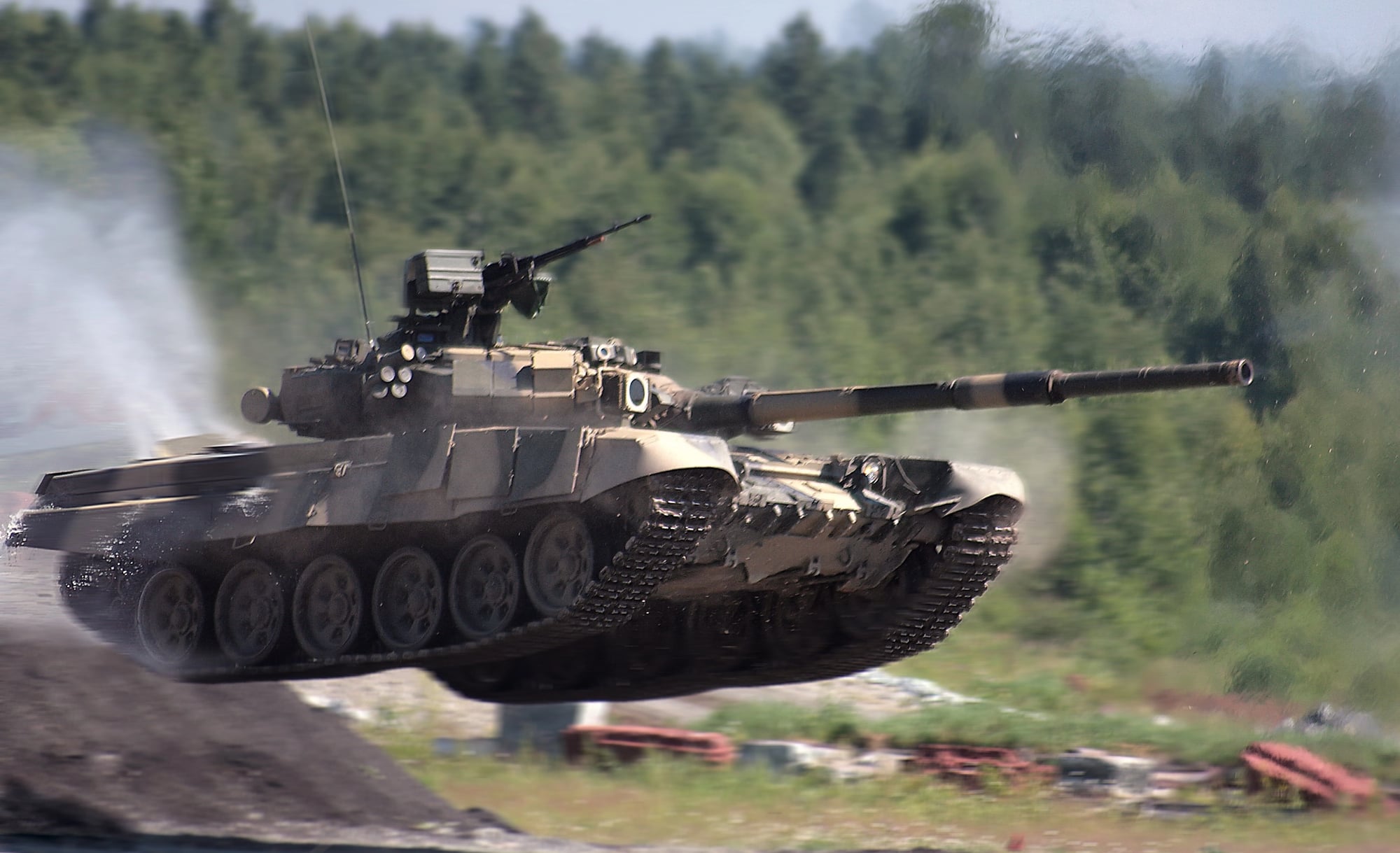
The production received special permission to have a tank destroy cars along a Spanish highway. Real vehicles were crushed as the tank plowed through traffic in an extended action sequence.
The Fast and Furious franchise became known for practical vehicle stunts mixed with CGI enhancements. Audiences responded to the franchise’s commitment to destroying real cars and performing genuine driving stunts.
The tank sequence showed that even in an era of digital effects, there’s still value in actual vehicular mayhem.
Tom Cruise’s High Altitude Jump

Up in the sky at 25,000 feet, Tom Cruise made movie history by doing a HALO jump himself for Mission: Impossible – Fallout. Instead of hiding behind effects, they built a custom oxygen mask so viewers could see his face mid-fall.
Light lasted just under four minutes daily, which meant over a hundred tries before everything aligned. Even though he had hurt his foot during another scene, he still jumped.
Because the team insisted on filming it for real, the moment stands out as something few films have matched.
Fitzcarraldo’s Steamship Over A Mountain

A massive steamship, weighing 320 tons, was dragged uphill through dense jungle by filmmaker Werner Herzog while shooting Fitzcarraldo in 1982. Not a replica – this vessel worked just like any real riverboat of its time.
Injuries struck several workers during the risky feat, some hurt badly enough to leave lasting marks. Today, rust eats into the ship’s frame where it lies abandoned deep in the forest.
Driven by a need for truth on screen, Herzog took chances modern crews wouldn’t dream of repeating. He once said, half-smiling, that hauling a boat across a mountain ought to happen at least once per lifetime.
Still, almost nobody has tried.
When Real Becomes Rare

Stunts done for real now seem rare, so filmmakers using them gain attention for actions once considered normal. Because computer graphics provide security, precision, and visions beyond reality, they dominate today’s screens – yet a vital spark fades.
Real impacts carry gravity, risk, true texture; feelings fake collisions rarely reach. People such as Tom Cruise or filmmaker Christopher Nolan earn trust by choosing actual explosions over pixels, showing many viewers prefer truth in motion.
Even as digital tools grow sharper, blurring lines further, one thought lingers – not if physical stunts vanish, rather if anyone later will notice the gap at all.
More from Go2Tutors!

- The Romanov Crown Jewels and Their Tragic Fate
- 13 Historical Mysteries That Science Still Can’t Solve
- Famous Hoaxes That Fooled the World for Years
- 15 Child Stars with Tragic Adult Lives
- 16 Famous Jewelry Pieces in History
Like Go2Tutors’s content? Follow us on MSN.