15 Restaurant Trends That Failed Spectacularly
The restaurant industry has always been a testing ground for bold ideas, creative concepts, and ambitious ventures. From themed dining experiences to revolutionary cooking methods, entrepreneurs and established chains alike have consistently pushed boundaries in their quest to capture diners’ attention and wallets. However, not every innovative concept translates into lasting success.
Here is a list of 15 restaurant trends that crashed and burned despite initial excitement and investment.
Molecular Gastronomy for the Masses

Molecular gastronomy promised to transform ordinary ingredients into extraordinary experiences through scientific techniques like spherification and liquid nitrogen. While fine dining establishments could justify the complex preparation and premium pricing, casual restaurants struggled to make foam-filled dishes profitable.
The novelty wore off quickly when diners realized they were paying premium prices for what often amounted to tiny portions of deconstructed familiar foods. Most chain attempts at molecular gastronomy disappeared within a few years as customers returned to restaurants that prioritized flavor over scientific spectacle.
All-You-Can-Eat Buffet Chains
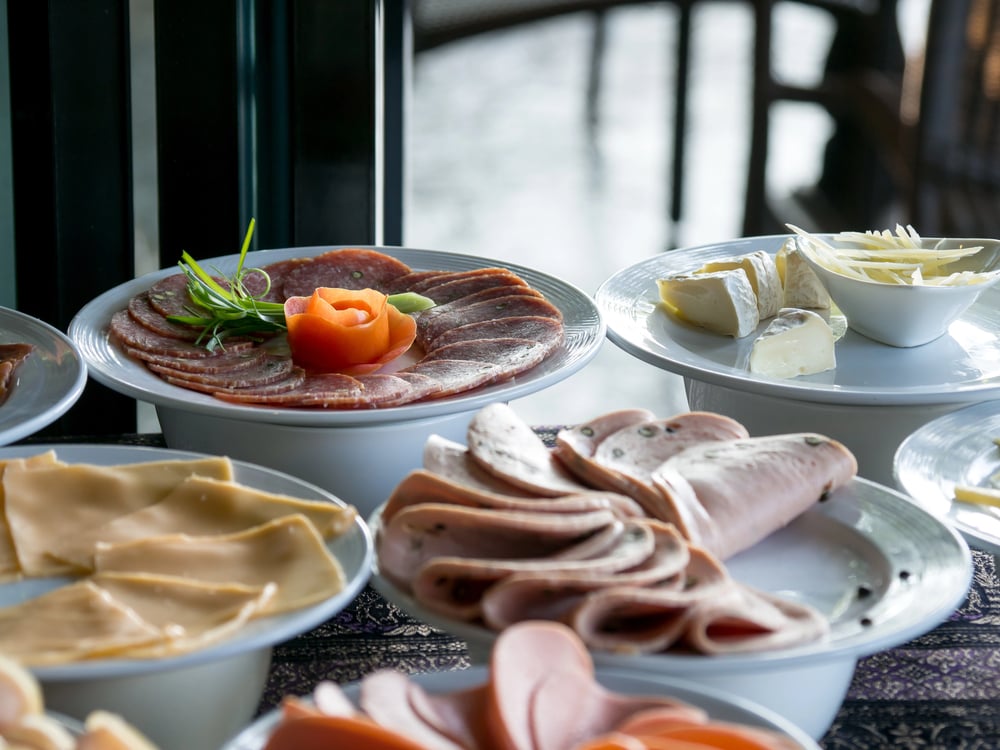
The golden age of buffet restaurants seemed unstoppable during the 1990s and early 2000s, with chains like Golden Corral and Sizzler expanding rapidly across America. These establishments promised variety and value, allowing customers to sample multiple dishes for one fixed price.
However, rising food costs, health department regulations, and changing consumer preferences toward fresher, made-to-order meals gradually eroded their appeal. The final blow came during the pandemic when health concerns made communal food service nearly impossible, forcing many buffet chains into bankruptcy or permanent closure.
Interactive Dining Technology
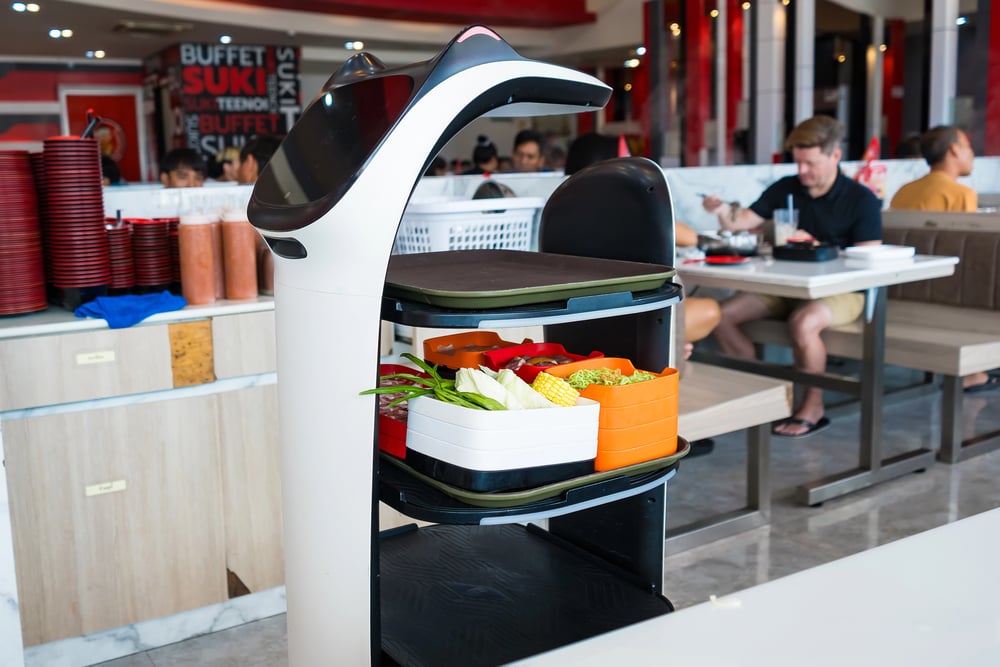
Restaurants invested heavily in tabletop tablets, ordering apps, and interactive entertainment systems, believing technology would revolutionize the dining experience. Chains like Chili’s introduced tablet ordering at every table, while others added games and digital menus to attract tech-savvy customers.
The reality proved far more complex than anticipated, with devices frequently malfunctioning, customers finding them impersonal, and maintenance costs exceeding projections. Many establishments discovered that diners preferred human interaction over digital interfaces, leading to the quiet removal of most interactive dining technology within a few years.
Gourmet Food Trucks Going Brick-and-Mortar
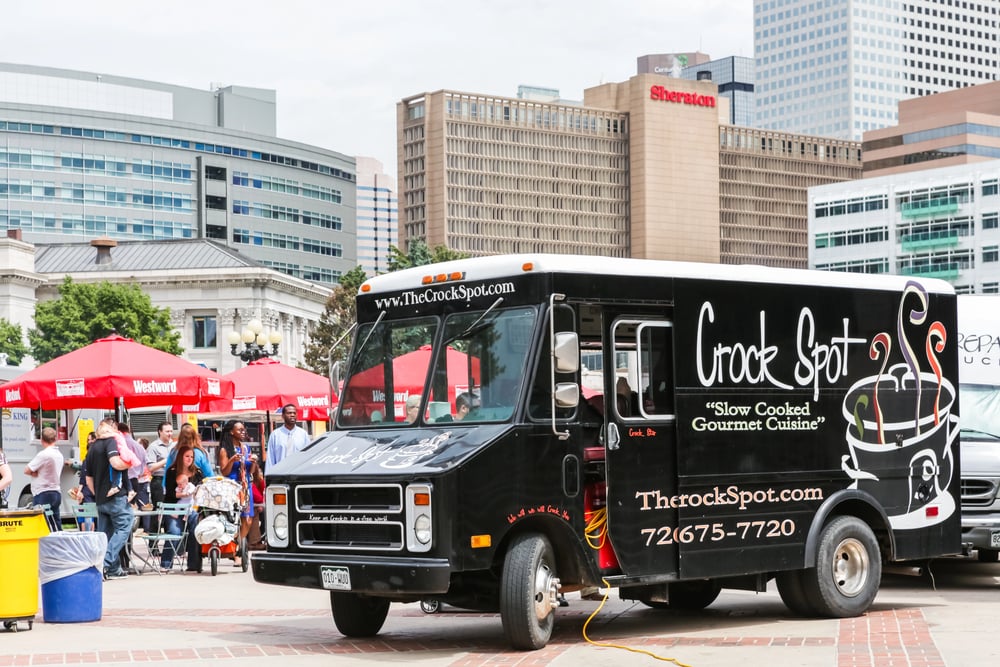
The food truck revolution created numerous success stories of mobile vendors serving high-quality cuisine at affordable prices. Naturally, many successful food truck operators attempted to transition into permanent restaurant locations, believing their loyal following would translate into steady brick-and-mortar business.
However, the overhead costs, rent, and operational complexity of traditional restaurants proved dramatically different from mobile operations. Many discovered that their customers appreciated the convenience and novelty of food trucks rather than the specific cuisine, leading to failed restaurant ventures even when the original trucks remained successful.
Build-Your-Own Everything Concept
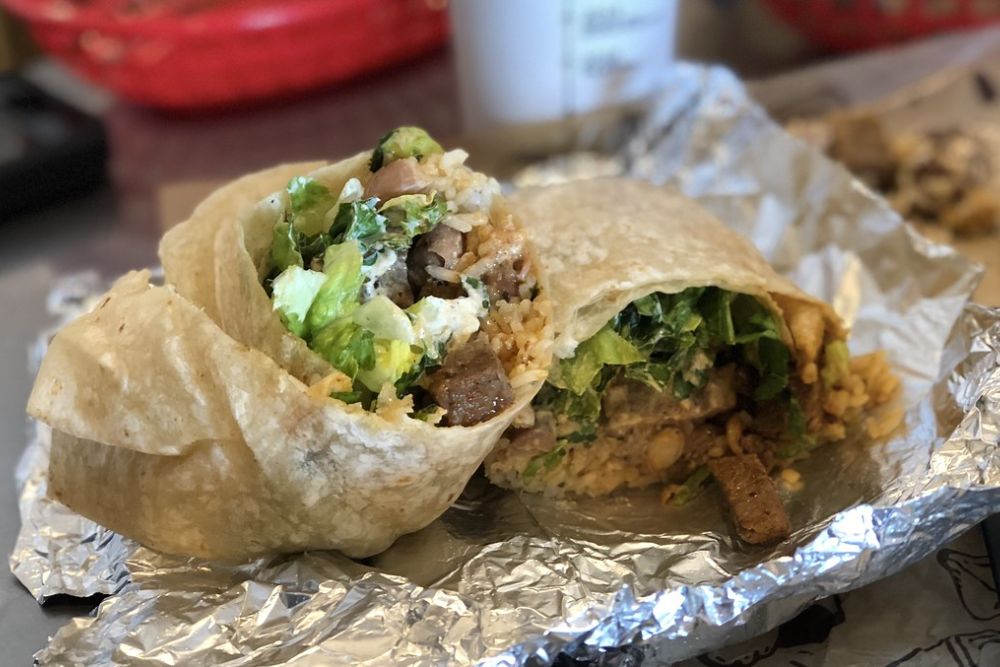
Following the success of Chipotle’s build-your-own burrito model, restaurants attempted to apply the customization concept to virtually every type of cuisine imaginable. Build-your-own pizza, salad, stir-fry, and even dessert chains sprouted nationwide, promising unlimited personalization for every meal.
The problem emerged when restaurants realized that most customers actually prefer curated menu options rather than making dozens of decisions for a single meal. The paradox of choice overwhelmed diners, while operational complexity and ingredient waste made these concepts financially unsustainable for most operators.
Extreme Portion Sizes as Marketing Gimmicks
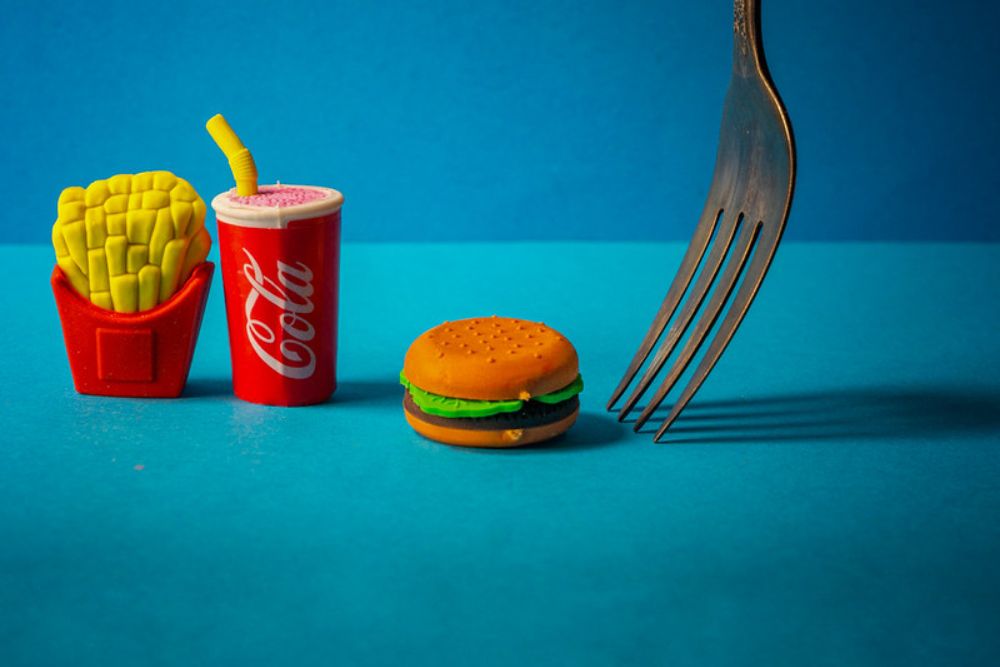
Restaurants began competing on sheer volume, offering massive portions designed more for social media attention than actual consumption. Establishments served 72-ounce steaks, pizza slices larger than dinner plates, and milkshakes that required two hands to lift.
While these extreme portions generated significant publicity and viral marketing, they proved economically disastrous as food costs skyrocketed and most customers couldn’t finish their meals. The trend also coincided with growing health consciousness, making these indulgent offerings increasingly tone-deaf to consumer preferences.
Pop-Up Restaurant Permanence

Pop-up restaurants originally succeeded because of their temporary, exclusive nature that created urgency and excitement among diners. However, many operators tried to capitalize on their pop-up success by establishing permanent locations, fundamentally misunderstanding what made their concept appealing.
The scarcity and novelty that drove customers to pop-ups disappeared when these restaurants became regular fixtures in the dining landscape. Most permanent pop-ups failed to maintain their original customer base while struggling to attract new diners who had missed the initial excitement.
Dinner Theater Chains
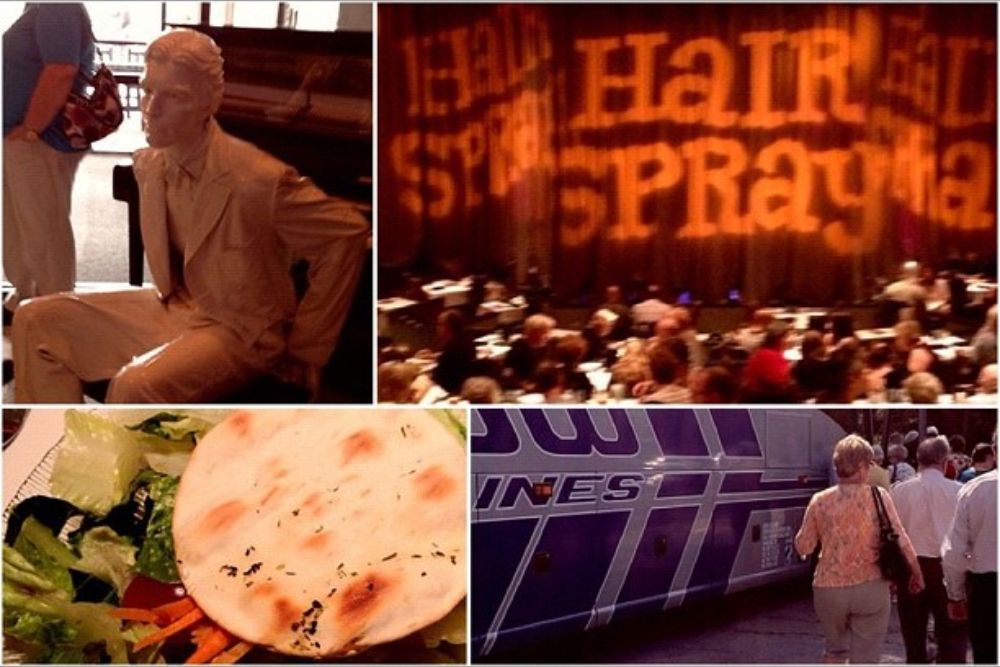
Dinner theater seemed like the perfect combination of entertainment and dining, offering customers a complete evening experience in one location. Chains attempted to scale this concept nationally, featuring everything from murder mysteries to Broadway-style productions alongside multi-course meals.
The operational complexity proved overwhelming, as restaurants had to excel at both food service and entertainment production simultaneously. Most locations discovered that dividing attention between dining and performance resulted in mediocre experiences in both areas, leading to rapid closures across the industry.
Healthy Fast Casual Overexpansion
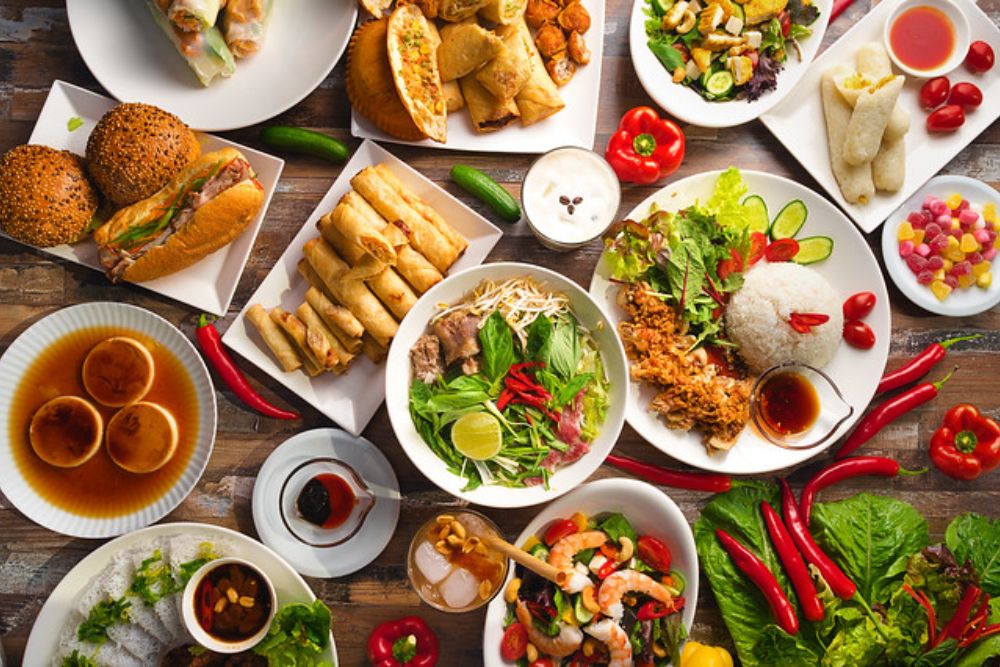
The success of early healthy fast-casual chains like Sweetgreen convinced investors that Americans were ready to abandon traditional fast food for nutritious alternatives. Venture capital flooded into salad bars, quinoa bowls, and vegetable-forward concepts, leading to rapid expansion without proper market research.
However, the addressable market for premium healthy fast food proved much smaller than projected, with most locations struggling to attract sufficient customer volume. Rising ingredient costs for organic and locally-sourced produce made profitability nearly impossible at fast-casual price points.
Automated Cooking Systems
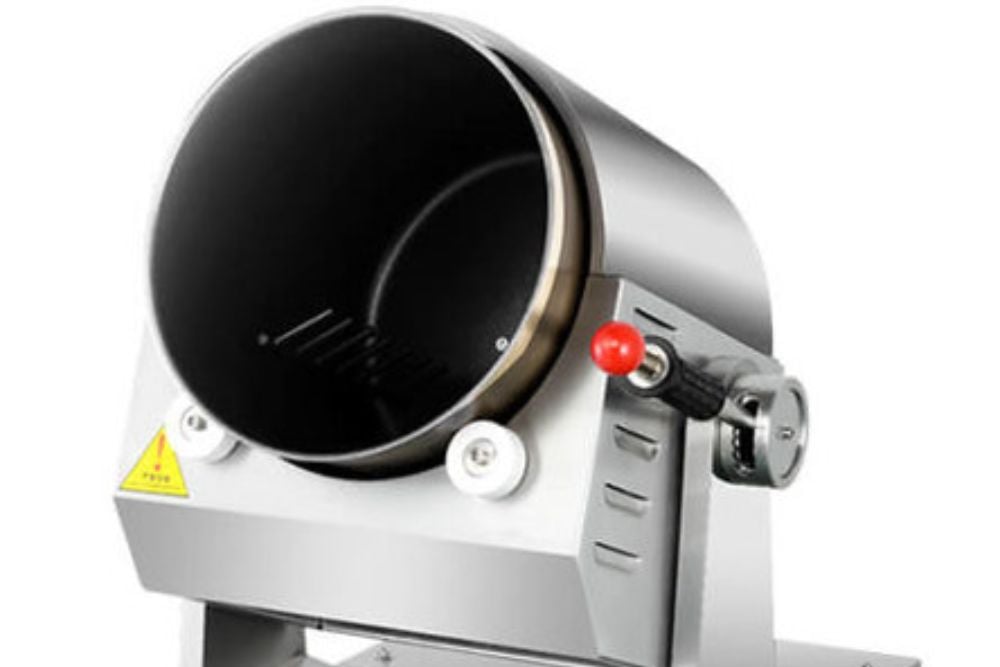
Restaurants invested millions in automated cooking equipment, promising consistent quality while reducing labor costs and human error. Robotic burger flippers, automated pizza makers, and computerized fryers were supposed to revolutionize kitchen operations.
The technology proved unreliable in real-world restaurant environments, frequently breaking down during peak service periods and requiring expensive specialized maintenance. Customers also noticed the difference in food quality, preferring the subtle variations and care that human cooks provided over mechanically perfect but soulless automated meals.
Social Media Integration Dining

Restaurants designed their entire concepts around social media sharing, creating Instagram-worthy dishes and environments optimized for photography rather than taste or comfort. These establishments featured neon lighting, colorful foods, and elaborate presentations designed primarily for online virality.
While some locations achieved temporary social media fame, the novelty-driven customer base proved unsustainable for long-term business success. Most social media-focused restaurants discovered that photogenic food and trending hashtags couldn’t compensate for poor service, uncomfortable seating, and mediocre taste.
Fusion Cuisine Overcomplication
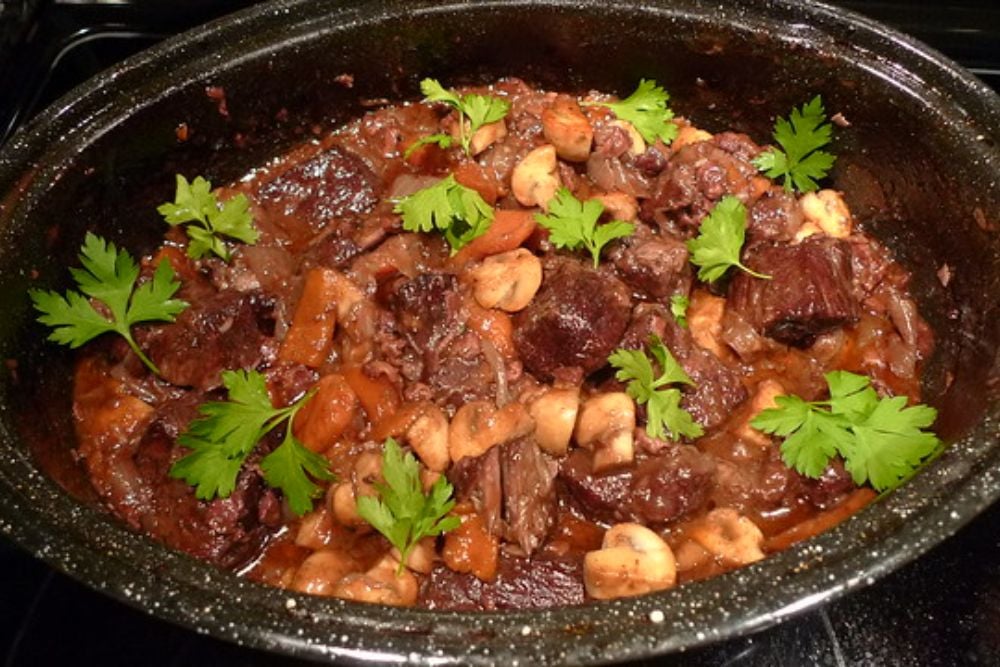
Fusion cuisine evolved from creative combinations of complementary culinary traditions into increasingly bizarre mashups that prioritized novelty over flavor harmony. Restaurants began serving Korean-Mexican-Italian combinations or Indian-French-Thai dishes that confused rather than delighted diners.
The complexity of sourcing authentic ingredients for multiple cuisines drove up costs while requiring kitchen staff to master vastly different cooking techniques. Most fusion experiments failed because they lost the authentic flavors that made individual cuisines appealing while creating combinations that satisfied no one’s cravings.
Celebrity Chef Fast Casual Expansion

Successful celebrity chefs attempted to democratize their high-end cuisine through fast-casual chains, believing their personal brands would translate into mass market success. These ventures promised restaurant-quality food at accessible prices, backed by famous names from television cooking shows.
However, celebrity chefs discovered that their hands-on approach couldn’t scale across multiple locations, leading to inconsistent quality and disappointed customers. The operational demands of fast-casual service proved incompatible with the perfectionist standards that made these chefs famous in the first place.
Ghost Kitchen Overinvestment

The pandemic accelerated investment in ghost kitchens, delivery-only restaurant concepts that promised lower overhead costs and higher profit margins. Venture capital poured into companies operating multiple virtual restaurant brands from single kitchen locations, believing delivery demand would permanently replace traditional dining.
However, ghost kitchens faced intense competition, high delivery platform fees, and customer acquisition costs that eliminated their supposed advantages. Most ghost kitchen operators discovered that without physical presence and brand recognition, they were competing solely on price in an increasingly crowded delivery marketplace.
Experiential Dining Extremes
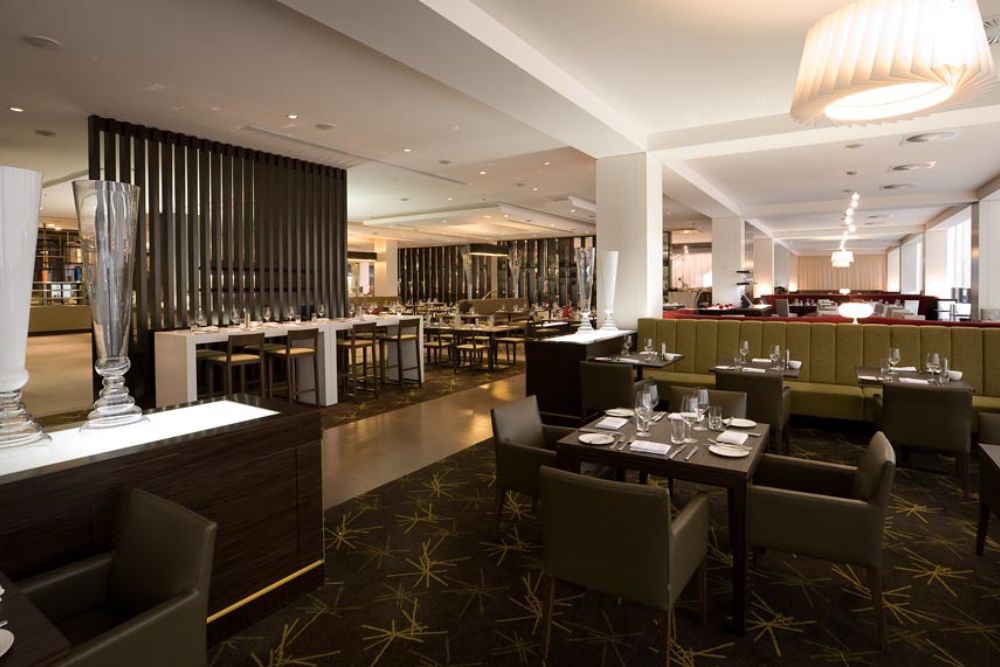
Restaurants pushed experiential dining to absurd limits, creating elaborate themed environments that prioritized spectacle over food quality or practical service. Establishments offered dining in complete darkness, underwater-themed experiences with aquarium walls, or meals served on unconventional surfaces like laboratory equipment.
While these concepts generated initial media attention and curiosity, the novelty wore off quickly when customers realized they were paying premium prices for gimmicks rather than good food. The high costs of maintaining elaborate themes and environments made profitability nearly impossible without consistently packed dining rooms.
Thread Tying Innovation to Reality

The restaurant industry’s spectacular failures share common threads that reveal important lessons about sustainable business practices. Most failed trends prioritized novelty over fundamental restaurant basics like good food, efficient service, and reasonable prices.
The most successful restaurants have always understood that while innovation can attract initial attention, lasting success depends on consistently delivering value that keeps customers returning long after the novelty fades.
More from Go2Tutors!

- The Romanov Crown Jewels and Their Tragic Fate
- 13 Historical Mysteries That Science Still Can’t Solve
- Famous Hoaxes That Fooled the World for Years
- 15 Child Stars with Tragic Adult Lives
- 16 Famous Jewelry Pieces in History
Like Go2Tutors’s content? Follow us on MSN.