Wealthy People Who Maintained Side Hustles
Success rarely comes from putting all your energy into one basket. The wealthiest people on the planet understand this better than anyone, which explains why so many of them juggle multiple ventures at once.
Some started their side hustles before hitting it big, while others launched new projects after they’d already made their millions. Either way, these extra ventures weren’t just hobbies—they became serious money-makers that often rivaled or even surpassed their original claims to fame.
Here is a list of 16 wealthy people who maintained side hustles alongside their main careers.
Jay-Z

The hip-hop legend became the first billionaire to emerge from the music industry, but his fortune came more from his business ventures than his albums. His wealth grew through the Rocawear clothing line, D’Ussé cognac, and the music streaming platform Tidal, which alone is valued at $100 million.
While his music career opened doors, his entrepreneurial mindset built an empire that stretched far beyond the recording studio.
Rihanna

The Barbadian singer accumulated most of her $600 million fortune through her beauty and fashion companies rather than her music. Her makeup brand Fenty Beauty, co-owned with LVMH and launched in 2017, received immediate praise for offering an incredibly inclusive makeup line for all skin tones.
She owns 15% of the company, which is valued at $3 billion, making her the wealthiest female musician in the world primarily because of a side hustle.
Like Go2Tutors’s content? Follow us on MSN.
Michael Jordan
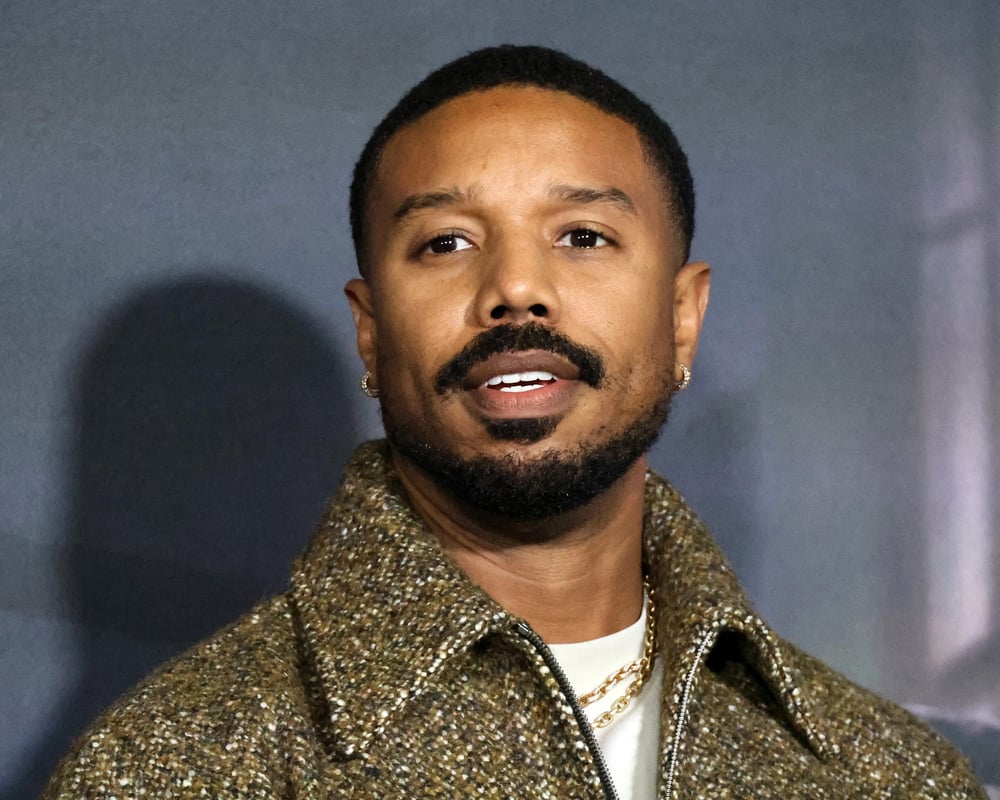
Jordan is worth an estimated $1.65 billion, with the majority coming from his partnership with Nike rather than his basketball salary. His Air Jordan shoe line transformed athletic footwear into a cultural phenomenon that continues generating massive revenue decades after his retirement.
The partnership proved that an athlete’s brand could outlast their playing career by generations.
Bill Gates
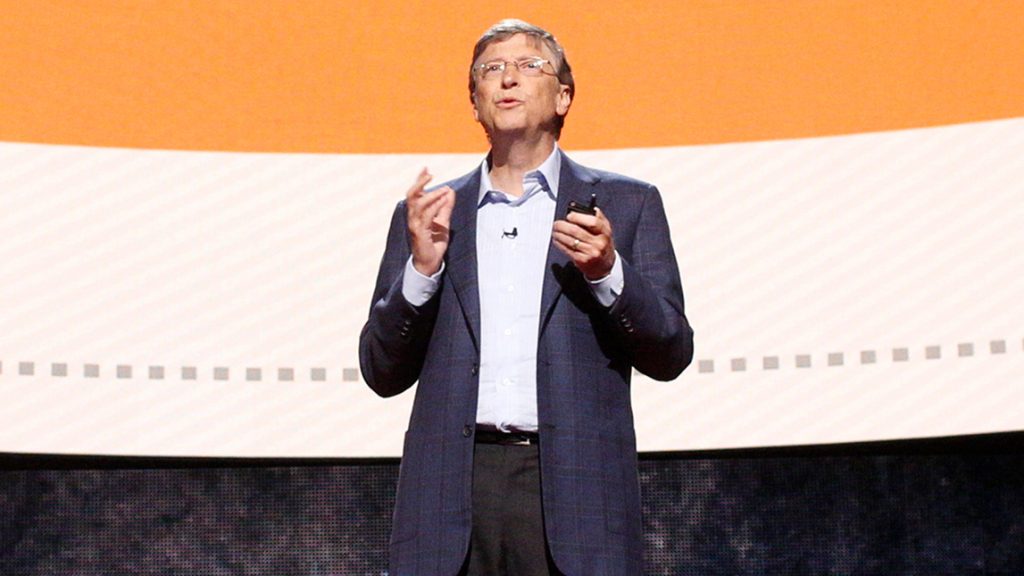
Gates founded Corbis in 1989, a digital imaging company that acquired major collections including the 19-million-image Bettmann Archive. He also co-founded TerraPower, a nuclear reactor design company developing next-generation traveling-wave reactor technology to tackle climate change.
These ventures showed that even while running Microsoft, Gates had the bandwidth to pursue completely different industries that aligned with his vision for the future.
Phil Knight

The Nike founder started by selling Japanese sneakers from his car before building the worldwide famous shoe brand. Knight retired from his Nike chairman position at 52 but continued owning 20% of the company, which added nearly $40 billion to his net worth.
What began as a side gig selling shoes from a vehicle trunk became one of the most recognizable brands on the planet.
Like Go2Tutors’s content? Follow us on MSN.
Martha Stewart

Stewart transformed a small catering business into Martha Stewart Living Omnimedia, an international media and home-furnishing corporation. She secured funding to purchase television, print, and merchandising ventures related to her brand and consolidated them into one company.
Her deal with Kmart as national spokeswoman helped launch a line of linens and tableware, while financing from Time-Warner enabled her to start Martha Stewart Living magazine, which reached over 2 million circulation.
Marc Benioff

Salesforce was just a side project for years while Benioff worked full time at Oracle. Most of his wealth, estimated at $6.7 billion, comes from the shares he owns in Salesforce.
His willingness to develop a competing product while employed elsewhere eventually led to one of the most successful enterprise software companies in history.
50 Cent

Curtis Jackson’s investments and business ventures include Vitamin Water, which he is credited with popularizing, a clothing line with Mark Ecko, and the headphone line SMS Audio. His biggest ventures include his television and movie deals, along with his alcohol brands Chemin de Roy and Branson Cognac.
His endorsement and eventual stake in Vitamin Water reportedly earned him between $60 and $100 million when Coca-Cola acquired the company.
Like Go2Tutors’s content? Follow us on MSN.
Venus Williams

Williams will go down in history as one of the greatest tennis players of all time, but between matches she took her talents to interior design. Her company V Starr Interiors is a design firm focused on simplicity, class, and professionalism.
The company has worked on projects ranging from hotel renovations to residential designs, proving her eye for aesthetics extended beyond the tennis court.
Drake

The rapper launched his own whiskey line, Virginia Black, which officially debuted in 2016. In the world of celebrity-owned spirits, Drake joins other entertainers like Jay-Z, Diddy, and 50 Cent who also own or co-own liquor companies.
Virginia Black quickly became one of the fastest-growing spirit brands, moving over 4 million bottles in its first few years.
Kevin Smith
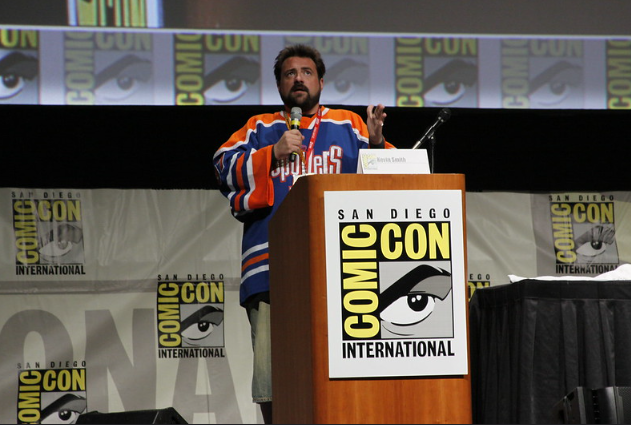
The filmmaker purchased a comic book shop in 1996 after learning it was going out of business because the owner was moving to Asia. Smith told AMC he had always talked about wanting to own a comic book store and seized the opportunity right after finishing Mallrats.
The shop, named Jay and Silent Bob’s Secret Stash after characters from his films, became both a functioning business and a tourist destination for fans.
Like Go2Tutors’s content? Follow us on MSN.
Rick Ross

The rapper turned his love for Wingstop into a franchise investment, owning multiple locations and putting his family to work in the business. What started as a business investment became a legacy-building opportunity that generates steady income regardless of music sales.
His frequent social media posts about lemon pepper wings helped boost the chain’s visibility among younger customers.
Ashton Kutcher

Kutcher created his own wine with his wife Mila Kunis, and people raved about the quality and reasonable price. His real success lies in his tech industry investment portfolio, which is one of the most impressive of any celebrity, making millions through smart decisions about where to put his extra cash.
His venture capital firm A-Grade Investments backed companies like Uber, Airbnb, and Spotify early on.
Chris Brown

The singer owns 14 Burger King franchises, and he started the journey at just 17 years old. While other teenagers worked drive-thru windows, Brown was purchasing the restaurants outright.
His early investment in fast food franchises demonstrated financial maturity well beyond his years.
Like Go2Tutors’s content? Follow us on MSN.
Clint Eastwood

The actor is known for investing in golf courses, most notably a massive investment in Pebble Beach. Eastwood also has investments in the food industry, owning Mission Ranch Hotel & Restaurant in California.
His diverse portfolio showed that Hollywood income could be smartly reinvested into tangible assets that appreciated over time.
John Legend

Legend went from performing love songs to creating skincare for melanin-rich skin with his brand Loved01. The company focuses on addressing specific skincare needs often overlooked by mainstream beauty brands.
His entry into the beauty industry reflected a broader trend of celebrities launching businesses that served underrepresented markets.
More Than Just Extra Income

The pattern among these wealthy individuals reveals something important about building lasting wealth. None of them treated their side hustles as casual hobbies or weekend projects—they approached them with the same intensity they brought to their main careers.
Whether it was Jay-Z building a spirits empire or Bill Gates diving into nuclear energy, these ventures required real commitment, smart partnerships, and a willingness to risk their reputations in unfamiliar territory. The most successful among them didn’t just chase money—they identified gaps in markets they understood and filled them before anyone else noticed the opportunity.
More from Go2Tutors!

- 16 Historical Figures Who Were Nothing Like You Think
- 12 Things Sold in the 80s That Are Now Illegal
- 15 VHS Tapes That Could Be Worth Thousands
- 17 Historical “What Ifs” That Would Have Changed Everything
- 18 TV Shows That Vanished Without a Finale
Like Go2Tutors’s content? Follow us on MSN.