17 Traditions That Started as Accidents
Some of our most cherished customs didn’t begin with careful planning or ancient wisdom. Instead, they emerged from happy accidents, mistakes, and spur-of-the-moment decisions that somehow stuck around long enough to become tradition. These unplanned origins often make the traditions more charming and relatable than if they’d been deliberately crafted.
Here’s a list of 17 traditions that started completely by accident, proving that sometimes the best ideas come from the most unexpected moments.
Christmas Trees

The tradition of decorating evergreen trees for Christmas began in 16th-century Germany when devout Christians brought decorated trees into their homes. Legend suggests it started when Martin Luther was walking home one winter evening and was struck by the beauty of stars twinkling through evergreen branches, inspiring him to recreate the scene with candles on a tree in his home.
This accidental moment of inspiration eventually spread across Europe and then to America, where it became one of the most recognizable holiday traditions.
Wedding Rings on the Fourth Finger
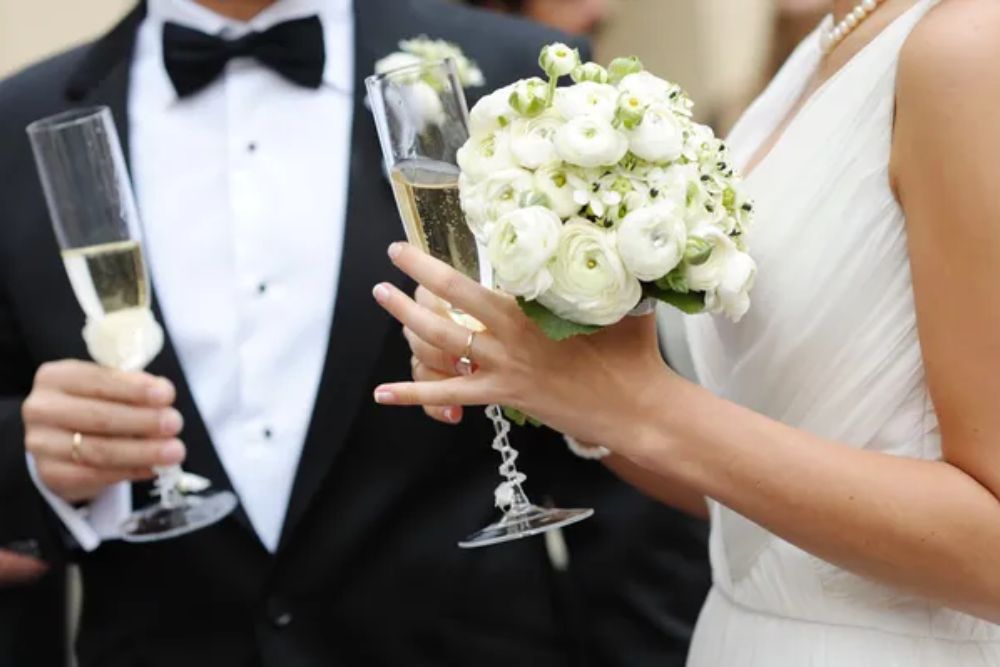
Ancient Romans believed a vein ran directly from the fourth finger of the left hand to the heart, which they called the ‘vena amoris’ or vein of love. This anatomical misconception led to the tradition of placing wedding rings on this finger.
While we now know there’s no special vein connecting that finger to the heart, the romantic notion stuck and became a worldwide custom that continues today.
Champagne for Celebrations

Dom Pérignon didn’t set out to create the world’s most famous celebratory drink when he accidentally discovered champagne in the 17th century. The French monk was trying to prevent wine from fermenting twice, but when it happened anyway, the result was a fizzy, delightful beverage.
His accidental creation became synonymous with celebration and special occasions, spawning a tradition that spans centuries and cultures.
Birthday Cakes with Candles
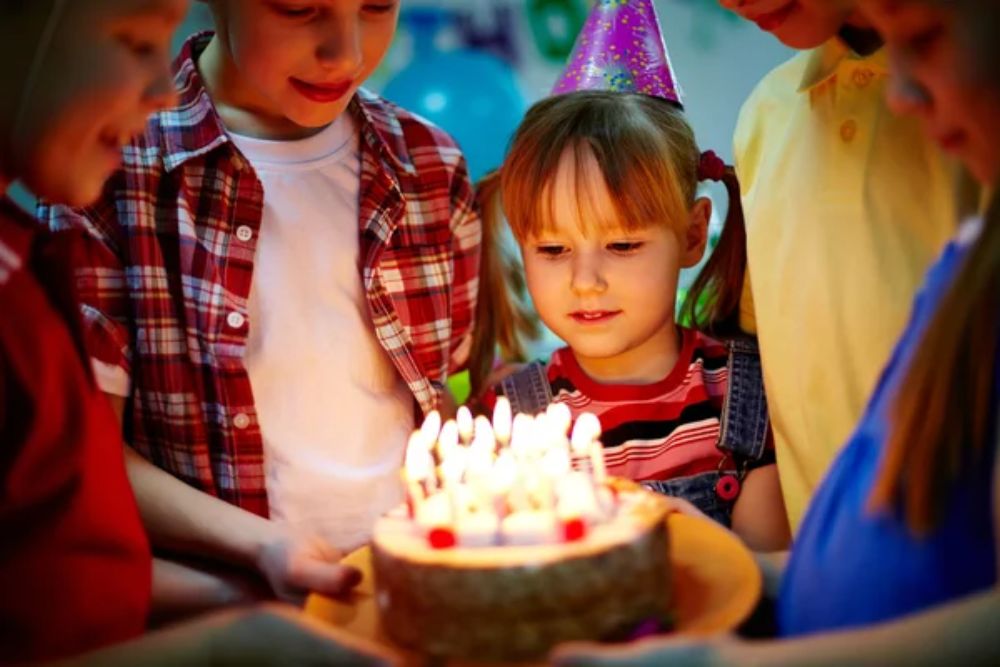
The ancient Greeks accidentally started this sweet tradition when they made round cakes to honor Artemis, goddess of the hunt. They placed lit candles on top to make the cakes glow like the full moon, which was sacred to the goddess.
The Romans later adopted this practice for birthday celebrations, and the accidental connection between candles, wishes, and birthdays became one of childhood’s most beloved rituals.
Kissing Under Mistletoe

This romantic Christmas tradition began with ancient Druids who believed mistletoe had magical healing properties. They would hang it in their homes as protection against evil spirits, and over time, the plant became associated with peace and love.
The kissing part was an accidental addition that evolved from the custom of enemies laying down their weapons when they met under mistletoe, eventually transforming into a romantic gesture.
Easter Eggs
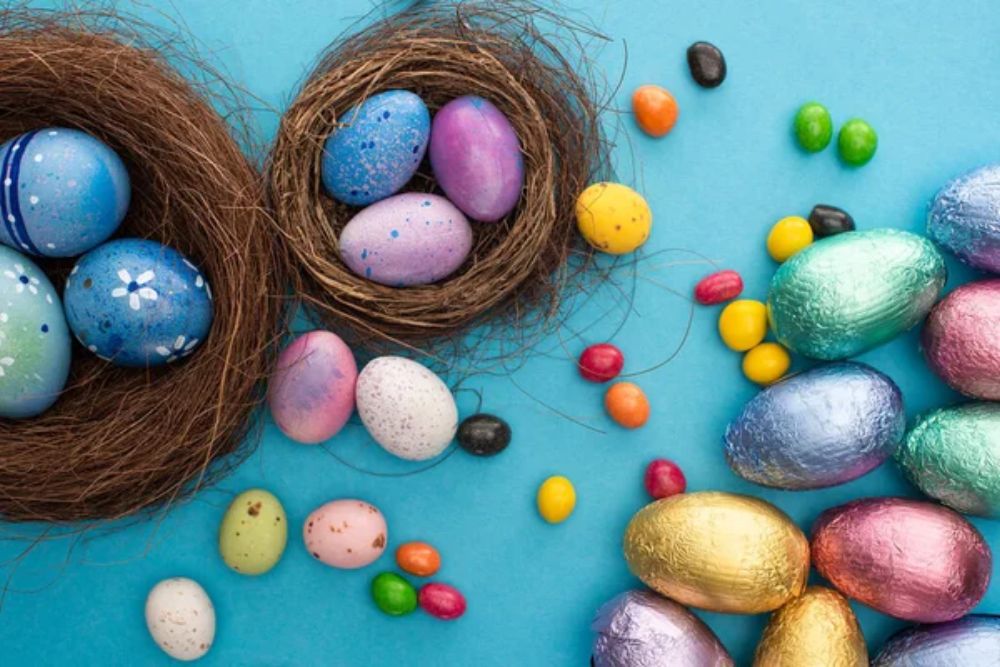
Early Christians in Mesopotamia accidentally created this colorful tradition when they dyed eggs red to represent Christ’s blood. The practice was meant to be symbolic and religious, but children naturally gravitated toward the bright, decorated eggs.
What started as a solemn religious observance accidentally became a joyful children’s tradition involving egg hunts and candy-filled surprises.
Throwing Rice at Weddings
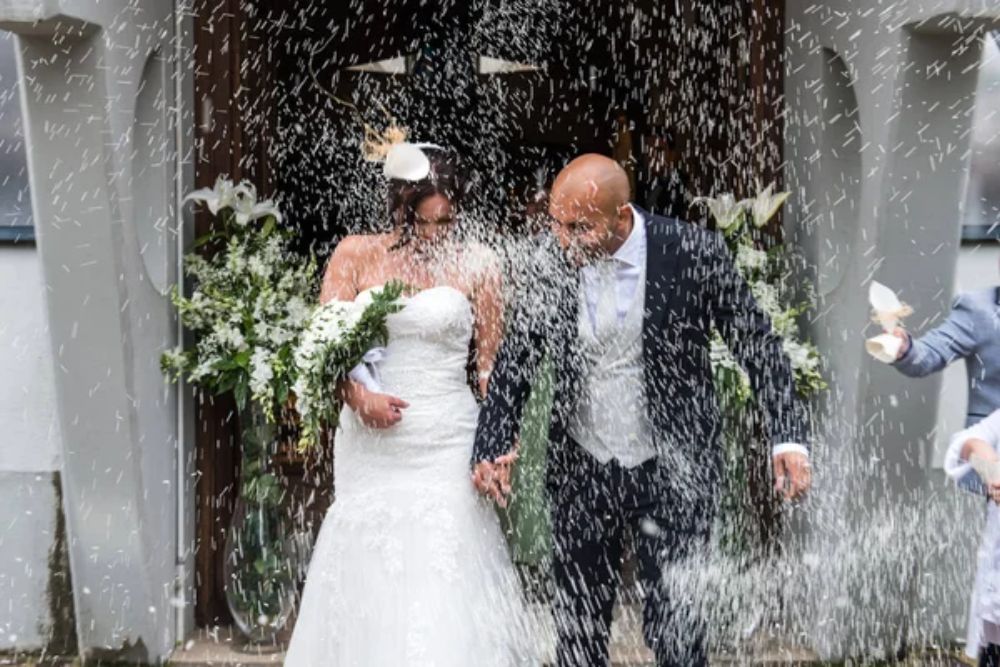
Ancient Romans threw wheat at newlyweds as a symbol of fertility and prosperity, but rice accidentally became the grain of choice in many cultures because it was more readily available. The tradition was meant to bless couples with abundance, but the practical substitution of rice for wheat happened by chance in different regions.
Many venues now discourage rice throwing due to cleanup concerns, but the accidental tradition persists in various forms.
Jack-o’-Lanterns
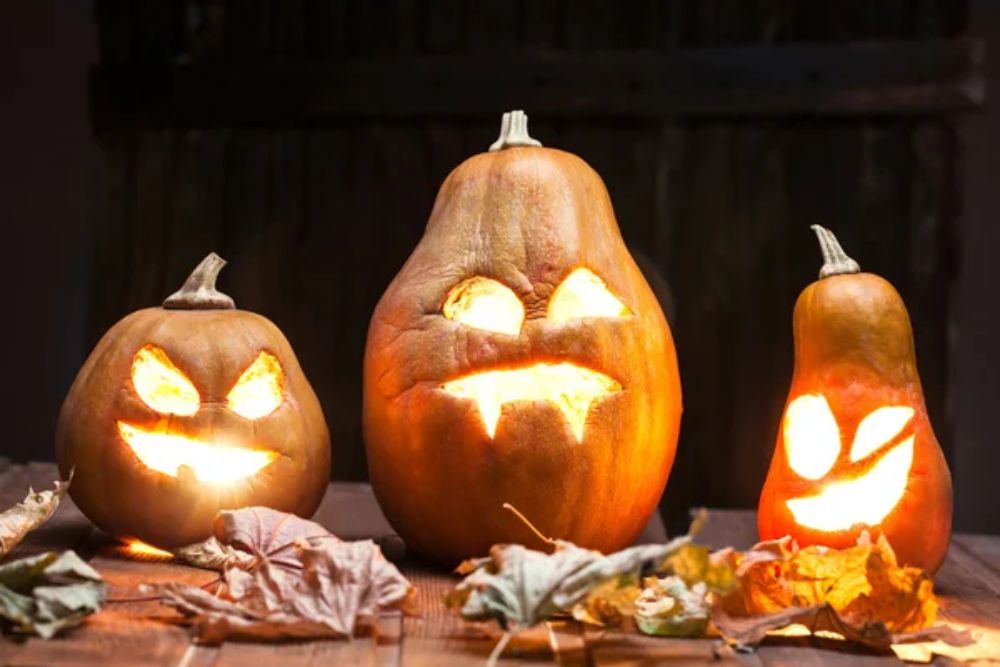
Irish immigrants brought the tradition of carving scary faces into vegetables to America, but they originally used turnips and potatoes in Ireland. When they arrived in America, they discovered pumpkins were much easier to carve and more readily available.
This practical accident transformed jack-o’-lanterns from small, difficult-to-carve root vegetables into the large, glowing decorations we associate with Halloween today.
Bridesmaids Wearing Matching Dresses
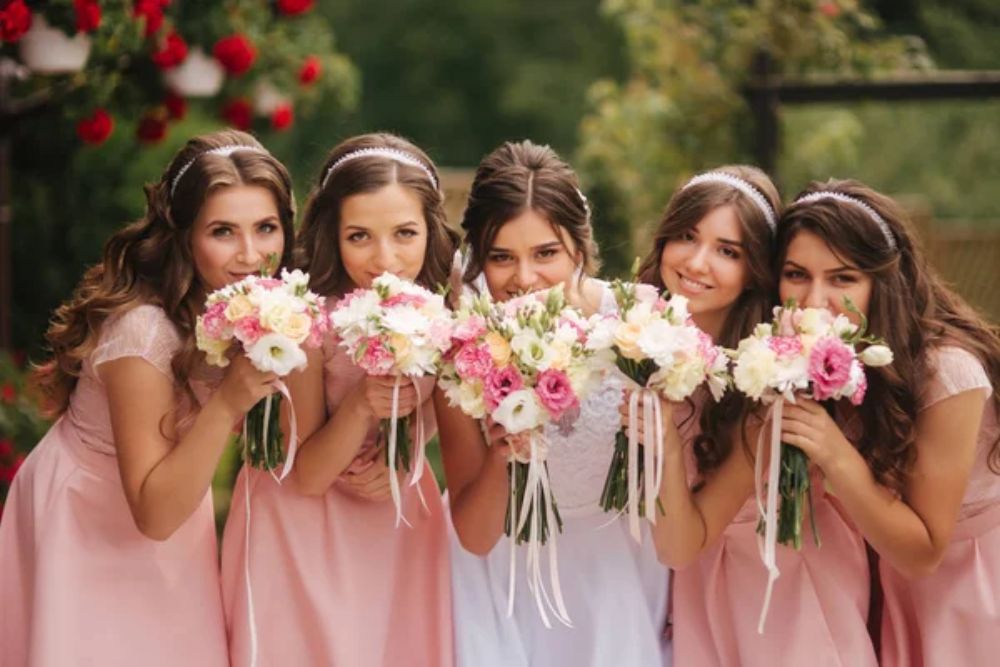
Roman law required ten witnesses at weddings, and bridesmaids accidentally became decoys when they dressed exactly like the bride to confuse evil spirits and jealous suitors. The matching dresses were meant as protection rather than fashion coordination.
This superstitious practice evolved into the modern tradition of bridesmaids wearing coordinated outfits, though now it’s more about aesthetics than spiritual protection.
Groundhog Day Weather Prediction

German immigrants brought their tradition of watching badgers predict weather to Pennsylvania, but badgers weren’t common in their new home. They accidentally substituted groundhogs, which were plentiful in the area.
The tradition of Punxsutawney Phil emerged from this practical animal substitution, creating one of America’s quirkiest weather forecasting customs that has nothing to do with actual meteorology.
New Year’s Resolutions

Babylonians accidentally started this tradition around 4,000 years ago when they made promises to their gods during their new year celebration in spring. The timing was accidental—their new year began with the planting of crops, not January 1st.
When the Romans changed the calendar and moved New Year’s Day to January, the resolution-making tradition accidentally shifted with it, creating the pattern of self-improvement promises we know today.
Wearing White Wedding Dresses
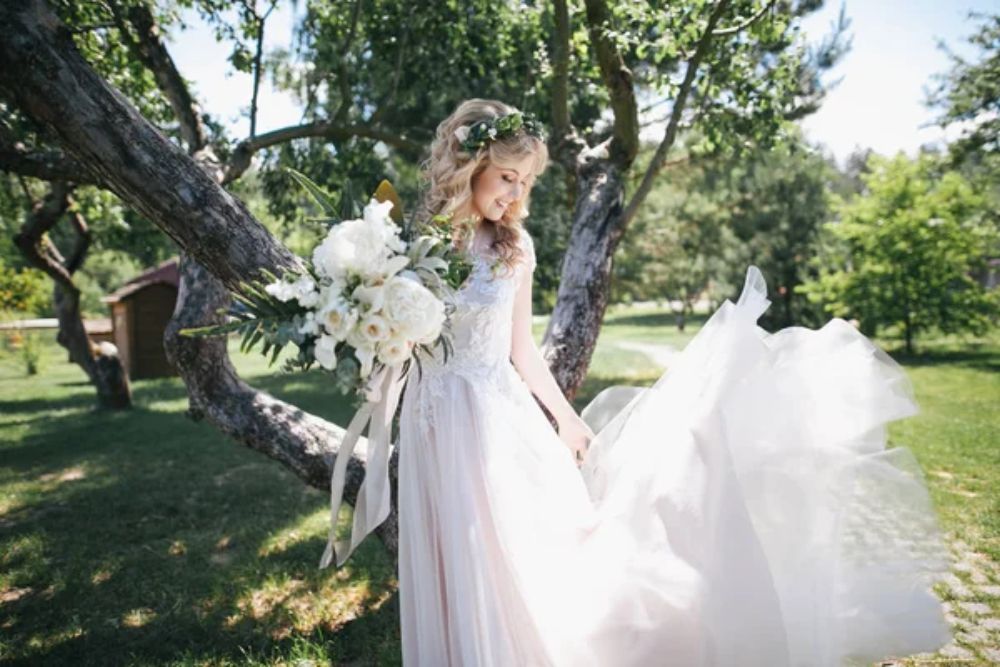
Queen Victoria accidentally created this enduring tradition when she chose to wear white for her 1840 wedding to Prince Albert. She simply wanted to incorporate some lace she owned, and white showed it off best. Before this, brides wore their best dress in any color.
Victoria’s practical fashion choice accidentally became the standard that brides around the world still follow today.
Christmas Stockings
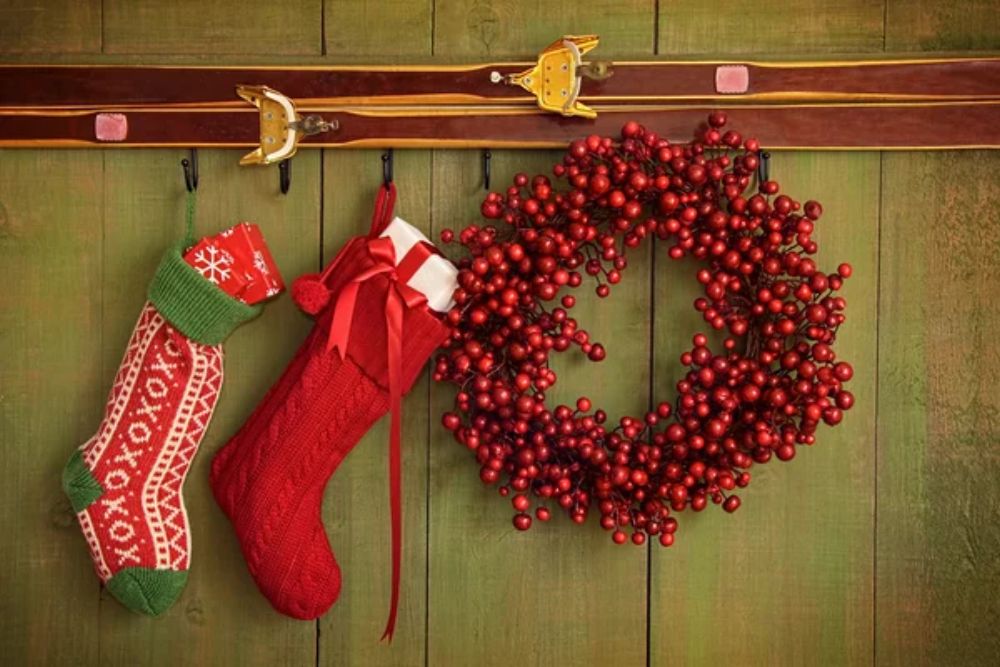
The tradition of hanging stockings by the fireplace began with the legend of Saint Nicholas, who accidentally dropped gold coins down a chimney to help a poor family. The coins landed in the daughters’ stockings that were hanging by the fire to dry.
This accidental act of charity became the inspiration for children hanging stockings in hopes that Saint Nicholas would fill them with gifts.
Trick-or-Treating
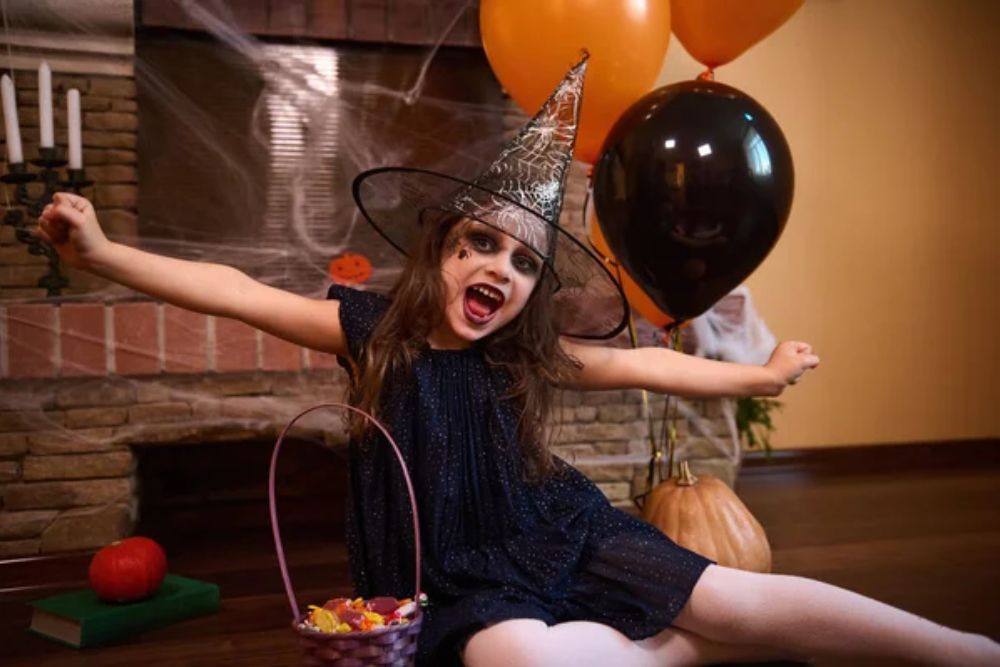
This Halloween tradition accidentally evolved from the medieval practice of ‘souling,’ where poor people would go door-to-door begging for food in exchange for prayers for the dead. Irish immigrants brought similar customs to America, but the practice accidentally transformed into children collecting candy instead of adults collecting food.
The shift from religious observance to childhood fun happened gradually and unintentionally.
Engagement Rings with Diamonds
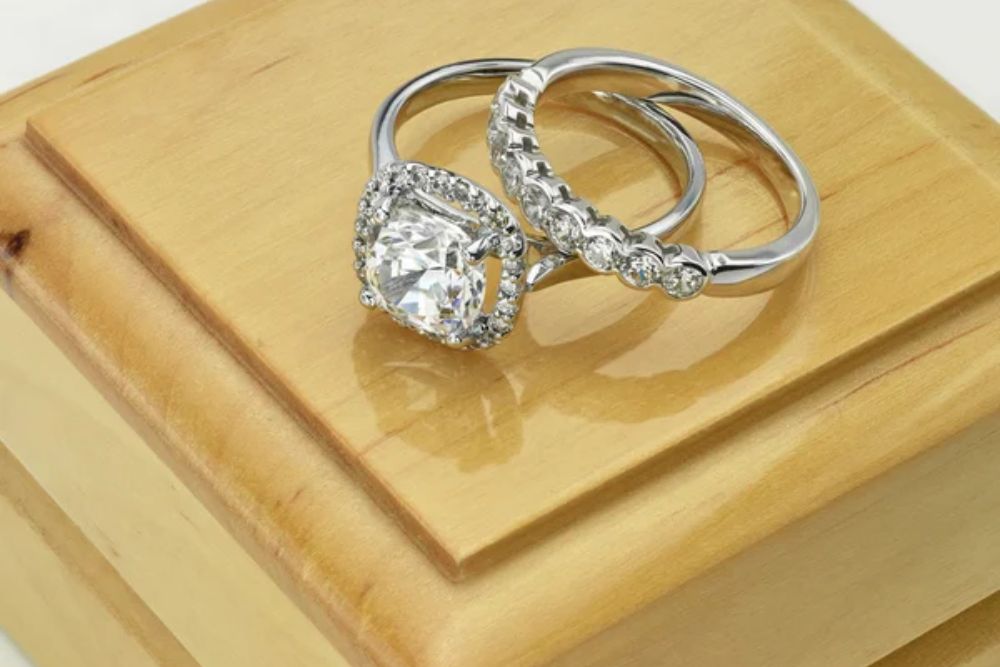
Diamonds became the standard for engagement rings through a brilliant but accidental marketing campaign by De Beers in the 1940s. The company was trying to increase diamond sales and created the slogan ‘A Diamond is Forever.’
This marketing effort accidentally created a cultural expectation that engagement rings must feature diamonds, turning a business strategy into a romantic tradition that most couples follow without questioning its commercial origins.
Birthday Spanks
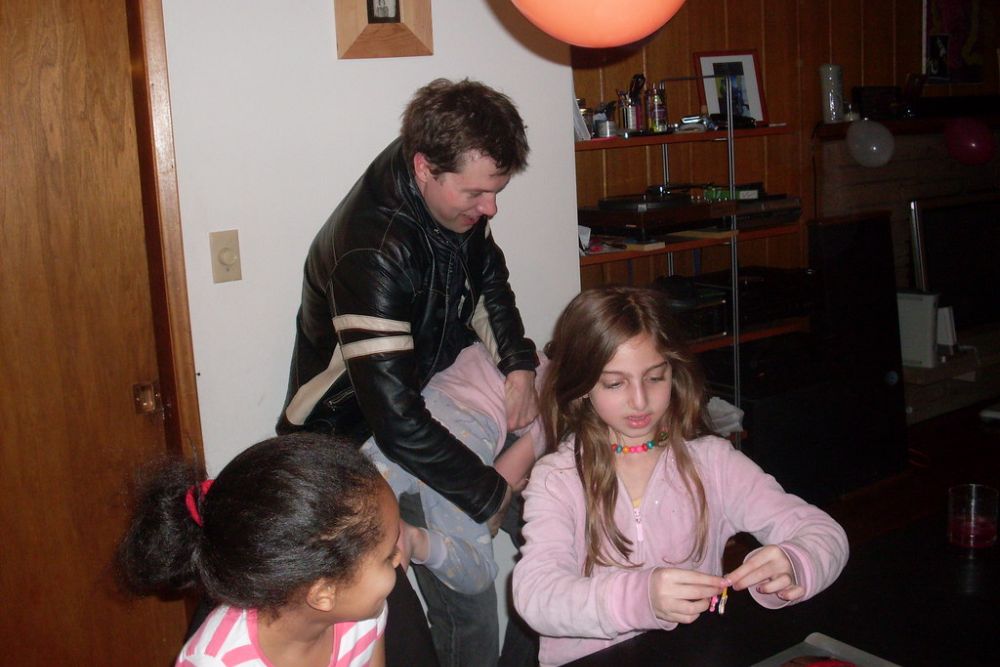
This peculiar tradition accidentally developed from ancient beliefs that loud noises and physical contact could drive away evil spirits on birthdays. Different cultures had various ways of making noise or touching the birthday person for protection.
The practice accidentally evolved into the playful (and sometimes dreaded) tradition of birthday spanks, though most people today have no idea about its superstitious origins.
Thanksgiving Wishbones
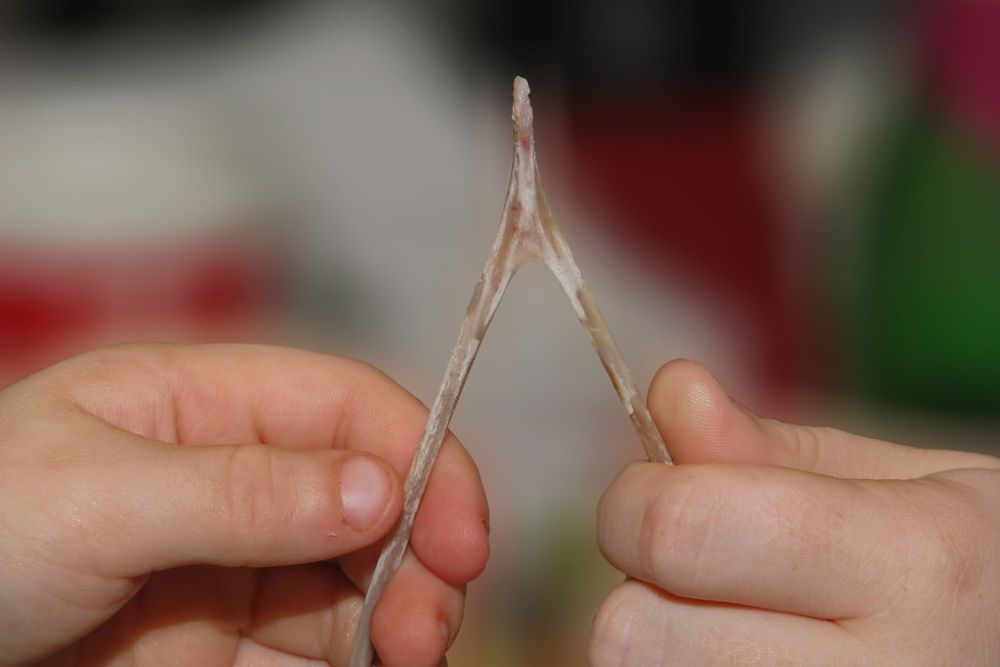
The tradition of breaking wishbones started with the Etruscans, who believed chickens could predict the future. When they killed a chicken, they would dry the wishbone and two people would make wishes while breaking it.
Romans adopted this practice, and it accidentally made its way to America with European settlers, where it became associated with Thanksgiving dinner and good luck.
The Lasting Power of Happy Accidents
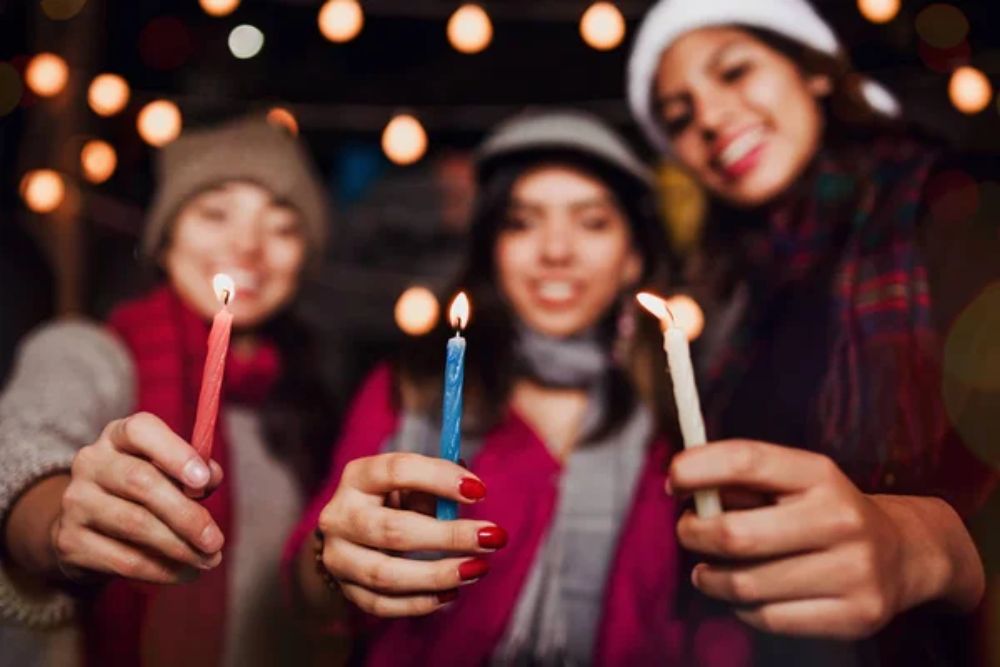
These accidental traditions remind us that some of life’s most meaningful customs don’t need elaborate planning or ancient wisdom behind them. A moment of inspiration, a practical substitution, or even a marketing campaign can accidentally create practices that bind communities together for generations.
The fact that these traditions survived and thrived despite their unplanned origins speaks to something deeper about human nature—we’re drawn to rituals and customs that bring us together, regardless of how they started.
More from Go2Tutors!

- The Romanov Crown Jewels and Their Tragic Fate
- 13 Historical Mysteries That Science Still Can’t Solve
- Famous Hoaxes That Fooled the World for Years
- 15 Child Stars with Tragic Adult Lives
- 16 Famous Jewelry Pieces in History
Like Go2Tutors’s content? Follow us on MSN.


