17 Times Nature Outsmarted Technology
For all our technological advances, Mother Nature still holds some pretty impressive cards. While we’ve built computers that can beat world champions at chess and rockets that reach Mars, the natural world continues to solve problems in ways that make our best engineers scratch their heads in wonder.
From animals that navigate better than GPS to plants that generate power more efficiently than solar panels, nature’s solutions often reveal just how much we still have to learn. Here’s a list of 17 remarkable examples where the natural world has shown us that millions of years of evolution can outperform even our most sophisticated inventions.
Dolphin Sonar vs. Military Sonar
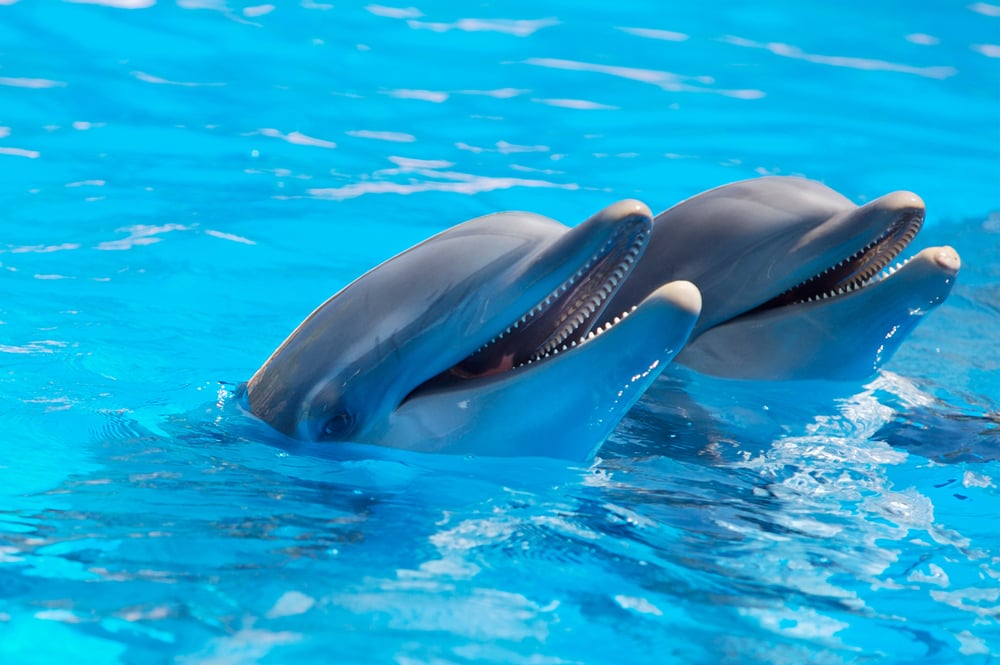
Dolphins can detect objects buried in sand up to two feet deep using their natural sonar, something our most advanced military sonar systems struggle to match. Their echolocation is so precise they can distinguish between objects that differ by just a few millimeters. The U.S. Navy has actually trained dolphins to locate underwater mines because their biological sonar outperforms mechanical alternatives in murky water conditions.
Butterfly Wings vs. Solar Panels
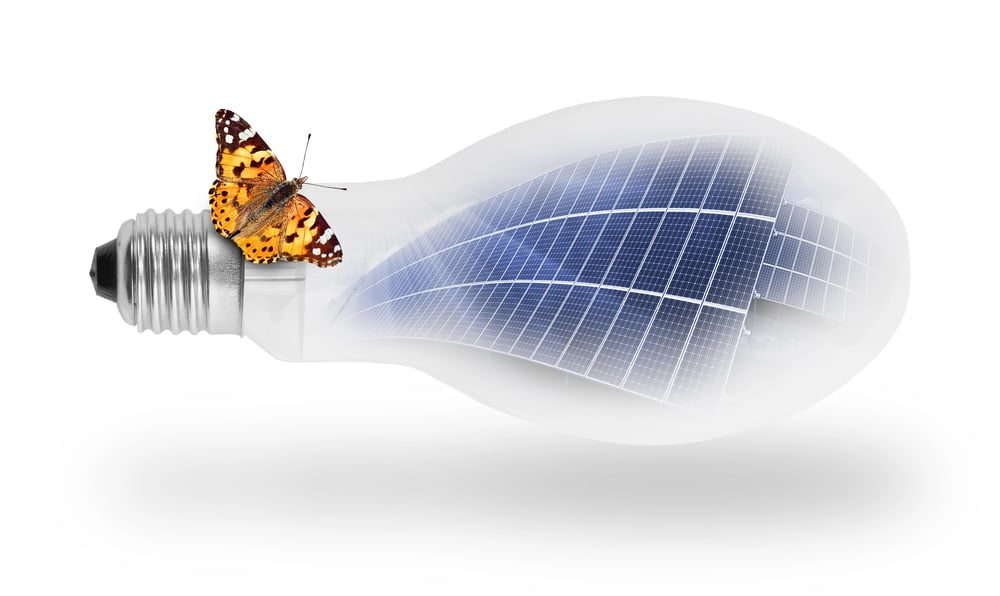
The wings of certain butterflies, particularly the rose butterfly, can absorb light across a much broader spectrum than traditional solar panels. These wings maintain their efficiency even when the angle of sunlight changes throughout the day, unlike rigid solar panels that need tracking systems. Scientists are now studying butterfly wing structures to develop more efficient solar collection technology.
Bird Migration vs. GPS Navigation

Arctic terns migrate roughly 44,000 miles annually with pinpoint accuracy, using a combination of magnetic fields, star patterns, and other natural cues that GPS systems can’t replicate. These birds navigate across vast oceans without any technological assistance, while our GPS satellites occasionally lose signal or provide inaccurate readings. Some species can even adjust their routes in real-time based on weather patterns and food availability.
Shark Skin vs. Swimsuits
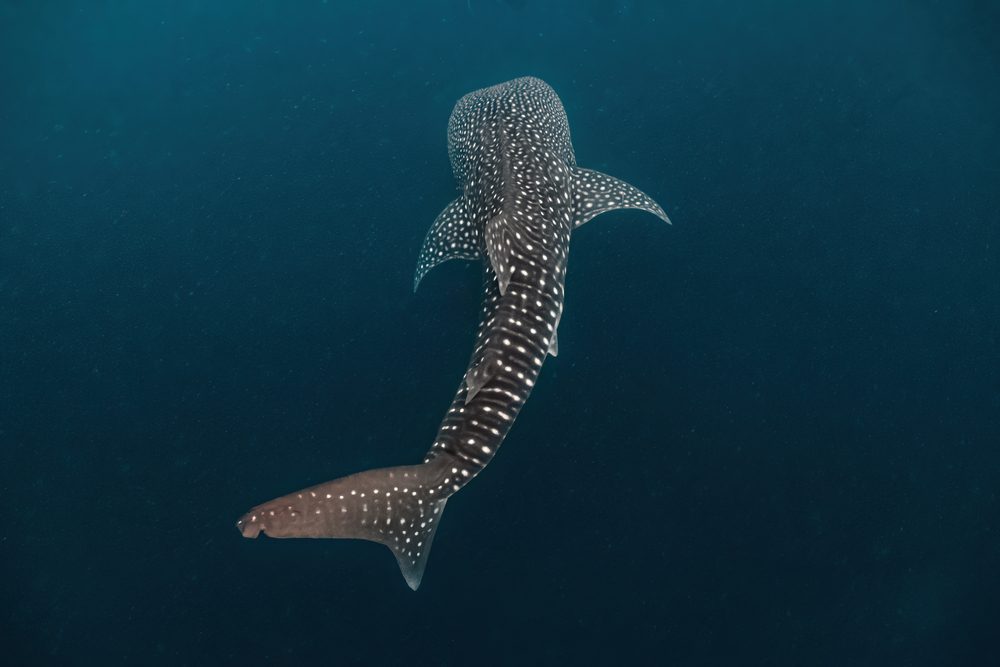
Shark skin contains tiny tooth-like scales called denticles that reduce drag so effectively that swimsuit manufacturers have spent millions trying to replicate the design. The natural structure channels water flow in ways that synthetic materials still can’t perfectly match. Olympic swimmers using shark-inspired suits have broken records, though the technology remains inferior to the original biological design.
Spider Silk vs. Synthetic Fibers
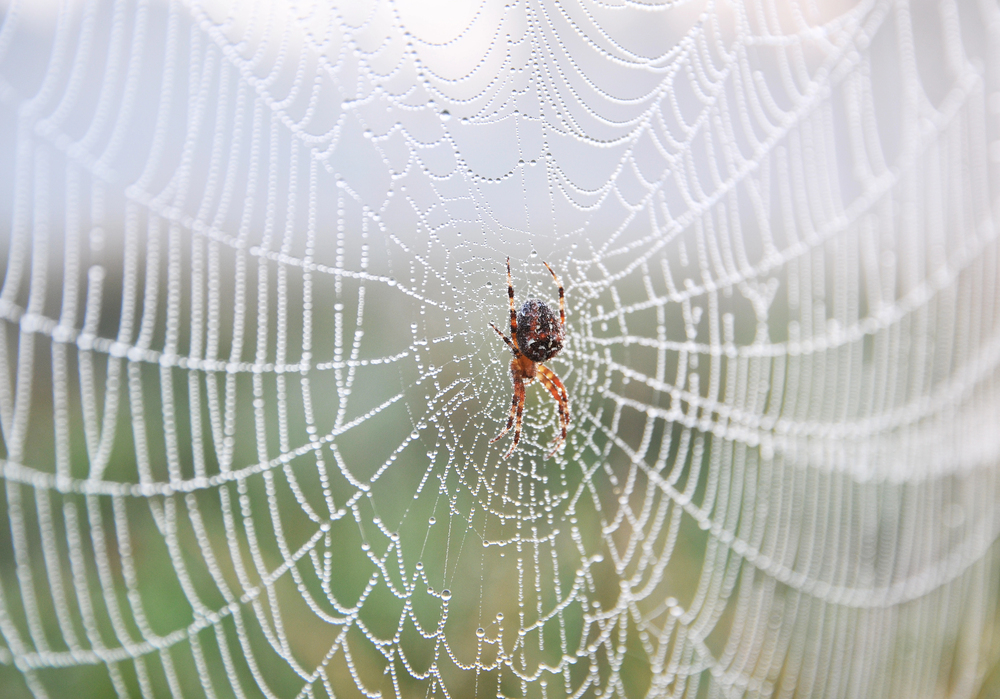
Spider silk is stronger than steel by weight and more elastic than rubber, properties that materials scientists haven’t been able to fully replicate despite decades of research. A strand of spider silk the thickness of a pencil could theoretically stop a Boeing 747 in flight. The production process is also environmentally friendly, requiring only protein and water at room temperature.
Honeycomb Structure vs. Engineering Design
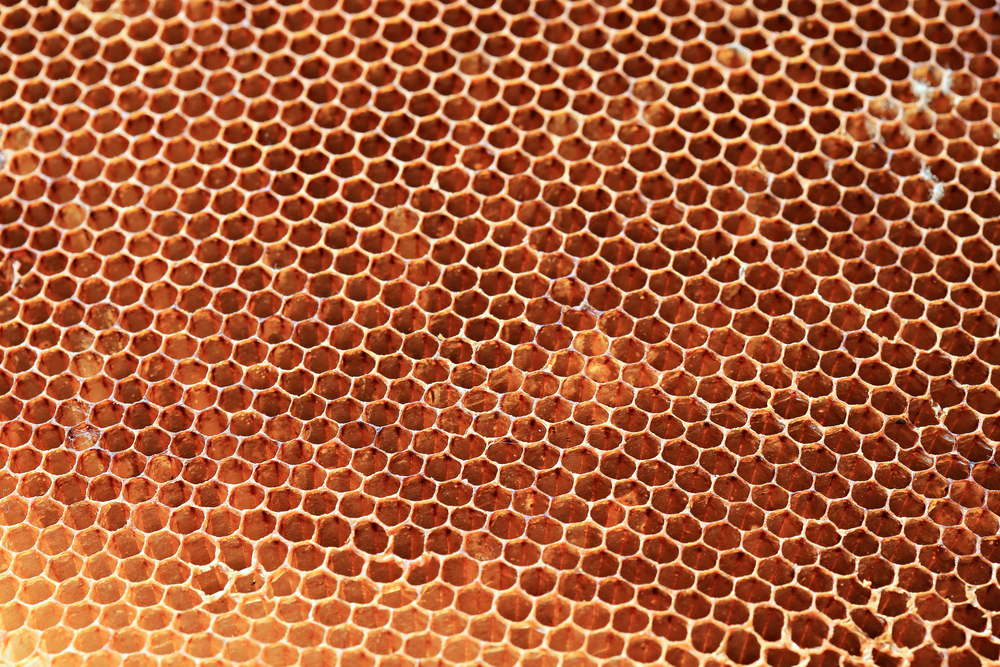
Bees create hexagonal honeycomb structures that use the minimum amount of wax while providing maximum storage space and structural strength. This natural architecture is so efficient that engineers now use hexagonal patterns in everything from aerospace components to building materials. The mathematical precision of honeycomb construction still amazes scientists studying optimal space utilization.
Gecko Feet vs. Adhesive Technology
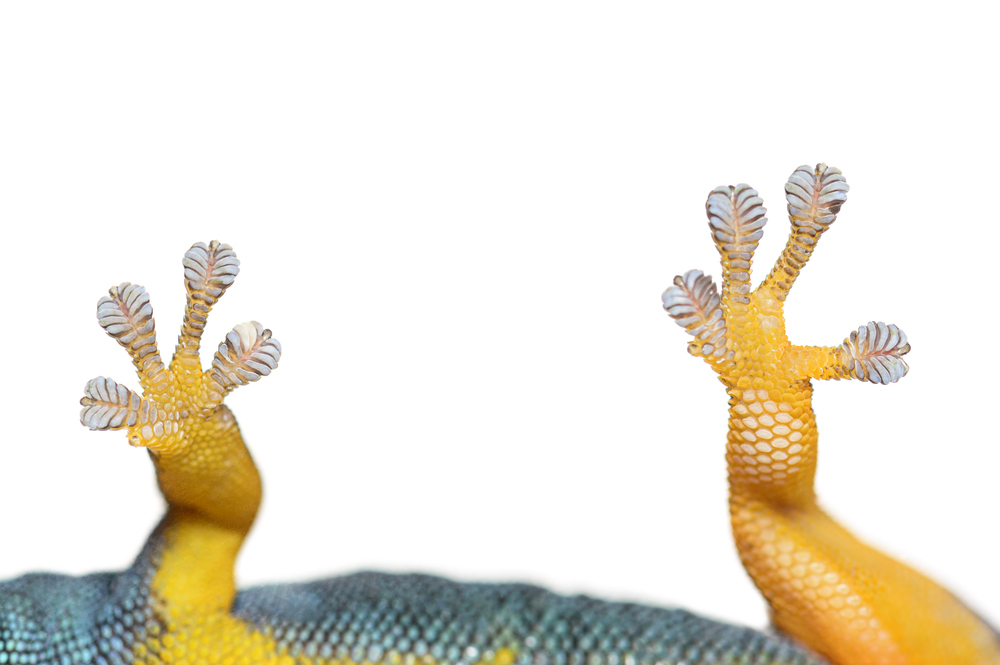
Geckos can walk up glass walls and hang upside down from ceilings using millions of tiny hairs on their feet that interact with surfaces at the molecular level. This adhesion works without any sticky substances and leaves no residue, something our strongest adhesives can’t achieve. The gecko’s feet also self-clean and work on virtually any surface, wet or dry.
Polar Bear Fur vs. Insulation

Polar bear fur provides insulation so effective that the bears can be nearly invisible to infrared cameras, meaning almost no body heat escapes. Each hair is hollow and works like a tiny optical fiber, trapping warm air while allowing sunlight to reach the bear’s black skin underneath. The best synthetic insulation materials still can’t match this dual-function thermal management system.
Cactus Water Collection vs. Desalination

Desert cacti can extract moisture from air that contains less than 1% humidity, making them more efficient than most industrial dehumidifiers. The plant’s specialized surface features and internal water storage systems work without any external energy input. Current atmospheric water generation technology requires significant electricity to produce similar results in arid conditions.
Woodpecker Skulls vs. Helmet Design
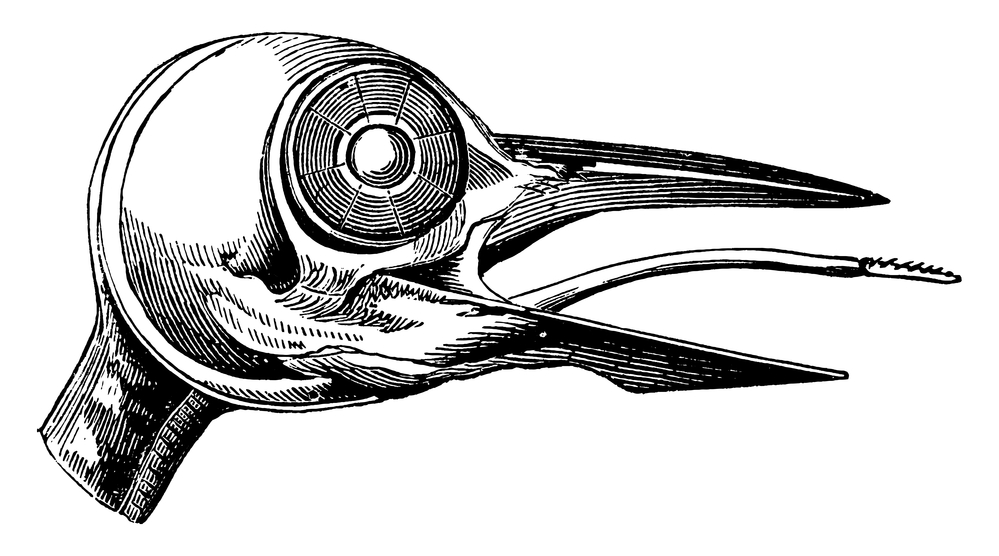
Woodpeckers can strike trees at 15 miles per hour up to 20 times per second without suffering brain damage, thanks to specialized skull structures that distribute impact forces. Their heads contain shock-absorbing features that helmet designers are still trying to understand and replicate. The bird’s brain is also positioned and cushioned in ways that prevent the concussions that would occur in human heads under similar forces.
Firefly Light vs. LED Efficiency
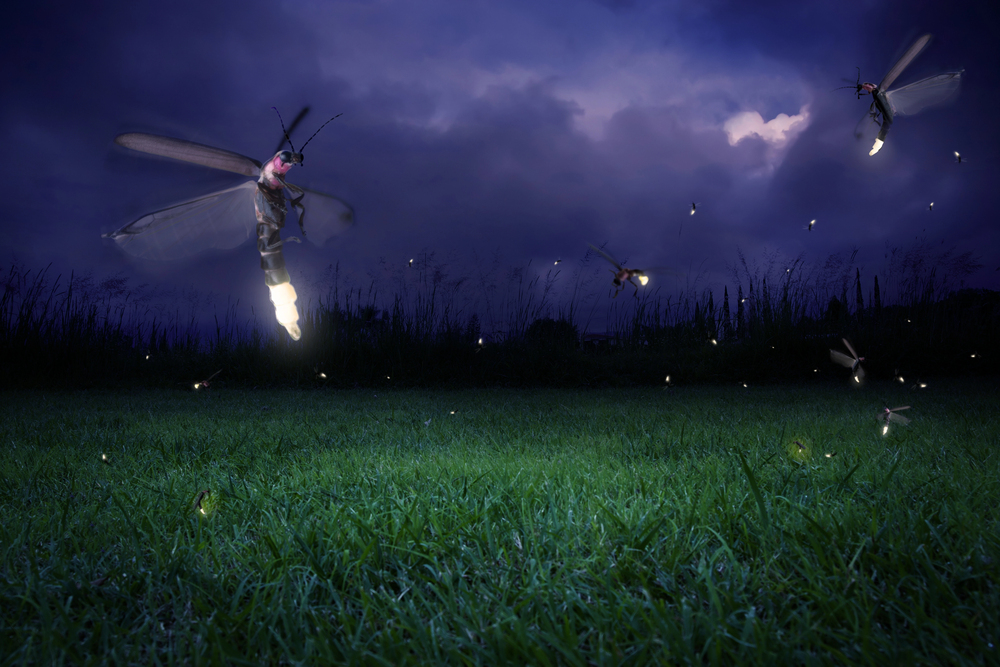
Fireflies produce light that’s nearly 100% efficient, with almost no energy wasted as heat, making them far more efficient than even the best LED bulbs. The chemical reaction in their bodies converts energy to light at a rate that our most advanced lighting technology can’t match. This biological LED has inspired researchers working on more efficient artificial lighting systems.
Elephant Communication vs. Long-Distance Technology
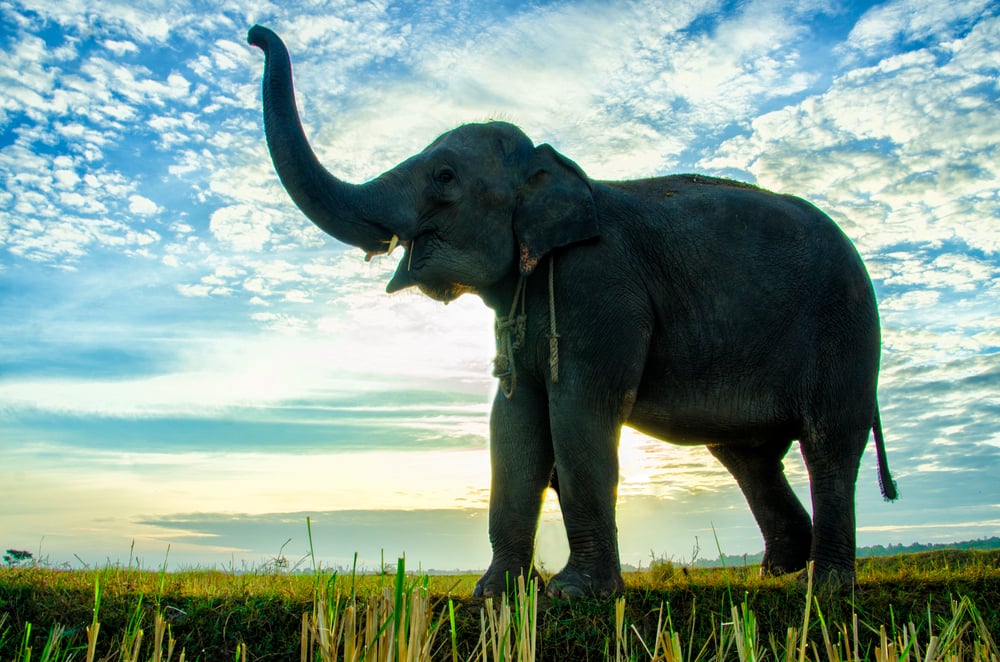
Elephants can communicate with each other across distances of several miles using infrasonic calls below human hearing range. These low-frequency sounds travel through both air and ground, allowing elephants to coordinate movements and warn of dangers across vast areas. The communication system works reliably without any infrastructure or power source that human long-distance communication requires.
Lotus Leaves vs. Self-Cleaning Surfaces

Lotus leaves stay perfectly clean in muddy pond environments through microscopic surface structures that cause water and dirt to roll off immediately. This self-cleaning ability works continuously without any maintenance or external cleaning agents. Engineers studying lotus leaves have developed some self-cleaning materials, but none match the durability and effectiveness of the natural system.
Mosquito Proboscis vs. Medical Needles
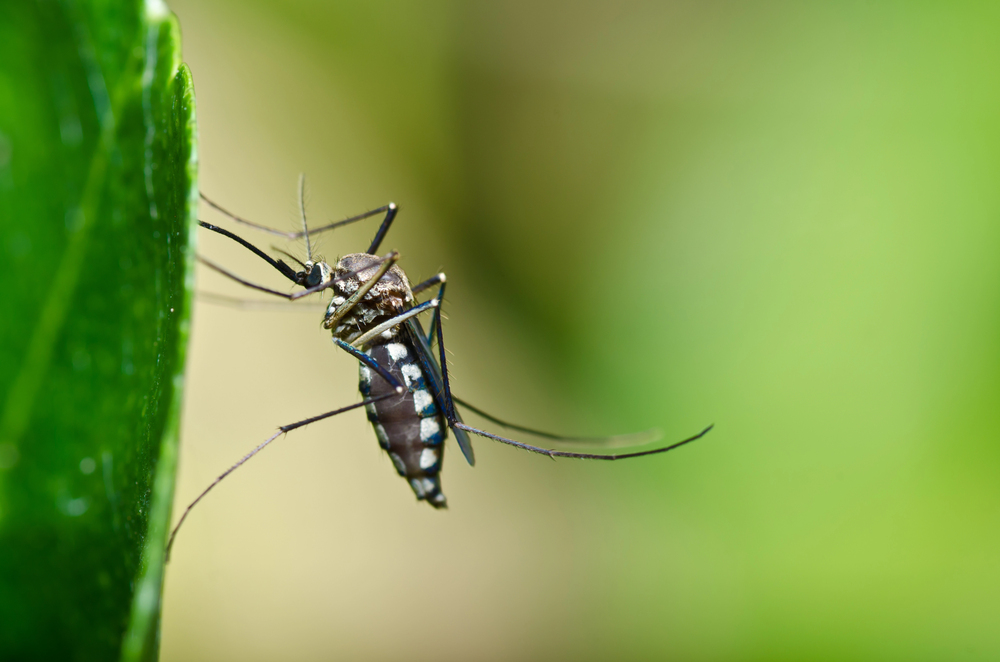
A mosquito’s proboscis can penetrate skin so gently that most people don’t feel the initial insertion, something medical needles haven’t achieved despite constant refinement. The mosquito’s feeding apparatus has multiple tubes and a design that minimizes tissue damage while maintaining function. Medical device companies are studying mosquito anatomy to develop less painful injection systems.
Termite Mounds vs. Air Conditioning
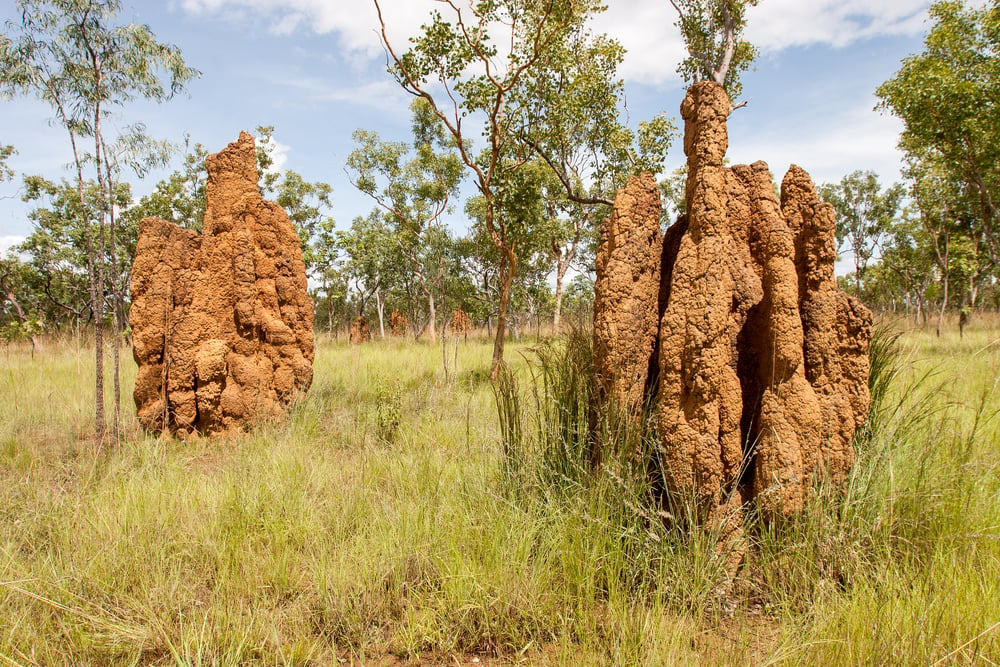
Termite mounds maintain stable internal temperatures through passive ventilation systems that work without any external energy input. These structures can keep internal temperatures within a few degrees while outside temperatures fluctuate by 60 degrees or more. The architectural principles used by termites are now being incorporated into energy-efficient building designs, though human structures still require mechanical systems for similar climate control.
Hummingbird Flight vs. Helicopter Design
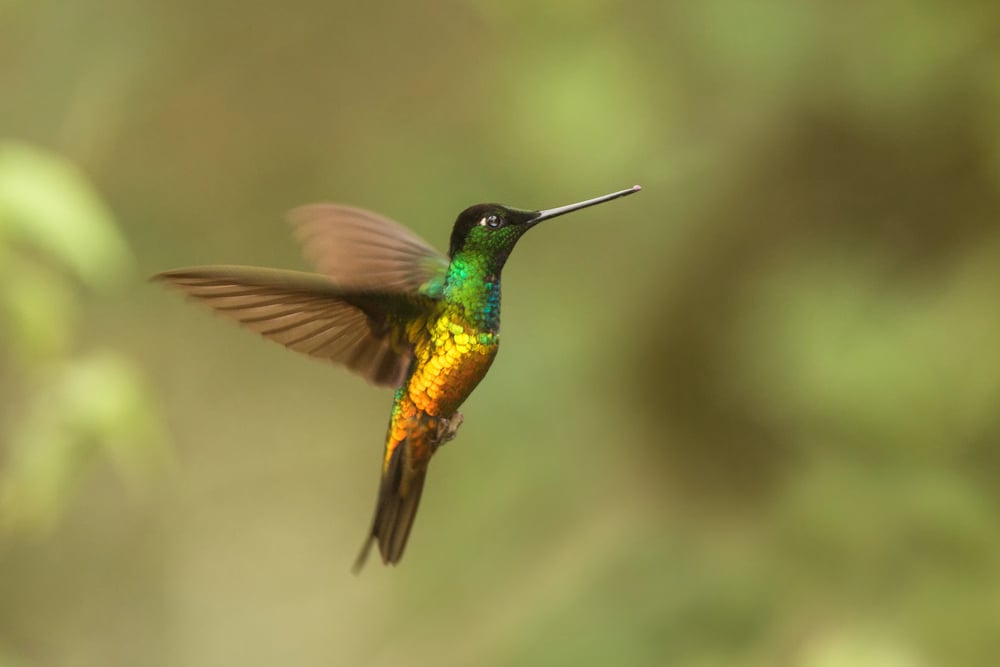
Hummingbirds can hover, fly backwards, and change direction instantly with a precision that the most advanced helicopters can’t match. Their wing mechanics allow for flight maneuvers that would crash any human-made aircraft attempting the same movements. The efficiency of hummingbird flight, particularly their ability to hover while consuming minimal energy, remains unmatched by rotorcraft technology.
Pine Cone Opening vs. Humidity Sensors
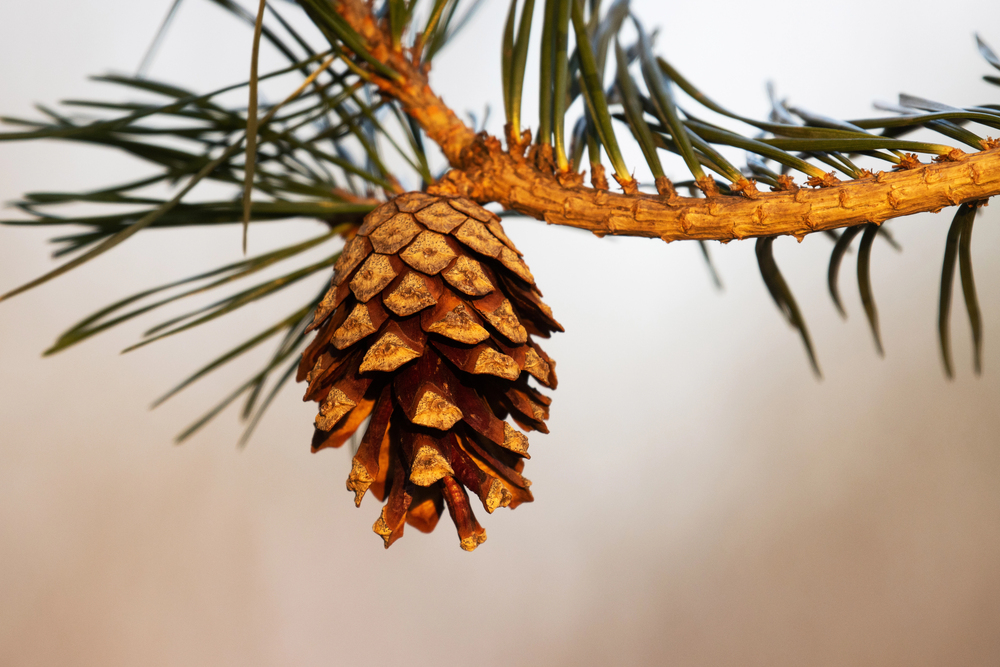
Pine cones open and close their scales based on humidity levels without any mechanical parts or external power source. This biological humidity sensor is so reliable that some weather prediction systems incorporate pine cone observations. The mechanism works through cellular changes that respond to moisture in ways that electronic humidity sensors, despite their sophistication, can’t replicate in terms of durability and maintenance-free operation.
Where Ancient Wisdom Meets Modern Innovation

These examples remind us that evolution has been running the ultimate research and development program for millions of years. While we’ve made incredible technological advances, nature continues to offer solutions that are more efficient, sustainable, and elegant than many human inventions. The growing field of biomimicry shows us that sometimes the best way forward is to look backward at the natural systems that have already solved the problems we’re still working on. Perhaps the real question isn’t whether we can outsmart nature, but how quickly we can learn from its time-tested designs.
More from Go2Tutors!

- The Romanov Crown Jewels and Their Tragic Fate
- 13 Historical Mysteries That Science Still Can’t Solve
- Famous Hoaxes That Fooled the World for Years
- 15 Child Stars with Tragic Adult Lives
- 16 Famous Jewelry Pieces in History
Like Go2Tutors’s content? Follow us on MSN.