Worst Storms in Recorded History
Out of nowhere, storms shaped how people lived through centuries. Before modern warnings arrived, survival relied on memory, word-of-mouth wisdom, while bridges and homes held together by luck.
Break one link in that chain? Then loss spread wide – towns vanished overnight, money dried up, habits shifted without warning.
What stood before never looked the same again. Storms etched into memory stand out because of timing, not just power. Some hit where people lived close together, caught off guard by weak alerts or exposed coasts.
Damage shows up less in numbers on a chart, more in broken routines, forced moves, lasting change. What lingers isn’t the roar – it’s how lives bent afterward.
A closer view shows certain storms have left scars that linger long after wind fades. What happened back then shapes conditions now, not through drama but slow consequence.
These events altered landscapes, yes – yet also quietly shifted how people live years later. Damage wasn’t only in wreckage, it settled into routines, choices, even warnings passed down.
Each storm rewrote normal without asking. Their names fade, though traces remain in rebuilt walls, changed paths, cautious forecasts.
Galveston Hurricane of 1900
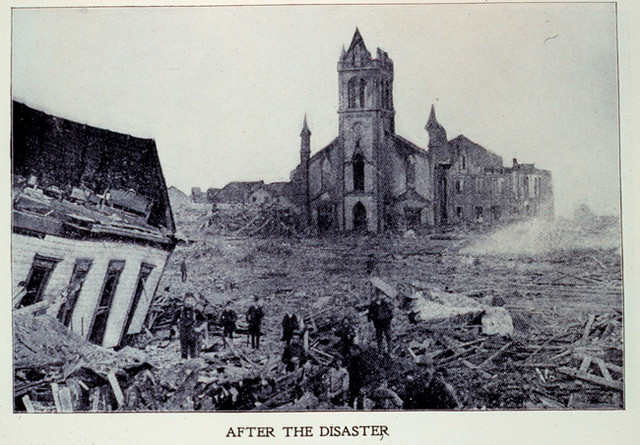
At the turn of the twentieth century, the coastal city of Galveston was thriving. It served as a major port and commercial hub, built on a low-lying barrier island along the Gulf of Mexico.
That geography, combined with limited forecasting at the time, made it extremely vulnerable.
When the hurricane arrived in September 1900, residents received little advance warning. A storm surge swept across the island, destroying entire neighborhoods in a matter of hours.
Wooden structures were no match for the force of wind and water working together. By the time the storm passed, much of the city lay in ruins.
The disaster forced a fundamental rethink of coastal development. Galveston rebuilt with a massive seawall and raised large sections of the island, physically lifting buildings and land.
The storm became a defining moment in U.S. disaster planning and weather science.
Bhola Cyclone of 1970

The Bhola Cyclone struck what is now Bangladesh in November 1970, hitting one of the most vulnerable regions on Earth. The Ganges-Brahmaputra Delta is flat, densely populated, and crisscrossed by rivers that amplify storm surge.
When the cyclone made landfall, entire villages were inundated. Many homes were built from lightweight materials that offered little resistance.
With limited warning systems and few shelters, people had little opportunity to escape to higher ground.
The scale of devastation was immense, making it the deadliest tropical storm on record. Its aftermath extended beyond physical damage.
Public frustration over the response contributed to political upheaval, showing how natural disasters can accelerate broader social change.
Typhoon Haiyan

In 2013, Typhoon Haiyan tore through the central Philippines with extraordinary force. Coastal cities such as Tacloban were directly exposed, with geography that funneled storm surge into populated areas.
Haiyan’s winds were among the strongest ever recorded at landfall, but it was the water that caused the most destruction. Waves pushed far inland, sweeping away homes, roads, and infrastructure.
Communities that relied on fishing and coastal trade were hit particularly hard.
The storm underscored how modern populations remain vulnerable despite advances in forecasting. Even with warnings issued, the sheer intensity of the event overwhelmed defenses.
Recovery took years, and the storm reshaped conversations around coastal resilience and climate risk.
The Great Blizzard of 1888

Not all historic storms came from warm seas. The Great Blizzard of 1888 paralyzed much of the northeastern United States, including New York City and Boston.
Snowfall combined with fierce winds to create drifts that blocked streets and railways.
At the time, cities relied heavily on above-ground infrastructure. Telegraph lines failed, cutting off communication.
Trains stalled, trapping passengers. With transportation halted, food deliveries slowed, and daily life ground to a halt.
The blizzard revealed the fragility of urban systems. In response, cities invested in underground transit and utilities, permanently changing urban design.
A winter storm ended up reshaping how modern cities function.
Hurricane Katrina

When Hurricane Katrina reached the Gulf Coast in 2005, it was already a powerful storm. Its most devastating impact came after landfall, when flood protection systems failed in parts of New Orleans.
Large areas of the city filled with water, leaving residents stranded for days. Emergency response struggled to keep pace with the scale of the crisis.
Images from the aftermath revealed stark inequalities in who was able to evacuate and who was left behind.
Katrina became a defining moment in modern disaster response. It exposed weaknesses in infrastructure, coordination, and preparedness.
The lessons extended far beyond the Gulf Coast, influencing emergency planning nationwide.
Cyclone Nargis

Cyclone Nargis struck Myanmar in 2008, devastating the Irrawaddy Delta, one of the country’s most important agricultural regions. The delta’s flat terrain offered little natural protection against storm surge.
Villages were swept away, farmland ruined, and waterways clogged with debris. In the days that followed, recovery was complicated by limited access for international aid, leaving many communities isolated.
The storm highlighted how political and logistical factors can intensify the impact of natural disasters. Geography set the stage, but human systems determined how recovery unfolded.
The Dust Bowl storms

The Dust Bowl of the 1930s was not a single storm, but a series of severe dust storms that affected large portions of the Great Plains in the United States. Years of drought combined with aggressive farming practices left topsoil exposed.
When strong winds arrived, massive clouds of dust rolled across towns and farmland, darkening skies and disrupting daily life. Crops failed repeatedly, forcing families to abandon farms and migrate in search of work.
These storms changed American agriculture permanently. Soil conservation, crop rotation, and federal land management programs emerged directly from the crisis.
It was a powerful example of how human decisions can amplify natural extremes.
Labor Day Hurricane of 1935

The Labor Day Hurricane struck the Florida Keys with extraordinary intensity. At the time, forecasting was limited, and evacuation routes were fragile.
When the storm arrived, there was little time to prepare.
Storm surge and wind erased entire settlements along the island chain. Transportation links were destroyed, cutting off escape and rescue efforts.
The compact geography of the Keys left residents with few options.
The hurricane influenced how storms are categorized and studied. Its strength became a benchmark for understanding the upper limits of tropical storm intensity.
Why these storms caused such devastation

Extreme weather alone does not explain the outcomes. Many of the worst storms struck areas where geography amplified danger, such as low-lying deltas and barrier islands.
Dense populations increased exposure, while limited infrastructure reduced resilience.
Timing mattered as well. Nighttime landfalls, seasonal vulnerability, and economic conditions all shaped how people experienced these events.
In several cases, the storm exposed weaknesses that existed long before clouds gathered.
Understanding these factors helps explain why storms with similar strength can produce vastly different consequences.
How storms reshaped science and planning

Each catastrophic storm contributed to advances in forecasting, communication, and urban design. Early warning systems, satellite monitoring, and evacuation planning all emerged from lessons learned through disaster.
Still, progress has been uneven. Rapid urban growth in coastal regions continues to place more people in harm’s way.
As storms interact with modern infrastructure, new vulnerabilities emerge.
History shows that preparation is not a one-time achievement. It requires constant revision as conditions change.
Why these storms still matter

Storms once thought unimaginable now stand as real markers of what can go wrong. Not far-off oddities, they shape how we see danger, recovery, slow choices.
Wreckage on the ground tells stories later echoed in rules, decisions, shared awareness. What stayed after each event changed minds more than forecasts ever could.
When storms grow stronger across places, old records help make sense of it. These moments show predictions miss the point without action behind them.
What holds communities together? Decisions made long before clouds gather.
Fair systems plus strong roads, shelters, power – those shape survival. Not just warnings on a screen.
Well beyond the point when clouds vanish and repairs start, echoes of these storms linger in the way people ready themselves for future threats.
More from Go2Tutors!

- The Romanov Crown Jewels and Their Tragic Fate
- 13 Historical Mysteries That Science Still Can’t Solve
- Famous Hoaxes That Fooled the World for Years
- 15 Child Stars with Tragic Adult Lives
- 16 Famous Jewelry Pieces in History
Like Go2Tutors’s content? Follow us on MSN.