18 Times Fashion Designers Stole From Each Other
Fashion has always been a world where inspiration and imitation dance dangerously close together. The line between creative influence and outright theft gets blurred when millions of dollars and reputations are at stake. Behind the glamorous runways and glossy magazines lies a cutthroat industry where designers have been lifting ideas from each other for decades.
From exact copies to barely disguised knockoffs, the fashion world’s dirty secrets reveal just how often creativity gets borrowed without permission. Here is a list of 18 times fashion designers stole from each other.
Yves Saint Laurent’s Mondrian Dress
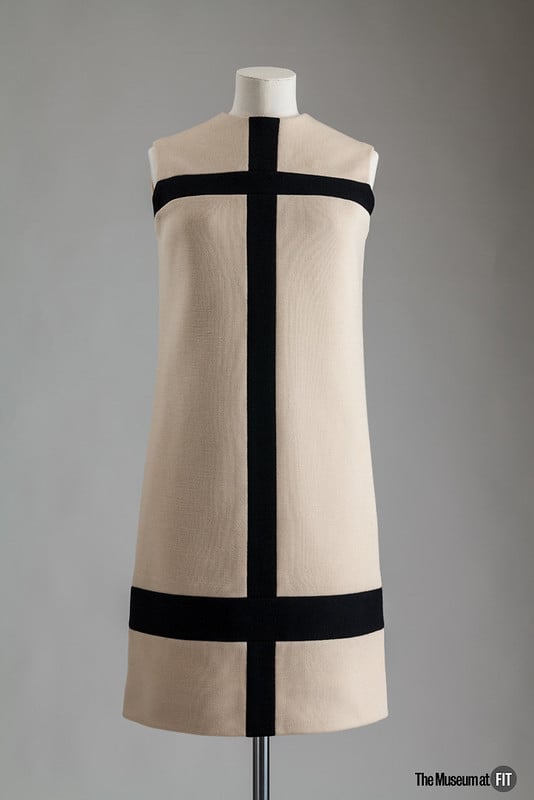
In 1965, Yves Saint Laurent created his famous Mondrian collection, directly copying the geometric patterns of Dutch artist Piet Mondrian’s paintings onto shift dresses. Saint Laurent never asked permission from the Mondrian estate and simply translated the artist’s iconic grid paintings into wearable art. The collection became legendary, but it was essentially high-fashion plagiarism that launched Saint Laurent’s reputation as an innovator.
Christian Dior’s New Look Controversy
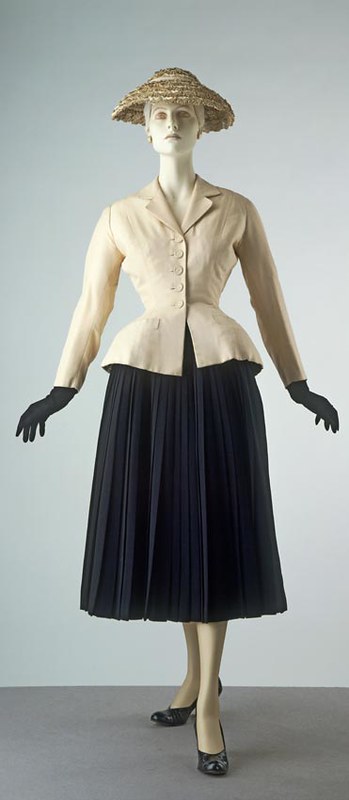
Christian Dior’s revolutionary 1947 ‘New Look’ collection bore striking similarities to designs by lesser-known couturier Jacques Fath from several years earlier. Fath had been creating nipped-waist silhouettes and full skirts since the early 1940s, but Dior’s marketing machine made the style famous. The fashion press credited Dior with inventing the feminine silhouette that actually belonged to his competitor.
Zara’s Constant Copying

Spanish retailer Zara has built their entire business model on copying high-end designer pieces and selling them for a fraction of the price. They’ve been sued by dozens of designers including Diane von Furstenberg, Christian Louboutin, and Hermès for producing nearly identical versions of luxury items. Zara’s legal team budgets for these lawsuits as a cost of doing business, knowing that fast fashion profits outweigh legal fees.
Ralph Lauren’s Western Wear
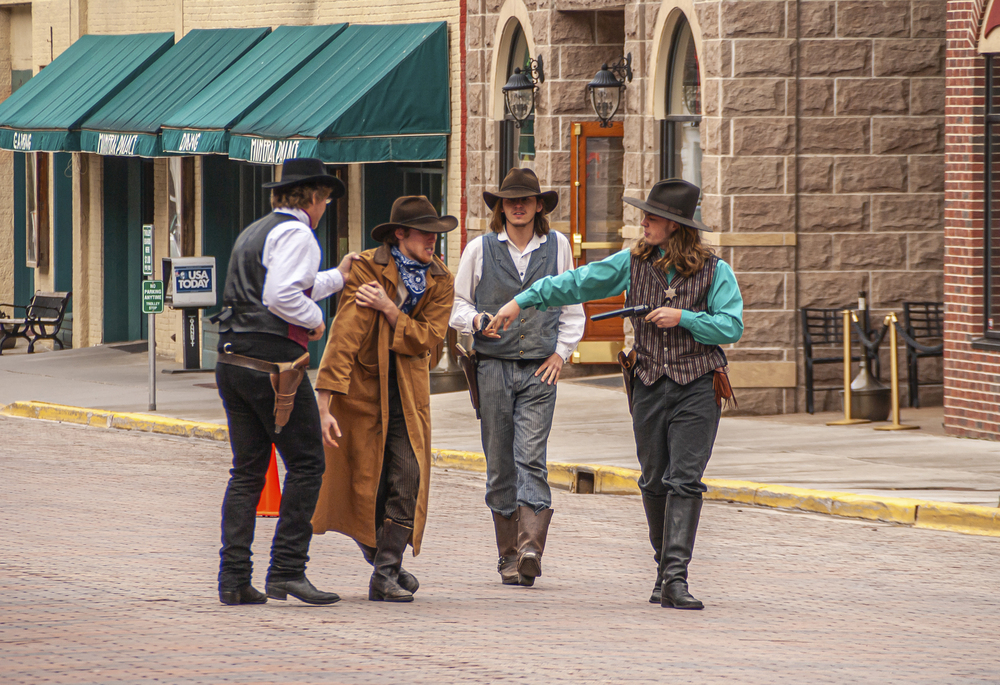
— Photo by Klodien
Ralph Lauren built his empire by copying traditional American workwear and cowboy clothing, then selling it as luxury fashion. He took authentic ranch and military designs that had existed for decades and simply added his polo player logo. Lauren never credited the original makers of these classic American styles, instead positioning himself as the creator of preppy Americana.
Versace vs. Pucci Pattern Theft
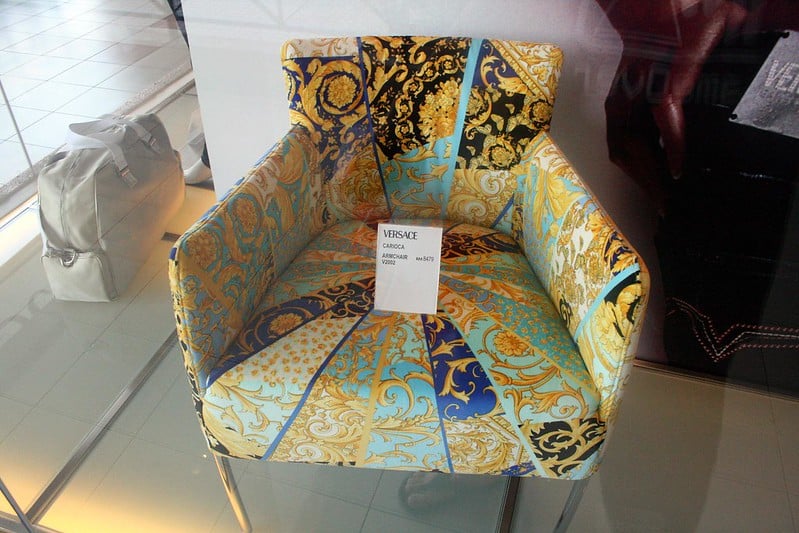
In the 1990s, Versace released a collection featuring swirling, psychedelic prints that were nearly identical to Emilio Pucci’s signature patterns from the 1960s. Pucci had spent years developing his distinctive kaleidoscope designs, but Versace simply updated the colors and claimed them as original creations. The fashion world noticed the similarities, but Versace faced no legal consequences for the obvious copying.
Calvin Klein’s Minimalist Theft
Calvin Klein’s minimalist aesthetic wasn’t entirely original—he borrowed heavily from Japanese designers like Rei Kawakubo and Yohji Yamamoto who had been creating clean, architectural clothing since the 1970s. Klein took their concepts of negative space and geometric simplicity, then marketed them as quintessentially American design. His success came from repackaging Eastern minimalism for Western consumers who didn’t know the original source.
Marc Jacobs’ Grunge Appropriation

Marc Jacobs famously brought grunge to high fashion in 1993, but he didn’t create the aesthetic—he simply copied what teenagers in Seattle had been wearing for years. Jacobs took ripped jeans, flannel shirts, and combat boots from the streets and charged luxury prices for the same look. The fashion establishment praised his ‘innovation’ while the actual grunge community received no credit or compensation.
Coco Chanel’s Sailor Style
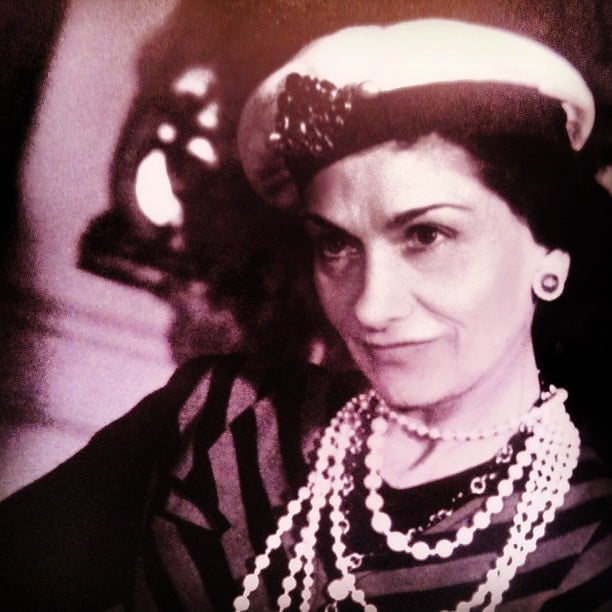
Coco Chanel built her reputation on creating comfortable, practical clothing for women, but many of her most famous designs were borrowed from men’s and military uniforms. Her iconic striped shirts came directly from French sailor uniforms, and her simple jackets mimicked military blazers. Chanel’s genius was in adaptation rather than creation, though history remembers her as a groundbreaking original designer.
Tom Ford’s 1970s Revival
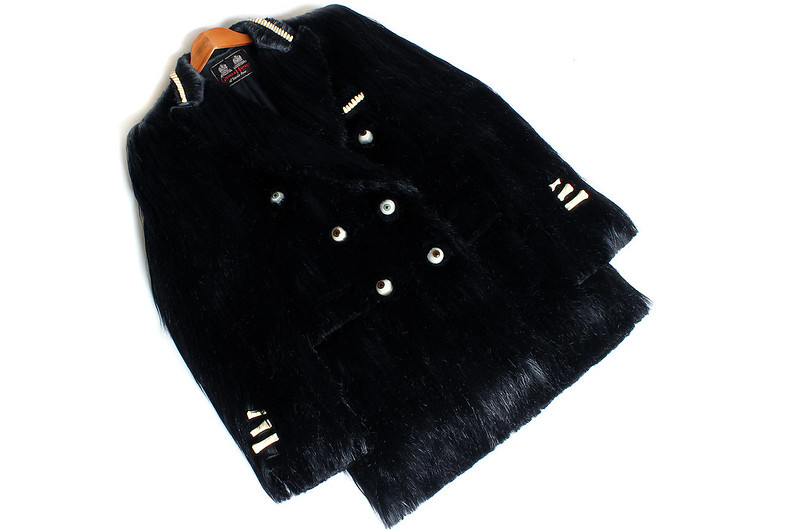
When Tom Ford revitalized Gucci in the 1990s, he achieved success by copying 1970s fashion almost exactly. His velvet suits, wide lapels, and metallic fabrics were direct recreations of disco-era clothing that had been popular twenty years earlier. Ford presented these recycled styles as cutting-edge fashion, proving that timing matters more than originality in the fashion world.
Diane von Furstenberg’s Wrap Dress Origins
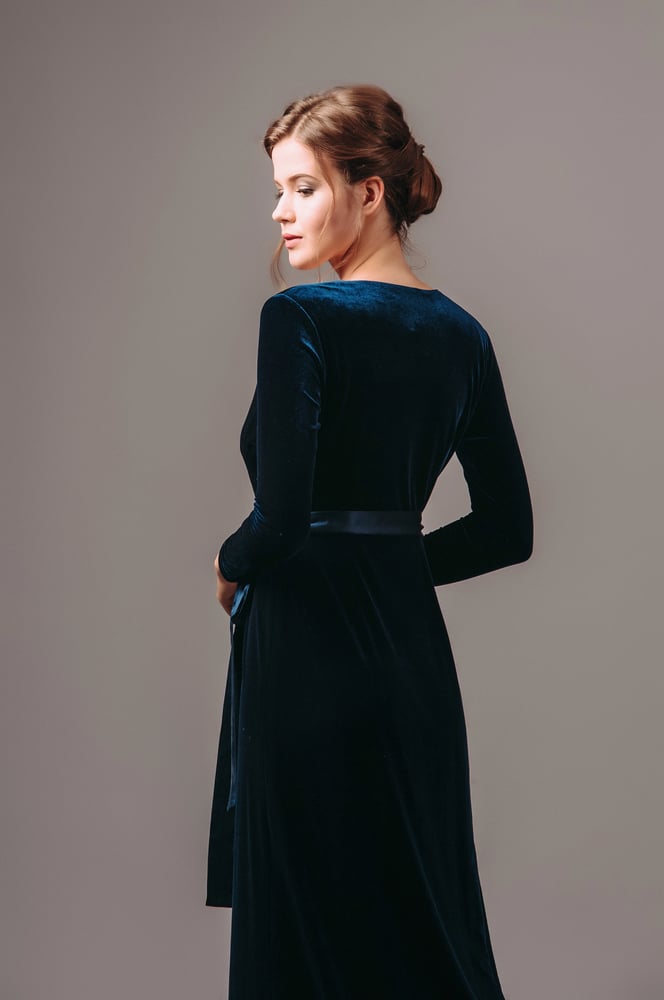
Diane von Furstenberg’s famous wrap dress, which launched her career in 1974, was actually based on a design by Claire McCardell from the 1940s. McCardell had created the ‘popover dress’ with the same wrap silhouette and practical functionality decades earlier. Von Furstenberg’s version became iconic while McCardell’s original contribution was largely forgotten by fashion history.Jean Paul Gaultier’s Cone Bra
Jean Paul Gaultier’s cone bra design
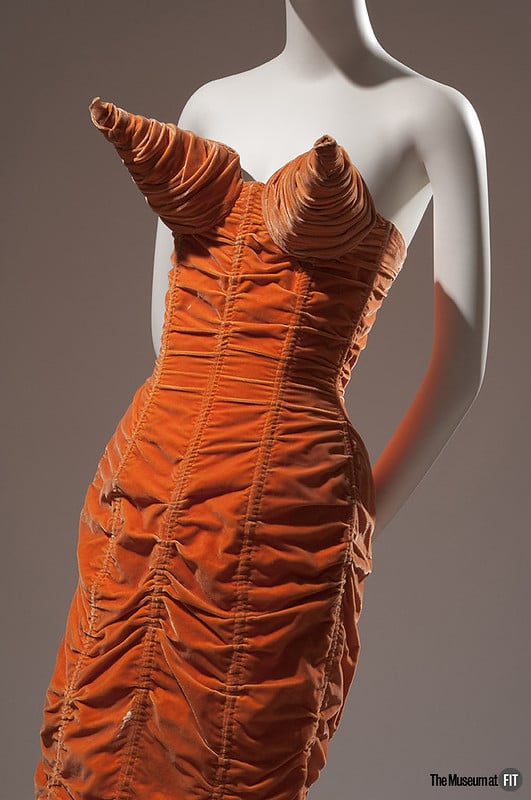
Jean Paul Gaultier’s cone bra design, made famous by Madonna, wasn’t his original creation but was inspired by the pointed brassieres of the 1950s. Gaultier took the exaggerated silhouette that lingerie designers had created decades earlier and brought it to the surface as outerwear. His ‘innovation’ was simply moving undergarments to become the main attraction.
Alexander McQueen’s Kimono Inspiration
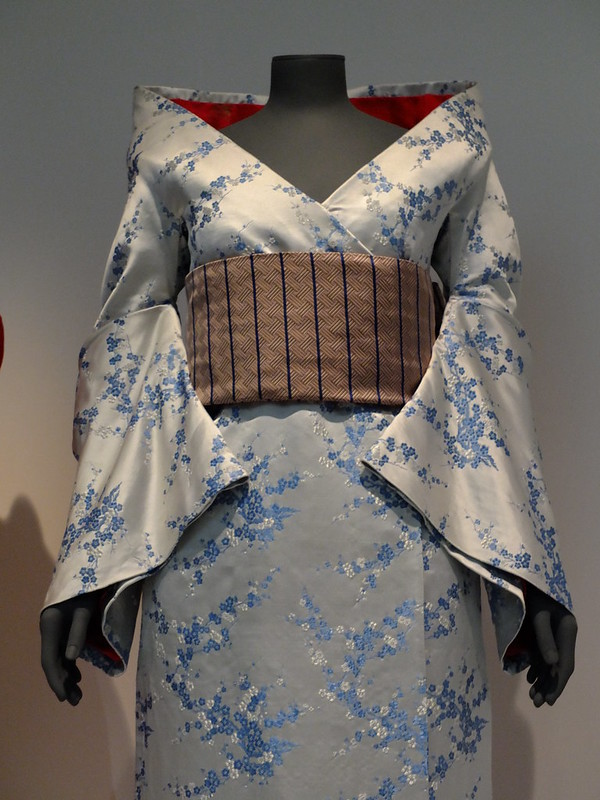
Alexander McQueen frequently drew inspiration from traditional Japanese clothing, sometimes crossing the line from inspiration into appropriation. His 1995 ‘The Birds’ collection featured kimono-style robes and obi belts that were nearly identical to authentic Japanese garments. McQueen’s dramatic presentations made these borrowed elements seem revolutionary to Western audiences unfamiliar with their origins.
Thierry Mugler’s Superhero Suits
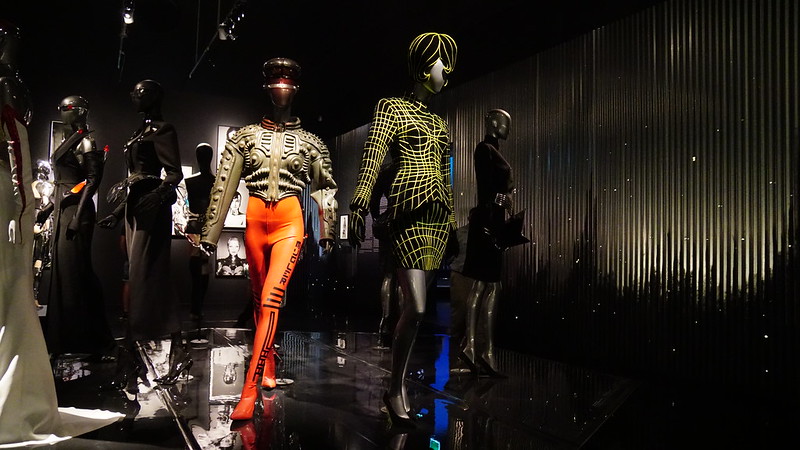
Thierry Mugler’s futuristic bodysuits and structured silhouettes were heavily influenced by comic book superhero costumes and science fiction movie costumes. He took the exaggerated shoulders and metallic finishes from popular culture and presented them as high fashion innovation. Mugler’s designs thrilled fashion critics who didn’t recognize their pop culture origins.
Vivienne Westwood’s Punk Appropriation
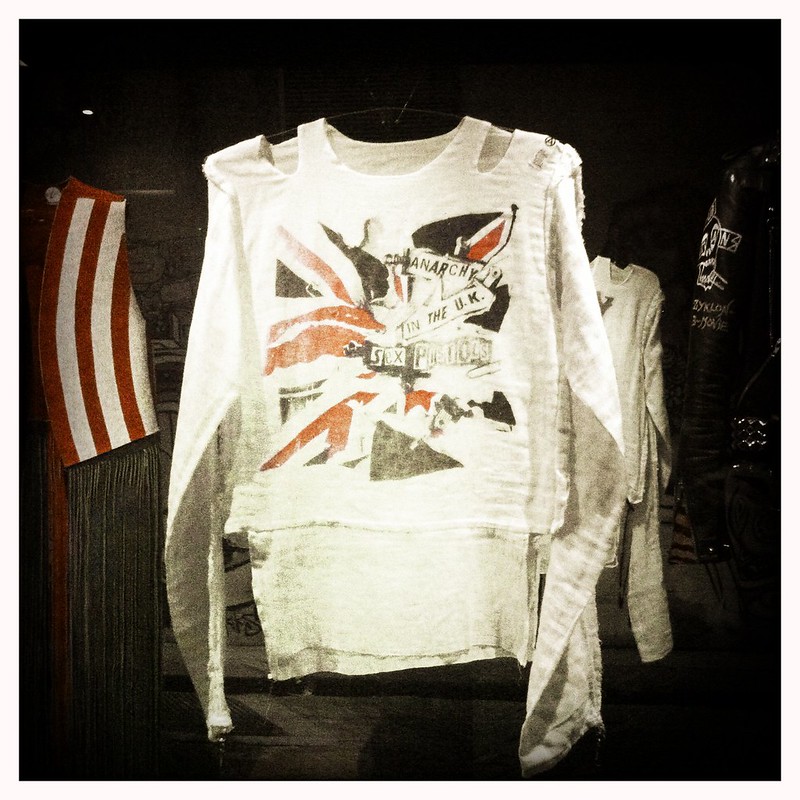
Vivienne Westwood is credited with bringing punk fashion to the mainstream, but she was copying styles that had already emerged organically in London’s underground music scene. She took ripped clothing, safety pins, and bondage gear that punks had been wearing and sold them in her boutique as designer pieces. Westwood commercialized a genuine street movement and profited from its authenticity.
Giorgio Armani’s Unstructured Suits
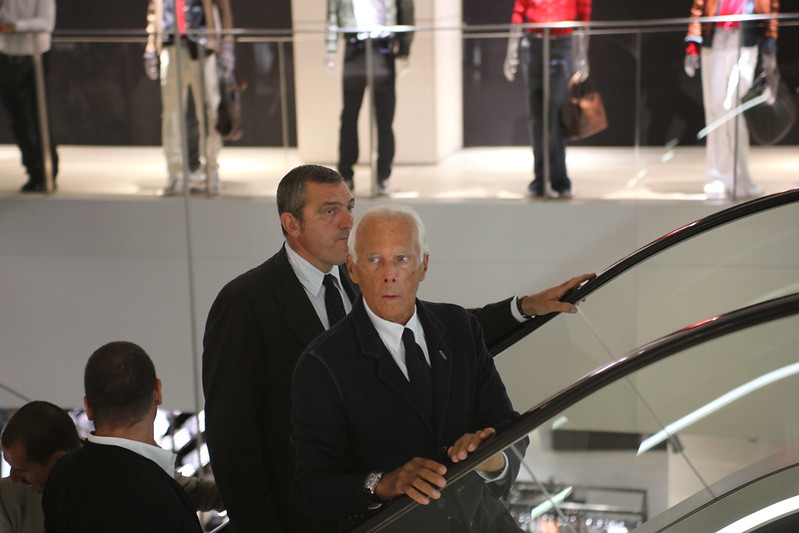
Giorgio Armani revolutionized menswear with his unstructured suits in the 1970s, but this style had been common in Italian tailoring for generations. Traditional Neapolitan tailors had been making soft, unlined jackets for decades before Armani marketed them as modern innovation. Armani’s contribution was branding and marketing rather than actual design innovation.
Helmut Lang’s Industrial Aesthetic
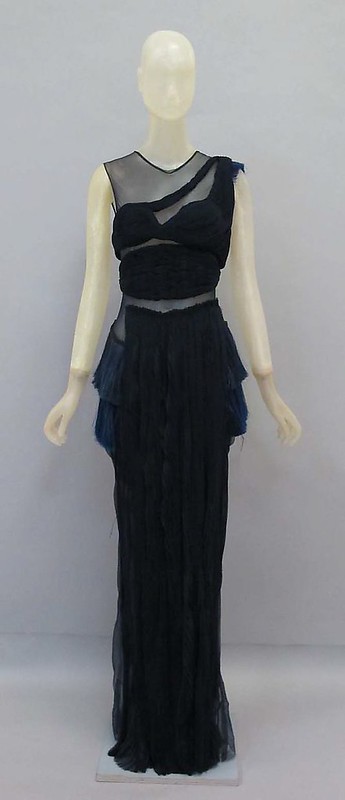
Helmut Lang’s minimalist, industrial-inspired clothing drew heavily from German workwear and utilitarian design that had existed since the Bauhaus movement. Lang took functional elements like exposed zippers, technical fabrics, and streamlined silhouettes from industrial design and presented them as fashion-forward concepts. His success came from translating existing design principles into luxury clothing.
John Galliano’s Historical Costume Copying
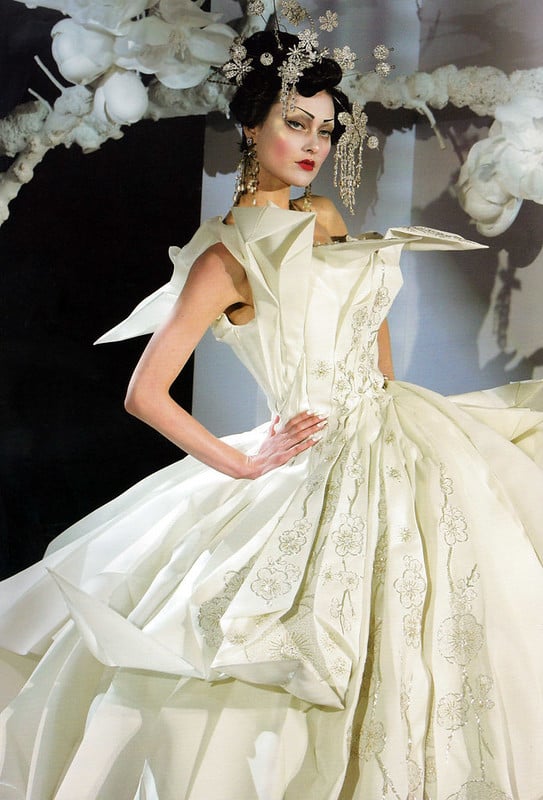
John Galliano built his reputation on elaborate theatrical collections that were often direct copies of historical costumes and ethnic dress from around the world. His designs for Dior frequently reproduced 18th-century court dress, traditional African clothing, and Asian ceremonial garments with minimal alteration. Galliano’s shows were praised for their creativity, though they were essentially expensive costume parties using other cultures’ traditional designs.
Pierre Cardin’s Space Age Theft
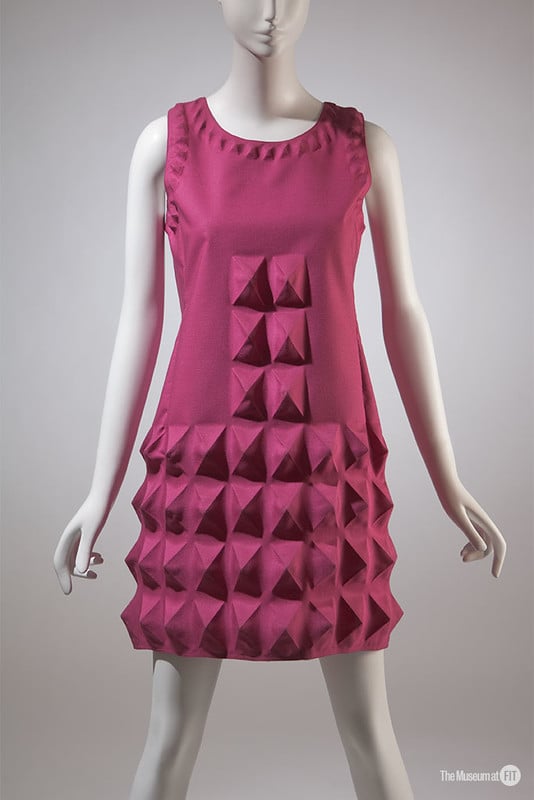
Pierre Cardin’s famous ‘Space Age’ collection of the 1960s borrowed heavily from science fiction movie costumes and futuristic designs that had already appeared in popular culture. His geometric shapes and metallic fabrics were recreations of what Hollywood had imagined space travelers would wear. Cardin succeeded by bringing these existing concepts from the screen to the runway at the perfect cultural moment.
The Original Sin Continues

Fashion’s history of borrowing, stealing, and reinterpreting reveals that very few designs are truly original—most are clever combinations of existing ideas presented at the right moment. Today’s social media makes copying easier than ever, but it also makes detection more likely, forcing designers to be more creative about their sources of inspiration. The fashion industry continues to wrestle with the fundamental question of where inspiration ends and theft begins, a debate that becomes more complex as global communication makes every cultural tradition accessible to anyone with an internet connection.
More from Go2Tutors!

- 16 Historical Figures Who Were Nothing Like You Think
- 12 Things Sold in the 80s That Are Now Illegal
- 15 VHS Tapes That Could Be Worth Thousands
- 17 Historical “What Ifs” That Would Have Changed Everything
- 18 TV Shows That Vanished Without a Finale
Like Go2Tutors’s content? Follow us on MSN.



