Snapshots Of Household Items Collectors Will Buy
Most people don’t think twice before tossing out an old kitchen gadget or donating a box of dishes to the thrift store. But tucked inside ordinary homes are items that collectors actively hunt for — pieces that carry history, nostalgia, or rarity in ways that drive real demand.
You don’t need to live in a mansion or inherit antiques to have something worth selling. Sometimes the most overlooked corner of a garage holds exactly what someone else has been searching for.
Cast Iron Cookware
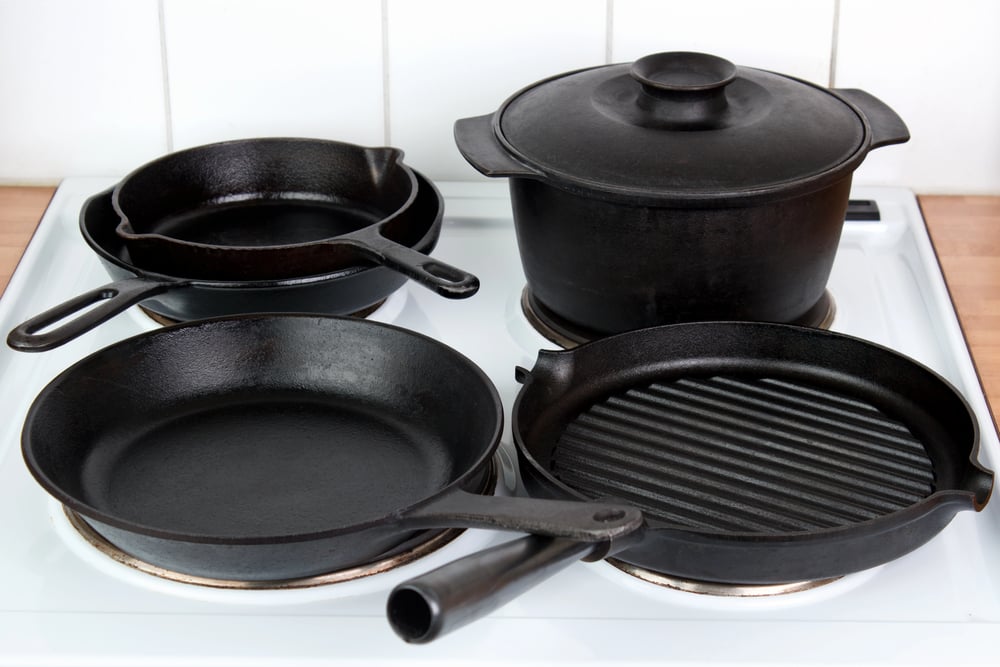
Old cast iron pans are among the most consistently sought-after items in the collector market. Pre-1950s pieces from American manufacturers like Griswold and Wagner command serious attention.
Collectors look at the surface texture, the gate mark on the bottom, and the weight distribution — details that distinguish early production runs from later ones. If you find a skillet with a smooth cooking surface, a heat ring on the base, and a clear maker’s mark, it’s worth researching before you sell it cheap at a yard sale.
Some single pans fetch hundreds of dollars. Even plain, unbranded cast iron from the early 20th century attracts buyers who restore and use it.
Pyrex From The Mid-Century Era
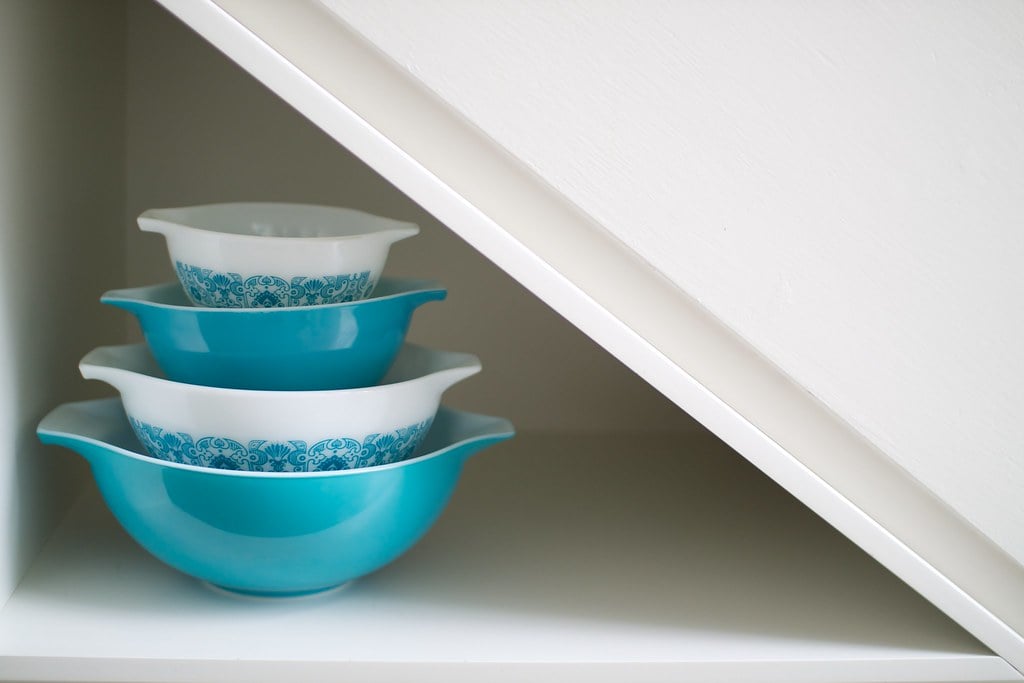
The colorful patterned Pyrex that filled kitchens from the 1950s through the 1980s has developed a devoted following. Specific patterns — Gooseberry, Butterprint, Lucky in Love — are especially popular.
The demand comes partly from nostalgia and partly from the fact that vintage Pyrex holds up well and still works. Color matters a lot here.
Pink and turquoise pieces in the more obscure patterns draw the highest prices. A complete nesting bowl set in good condition, with no chips or crazing on the surface, is exactly what collectors look for.
Individual pieces in common patterns are more modest in value, but rare colorways in perfect condition can surprise you.
Vintage Telephones
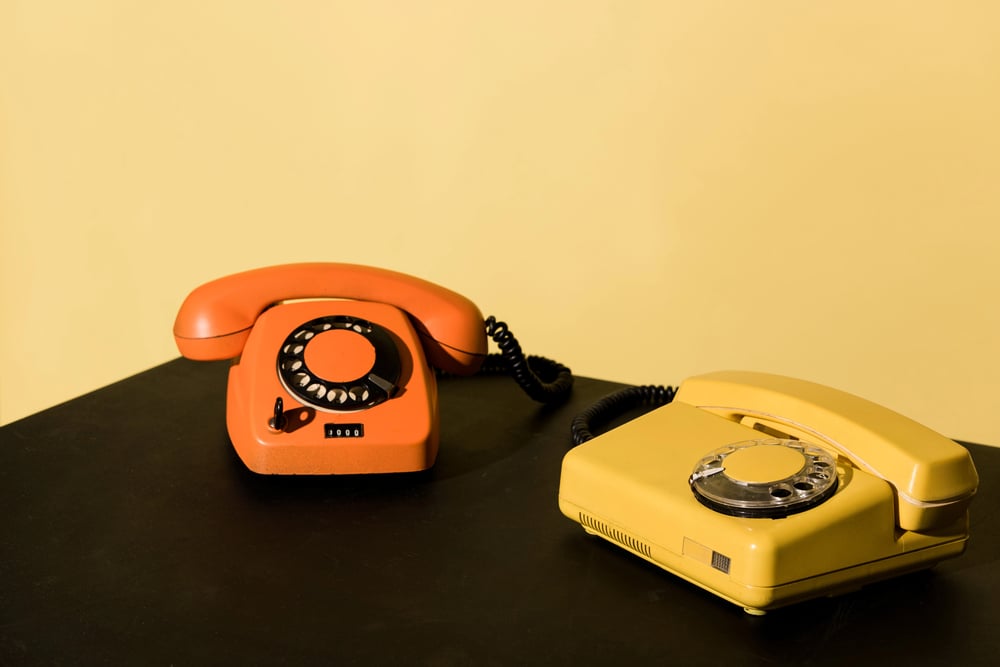
Rotary phones, particularly the heavy Bakelite models from the 1940s and 1950s, have real collector appeal. The color is the biggest factor — standard black is common and sells for less, while red, pink, green, and yellow models are far rarer and priced accordingly.
Wall-mounted models and two-line phones from the mid-century period also attract buyers. People use them as decor, but serious collectors want ones that still work or are restorable.
The condition of the handset cord and the dial mechanism matters. If the chrome trim is intact and there are no deep scratches in the case, you have something worth listing.
Depression Glass
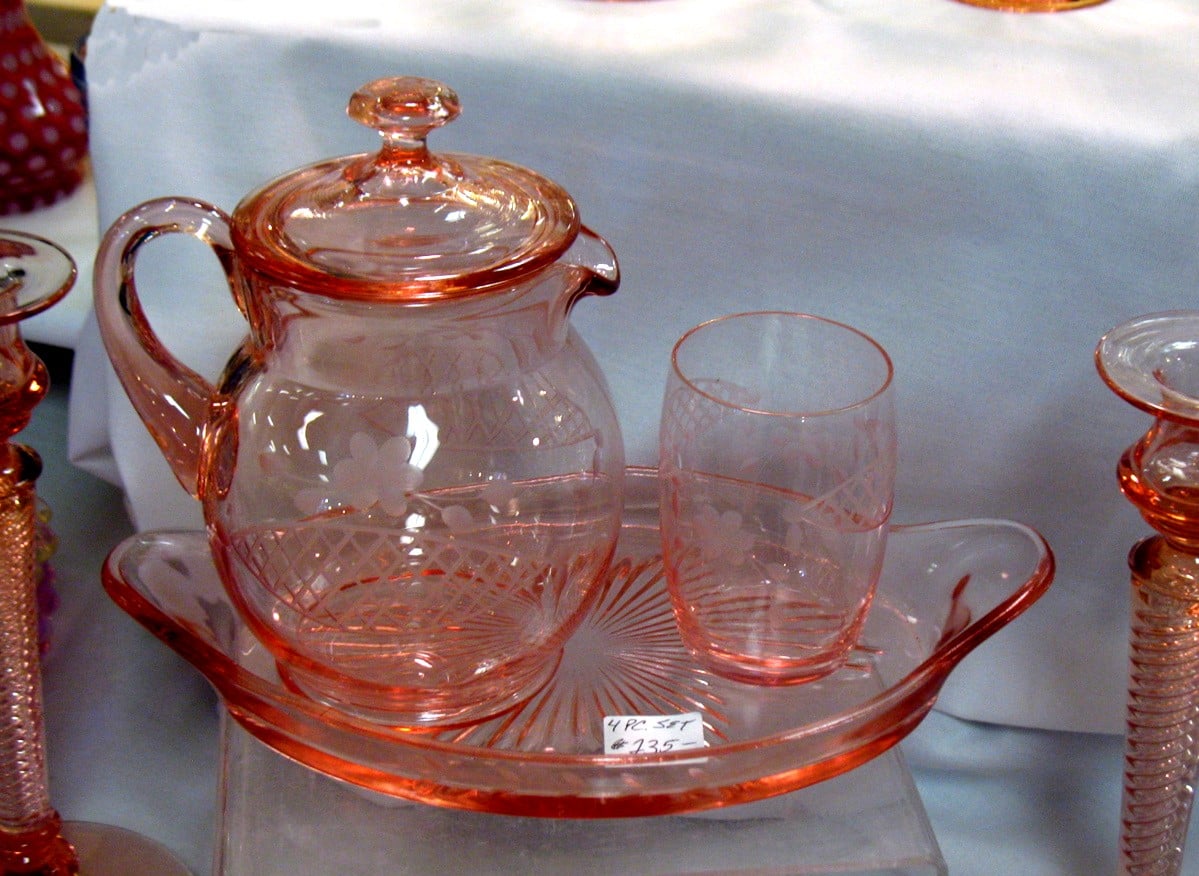
Depression glass refers to machine-pressed glassware produced in large quantities during the 1920s through the early 1940s. It came in distinctive colors — pale pink, green, amber, cobalt blue, and clear — and was sometimes given away at movie theaters or packed inside product boxes as a marketing tool.
Today, collectors organize by pattern and color. There are hundreds of documented patterns, and some are far rarer than others.
Pieces in cobalt blue or a deep red called “Royal Ruby” typically bring the highest prices. A full place setting in a rare pattern can be worth far more than the sum of the individual pieces.
Chips or cracks drop the value considerably, but hairlines that are hard to see with the unaided eye don’t affect interest much.
Advertising Tins
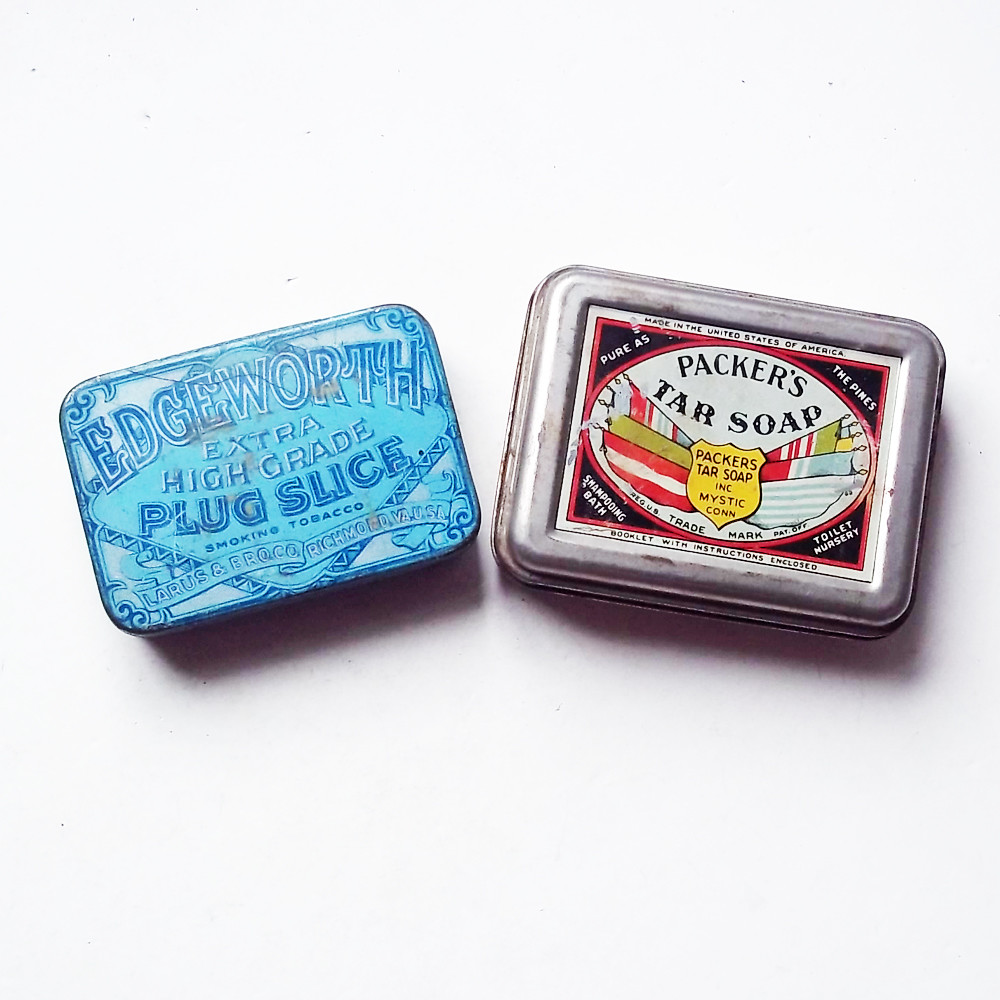
Metal tins printed with old product advertisements are a steady fixture in the collector market. Cig tins, coffee cans, biscuit boxes, and talcum powder containers from the early and mid-20th century all have buyers.
The graphics are the main draw — bright lithographed images, bold typography, and brand names that no longer exist carry real appeal. Condition is everything.
Rust, deep dents, or significant paint loss lower the value fast. A tin with vivid color, a tight-fitting lid, and a graphic that’s easy to read and visually striking is what people want.
Regional brands often command a premium because they’re harder to find than nationally distributed products.
Soda Bottles

Old glass soda bottles, particularly those with embossed lettering from regional bottlers, draw consistent collector interest. The appeal is local history — a bottle with the name of a small-town bottling company that closed decades ago represents something that can’t be replicated.
Hutchinson-style bottles from the 1890s and early 1900s are among the most valuable. Colored glass adds to the price — aqua, amber, and deep green bottles are more interesting than clear ones.
ACL (applied color label) bottles from the 1940s through the 1960s, where the label is baked directly into the glass rather than paper, are another popular category. Clean, uncracked examples in unusual colors or from obscure local brands are the ones that move fast.
Typewriters
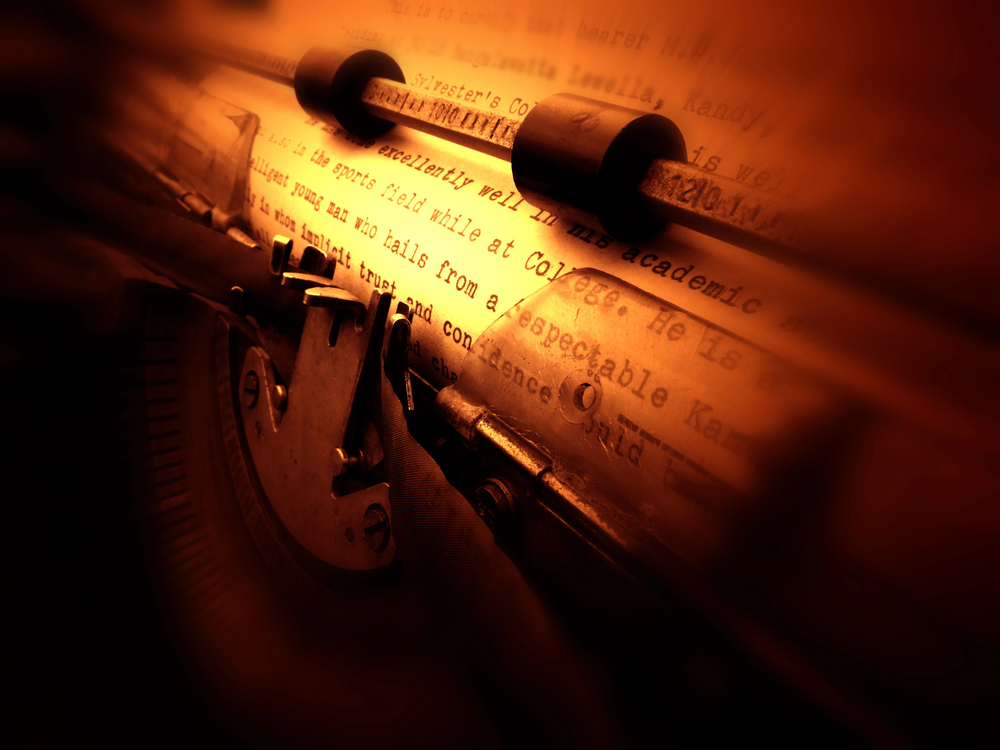
Portable typewriters from the mid-20th century have found a new audience. Part of the interest is functional — writers and creatives actually use them.
But there’s also a strong decorative market. Machines from brands like Hermes, Olivetti, and Royal in working condition, especially in unusual colors, sell steadily.
The Olivetti Valentine, designed in bright red with a carrying case, is one of the most recognized collector pieces. But even standard office models from the 1950s and 1960s, cleaned up and in working order, attract buyers.
Machines with all their keys intact, a functioning carriage return, and a clear typeface bring the best prices.
Wooden Handled Kitchen Tools
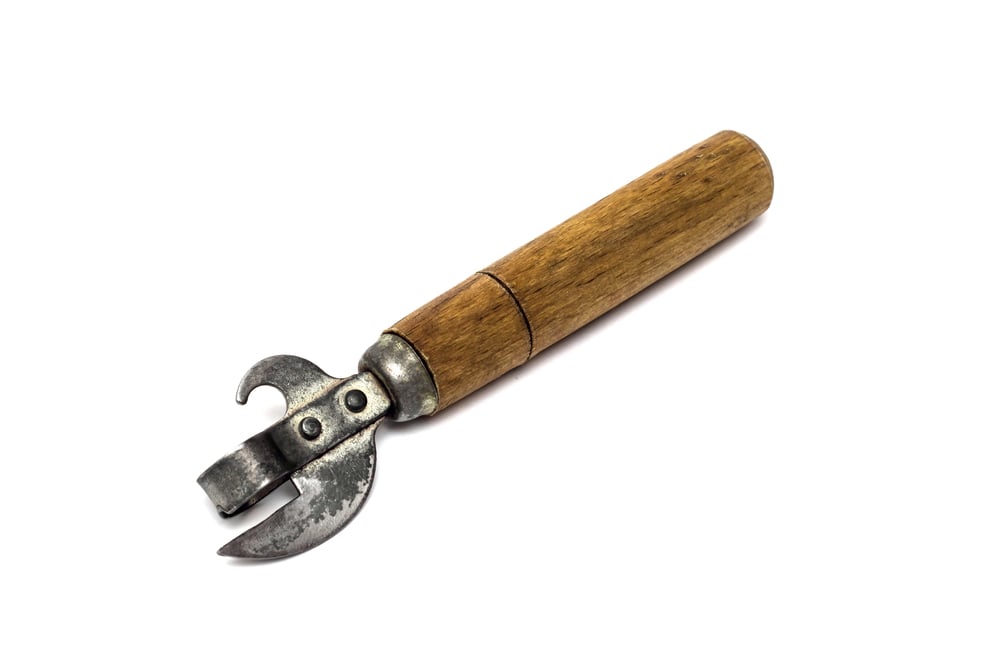
Kitchen utensils with turned wooden handles — egg beaters, can openers, pastry blenders, and spatulas from the 1920s through the 1950s — are collectible in a quiet but persistent way. The appeal is the craftsmanship and the look.
Red-handled pieces, sometimes called “red-handled kitchen primitives,” are especially popular. These items show up in antique malls and estate sales constantly, but complete matched sets in excellent condition are harder to find.
A collection of matching pieces from the same era, still with their original finish and no missing hardware, is worth more than individual pieces sold separately.
Barometers And Weather Instruments
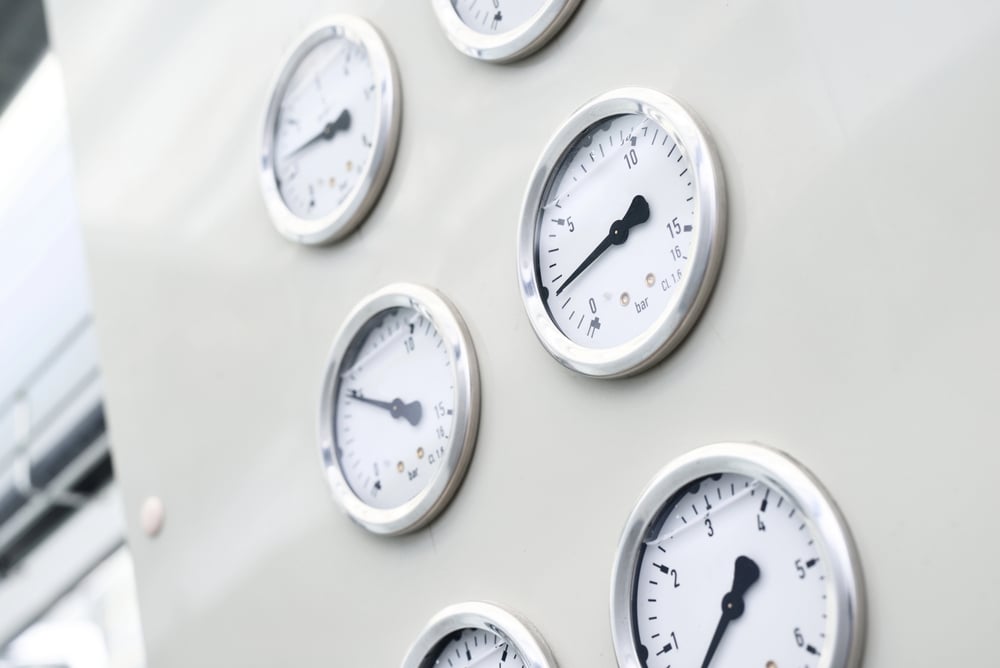
Old household barometers, particularly ornate wall-mounted versions from the Victorian era and the early 20th century, attract collectors interested in scientific instruments and decorative pieces. Carved wood cases with beveled glass, combination thermometer and barometer units, and ship’s barometers in brass cases are all sought-after.
Working condition adds value, but many buyers are primarily interested in the visual appeal. A barometer with a cracked dial but an intact, beautifully carved mahogany case still has a market.
Paper dials in perfect condition are harder to find than the cases themselves, so intact original dials matter.
Electric Fans
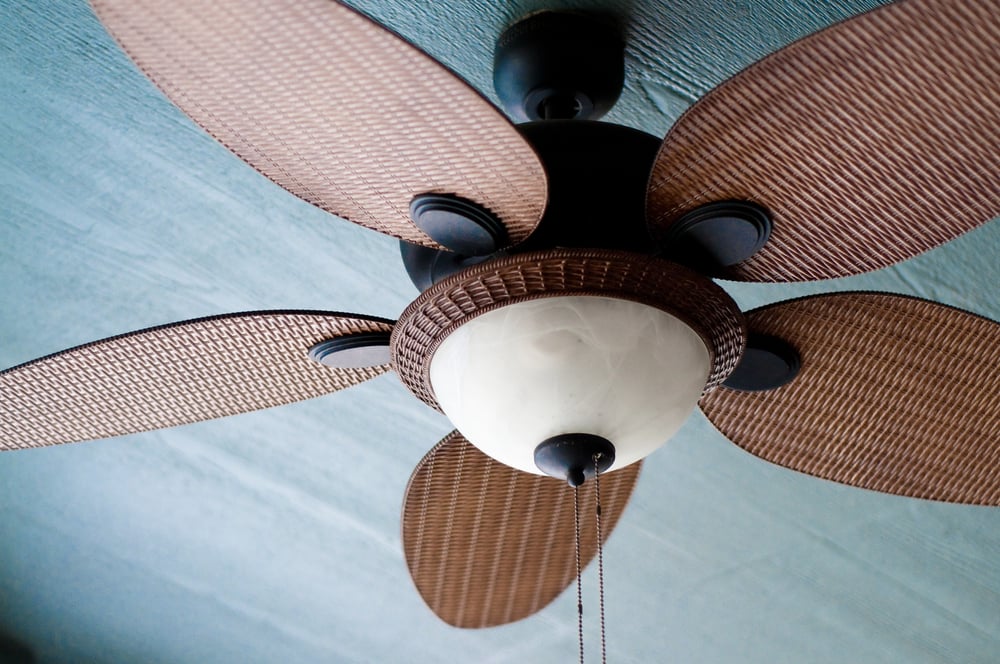
Vintage electric fans from the 1920s through the 1950s are a growing category. Early General Electric, Emerson, and Westinghouse desk fans in working condition commanded real money, especially models with brass blades and heavy cast-iron bases.
The cage style — the wire guard around the blades — varies by era and manufacturer, and collectors know the differences. Painted blades in good condition and the original speed switch add to the value.
An early oscillating model that still runs quietly is worth considerably more than a non-working example, though restoration pieces also have a market.
Calendars And Advertising Paper Goods
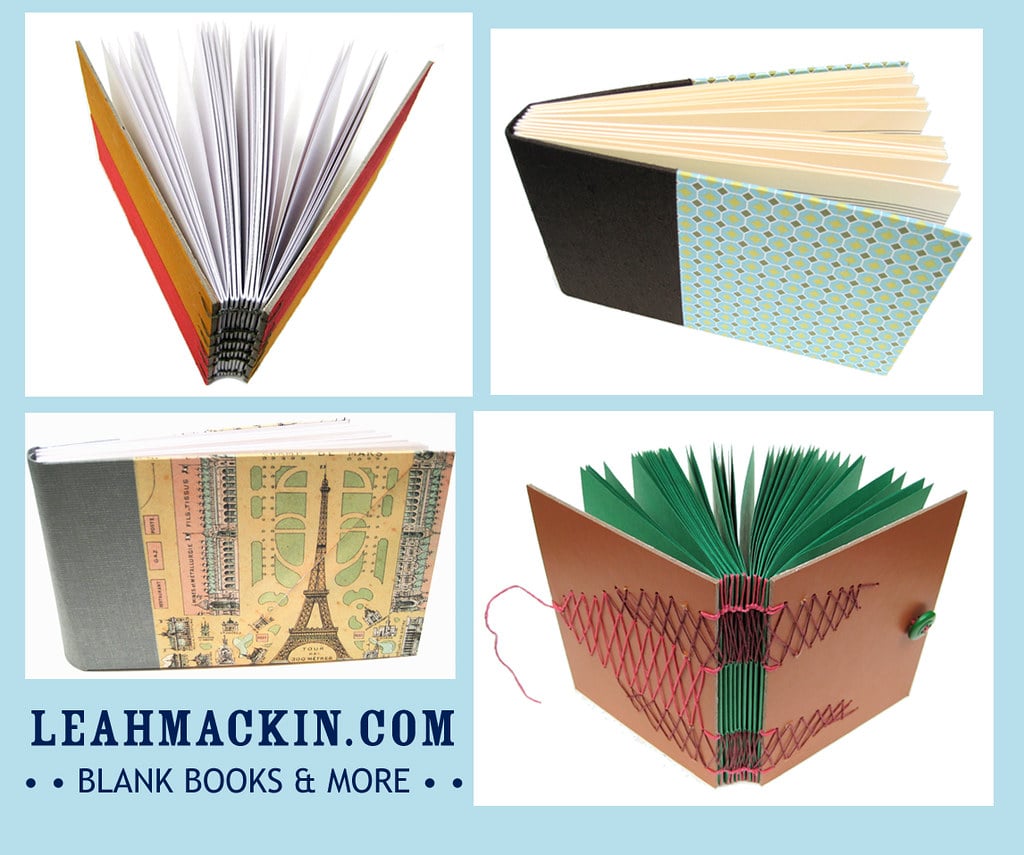
Light stuff like vintage ads – think calendars, blotter pads, trade slips, or old ink sheets – moves fast among collectors. Whole calendars from the 1900s holding on to their original pictures? Those do best when they show cheeky portraits, outdoor scenes with guns or rods, maybe even old brand drawings.
Stored without fuss. Light enough to tuck away. Flat storage helps. Light damage hurts.
Brown specks creep in over time, dimming old pages. Torn corners drag down worth fast. Bright colors mean care was taken.
Darkness matters more than people think. Some calendars stayed crisp by accident. Local brands made quiet art – hardware shops, farm suppliers, insurers far north. Charm hides there. Buyers chase hometown names on paper. Region shapes desire. Age alone does not guarantee interest.
Sewing Supplies And Tools
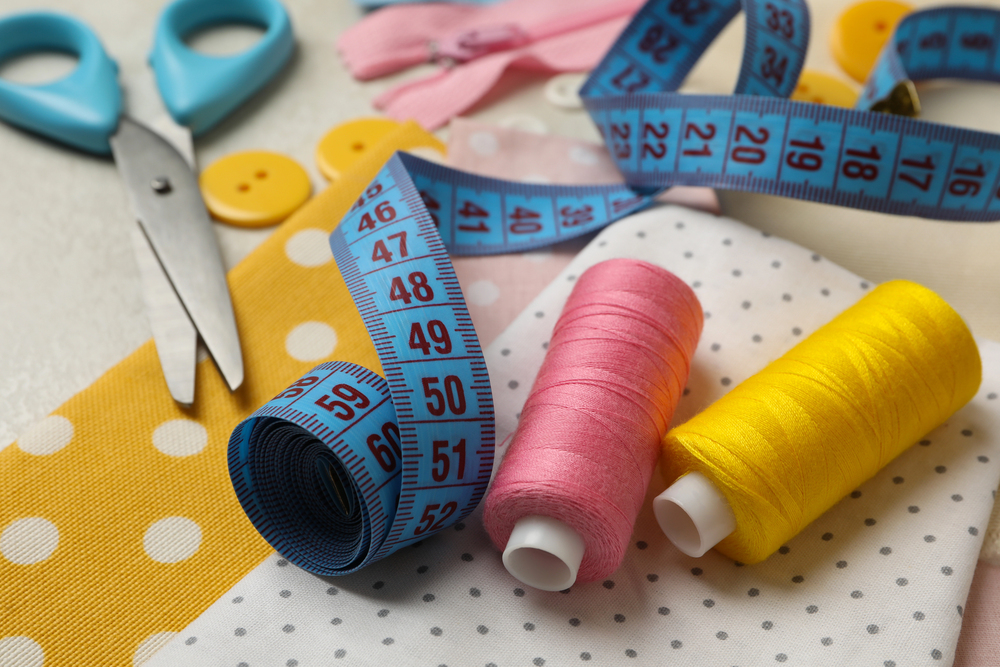
Old sewing things pull in their own crowd of collectors. Not just any old pieces – think carved ivory thimbles, fancy silver kits, those early wooden spools, even glass-topped pin cushions lined with soft cloth.
Watch closely though – a box that looks bare could hide a complete tool collection inside. Worth? Much higher when everything stays together. Details make the difference.
Early 1900s celluloid things draw attention, especially tiny tape measures made to look like apples or teapots. These little gadgets, when they still work and haven’t cracked, show up often in photos online.
Needle books from that time also caught interest, though less flashily. Condition matters more than rarity here – cracked pieces lose appeal fast.
Alarm Clocks
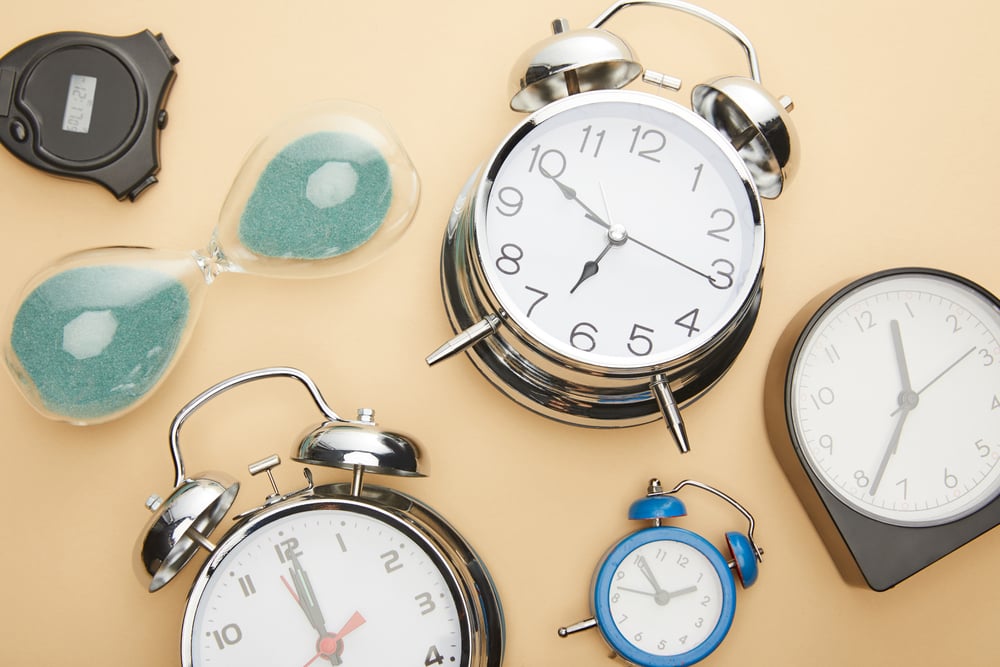
Old wind-up alarms, especially ones housed in odd shapes or with standout details, keep drawing attention from collectors. From the 1930s into the 1940s, electric models built inside Bakelite shells became favorites.
Leather-covered travel versions turn heads just as much. Glass-domed anniversary styles hold a quiet appeal.
Then there are the clunky digitals that flipped their numbers – common finds from the sixties and seventies – that still gather admirers today. Every now and then, a Seth Thomas or Westclox piece shows up looking just like it did decades ago.
When hands move smoothly, the shell hasn’t been swapped, and numbers sit untouched on the face, eyes tend to linger. Even silent ones find buyers – provided the outer frame turns heads and every bit inside stays put.
Irons And Ironing Tools
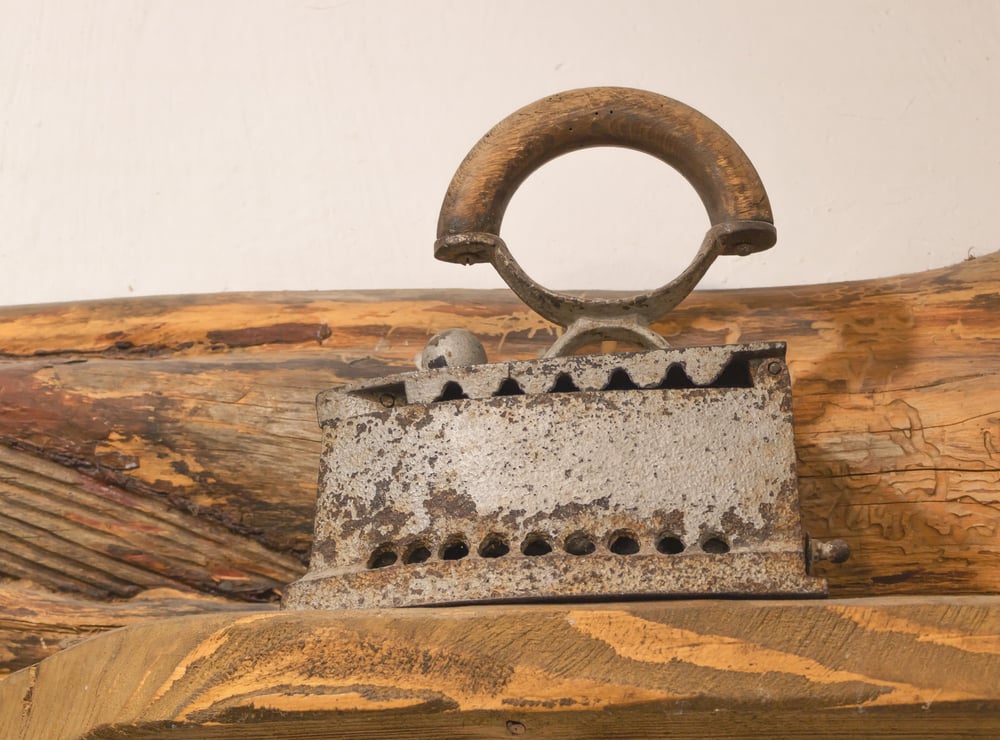
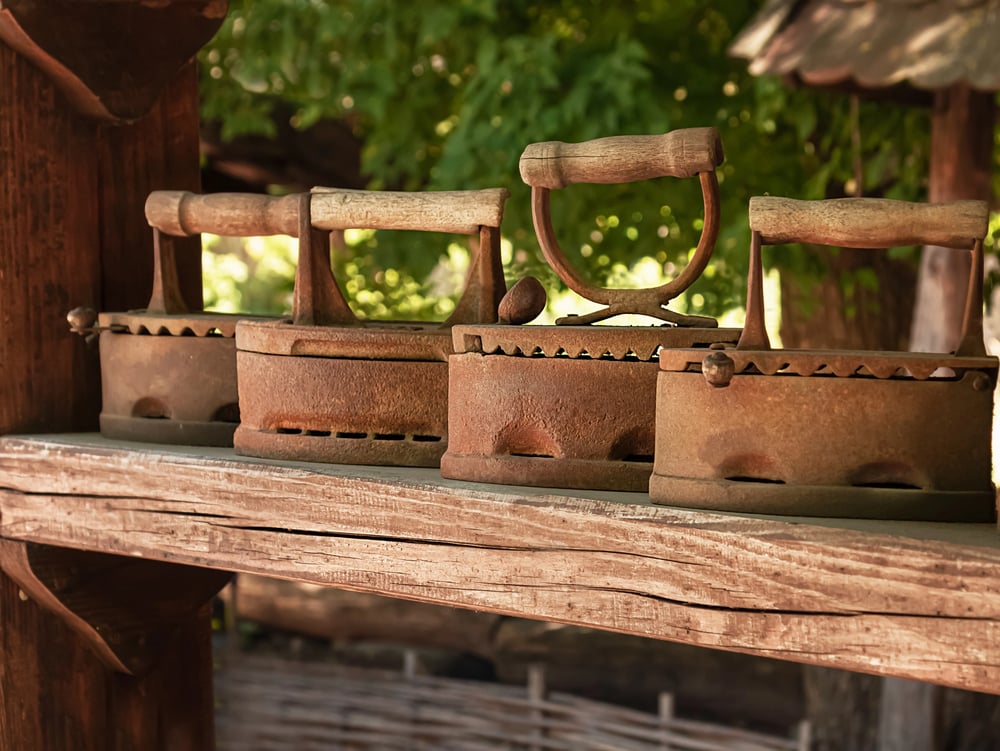
Heavy metal irons from long ago, especially those carried into homes before electric current arrived, often gather dust in collector circles today. Found together sometimes, these pieces include separate handles meant to click onto different bases near a hot cooktop.
One heats while another works. Matching groups matter more when both parts belong just right. Odd shapes tend to catch eyes first.
Though older tools like fabric-crinkling fluters, slim-tipped sleeve models, or well-kept polishers stand out. A standout example? The Geneva Hand Fluter – a late 1800s gadget for folding cloth – often turns heads.
Even mid-century electric versions, especially those with bright Bakelite grips made in the 40s and 50s, find eager hands.
The Things That Last Beyond Use
It’s odd how these everyday things become special when nobody planned for them to stick around. Not like paintings, built to hang on walls for ages.
Meant instead for doing jobs – like frying onions or mixing cake mix. An old heavy skillet had one job: make food sizzle every night.
Same with glassy kitchen bowls – they existed just to carry gooey spoonfuls before baking. Decades of heavy use, yet they’re still holding up – that’s one reason people like them.
Take a moment next time you pass through your house. Peek behind the cabinet doors or into those cluttered drawers. Objects once common on countertops now fetch high prices elsewhere. Not everything useful looks special at first glance.
More from Go2Tutors!

- The Romanov Crown Jewels and Their Tragic Fate
- 13 Historical Mysteries That Science Still Can’t Solve
- Famous Hoaxes That Fooled the World for Years
- 15 Child Stars with Tragic Adult Lives
- 16 Famous Jewelry Pieces in History
Like Go2Tutors’s content? Follow us on MSN.