Athletes With The Most Online Fans
Folks once watched stars only on grassy fields or glowing screens. Now?
Eyes lock onto feeds, not fences – each update sprinting past old limits. A tweet today might outdraw ten thousand tickets yesterday.
These digital stages lift players high, turning miles into moments, strangers into followers. Distance fades when a story goes live at midnight and lands by sunrise across oceans.
Online crowds grab attention not just through wins. A person’s vibe matters, along with how they speak, where they show up, and when.
Relentless victory pulls some forward. Being seen, heard, or showing up right – carries others much further than medals ever could.
Peering into stars whose digital crowds stretch wide, these names pull millions close through screens. Not just game wins build such followings – personality often lights the spark.
Off-field moments tend to travel farther than trophies. What fans see between plays matters more than records sometimes.
Fame now grows where sports meet stories. Faces behind jerseys become real when shared daily.
Moments away from competition shape the connection strongest. Cameras catch what rulebooks miss entirely.
Reach spreads fastest when guarded walls come down.
Cristiano Ronaldo

Right there in the middle of everything digital sits Cristiano Ronaldo. Across countries, tongues, screens – he shows up everywhere, like some kind of living network rather than just a player.
The game helps spread him, yes – but he slips beyond football’s edges too. What you see isn’t only about goals or matches – it stretches wider.
Sometimes a photo shows him mid-sprint, other times it’s weights at dawn. Then comes his son laughing beside a pool, followed by a sponsor-free shot of quiet routine.
This rhythm pulls people back, no matter if he’s in Madrid, Riyadh, or wearing national colors. The crowd didn’t appear overnight – it grew through seasons, shaped more by presence than explosions of fame.
Lionel Messi

Lionel Messi’s online audience grew differently. Where Ronaldo’s presence is polished and expansive, Messi’s appeal comes from restraint and authenticity.
Fans follow him not for constant commentary, but for glimpses into a career defined by skill and understatement. His move between leagues and countries amplified his global visibility, bringing new audiences without alienating long-time supporters.
Messi’s online popularity mirrors his on-field reputation. It is quieter than some peers, but remarkably deep and enduring.
LeBron James

LeBron James is one of the few athletes whose online influence rivals that of the biggest football stars. Basketball’s strong digital culture plays a role, but his reach extends well beyond highlights and box scores.
He engages with entertainment, business, and social conversations that resonate far outside the NBA. His posts often reflect leadership and legacy, not just athletic performance.
Fans follow him as a public figure navigating fame, longevity, and transition. That broader narrative keeps his audience engaged across seasons and even during periods away from competition.
Neymar Jr.
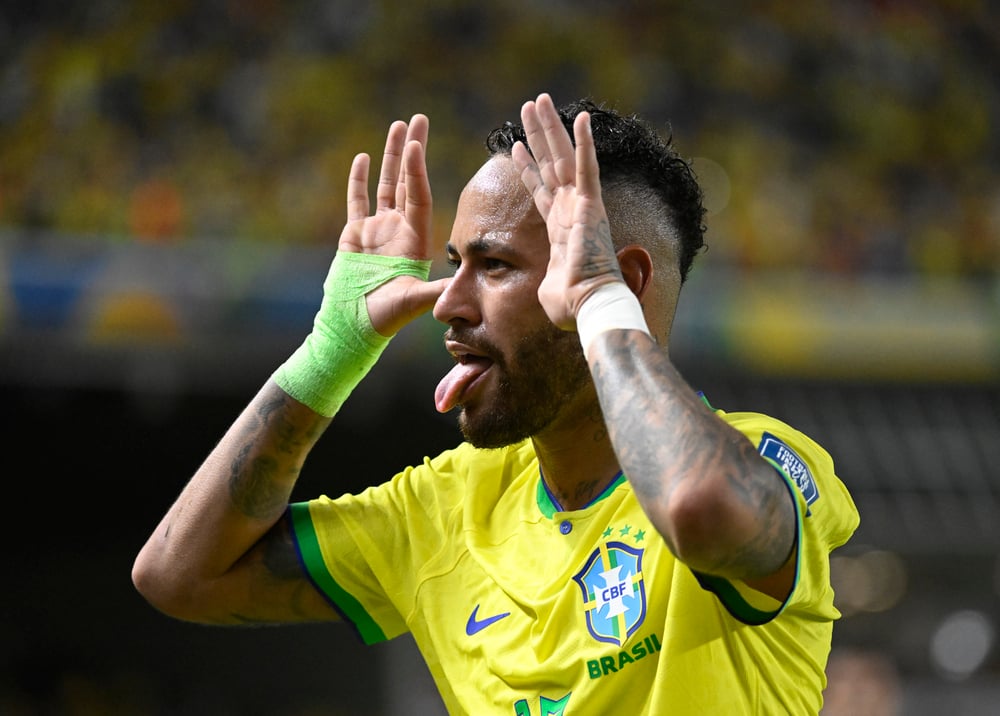
Neymar’s online popularity thrives on flair, emotion, and visibility. His playing style translates naturally to short clips and shareable moments, which fuels constant engagement.
Football fans, casual viewers, and pop culture followers all intersect around his content. He embraces the informal tone of social media, mixing training footage with humor and lifestyle moments.
This accessibility makes him feel present in fans’ daily feeds rather than distant. His following reflects football’s global pull combined with a personality built for digital platforms.
Virat Kohli

Virat Kohli represents how cricket’s digital reach has exploded in recent years. While cricket’s traditional audiences were once regionally concentrated, social media turned its biggest stars into global figures.
Kohli’s following reflects that shift clearly. His presence blends athletic discipline with lifestyle content, appealing to fans interested in fitness, competition, and personal growth.
Kohli’s engagement feels consistent and direct, which strengthens loyalty. His reach shows how online fandom can elevate athletes from any sport onto the global stage.
Serena Williams

Serena Williams built an online following that mirrors her impact on sport and culture. Tennis provided visibility, but her influence expanded through advocacy, fashion, and business.
Fans follow her not just for matches, but for perspective shaped by experience and authority. Her content often reflects transitions, from competition to entrepreneurship and family life.
That evolution keeps her relevant beyond active play. Serena’s online presence demonstrates how legacy athletes can maintain massive engagement by adapting their narrative rather than freezing it in time.
Kylian Mbappé

Kylian Mbappé represents a new generation of global athletes who grew up online. His rise coincided with platforms designed for speed, visuals, and instant sharing.
Football’s youth appeal amplifies that effect, especially among younger audiences. His posts balance professionalism with relatability, avoiding overexposure while staying visible.
Mbappé’s following continues to grow because it feels aligned with the future of the sport. Fans see not just current success, but long-term potential unfolding in real time.
Lionel Messi (India-Focused Digital Surge)

While Messi’s global presence is well known, his surge in regions like South Asia deserves separate attention. Digital access brought his career to audiences who may never attend live matches but engage daily online.
This expansion shows how platforms erase traditional geographic limits. Localized fan pages, translated content, and viral clips fueled this growth.
Messi’s understated style resonates across cultures, allowing his online following to deepen in places previously underserved by mainstream coverage.
Roger Federer

Roger Federer’s online popularity reflects elegance and longevity rather than volume. His audience is broad, spanning generations and regions.
Fans follow him for moments that feel timeless rather than constant updates. Federer’s digital presence emphasizes craftsmanship, sportsmanship, and personal milestones.
Even after stepping away from regular competition, engagement remains strong. His following shows that consistency and reputation can sustain online influence long after peak performance ends.
Stephen Curry
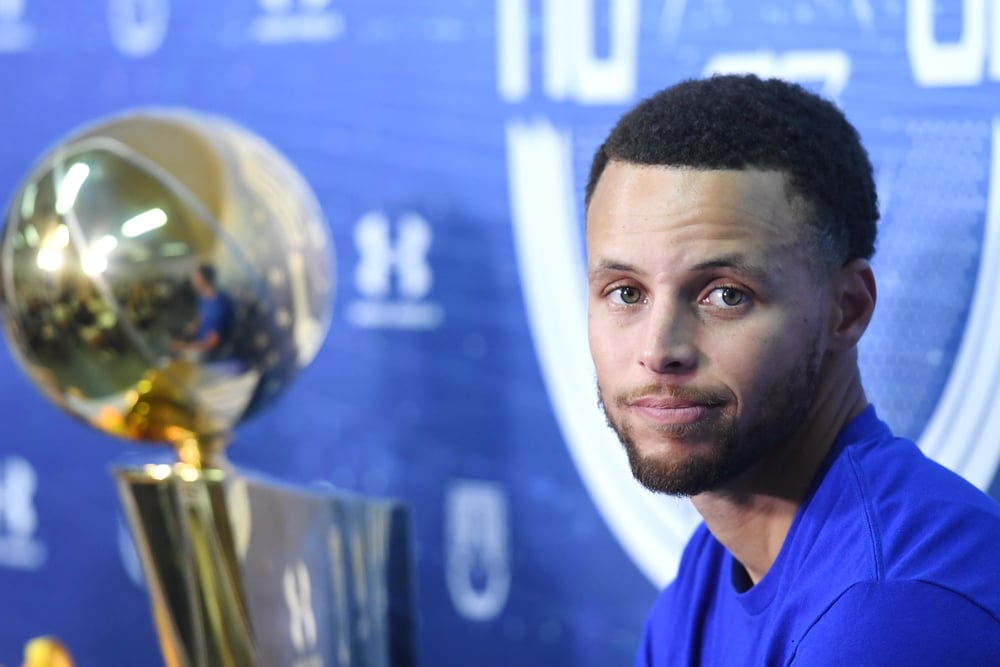
Stephen Curry’s influence online mirrors how he changed basketball itself. His style of play reshaped how the sport is watched and played, especially among younger fans.
That innovation translates naturally to digital platforms built around highlights and repetition. Curry’s content often blends training, family, and humor.
This balance keeps his image approachable while reinforcing elite performance. His online reach reflects how innovation on the court can ripple outward into culture and fandom.
Simone Biles

Simone Biles commands one of the largest online followings in gymnastics, a sport that traditionally had limited year-round visibility. Social media changed that by allowing fans to engage outside competition cycles.
Her openness about pressure, expectations, and personal boundaries resonated widely. Followers connect not just to her athletic achievements, but to her honesty.
Biles’ digital presence shows how vulnerability, handled carefully, can deepen trust and loyalty.
Lewis Hamilton

Lewis Hamilton’s online popularity bridges sport, fashion, and advocacy. Motorsport’s global footprint provides reach, but his influence extends through lifestyle and cultural engagement.
Fans follow him for more than race results. Hamilton uses his platforms to highlight creativity, causes, and personal expression.
That multidimensional presence attracts audiences who might never watch a race. His following illustrates how athletes can expand beyond their sport without diluting credibility.
Why Online Fandom Looks Different Now

Online followings are not static scoreboards. They reflect ongoing relationships between athletes and audiences, shaped by visibility, timing, and authenticity.
Numbers matter, but context matters more. A massive following built over years often proves more resilient than rapid growth driven by fleeting moments.
These athletes dominate online spaces because they offer something consistent. Some provide excellence, others relatability, and a few manage both.
Their reach shows how sport has merged with global digital culture, creating figures who are followed not just for what they do, but for who they appear to be.
The Lasting Impact Of Digital Fandom

Top athletes today show a new kind of reach, built less on medals alone. Winning helps gain attention, yet keeping it means showing up, reading the moment, paying attention.
Fans follow stories more than stats, drawn to moments that unfold over time instead of just one highlight. When apps update or trends shift, different faces rise, though the rhythm stays familiar.
What lasts isn’t only victory, but being seen, feeling close, having something to say.
More from Go2Tutors!

- The Romanov Crown Jewels and Their Tragic Fate
- 13 Historical Mysteries That Science Still Can’t Solve
- Famous Hoaxes That Fooled the World for Years
- 15 Child Stars with Tragic Adult Lives
- 16 Famous Jewelry Pieces in History
Like Go2Tutors’s content? Follow us on MSN.