15 Animals That Farm Their Own Food Supply
Most people picture humans when they think of farming—planting seeds, nurturing crops, harvesting food. Yet nature’s full of surprises. Many animals developed sophisticated agricultural practices long before humans ever touched a plow. These creatures cultivate, tend, and harvest food sources with remarkable skill.
Here’s a list of 15 animals that have mastered farming their own food supply.
Leafcutter Ants
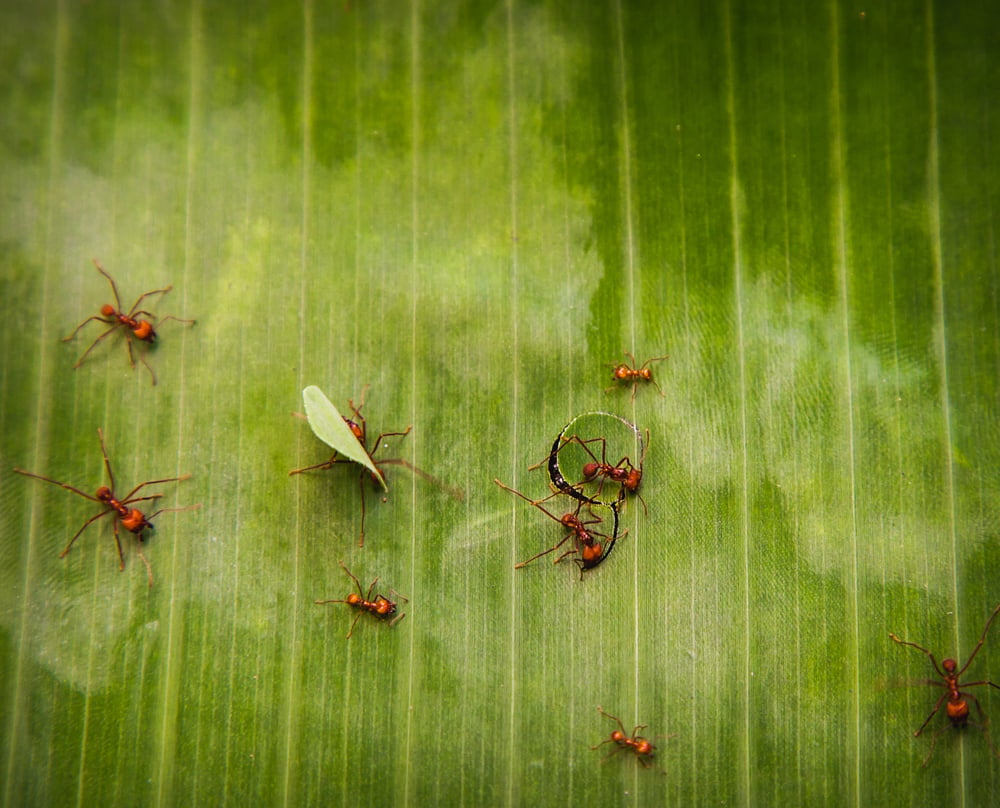
Leafcutter ants don’t eat the leaves they slice and haul back to their colonies. They use these fragments as compost for underground fungus gardens instead. The ants carefully tend their fungal crops—removing weeds and pests that might damage their food source. This fungus provides primary nutrition for entire colonies, making leafcutter ants some of nature’s most dedicated farmers. A single colony can process hundreds of pounds of leaves annually just to maintain their subterranean farms.
Termites
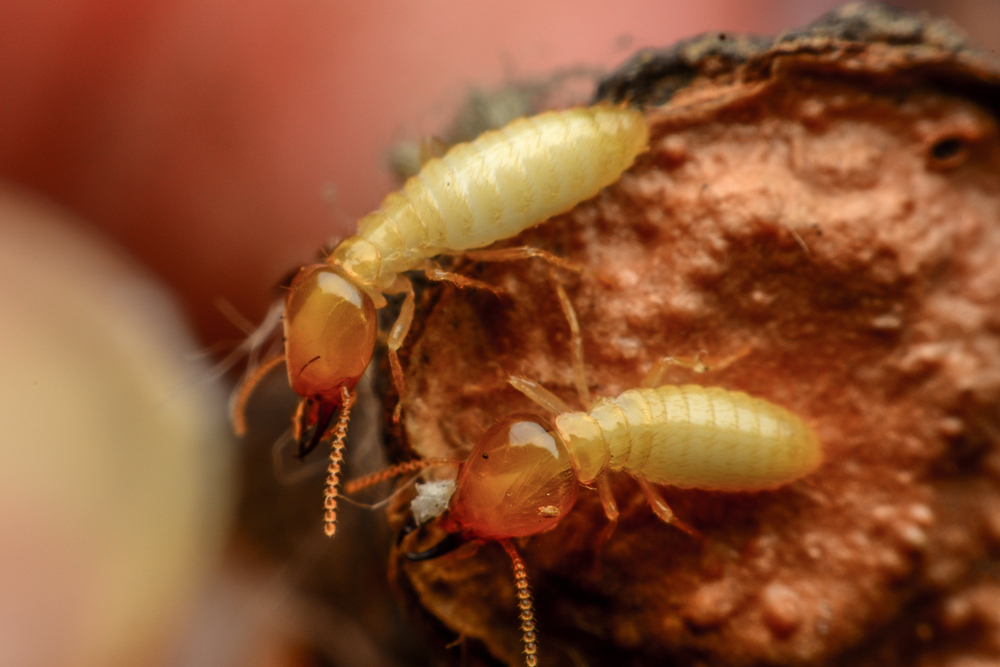
Many termite species cultivate fungus gardens within elaborate mound structures, creating controlled environments perfect for growing preferred food. These insects maintain optimal temperature and humidity in special chambers—much like a greenhouse operation. Termites feed the fungus chewed wood and plant matter, then harvest the nutritious fungal growth to nourish their colonies. Some species have been farming fungus for over 30 million years, ranking them among Earth’s oldest agricultural societies.
Damselfish
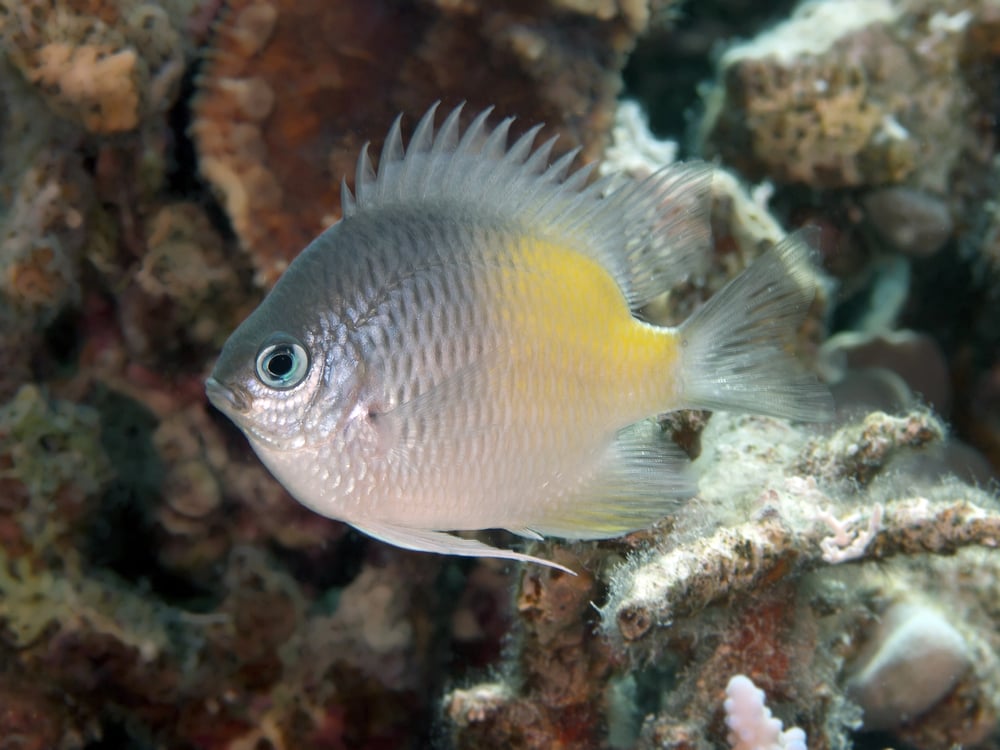
Several damselfish species actively farm algae gardens on coral reefs by clearing specific areas and defending them from other herbivorous fish. These underwater gardeners remove competing algae species while maintaining monocultures of preferred types. The fish aggressively chase away creatures that might graze on their carefully tended plots. This behavior creates visible ‘algae lawns’ on reefs—providing reliable food sources for farming fish year-round.
Yeti Crabs
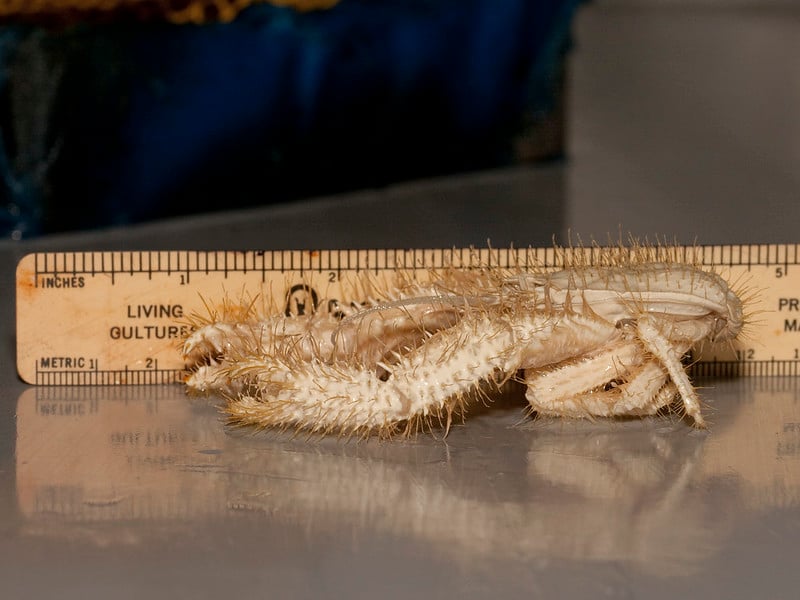
Deep-sea yeti crabs grow bacteria on their hairy claws and legs, essentially farming portable food sources in hydrothermal vent darkness. These specialized bacteria thrive in chemical-rich environments around underwater volcanic vents. Crabs wave their hairy appendages in mineral-rich water to feed the bacteria, then scrape off and consume bacterial growth when hungry. This farming strategy lets them survive in Earth’s most extreme environments—where traditional food sources are virtually nonexistent.
Marsh Periwinkles
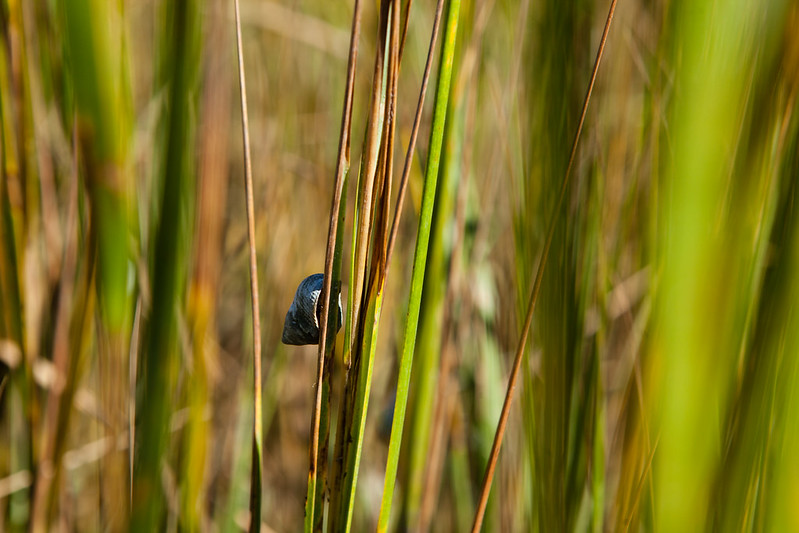
These small snails create and maintain fungus gardens on salt marsh grasses by carefully wounding plant stems to encourage fungal growth. Periwinkles scrape shallow cuts into grass, allowing specific fungi to colonize damaged areas. They graze on this cultivated fungus rather than tough grass itself—which would be much harder to digest. This farming behavior transforms an otherwise poor food source into nutritious meals through strategic cultivation.
Ants (Attine Species)
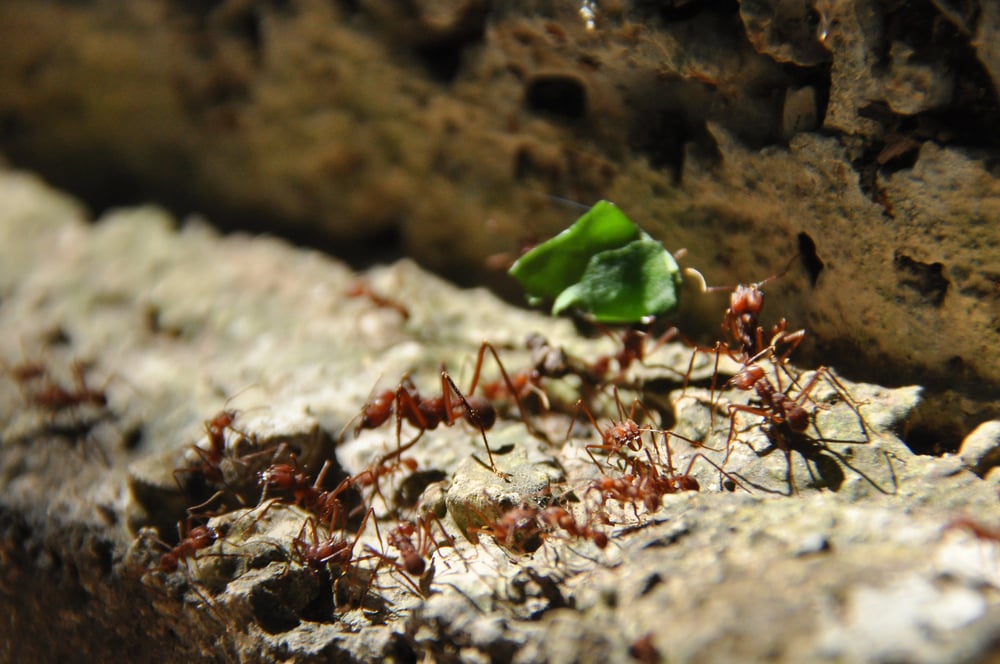
Beyond leafcutter ants, over 200 attine ant species practice fungus farming using various organic materials as fertilizer. Some use caterpillar droppings, flower petals, or dead insects to nourish fungal crops. These ants co-evolved with fungus partners for millions of years—creating specialized agricultural systems. They carefully control growing conditions and apply antibiotic secretions to prevent harmful bacteria from contaminating crops.
Wood Turtles
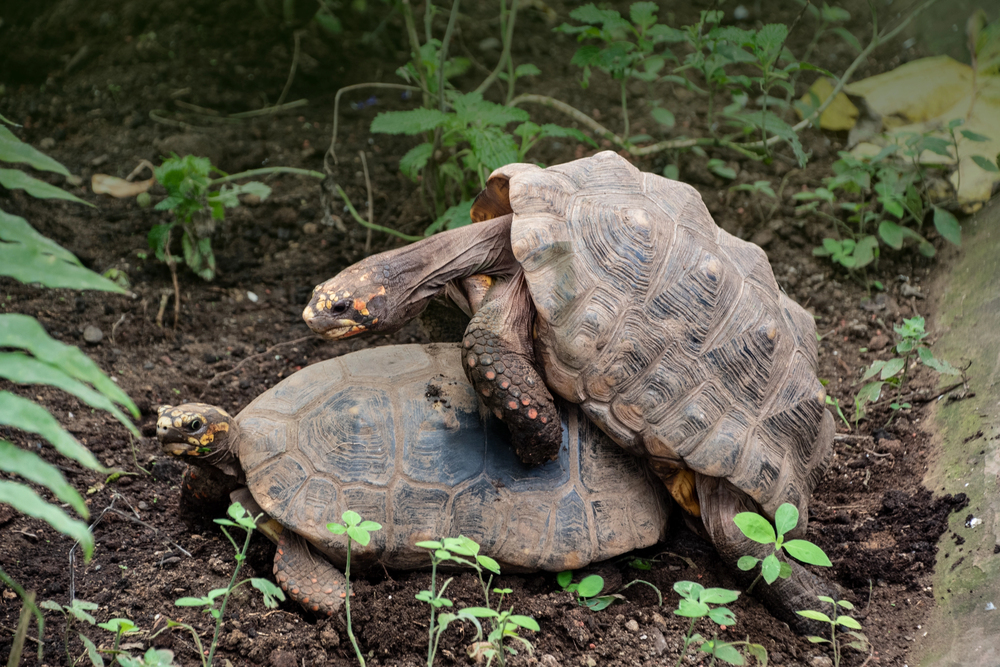
Wood turtles stomp on ground to bring earthworms to the surface, essentially ‘farming’ prey through strategic soil disturbance. This behavior mimics rainfall vibrations—which naturally cause earthworms to emerge from underground. Turtles perform this stomping dance repeatedly in areas where they know earthworms are present. The technique allows them to harvest protein-rich earthworms without digging through soil or relying on chance encounters.
Beavers
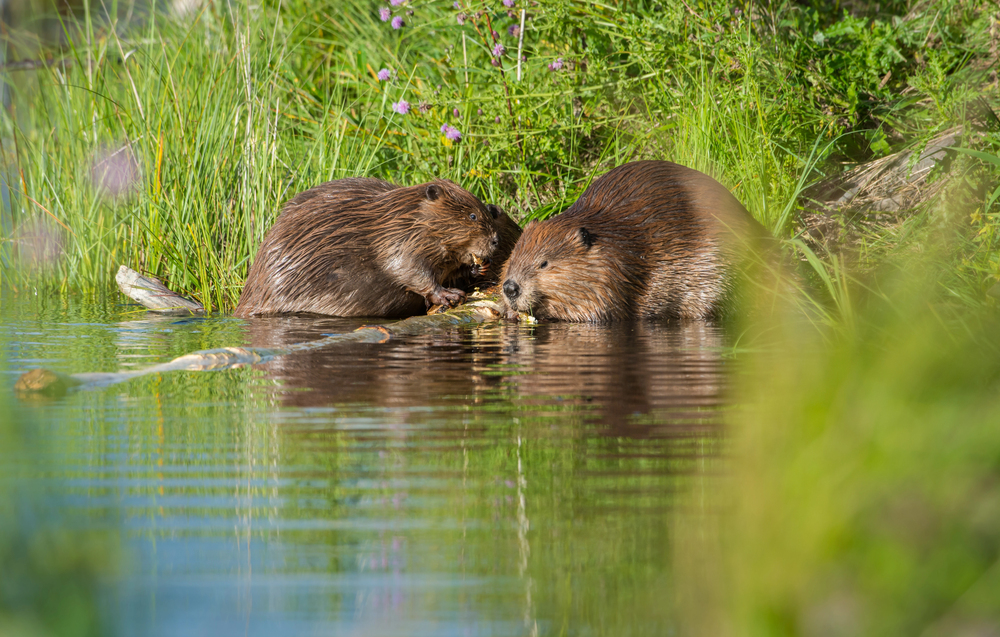
Beavers create extensive pond systems that serve as aquatic farms for preferred food plants like water lilies and cattails. By building dams and controlling water levels, they establish ideal growing conditions for these plants. Deep water around their lodges prevents ponds from freezing solid in winter—ensuring year-round access to cultivated food sources. These engineered wetlands often become more productive than natural water bodies, supporting larger populations of plants beavers prefer.
Snapping Turtles
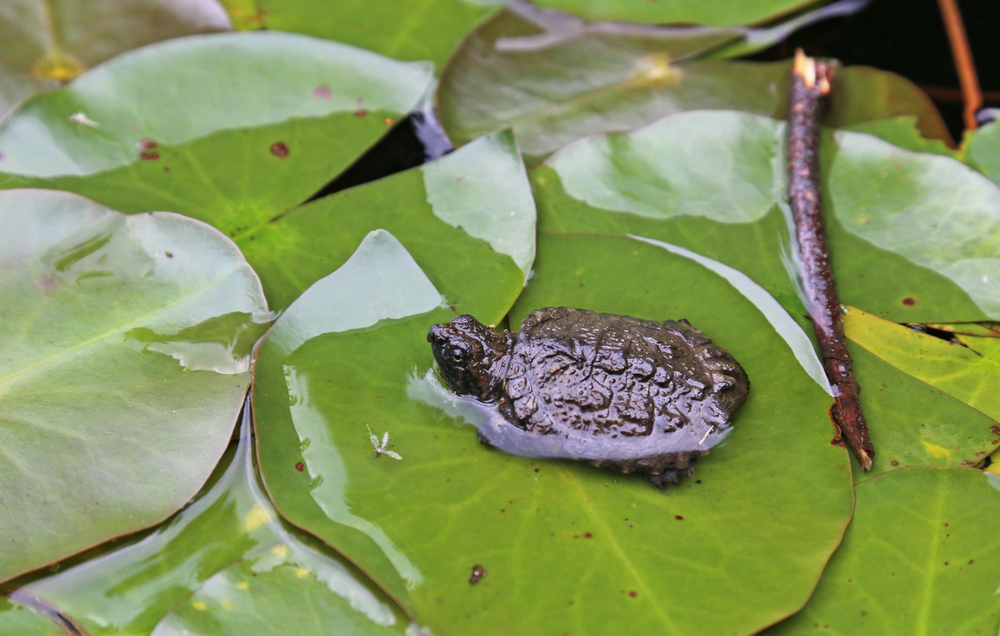
Some snapping turtles practice aquatic farming by remaining motionless near vegetation and using tongues as lures to attract fish. They position themselves strategically where they can simultaneously tend hunting grounds while benefiting from plant growth. Turtle presence and waste products actually fertilize surrounding aquatic plants—creating richer feeding areas that attract more prey. This creates beneficial cycles where better plant growth leads to more fish, leading to more successful hunting.
Aphids and Ants
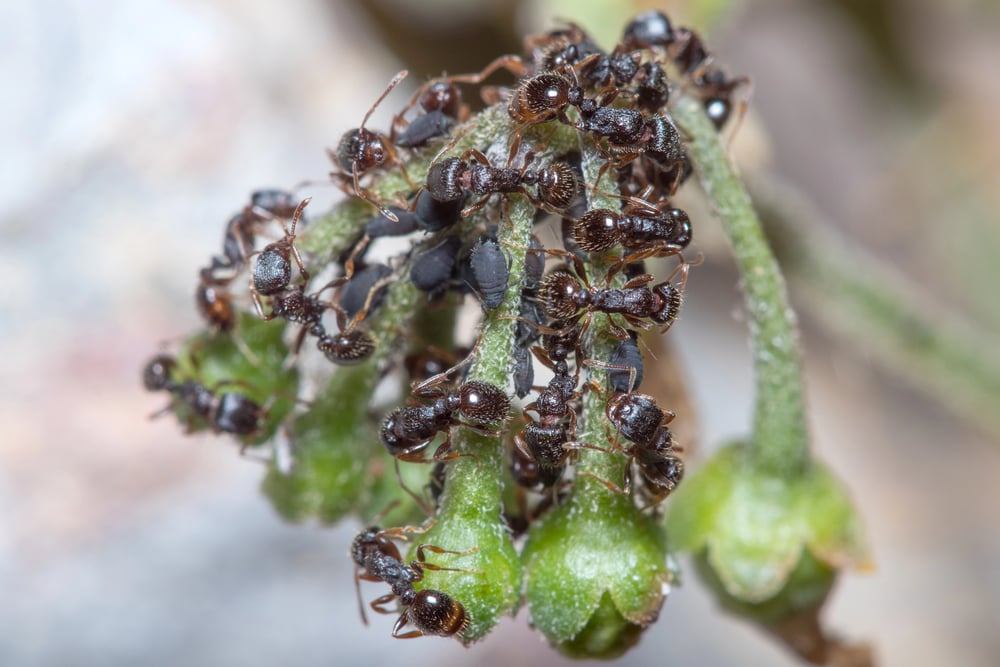
Many ant species ‘farm’ aphids by protecting them from predators in exchange for sweet honeydew aphids produce. Ants move aphids to optimal feeding spots on plants and build shelters to protect their livestock. When aphid populations grow too large, ants cull some individuals to maintain sustainable numbers. This mutualistic farming relationship benefits both species—dramatically increasing productivity of both aphid ‘herds’ and ant colonies that tend them.
Boxer Crabs
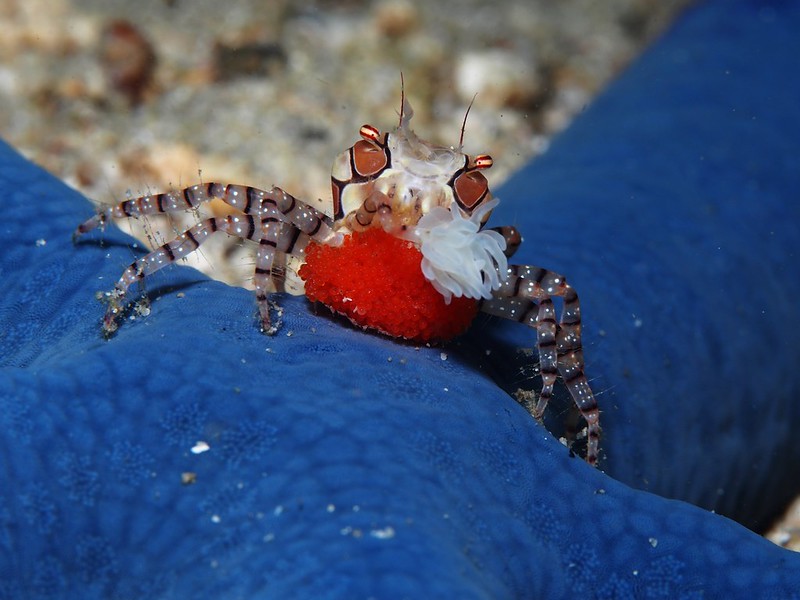
These small marine crabs carry sea anemones on their claws, essentially farming stinging partners for protection and food. The crabs feed scraps to anemone partners and benefit from stinging cells when confronting predators or competitors. When a boxer crab molts and needs to replace its shell, it carefully transfers anemone partners to the new shell. If a crab loses an anemone, it’ll often split its remaining anemone in half, allowing both pieces to regenerate into full farming partners.
Stingless Bees
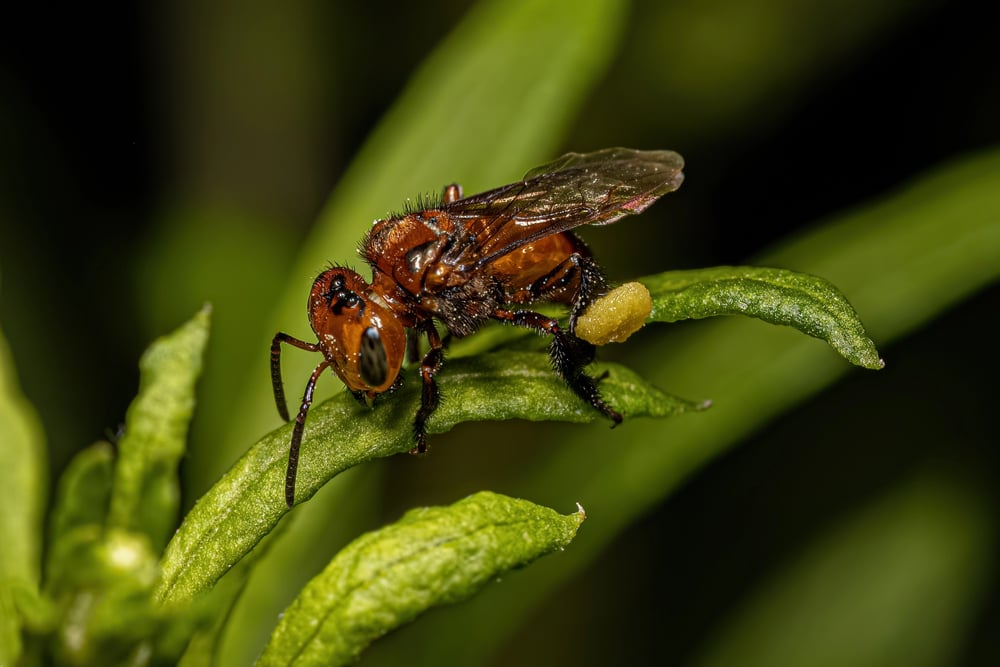
Certain stingless bee species cultivate fungus gardens inside their nests using pollen and nectar as fertilizer. These bees create specialized chambers where they maintain optimal conditions for fungal growth. The fungus breaks down pollen proteins into more digestible forms and provides additional nutrients for developing bee larvae. This agricultural practice allows these bees to extract maximum nutrition from collected pollen and support larger colony populations than would otherwise be possible.
Gopher Tortoises
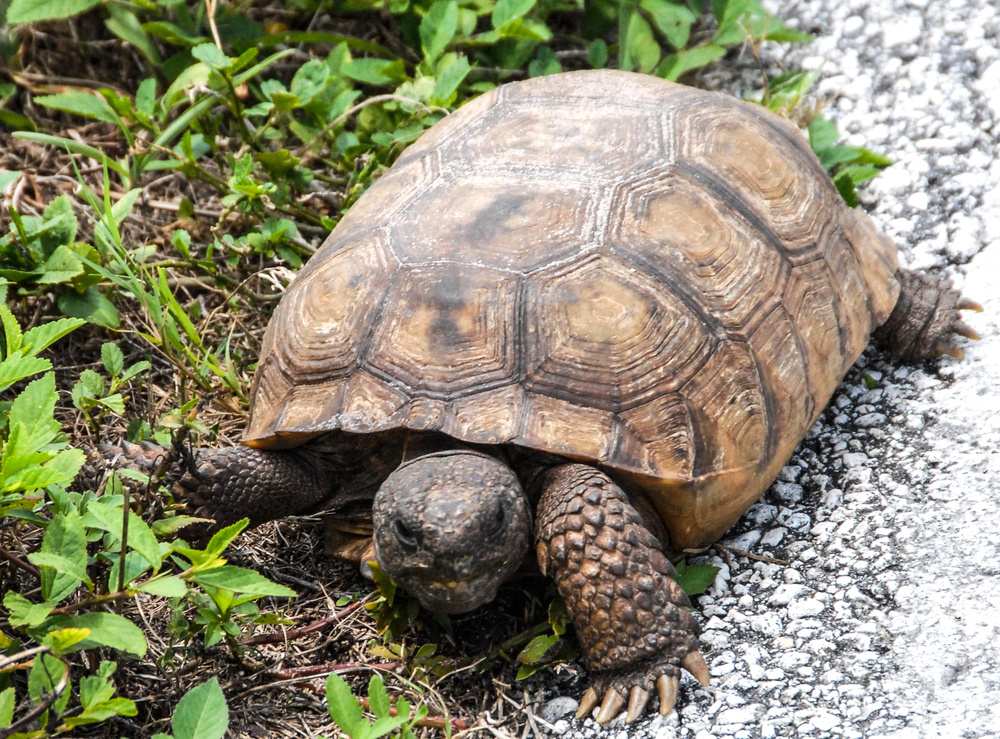
Gopher tortoises inadvertently farm plants around their burrow entrances through digging and waste disposal activities. The disturbed soil and natural fertilizer create ideal growing conditions for plants they prefer to eat. These tortoises often return to graze on enhanced vegetation around their homes, essentially harvesting from their own unintentional gardens. Loose, fertilized soil around burrow entrances typically supports more diverse and nutritious plant communities than surrounding undisturbed areas.
Sea Slugs
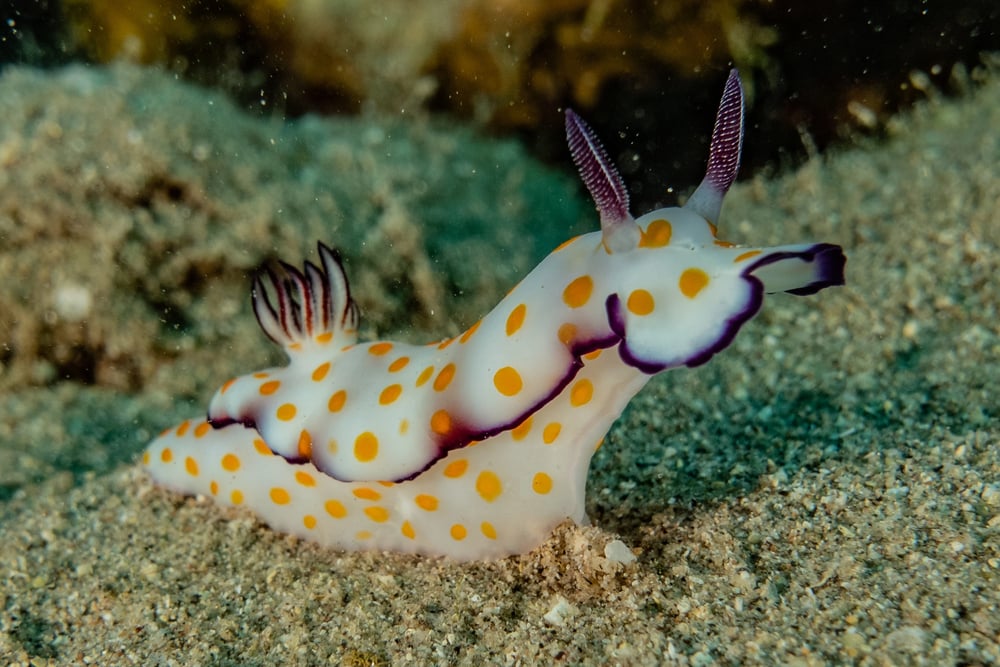
Some sea slug species farm algae by incorporating living algae cells into their own tissue and providing them with ideal growing conditions. The slugs essentially become walking greenhouses, using translucent bodies to provide optimal light conditions for photosynthesis. In return, algae provide slugs with nutrients through photosynthesis, creating self-sustaining food systems. This remarkable adaptation allows these slugs to survive in nutrient-poor environments where traditional food sources are limited.
Bullhorn Acacia Ants
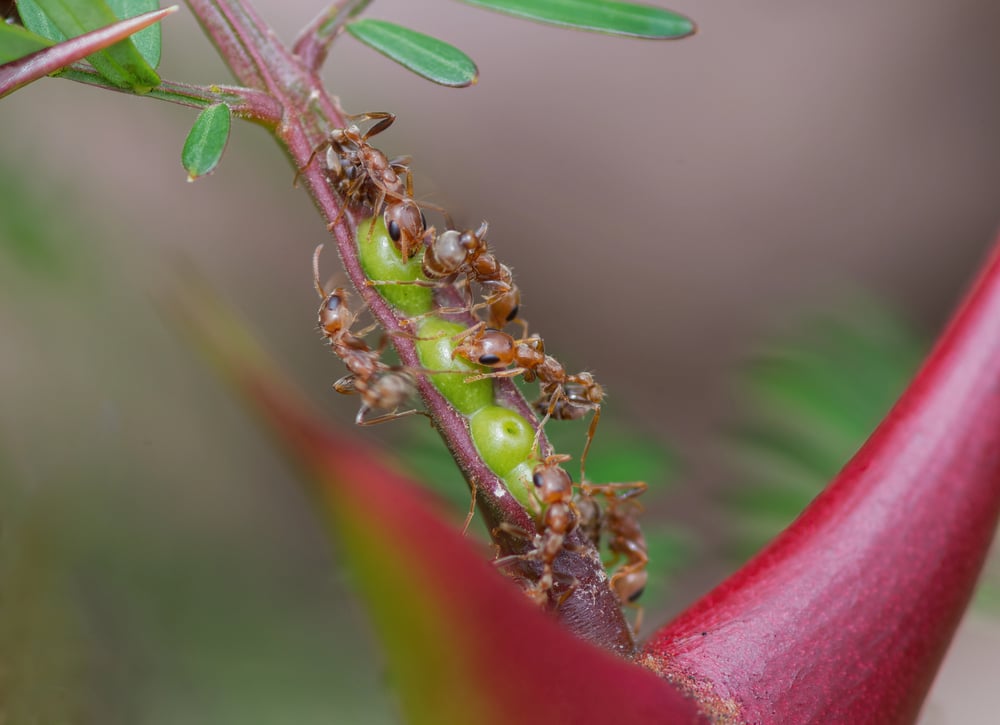
These ants live in hollow acacia tree thorns and practice sophisticated agriculture by maintaining tree health in exchange for food and shelter. The ants prune competing vegetation around their host tree and attack any herbivores that might damage it. They also consume special protein-rich structures that the acacia produces specifically for them. This farming relationship is so specialized that both ants and acacia trees have evolved specific adaptations that make them completely dependent on each other for survival.
Nature’s Original Farmers

These animal farmers prove that agriculture isn’t exclusively human innovation—it’s a successful survival strategy that evolved independently across many species and environments. From ocean depths to underground fungus gardens, these creatures developed sophisticated methods for ensuring reliable food sources through cultivation rather than simple foraging. Their farming techniques often rival human agricultural practices in efficiency and sustainability. Nature’s been perfecting these methods for millions of years before we planted our first crops, showing us there’s still plenty to learn from the original farmers.
More from Go2Tutors!

- 16 Historical Figures Who Were Nothing Like You Think
- 12 Things Sold in the 80s That Are Now Illegal
- 15 VHS Tapes That Could Be Worth Thousands
- 17 Historical “What Ifs” That Would Have Changed Everything
- 18 TV Shows That Vanished Without a Finale
Like Go2Tutors’s content? Follow us on MSN.



