14 Animals That Can Regrow Lost Limbs
Imagine losing an arm and having it grow back completely within a few months. While this sounds like science fiction for humans, it’s everyday reality for many creatures in the animal kingdom. These remarkable animals have mastered the art of regeneration, rebuilding entire limbs, tails, and sometimes even more complex body parts with stunning precision.
From tiny salamanders to massive starfish, nature has equipped certain species with biological superpowers that scientists are still trying to understand. Here’s a list of 14 animals that can regrow lost limbs and body parts.
Axolotl
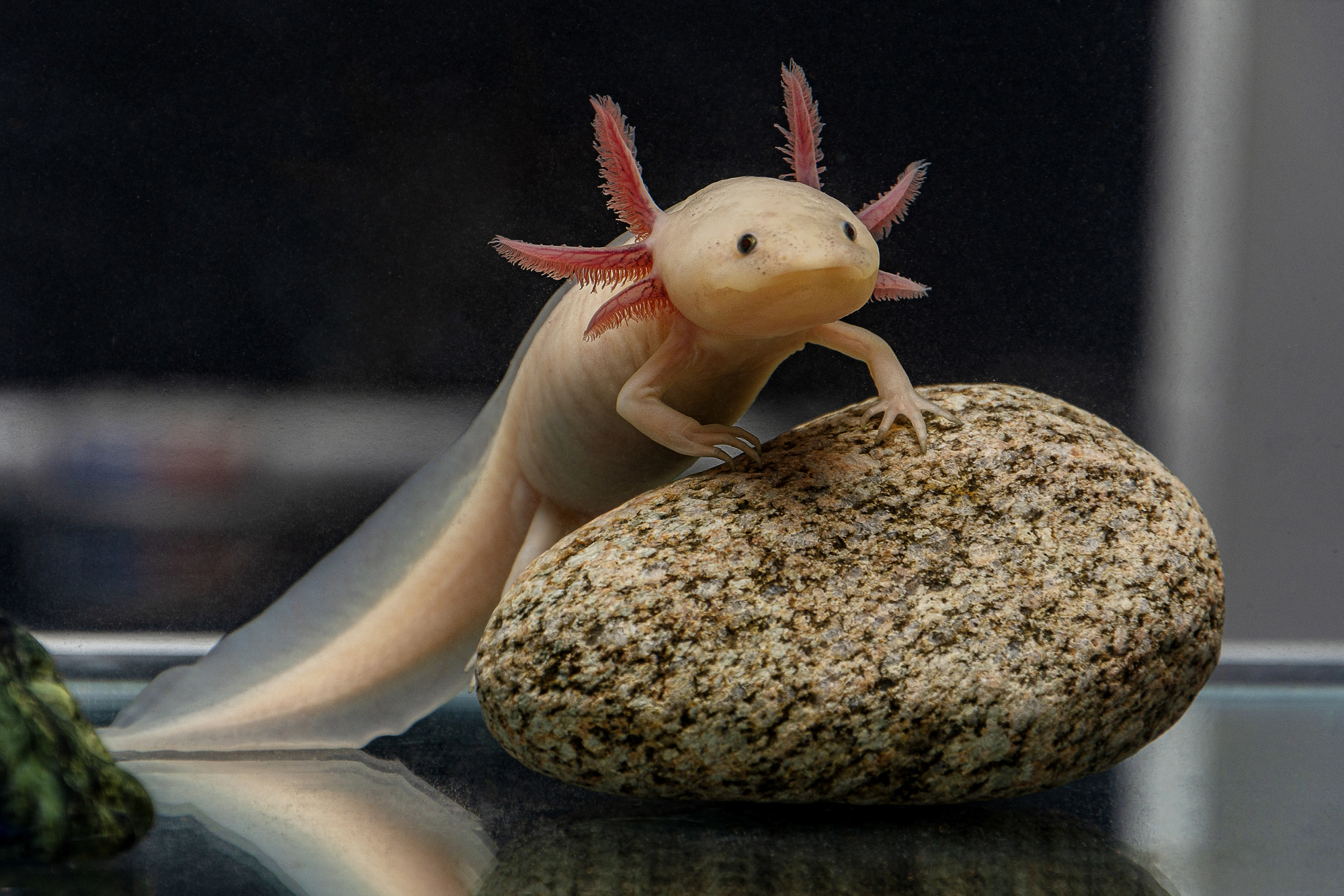
The axolotl stands as the undisputed champion of regeneration, capable of regrowing entire limbs, tails, parts of their brain, and even portions of their heart within just a few months. These Mexican salamanders can regenerate the same limb multiple times throughout their lives without any loss of function or scarring.
Scientists study axolotls intensively because their regeneration process is so similar to early human development, offering hope for future medical breakthroughs.
Starfish

When a starfish loses an arm to a predator, it doesn’t just grow back—it can regenerate the entire arm along with all its complex internal structures in about a year. Some species can even grow a completely new starfish from just a single severed arm, as long as part of the central disc remains attached.
This incredible ability makes starfish nearly indestructible, which is why they’ve thrived in oceans for over 450 million years.
Like Go2Tutors’s content? Follow us on MSN.
Lizards
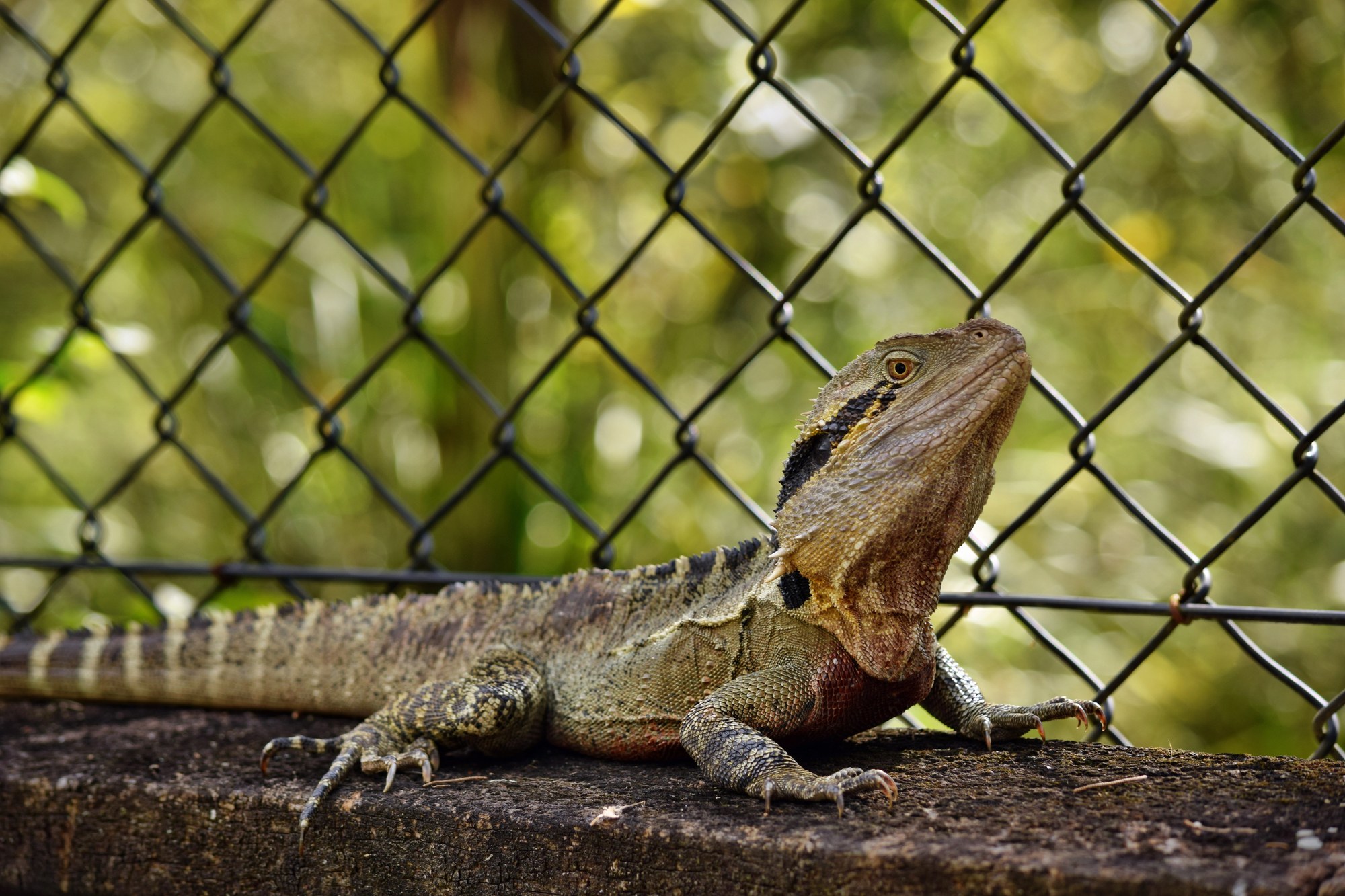
Most lizards can drop their tails when grabbed by predators, and the tail continues to wiggle as a distraction while the lizard escapes. The new tail grows back over several months, complete with vertebrae, muscles, nerves, and blood vessels, though it’s often slightly different in color and texture than the original.
Geckos are particularly impressive at this, able to regrow their tails multiple times throughout their lives.
Newts
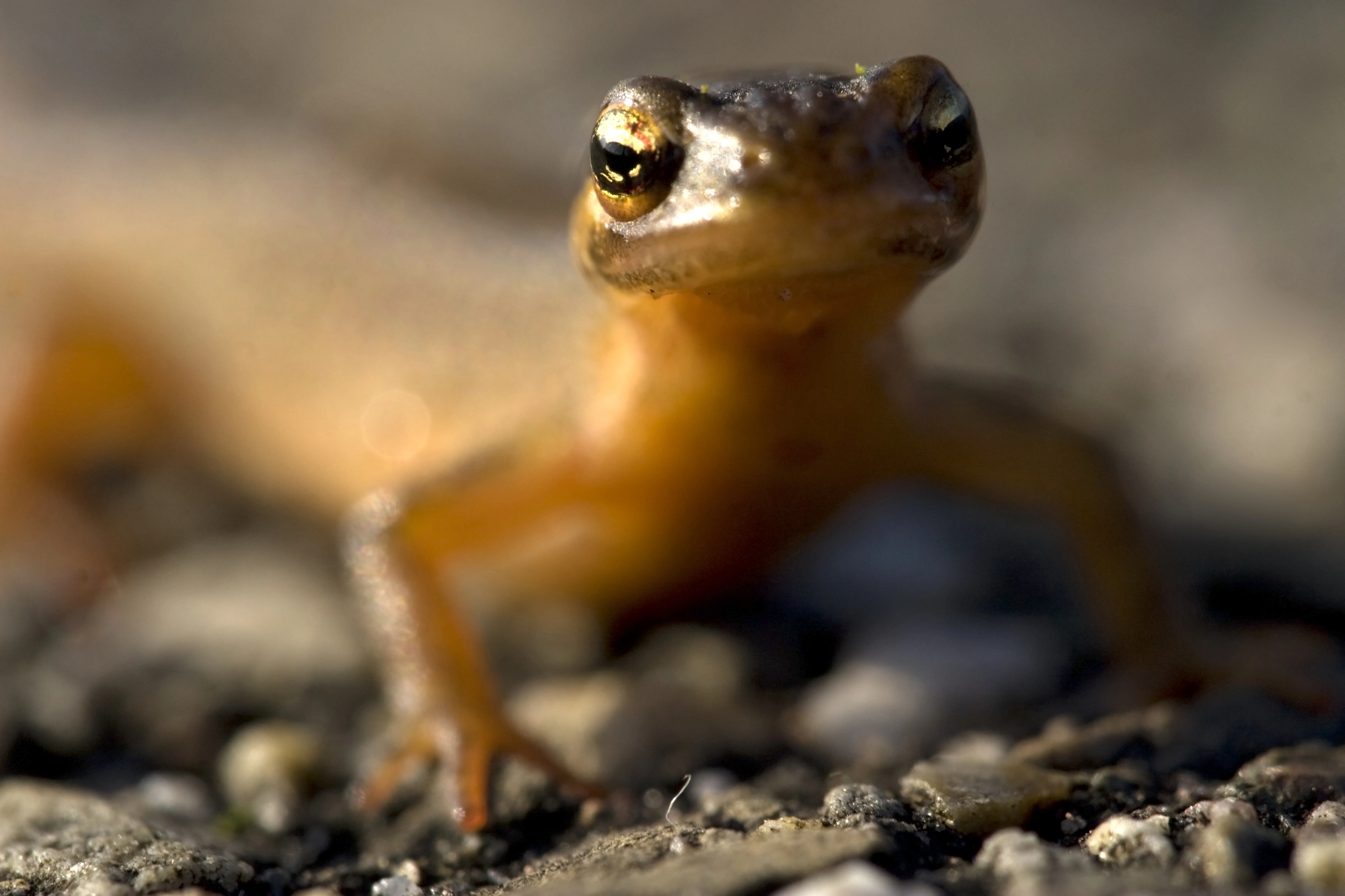
Newts possess extraordinary regenerative abilities that rival those of axolotls, capable of regrowing limbs, tails, eyes, and even parts of their hearts and brains. Red-spotted newts can regenerate a lost limb in about two to three months, creating a perfect replica of the original appendage.
Their regeneration process is so efficient that scientists have observed newts regrowing the same limb up to 18 times in laboratory studies.
Crabs

When a crab loses a claw to a predator or during a fight with another crab, it can regrow a fully functional replacement over the course of several molting cycles. The process typically takes about a year for a complete regeneration, and the new claw often grows back slightly smaller than the original.
Some crabs will even voluntarily shed a damaged claw to speed up the regeneration process, a behavior called autotomy.
Like Go2Tutors’s content? Follow us on MSN.
Lobsters
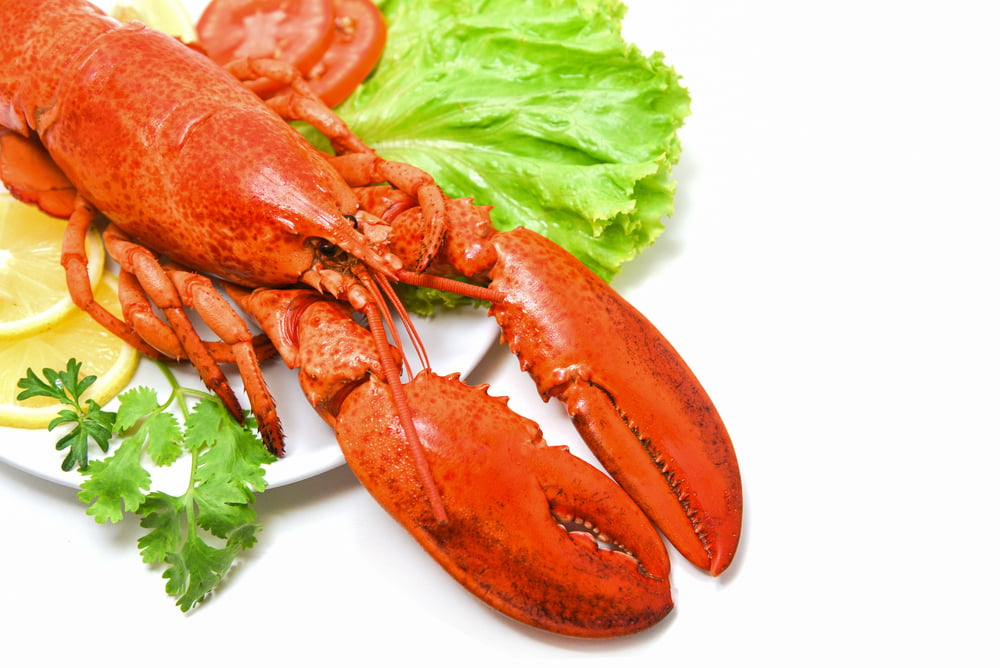
Lobsters share their crab cousins’ ability to regrow lost claws, legs, and antennae through a process that occurs during their regular molting cycles. A lobster can regrow a lost claw in about five years, and the new appendage will be fully functional, complete with all the complex joints and muscles.
Commercial lobster fishermen often see lobsters with claws of different sizes, indicating that one has been recently regenerated.
Sea Cucumbers
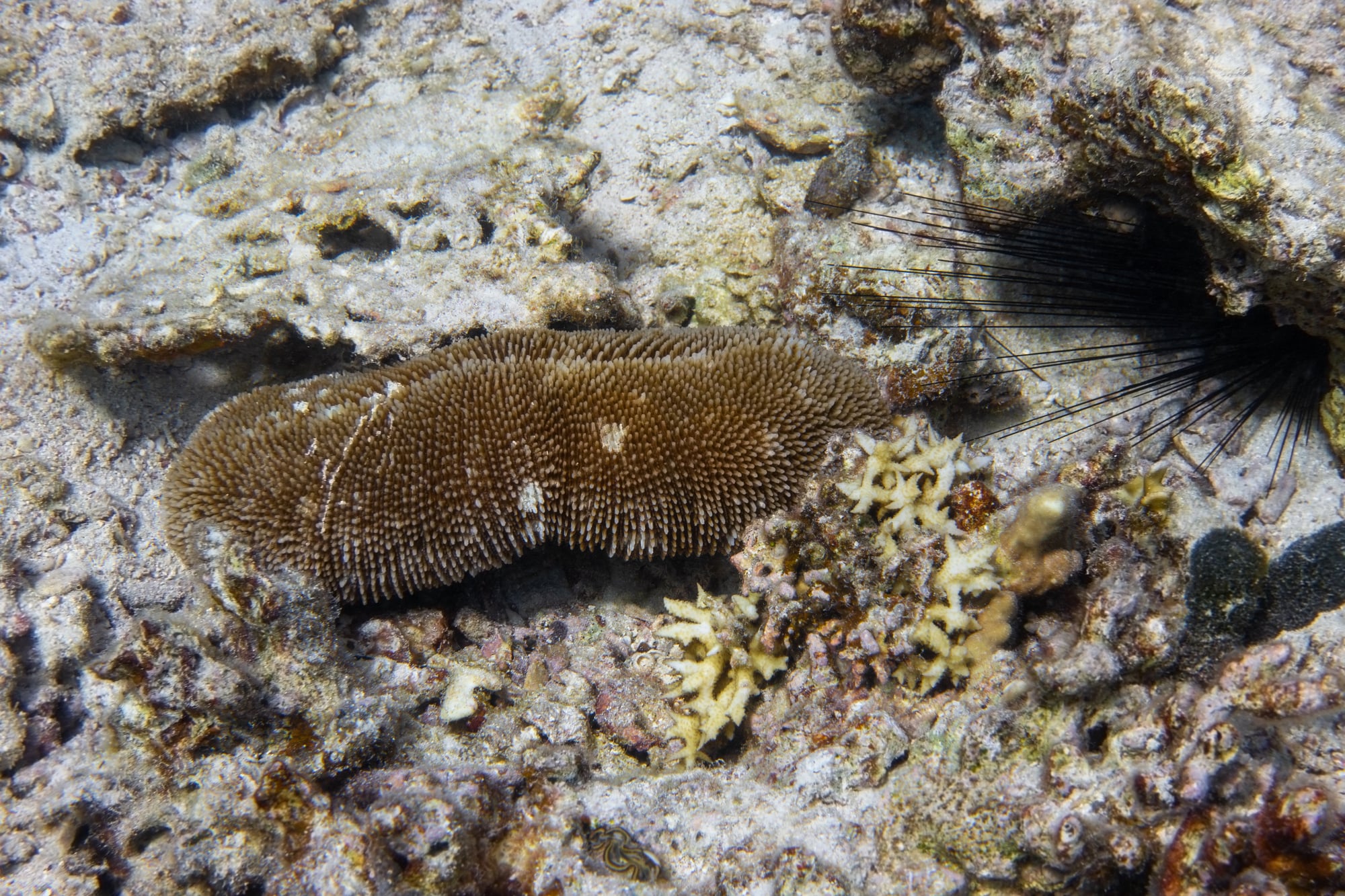
Sea cucumbers take regeneration to an extreme level, capable of expelling and then completely regrowing their internal organs when threatened by predators. This process, called evisceration, allows them to regrow their digestive system, respiratory system, and reproductive organs within a few weeks.
Some species can even regenerate their entire body from just a small fragment, making them incredibly resilient creatures.
Flatworms
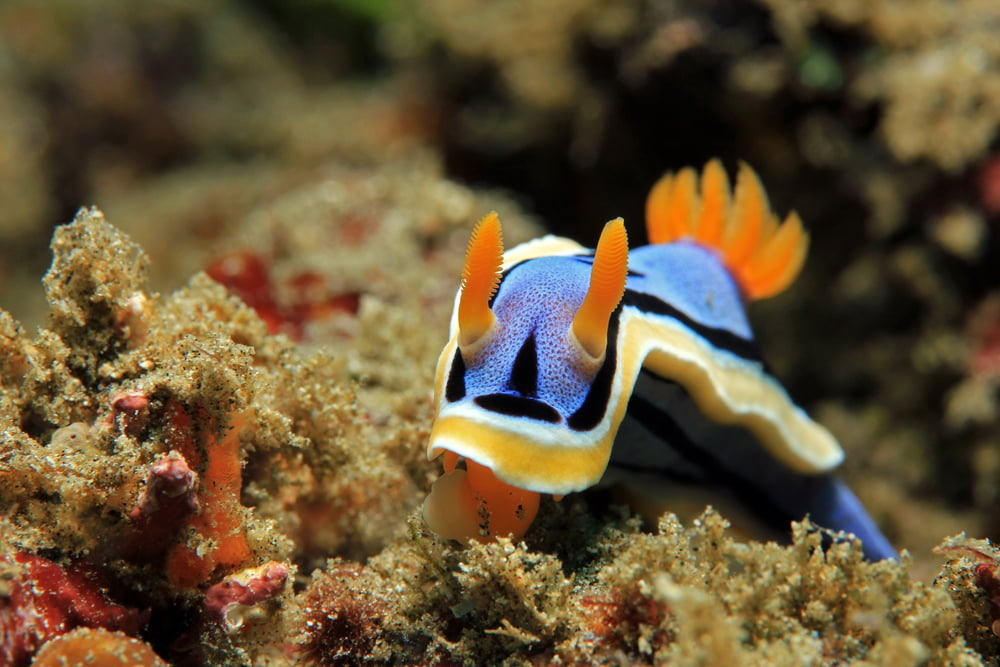
Planarian flatworms possess perhaps the most impressive regenerative abilities in the animal kingdom, able to regrow their entire body from just a tiny fragment containing a few thousand cells. Cut a planarian into pieces, and each piece will grow into a complete worm within a few weeks, complete with a new head, eyes, and brain.
Scientists have found that some planarians can be cut into over 200 pieces, each capable of regenerating into a full organism.
Like Go2Tutors’s content? Follow us on MSN.
Salamanders
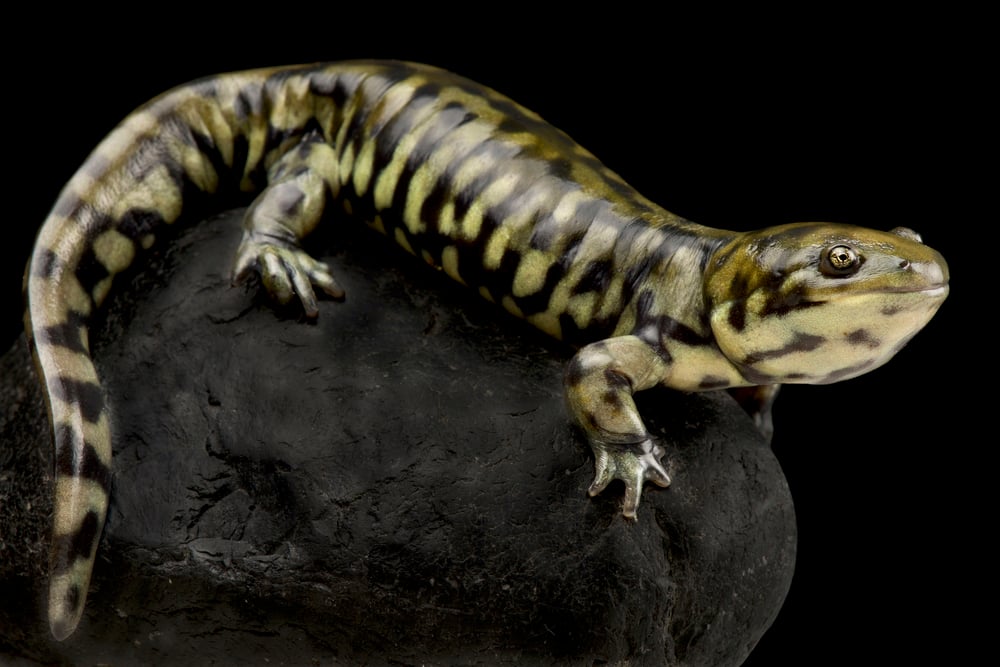
Beyond the famous axolotl, many salamander species can regrow limbs, tails, and even portions of their spinal cord throughout their adult lives. Fire salamanders can regenerate lost limbs in about three to four months, creating perfect replicas of the original appendages.
The regeneration process in salamanders is so precise that even the fingerprint-like patterns on their skin regrow exactly as they were before.
Sea Stars
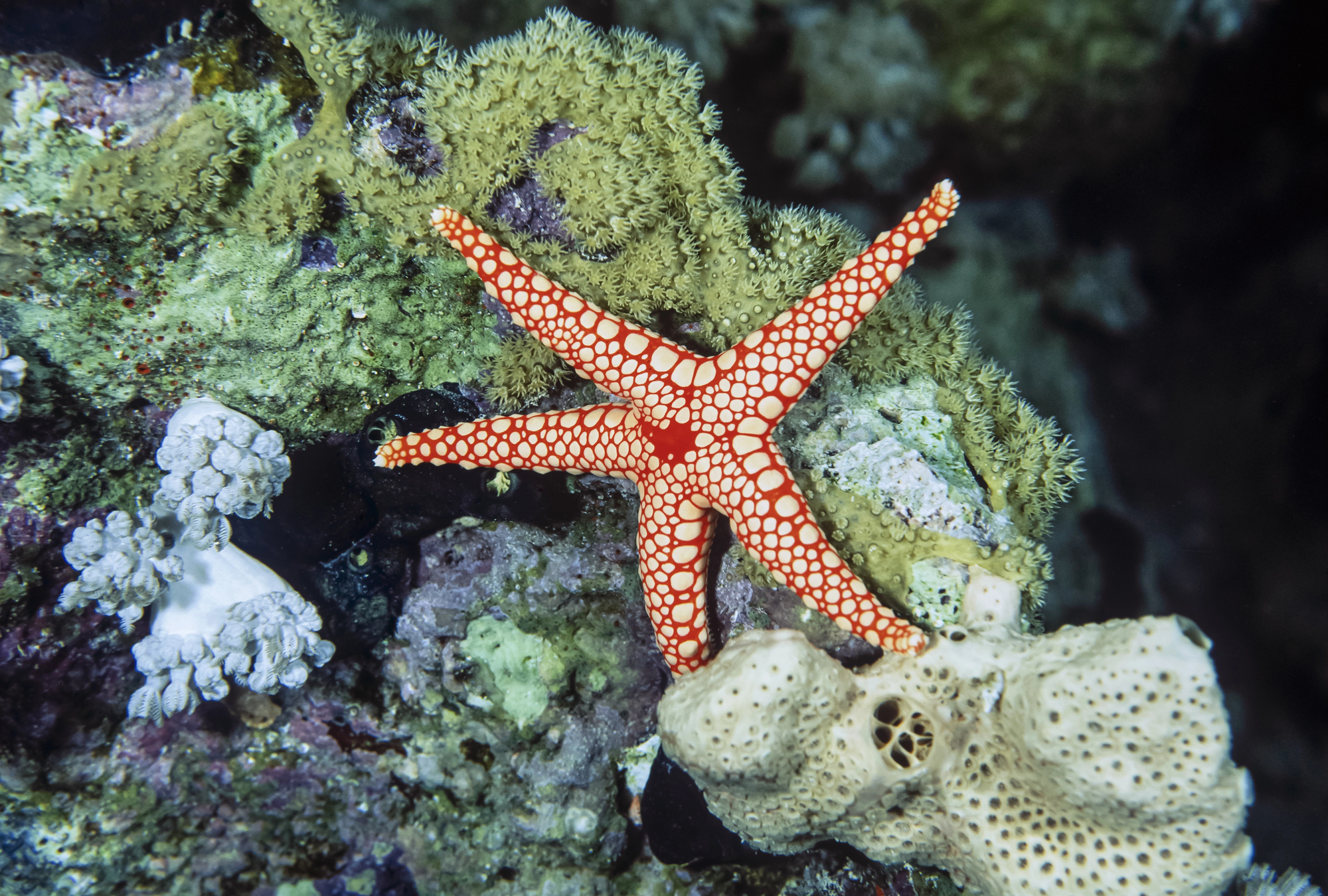
Sea stars, often confused with starfish, can regenerate lost arms and sometimes even grow entirely new individuals from severed parts. The process typically takes six months to a year, and the regenerated arm is indistinguishable from the original in both form and function.
Some sea star species can survive losing up to four of their five arms and still regenerate all the missing parts.
Octopus
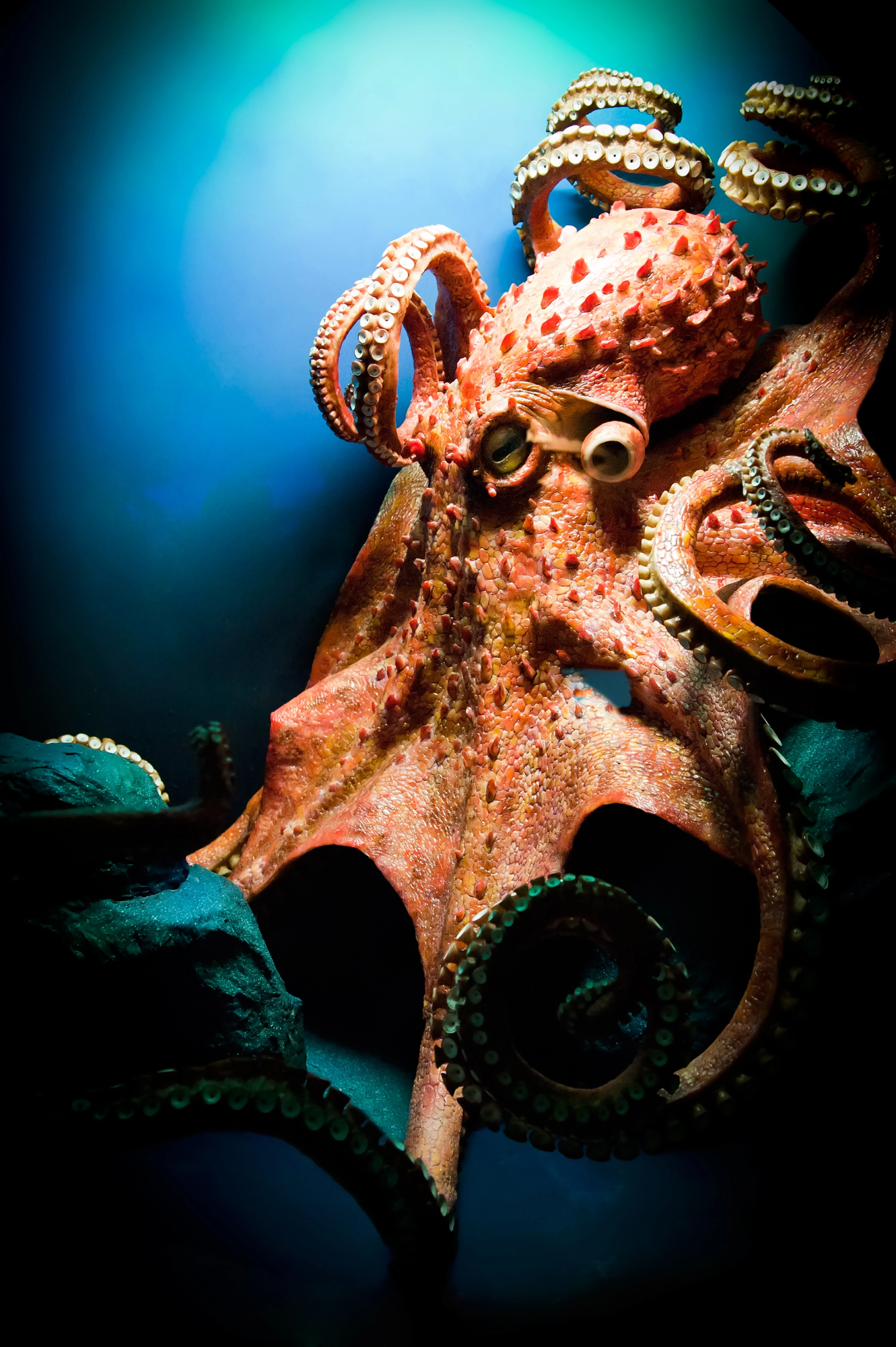
Octopuses can regrow lost tentacles over the course of several months, though the process is more limited than in other regenerating animals. The new tentacle grows back complete with all its suckers and complex muscle structure, allowing the octopus to maintain its incredible dexterity.
However, octopuses typically only live one to two years, so they rarely have time to fully regenerate a lost limb before their natural lifespan ends.
Like Go2Tutors’s content? Follow us on MSN.
Spiders
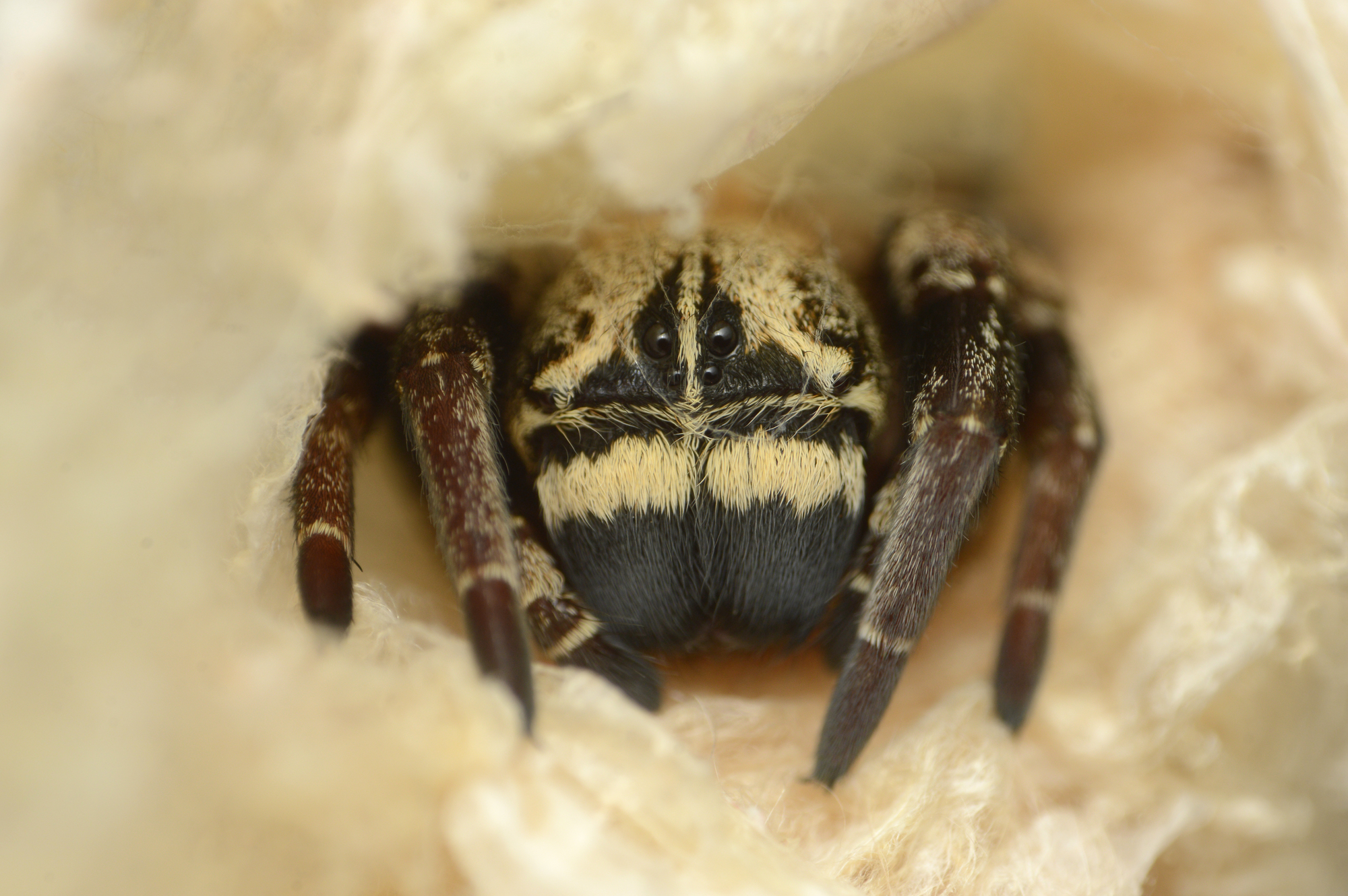
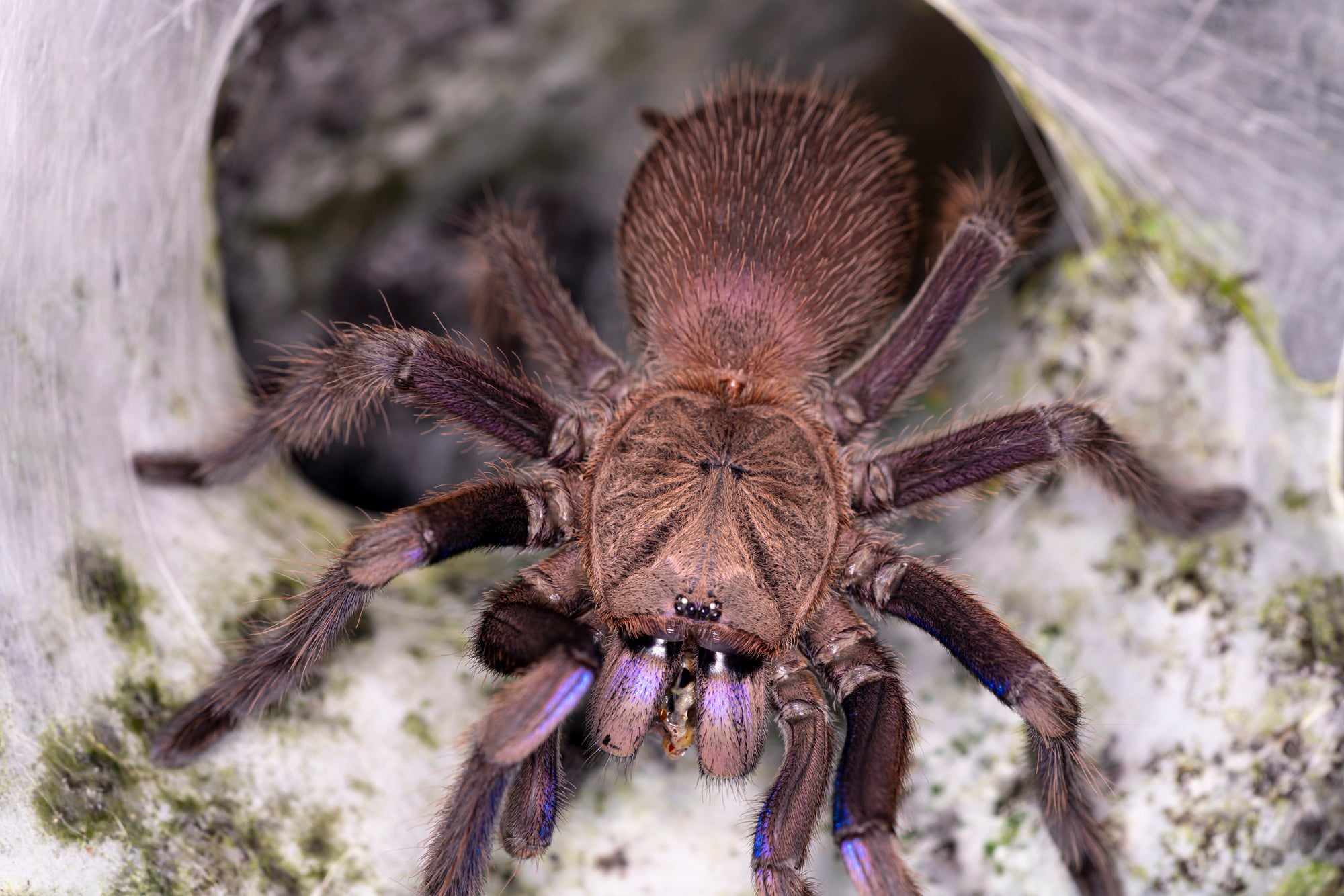
Many spider species can regrow lost legs through a process that occurs during molting, though the ability varies significantly between species. Jumping spiders and wolf spiders are particularly good at regeneration, able to regrow a functional leg in just a few molts.
The regenerated leg is often slightly smaller than the original, but it’s fully functional and allows the spider to maintain its agility and hunting prowess.
Deer
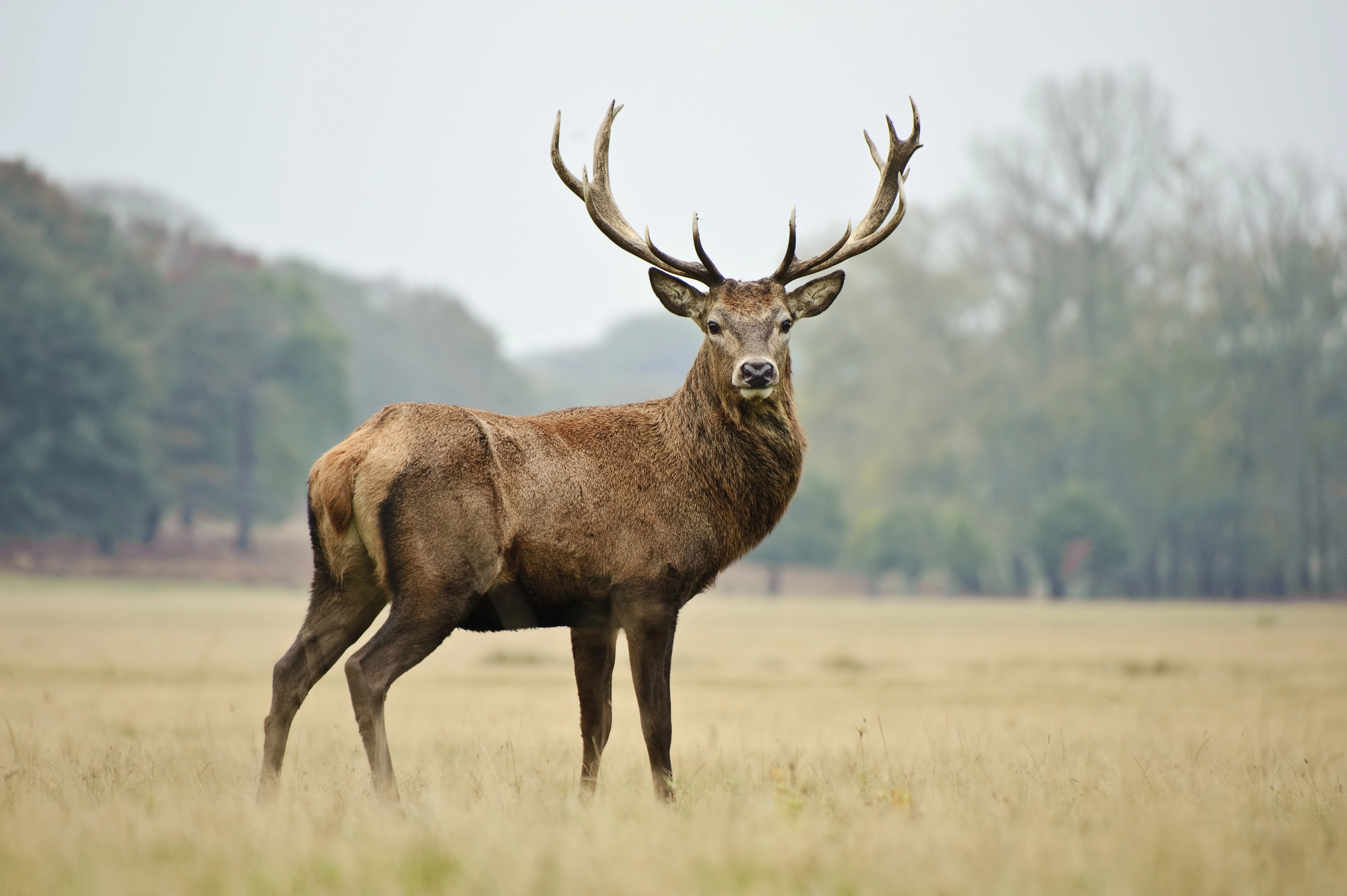
Male deer naturally shed and regrow their antlers every year in what might be the fastest bone growth in the animal kingdom. Deer antlers can grow up to an inch per day during peak growing season, powered by a rich blood supply and specialized stem cells.
The entire process from shedding to full regrowth takes about four to five months, and the new antlers are often larger and more complex than the previous year’s set.
Tadpoles
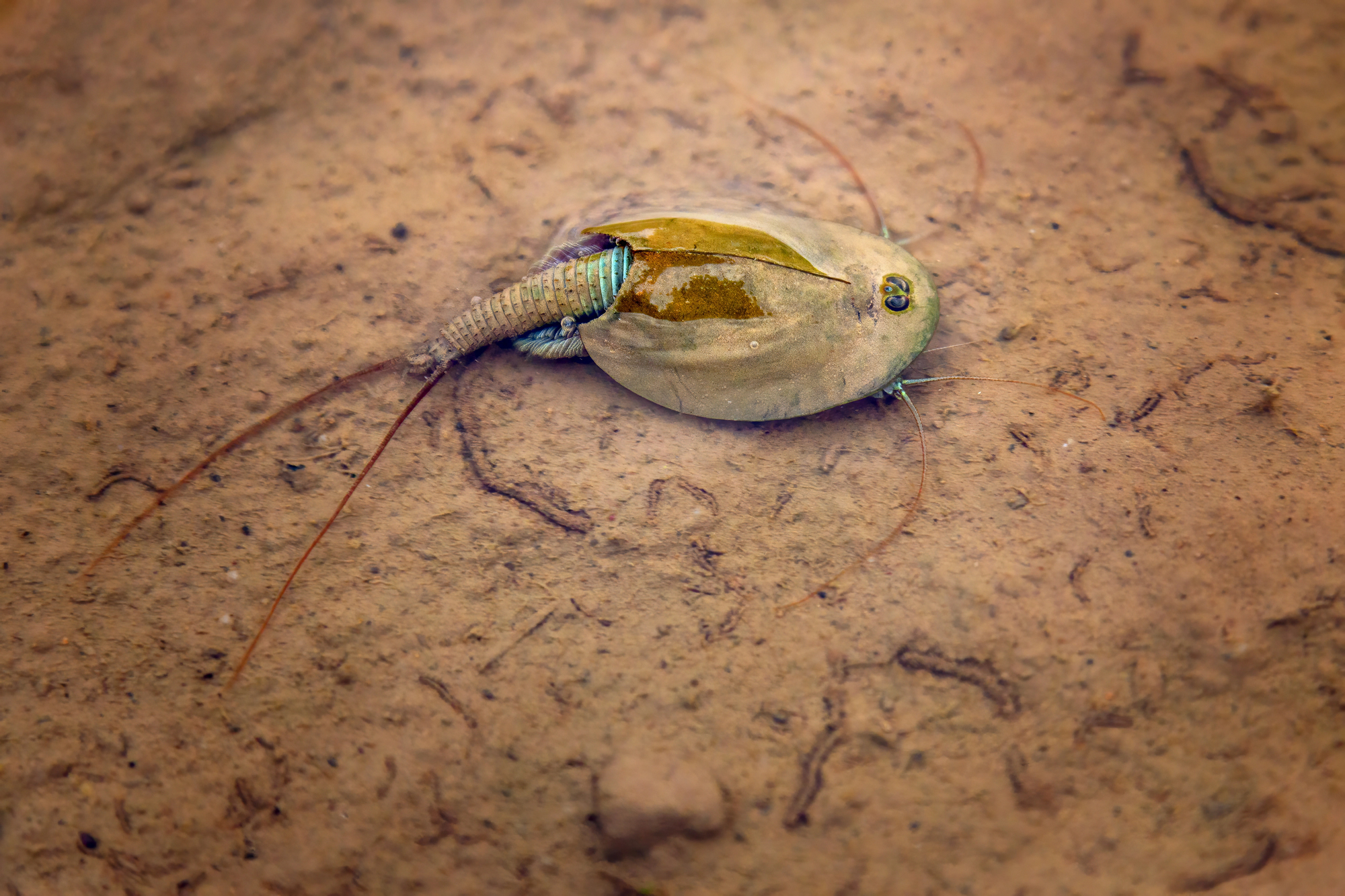
Tadpoles possess remarkable regenerative abilities that they unfortunately lose as they transform into adult frogs. Young tadpoles can regrow lost tails, limb buds, and even parts of their brain and spinal cord within a few weeks.
This regenerative power is so strong that researchers have successfully regenerated tadpole eyes, complete with proper connections to the brain and full vision capability.
Like Go2Tutors’s content? Follow us on MSN.
Nature’s Ultimate Backup Plan
These 16 regenerating animals represent millions of years of evolutionary problem-solving, each developing unique strategies to survive in a world full of predators and accidents. While humans can only dream of regrowing lost limbs, scientists are studying these creatures’ cellular mechanisms and genetic blueprints, hoping to unlock the secrets of regeneration for medical applications.
The ability to regrow complex body parts isn’t just a neat biological trick—it’s a glimpse into the incredible potential that lies dormant within all living cells, waiting for the right combination of signals to unleash nature’s most powerful healing abilities.
More from Go2Tutors!

- 16 Historical Figures Who Were Nothing Like You Think
- 12 Things Sold in the 80s That Are Now Illegal
- 15 VHS Tapes That Could Be Worth Thousands
- 17 Historical “What Ifs” That Would Have Changed Everything
- 18 TV Shows That Vanished Without a Finale
Like Go2Tutors’s content? Follow us on MSN.


