15 TV Shows That Predicted Real Technology
Science fiction has always been a crystal orb for technological advancement, but television shows have proven particularly adept at envisioning our digital future. From the earliest days of broadcasting to modern streaming series, writers and creators have imagined gadgets and concepts that seemed impossibly futuristic at the time but are now part of our everyday lives.
What’s fascinating is how these predictions often emerged decades before the technology became reality. Here is a list of 15 television shows that accurately predicted real technology we use today.
Star Trek
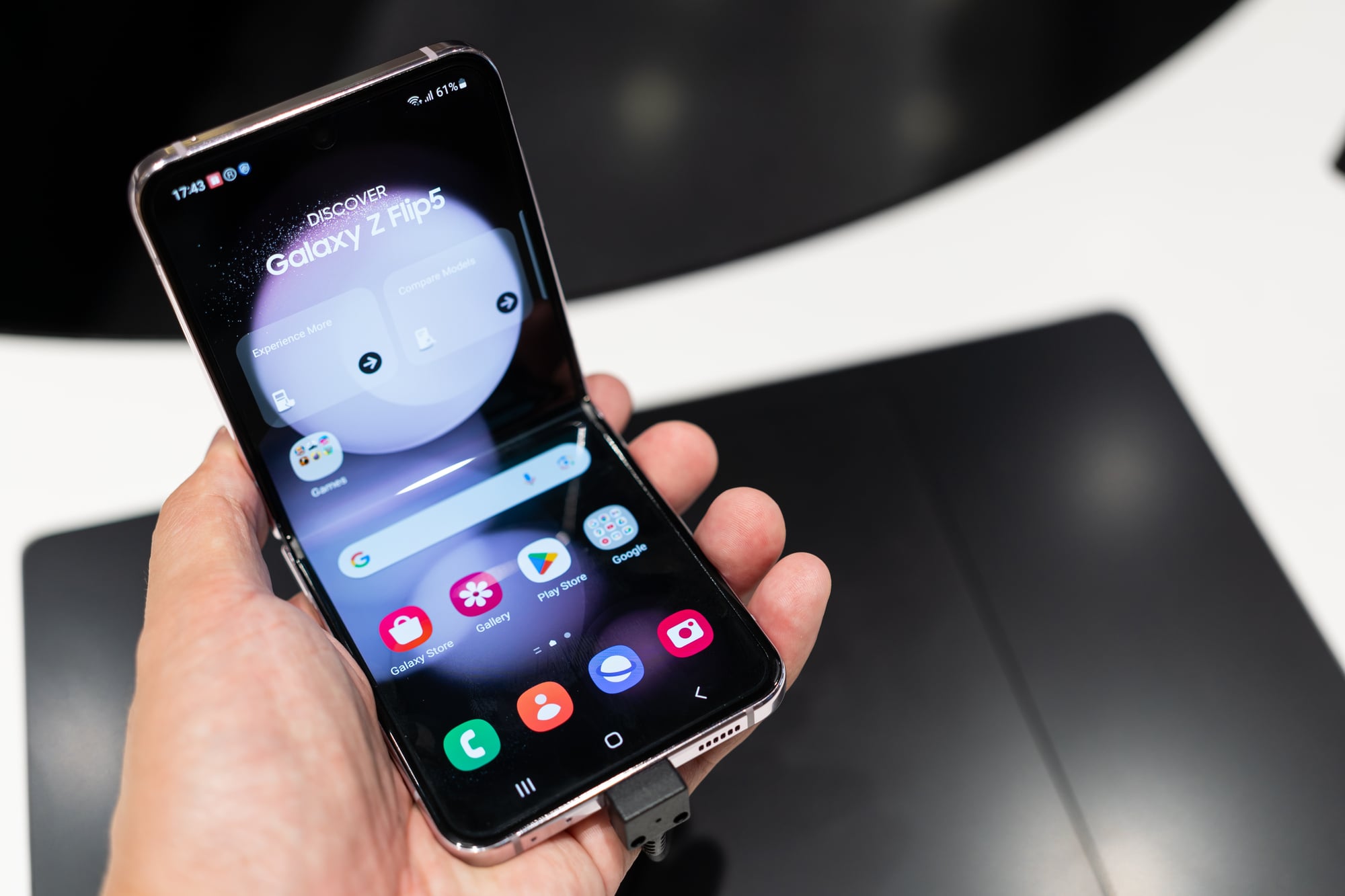
The original Star Trek series from the 1960s predicted more modern technology than perhaps any other show in television history. The communicators used by Captain Kirk and his crew were essentially flip phones, complete with the flipping motion and handheld design that wouldn’t become mainstream until the 1990s.
The show also featured tablet computers, Bluetooth-style earpieces, and even video calling through their viewscreens, all of which are now standard technology.
The Jetsons
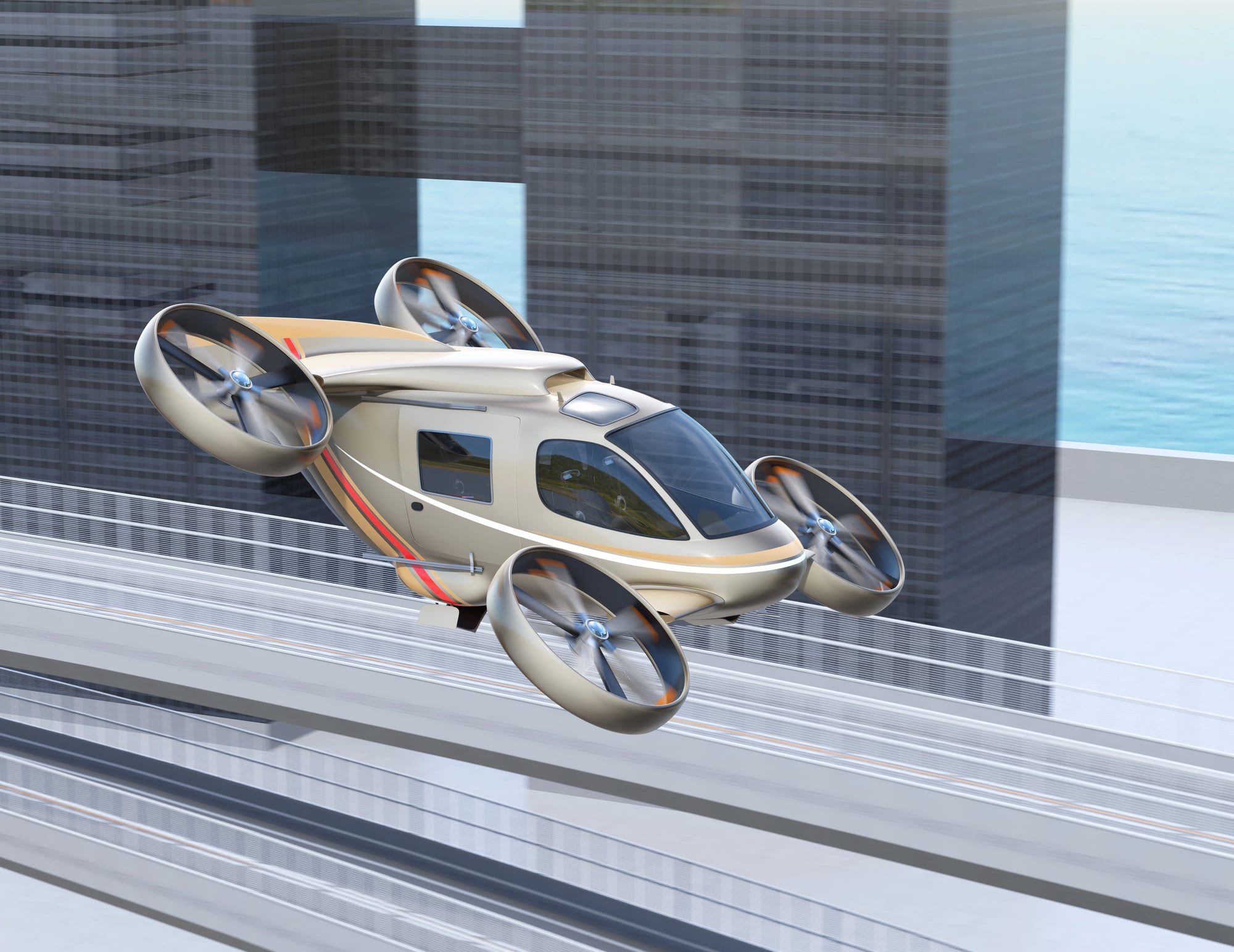
This animated series from 1962 envisioned a world of flying cars, robot assistants, and video phones that seemed wildly optimistic at the time. While we’re still waiting for reliable flying cars, the show accurately predicted video conferencing, robotic vacuum cleaners like Roombas, and smartwatches.
The Jetsons also featured flat-screen televisions mounted on walls, which didn’t become common until the 2000s.
Knight Rider
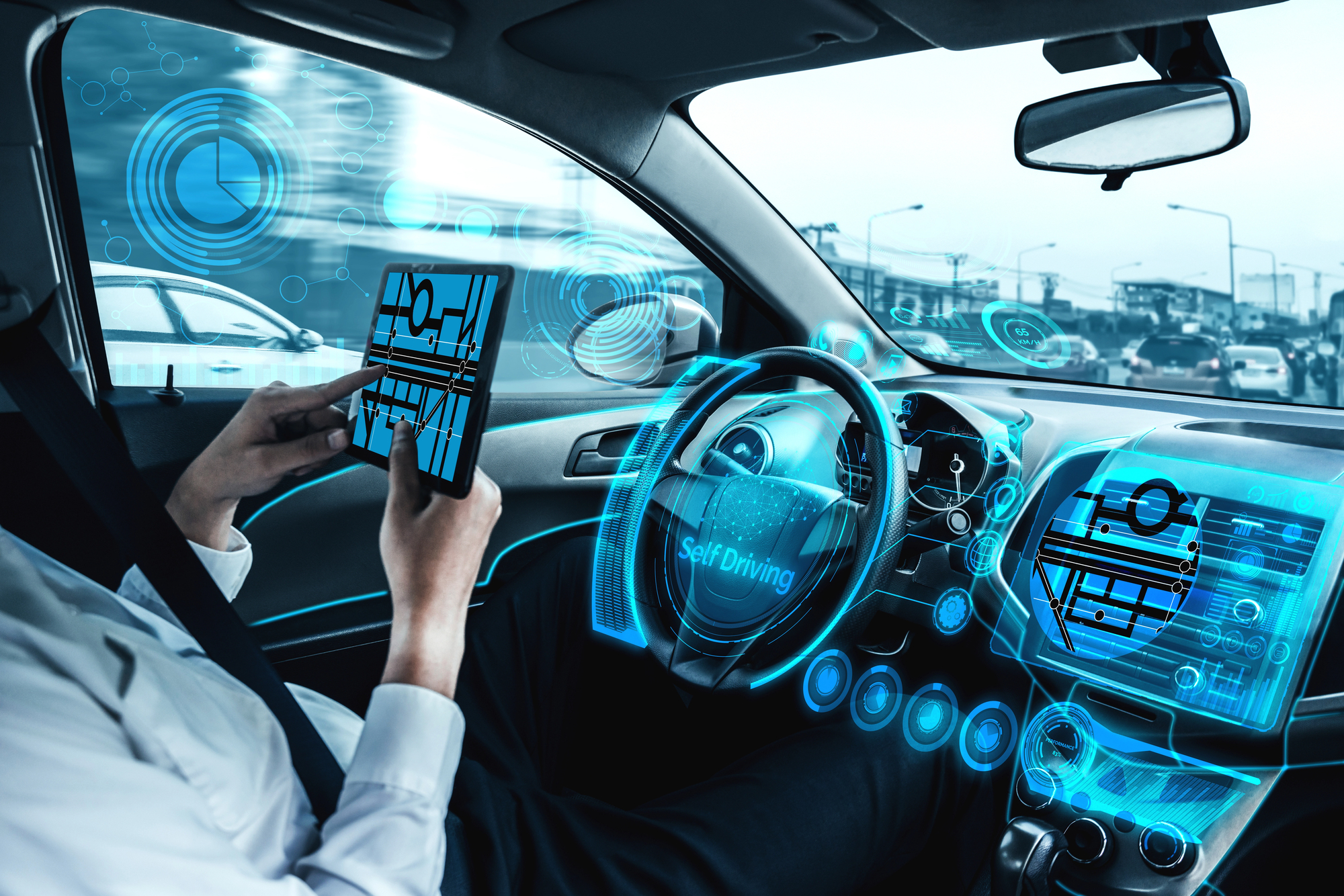
The talking car KITT from this 1980s series was essentially a prototype for today’s smart cars and AI assistants. KITT could navigate autonomously, respond to voice commands, and even drive itself to pick up Michael Knight when summoned.
Modern vehicles now feature many of these capabilities through GPS navigation, voice-activated controls, and emerging self-driving technology.
Inspector Gadget
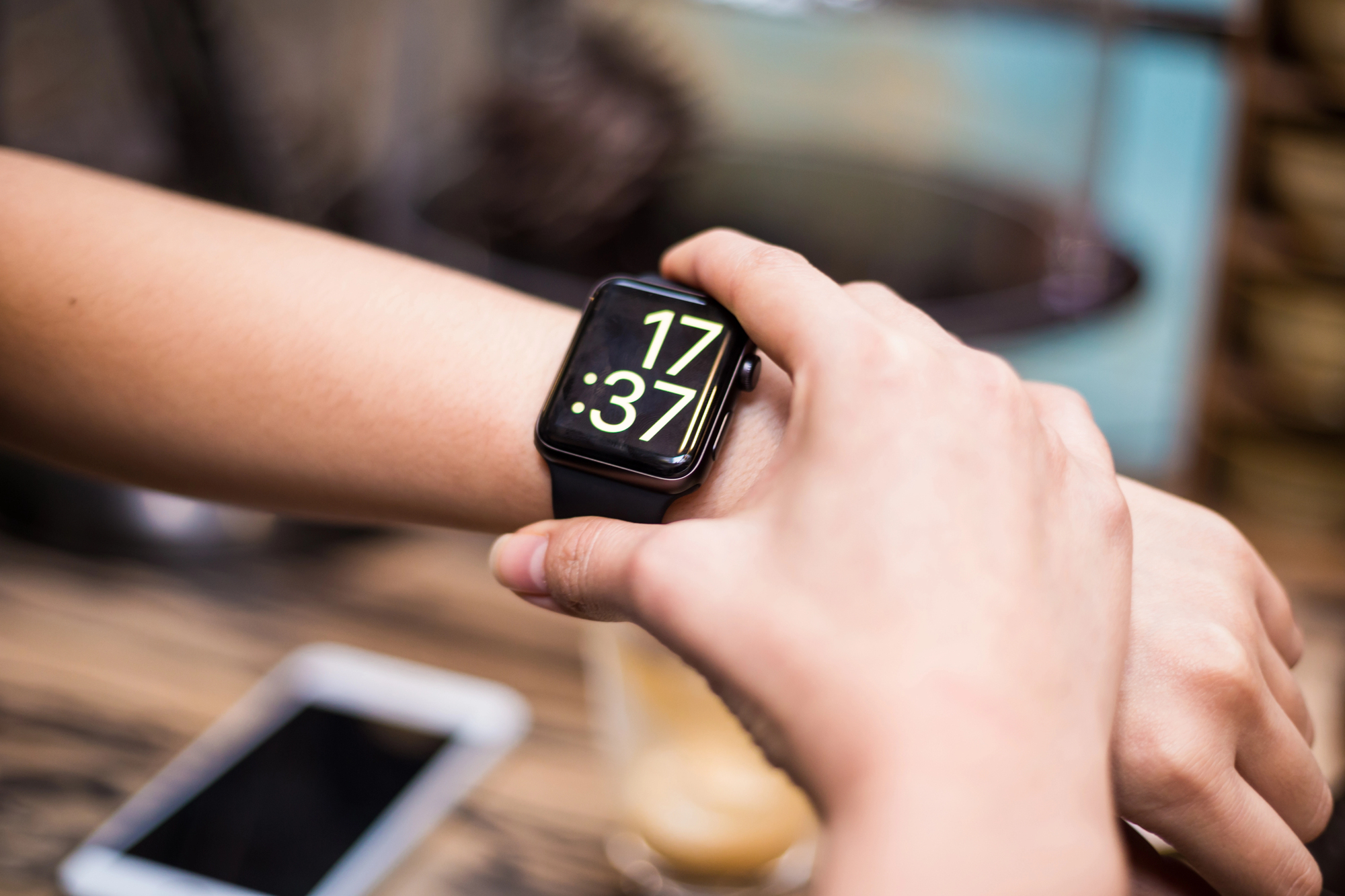
This cartoon detective’s various gadgets predicted several modern inventions with surprising accuracy. His wrist-mounted computer resembled smartwatches, while his video calls and digital communication devices foreshadowed smartphones and tablets.
The show also featured early concepts of biometric identification and advanced surveillance technology that law enforcement uses today.
2001: A Space Odyssey
While primarily known as a film, the concepts from Arthur C. Clarke’s work also appeared in various television adaptations and documentaries. The HAL 9000 computer predicted voice-activated AI assistants like Alexa and Siri, complete with natural language processing and the ability to control various systems throughout a building or vehicle.
Minority Report

The television adaptation of this concept showcased gesture-controlled interfaces and predictive policing algorithms. The show’s transparent touchscreens and motion-controlled computers preceded the development of Microsoft’s Kinect, touchscreen interfaces, and the predictive analytics now used by law enforcement agencies worldwide.
Black Mirror
This modern anthology series has been eerily accurate in predicting social media’s dark side and emerging technologies. Episodes have foreshadowed everything from social credit systems to advanced virtual reality, brain-computer interfaces, and the psychological effects of constant digital connectivity.
The show’s predictions about technology’s impact on human behavior have proven particularly prescient.
Max Headroom

This 1980s series predicted the rise of digital personalities and computer-generated influencers decades before they became reality. The show’s vision of a media-saturated future where digital characters could become celebrities has been realized through virtual YouTubers, AI-generated social media personalities, and deepfake technology.
The Twilight Zone
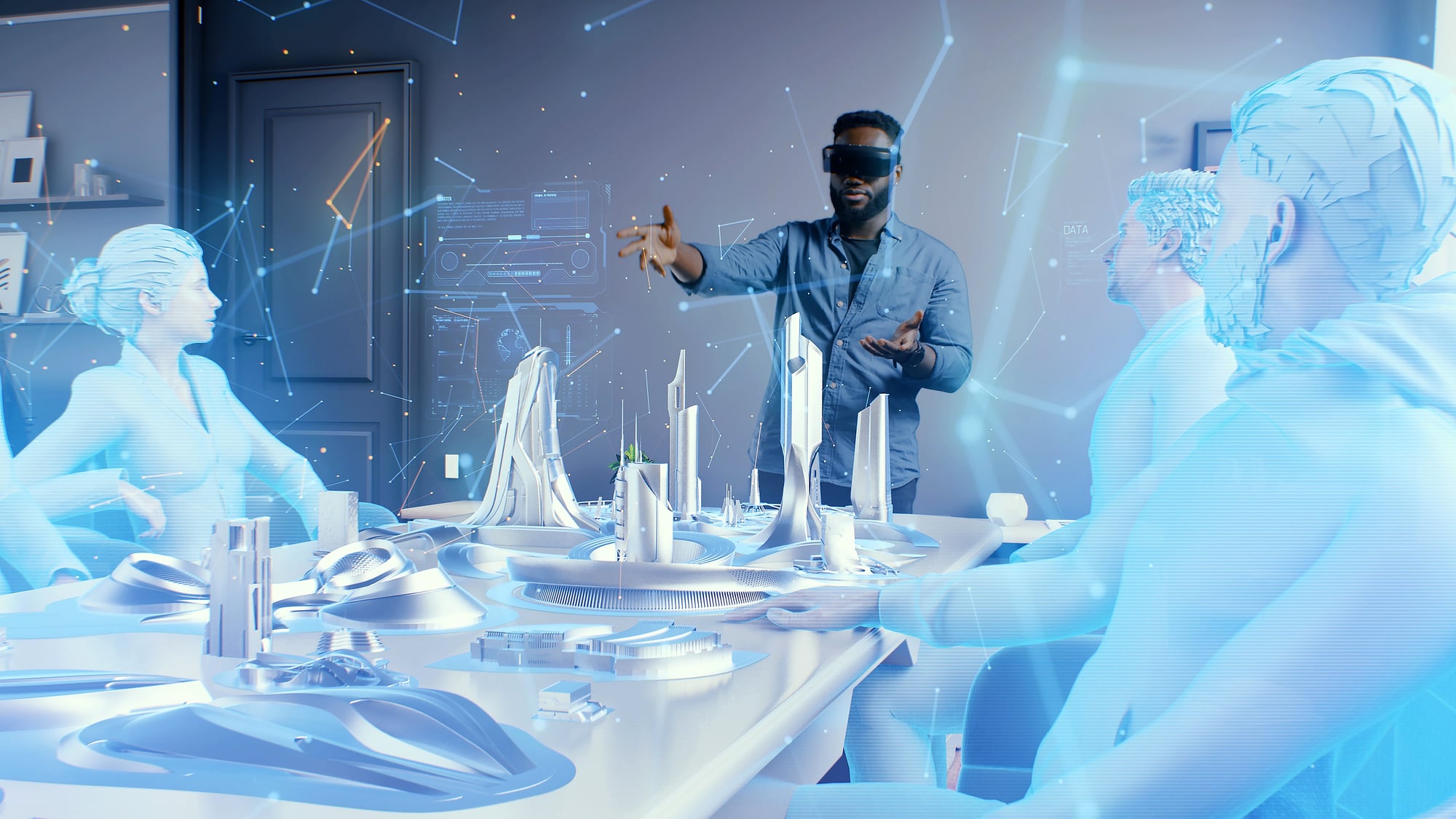
Several episodes of this classic anthology series predicted modern technology with uncanny accuracy. The show featured concepts resembling social media addiction, virtual reality experiences, and automated systems that control human behavior.
One episode even predicted the rise of online gaming and digital worlds that people prefer to reality.
Lost in Space
The original 1960s series featured a robot companion that could analyze situations, provide information, and even show emotions. This concept directly predicted the development of AI assistants, smart home devices, and the emerging field of companion robotics that’s becoming increasingly sophisticated in elder care and education.
Space: 1999

This British science fiction series predicted several space technologies that NASA and private companies now use. The show featured tablet computers, wireless communication devices, and modular spacecraft designs that closely resemble modern space station configurations and the International Space Station’s layout.
Battlestar Galactica
Both the original and reimagined series predicted drone warfare, networked computer systems, and the dangers of artificial intelligence. The show’s Cylons were essentially autonomous military robots, while the series explored themes of AI consciousness that parallel current debates about machine learning and artificial intelligence development.
Star Trek: The Next Generation
Building on the original series’ predictions, Next Generation introduced concepts like holographic displays, advanced medical scanners, and universal translators. The show’s medical tricorders predicted modern diagnostic devices, while the holodeck envisioned virtual reality environments that are now being developed for training and entertainment.
Babylon 5

This space station-based series predicted several communication technologies including video conferencing, digital news networks, and portable communication devices. The show’s vision of interconnected computer networks and real-time global communication systems closely resembles today’s internet infrastructure and social media platforms.
Doctor Who
Across its many decades, Doctor Who has predicted numerous technologies including compact computers, advanced medical devices, and even concepts resembling modern smartphone capabilities. The sonic screwdriver essentially predicted multi-function electronic devices, while the TARDIS’s advanced computer systems foreshadowed modern AI and machine learning capabilities.
When Fiction Becomes Reality
These television shows demonstrate that science fiction writers and creators have consistently been ahead of their time in envisioning technological possibilities. Many of the gadgets and concepts that seemed impossible during their original broadcast are now integral parts of our daily lives.
The most successful predictions often focused on solving fundamental human needs for communication, transportation, and information processing. What’s remarkable is how these creative visions helped shape public expectations and potentially influenced the actual development of these technologies by inspiring engineers and inventors to make fiction into reality.
More from Go2Tutors!

- The Romanov Crown Jewels and Their Tragic Fate
- 13 Historical Mysteries That Science Still Can’t Solve
- Famous Hoaxes That Fooled the World for Years
- 15 Child Stars with Tragic Adult Lives
- 16 Famous Jewelry Pieces in History
Like Go2Tutors’s content? Follow us on MSN.