16 Rock Bands That Changed Music History Forever
Rock music has transformed dramatically since the 1950s. Countless artists pushed boundaries and redefined what music could be, though some bands did more than just make great songs. These groups fundamentally altered music history, influencing generations of musicians and creating entirely new sounds that still resonate today.
From raw early rock and roll energy to complex progressive arrangements, these groundbreaking groups created trends instead of following them. Here is a list of 16 rock bands that changed music history forever.
The Beatles

The Beatles conquered more than just charts—they revolutionized how people made, recorded, and consumed music. Albums like ‘Sgt. Pepper’s Lonely Hearts Club Band’ introduced studio techniques that became industry standards.
Rock bands could suddenly be serious artists instead of mere entertainers, and their influence spread far beyond rock into virtually every popular music genre.
Led Zeppelin

Hard rock and heavy metal found their blueprint through Led Zeppelin’s thunderous sound and mystical imagery. Jimmy Page’s guitar innovations and production work—paired with Robert Plant’s soaring vocals—set new standards for rock intensity.
Blues, folk, and Eastern influences merged in ways that proved rock could be heavy yet sophisticated.
Like Go2Tutors’s content? Follow us on MSN.
The Rolling Stones
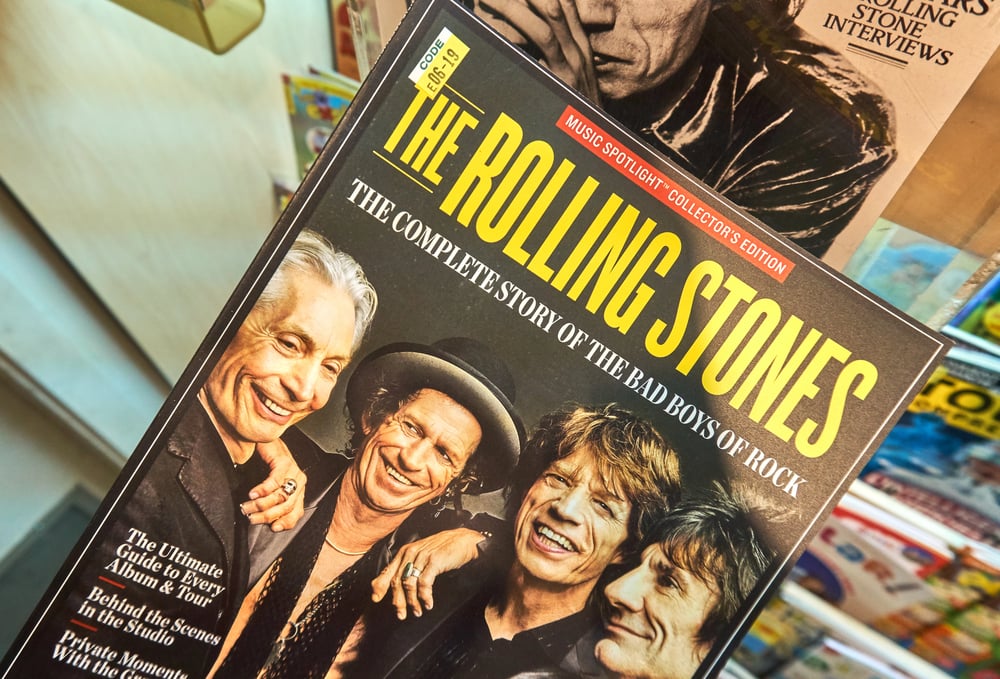
The Beatles might have represented clean-cut British rock, but The Rolling Stones embodied pure rebellion and raw energy. Authentic blues and R&B found mainstream acceptance through their work.
Their decades of touring and that unmistakable edge influenced countless punk and alternative bands while establishing rock as both lifestyle and attitude.
Pink Floyd

Rock became high art through Pink Floyd’s concept albums that told complete stories using music, lyrics, and groundbreaking studio effects. ‘The Dark Side of the Moon’ proved rock could achieve commercial success without sacrificing intellectual depth.
Synthesizers, elaborate sound effects, and massive live productions expanded what rock performances
could accomplish.
Queen

Theatrical showmanship met musical complexity in Queen’s anthems that still pack stadiums decades later. Freddie Mercury’s stage presence and the band’s layered harmonies showed rock could be operatic yet accessible.
Opera, disco, and pop elements blended seamlessly, proving genre boundaries existed to be shattered.
Like Go2Tutors’s content? Follow us on MSN.
The Who

Explosive live performances and innovative volume usage made The Who pioneers of rock as aggressive art. ‘Tommy’ developed the rock opera format while their stage shows established visual elements that became rock standards.
Punk and alternative music draw heavily from their raw energy and willingness to destroy instruments mid-performance.
Black Sabbath

Heavy metal emerged from nothing through Black Sabbath’s downtuned guitars and dark themes. Tony Iommi’s crushing riffs and Ozzy Osbourne’s haunting vocals created the template metal bands still follow.
Heavy music could maintain melody—a lesson that influenced everything from thrash to grunge.
The Jimi Hendrix Experience

Electric guitar possibilities expanded exponentially through Jimi Hendrix’s feedback, distortion, and revolutionary playing techniques. Nobody had heard sounds like his before.
Woodstock and Monterey Pop performances became legendary examples of rock’s power to transcend musical boundaries while proving technical skill and raw emotion could coexist.
Like Go2Tutors’s content? Follow us on MSN.
The Doors

Literary depth and psychedelic exploration entered rock through Jim Morrison’s poetry and the band’s jazz-influenced arrangements. Their dark, introspective approach influenced alternative rock while proving rock could tackle serious philosophical and social themes.
Traditional lead guitar wasn’t necessary for compelling rock music.
Nirvana

Underground alternative rock burst into mainstream consciousness through Nirvana’s raw, emotional approach. Kurt Cobain’s songwriting mixed punk energy with pop sensibilities—creating a template for countless grunge and alternative bands.
Independent artists suddenly had opportunities, and record labels completely changed their rock strategies.
The Velvet Underground

Experimental rock arrived decades early through The Velvet Underground’s avant-garde elements and unconventional structures. Commercial success eluded them, yet their influence on punk, alternative, and indie rock remains immeasurable.
Rock could be art without losing its edge, inspiring musicians to explore unconventional approaches.
Like Go2Tutors’s content? Follow us on MSN.
Radiohead

Sound reinvention became Radiohead’s specialty as they moved from alternative rock to electronic experimentation while maintaining artistic integrity. ‘OK Computer’ and ‘Kid A’ proved rock bands could incorporate technology and complex arrangements without losing emotional impact.
Album releases and fan interaction changed through their innovative approaches.
AC/DC

Straightforward, hard-hitting rock and roll reached perfection through AC/DC’s consistent approach to powerful riffs and driving rhythms. Their no-nonsense style taught countless hard rock and metal bands that simplicity and power sometimes trump complexity.
Basic could be brilliant, creating anthems that unite audiences worldwide.
The Ramones

Rock stripped to its essential elements created punk through The Ramones’ fast, short songs and minimalist approach. Technical proficiency wasn’t required for powerful music—a lesson that influenced punk, alternative, and indie rock immeasurably.
Primitive and sophisticated could coexist, inspiring bands to embrace simplicity.
Like Go2Tutors’s content? Follow us on MSN.
Metallica

Heavy metal entered mainstream consciousness through Metallica while they maintained underground credibility. Complex arrangements appealed to both metal fans and casual listeners.
Speed, power, and melody combined to influence countless metal bands, proving heavy music could achieve massive commercial success while being both brutal and beautiful.
U2

Anthemic rock combined political consciousness with spiritual searching through U2’s atmospheric sounds and expansive arrangements. Their legendary live performances balanced intimate connection with stadium-sized spectacle.
Decades of relevance proved rock bands could continuously evolve while maintaining their core sound.
Rock’s Continuing Evolution

These 16 bands changed rock’s fundamental DNA, creating sounds, attitudes, and possibilities that continue influencing today’s musicians. Songwriting, recording, and performance innovations established frameworks that modern rock still operates within.
Each new generation builds upon these foundations, ensuring their influence will shape music for decades ahead. Rock’s greatest strength remains its ability to constantly reinvent itself while honoring its roots, thanks to these boundary-pushing pioneers.
More from Go2Tutors!

- 16 Historical Figures Who Were Nothing Like You Think
- 12 Things Sold in the 80s That Are Now Illegal
- 15 VHS Tapes That Could Be Worth Thousands
- 17 Historical “What Ifs” That Would Have Changed Everything
- 18 TV Shows That Vanished Without a Finale
Like Go2Tutors’s content? Follow us on MSN.