12 Historical Figures Who Had Strange Personal Habits
History books typically focus on the accomplishments, innovations, and world-changing decisions of influential figures while glossing over their more peculiar personal characteristics. Yet behind many great achievements lurked some truly bizarre behaviors that humanize these legendary individuals in unexpected ways.
Here is a list of 13 historical figures with the strangest personal habits, revealing the eccentric side of some of humanity’s most notable names.
Benjamin Franklin

America’s founding father enjoyed what he called “air baths,” standing completely unclothed by an open window for up to an hour each morning. Franklin believed this practice strengthened his immune system and prevented illness, considering it an essential part of his daily routine regardless of weather.
His London neighbors reportedly found the sight of one of the era’s greatest minds standing bare in front of his window somewhat alarming.
Nikola Tesla
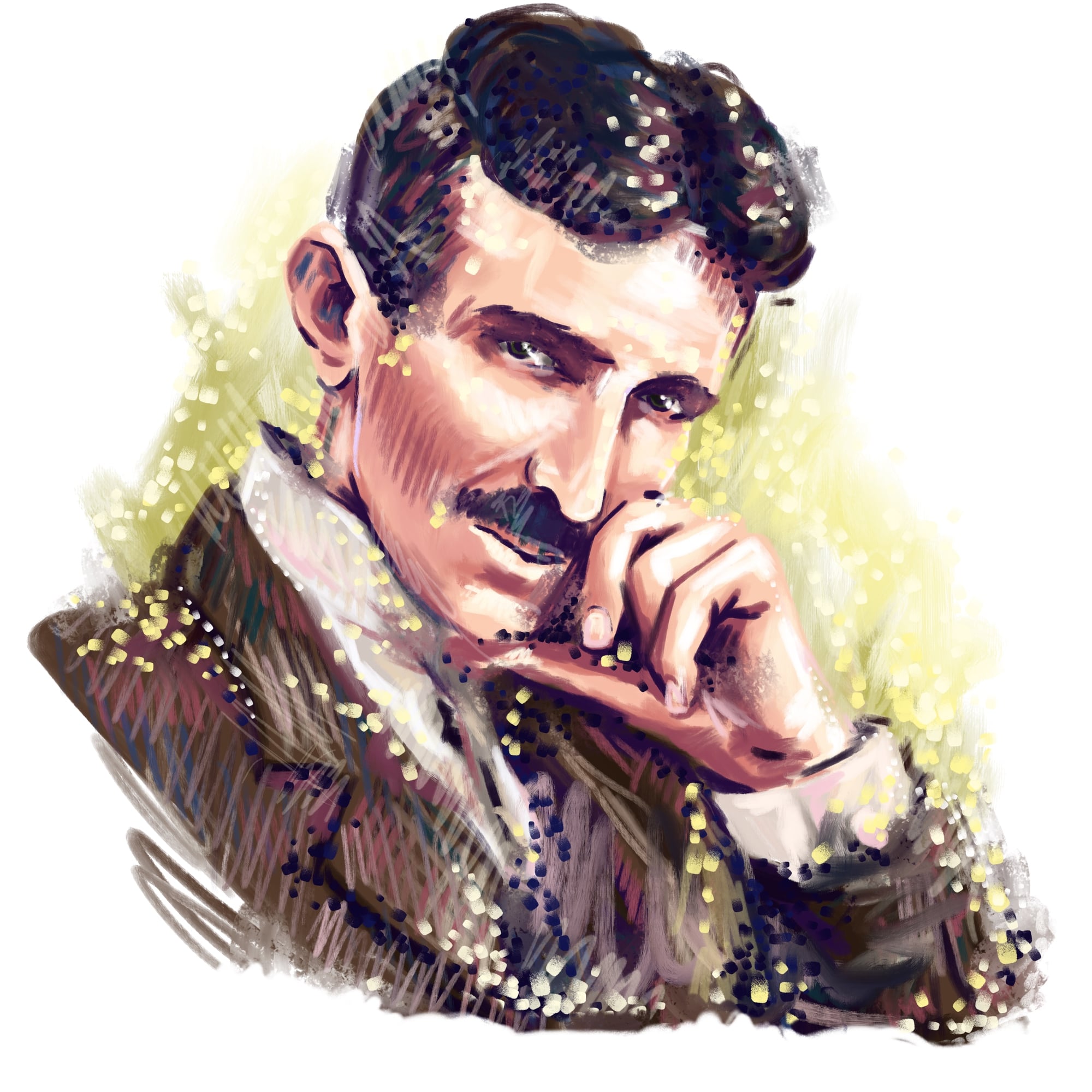
The brilliant inventor developed an intense obsession with the number three, compulsively walking around buildings three times before entering and demanding hotel rooms with numbers divisible by three. Tesla also harbored an extreme aversion to human hair, pearl jewelry, and touching anything unclean.
Late in life, he developed a peculiar attraction to pigeons. These compulsive behaviors likely stemmed from obsessive-compulsive disorder, which both hampered his social life and possibly contributed to his unique approach to scientific problems.
Howard Hughes

The aviation pioneer and business magnate became increasingly germaphobic as he aged, developing elaborate protocols for handling everyday objects. Hughes would wrap tissues around doorknobs before touching them, wear tissue boxes on his feet to protect them from floor germs, and provide detailed written instructions to servants about how to handle his food.
His fear of contamination eventually contributed to his transformation from a dashing industrialist to a reclusive eccentric hiding from the world.
Ludwig van Beethoven
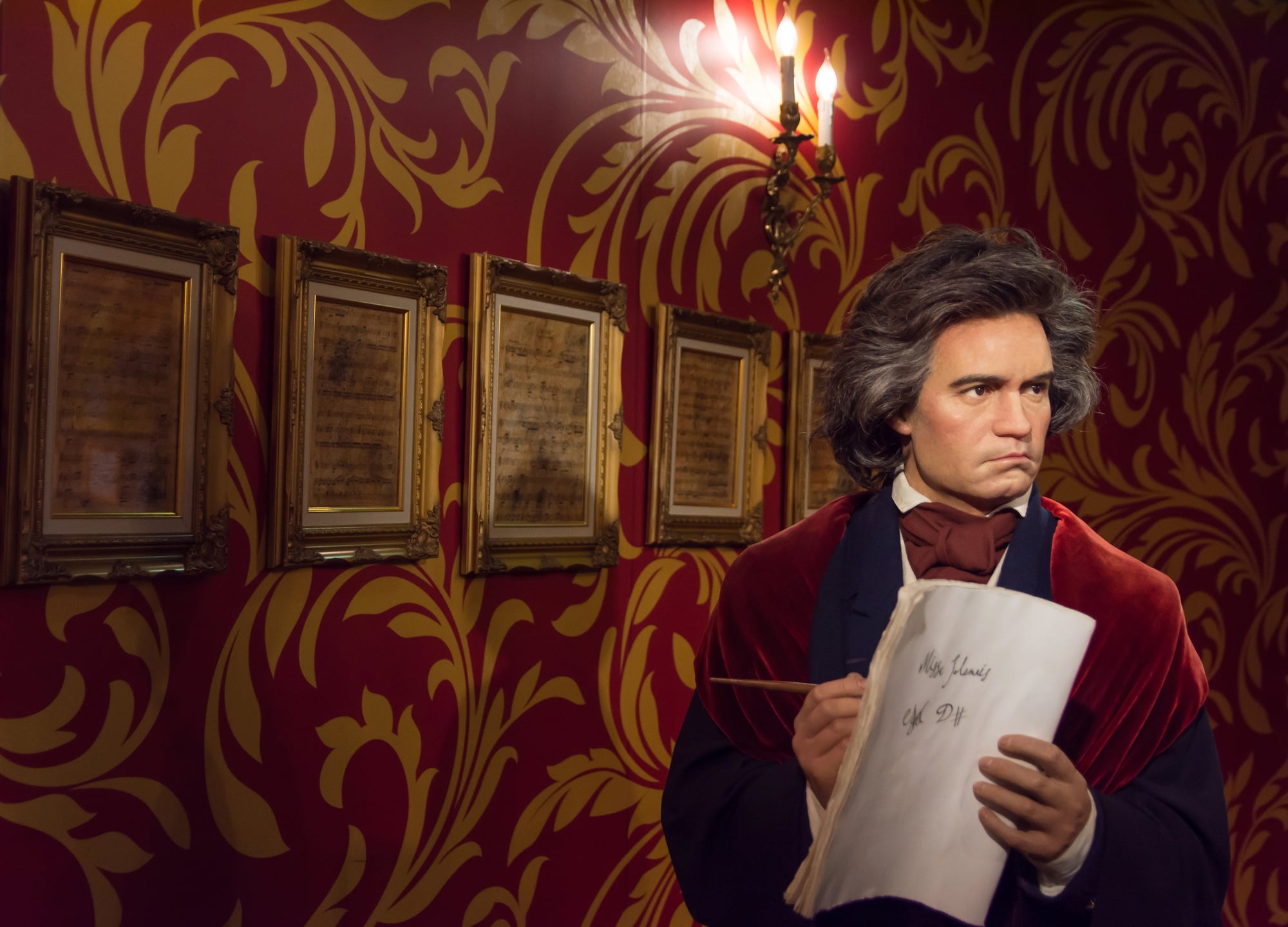
The legendary composer had a bizarre morning ritual involving precisely counting out 60 coffee beans for each cup he brewed. When inspiration struck while composing, Beethoven would pour ice water over his head to stay alert, often soaking his clothes and causing water damage to the floors of his apartments.
His landlords frequently evicted him due to these habits and his tendency to leave food scraps lying around until they molded.
Florence Nightingale
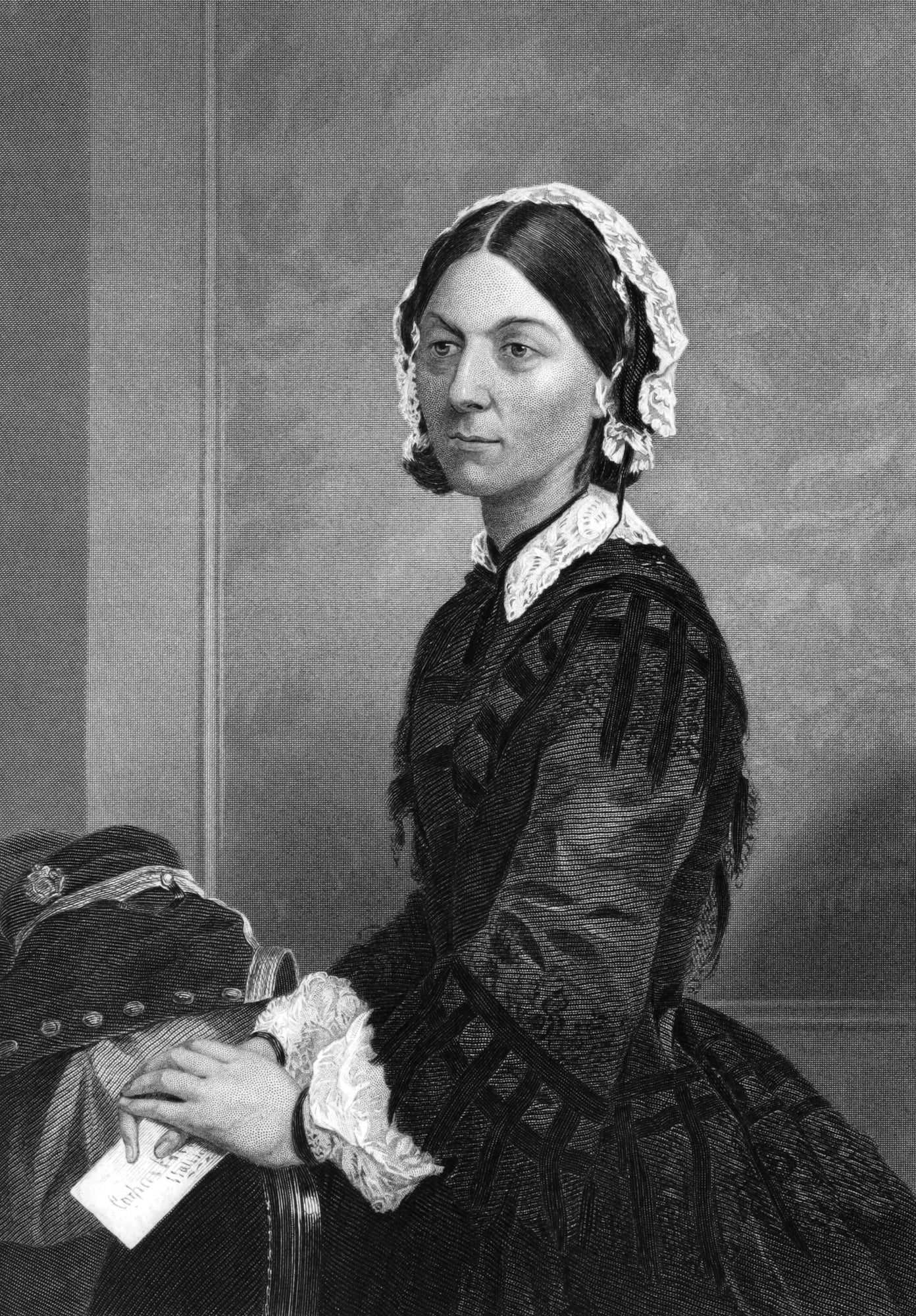
The founder of modern nursing spent the last 50 years of her life mostly bedridden, despite not suffering from any physical ailment that required such restriction. Nightingale conducted her revolutionary work from bed, receiving important visitors while lying down and dictating thousands of letters to reform healthcare.
Some historians believe she may have had chronic fatigue syndrome, while others suggest her reclusiveness may have been a strategic choice to focus entirely on her work without social distractions.
Thomas Edison
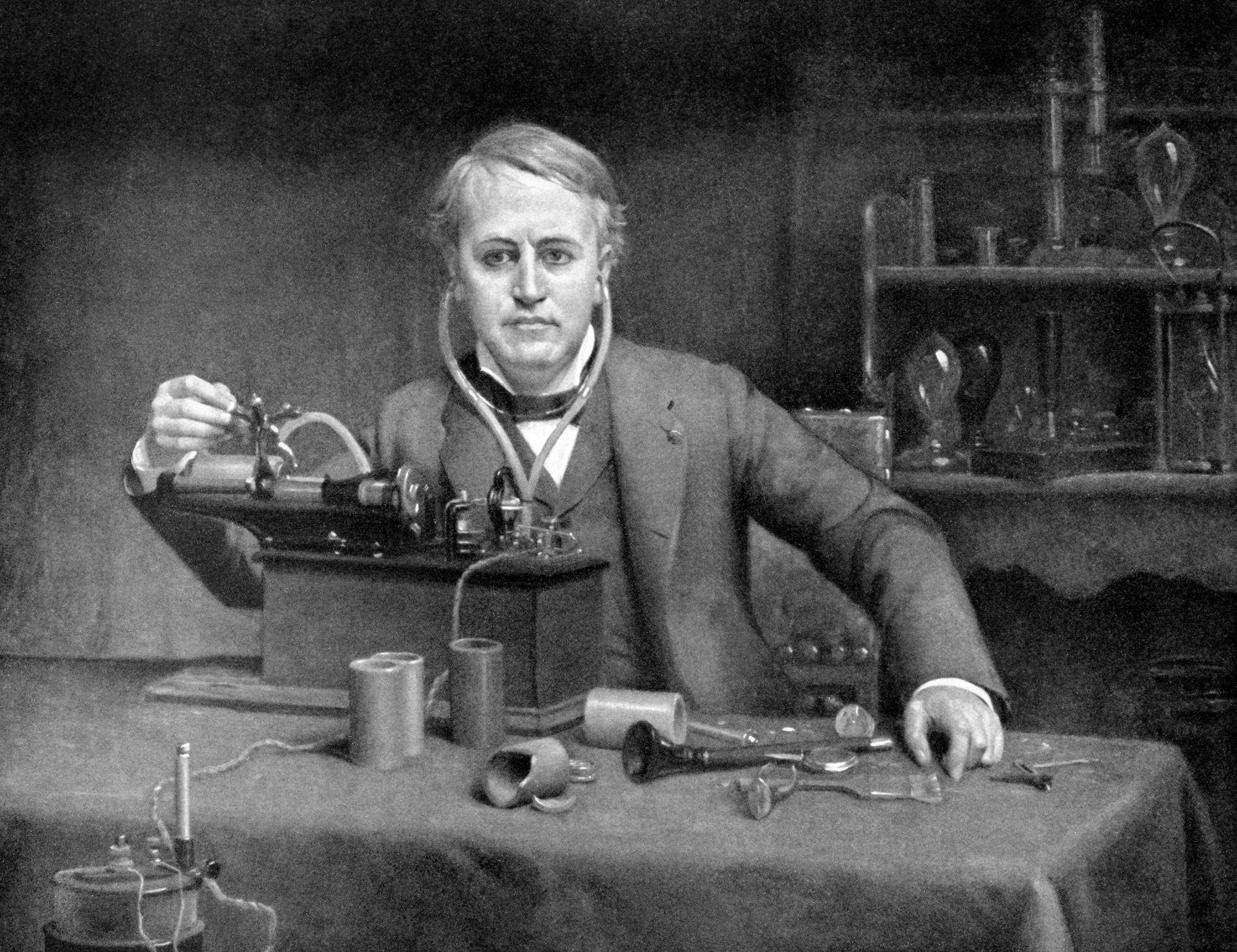
The prolific inventor avoided sleeping more than a few hours at a time, instead preferring brief naps throughout the day and night. Edison claimed he needed only three or four hours of sleep daily, considering conventional eight-hour sleep patterns a waste of productive time.
His unusual sleep schedule allegedly allowed him to work nearly continuously on his inventions, though modern sleep scientists suggest he likely experienced significant cognitive impairment from chronic sleep deprivation.
President Lyndon B. Johnson

The 36th American president routinely conducted meetings while sitting on the toilet with the bathroom door open. Johnson used this uncomfortable setting to assert dominance over visitors and prevent them from escaping his lengthy conversations.
White House staffers and political officials learned to anticipate these awkward bathroom meetings, forcing them to maintain eye contact while the president handled his bodily functions.
Stanley Kubrick

The legendary filmmaker saved every piece of paper related to his work, including all correspondence, research materials, and even seemingly insignificant notes. This preservation habit extended to collecting thousands of boxes that filled his home, each meticulously labeled and organized according to his personal system.
Kubrick’s obsessive documentation habits meant his estate contained over 1,000 boxes of materials related to movies he made and even more for projects he researched but never completed.
H.P. Lovecraft
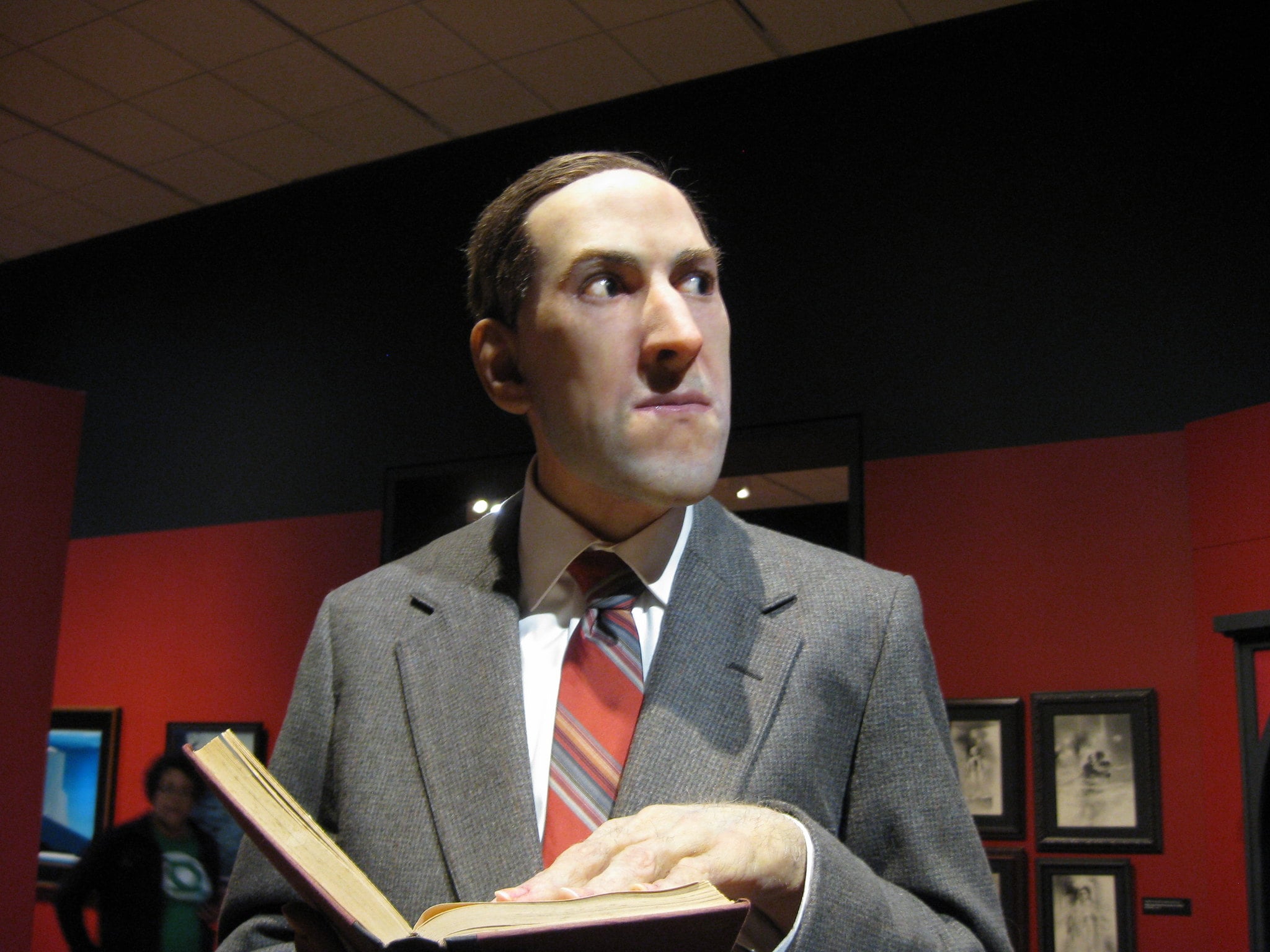
The influential horror writer ate only beans, cheese, and canned foods for most of his adult life, refusing almost all other types of food. Lovecraft would often go days eating nothing when his preferred foods were unavailable, contributing to his gaunt appearance and possibly his early death at age 46.
His dietary peculiarities extended to an intense dislike of seafood, which appears ironic given the fish-like qualities of many monsters in his famous cosmic horror stories.
Salvador Dalí

The surrealist painter carried a small piece of Spanish driftwood with him everywhere he traveled, believing it warded off evil spirits. Dalí also famously kept a pet ocelot named Babou that accompanied him to restaurants and public events, often alarming those around him.
Perhaps his strangest habit involved avoiding actual sleep by holding a metal key over a plate while sitting in a chair—when he began to doze, the key would drop, make a noise, and wake him, allowing him to capture dream imagery for his paintings.
Emperor Norton I
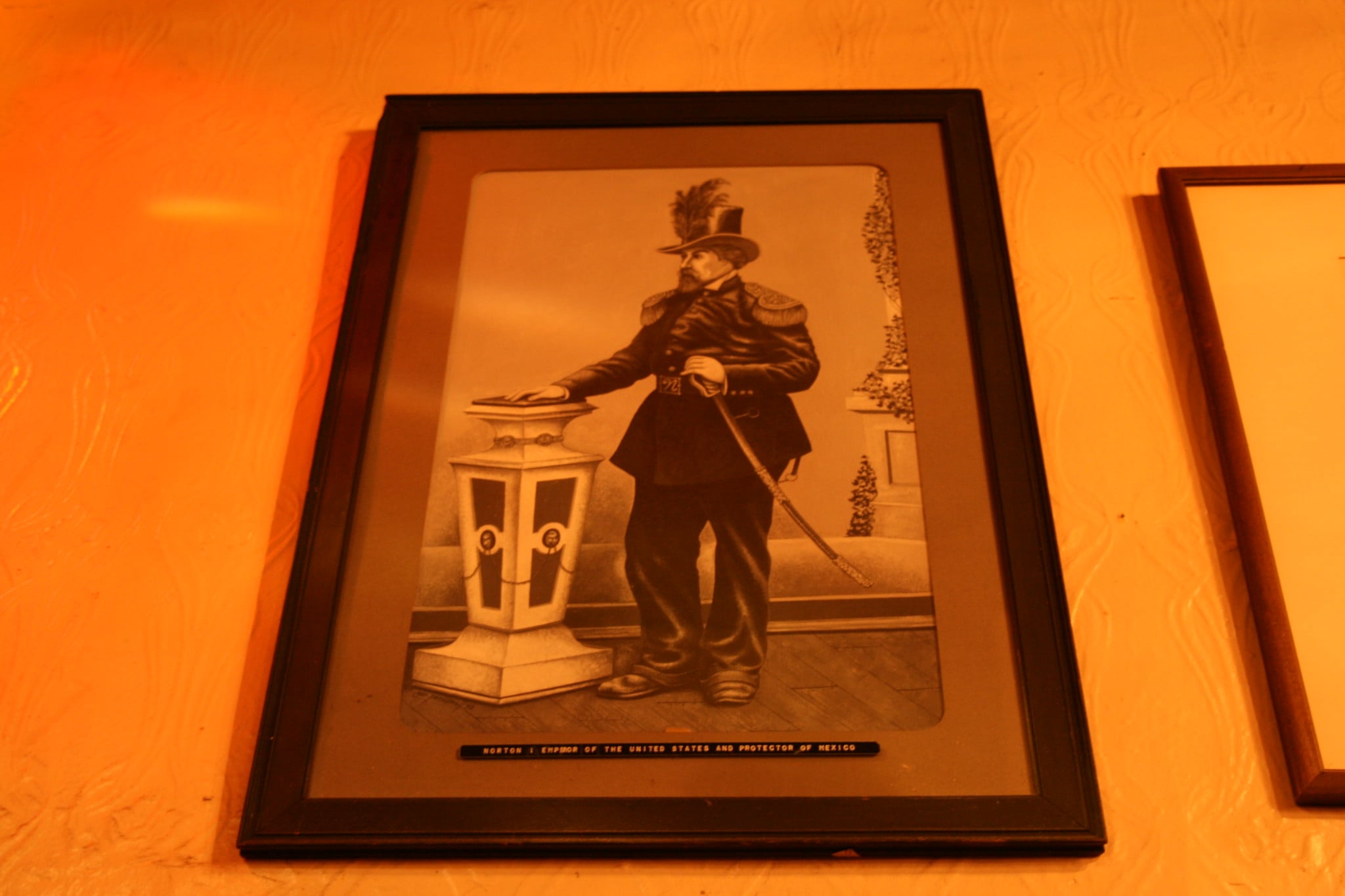
Joshua Norton, a San Francisco businessman who lost his fortune, declared himself “Emperor of the United States and Protector of Mexico” in 1859. The self-proclaimed emperor issued his own currency, wore an elaborate uniform with brass buttons and ostrich feathers, and inspected the streets of San Francisco daily.
Remarkably, local citizens humored his delusion, accepting his currency in some establishments and even paying for his meals and accommodations throughout his 21-year “reign.”
Grigori Rasputin
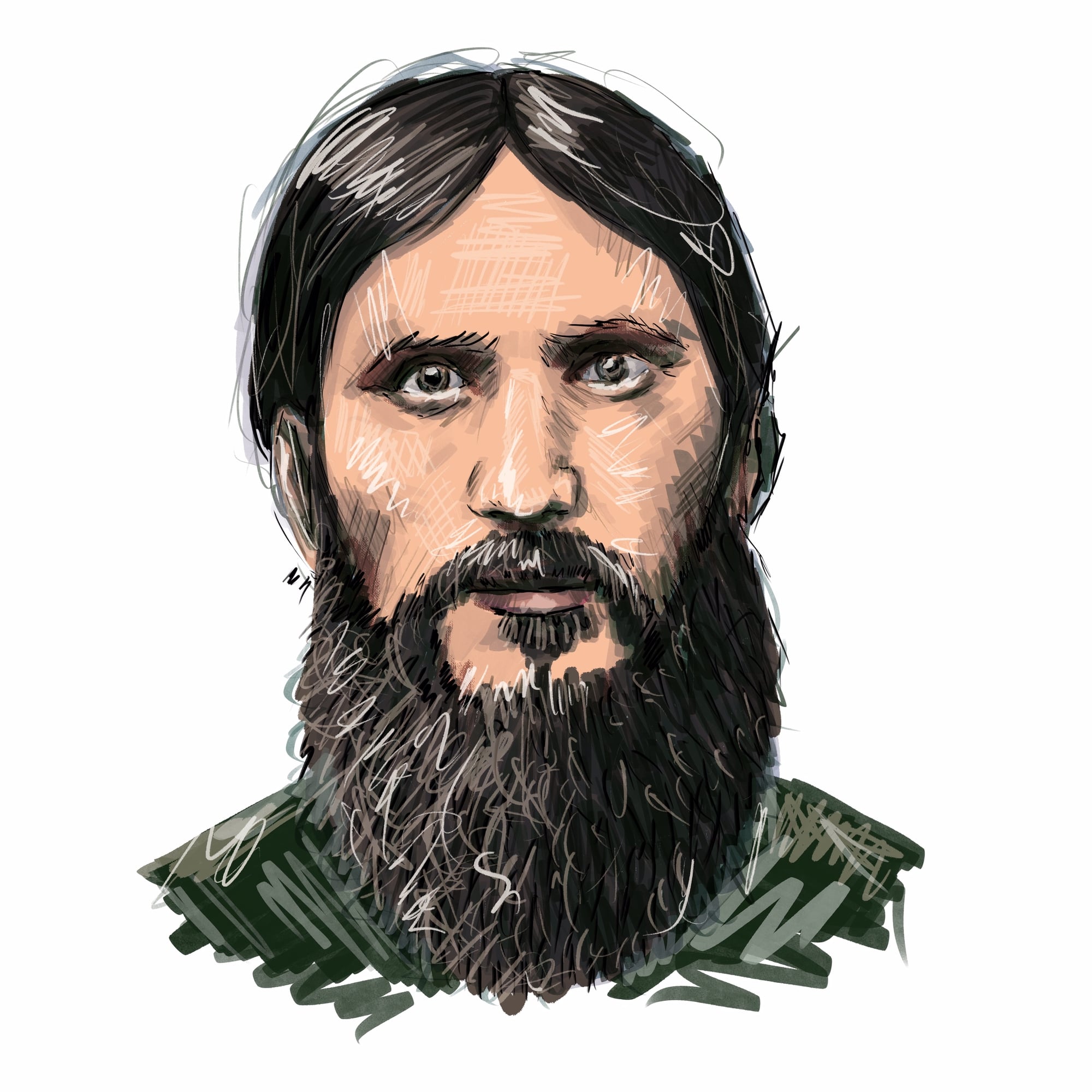
The infamous Russian mystic allegedly did not bathe or change his clothes for months at a time, considering his powerful body odor a sign of his natural vitality and spiritual power. Rasputin’s unkempt appearance and foul smell became part of his mystique in the Russian court, where aristocrats accustomed to fastidious cleanliness found his disregard for hygiene both repulsive and fascinating.
This deliberate uncleanliness formed part of his carefully cultivated image as a holy man detached from worldly concerns.
Eccentric Genius or Mad Habit?

These peculiar behaviors remind us that extraordinary achievements often come from minds that process the world differently.
What appears eccentric to contemporaries might represent unconventional thinking that enables breakthroughs in politics, science, art, or literature.
While modern observers might pathologize many of these behaviors as symptoms of recognizable conditions, the unusual habits of these historical figures served various purposes—from productivity enhancement to carefully constructed public personas.
Their quirks challenge us to reconsider the thin line between brilliance and peculiarity, suggesting that unusual personal habits may sometimes be the unexpected companions of exceptional accomplishment.
More from Go2Tutors!

- 20 Historical Artifacts That Scientists Can’t Explain
- 20 Little-Known Historical Battles That Had Huge Consequences
- 20 Countries That No Longer Exist and What Happened to Them
- 20 Abandoned Military Bases and the Stories Behind Them
- 20 Discontinued Snacks from the 70s and 80s That We Still Miss
Like Go2Tutors’s content? Follow us on MSN.