16 Flopped Broadway Shows But Deserve a Second Chance
Broadway is, and has always been, a place where ambition knows no bounds, and neither do the expectations. While there are many shows that have been able to play to packed houses over the years, there are dozens of others that have opened with high ambitions and high talent, only to close after a fraction of the time.
There are times when the timing is off. There are times when the critics don’t understand the vision.
And there are times when the show just isn’t ready until the audience is ready for what they have to offer. History has a way of looking back on these types of productions and showing just how successful they can be, especially when they are appreciated by theater lovers who can see the spark that was missed the first time through.
Here are sixteen Broadway shows that had trouble during their original run but have the kind of creative spark behind them that might shine brighter the second time through.
Carrie

Few Broadway flops are as legendary as Carrie, the 1988 musical adaptation of Stephen King’s novel. The production became famous for its massive budget, technical issues, and confusing tonal shifts between horror and high school drama.
Critics were merciless, and the show closed after only sixteen previews and five performances. Still, the musical score by Michael Gore and Dean Pitchford contains several surprisingly powerful songs.
Over the years, smaller productions have reworked the material into a tighter, more focused show that highlights the emotional core of Carrie White’s story. That said, the tale of teenage alienation and revenge remains timeless, making it a natural candidate for a thoughtful modern revival.
Merrily We Roll Along

When Merrily We Roll Along opened in 1981, expectations were enormous. The show came from Stephen Sondheim and director Hal Prince, one of Broadway’s most celebrated creative partnerships. Unfortunately, the musical’s unusual reverse timeline confused audiences, and the production closed after just sixteen performances.
Even so, the score is now widely considered one of Sondheim’s most beautiful works. Songs like ‘Not a Day Goes By’ and ‘Old Friends’ have become standards among performers.
Later productions have clarified the storytelling, proving that the show’s themes about friendship and ambition resonate deeply when presented with the right approach.
Chess

Chess, with music by Benny Andersson and Björn Ulvaeus of ABBA fame, arrived on Broadway in 1988 after a hugely successful concept album and a hit run in London. The musical explored Cold War tensions through the lens of a high-stakes chess championship between American and Soviet players.
Despite its strong score, the Broadway version underwent significant rewrites that left the story muddled. Audiences struggled to follow the narrative, and the show closed after just two months.
Still, songs like ‘Anthem’ and ‘Nobody’s Side’ have remained favorites among theater fans, suggesting that a carefully structured revival could finally unlock the musical’s full potential.
Seussical

At first glance, a musical based on Dr. Seuss seemed like a guaranteed crowd-pleaser.
Yet when Seussical opened on Broadway in 2000, critics found it overly complicated and visually chaotic. The show closed after less than a year despite its colorful staging and family-friendly concept.
Over time, however, Seussical has found remarkable success in regional theaters and schools. The musical’s playful score and themes of imagination and friendship connect strongly with younger audiences.
With a more streamlined production, the show has proven it can charm audiences in ways its original Broadway run never quite achieved.
Spider-Man: Turn Off the Dark

Few Broadway productions have attracted as much attention as Spider-Man: Turn Off the Dark. The 2011 musical featured aerial stunts, elaborate stage effects, and music by Bono and The Edge of U2.
Its troubled preview period, marked by delays and costly revisions, became headline news. Despite the chaos surrounding its debut, the show also demonstrated the possibilities of large-scale theatrical spectacle.
When the production eventually stabilized, audiences responded enthusiastically to the superhero adventure. With today’s advances in stage technology, a reimagined version could deliver the thrilling experience the original creative team envisioned.
Taboo

Taboo, a musical about the flamboyant London club scene of the 1980s, arrived on Broadway in 2003 with music by pop icon Boy George. The show celebrated creativity, identity, and the rise of avant-garde fashion culture.
Unfortunately, critics felt the narrative lacked focus, and the production struggled to find a broad audience. Even so, the vibrant score and bold visual style captured a fascinating moment in cultural history.
With a clearer storyline and modern staging, Taboo could resonate strongly with audiences interested in music, fashion, and underground art movements.
The Scottsboro Boys

The Scottsboro Boys, created by John Kander and Fred Ebb, tackled one of the darkest chapters in American legal history. The musical dramatized the story of nine young Black men falsely accused of a crime in 1930s Alabama.
Its daring staging used elements of a minstrel-style format to critique historical injustice. The production received strong critical praise but struggled commercially during its 2010 Broadway run.
Still, its powerful storytelling and haunting score have continued to earn admiration. The musical remains one of the boldest theatrical works of the past few decades, and many believe it deserves renewed attention.
Big Fish
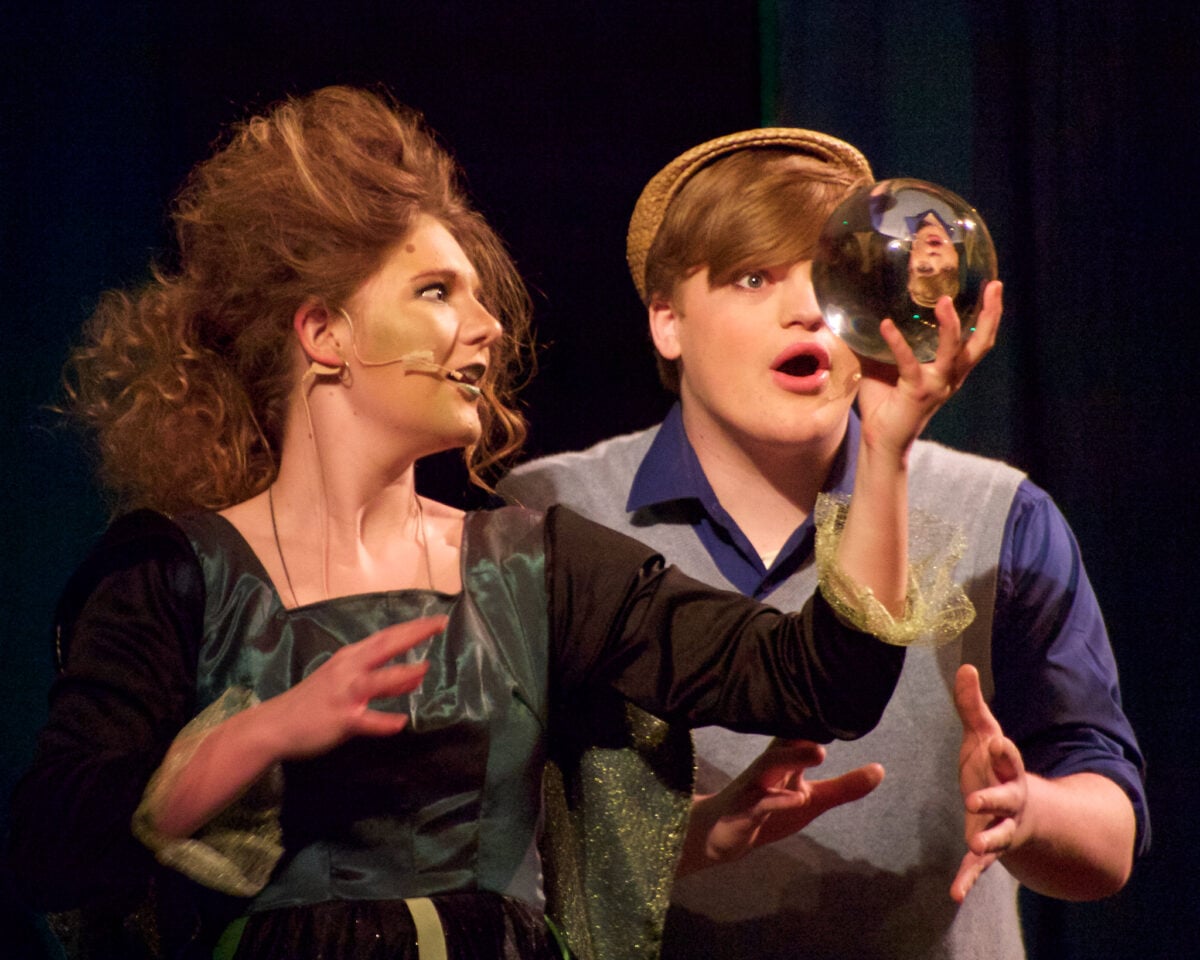
Based on the beloved 2003 film, Big Fish arrived on Broadway in 2013 with high hopes. The musical blended heartfelt family drama with fantastical storytelling, depicting a father whose tall tales blur the line between truth and imagination.
While the show earned warm responses for its emotional moments, critics felt the spectacle sometimes overshadowed the story.
It closed after only a few months. That said, the central theme about fathers, sons, and storytelling remains deeply moving, making it a promising candidate for a more intimate revival.
American Psycho

The musical adaptation of American Psycho brought Bret Easton Ellis’s dark satire of 1980s corporate culture to the Broadway stage in 2016. With electronic music and striking visuals, the show leaned heavily into the slick aesthetic of the era.
Critics appreciated the bold approach, but the production struggled to find a large audience. Still, its stylized score and biting social commentary feel surprisingly relevant today.
In a theatrical landscape that increasingly embraces unconventional storytelling, American Psycho might now find a more receptive crowd.
Groundhog Day

Danny Rubin and Tim Minchin’s musical version of Groundhog Day opened on Broadway in 2017 after a successful London run. The story follows a cynical television weatherman trapped in a time loop, forced to relive the same day over and over.
Although critics praised the inventive staging and Minchin’s clever score, the show closed after only a few months due to financial pressures. Even so, audiences who discovered it later have embraced its wit and surprisingly heartfelt message about personal growth.
Many theater fans believe the musical’s life on Broadway ended far too soon.
The Pirate Queen

From the creators of Les Misérables came The Pirate Queen, a sweeping historical musical about Irish chieftain Grace O’Malley. The show aimed to deliver epic drama and powerful music in the style that had made its creators famous.
Unfortunately, critics found the storytelling uneven, and the production closed in 2007 after a short run. Still, the show’s strong score and compelling historical figure remain intriguing.
With a revised script and modern staging techniques, the musical could rediscover the dramatic impact it originally promised.
High Fidelity

Based on Nick Hornby’s novel and the popular film adaptation, High Fidelity followed a record store owner reflecting on his past relationships. The story’s focus on music obsession and romantic missteps seemed perfectly suited for the stage.
When the musical opened in 2006, however, critics felt the adaptation lacked emotional depth. The show closed quickly.
Even so, its themes about nostalgia, identity, and the power of music feel more relatable than ever in an era when people still build their lives around playlists and personal soundtracks.
Lestat

Lestat, based on Anne Rice’s vampire novels, opened on Broadway in 2006 with music by Elton John and lyrics by Bernie Taupin. The production promised gothic spectacle and supernatural drama, drawing from a beloved literary universe.
Despite the star power behind the project, the show struggled to connect with critics and audiences. Yet the source material still commands a passionate fan base, and the musical’s score contains moments of genuine theatrical grandeur.
A carefully refined revival could capture the dark elegance the original production aimed for.
Smile

Flickr/pghsymphony
Before composer Marvin Hamlisch achieved Broadway success with A Chorus Line, he wrote Smile, a musical about a teenage beauty pageant in California. The show debuted in 1986 and closed after only a few weeks.
Still, the musical captured the quirks and anxieties of adolescence with warmth and humor. Several songs developed devoted followings among theater performers.
With its blend of satire and sincerity, Smile feels like a story that could thrive in today’s theater landscape.
Bring Back Birdie

Bring Back Birdie attempted to revive the success of the hit musical Bye Bye Birdie by reuniting much of the original creative team. Expectations were enormous when the sequel arrived on Broadway in 1981.
The show struggled to recapture the charm of its predecessor and closed quickly. Even so, the idea of revisiting beloved characters years later has become far more common in modern storytelling.
A fresh interpretation might reveal strengths that audiences overlooked during its original run.
Bloody Bloody Andrew Jackson

Bloody Bloody Andrew Jackson blended rock music with American history, presenting the controversial seventh president through a bold, irreverent lens. The musical debuted on Broadway in 2010 after a successful off-Broadway run.
Despite strong reviews and a devoted fan base, the show struggled financially and closed after a limited run. Still, its energetic score and sharp political satire remain compelling.
In an era when audiences increasingly enjoy unconventional historical storytelling, the musical could easily find new life.
When Broadway Looks Back

This is demonstrated through the history of Broadway, where several shows have failed early on but have been revived over time, perhaps with new vigor, new direction, or perhaps with an audience willing to appreciate them. Theater, like anything else, is dynamic, and so are the people who watch theater productions.
Each of the sixteen shows listed above had creative ideas worth developing. Perhaps, through regional productions, touring productions, and/or future Broadway productions, these shows have the potential to reach modern-day audiences.
Perhaps, like anything else, these shows simply opened too early, but theater gives them another chance at stardom.
More from Go2Tutors!

- The Romanov Crown Jewels and Their Tragic Fate
- 13 Historical Mysteries That Science Still Can’t Solve
- Famous Hoaxes That Fooled the World for Years
- 15 Child Stars with Tragic Adult Lives
- 16 Famous Jewelry Pieces in History
Like Go2Tutors’s content? Follow us on MSN.