14 Military Disasters Caused by Simple Miscommunications
Throughout history, the fog of war has claimed countless lives and changed the course of nations. But some of the most devastating military disasters didn’t happen because of superior enemy tactics or overwhelming force—they occurred because someone misunderstood a message, mistranslated a word, or simply failed to communicate clearly.
Here is a list of 14 military disasters that prove communication breakdowns can be just as deadly as any weapon on the battlefield.
The Charge of the Light Brigade
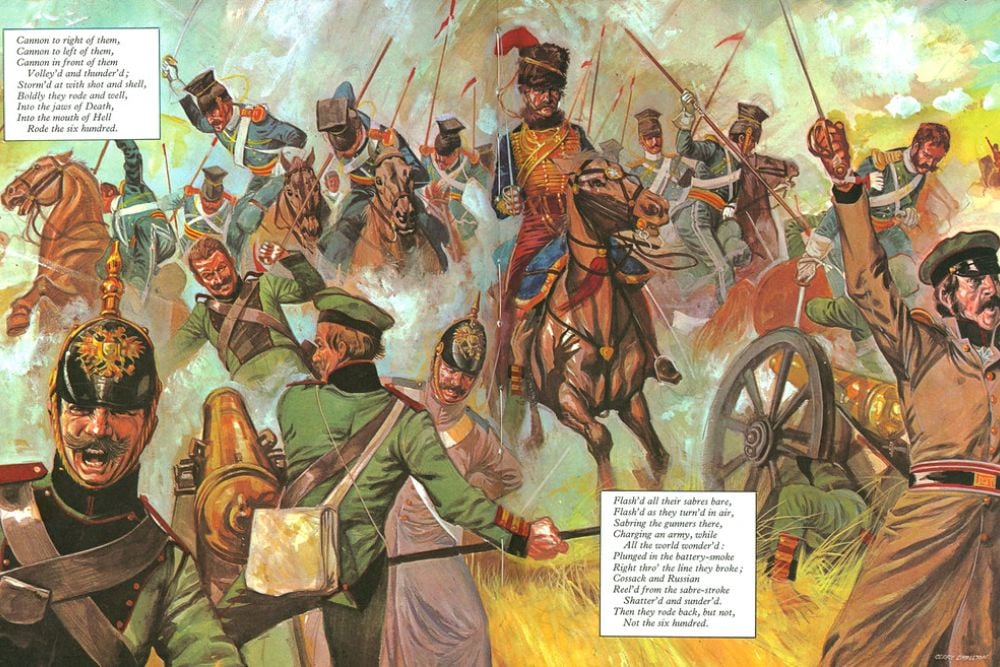
During the Battle of Balaclava in 1854, British cavalry received garbled orders that led them straight into Russian artillery. Captain Edward Nolan was supposed to clarify which guns the Light Brigade should attack, but his vague hand gesture sent 670 horsemen charging directly at the main enemy position instead of the intended target.
The result was a massacre that inspired Tennyson’s famous poem but cost the British Army nearly 250 casualties in twenty minutes.
Pearl Harbor Intelligence Failure
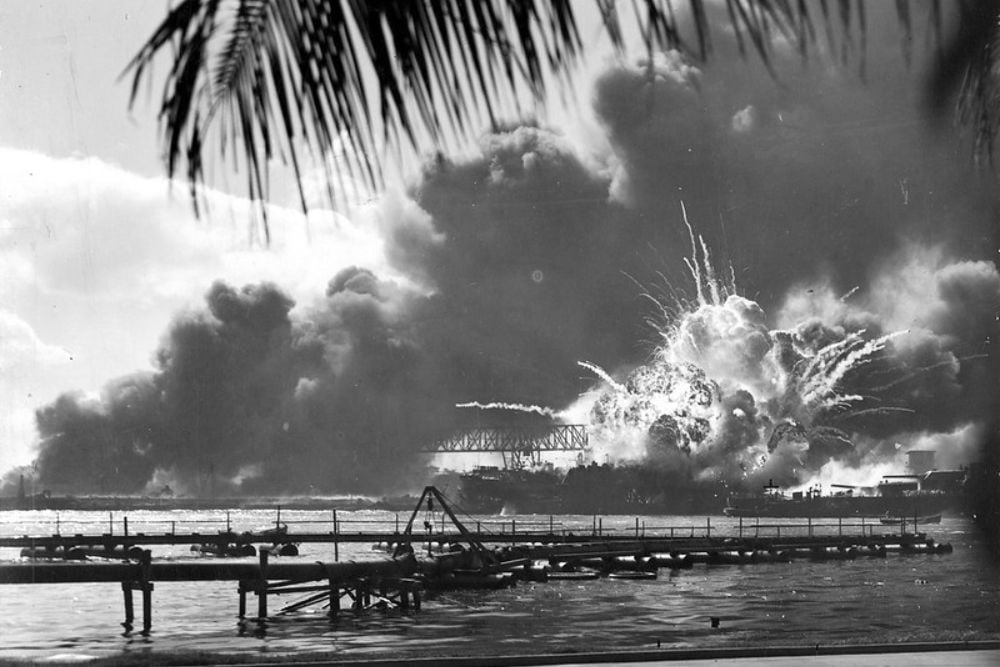
American codebreakers had actually intercepted Japanese communications before the Pearl Harbor attack, but crucial intelligence never reached the right people in time. A decoded message warning of imminent action was delayed by bureaucratic channels and didn’t arrive at Pearl Harbor until hours after the attack began.
The communication breakdown contributed to the loss of over 2,400 American lives and the destruction of much of the Pacific Fleet.
Operation Market Garden Radio Problems
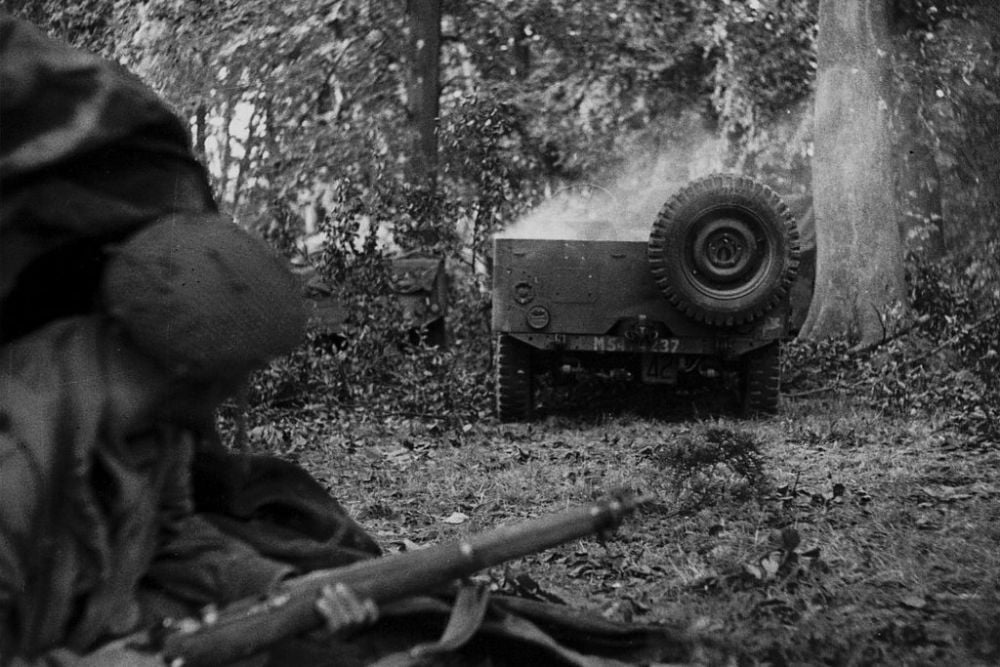
Field Marshal Montgomery’s ambitious plan to end World War II by Christmas 1944 collapsed partly due to faulty radio equipment. British paratroopers at Arnhem couldn’t communicate with ground forces because their radios had the wrong crystals and couldn’t penetrate the dense Dutch terrain.
Without proper coordination, the operation failed spectacularly, extending the war by months and costing thousands of Allied lives.
The Korean War Chinese Intervention
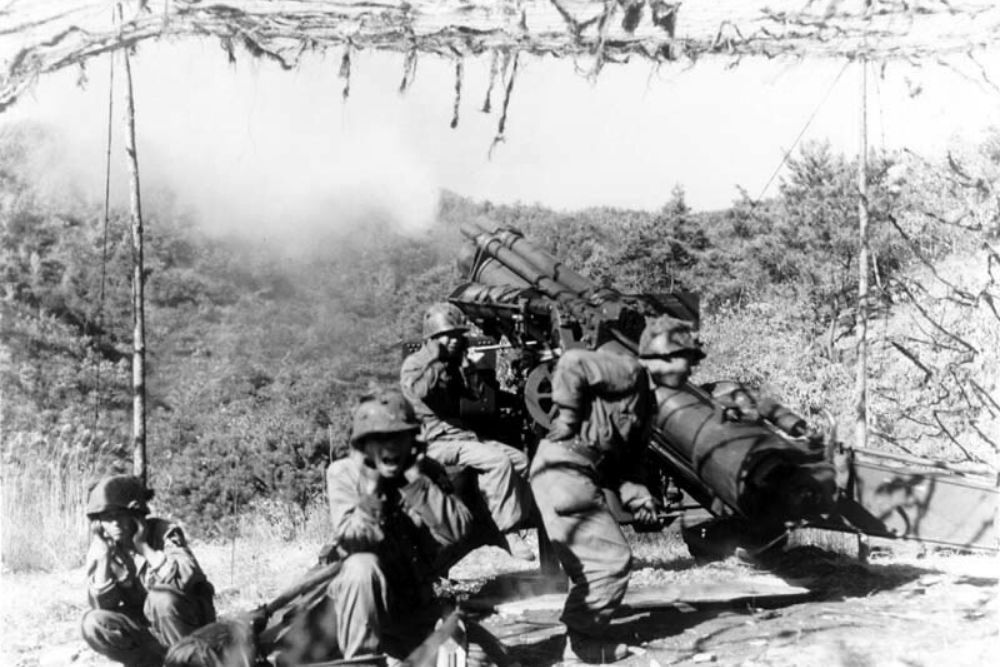
General MacArthur’s forces were caught completely off guard when Chinese troops entered the Korean War in 1950, largely because of ignored intelligence reports. Multiple warnings about Chinese troop movements were dismissed or never properly communicated up the chain of command.
The surprise Chinese offensive pushed UN forces back hundreds of miles and turned what seemed like imminent victory into a prolonged stalemate.
Gallipoli Landing Confusion
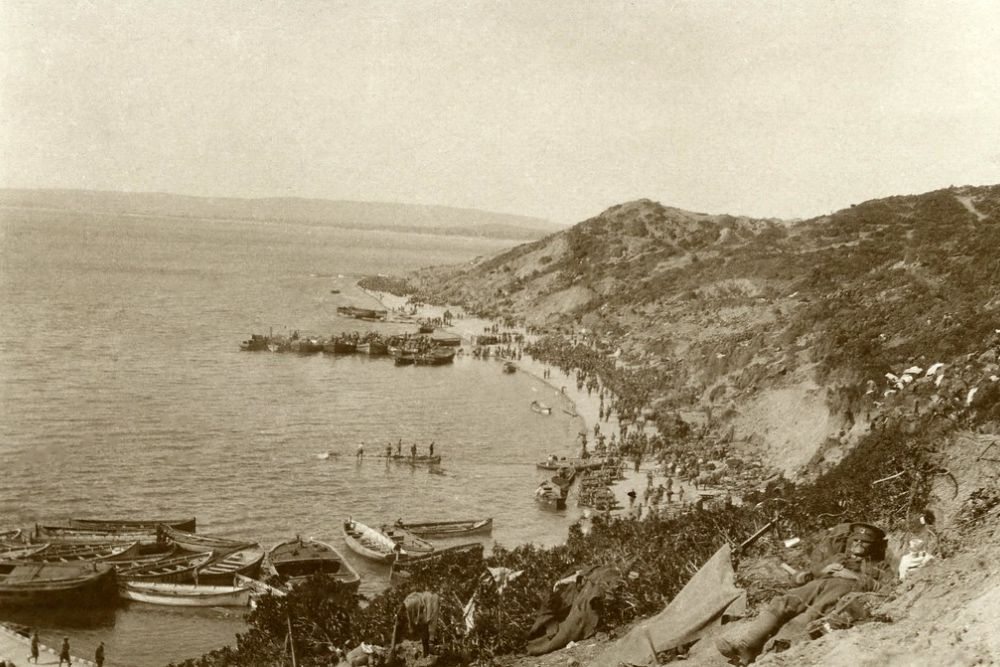
The 1915 Gallipoli campaign began with Australian and New Zealand forces landing at the wrong beach due to navigational errors and poor communication between naval officers. Instead of the planned gentle slope, ANZAC troops found themselves facing steep cliffs defended by Turkish forces.
This initial mistake doomed the entire campaign, leading to over 130,000 casualties and ultimate withdrawal.
Battle of Karánsebes Friendly Fire
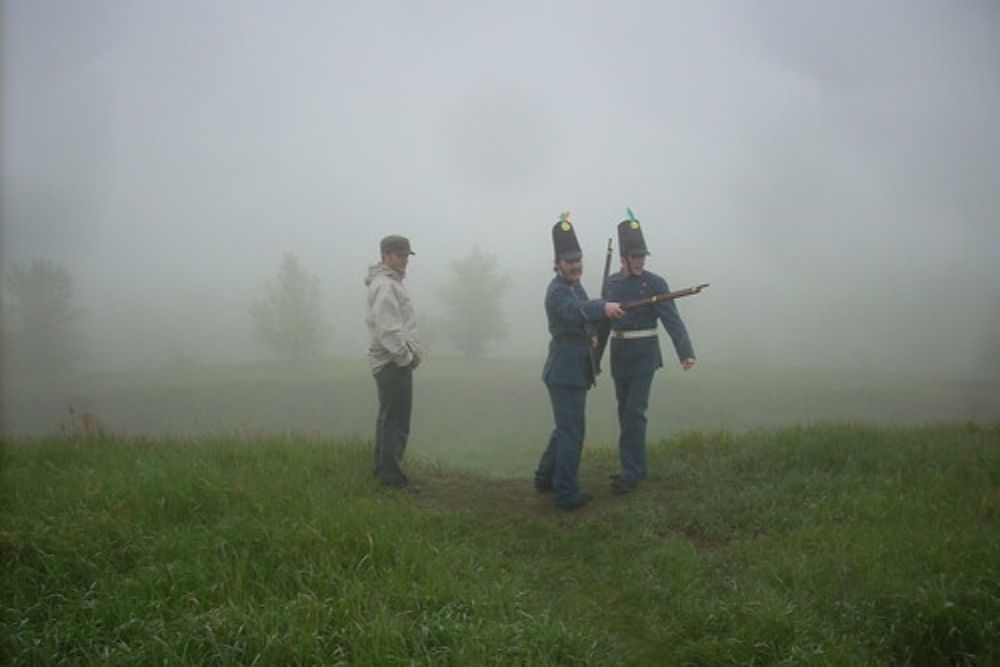
In 1788, the Austrian army literally fought itself due to language barriers and confusion in the multi-ethnic Habsburg forces. When Austrian scouts returning from a reconnaissance mission were challenged by their own sentries, a misunderstanding escalated into full-scale combat between different units of the same army.
The bizarre incident resulted in thousands of Austrian casualties before anyone realized they were fighting their own troops.
D-Day Airborne Scatter
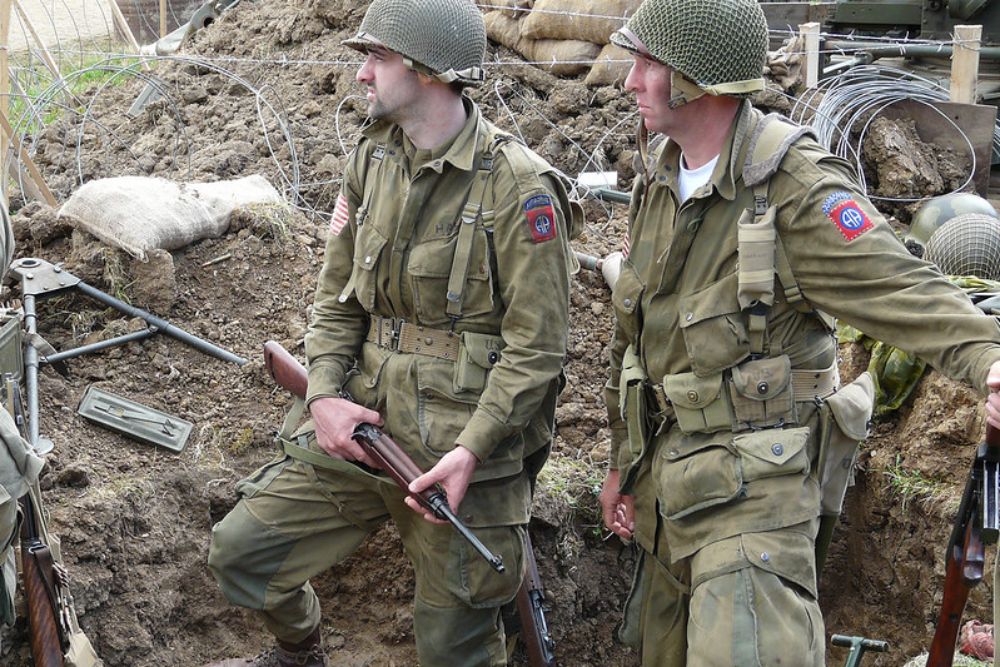
On June 6, 1944, American paratroopers were scattered across Normandy due to poor coordination between air and ground commanders. Cloud cover and German anti-aircraft fire disrupted flight patterns, but communication failures made the problem worse when pilots couldn’t get clear instructions about drop zones.
While the mission ultimately succeeded, the scattered drops cost valuable time and lives that better communication might have prevented.
Siege of Bastogne Supply Drop
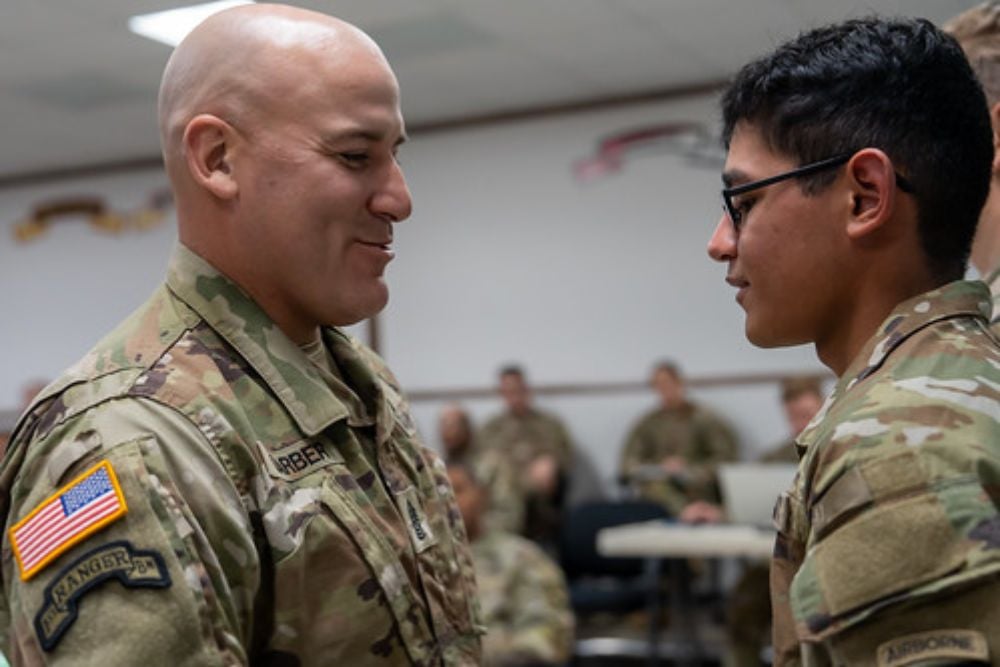
During the Battle of the Bulge, desperately needed supplies were dropped directly into German hands because of coordinate mix-ups. American transport planes received incorrect drop zone information, delivering ammunition and medical supplies to enemy positions while surrounded American troops went without.
The communication error prolonged the siege and increased casualties among the defenders.
Battle of Blenheim Coordination Failure

Marlborough’s victory at Blenheim in 1704 was nearly a disaster when his ally, Prince Eugene, almost attacked at the wrong time due to unclear signals. The predetermined battle plan relied on coordinated timing, but smoke and distance made visual signals nearly impossible to interpret.
Only quick thinking by junior officers prevented a catastrophic assault that would have destroyed the alliance.
Vietnam War Friendly Fire at Firebase Kate

In 1969, American artillery accidentally shelled their own position at Firebase Kate because of incorrect coordinates radioed by a forward observer. The communication error resulted from similar-sounding grid references, and the tragedy was compounded when subsequent radio calls trying to correct the mistake were misunderstood.
The incident killed 30 American soldiers and wounded dozens more in one of the war’s most preventable disasters.
Spanish Armada Weather Miscommunication
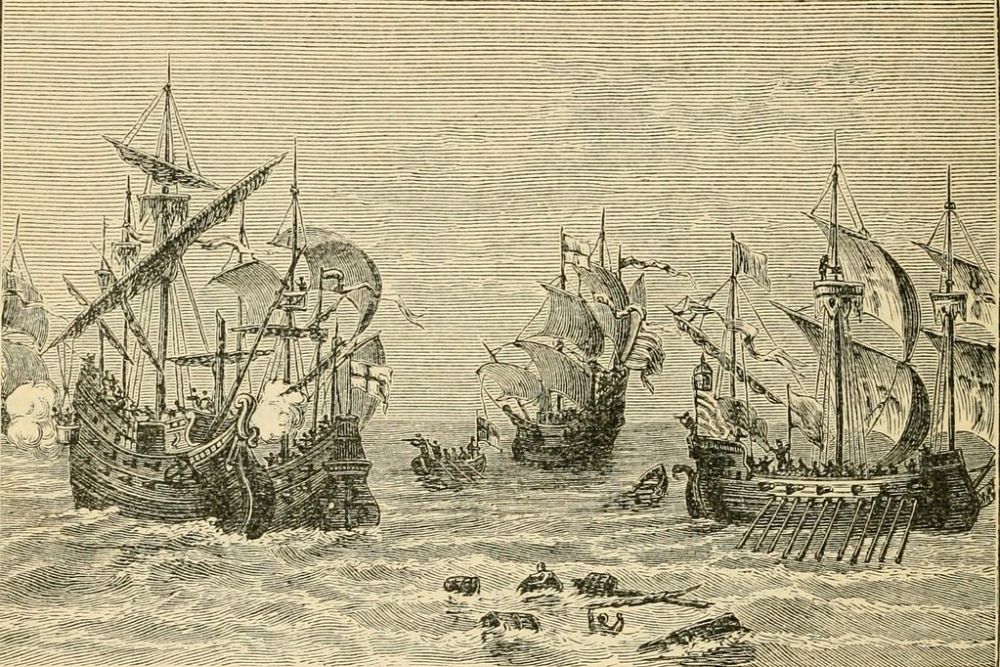
The Spanish Armada’s defeat in 1588 was worsened by poor communication between ships during crucial weather decisions. When English fire ships approached the Spanish fleet at Calais, panic and unclear signals led to a chaotic retreat that scattered the formation.
The breakdown in naval communication left individual ships vulnerable to both English attacks and the treacherous waters around Scotland.
Russian Fleet’s North Sea Incident
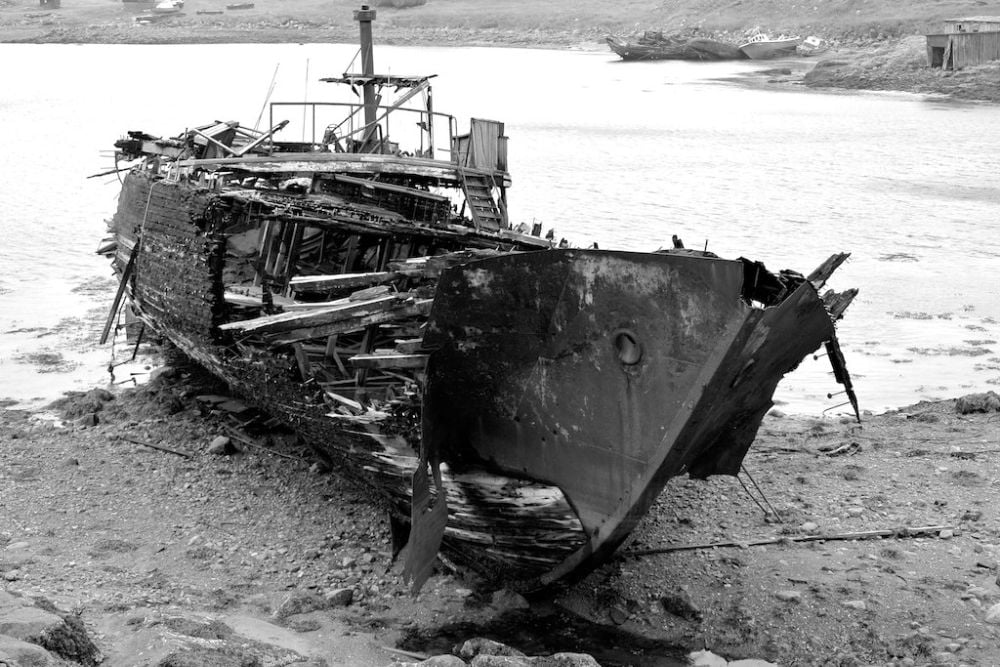
In 1904, the Russian Baltic Fleet nearly triggered a war with Britain when they mistook English fishing boats for Japanese torpedo boats and opened fire. The bizarre incident occurred because of poor intelligence communication and jumpy nerves during the fleet’s journey to the Pacific.
The diplomatic crisis that followed weakened Russia’s position and highlighted how communication failures can escalate beyond the battlefield.
Battle of Chancellorsville Stonewall Jackson
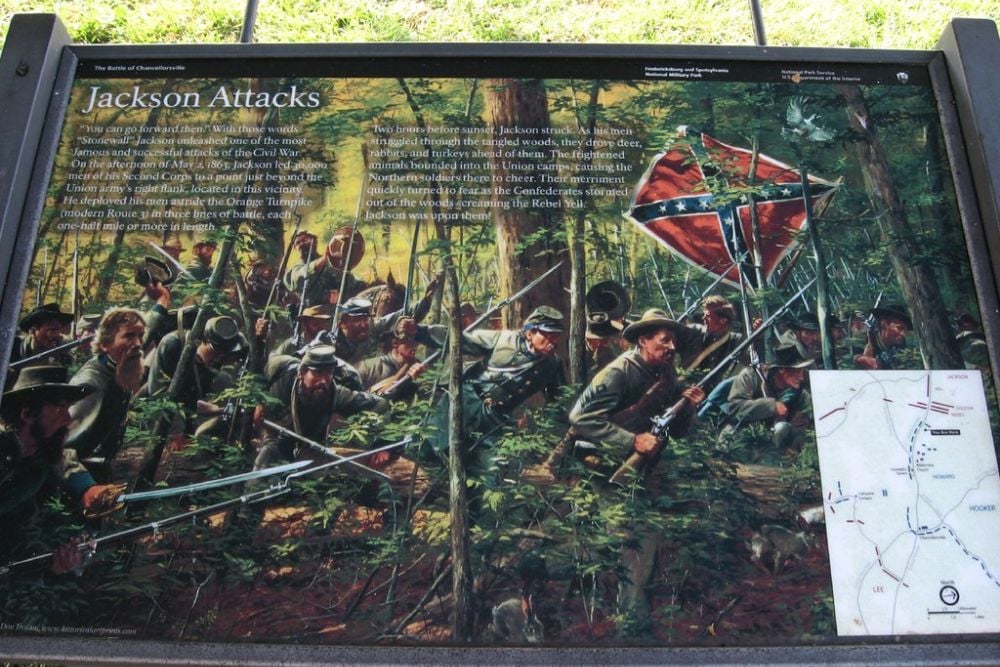
Confederate General Stonewall Jackson was mortally wounded by his own troops at Chancellorsville in 1863 due to recognition failures in the darkness. When Jackson returned from a nighttime reconnaissance, Confederate sentries couldn’t identify him and opened fire after receiving unclear challenges.
The loss of one of the South’s most capable generals significantly weakened the Confederate cause and demonstrated how poor visibility and communication protocols can claim crucial leaders.
Dieppe Raid Timing Disaster
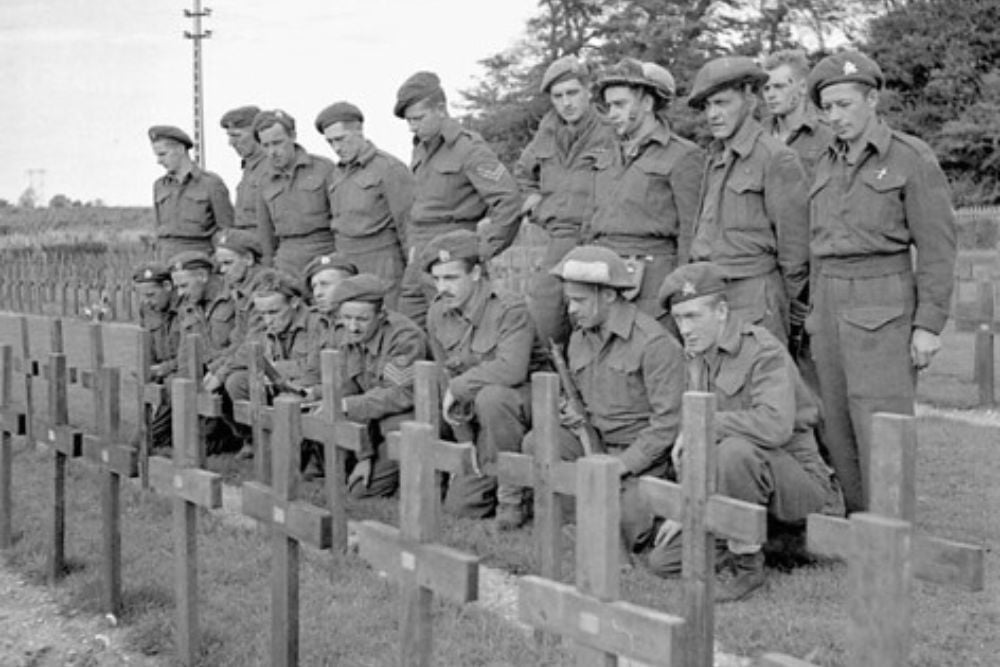
The 1942 Dieppe Raid became a bloodbath partly because of communication delays that ruined the element of surprise. Canadian forces hit the beaches in broad daylight instead of pre-dawn darkness because of coordination problems between naval and air support.
The timing failure contributed to devastating casualties, with over 3,600 of the 6,000 raiders killed, wounded, or captured in just nine hours.
When Words Fail, Wars Follow
These disasters remind us that military technology means nothing without clear communication to coordinate it effectively. From ancient battlefields to modern warfare, the same human tendency to misunderstand, misinterpret, and miscommunicate has shaped history in ways that sophisticated weapons never could.
The lesson remains constant: in war, a garbled message can be more dangerous than enemy fire, and the clearest communication often determines who lives to fight another day. Perhaps most sobering is the realization that many of these tragedies could have been prevented with something as simple as double-checking a radio frequency or asking for clarification of an unclear order.
More from Go2Tutors!

- The Romanov Crown Jewels and Their Tragic Fate
- 13 Historical Mysteries That Science Still Can’t Solve
- Famous Hoaxes That Fooled the World for Years
- 15 Child Stars with Tragic Adult Lives
- 16 Famous Jewelry Pieces in History
Like Go2Tutors’s content? Follow us on MSN.



