Historic Gatherings That Shifted Things
Some chats shift reality. Inside a space packed with folks, choices spread wide – bending rules, lines on maps, even daily life.
Things kick off in meeting spots, big auditoriums, or now and then just regular rooms turned special by what goes down within. The folks involved usually realize it’s a big deal, yet seldom get how deep the effects go.
Years down the line, experts link today’s world to those exact times – when groups united because change felt necessary from that point on.
The Congress of Vienna Redraws Europe
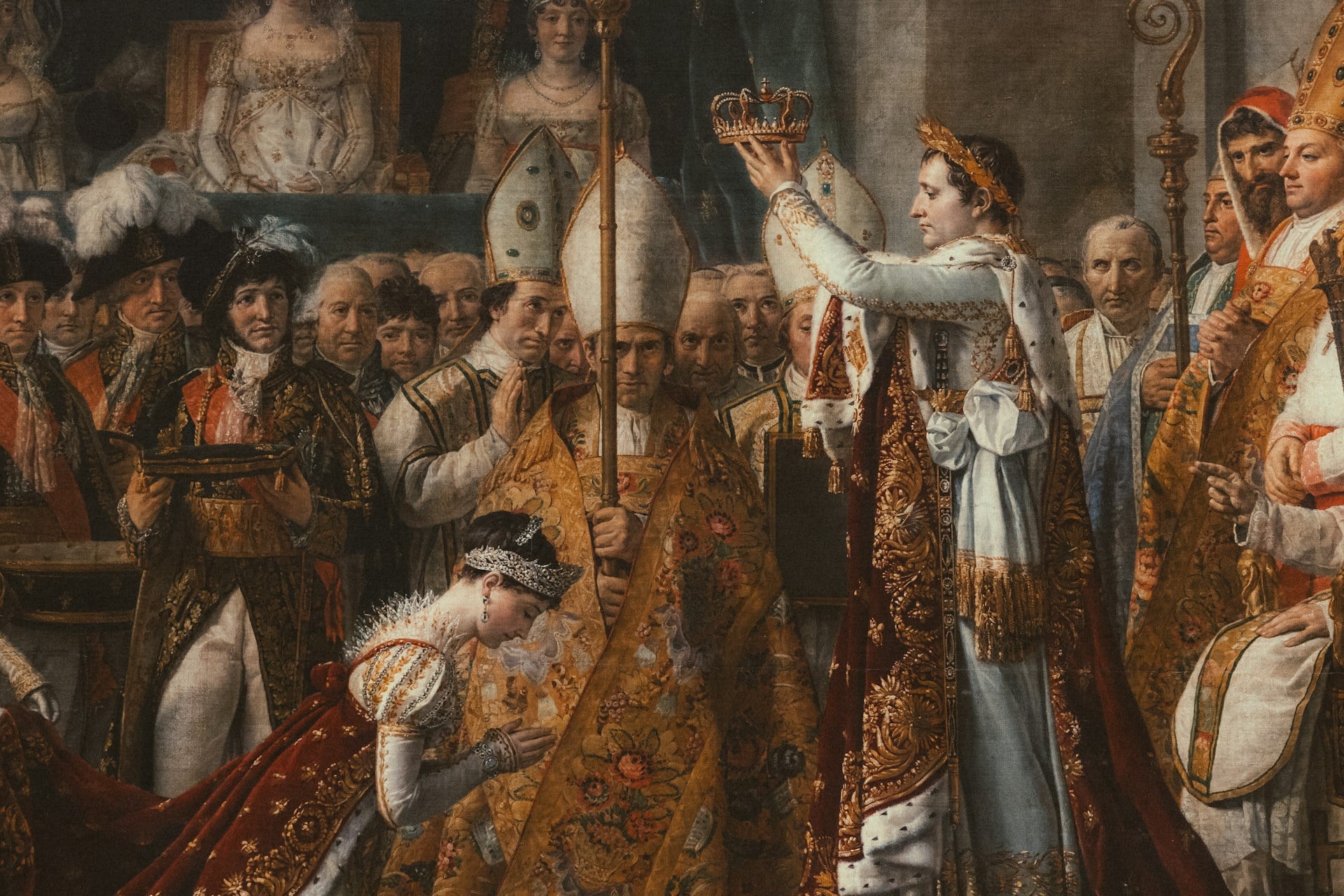
After Napoleon’s defeat in 1814, European powers gathered in Vienna to rebuild the continent. Representatives from Austria, Russia, Prussia, Britain, and France spent months negotiating new borders and power structures.
The congress opened in September 1814 and continued until June 1815, mixing formal diplomacy with elaborate social events. The resulting map of Europe held relatively stable for decades.
The congress established a balance of power that prevented major wars between the great powers for almost a century. The diplomats created buffer states, restored monarchies, and drew boundaries that still influence European politics today.
Some of those decisions—particularly regarding Poland and the German states—created tensions that surfaced again in later conflicts. But the immediate achievement was remarkable: they took a continent torn apart by decades of war and gave it a framework for peace.
The Seneca Falls Convention Launches Women’s Rights
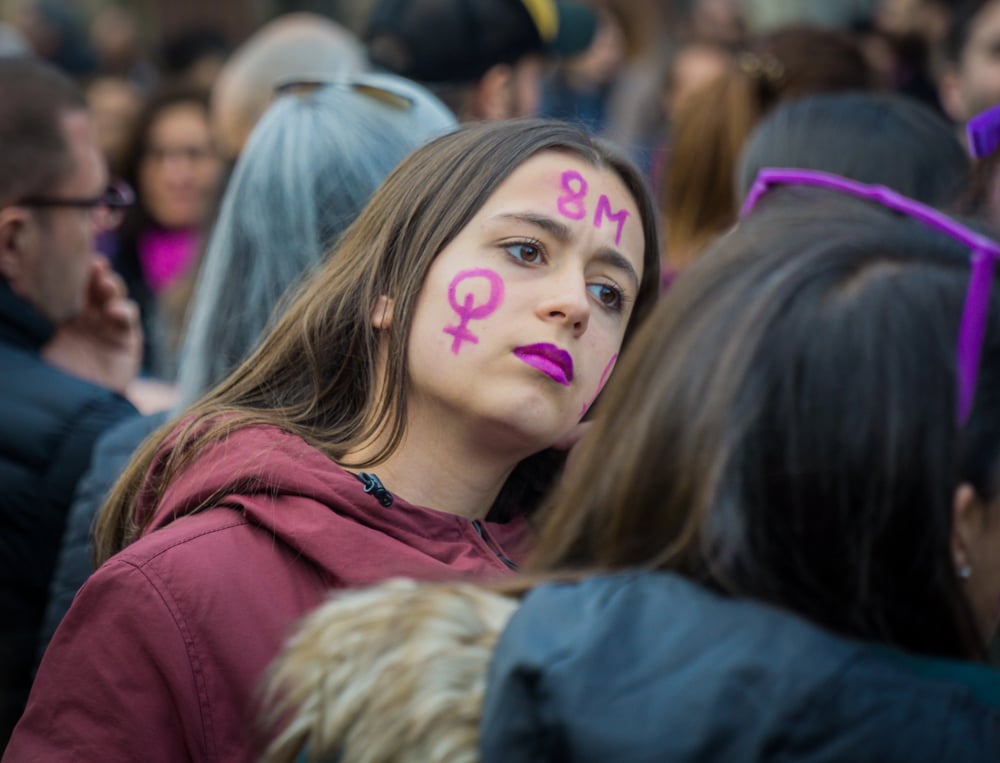
In July 1848, about 300 people gathered in Seneca Falls, New York, for a convention about women’s rights. Organizers Elizabeth Cady Stanton and Lucretia Mott had been planning the event for years.
The attendees spent two days discussing and debating a document called the Declaration of Sentiments, modeled on the Declaration of Independence. The declaration listed grievances about how laws and customs restricted women.
It demanded property rights, educational access, and the right to vote. That last demand proved controversial even among supporters.
The convention passed the declaration, and about 100 attendees signed it. The event marked the formal beginning of the organized women’s rights movement in America.
Activists who attended went on to lead campaigns that eventually secured voting rights, property rights, and legal protections. The convention showed that organized advocacy could challenge systems that seemed permanent.
The Berlin Conference Carves Up Africa
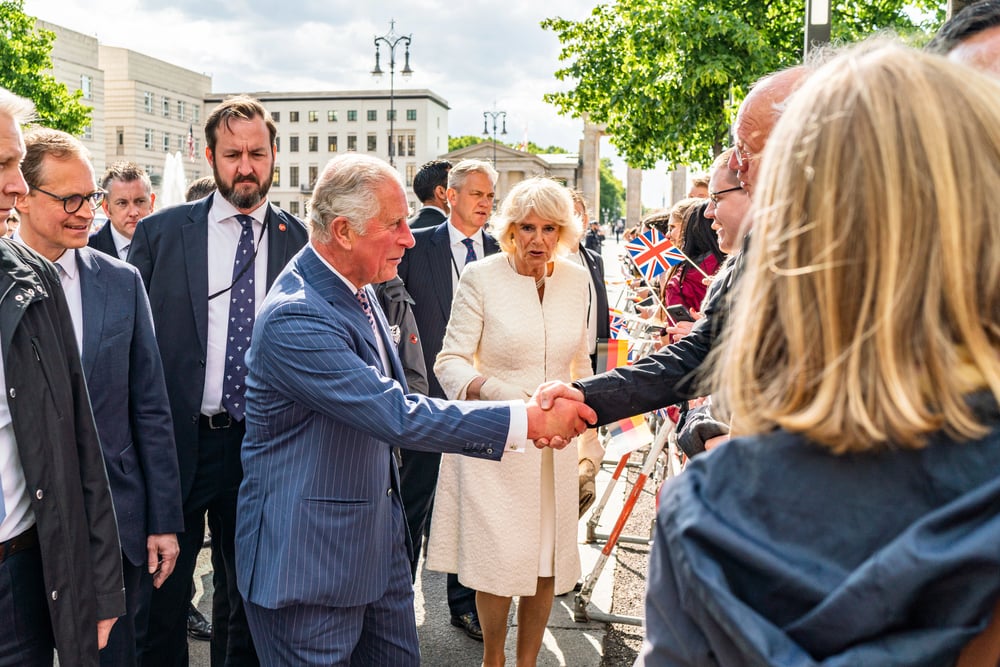
In 1884, European powers met in Berlin to settle competing claims in Africa. No African representatives attended.
From November 1884 to February 1885, diplomats from 14 nations drew lines on maps, creating borders that had nothing to do with existing kingdoms, ethnic groups, or geographic realities. Chancellor Otto von Bismarck hosted the conference, positioning Germany as a colonial power.
The conference established rules for how Europeans would claim African territory. It legitimized the scramble for colonies and accelerated European control of the continent.
The borders drawn in Berlin created nations that combined rival groups or split unified peoples across multiple colonies. When African nations gained independence in the mid-1900s, they inherited these arbitrary boundaries.
Many conflicts in modern Africa trace directly back to borders created by diplomats who had never visited the places they were dividing. The conference demonstrated how powerful nations could reshape entire continents to serve their interests, with consequences that lasted more than a century.
The First Zionist Congress Plans a Homeland
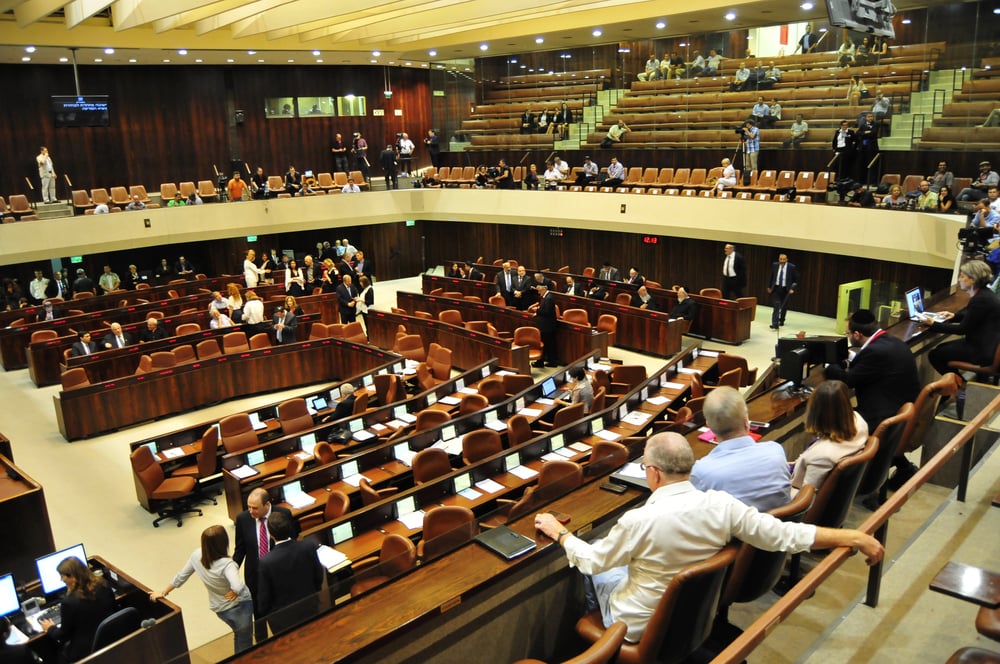
Theodor Herzl organized the First Zionist Congress in Basel, Switzerland, in August 1897. About 200 delegates from various countries attended, representing Jewish communities that faced persecution in Europe.
The congress lasted three days and established the Zionist Organization, dedicated to creating a Jewish homeland in Palestine. Herzl wrote in his diary that he had founded the Jewish state in Basel, though it would take 50 years to materialize.
The congress created institutions, raised funds, and coordinated efforts to purchase land and encourage immigration to Palestine. Subsequent congresses continued the work, building the organizational structure that eventually led to the establishment of Israel in 1948.
The gathering took a scattered movement and gave it direction, institutions, and a concrete plan. Herzl understood that creating a state required more than an idea—it needed organization, and the congress provided that.
The Yalta Conference Divides the Postwar World
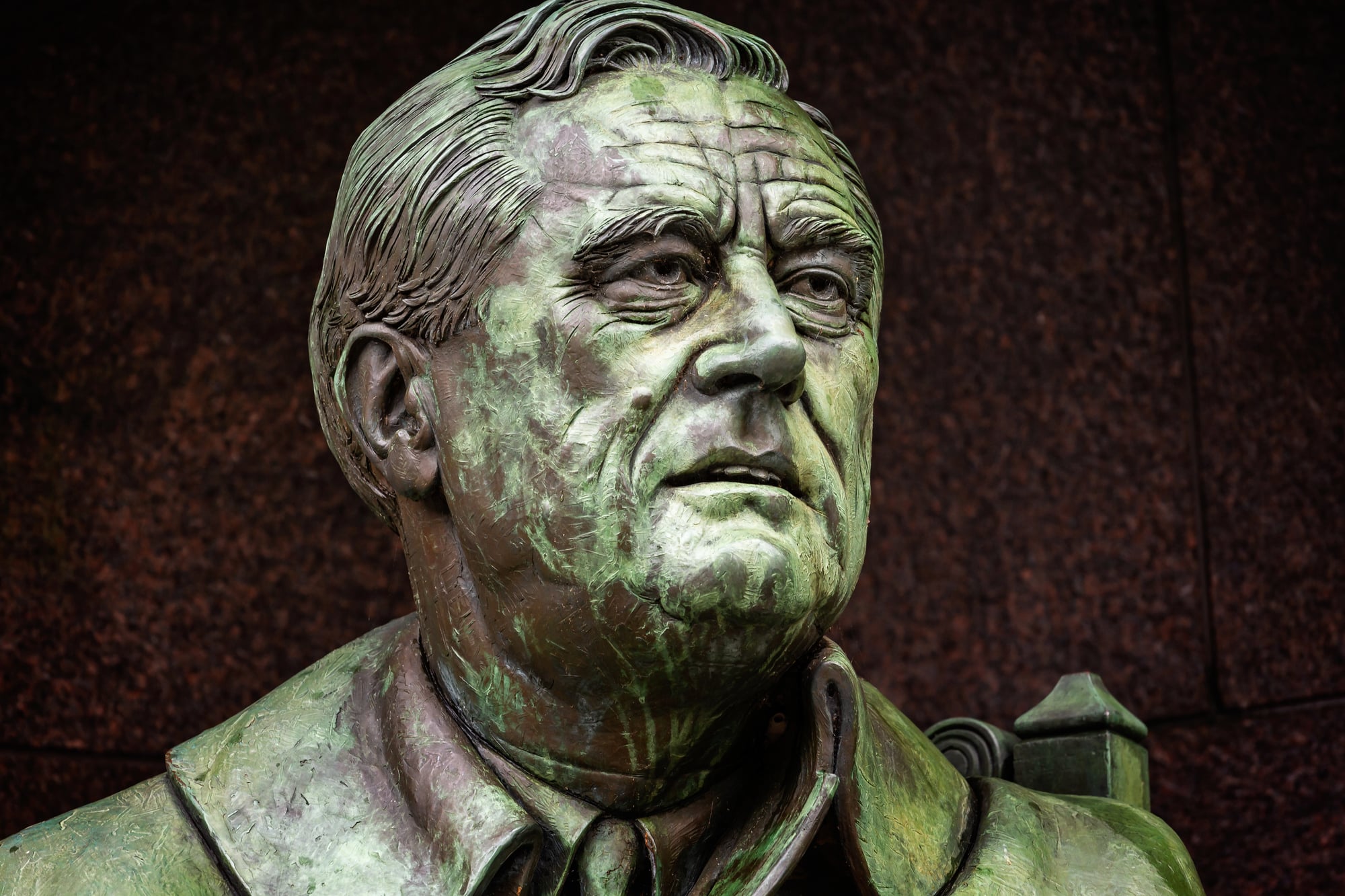
In February 1945, Franklin Roosevelt, Winston Churchill, and Joseph Stalin met at Yalta in Crimea. World War II was ending in Europe, and the three leaders needed to plan what came next.
They met for a week, discussing borders, occupation zones, and the structure of the postwar world. The agreements reached at Yalta shaped the Cold War that followed.
The leaders divided Germany into occupation zones and agreed on Soviet influence in Eastern Europe. They planned the United Nations and discussed how to handle defeated Axis powers.
Roosevelt hoped to maintain cooperation with Stalin after the war, but the agreements fell apart within months. Eastern Europe became Soviet-dominated, Germany split into East and West, and the wartime alliance dissolved into decades of tension.
Critics later argued that Roosevelt gave away too much at Yalta, though defenders note he had limited leverage given Soviet control of Eastern European territory. The conference showed how wartime alliances don’t automatically translate into peacetime cooperation.
The Bandung Conference Creates Non-Alignment
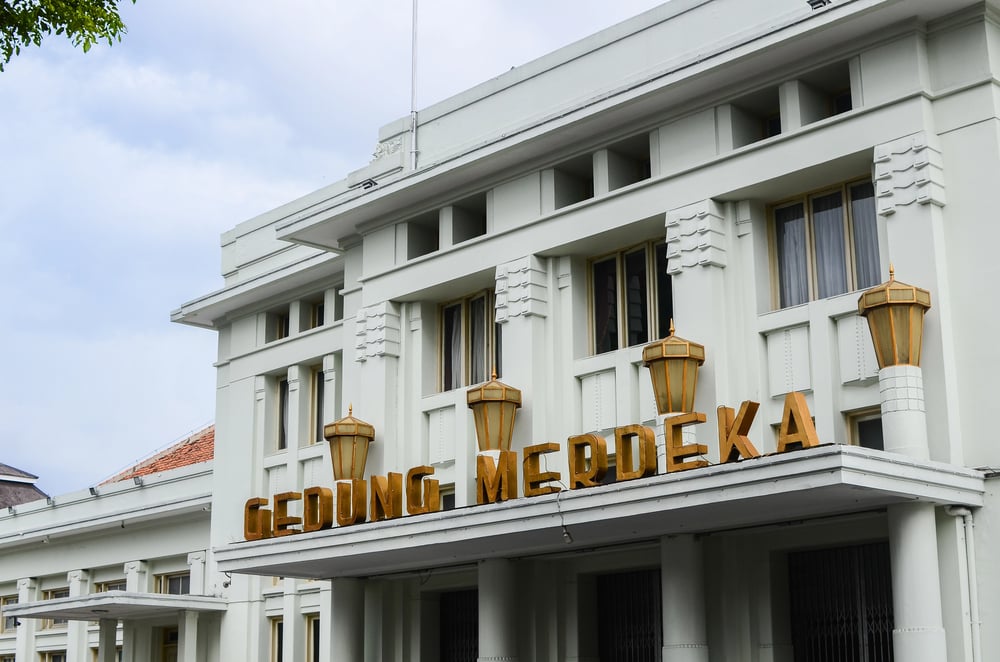
In April 1955, representatives from 29 African and Asian nations gathered in Bandung, Indonesia. Most of these countries had recently gained independence from European colonial powers.
They met to discuss cooperation, economic development, and how to navigate a world dominated by Cold War tensions between the United States and Soviet Union. The conference promoted principles of sovereignty, non-aggression, and non-interference in internal affairs.
Attendees rejected both Western capitalism and Soviet communism, seeking a third path. The meeting launched the Non-Aligned Movement, which gave smaller nations collective voice in international affairs.
Leaders like Jawaharlal Nehru of India, Gamal Abdel Nasser of Egypt, and Sukarno of Indonesia emerged as spokesmen for newly independent countries. The conference demonstrated that former colonies could organize independently rather than simply choosing sides in superpower conflicts.
It shifted how developing nations engaged with global politics, emphasizing sovereignty and self-determination.
The March on Washington Demands Civil Rights
On August 28, 1963, approximately 250,000 people gathered in Washington, D.C., for the March on Washington for Jobs and Freedom. Organizers had planned the event for months, coordinating transportation and logistics for attendees from across the country.
The march brought together civil rights organizations, labor unions, and religious groups in a massive display of support for racial equality. Martin Luther King Jr. delivered his famous “I Have a Dream” speech from the steps of the Lincoln Memorial.
Other speakers addressed economic inequality, voting rights, and police violence. The march put enormous pressure on Congress and the Kennedy administration to act on civil rights legislation.
The following year, Congress passed the Civil Rights Act of 1964, outlawing discrimination based on race, color, religion, or national origin. The march showed the power of mass peaceful protest and became a model for future movements.
It transformed civil rights from a regional issue into a national priority.
The Montreal Protocol Saves the Ozone Layer

In September 1987, representatives from 24 nations met in Montreal to address damage to the ozone layer. Scientists had discovered that chlorofluorocarbons—chemicals used in refrigerators, air conditioners, and aerosol cans—were destroying ozone in the upper atmosphere.
The thinning ozone layer allowed more ultraviolet radiation to reach Earth, increasing cancer risks and threatening ecosystems. The Montreal Protocol committed nations to phasing out ozone-depleting substances.
Countries agreed to specific reduction targets and timelines. Developed nations provided financial assistance to help developing countries transition to alternative chemicals.
The protocol worked remarkably well. By 2000, production of the most harmful substances had dropped dramatically.
Scientists now project the ozone layer will recover to 1980 levels by the middle of this century. The Montreal Protocol stands as proof that international cooperation can solve global environmental problems.
It established a model for addressing climate change and other planetary-scale challenges.
The Constitutional Convention Creates American Government
In May 1787, delegates from 12 states gathered in Philadelphia to revise the Articles of Confederation, which governed the newly independent United States. They quickly abandoned that goal and decided to create an entirely new constitution.
The convention lasted nearly four months, with intense debates about representation, federal power, and individual rights. The delegates worked in secret, allowing them to negotiate freely without outside pressure.
They compromised on contentious issues—large states versus small states, slave states versus free states, federal authority versus state sovereignty. James Madison’s Virginia Plan provided the framework, but the final document reflected months of debate and revision.
The Constitution they created established the structure of the American government that still functions today. The convention demonstrated that radically different visions could produce a workable compromise.
The document’s flexibility—its ability to be amended—helped it survive challenges the framers never anticipated.
The Bretton Woods Conference Builds Financial Order
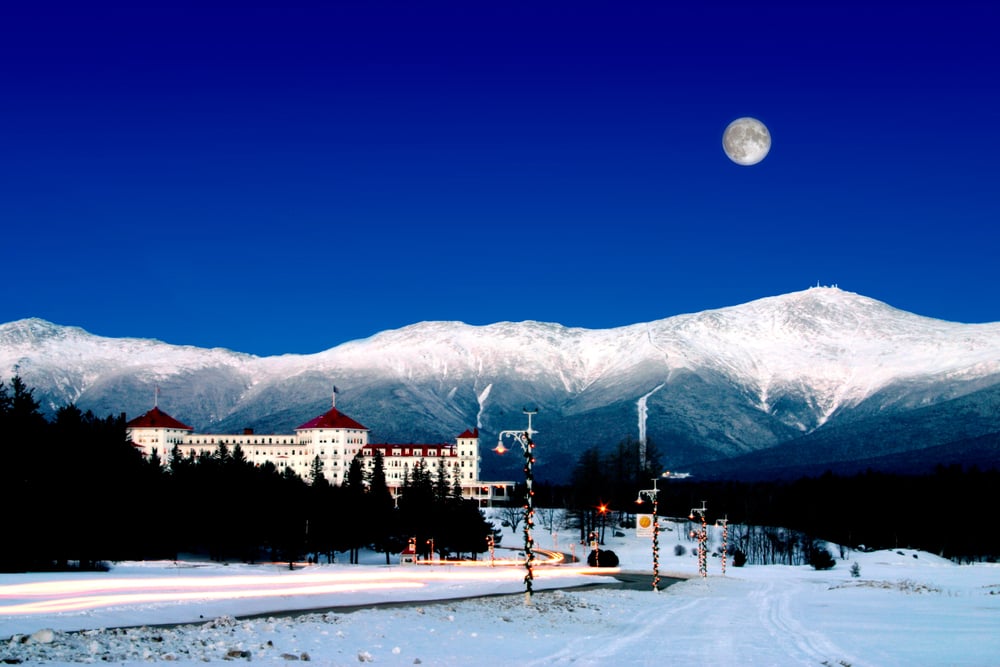
In July 1944, delegates from 44 nations met at Bretton Woods, New Hampshire, to design the postwar international economic system. World War II was still ongoing, but planners knew they needed to avoid the economic chaos that followed World War I.
British economist John Maynard Keynes and American Treasury official Harry Dexter White led the negotiations. The conference established the International Monetary Fund and the World Bank.
It created a system of fixed exchange rates tied to the U.S. dollar, which was backed by gold. The goal was to promote trade, stabilize currencies, and fund reconstruction.
The Bretton Woods system worked well for about 25 years, facilitating economic growth and international trade. It eventually collapsed in the 1970s when the U.S. abandoned the gold standard, but the institutions created at Bretton Woods continue operating today.
The conference showed how coordinated economic policy could prevent the competitive devaluations and trade wars that had deepened the Great Depression.
The Stonewall Uprising Galvanizes LGBTQ Rights
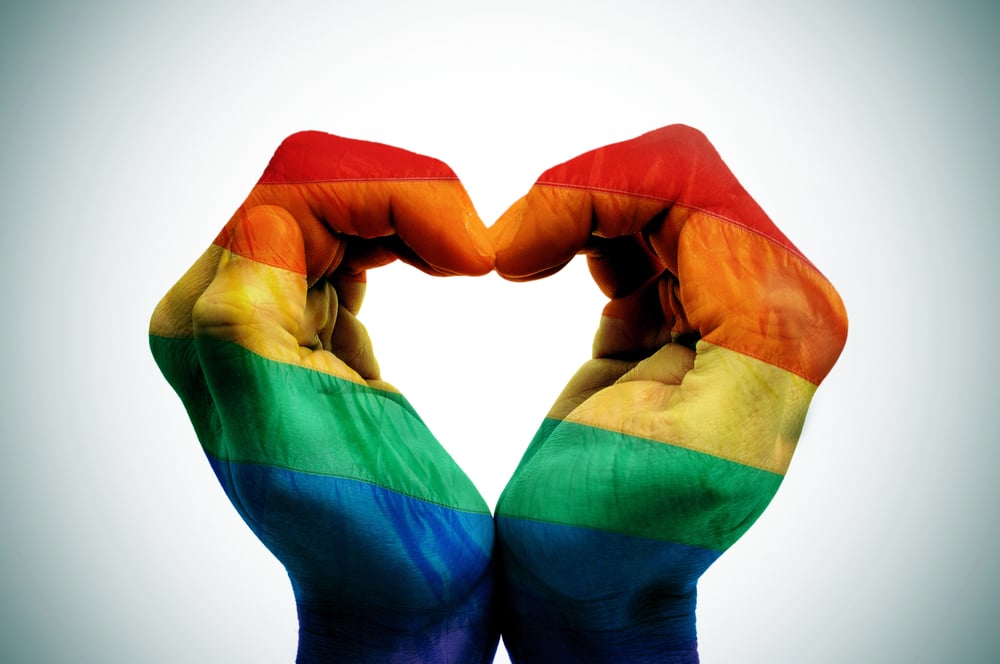
In June 1969, police raided the Stonewall Inn, a gathering place for LGBTQ people in New York City’s Greenwich Village. Such raids were common, but this time patrons fought back.
The confrontation sparked several nights of protests and street demonstrations. Hundreds of people gathered outside the bar, clashing with police and demanding an end to harassment.
The uprising transformed how LGBTQ people organized and advocated for rights. Within months, activists formed new organizations focused on visibility and political action rather than quiet assimilation.
The first gay pride marches occurred the following year, commemorating the Stonewall riots. The movement shifted from seeking tolerance to demanding equality.
Stonewall didn’t start LGBTQ activism, but it changed its character and intensity. It turned a dispersed movement into a coordinated push for legal rights, social acceptance, and political power.
The uprising showed that marginalized groups could claim public space and demand recognition.
The Good Friday Agreement Ends Decades of Violence
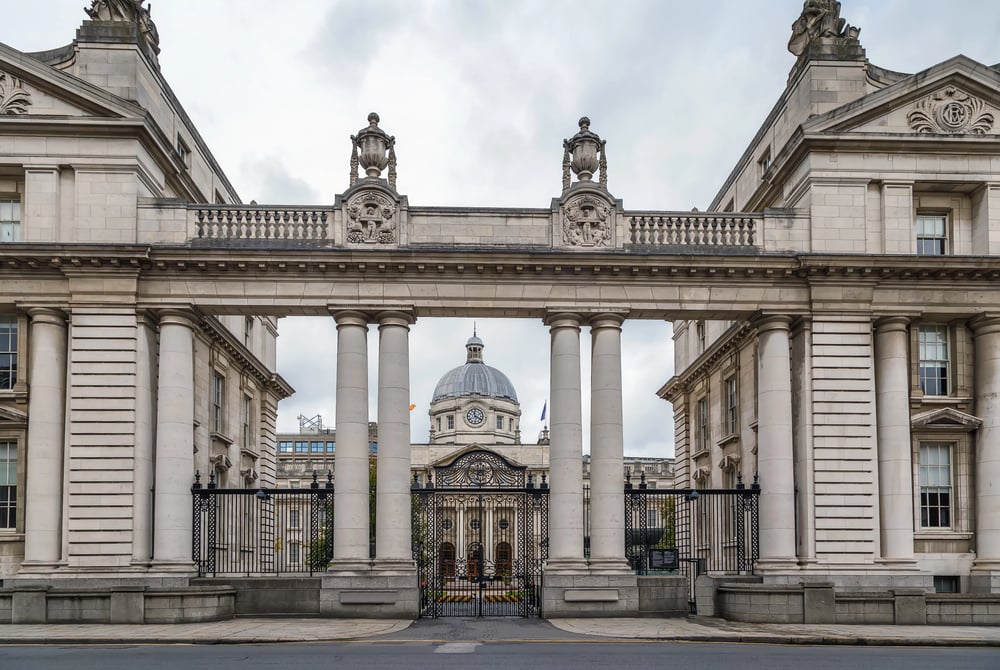
In April 1998, representatives from British and Irish governments, along with Northern Irish political parties, gathered to negotiate an end to the conflict known as The Troubles. Decades of violence between unionists and nationalists had killed over 3,500 people.
The talks included groups that had ties to paramilitary organizations, bringing former enemies to the same table. The negotiations were difficult and nearly collapsed several times.
Former U.S. Senator George Mitchell chaired the talks, pushing parties toward compromise. On Good Friday, the parties reached an agreement establishing a power-sharing government for Northern Ireland.
It recognized both British and Irish identities, and provided a path for Northern Ireland to join Ireland if majorities in both parts of Ireland agreed. The agreement didn’t solve every problem or end all violence, but it dramatically reduced conflict and created stable political institutions.
It demonstrated that even deeply entrenched conflicts could find peaceful resolution through negotiation.
The Paris Climate Agreement Sets Global Goals
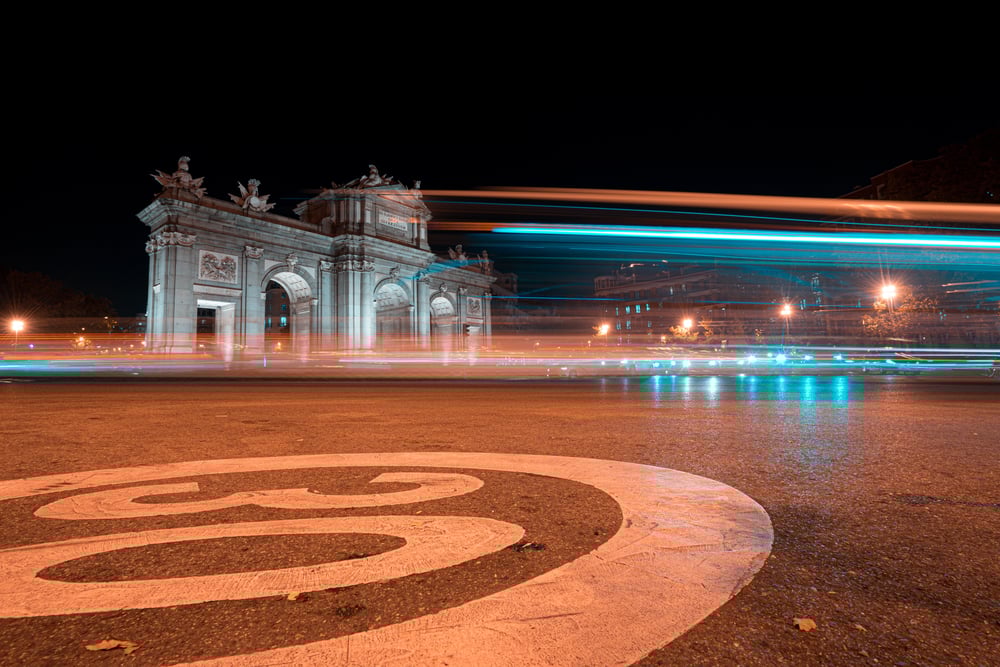
In December 2015, representatives from 196 countries gathered in Paris for United Nations climate negotiations. Scientists had warned for decades about rising global temperatures caused by greenhouse gas emissions.
Previous attempts at international climate agreements had failed or proven inadequate. The Paris talks aimed to create a framework that all countries could accept.
The resulting agreement committed nations to limiting global temperature rise to well below 2 degrees Celsius above pre-industrial levels, with efforts to limit it to 1.5 degrees. Unlike previous treaties, Paris allowed each country to set its own emissions reduction targets, with regular reviews and updates.
The agreement acknowledged that wealthy nations had contributed most to climate change and should provide financial support to developing countries. While critics argue the commitments aren’t strong enough and implementation remains incomplete, the agreement represented unprecedented global consensus on climate action.
It shifted climate change from a scientific concern to a central political and economic priority.
When Talk Becomes Action

Meetings alone won’t fix anything. The Congress of Vienna made a difference since big countries followed through on what they agreed.
Seneca Falls had an impact – not just talk – because people left and started pushing for change locally. Countries didn’t just sign the Montreal deal; they carried it out, which is why it worked.
These events had a few things in line. Yet they mixed folks with clashing views, pushing them to agree somehow.
Still, they built stuff like pacts or groups that stuck around after the talks ended. Even so, they saw certain issues needing teamwork instead of going solo.
Not all old meetings succeed. A few deals break fast, while some just don’t fix what’s broken.
Yet the ones that do work reveal what happens when folks come together with intent, talk honestly, or follow through later on. These moments prove conversation – though tough or dragging now and then – can actually change things.
More from Go2Tutors!

- The Romanov Crown Jewels and Their Tragic Fate
- 13 Historical Mysteries That Science Still Can’t Solve
- Famous Hoaxes That Fooled the World for Years
- 15 Child Stars with Tragic Adult Lives
- 16 Famous Jewelry Pieces in History
Like Go2Tutors’s content? Follow us on MSN.